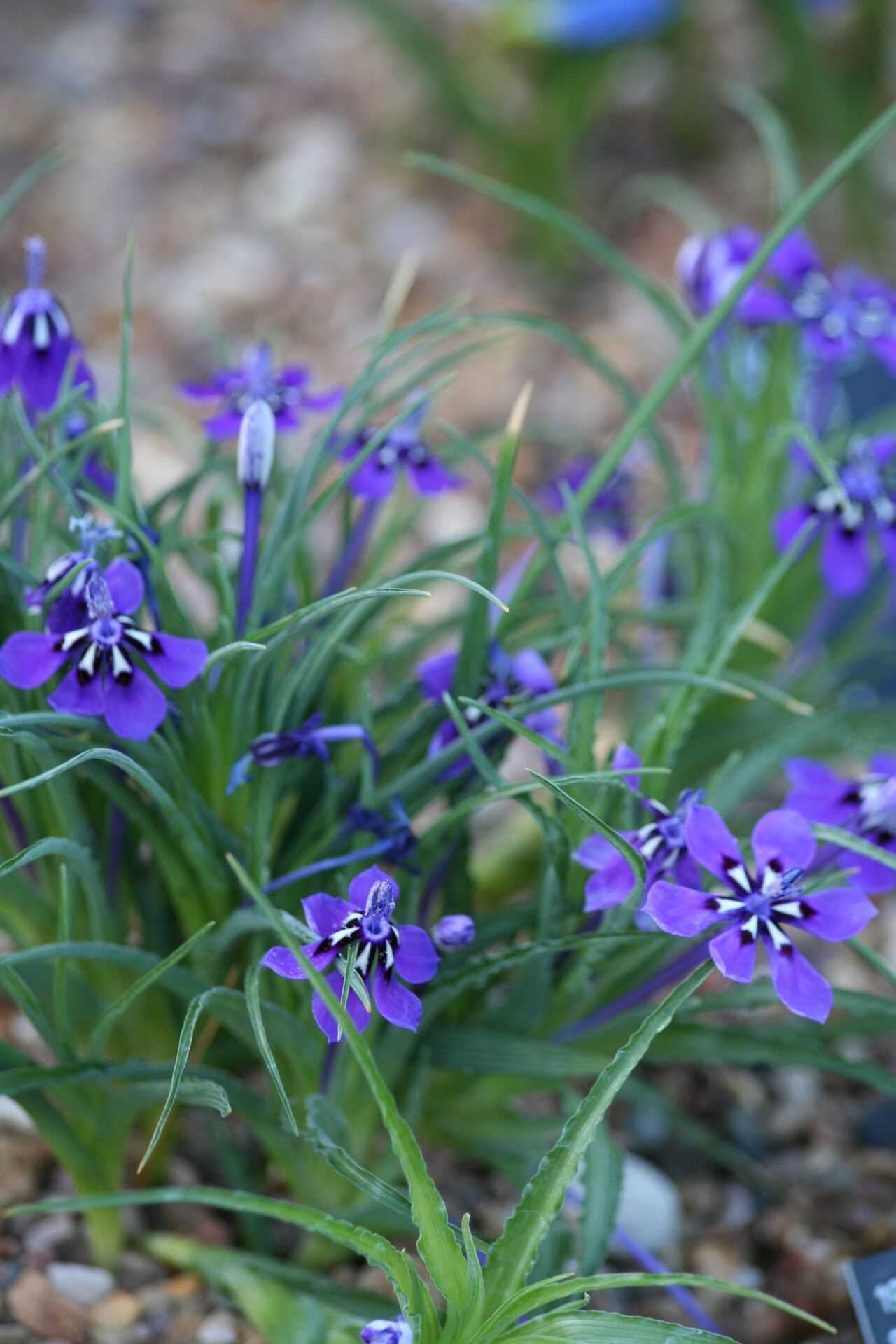
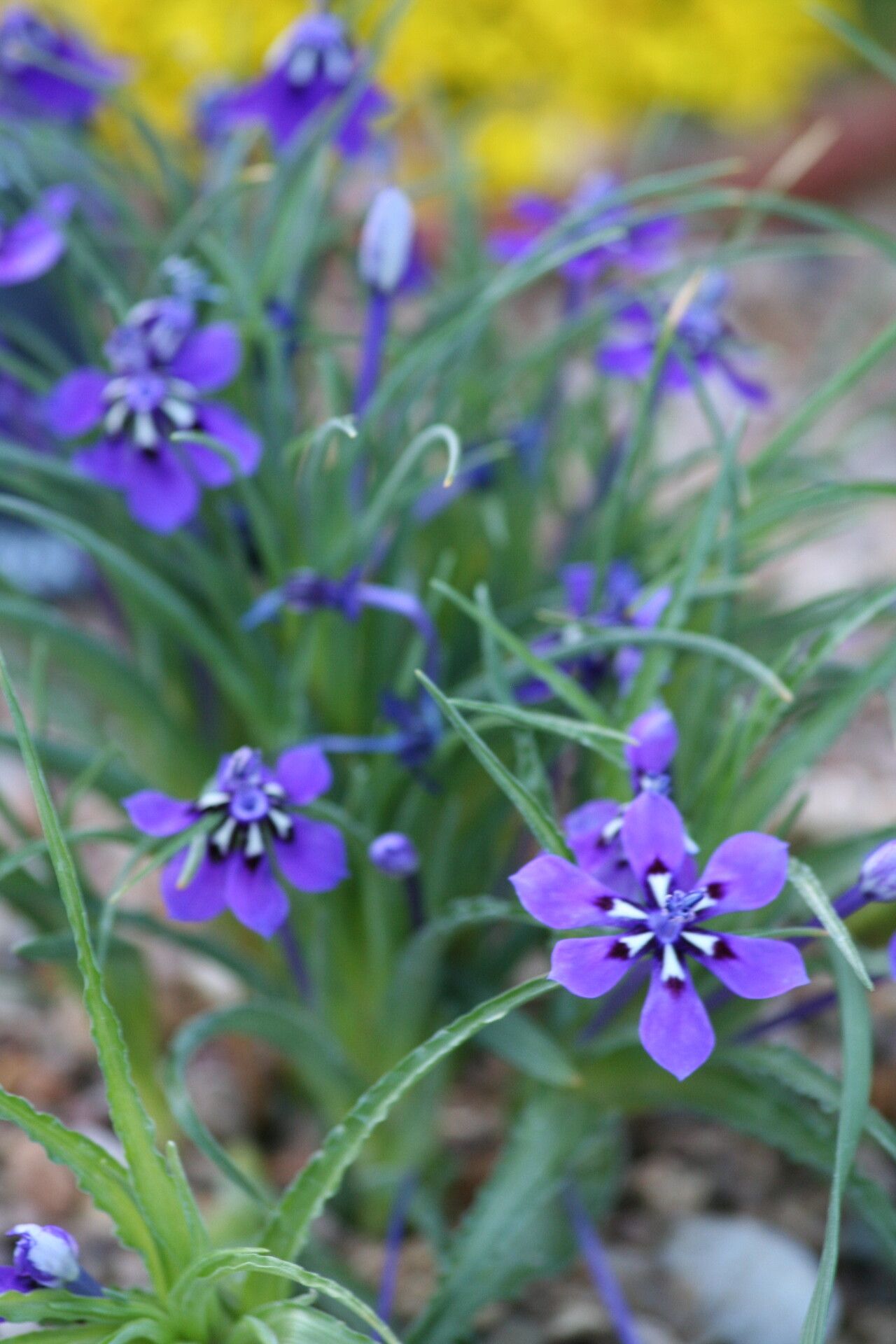
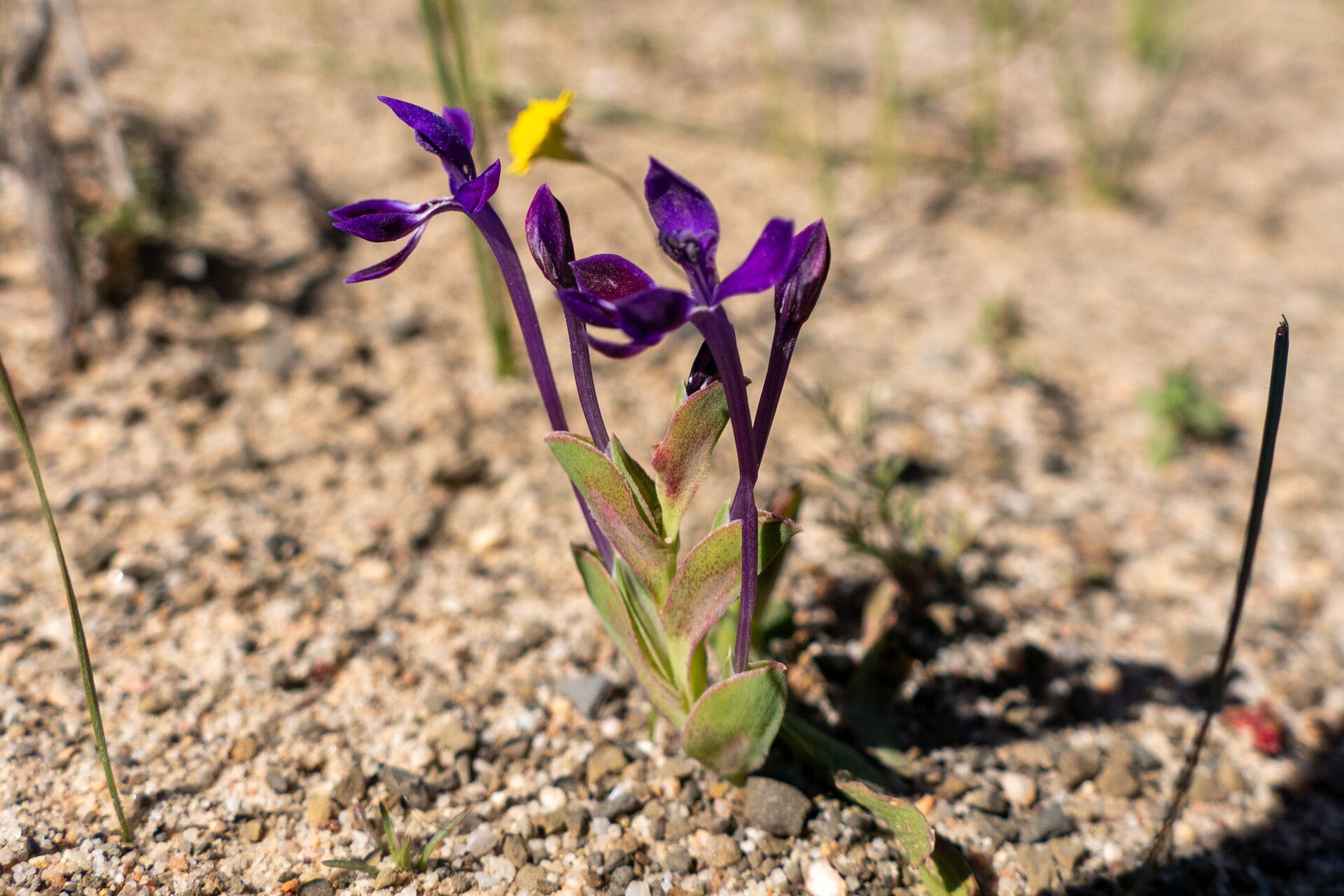
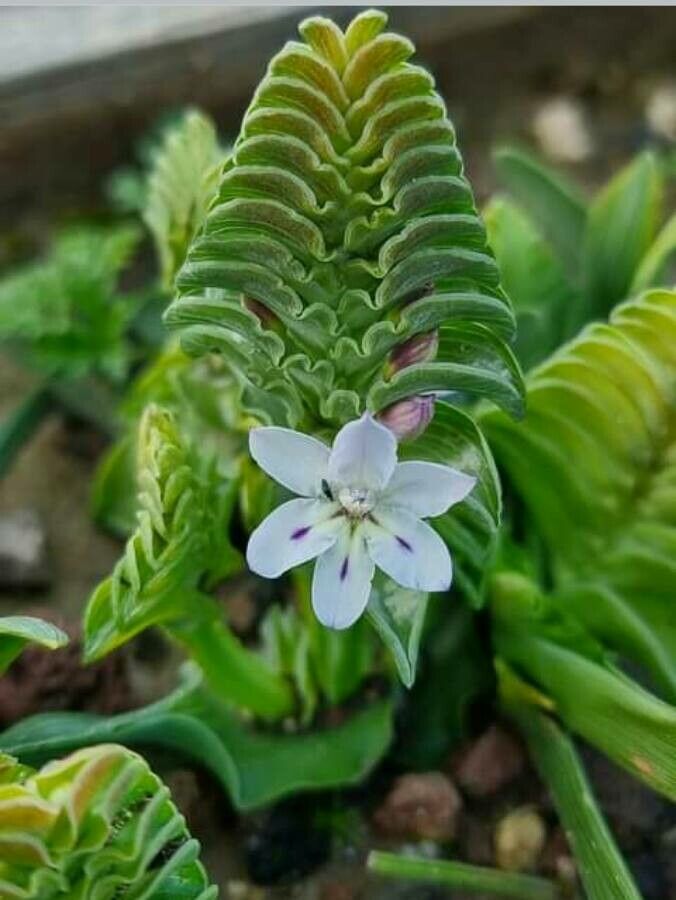
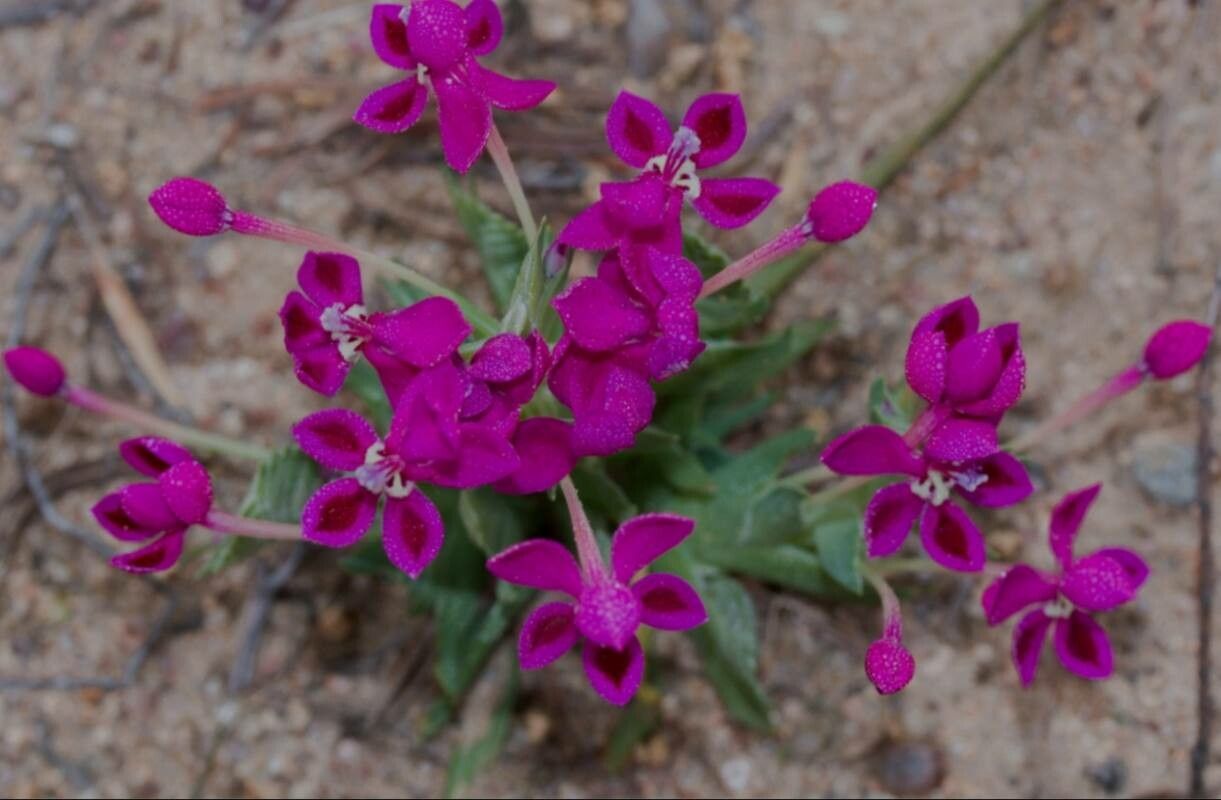
Lapeirousia oreogena, known in English as cushion cabong and in Afrikaans as perskussing, is a species of tuberous geophyte in the Iris family, Iridaceae. It is found in a small area between the provinces of Northern Cape and Western Cape in South Africa. Lapeirousia oreogena was first described in 1897 by Rudolf Schlechter and then subsequently published in Contributions from the Bolus Herbarium by Peter Goldblatt in 1972.
Cushion Kabong is fairly disease-resistant and generally not susceptible to illnesses. Still, it can be affected by pests and diseases present in its surroundings. Such infections are typically mild. Regarding care, this plant has moderate maintenance needs. It requires regular pruning to preserve a neat appearance and encourage healthy growth. Applying fertilizer can also help stimulate flowering. Cushion Kabong is appropriate for anyone with outdoor space, like a garden or patio, and does not demand extensive care experience. It may need more attention when cultivated indoors.
How to keep Lapeirousia Oreogena.
Light
Cushion Kabong is a sun-loving perennial herbaceous plant native to open habitats and commonly thriving in meadows and grasslands. It prefers full sun but can also tolerate partial sun.
Water
Lapeirousia oreogena flourishes in areas with consistent rainfall and benefits from balanced watering to stay healthy. Watering once a week is typically sufficient, aligning with the local rain cycles for optimal growth. This outdoor plant thrives best in its natural environment, where it is protected from extreme drought and high humidity levels.
Fertilizer
The primary time to fertilize Cushion Kabong is in early spring, when the flowers are developing. Using the appropriate fertilizer promotes better blooms and helps Cushion Kabong produce attractive flowers. Fertilizing in early spring ensures strong flowers during the season and supplies energy for dormant growth phases.
Pruning
Lapeirousia oreogena is known for its vibrant flowers and compact growth habit. To maintain its health and appearance, prune in the spring after the blooming period. Use clean tools to remove any dead stems and lightly trim any overgrowth. Gentle pruning helps improve air circulation, reduces the risk of disease, and enhances the plant's aesthetic appeal.
Botanical profile.
- Plant Type
- Herb
- Life Cycle
- Perennial
- Genus
- Lapeirousia
- Family
- Iridaceae
- Hardiness Zone
- 9-11
- Mature Height
- 8 cm
- Mature Spread
- 15 cm to 25 cm
- Leaf Color
- Green
- Leaf Type
- Deciduous
- Flower Color
- Purple, Lavender
- Flower Size
- 3.05 cm to 5.08 cm
- Bloom Time
- Mid spring, Late spring
- Planting Time
- Spring
- Harvest Time
- Early summer, Mid summer
- Native Area
- South Africa