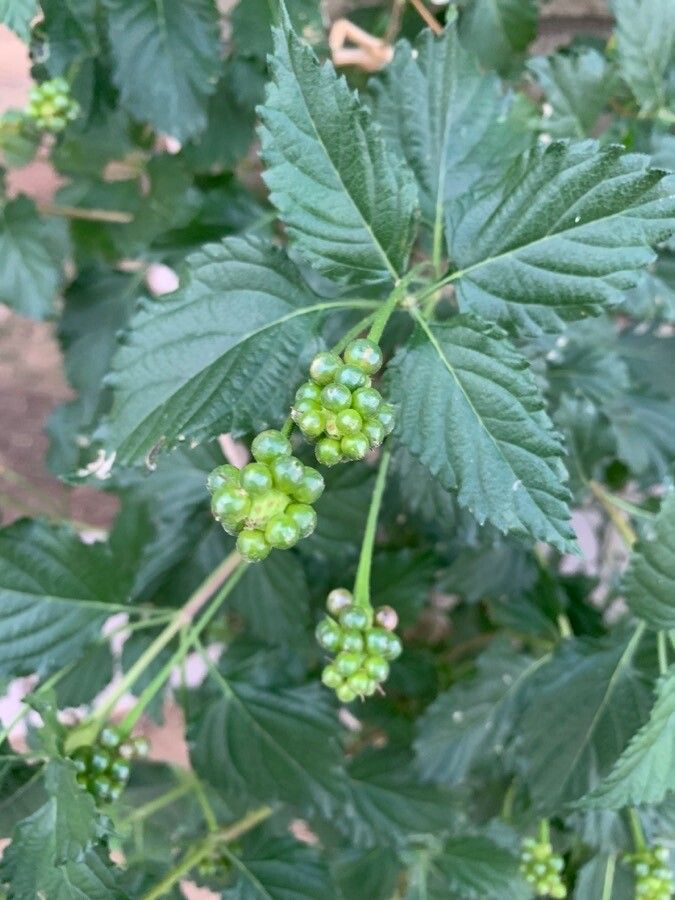
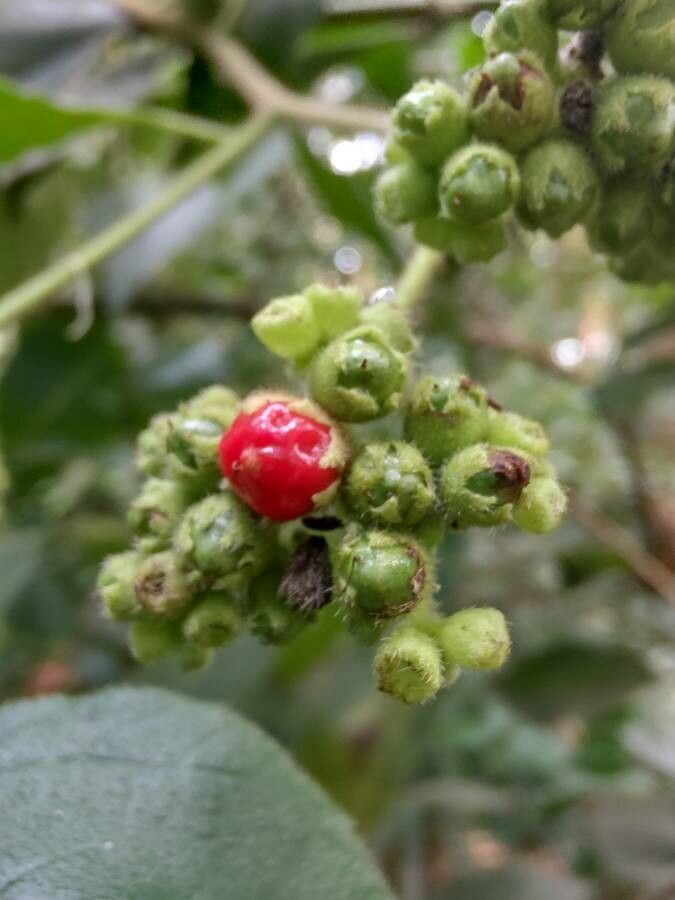
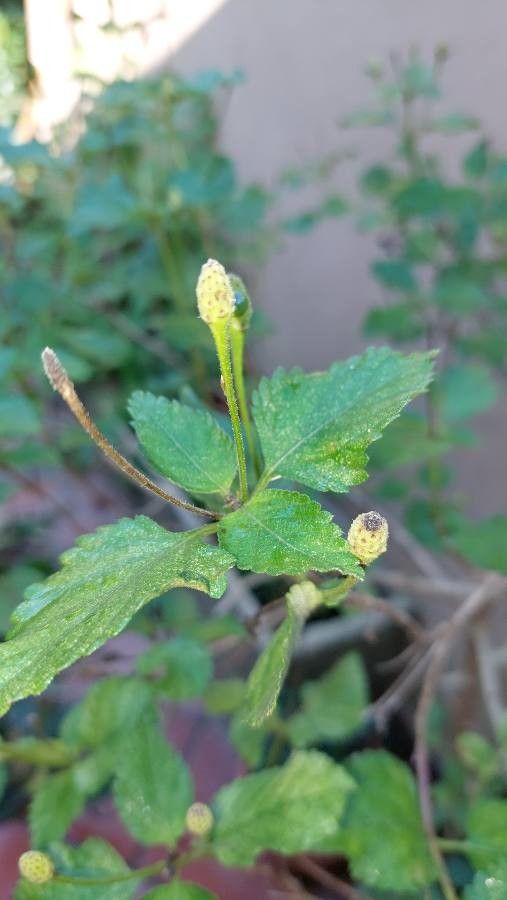
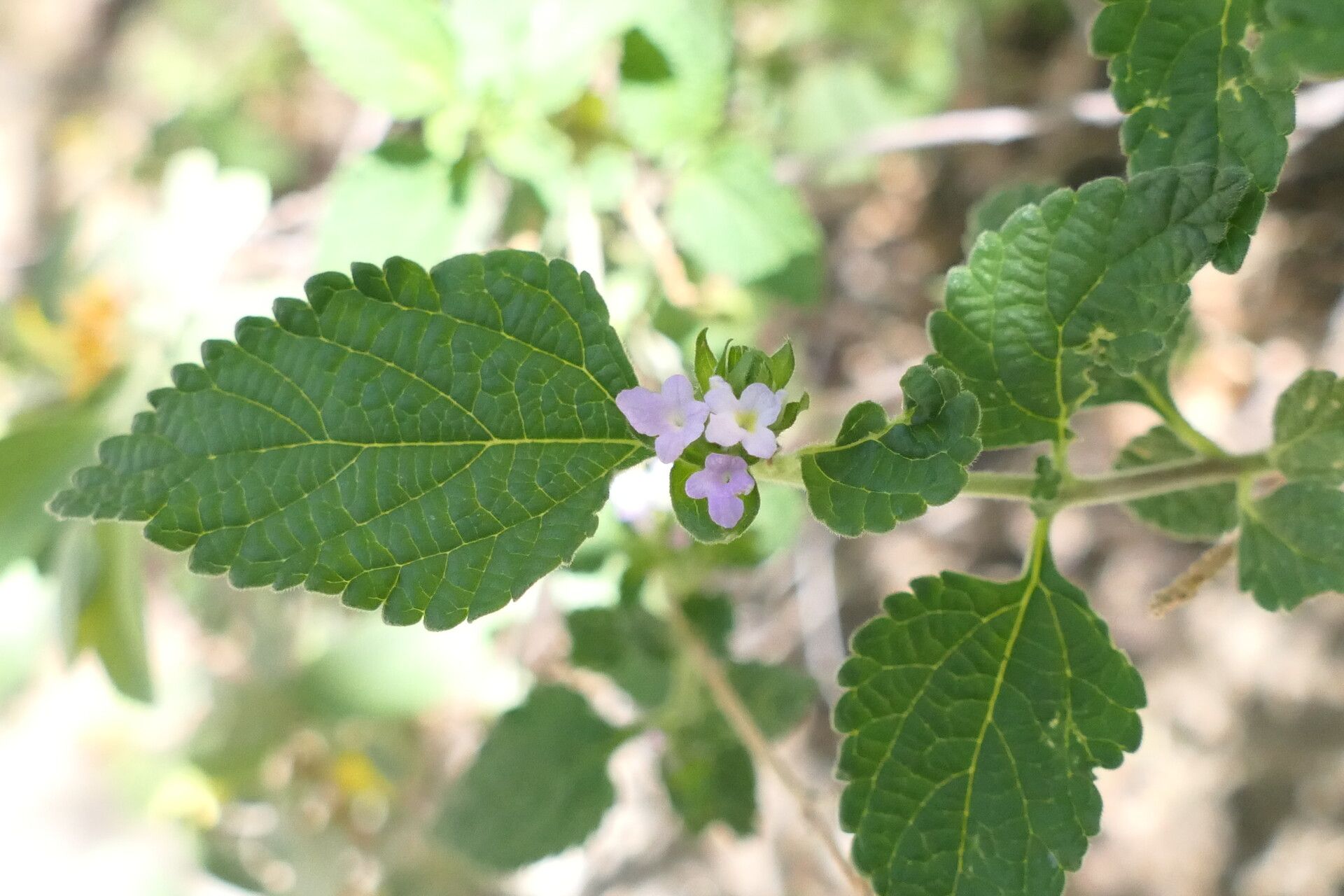
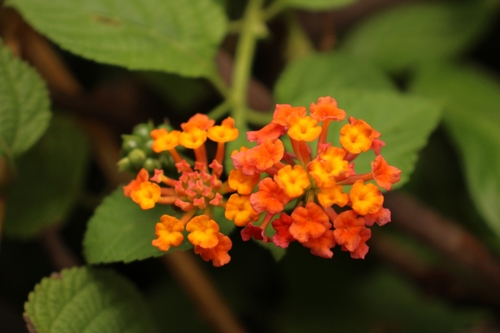
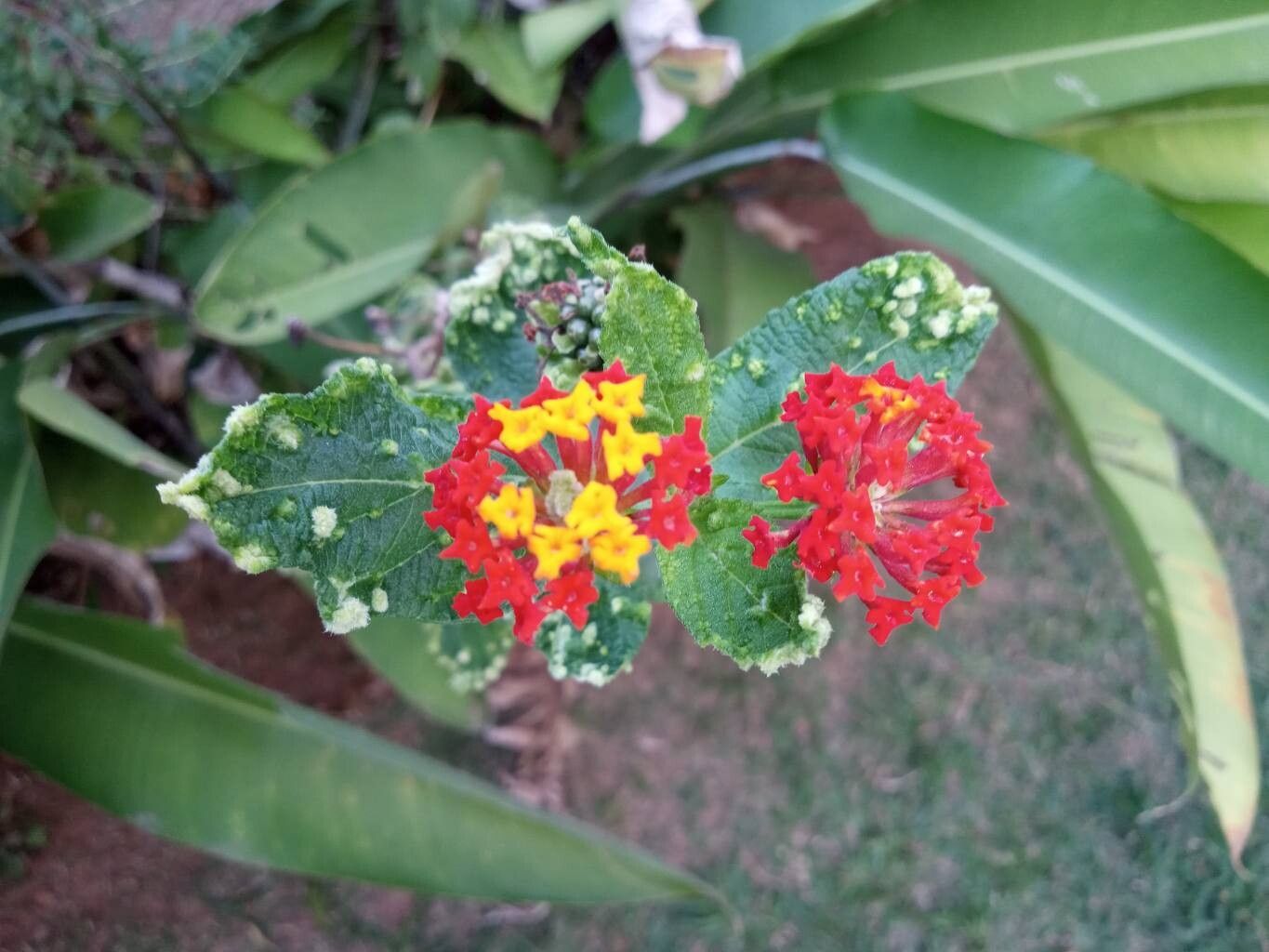
Lantana canescens, commonly known as the Hairy Lantana, is a flowering plant that belongs to the Verbenaceae family. Native to both North and South America, it thrives in a variety of habitats such as grasslands, woodlands, and rocky slopes. The plant can grow up to 1 meter tall and spread up to 2 meters wide.
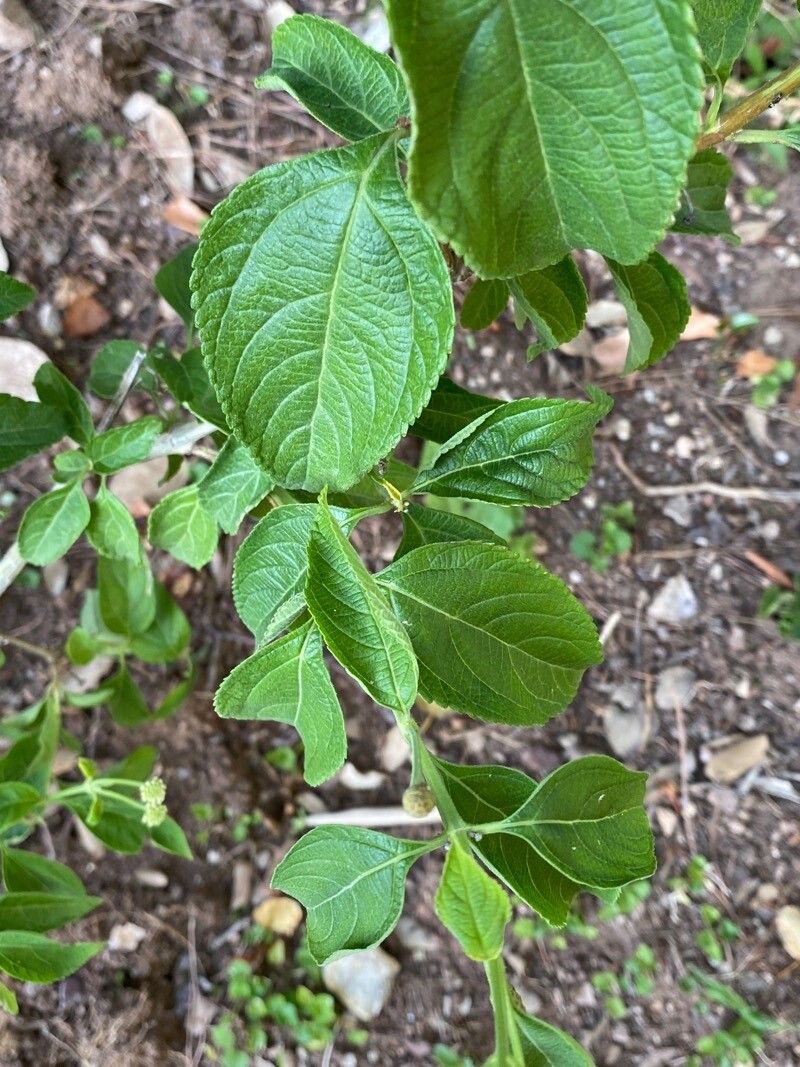
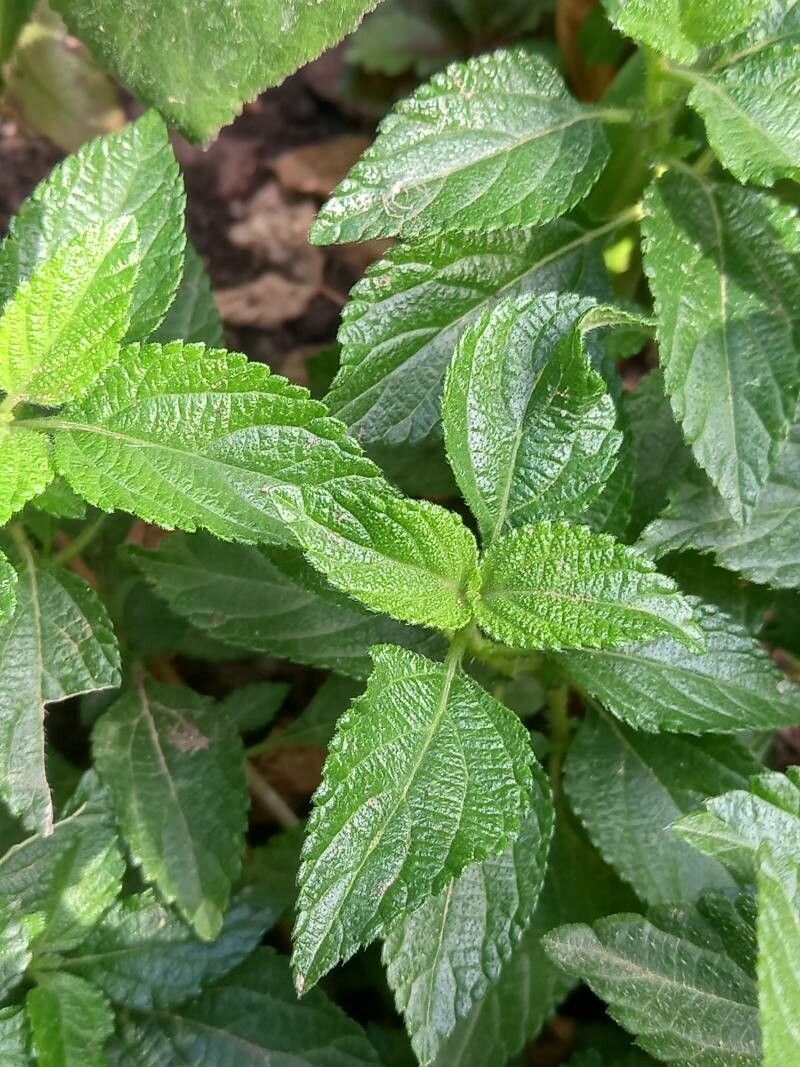
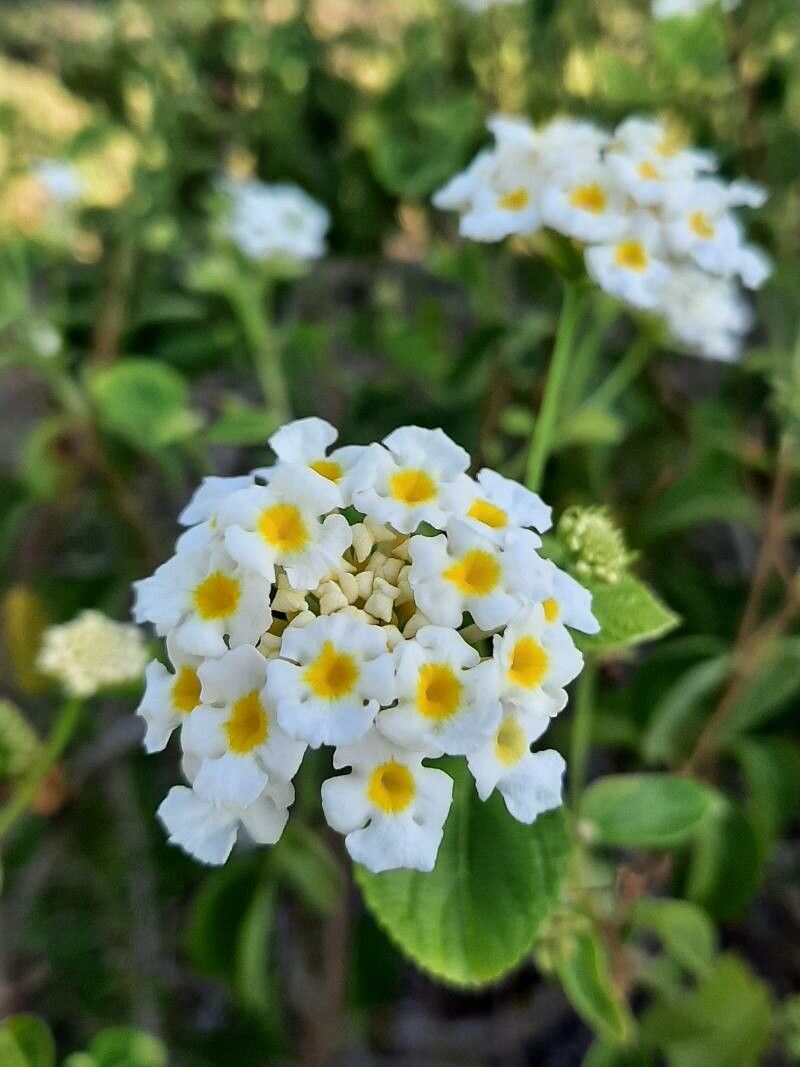
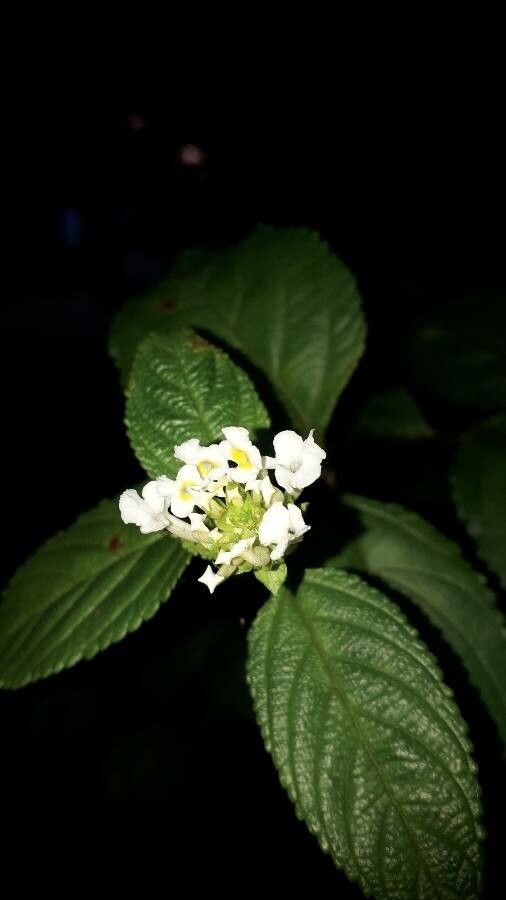
The leaves of Lantana canescens are hairy and oval-shaped, measuring approximately 2-5 cm in length. Its small, tubular flowers come in colors ranging from white to pinkish-purple or lavender-blue and are arranged in clusters at the tips of branches.
Hairy Lantana is renowned for its medicinal properties, including the treatment of fevers, coughs, and colds due to its anti-inflammatory effects. Additionally, it has insecticidal properties, making it effective for controlling pests such as mosquitoes.
For optimal growth, Lantana canescens requires full sun exposure or partial shade and well-drained soil. While it is drought-tolerant, it does need regular watering during dry periods.
Overall, this plant not only adds beauty to any garden but also offers medicinal benefits, making it a valuable addition for both aesthetic and practical purposes.
Hammock shrubverbena demonstrates solid resistance to disease and is usually not prone to illnesses. In terms of care, this plant is relatively low-maintenance. Planted outdoors it needs minimal watering, and larger plants generally do not require pruning. Smaller plants, however, should be pruned after they have bloomed. Hammock shrubverbenat is suitable for anyone with an outdoor space, such as a garden or deck, and does not require a lot of care experience.
How to keep Lantana Canescens.
Light
Hammock shrubverbena comes from open habitats, such as sunny meadows and forest edges, which provide abundant light. It thrives in Full Sun but can also tolerate Partial Sun, adapting well to various sunlight conditions.
Temperature
Hammock shrubverbena is fairly adaptable to temperature, able to endure higher heat and wider temperature swings. When temperatures are high, be attentive to watering and provide appropriate shade to avoid sunburn. However, it is relatively intolerant of low temperatures; while it can handle some cold, overly frigid conditions can cause frost damage.
Fertilizer
Timing is important when fertilizing Hammock shrubverbena. Apply fertilizer in early spring and continue monthly through early summer. Fertilizer promotes attractive blooms and supplies energy during both dormant and active growth periods.
Botanical profile.
- Plant Type
- Shrub
- Life Cycle
- Perennial
- Genus
- Lantana
- Family
- Verbenaceae
- Hardiness Zone
- 8-11
- Mature Height
- 30 cm to 61 cm
- Mature Spread
- 30 cm to 61 cm
- Leaf Color
- Dark Green, Gray
- Leaf Type
- Evergreen
- Flower Color
- Yellow, Orange, Pink
- Flower Size
- 1.02 cm to 1.52 cm
- Bloom Time
- All year round
- Planting Time
- Spring, Summer, Autumn
- Harvest Time
- All year round
- Native Area
- Colombia, Mexico, Bolivia, Venezuela, Peru, Guyana, Ecuador, Costa Rica
Other names.