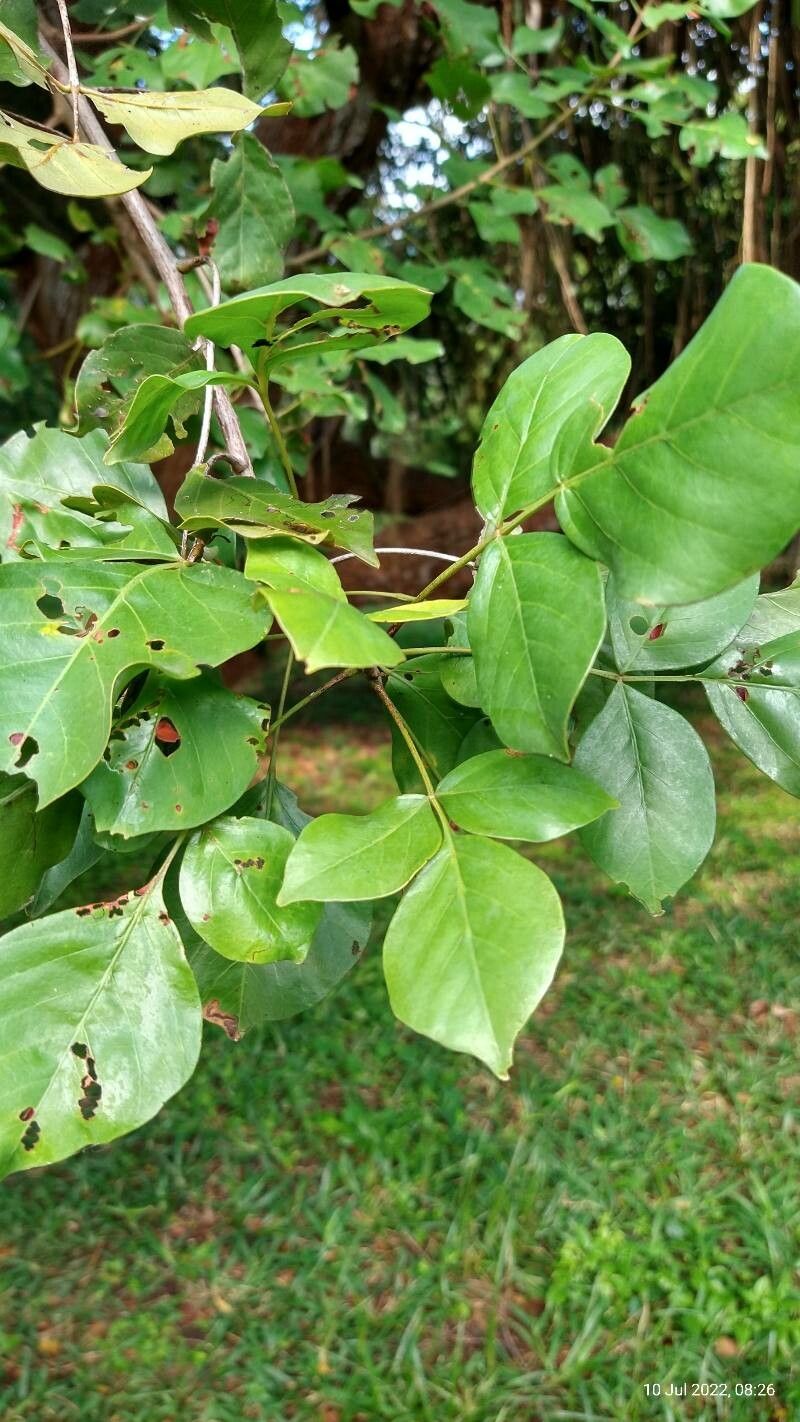
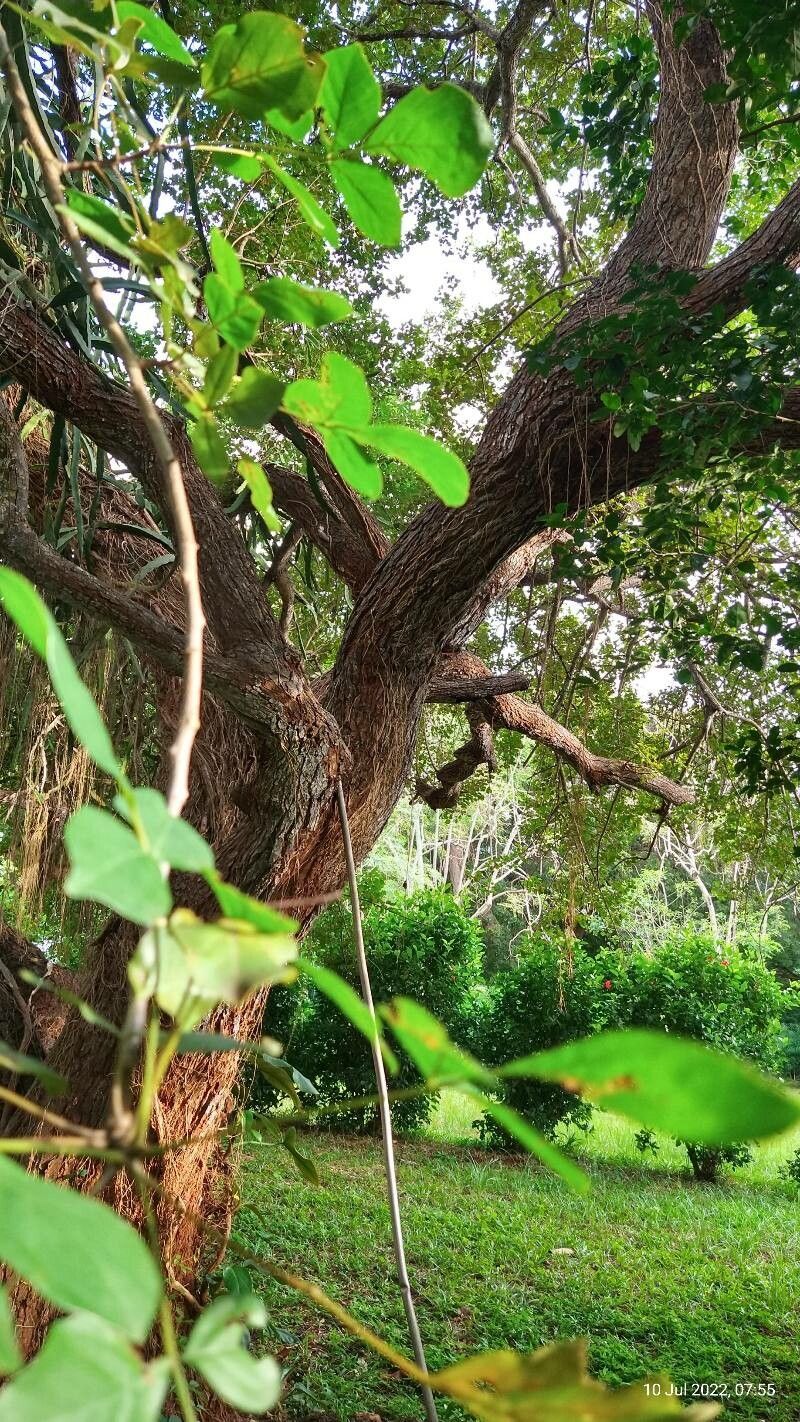
Lannea schweinfurthii, commonly known as the African grapefruit or false grapefruit, is a deciduous tree species in the Anacardiaceae family. Native to tropical Africa, it is found in countries such as Cameroon, Congo, Ethiopia, and Uganda. The tree can grow up to 20 meters tall and features a rounded crown with a thick trunk that can reach up to 1 meter in diameter.
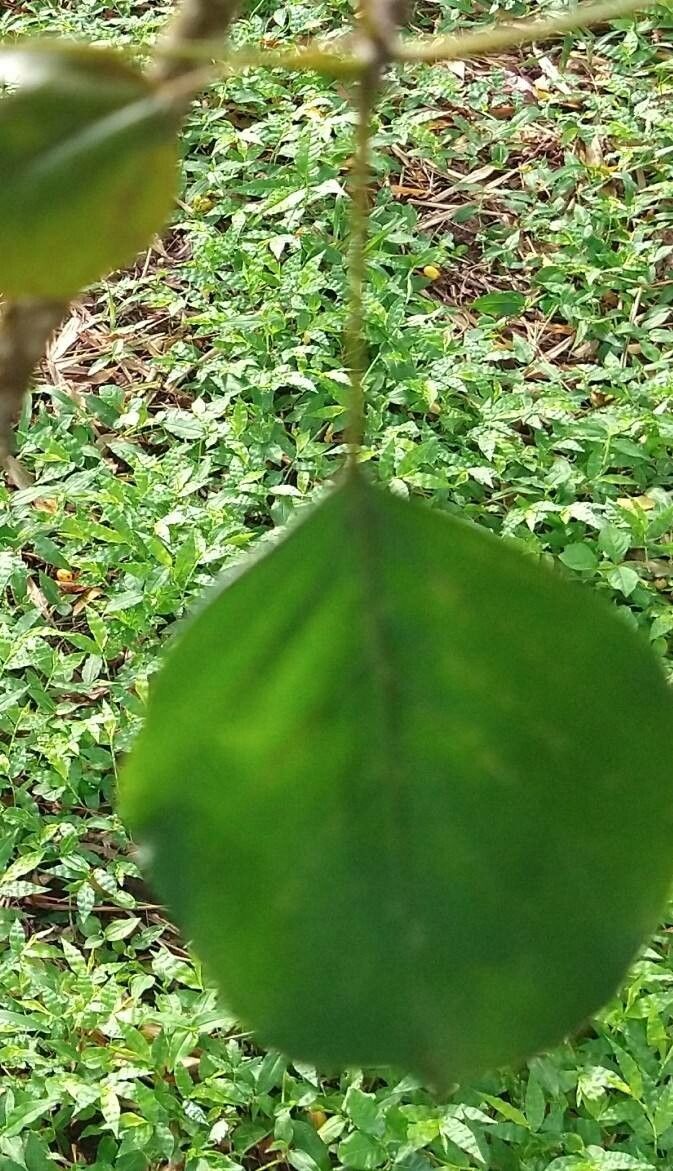
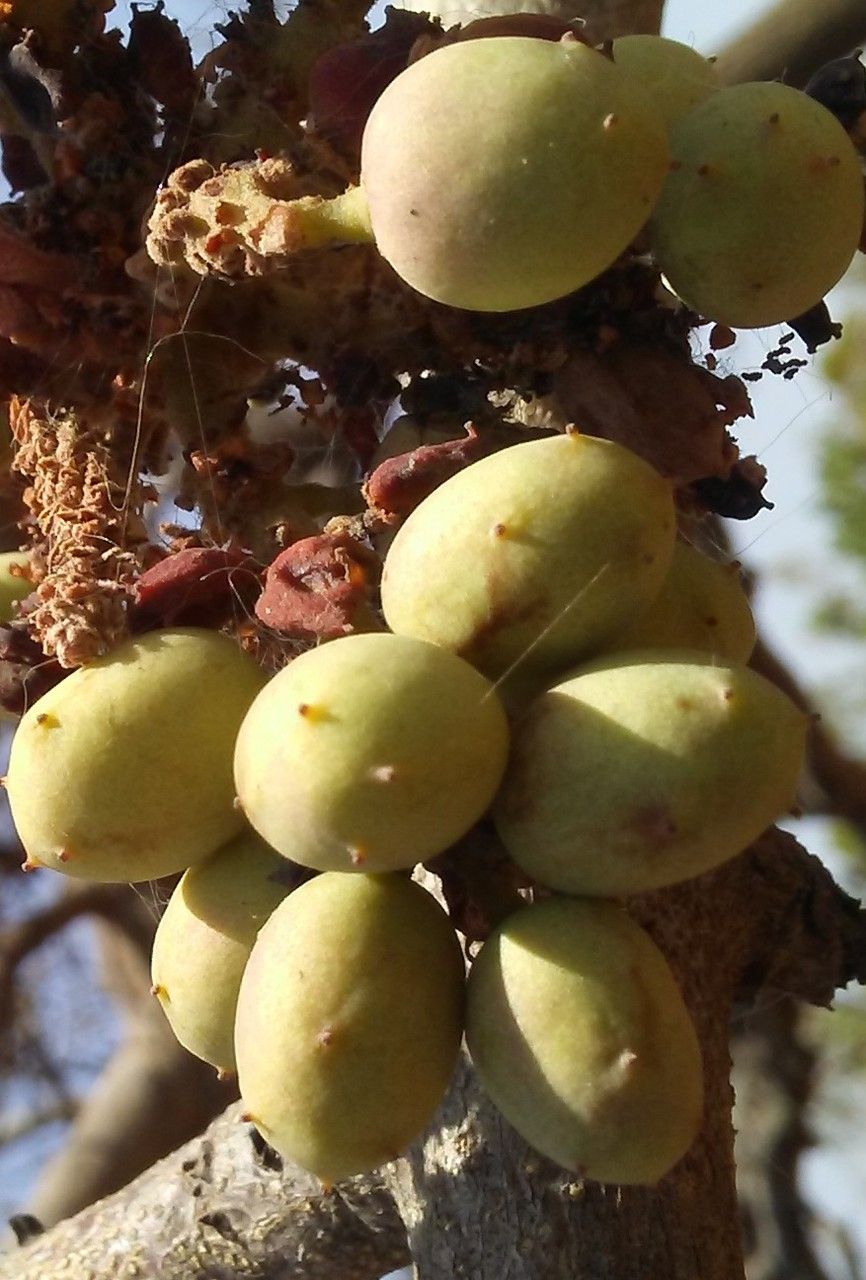
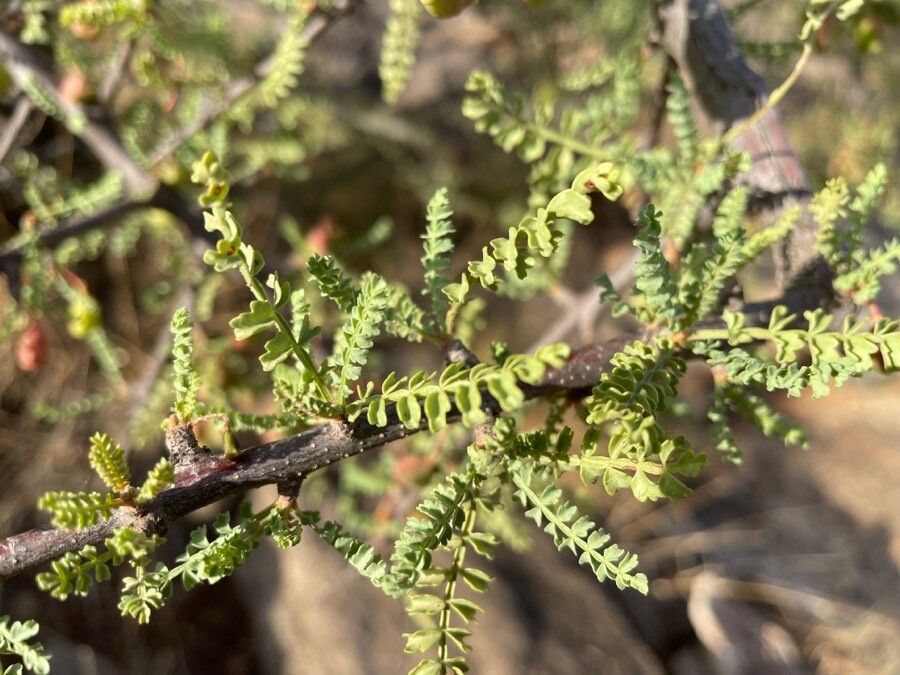
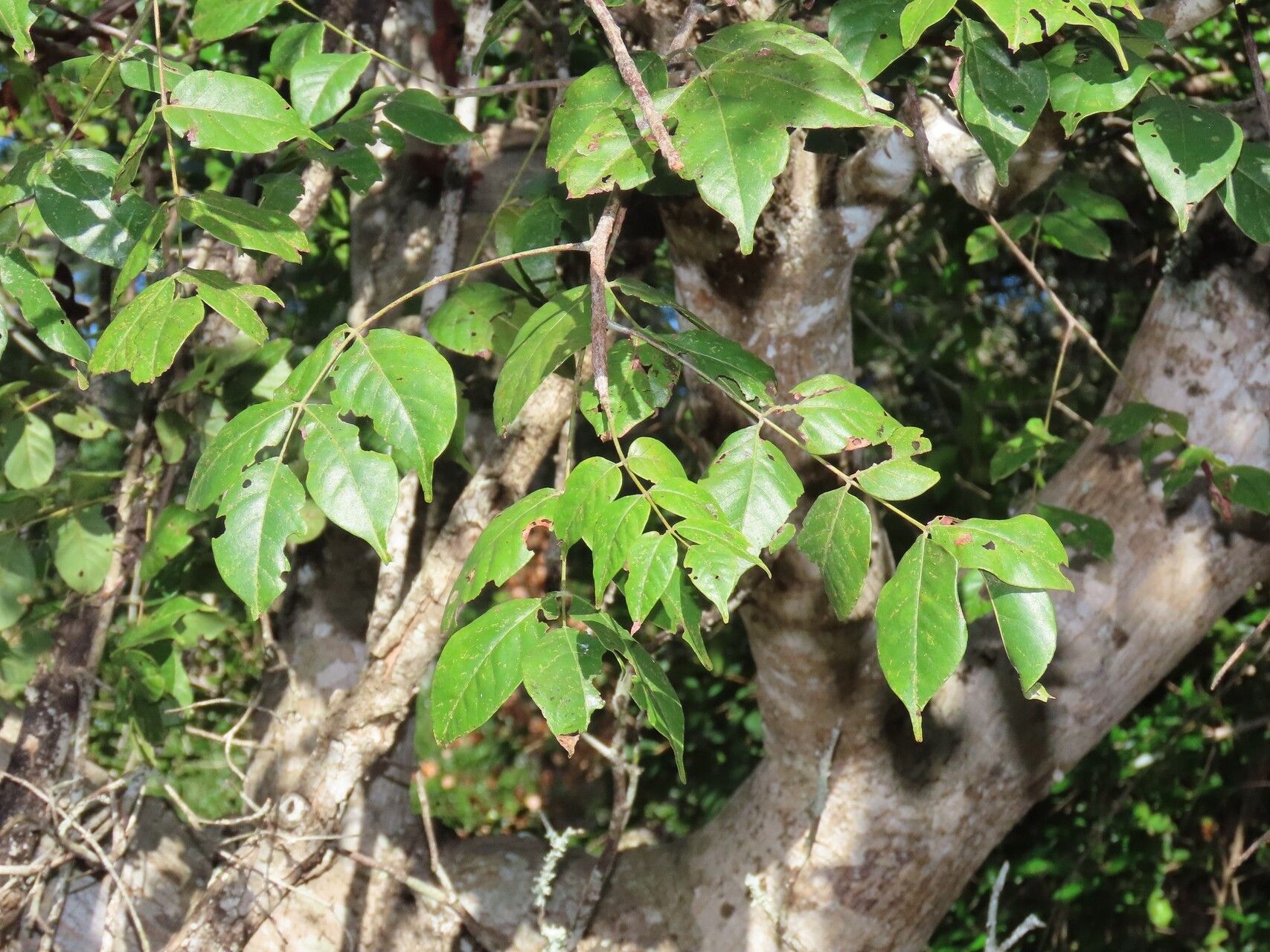
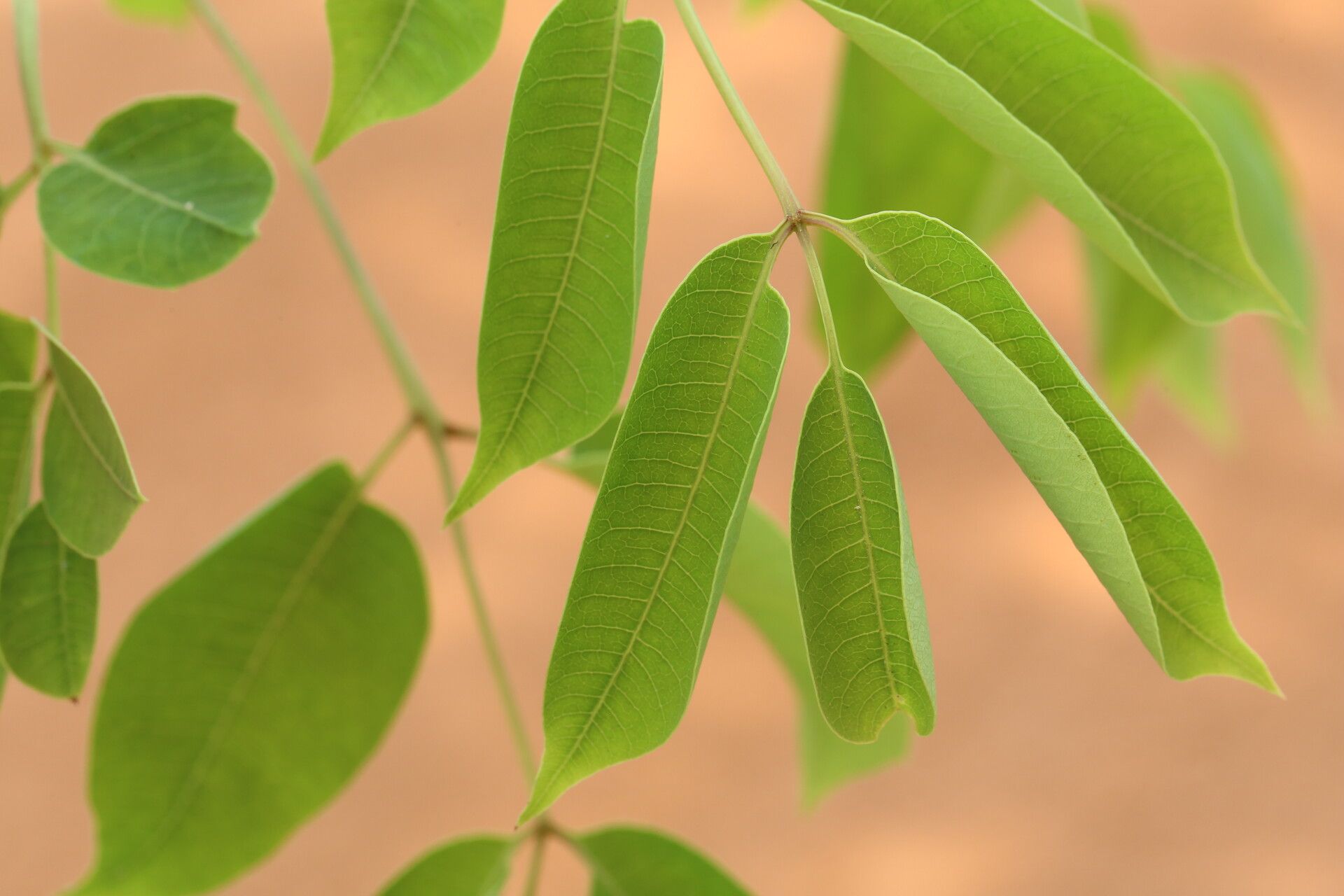
The leaves of Lannea schweinfurthii are compound, consisting of 5-9 elliptical or ovate leaflets. The small, greenish-yellow flowers have five petals and are arranged in clusters at the ends of branches. The fruit is round or oblong, with a thick rind that ranges from greenish-yellow to reddish-brown when ripe.
Among African communities, Lannea schweinfurthii has various medicinal uses, such as treating fever, diarrhea, dysentery, and other gastrointestinal disorders. Its anti-inflammatory properties also make it useful for alleviating arthritis pain.
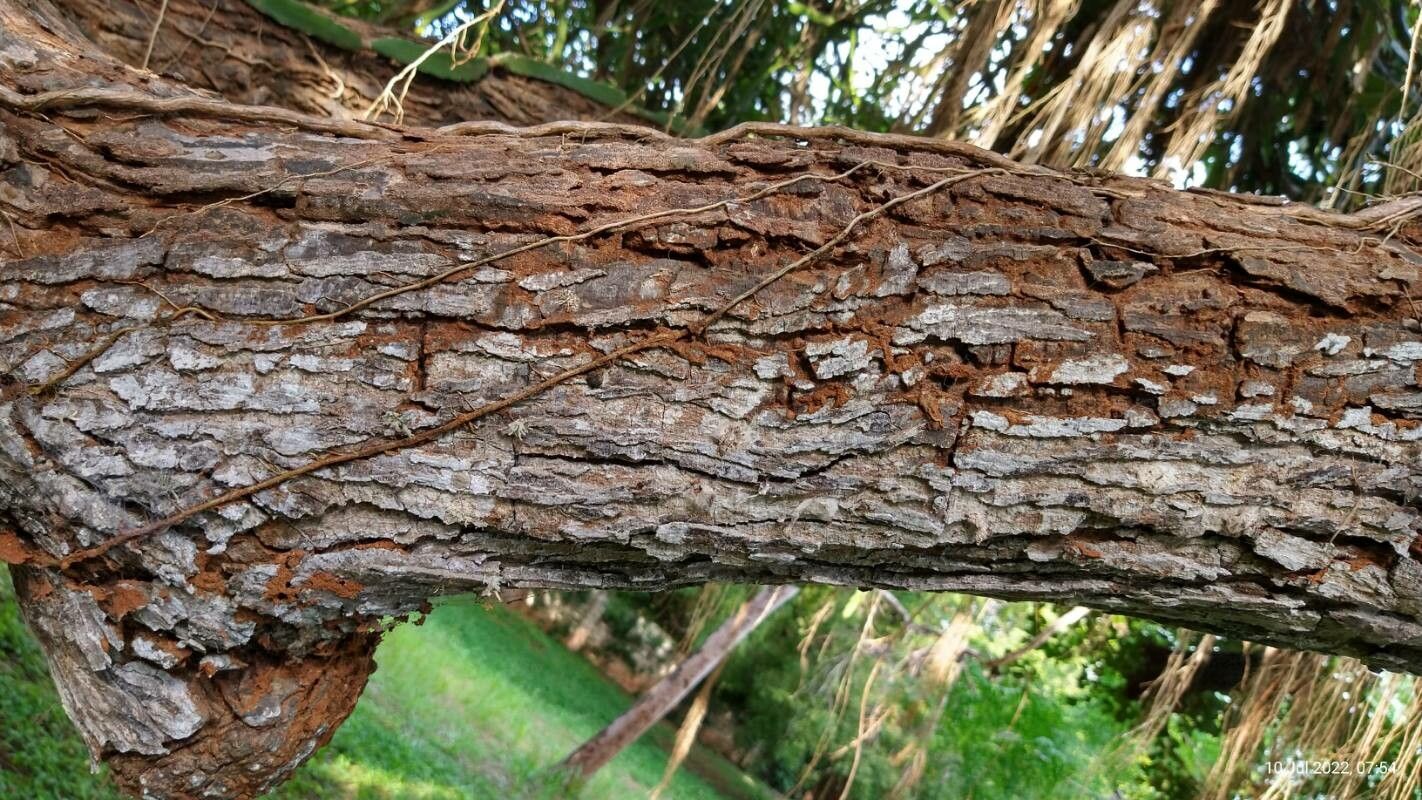
The tree's wood is durable and commonly used to make furniture, while its bark, rich in tannins, is utilized for tanning leather.
Overall, Lannea schweinfurthii is ecologically and culturally significant within its native range, making its conservation important.
False-marula is disease-resistant and generally not susceptible to illnesses. Regarding care, the plant is fairly low-maintenance. When grown outdoors it needs little watering, and larger specimens usually do not require pruning. Smaller plants, however, ought to be pruned once they have finished flowering. False-marulat is appropriate for anyone with an outdoor area, such as a garden or deck, and does not demand extensive care experience.
How to keep Lannea Schweinfurthii.
Light
False-marula is native to open settings, such as sunny meadows and forest edges, which provide abundant light. It thrives in Full Sun but can also tolerate Partial Sun, adapting well to a range of sunlight conditions.
Water
False-marula is well-suited for arid savanna conditions due to its high drought tolerance. For optimal health, it requires moderate watering twice a week. Though it thrives outdoors, it particularly benefits from natural rainfall during its active growing season, when its water needs slightly increase.
Humidity
This plant prefers dry conditions, so don't mist it. However, watering it less often can also thrive in higher humidity.
Temperature
False-marula comes from tropical areas, where the climate is generally warm and humid. Because of this it is well-suited to high temperatures and humidity. It does not tolerate sudden temperature changes and prefers a stable thermal environment, so it is important to avoid temperature fluctuations indoors. It generally cannot withstand cold conditions and needs higher temperatures to grow. If the ambient temperature falls too low, the plant may stop growing or even die.
Fertilizer
Early spring, when the False-marula breaks dormancy, is the best time to apply fertilizer. Doing so supports overall growth and flower development. Fertilizing improves the foliage, stems, and branches and encourages flowers that are larger, more vibrant, and longer lasting. It also helps transport nutrients from the roots to the blooms and enhances the plant’s health and resistance to disease.
Pruning
To promote growth and shape, prune the false-marula tree in early spring. Begin by removing any dead wood, and then trim any crossing branches to improve air circulation. Avoid pruning during the tree's active growing period to prevent sap from bleeding. When pruned correctly, the false-marula will have healthier foliage and increased resistance to pests and diseases.
Botanical profile.
- Plant Type
- Tree
- Life Cycle
- Perennial
- Genus
- Lannea
- Family
- Anacardiaceae
- Hardiness Zone
- 10-12
- Mature Height
- 10.06 m to 14.94 m
- Mature Spread
- 6.1 m to 10.06 m
- Leaf Color
- Dark Green, Olive Drab
- Leaf Type
- Deciduous
- Flower Size
- 0.25 cm to 0.51 cm
- Bloom Time
- Early spring, Mid spring
- Planting Time
- Spring
- Harvest Time
- Summer
- Native Area
- Malawi, Mozambique, Tanzania, South Africa, Zambia, Eswatini, Sudan, Rwanda, Namibia, Ethiopia, Kenya, Congo (DRC), Uganda, Botswana, Zimbabwe
Other names.