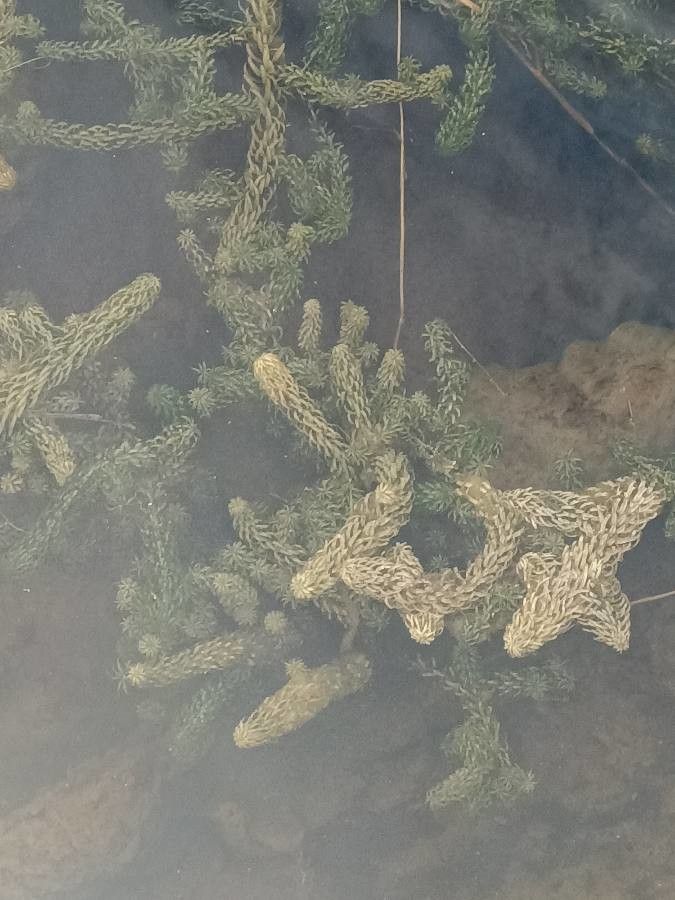
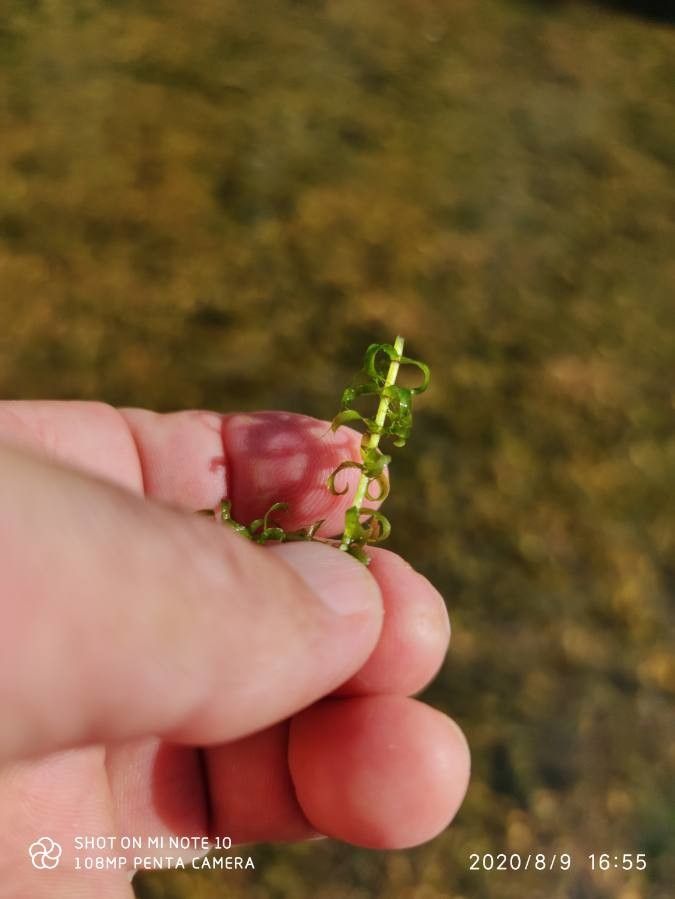
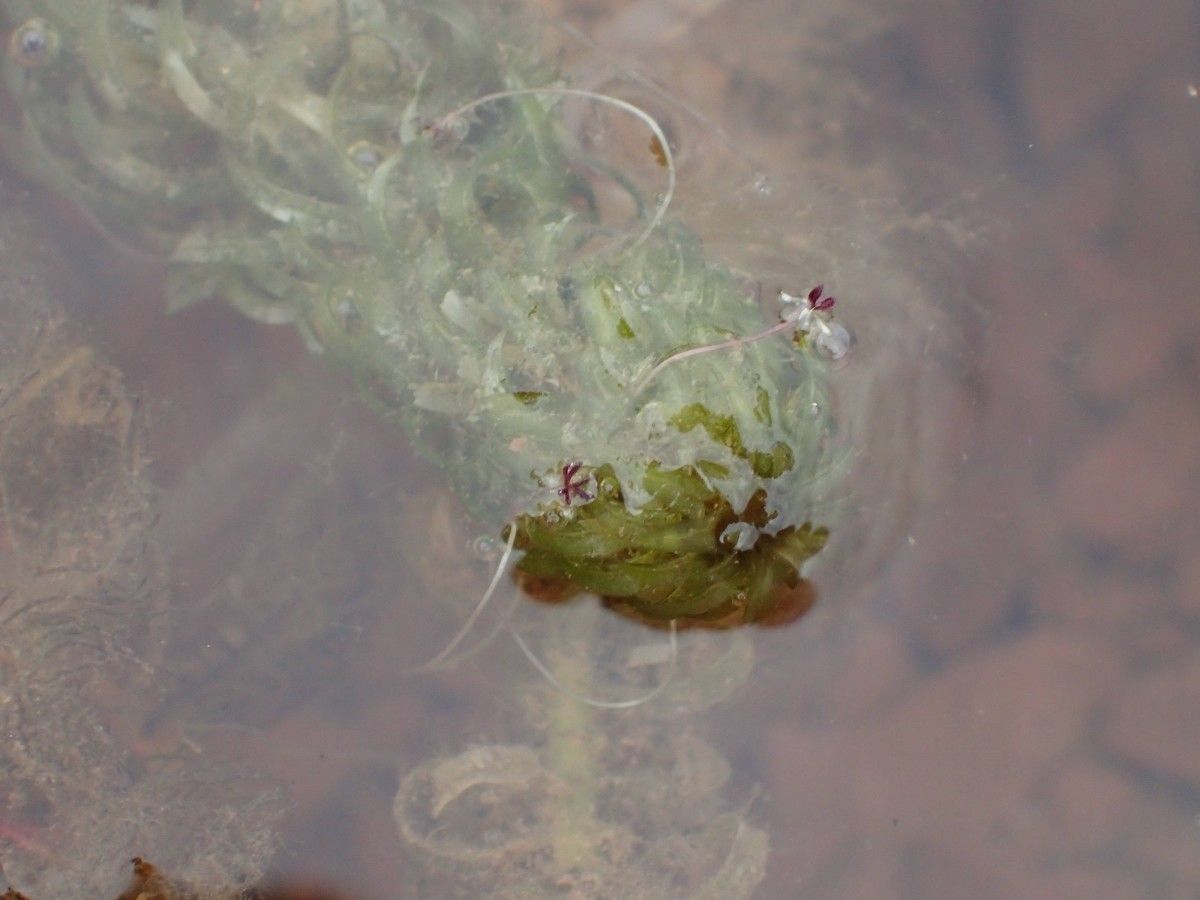
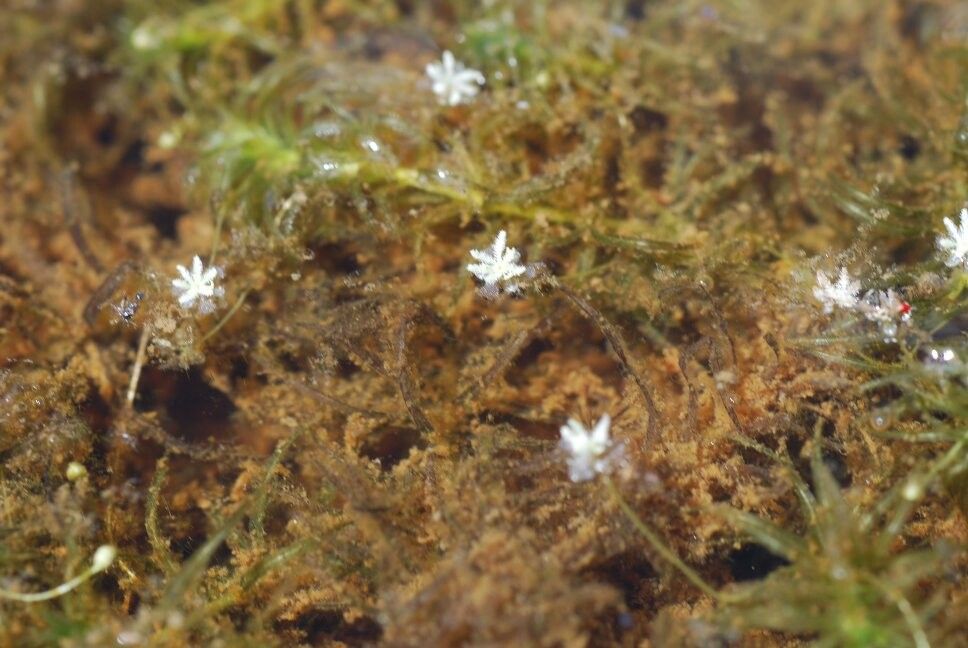
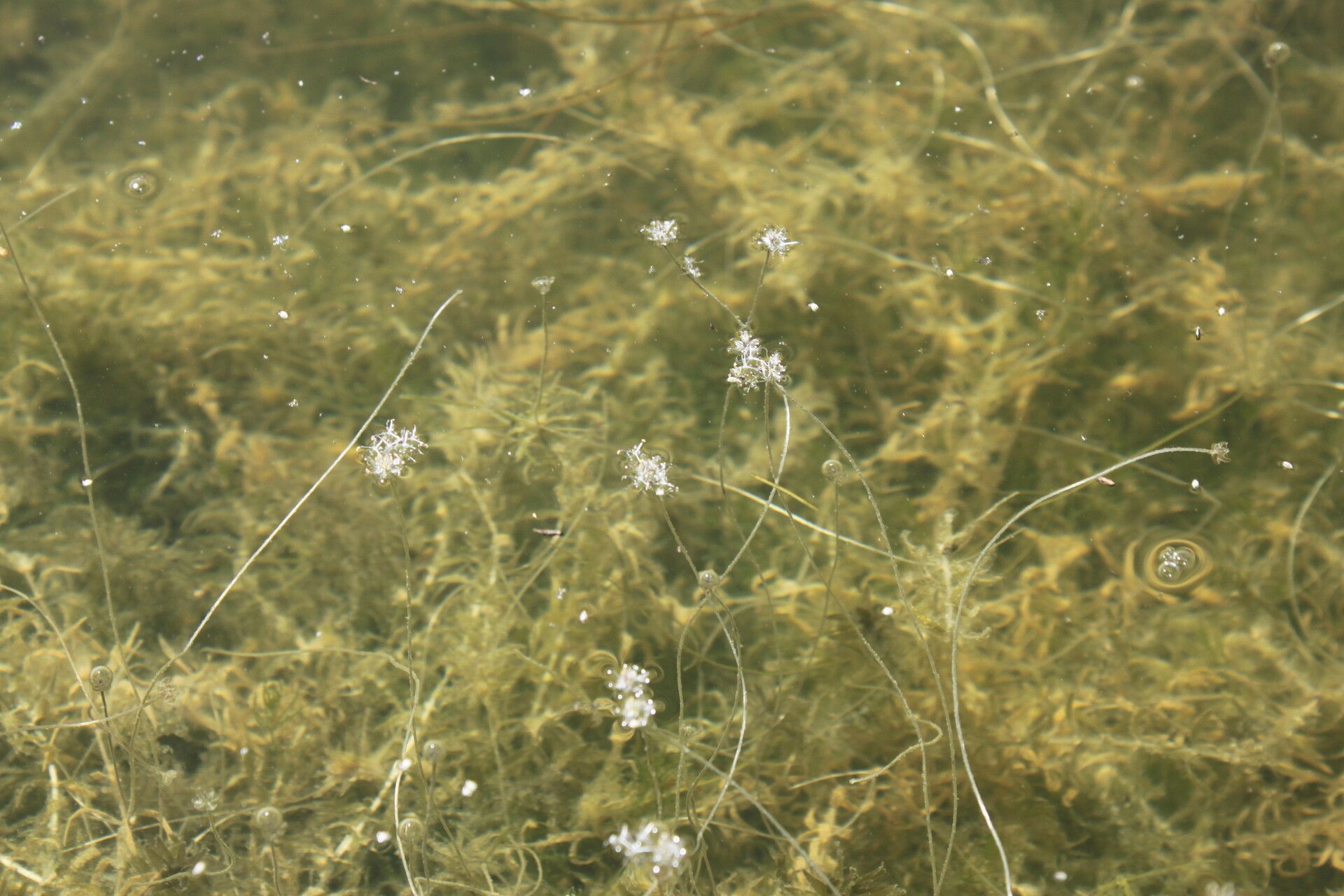
Lagarosiphon major, commonly known as African elodea or oxygen weed, is an aquatic plant species native to Africa. It has become an invasive species in many regions worldwide due to its rapid growth and ability to outcompete native aquatic plants.
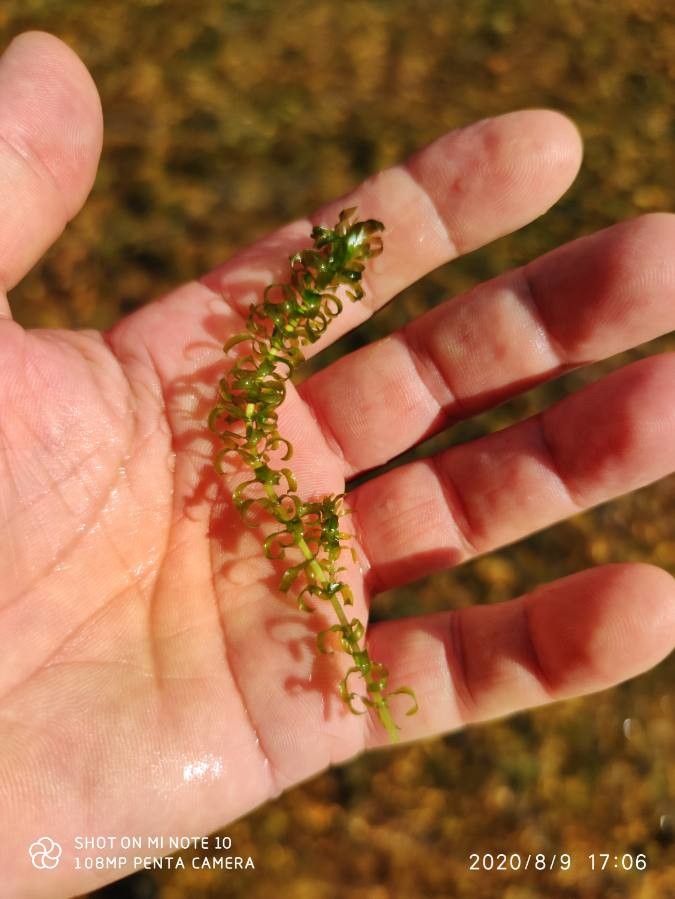
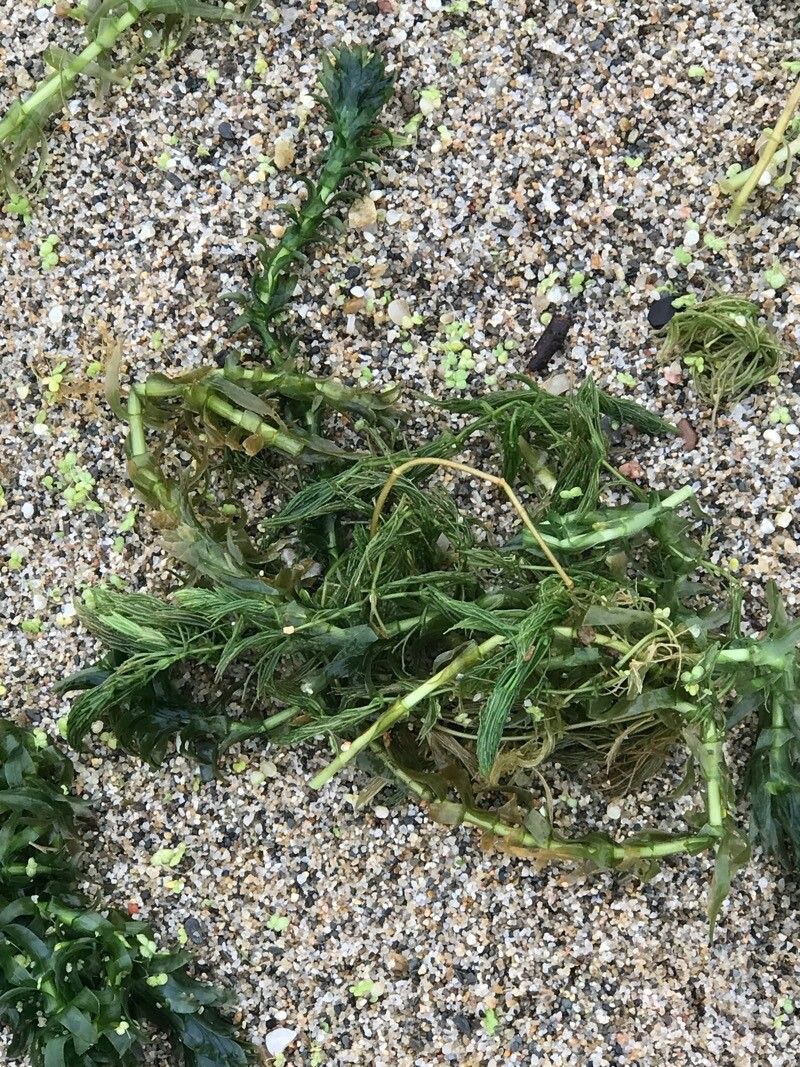
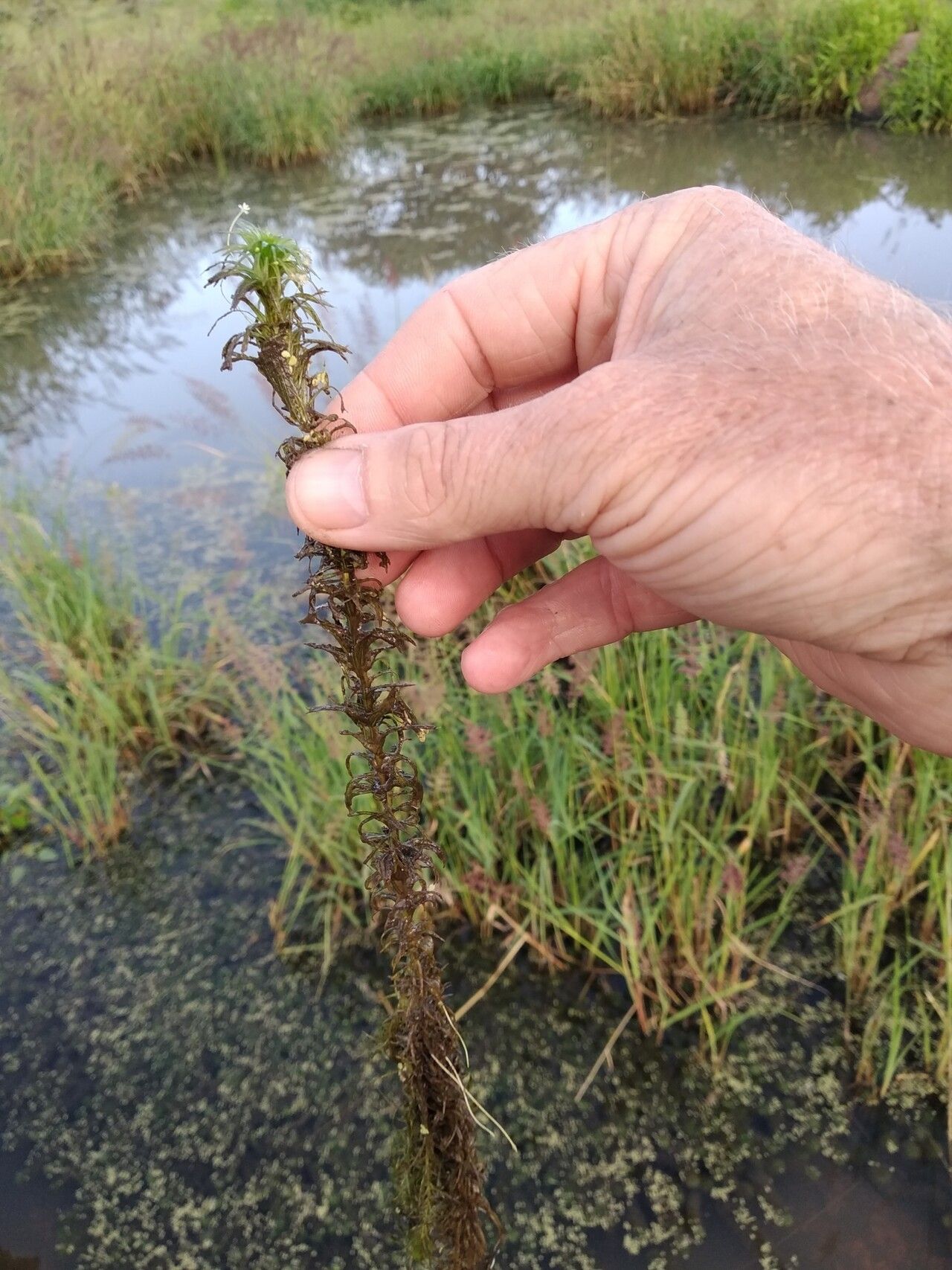
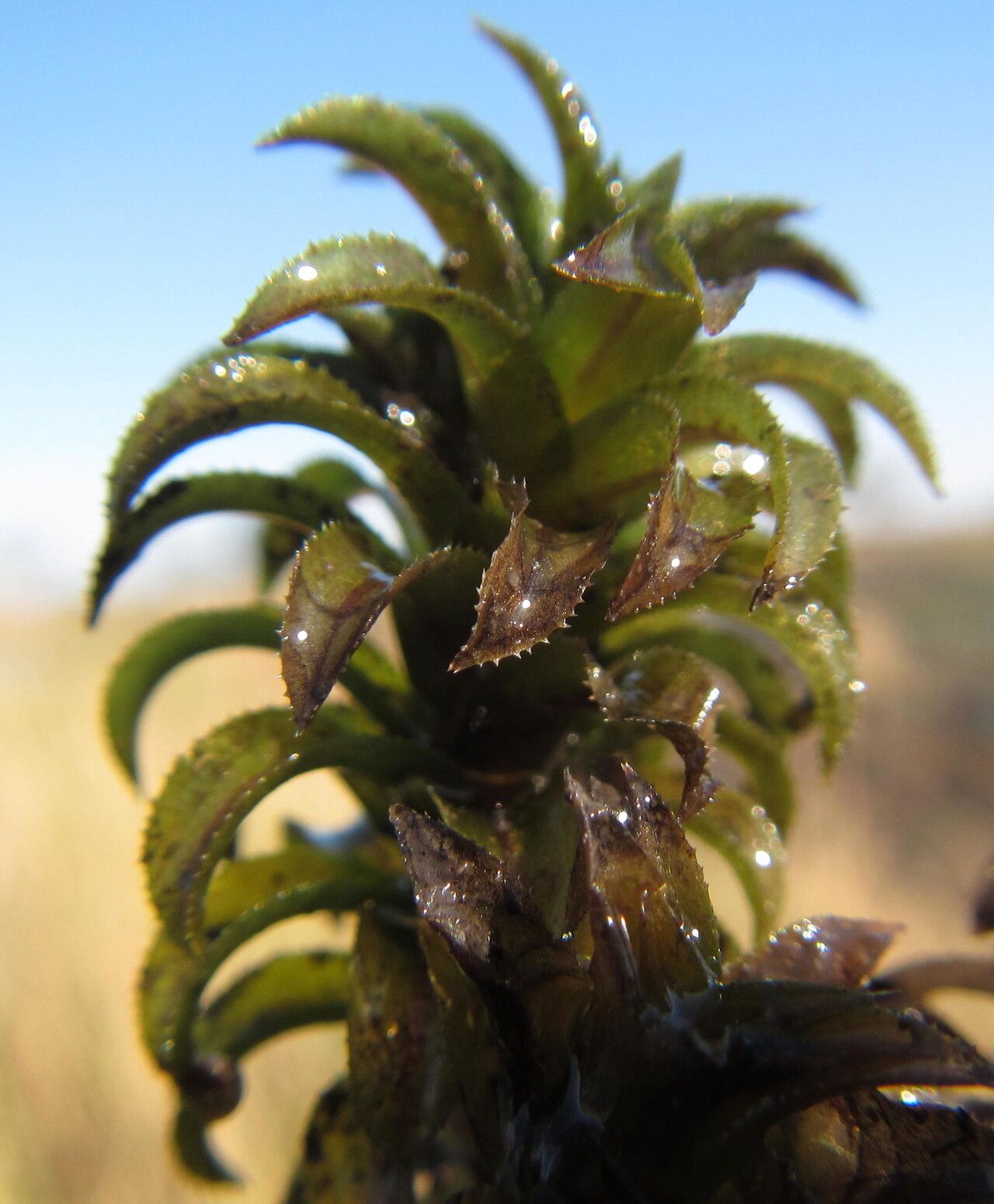
This plant features long, slender stems that can reach up to 10 feet in length, adorned with small, dark green, glossy leaves arranged in whorls around the stem.
Lagarosiphon major is a submerged plant, growing entirely underwater with only its tips breaking the water's surface. It thrives in various water conditions, including still or slow-moving bodies like lakes, ponds, and slow-moving streams.
In aquatic ecosystems, the plant provides essential shelter for fish and other aquatic animals and contributes to oxygenating the water through photosynthesis.
However, when Lagarosiphon major becomes invasive, it can cause significant ecological damage. It outcompetes native plants for resources such as light and nutrients, leading to reduced biodiversity within ecosystems.
Efforts worldwide are being made to control Lagarosiphon major populations through various methods, including manual removal from affected areas and the use of herbicides specifically designed for submerged plants like this one.
Oxygen weed has strong resistance to disease and is generally unlikely to suffer from illnesses. Still, it can be affected by pests and diseases that exist in its environment. These problems are generally mild. Regarding care, the plant needs a moderate level of maintenance. It should be pruned regularly to preserve an attractive appearance and healthy growth. Fertilizing can also encourage flowering. Oxygen weed is appropriate for anyone with outdoor space, such as a garden or patio, and does not demand extensive care experience. It may need more attention when cultivated indoors.
How to keep Lagarosiphon Major.
Light
Oxygen weed is native to habitats with abundant light, such as the shallow shorelines of ponds and lakes. It prefers full sun but can also tolerate partial sun.
Water
Oxygen weed, which thrives in aquatic environments, needs a steady supply of moisture. To keep the plant hydrated without causing waterlogging, it should be watered weekly. This plant is often cultivated underwater in ponds or aquariums, where it benefits from stable water temperatures. These conditions promote strong growth and a lush appearance year-round.
Humidity
This plant needs special care because it loves high humidity levels of 60-80% or more. The best way to achieve this is by placing a humidifier near the plant. Daily misting is also essential! Make sure the room has good ventilation.
Temperature
Oxygen weed can tolerate a wide range of temperatures, though its distribution may still be restricted by particular combinations of moisture and heat. It performs best in warm summer climates with enough rainfall or irrigation. Extended periods of cloudy, rainy weather or prolonged high temperatures can increase the chance of Oxygen weed dying. In winter, adequate protection from cold can boost the plant's survival rate.
Pruning
Oxygen weed has dense, submerged foliage that grows quickly and needs regular pruning from early to late spring. To manage this rapid growth, use sharp shears to trim the excess foliage. This will improve water flow and light penetration, prevent the plant from spreading invasively, and promote a balanced ecosystem.
Botanical profile.
- Plant Type
- Herb
- Life Cycle
- Perennial
- Genus
- Lagarosiphon
- Family
- Hydrocharitaceae
- Hardiness Zone
- 8-11
- Mature Height
- 10 cm
- Mature Spread
- 91 cm
- Leaf Color
- Green
- Leaf Type
- Semi-evergreen
- Flower Color
- White
- Flower Size
- 0.20 cm to 0.25 cm
- Bloom Time
- Summer, Early fall, Mid fall
- Planting Time
- Spring, Autumn
- Harvest Time
- Late summer, Fall, Early winter
- Native Area
- Lesotho, South Africa, Zambia, Botswana, Zimbabwe
Other names.
Reader questions.
What are the sunlight requirements for Oxygen Weed (Lagarosiphon major)?
Oxygen Weed (Lagarosiphon major) requires full sun, which means it needs above 6 hours of sunlight daily. It's crucial to observe how sunlight moves through your garden to find spots that offer the right balance of light and shade. This ensures the plants are happy and thrive in their environment.