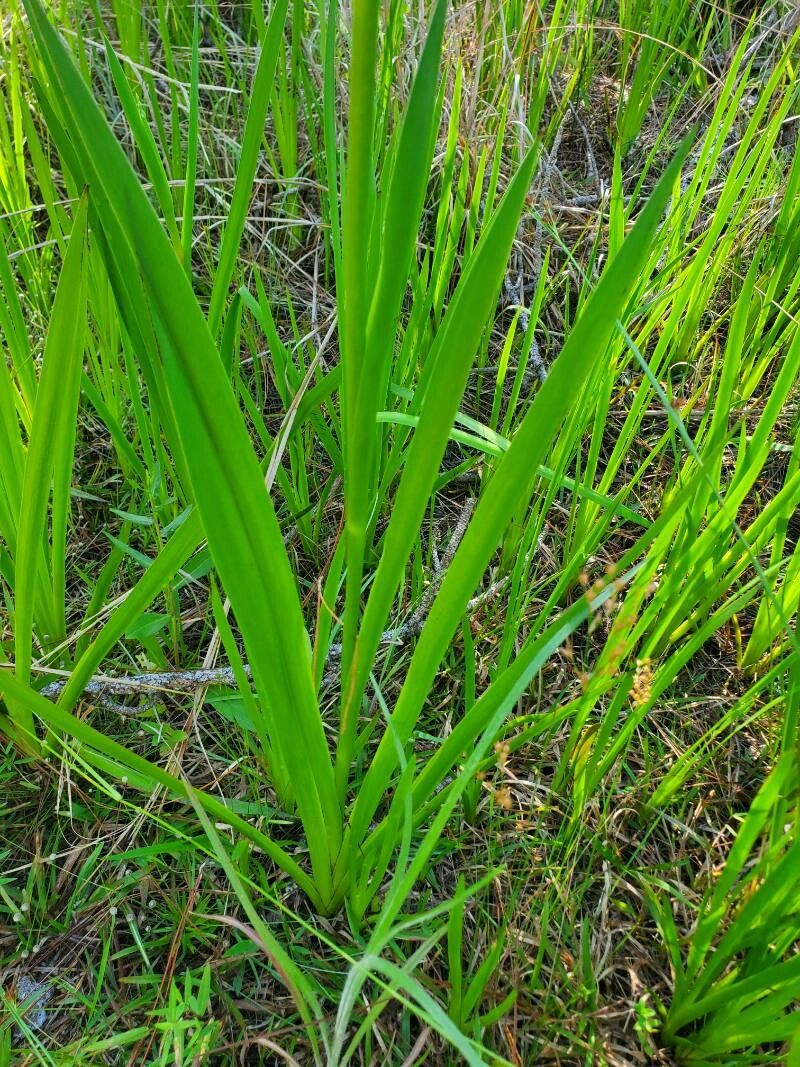
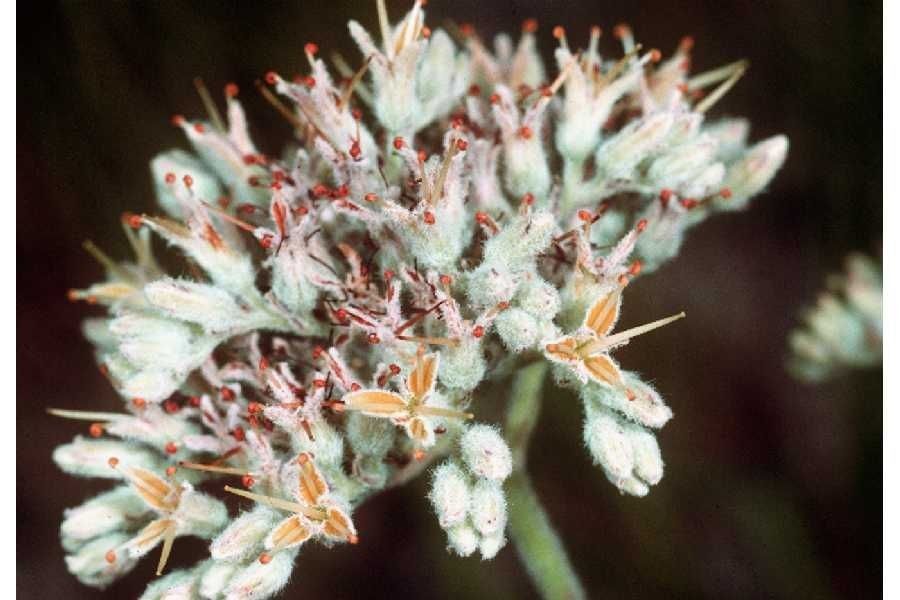
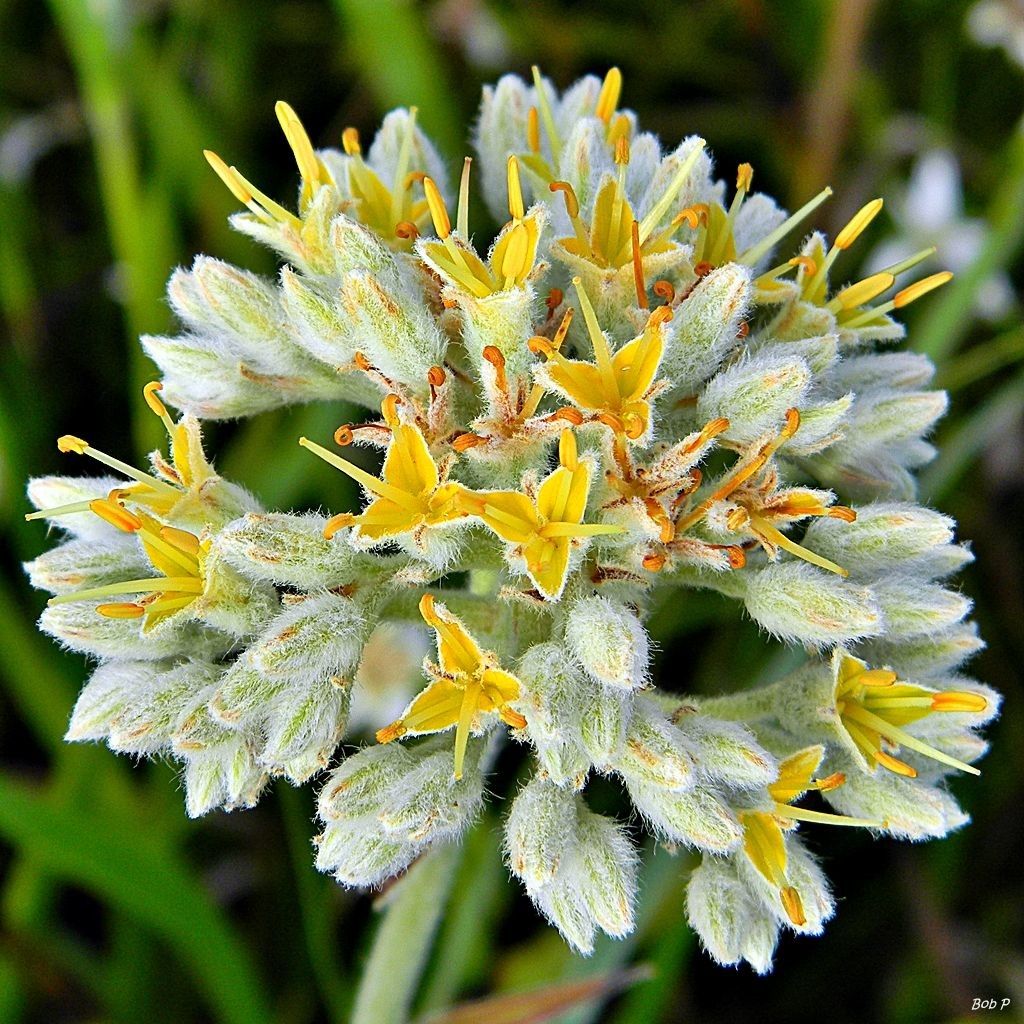
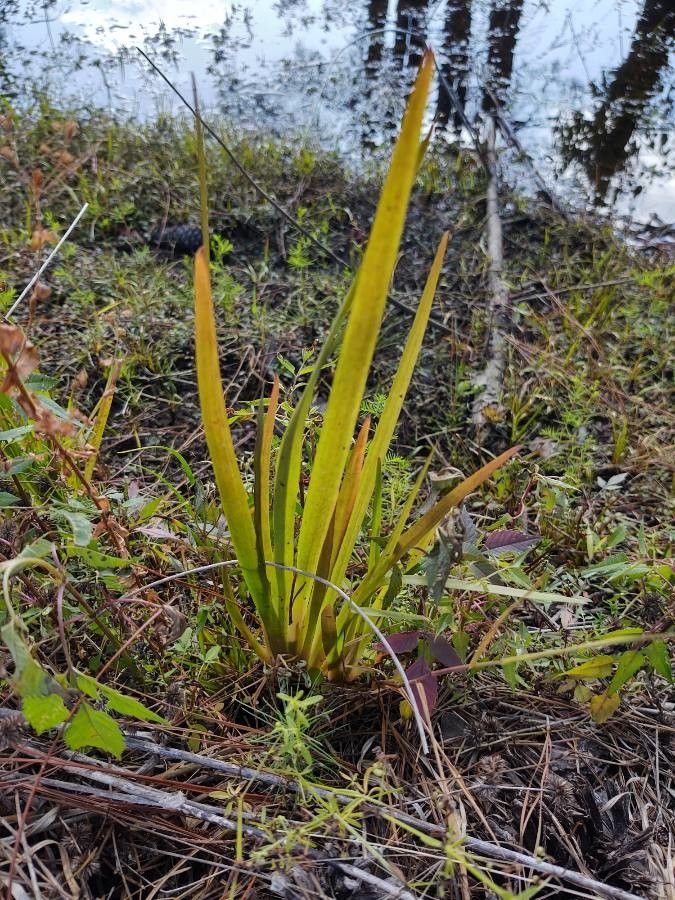
Lachnanthes is a genus of monocotyledonous plants in the bloodwort family containing only one species, i.e., Lachnanthes caroliniana, commonly known as Carolina redroot or bloodroot. The plant is native to eastern North America, from southeastern Nova Scotia (especially the Molega Lake area) and Massachusetts in the north, south to Florida and Cuba, and west along the Gulf of Mexico to Louisiana. It has also been reported from an island in the western Caribbean off the coast of Honduras. It prefers wet, acidic, usually sandy soils, restricting it to various wetland habitats such as bogs, pinelands, hammocks and pocosins, among others. The plant's common name is based on its red roots and rhizomes. Its flowers, consisting of six pale yellow tepals, emerge from mid to late summer. The plant is sometimes a significant weed in commercial cranberry bogs.
Spiritweed has strong disease resistance and is typically not very susceptible to illnesses. However, it can be vulnerable to pests and diseases present in its surroundings. Such infections are generally mild. For care, this plant requires a moderate level of maintenance. It should be pruned regularly to keep a neat appearance and support healthy growth. Fertilizing can also help encourage flowering. Spiritweed is suitable for anyone with outdoor space, like a garden or patio, and does not demand extensive care experience. It may need more attention when grown indoors.
How to keep Lachnanthes Caroliniana.
Light
Spiritweed grows best with plenty of sunlight but can also tolerate moderate light levels. In its native habitat it gets abundant sun, which promotes a healthy growth rate. However, long periods of too little or too much light can hinder its normal development.
Water
Spiritweed, native to wetlands, thrives in moist and humid environments. To maintain its vibrant blooms during the active growing season, it needs to be watered weekly. Consistent moisture is essential for its optimal growth, so make sure it stays well-watered and isn't exposed to drought conditions.
Temperature
Spiritweed is native to regions with temperatures between 59 and 95°F (15 to 35 ℃). It prefers comparable "moderate to warm" conditions. With seasonal changes, colder winters may call for some method of preserving heat for spiritweed.
Fertilizer
One fertilizer treatment in spring is generally adequate for Spiritweed, though several feedings can boost growth. Apply fertilizer every month to six weeks. Fertilization improves the leaves' appearance and function, maintaining even color and a healthy texture. It also encourages root development and nutrient uptake, supporting the plant's long-term health.
Pruning
Pruning spiritweed from early to late spring is crucial for maintaining the plant's health and appearance. By removing dead stems and shaping the plant, you can promote new growth. This practice improves air circulation, reduces the risk of disease, and encourages abundant blooming. Pruning during this time aligns with the plant's natural growth cycle, ensuring optimal health and enhancing its visual appeal.
Botanical profile.
- Plant Type
- Herb
- Life Cycle
- Perennial
- Genus
- Lachnanthes
- Family
- Haemodoraceae
- Hardiness Zone
- 7-10
- Mature Height
- 61 cm to 91 cm
- Mature Spread
- 15 cm to 30 cm
- Leaf Color
- Green
- Leaf Type
- Deciduous
- Flower Color
- White
- Flower Size
- 3.05 cm to 15.24 cm
- Bloom Time
- Early summer, Mid summer
- Planting Time
- Summer, Autumn
- Harvest Time
- Late summer, Early fall
- Native Area
- Cuba
Other names.
Reader questions.
How should I water my Spiritweed the most effectively?
To best care for the Spiritweed, use filtered water at room temperature or slightly warmer. Tap water can have harmful particles, so it's better to use filtered water. The Spiritweed is accustomed to warm environments, so avoid using cold water to prevent shock. Additionally, it's not recommended to water the plant from above as it can cause problems with its leaves. Instead, thoroughly water the soil using filtered room temperature water until it is fully soaked. This helps to moisturize the roots and support their nutrient absorption.
Spiritweed needs what kind of sunlight?
Spiritweed requires full sun every day, with a minimum of six hours of sunlight for healthy leaves, roots, and blooms. While most perennials also need six hours of sun per day, certain plants such as the Orange Daylily or Giant Coreopsis can survive with just three hours of sunlight each day. However, these perennial flowering plants won't flourish as they would in sunnier conditions.
What is the best temperature for Spiritweed?
The ideal temperature for Spiritweed depends on the time of year. There are two main seasons to consider: the growing season and the dormancy season. During the growing season, when Spiritweed starts to sprout, the best temperature range is between 65-80℉ (18-27℃). If it gets colder than 15℉ (-10℃), the plant will suffer and its leaves may turn brown and wilt. However, if it's just a short cold snap, Spiritweed may survive with a little help. In the warmer months, it's important to protect Spiritweed from temperatures that are too high. The upper limit for this plant is around 95-105℉ (35-40℃). Anything higher than that can harm the leaves and flowers, causing wilting, drooping, and even sunburn. It can be difficult for Spiritweed to recover from this damage. Luckily, there are quick and easy ways to address this issue.
What should I do if I give my Spiritweed too much water or not enough water?
Overwatering is a common issue for Spiritweed and can have serious consequences. When the plant gets too much water, its stems and leaves wilt and turn yellow. Prolonged overwatering can also lead to diseases like root rot, mold, and mildew, which can kill the plant. Underwatering is less common but still possible. In these cases, the leaves become brittle and brown. It's important to notice signs of overwatering quickly. Some diseases caused by overwatering may be irreversible if not addressed promptly. If you suspect overwatering, reduce the watering schedule and check the soil's drainage. If the soil is poorly draining, replace it with a loose, well-draining potting mix. If the plant shows signs of underwatering, water it regularly until the signs disappear.
Can sunlight harm Spiritweed? How can I keep Spiritweed safe from the sun and heat?
In warm climates, some Perennial Flowering Plants may struggle with excessive heat and suffer from sun damage. They can wilt, dry out, or even experience growth problems if they are consistently exposed to the intense afternoon sun. However, not all plants require protection from the light afternoon sun. For those that are harmed by intense afternoon exposure, it is recommended to provide them with some shade in warmer climates. Gardeners can achieve this by planting these plants in areas that do not receive direct heat during the afternoon, such as under trees or behind bushes.
The temperature needs for Spiritweed seedlings in their first year.
If you have just planted Spiritweed outside for the first time, it will require extra care during the cold months. The frost can be especially harmful to new Spiritweed, and it may not grow back properly in the spring if damaged. To protect it, make sure the temperature stays above 40℉(5℃) by either bringing it indoors or using mulch or fabric barriers. In the first year or two, it is best to plant Spiritweed in a shaded area as smaller plants struggle to regulate their temperature in the heat. Limit direct sunlight to five hours per day, especially if the temperature exceeds 80℉(27℃). To control heat in the summer, use shadecloth and regularly water or mist the plant.
How frequently should I give water to my Spiritweed?
If your Spiritweed is in a pot, the best way to check if it needs water is by sticking your finger into the soil. If the top two to three inches of soil are dry, then it's time to water it. For Spiritweed grown outdoors in the ground, you can use a similar method to test the soil. When the top few inches are dry, it's time to water. During spring and early fall, watering once a week is usually enough. However, in extremely hot weather, you may need to water twice or more per week. It's worth noting that mature, well-established Spiritweed can handle drought well.
Should I keep Spiritweed away from the sun?
Certain perennial plants require ample sunlight to reach their maximum bloom. However, in warmer climates, some of these plants actually benefit from less sun. For instance, individuals residing in hotter regions might find it beneficial to shade their flowering perennials during the intense afternoon sun, especially during summer months. Although many perennial flowering plants prefer partial shade in the hottest climates, there are exceptions. Take the Giant Coreopsis, for example, as it is not bothered by excessive sun exposure. These plants can flourish even when placed in the full sun during scorching weather.
How can I keep Spiritweed safe from very hot or very cold temperatures?
If cold temperatures below 15℉ (-10℃) occur during the growing season, there are steps you can take to protect Spiritweed from frost or cold damage. For container-grown Spiritweed, simply bring the container inside, in bright, indirect light, until temperatures rise above the lower threshold. For Spiritweed planted in the ground, it is better to use mulch or horticultural fabric to create an insulated barrier around the plant. This will protect it from frost and cold wind. When temperatures are hotter than 80℉ (27℃) in the shade during the day, be cautious about exposing Spiritweed to more than six hours of sunlight per day. Ideally, limit exposure to the morning hours. To reduce direct sunlight during the hottest parts of the day, you can put up shade cloth or a fine plastic mesh. Additionally, you can install a misting system that provides a slow release of cooling mist around the plant's base during the day. This will help lower ground temperatures.
How much water does my Spiritweed require?
When watering your Spiritweed, it's important to be generous with the amount of water you give. Make sure the first two to three inches of soil are dry before watering. Give it a good, deep soaking to completely saturate the soil. You should add enough water that it flows out of the drainage holes at the bottom of the pot. If you don't see any excess water draining, it means you've probably watered too little. However, be careful not to let water accumulate inside the soil as that can harm the plant. If water doesn't drain properly from the pot, it may be due to poorly draining soil, which is not good for the plant's health. If the plant is outdoors, about 1 inch of rain per week should be enough.
What will happen if Spiritweed doesn't get enough sunlight?
If your Spiritweed plants do not receive sufficient sunlight, you will observe signs of inadequate requirements. In general, these plants will produce less blooms compared to those in full sun. Some may develop dry spots on their leaves, but most will still manage to bloom despite the lack of sunlight. However, the flowers they produce will be smaller and less full.
The best temperatures for Spiritweed during the dormant season.
During the cold winter months, Spiritweed needs to remain dormant until it's time to sprout. Sprouting too early, before the last frost, can be fatal, especially if it has already started sprouting. Ideally, winter temperatures should stay below 32℉(0℃), but if they reach 40℉(5℃), it's fine. However, in more temperate climates, like woodland rainforests, unexpected warm spells can cause premature sprouting. In this case, if there's still a risk of frost, you can protect the sprout by covering it with clear plastic on stakes. This covering can be removed once the danger of frost has passed. Sometimes, Spiritweed can naturally sprout at the right time, but the plastic covering increases the chances of a successful second sprouting.