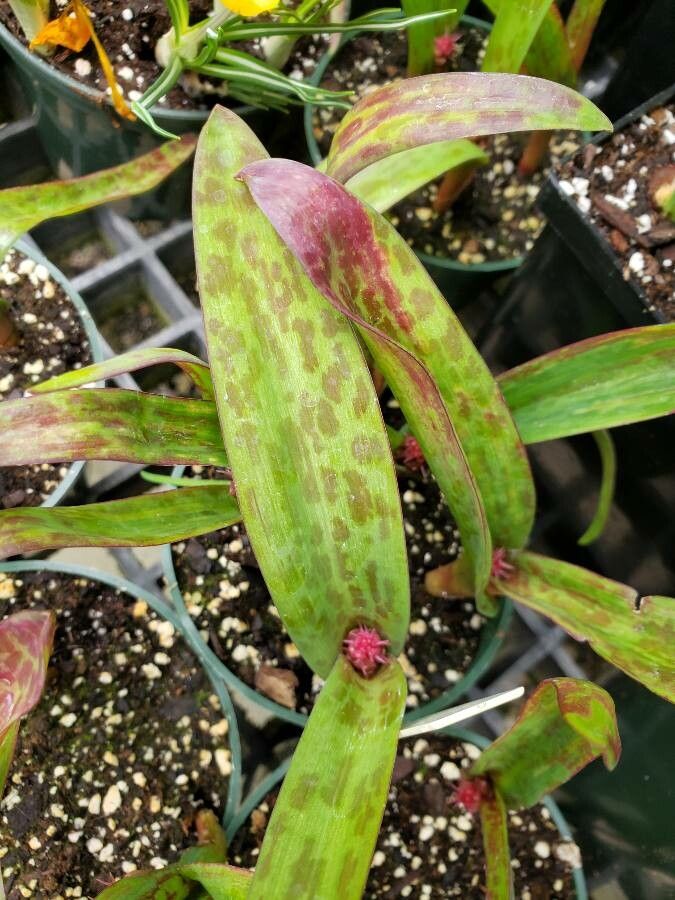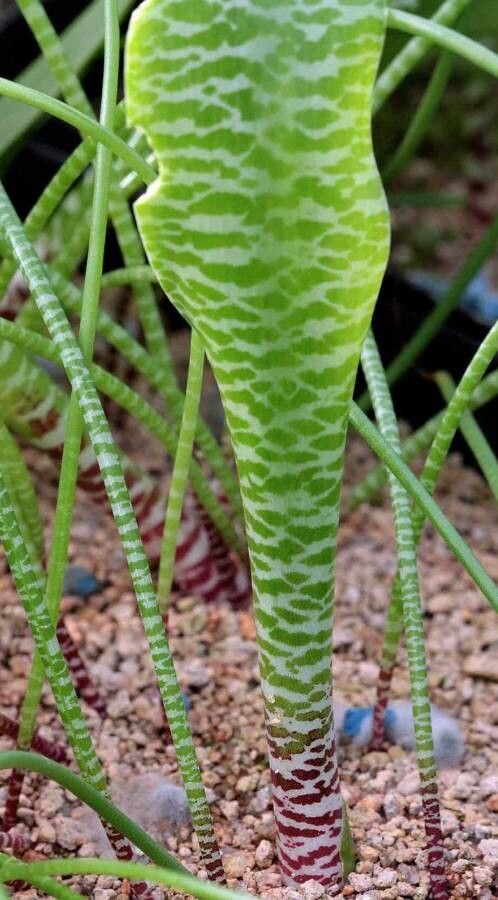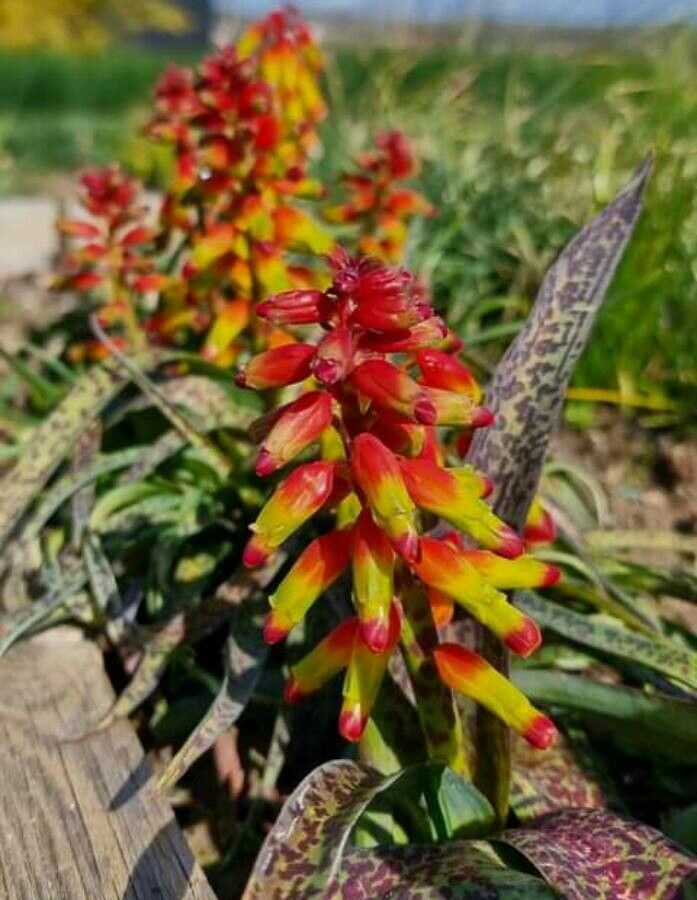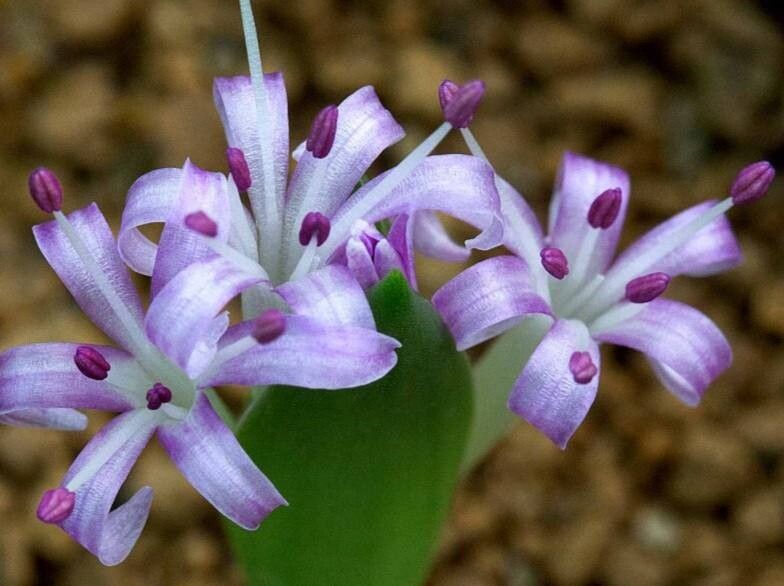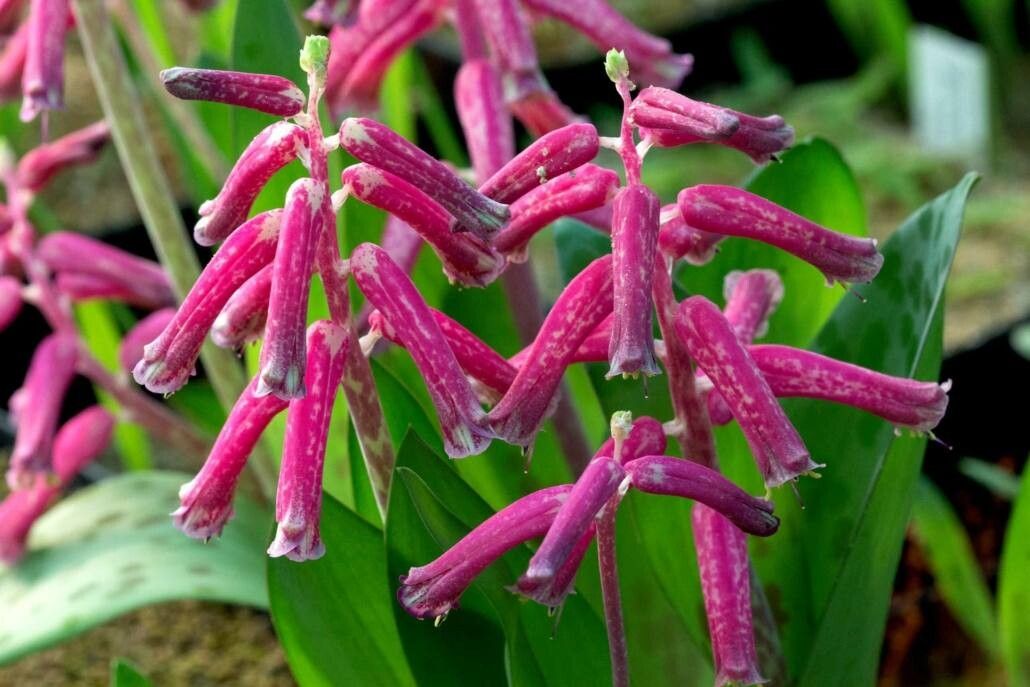
Sand viooltjie has strong resistance to disease and is generally not susceptible to illnesses. However, it can be affected by pests and diseases present in its surroundings. These problems are typically mild. Regarding care, this plant needs moderate maintenance. It should be pruned regularly to preserve a neat appearance and encourage healthy growth. Fertilizing can also support increased flowering. Sand viooltjie is appropriate for anyone with outdoor space, such as a garden or patio, and does not demand much prior care experience. It may need more attention when cultivated indoors.
How to keep Lachenalia Punctata.
Light
The sand viooltjie does best in full daylight, though it can also tolerate areas with less light. Its growth will be affected if light levels fall below that amount, since its habitat is sun-drenched landscapes. It adapts well to moderate sunlight but not to lower levels, which can lead to reduced vitality.
Water
The sand viooltjie, adapted to seasonal rainfall, thrives best with a weekly watering schedule, allowing the soil to dry out in between. This plant flourishes indoors but needs sufficient humidity to maximize its flowering potential, as dry air can hamper its growth. By carefully managing its water needs, you can replicate its natural habitat, encouraging healthy growth without the risk of overwatering.
Temperature
The Sand viooltjie demonstrates impressive adaptability to varying temperatures, as it can withstand both high temperatures and wide temperature fluctuations. Proper watering and suitable shading are necessary when temperatures escalate to avoid any exposure to sunburn. On the other hand, the Sand viooltjie is less tolerant to chilly temperatures. It can only endure a certain level of coldness, and a very cold atmosphere can result in frost harm.
Fertilizer
The best time to fertilize a Sand viooltjie is in early spring, as it comes out of dormancy and begins active growth. Fertilization supplies essential nutrients needed for healthy development. Although Sand viooltjie has fairly low fertilizer requirements, feeding it once a year can improve its survival and encourage better, longer-lasting flowers.
Pruning
The Sand viooltjie benefits greatly from pruning, which enhances both its health and appearance. To achieve the best results, focus on removing dead foliage and spent flowers, ideally in early to late spring. It's important to use clean tools to prevent the spread of disease. Regular pruning promotes better air circulation and reduces the risk of fungal infections, ultimately improving the plant's vitality and bloom production.
Pot & Repot
Repot the sand viooltjie every 2 to 3 years in early spring, choosing a slightly larger container each time. Use well-draining soil and water moderately. Make sure the sand viooltjie receives bright, indirect light and avoid overwatering to promote optimal growth.
Botanical profile.
- Plant Type
- Herb
- Life Cycle
- Perennial
- Genus
- Lachenalia
- Family
- Asparagaceae
- Hardiness Zone
- 9-11
- Mature Height
- 6 cm to 25 cm
- Mature Spread
- 10 cm to 15 cm
- Leaf Color
- Green, Dark Green
- Leaf Type
- Deciduous
- Flower Color
- Pink, Purple
- Flower Size
- 6.35 cm to 8.89 cm
- Bloom Time
- Winter
- Planting Time
- Spring, Summer
- Harvest Time
- Late winter, Early spring, Mid spring
- Native Area
- South Africa