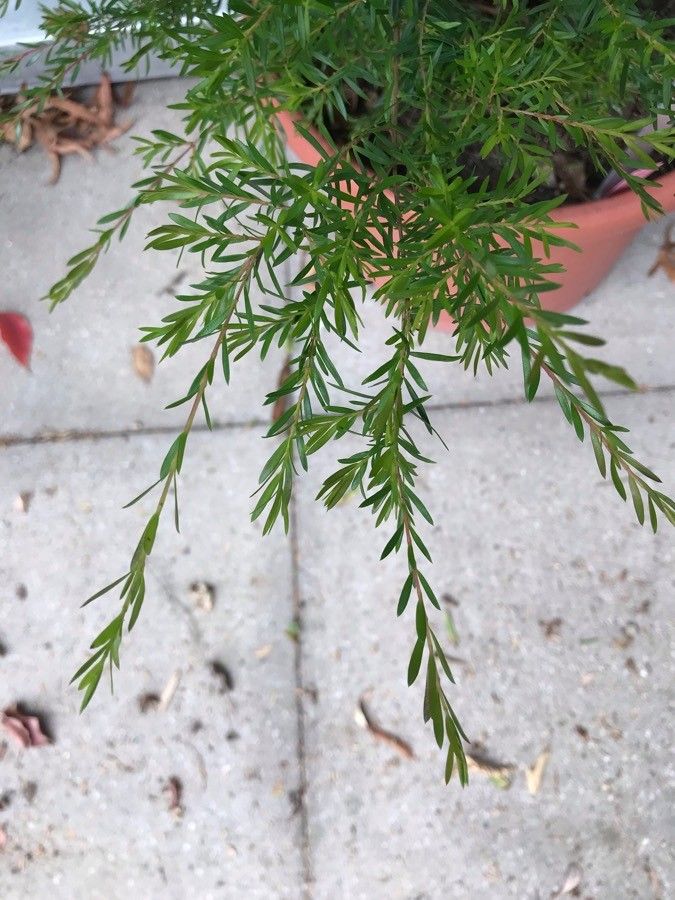
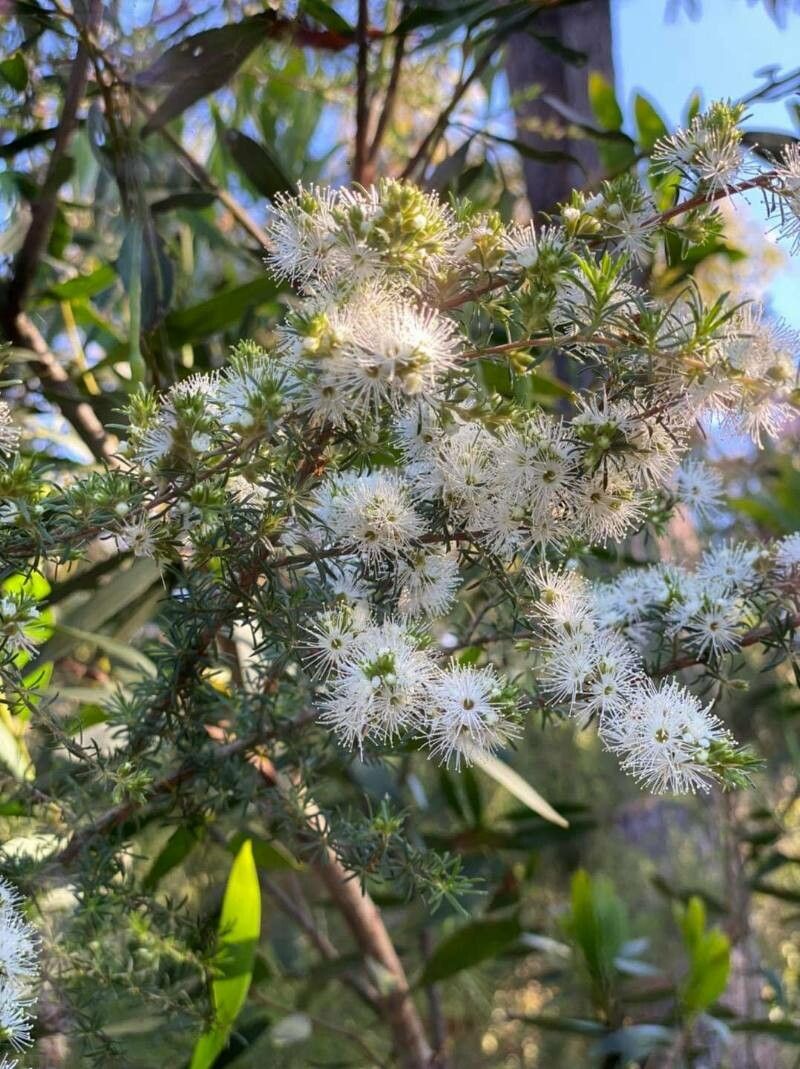
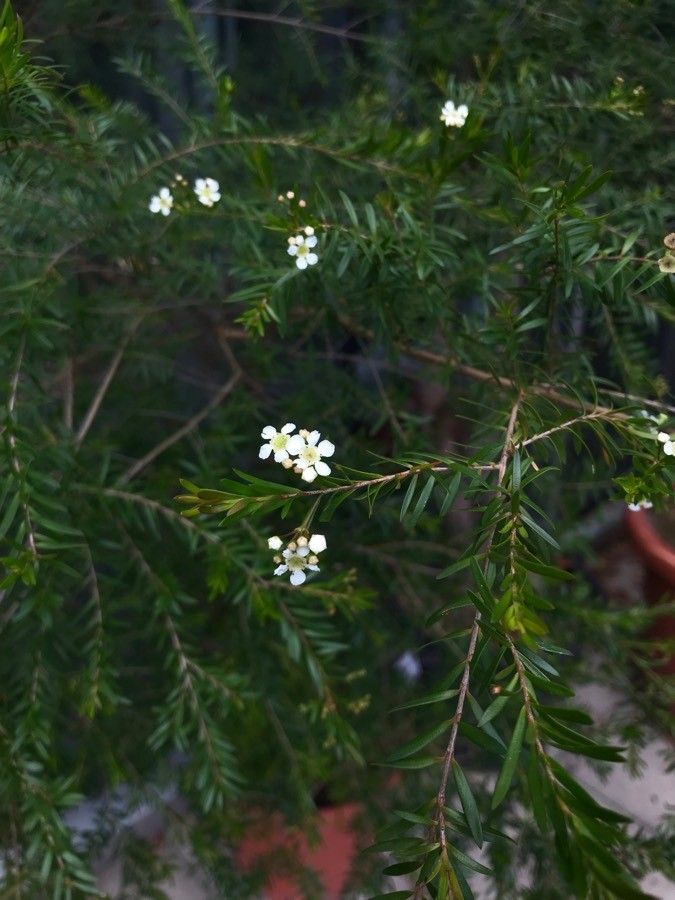
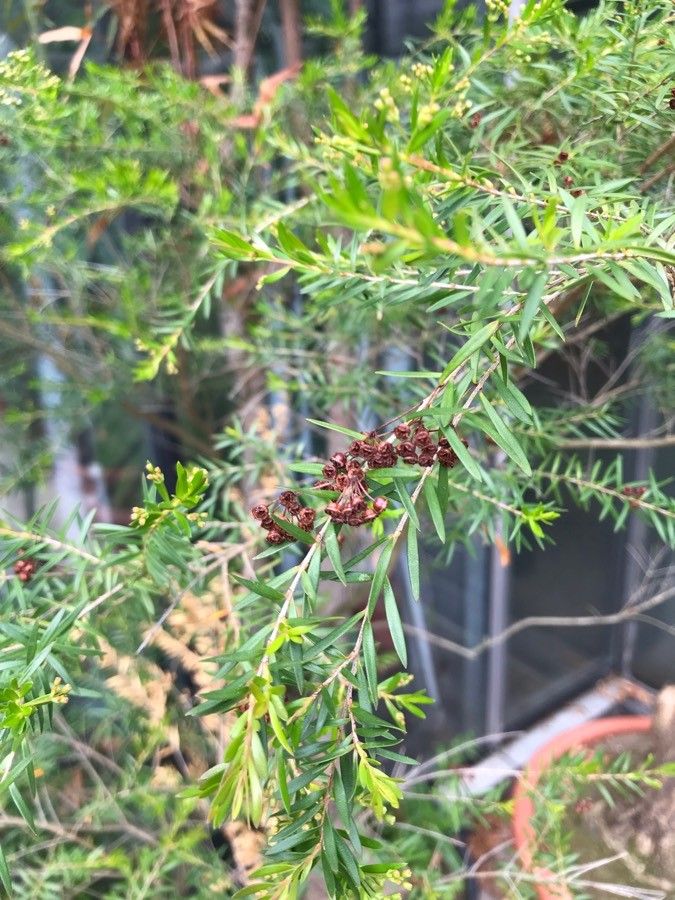
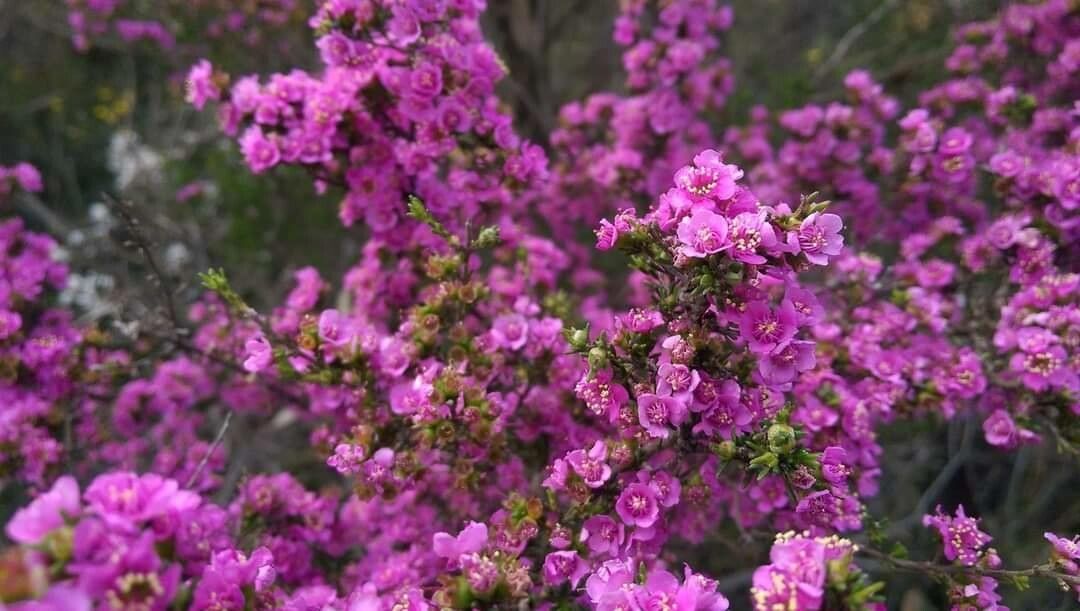
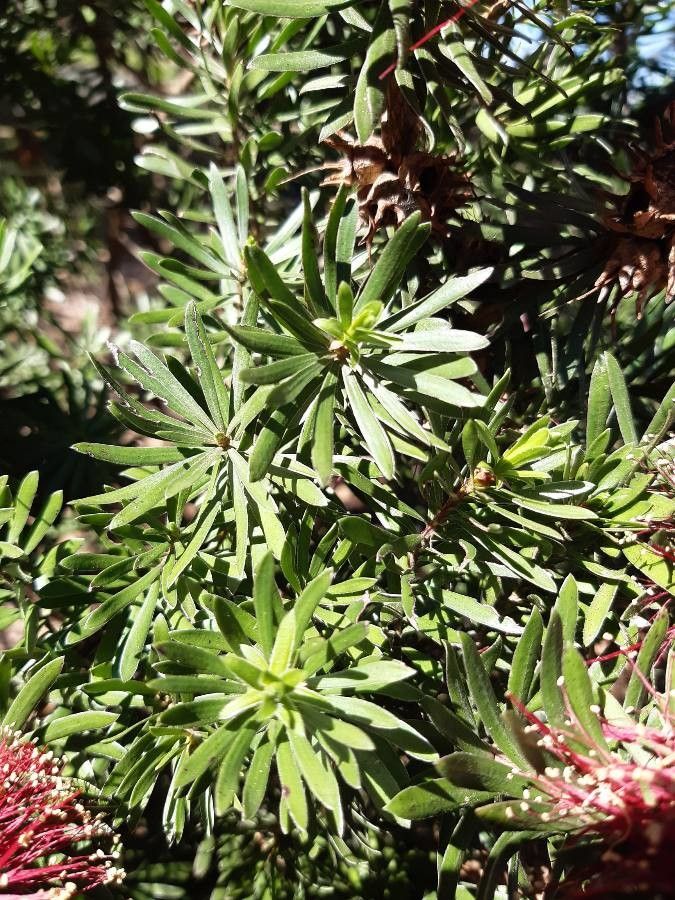
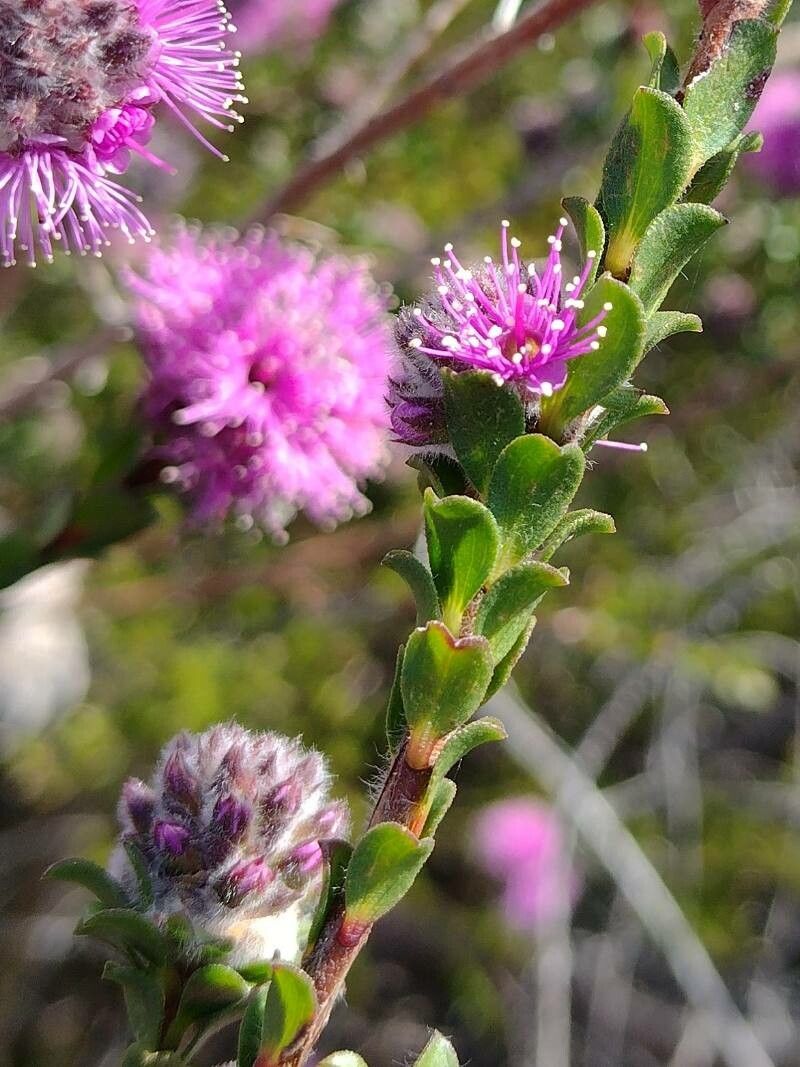
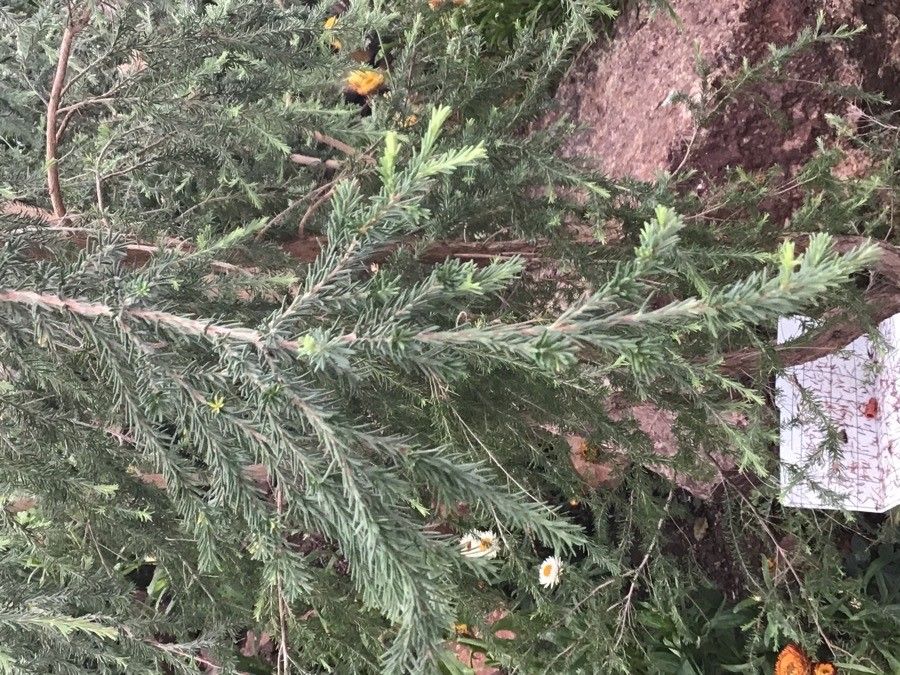
Kunzea ambigua, commonly known as tick bush or white cloud, is a shrub or small tree native to Australia, belonging to the Myrtaceae family. It thrives in various habitats, including heathlands, woodlands, and forests. The plant is notable for its distinctive aroma, attributed to the essential oils in its leaves and flowers.
Tick bush can reach up to 5 meters in height and spread up to 3 meters. It features small white flowers that bloom from late spring through summer, attracting bees and other pollinators. The plant produces woody capsules containing numerous tiny seeds.
For centuries, Indigenous Australians have used the essential oil extracted from Kunzea ambigua for its anti-inflammatory properties. In modern times, it is also utilized in aromatherapy to help relieve stress, anxiety, and respiratory issues.
Tick bush thrives in well-drained soil with full sun exposure but can also tolerate partial shade. Once established, it is drought-tolerant but does benefit from occasional watering during prolonged dry spells.
Overall, Kunzea ambigua is an attractive native plant offering both aesthetic and medicinal benefits. It makes an excellent addition to gardens or landscape designs in Australia's temperate regions, where it naturally grows.
Tickbush resists disease well and is typically not susceptible to illnesses. Regarding care, this plant is fairly low-maintenance. When planted outside it needs only light watering, and larger specimens usually do not require pruning. Smaller plants, however, should be pruned after they finish blooming. Tickbush is suitable for anyone who has an outdoor area, such as a garden or a deck, and it does not demand a great deal of gardening experience.
How to keep Kunzea Ambigua.
Light
Tickbush comes from open habitats, such as sunny meadows and forest edges, which provide plenty of light. It does best in Full Sun but can also tolerate Partial Sun, adapting well to different sunlight conditions.
Water
Tickbush thrives in tropical conditions and requires consistent moisture. It does best with weekly watering to stay healthy, without the risk of overwatering. As an evergreen plant, keeping the soil moist throughout the year encourages foliage growth and helps the plant withstand changes in temperature.
Temperature
Tickbush tolerates a wide variety of climates, from blistering summers to frosty winters. It nevertheless has a preferred temperature band for healthy growth. If temperatures climb too high, the plant can experience stress from heat and humidity that may kill it. In locations where temperatures approach the lower limit of its cold tolerance, providing insulation to protect the plant is necessary.
Fertilizer
When to fertilize Tickbush matters. Apply fertilizer in early spring and continue once a month until early summer. Fertilizer encourages attractive blooms and supplies energy during both dormant and active growth phases.
Pruning
Tickbush is a dense evergreen shrub that features fragrant leaves and white to pinkish flowers. To maintain its shape, prune the shrub from early to late winter. After it blooms, you can encourage new growth by lightly trimming it. Be sure to remove any dead branches to promote the shrub's health, and always use sanitized tools to ensure clean cuts.
Botanical profile.
- Plant Type
- Shrub
- Life Cycle
- Perennial
- Genus
- Kunzea
- Family
- Myrtaceae
- Hardiness Zone
- 8-11
- Mature Height
- 3.05 m
- Mature Spread
- 3.05 m
- Leaf Color
- Green
- Leaf Type
- Evergreen
- Flower Color
- White
- Flower Size
- 0.51 cm to 1.02 cm
- Bloom Time
- Mid spring, Late spring, Early summer
- Planting Time
- Spring, Summer
- Harvest Time
- Mid summer, Late summer, Early fall
Other names.