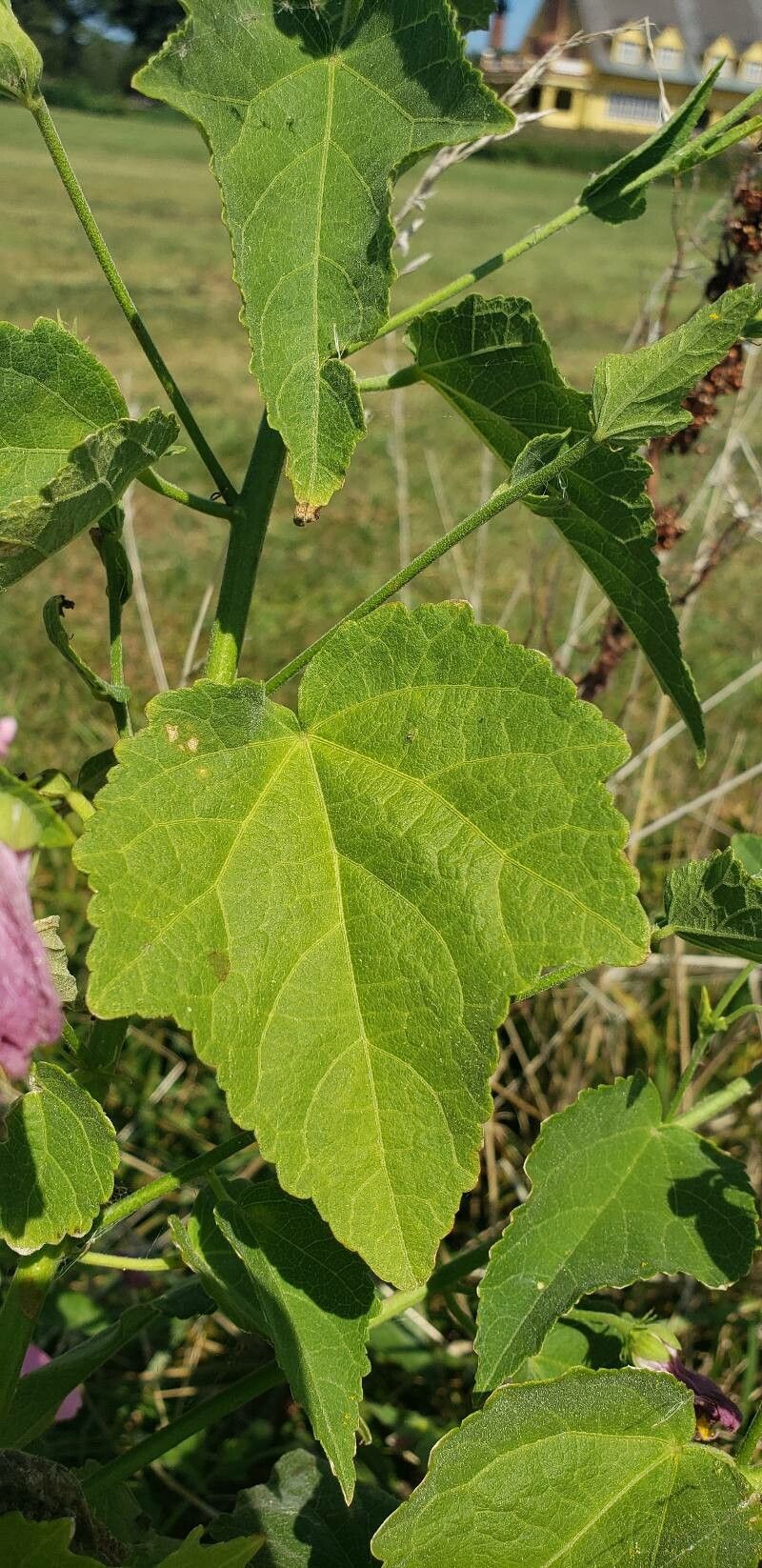
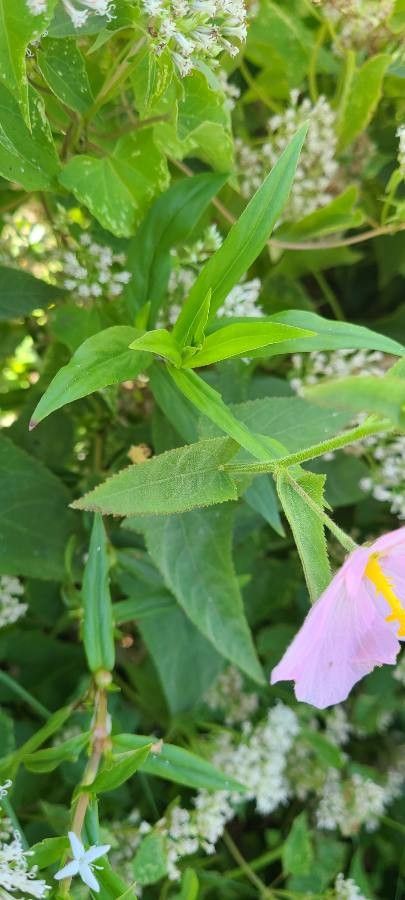
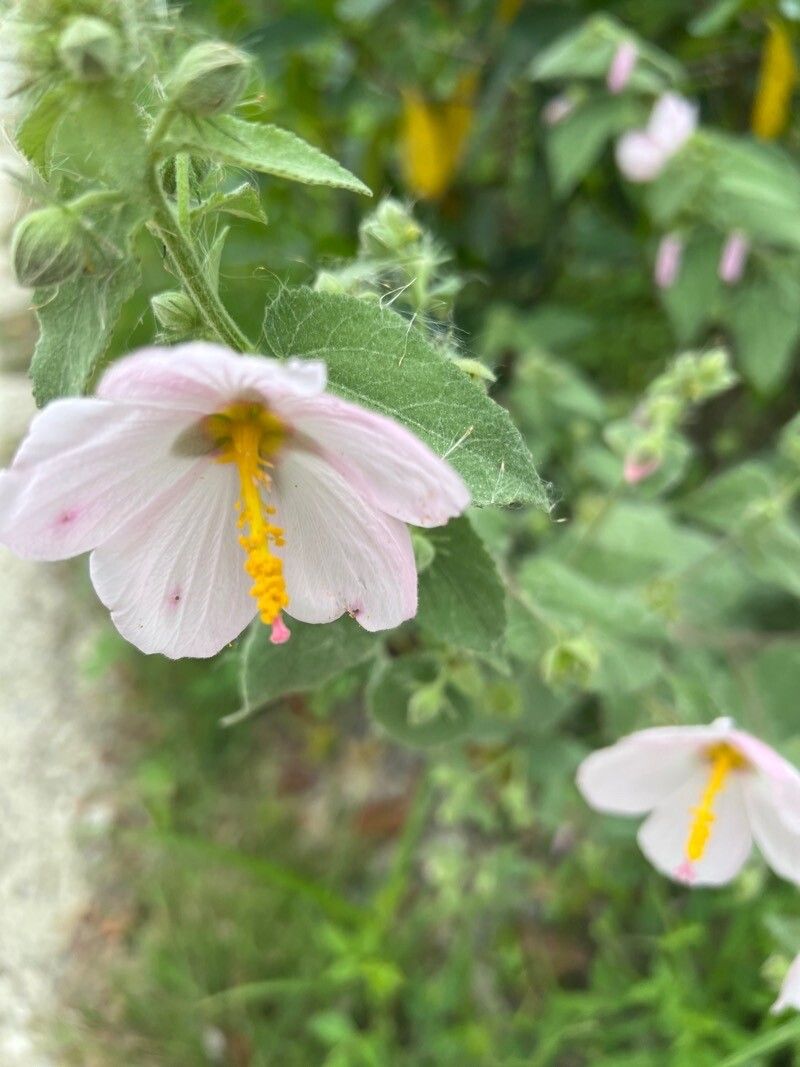
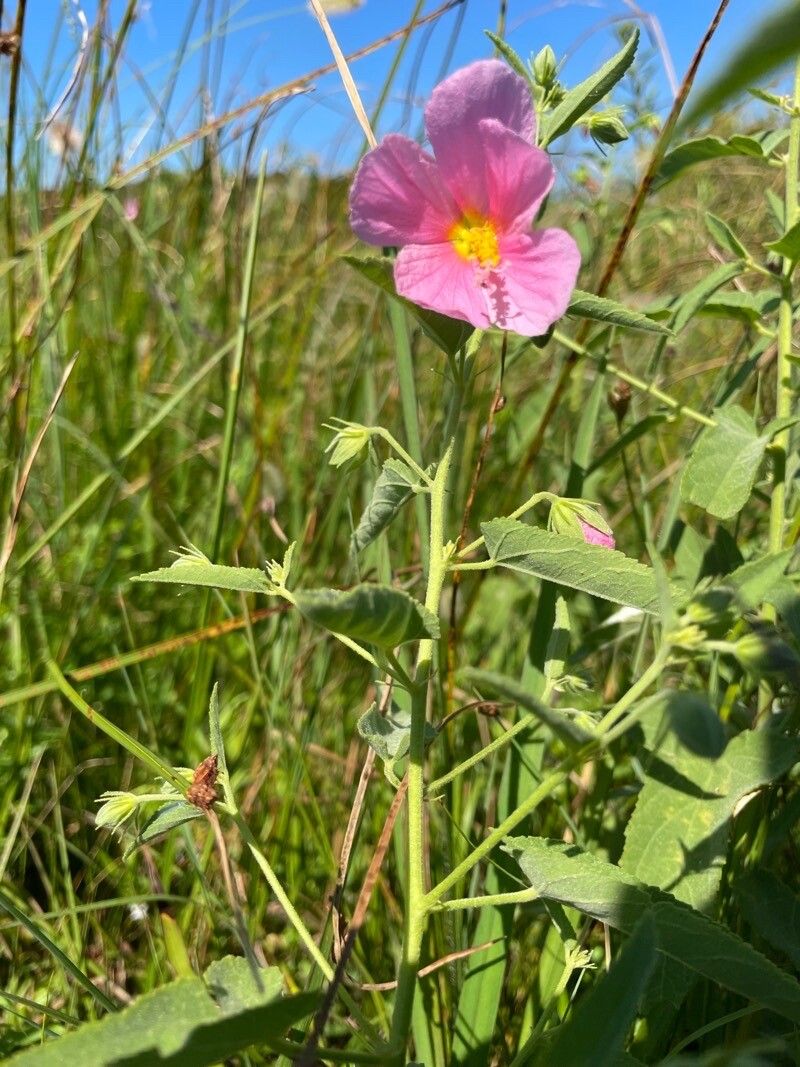
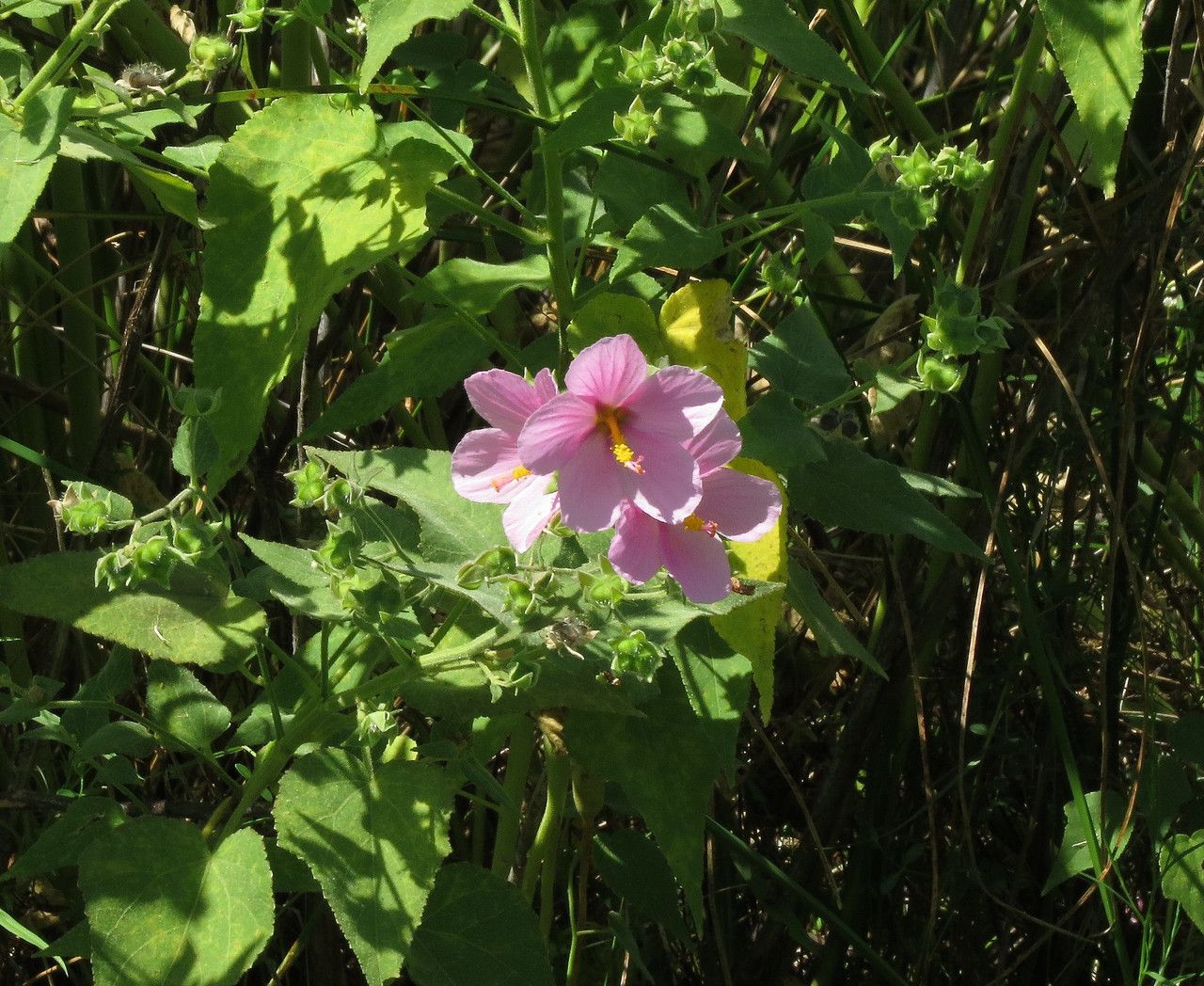
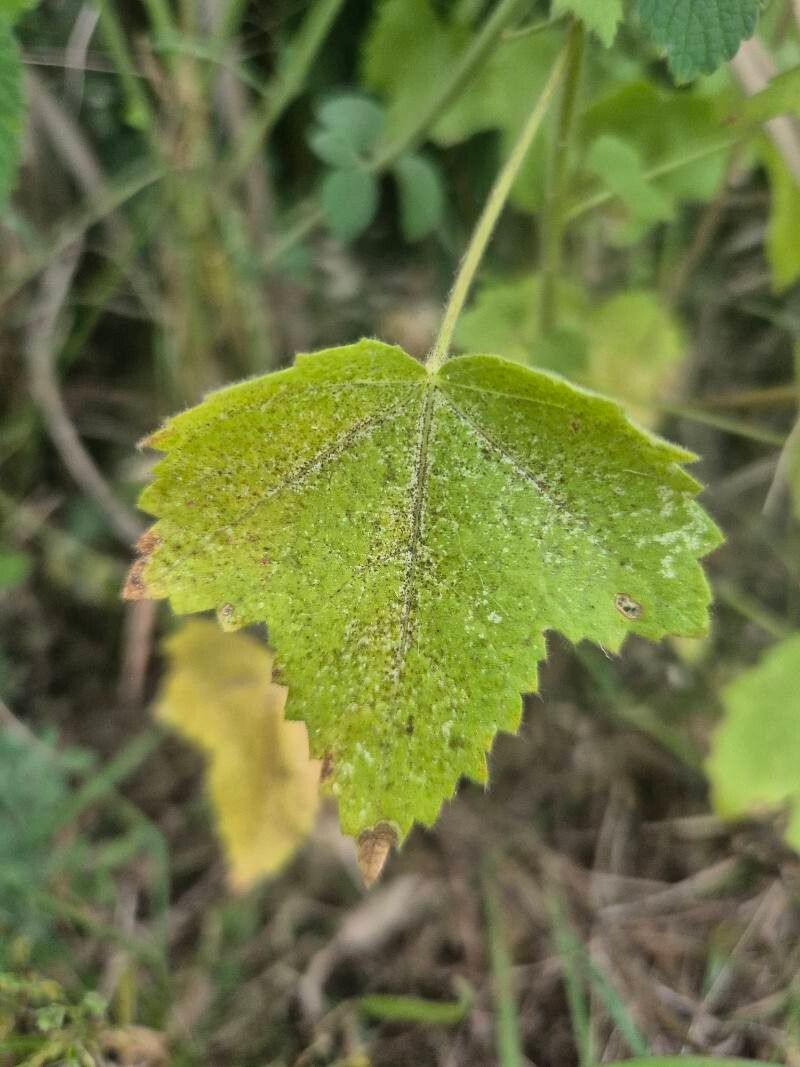
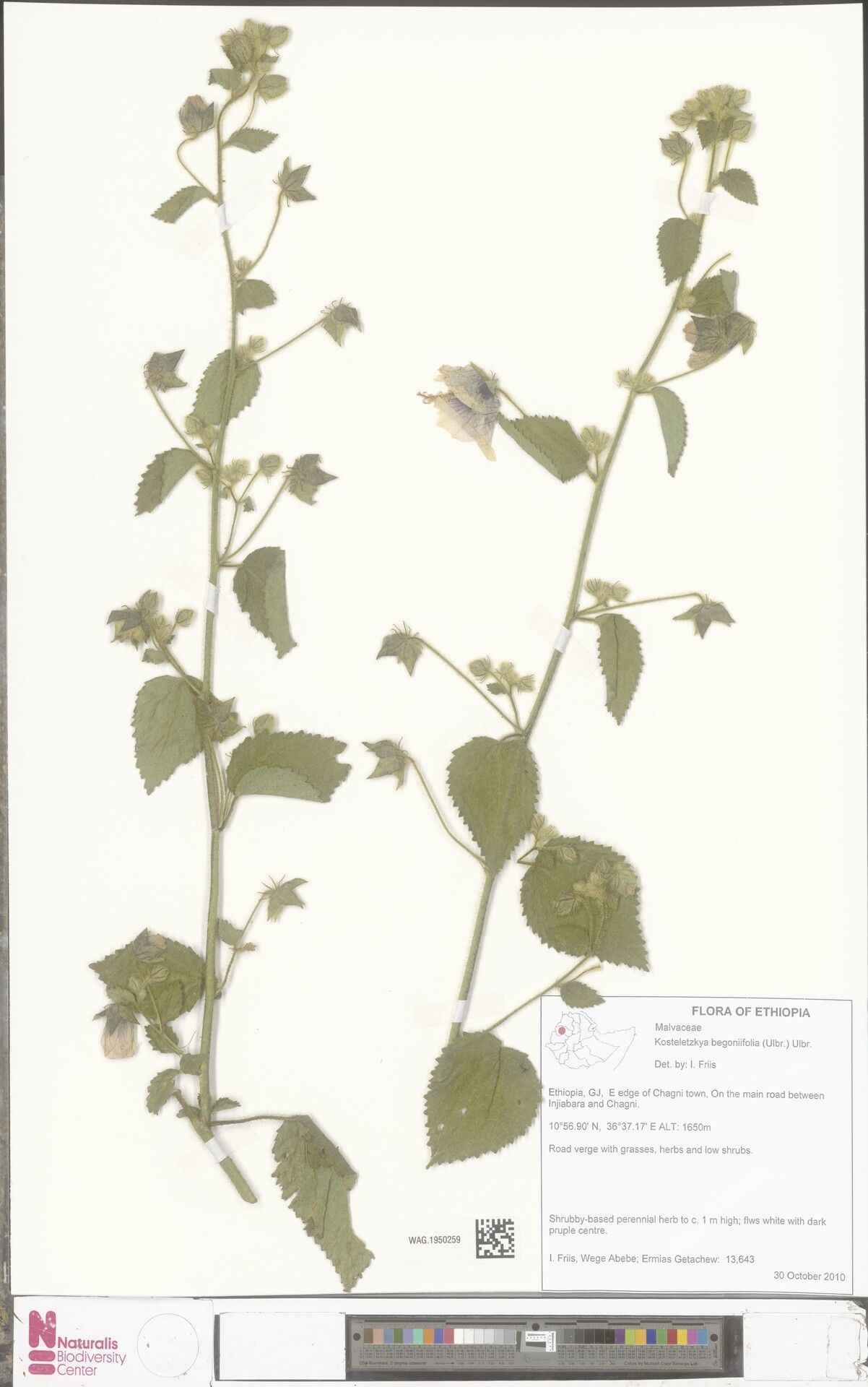
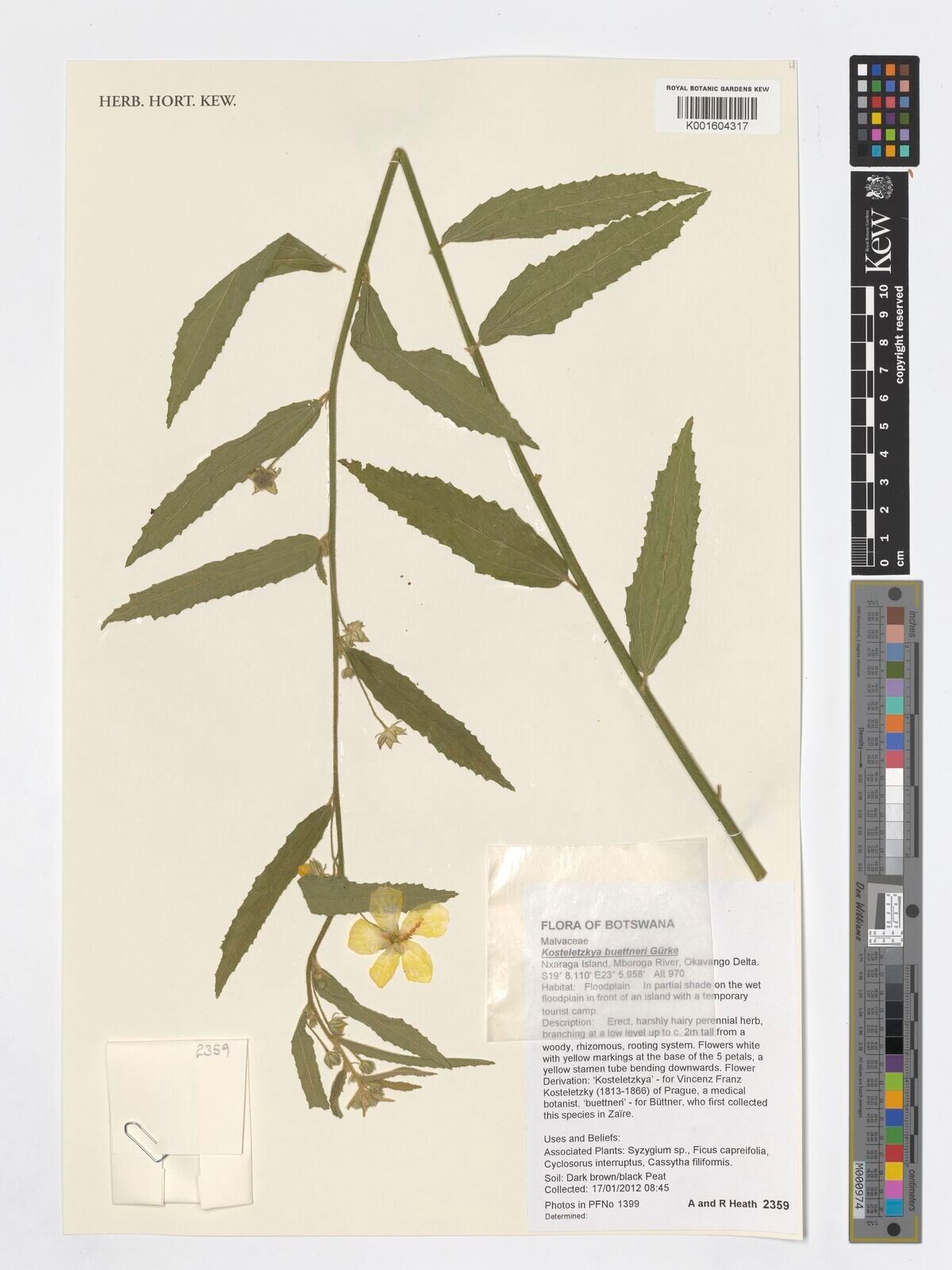
Kosteletzkya pentacarpos, the seashore mallow, also known as the saltmarsh mallow, sweat weed, Virginia saltmarsh mallow, or hibiscus à cinq carpelles, is an herb found in marshes along the eastern seashore of North America, parts of coastal Southern Europe, southwestern Russia, and Western Asia.
Virginia saltmarsh-mallow shows strong resistance to diseases and is generally not vulnerable to them. Still, it can be affected by pests and illnesses present in its environment. These problems are typically mild. Regarding care, the plant is moderately demanding. It should be pruned on a regular schedule to keep a neat appearance and support healthy growth. Applying fertilizer can also encourage blooming. Virginia saltmarsh-mallow is appropriate for anyone with outdoor areas like a garden or patio and does not demand extensive gardening experience. It may need more attention if cultivated indoors.
How to keep Kosteletzkya Pentacarpos.
Light
Virginia saltmarsh-mallow performs best with ample sunlight, which encourages vigorous growth. In its early stages it can cope with moderate sun exposure. Its native habitat is rich in sunlight, which explains this inclination. Both excessive and insufficient sunlight can potentially impede its growth and vitality.
Water
The Virginia saltmarsh mallow thrives in wetland habitats, where it benefits from consistent moisture and weekly watering. This plant prefers full sun and high humidity, making it perfect for rain gardens. In these environments, it plays a vital role in the ecosystem's water cycle by making the most of natural rainfall patterns.
Temperature
The Virginia saltmarsh-mallow is a hardy plant native to habitats where temperatures are between 50 and 95°F (10 and 35℃). It performs best within that range and may need temperature adjustments when conditions fall outside those seasons. A mild, steady climate is preferred.
Fertilizer
The best time to fertilize a Virginia saltmarsh-mallow is in early spring, as it is coming out of dormancy and starting active growth. Fertilization supplies essential nutrients for healthy development. Although Virginia saltmarsh-mallow has relatively low fertilizer needs, fertilizing annually can improve its survival and encourage better, longer-lasting flowers.
Pruning
The Virginia saltmarsh-mallow is a resilient perennial known for its lovely pink flowers. It thrives in wetland areas and can tolerate salt well. For optimal growth and health, prune the plant from early to late spring. This helps encourage new growth, shapes the plant, and improves air circulation. Be sure to use clean, sharp tools for precise cuts, which will enhance both the blooms and the plant's overall structure.
Botanical profile.
- Plant Type
- Herb, Shrub
- Life Cycle
- Perennial
- Genus
- Kosteletzkya
- Family
- Malvaceae
- Hardiness Zone
- 6-9
- Mature Height
- 0.91 m to 1.83 m
- Mature Spread
- 0.91 m to 1.22 m
- Leaf Color
- Green, Blue, Gray, Silver
- Leaf Type
- Deciduous
- Flower Color
- Pink
- Flower Size
- 2.54 cm to 7.62 cm
- Bloom Time
- Mid summer, Late summer, Early fall, Mid fall
- Planting Time
- Spring, Summer
- Harvest Time
- Fall, Early winter
- Native Area
- Russia, Cuba, Italy, Spain, Iran, Azerbaijan, France
Other names.
Reader questions.
How frequently should I water my Virginia saltmarsh-mallow plant?
If your Virginia saltmarsh-mallow is in a pot, the most precise way to tell if it needs water is to stick your finger into the soil. If the top two to three inches of soil feel dry, then it is time to water it. If you have the plant planted outdoors in the ground, you can use the same method. When the first few inches of soil are dry, it is time to water it. Typically, during the spring and early fall, watering once a week should suffice. However, during extremely hot weather, you may need to water it twice or more per week. Despite this, mature and well-established Virginia saltmarsh-mallows have shown an admirable ability to withstand drought.
Why should I put fertilizer on my Virginia saltmarsh-mallow?
The Virginia saltmarsh-mallow relies on its leaves for structure and function. Fertilization plays a crucial role in maintaining the appearance and functionality of these leaves. Proper fertilization ensures that the leaves of your Virginia saltmarsh-mallow have vibrant color and a healthy texture. Additionally, fertilization supports root system growth and maintenance, both below the soil's surface. This not only improves the current health of your plant but also enhances its ability to absorb nutrients from the soil in the long term.
What are the sunlight requirements for Virginia saltmarsh-mallow?
Virginia saltmarsh-mallow thrives in environments that offer ample sunlight, which is essential for its growth and vitality. It requires full sun, defined as more than 6 hours of direct sunlight per day, to flourish. In its early development stages, it can adapt to partial sun — about 3-6 hours of sunlight. This preference originates from its natural habitat, which is abundant in sunlight. The right amount of sunlight is crucial, as both excessive and insufficient sunlight can adversely affect the plant's growth. It's important to observe the movement of sunlight through your garden to find the optimal balance of light and shade that will ensure the well-being of your plants.
What is the ideal temperature range for the Virginia saltmarsh-mallow?
The Virginia saltmarsh-mallow is a resilient plant that thrives best in environments with temperatures ranging from 50 to 95°F (10 to 35°C). It prefers a mild and steady climate within this temperature range for optimal growth. This plant has strong cold resistance, implying that special frost protection measures are usually not necessary. However, adequate protection is recommended if winter temperatures are expected to drop below -25°C.
How should I water my Virginia saltmarsh-mallow?
To properly water the Virginia saltmarsh-mallow, it is recommended to use filtered water at room temperature. Tap water may contain harmful particles, so filtering is important. The reason for using room temperature water is that this plant is native to warm environments and cold water can be a shock to its system. It is advised to avoid overhead watering, which can cause issues with the foliage. Instead, pour the filtered room temperature water directly onto the soil until it is completely soaked. This method benefits the plant by moistening its roots and aiding in the spread and nutrient collection process.
When should I fertilize my Virginia saltmarsh-mallow?
To ensure optimal growth of your Virginia saltmarsh-mallow plant, there are a few key steps to follow. Firstly, as a perennial plant, it will start to produce new growth in early spring. This is your signal to begin fertilizing for the year. While a single application of fertilizer is usually sufficient, if you want to maximize growth, you have the option of feeding the plant multiple times throughout the spring and early summer. In this case, about once every month to a month and a half is recommended.
What are the indoor and outdoor light solutions for Virginia saltmarsh-mallow?
For indoor Virginia saltmarsh-mallow plants struggling with insufficient light, strategically move them to sunnier spots, ideally near a south-facing window, to achieve at least 6 hours of direct sunlight daily. Consider keeping curtains open during the day to enhance sunlight exposure. If the plant is too large or challenging to move, supplementary artificial lighting can be beneficial. Place a desk or ceiling lamp over the plant for at least 8 hours a day or opt for professional plant grow lights for sufficient illumination. Outdoors, gradually transitioning your plants to sunnier locations each week will help them adapt without risking sunburn. Trimming or pruning nearby trees and bushes can also reduce obstructions to sunlight. Should your plant require more drastic measures, transplanting during its dormant period, typically late winter or early spring, to a location with better sun exposure and drainage can effectively improve its light intake.
How should Virginia saltmarsh-mallow be protected from cold temperatures?
Virginia saltmarsh-mallow generally does not require special frost protection thanks to its strong cold resistance. However, during exceptionally cold winters where temperatures may drop below -25°C, it is important to protect the plant. This protection can be provided by covering the plant with soil or straw. Additionally, watering the plant abundantly before the first freeze in autumn is advisable. This ensures the soil remains moist and enters a frozen state, helping to prevent drought and water scarcity during winter and early spring.
What should I do if I give too much or too little water to my Virginia saltmarsh-mallow plant?
Overwatering is a common issue that can harm your Virginia saltmarsh-mallow. It causes wilting, yellowing leaves, and can lead to diseases like root rot, mold, and mildew, which can be fatal for the plant. Underwatering is less common but still possible, resulting in brittle, brown leaves. To prevent overwatering, it's important to watch for early signs and reduce watering immediately. Check the soil's drainage and replace it if necessary. If underwatering occurs, simply increase watering until the plant recovers.
When is the best time to not put fertilizer on my Virginia saltmarsh-mallow plant?
During the late fall and winter, your Virginia saltmarsh-mallow goes into a dormant phase and stops growing. It's important to avoid fertilizing it during this time. In the spring and summer, if you decide to fertilize, gradually reduce the rate as summer approaches because the growth rate slows down. In general, it's not a good idea to fertilize when it's extremely hot or when the soil is very dry. Fertilizing in these conditions can stress the plant and cause it to die earlier.
What are the symptoms of light deficiency in Virginia saltmarsh-mallow?
Virginia saltmarsh-mallow exhibits several symptoms when exposed to inadequate lighting. These include the development of smaller-than-usual leaves, leggy or sparse growth, increased leaf drop, halted new growth, and the appearance of paler or chlorotic leaves. Overexposure to sunlight can lead to conditions such as sunscald, where leaves or stems show necrotic spots due to intense light, leaf curling as a protective response to reduce exposed surface area, wilting due to excessive water loss, and leaf scorching characterized by brown, dry edges on leaves.
What symptoms indicate that Virginia saltmarsh-mallow is experiencing low temperatures, and what are the solutions?
Virginia saltmarsh-mallow is cold-tolerant and prefers temperatures to stay above 10°C. If kept above -15°C during winter, the plant generally does well, but temperatures falling below -25°C can lead to a lack of sprouting or decreased sprouting in spring. The solution to this issue is to remove any parts of the plant that have failed to sprout in the spring.