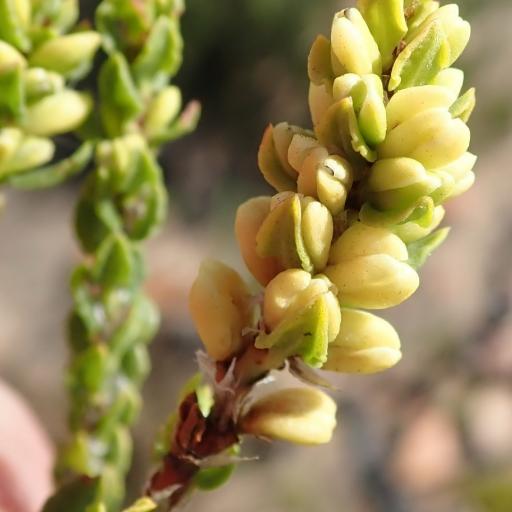
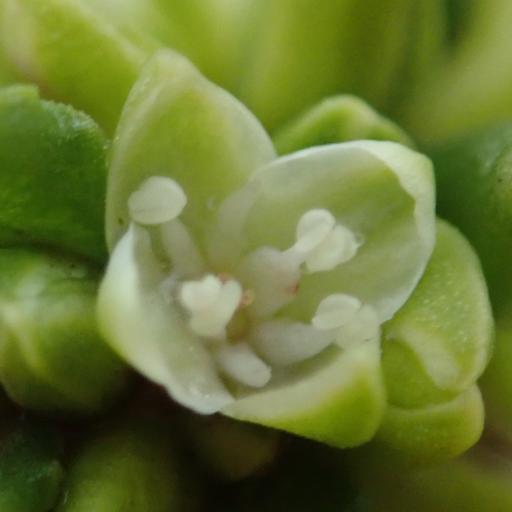
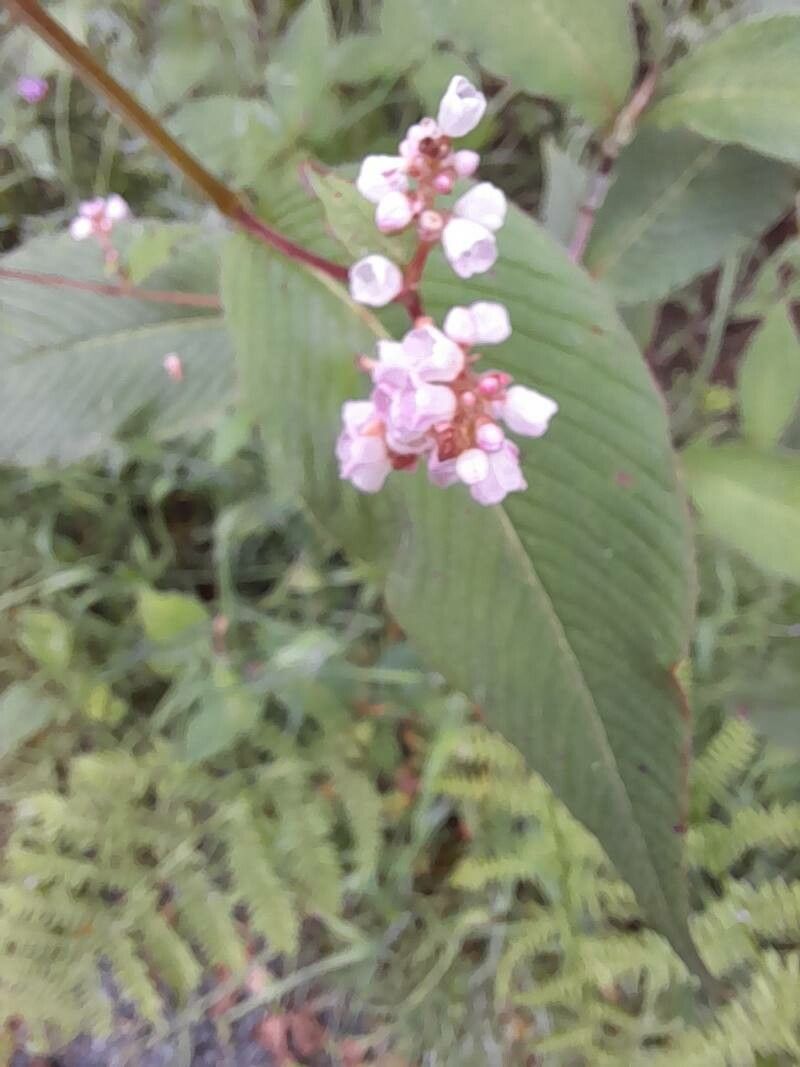
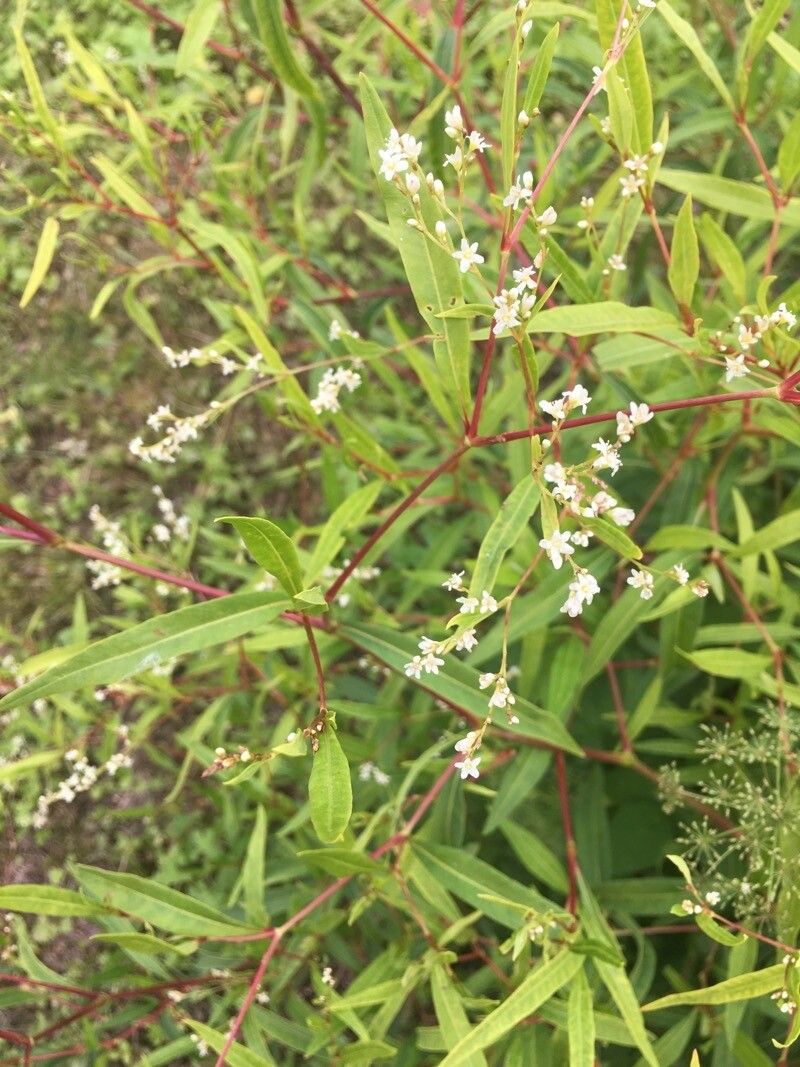
Koenigia alpina (synonym Aconogonon alpinum), commonly known as alpine knotweed, is similar to Koenigia alaskana, but differs in leaf size and achene characteristics. It is native to Europe and temperate Asia. It is one of the parents of the cultivated hybrid Koenigia × fennica, the other being Koenigia weyrichii.
alpine knotweed shows strong resistance to disease and typically does not develop illnesses easily. However, it can be vulnerable to pests and diseases present in its environment. These infections are generally mild. In terms of care, this plant needs moderate maintenance. It should be pruned regularly to keep a good appearance and support healthy growth. Fertilizing can also help encourage flowering. alpine knotweed is suitable for anyone with outdoor space, such as a garden or patio, and does not demand extensive care experience. It may need more attention when grown indoors.
How to keep Koenigia Alpina.
Light
alpine knotweed is a sun-loving perennial herbaceous plant native to open habitats, commonly found in meadows and grasslands. It prefers full sun but can also tolerate partial sun conditions.
Water
Koenigia alpina thrives in moist environments and benefits from weekly watering, although it can withstand short periods of dryness. For indoor care, it's important to mist the plant periodically to simulate the humid conditions of its alpine origins. This helps maintain leaf health and supports its preference for cooler temperatures.
Fertilizer
One application of fertilizer in spring is generally enough for alpine knotweed, although repeated feedings can maximize its growth. Apply fertilizer every month to every month and a half. Fertilization improves the leaves' appearance and function, helping maintain even color and a healthy texture. It also promotes root development and nutrient uptake for the plant's long-term health.
Pruning
Koenigia alpina showcases vibrant foliage and beautiful blooms. To maintain the plant's health and appearance, it is important to prune it from early to late spring. During pruning, remove any dead branches and thin out areas where the growth is too dense to improve airflow. Regular pruning not only enhances flowering but also helps prevent disease. Make sure to use clean, sharp tools to minimize stress on the plant, leading to a healthier and more attractive appearance.
Botanical profile.
- Plant Type
- Herb
- Life Cycle
- Perennial
- Genus
- Koenigia
- Family
- Polygonaceae
- Hardiness Zone
- 3-7
- Mature Height
- 0.91 m to 2.13 m
- Mature Spread
- 1.52 m
- Leaf Color
- Green
- Leaf Type
- Deciduous
- Flower Color
- White
- Flower Size
- 2.54 cm
- Bloom Time
- Early summer, Mid summer
- Planting Time
- Spring, Summer, Autumn
- Harvest Time
- Late summer, Early fall
- Native Area
- Turkey, India, Austria, Romania, Montenegro, Bulgaria, Pakistan, Armenia, Greece, Croatia, Ukraine, Serbia, Russia, China, Afghanistan, Kyrgyzstan, Kazakhstan, Italy, Spain, Switzerland, Mongolia, Koppen, Iran, Albania, Azerbaijan, South Korea, France
Other names.