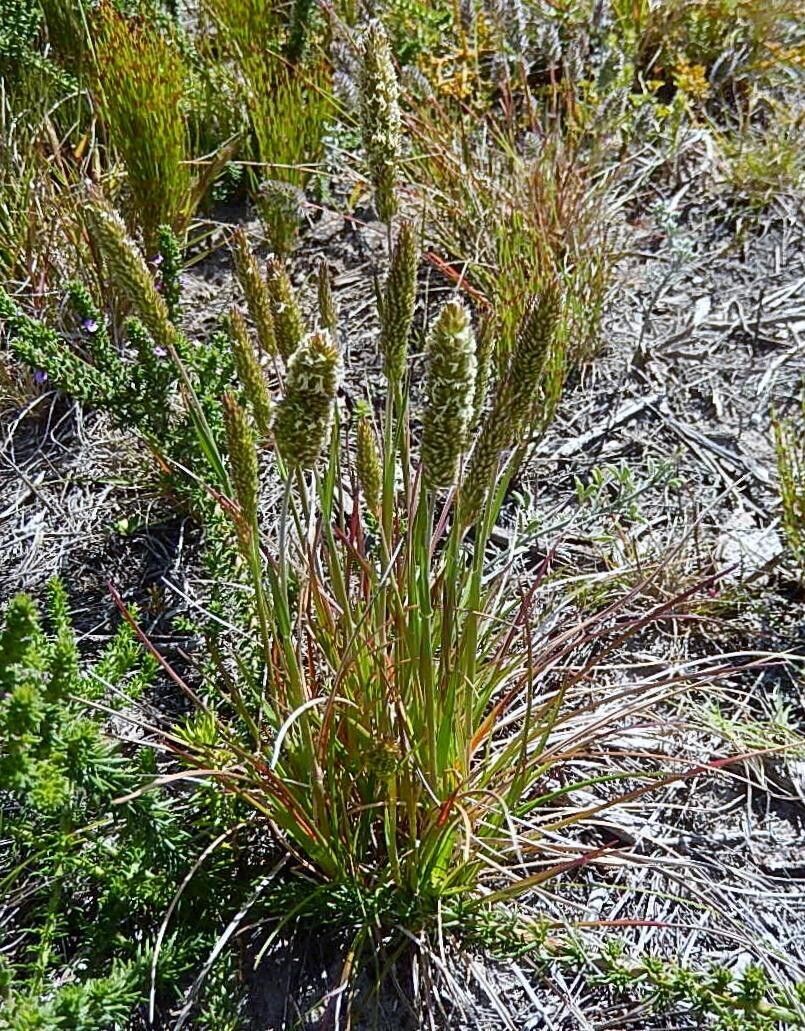
Koeleria vallesiana, commonly known as Valleys Meadow-grass, is a perennial grass species belonging to the Poaceae family. It is prevalent in the mountainous regions of Europe, including the Alps, Pyrenees, and Carpathians.
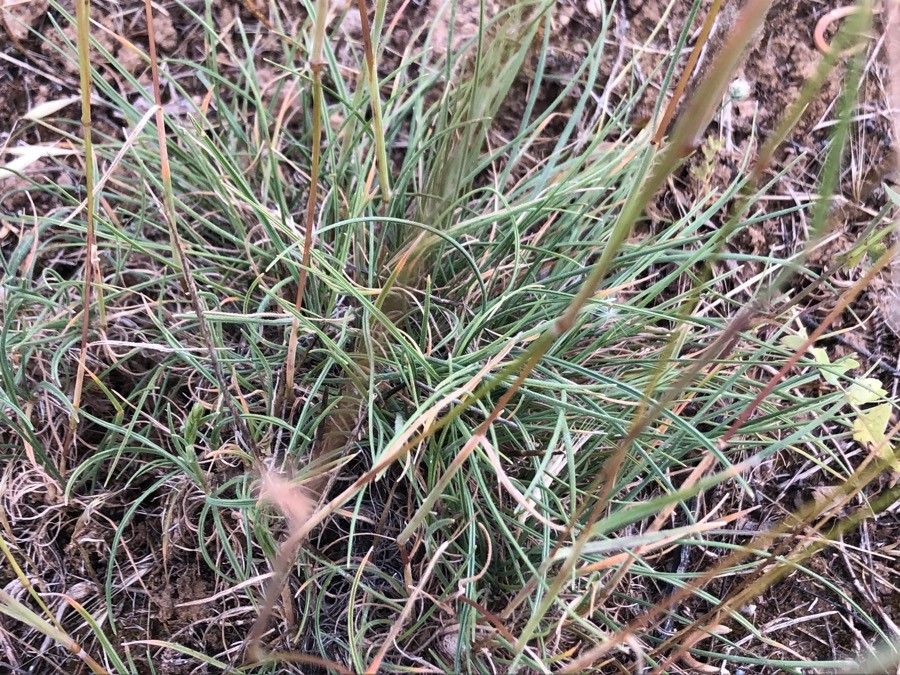
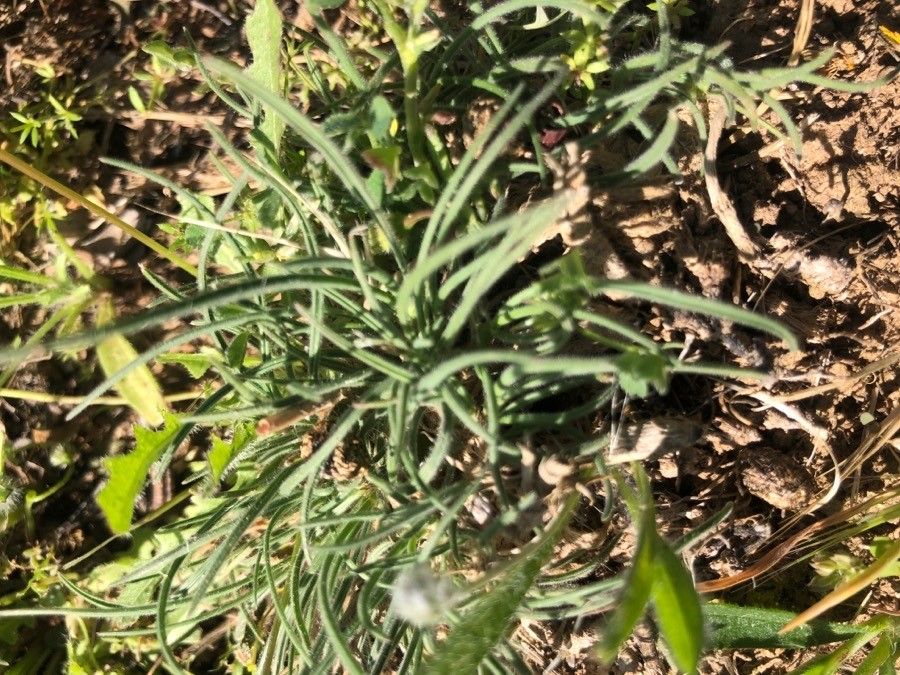
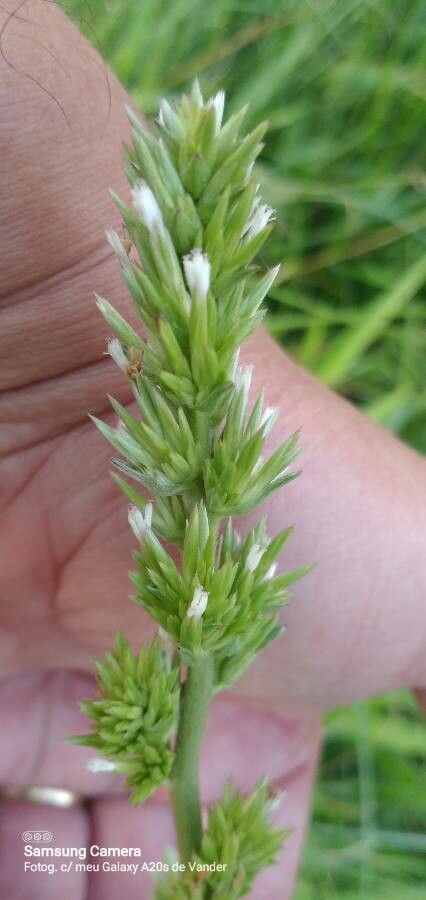
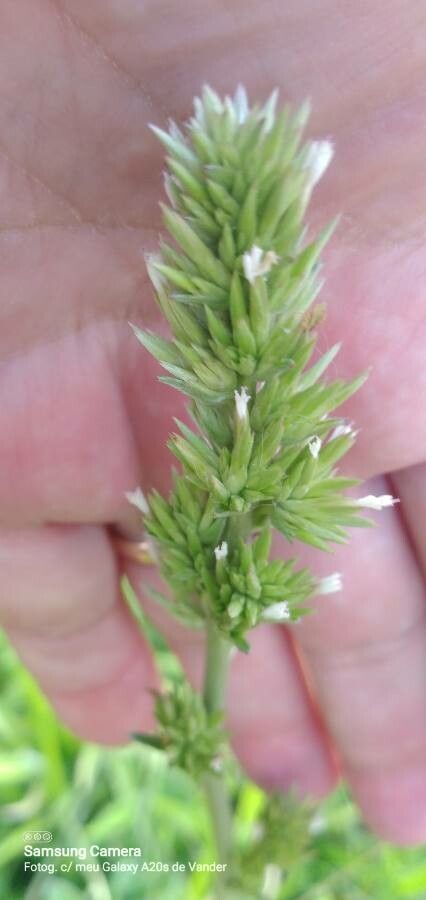
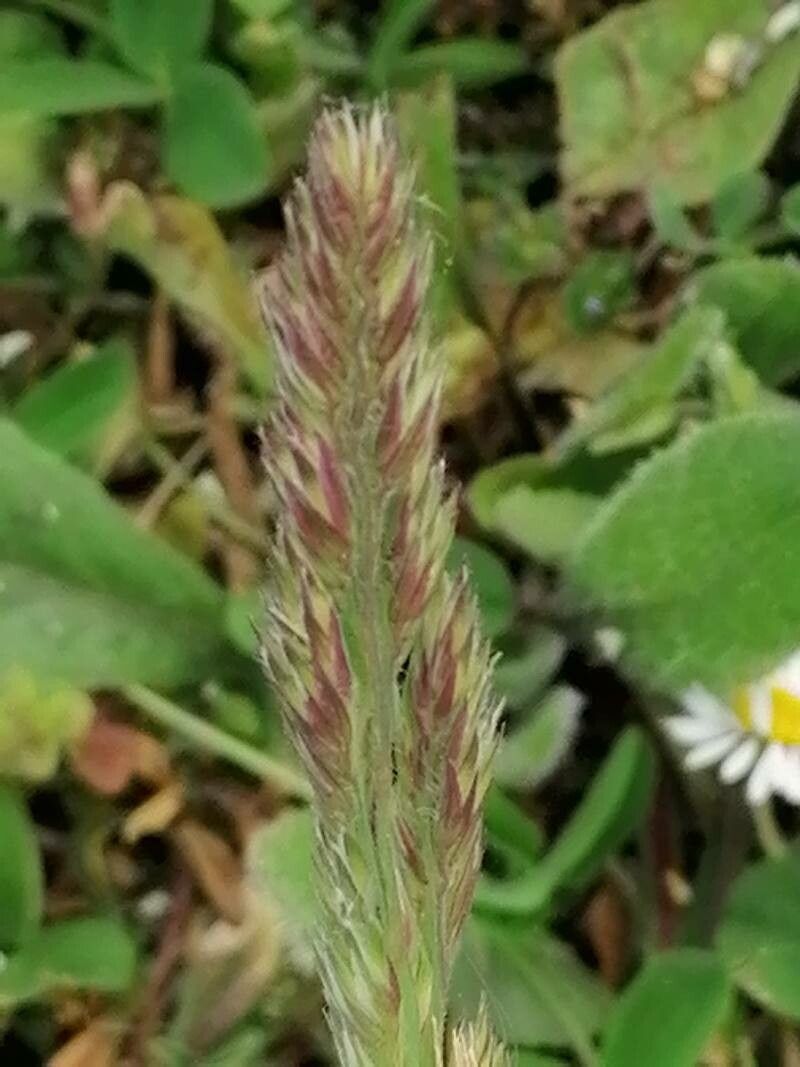
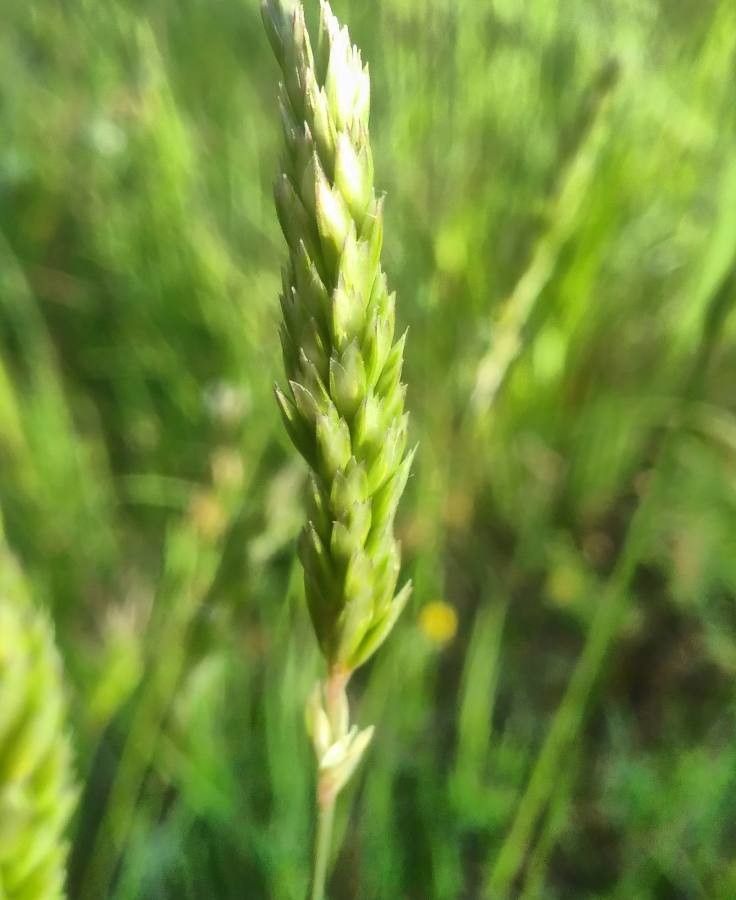
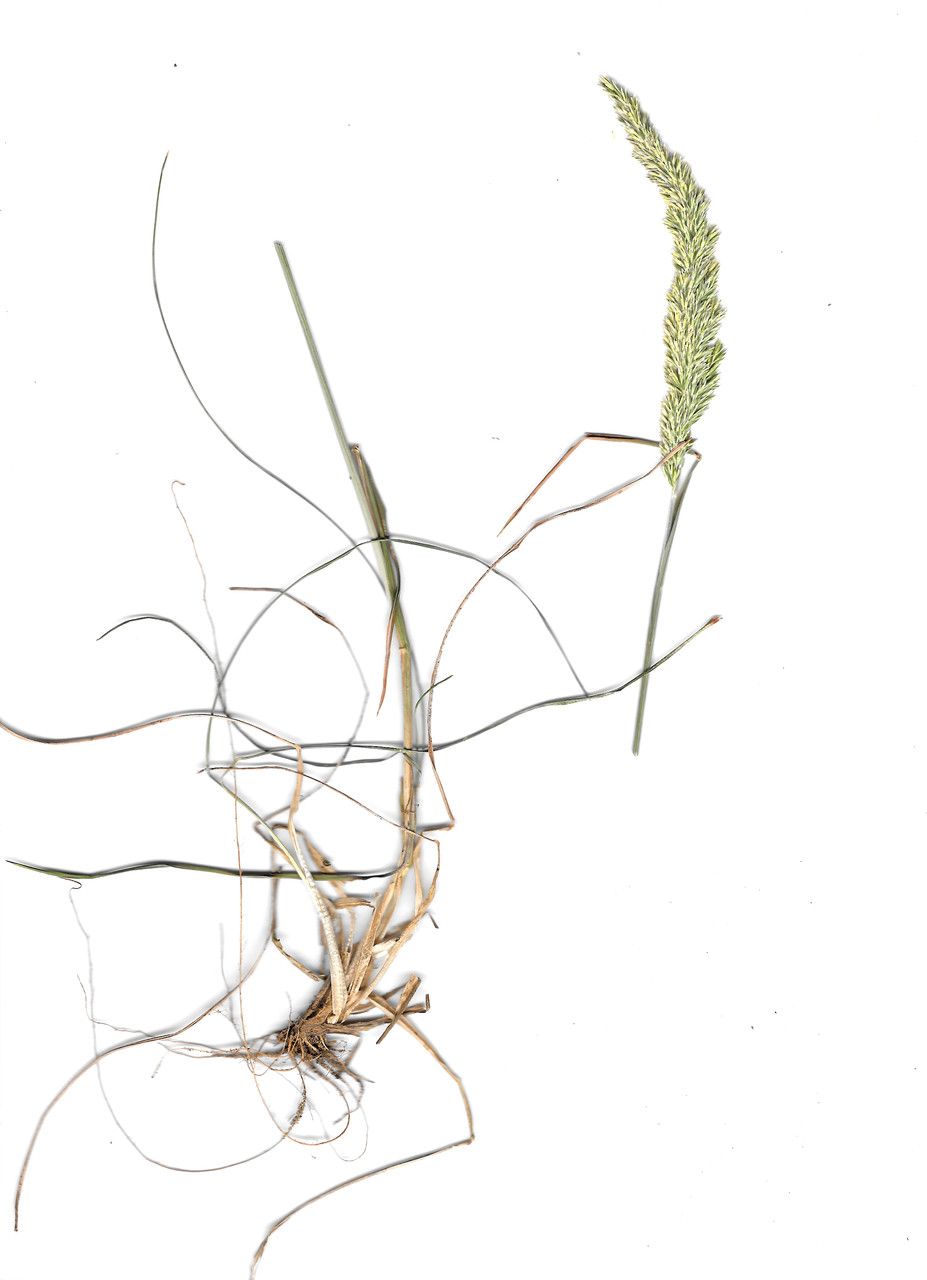
This grass features a tufted growth habit with slender stems that can grow up to 50 cm tall. The leaves are narrow, pointed, and exhibit a bluish-green color. The inflorescence of Koeleria vallesiana comprises dense panicles that are 5-10 cm long and filled with numerous spikelets.
Koeleria vallesiana thrives in well-drained soils within sunny or partially shaded areas at high altitudes, ranging from 1,000 to 3,000 meters above sea level. It commonly grows on rocky slopes, meadows, and open woodlands.
This plant offers several ecological benefits. It provides food for grazing animals such as sheep and goats and serves as a habitat for various insects, including butterflies and moths.
Overall, Koeleria vallesiana is an attractive grass species with ornamental value, making it suitable for rock gardens or naturalistic planting schemes. Additionally, it contributes positively to its environment by offering ecological benefits.
Somerset hair grass has good resistance to disease and is generally not prone to illnesses. In terms of care, this plant is fairly low-maintenance. When grown outdoors it needs minimal watering, and larger plants usually do not require pruning. Smaller plants, however, should be pruned after they have bloomed. Somerset hair grass is suitable for anyone with an outdoor area, such as a garden or a deck, and does not demand much plant-care experience.
How to keep Koeleria Vallesiana.
Light
Somerset hair grass is a sun-loving perennial herbaceous plant originating in open habitats, commonly thriving in meadows and grasslands. It prefers full sun but can also tolerate partial sun.
Temperature
Somerset hair grass can adjust to a wide range of temperatures, but its range may still be restricted by particular combinations of moisture and heat. It does best in warm summer climates with sufficient rainfall or watering. Extended spells of cloudy, rainy weather or prolonged high heat can raise the risk of Somerset hair grass dying. In winter, adequate protection from cold can improve the plant's chances of survival.
Fertilizer
Somerset hair grass needs extra nutrients to encourage healthy new growth. In spring, spreading some compost around the plant’s base can effectively supply the nutrition it requires. Fertilizing supports vigorous growth and helps the plant resist diseases and pests.
Pruning
Somerset hair grass is a hardy tufted grass with thick foliage. To encourage new growth, it's best to prune it in early spring. Trim away the dead blades while being careful not to over-prune. This helps improve air circulation, reduces the risk of disease, and enhances the grass's shape. By maintaining the grass regularly and adhering to local horticultural guidelines, you can boost its growth and ornamental appeal.
Botanical profile.
- Plant Type
- Grass
- Life Cycle
- Perennial
- Genus
- Koeleria
- Family
- Poaceae
- Hardiness Zone
- 5-9
- Mature Height
- 10 cm to 40 cm
- Mature Spread
- 15 cm to 30 cm
- Leaf Color
- Gray, Light Green
- Leaf Type
- Deciduous
- Flower Size
- 0.25 cm to 0.51 cm
- Bloom Time
- Early summer, Mid summer
- Planting Time
- Spring
- Harvest Time
- Mid summer, Late summer
- Native Area
- Germany, Tunisia, Portugal, Italy, Spain, Switzerland, United Kingdom, Algeria, Morocco, France
Other names.