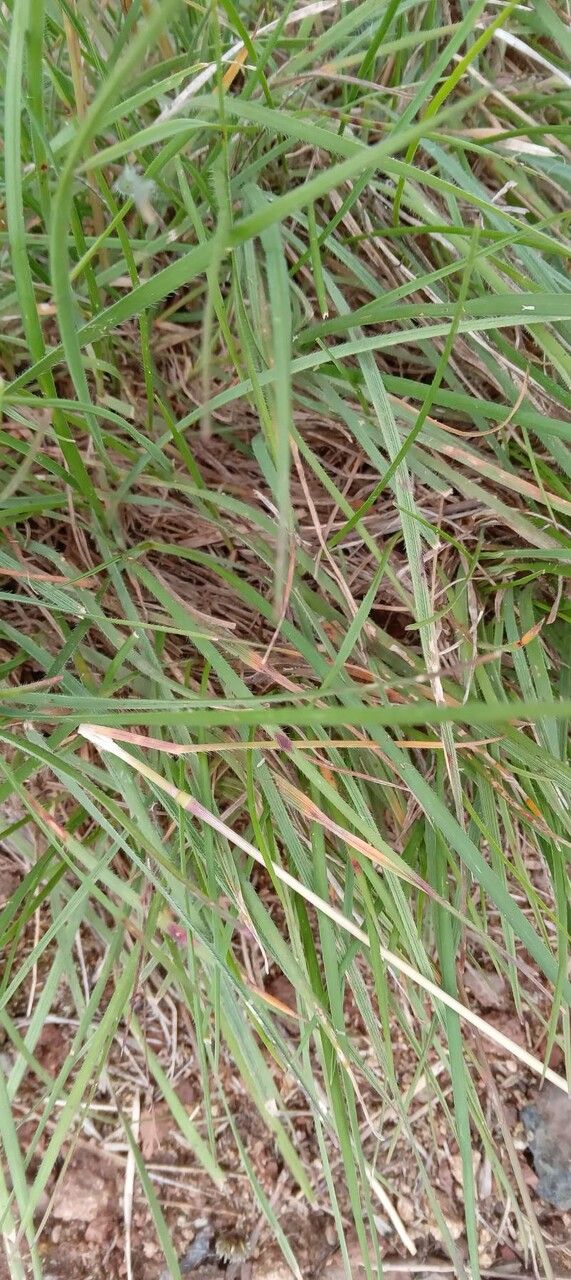
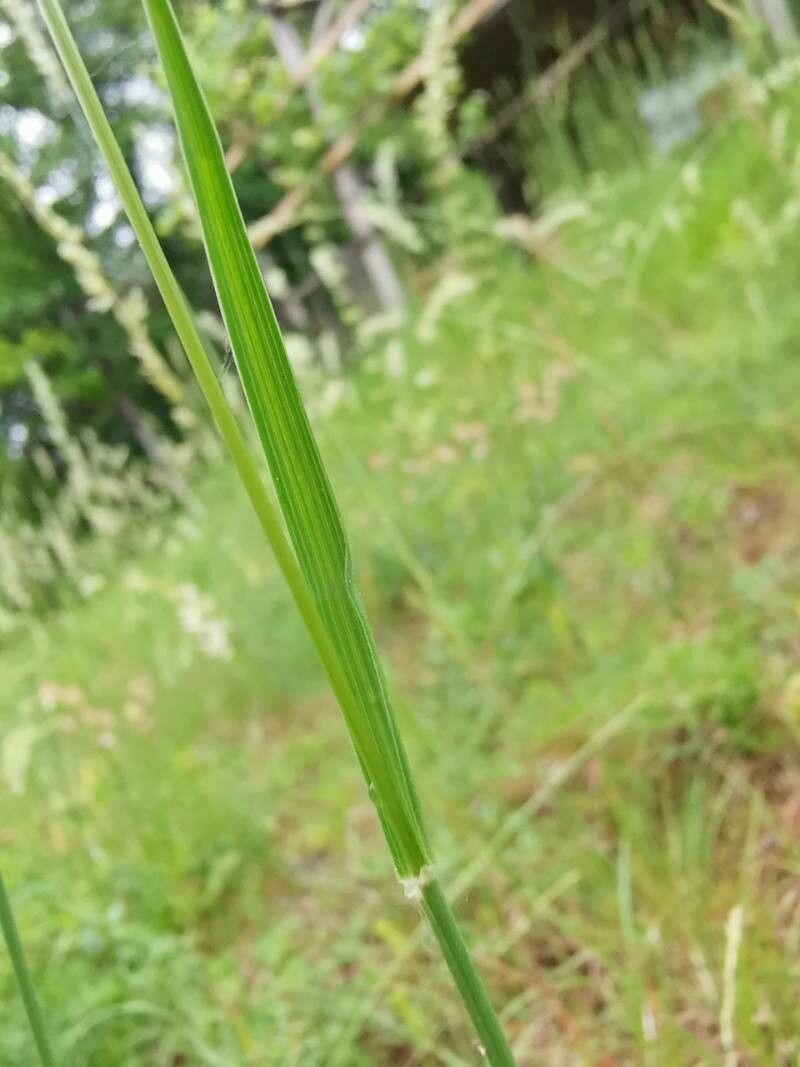
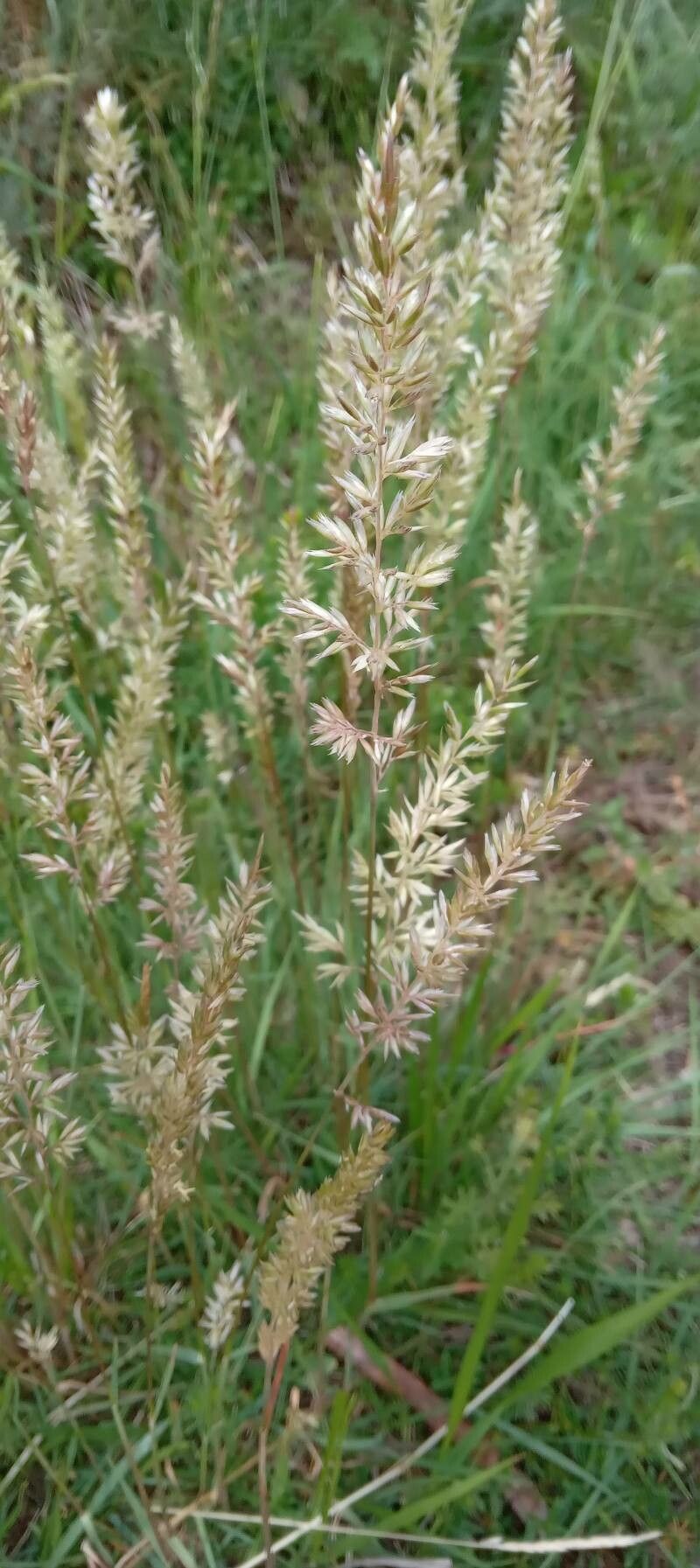
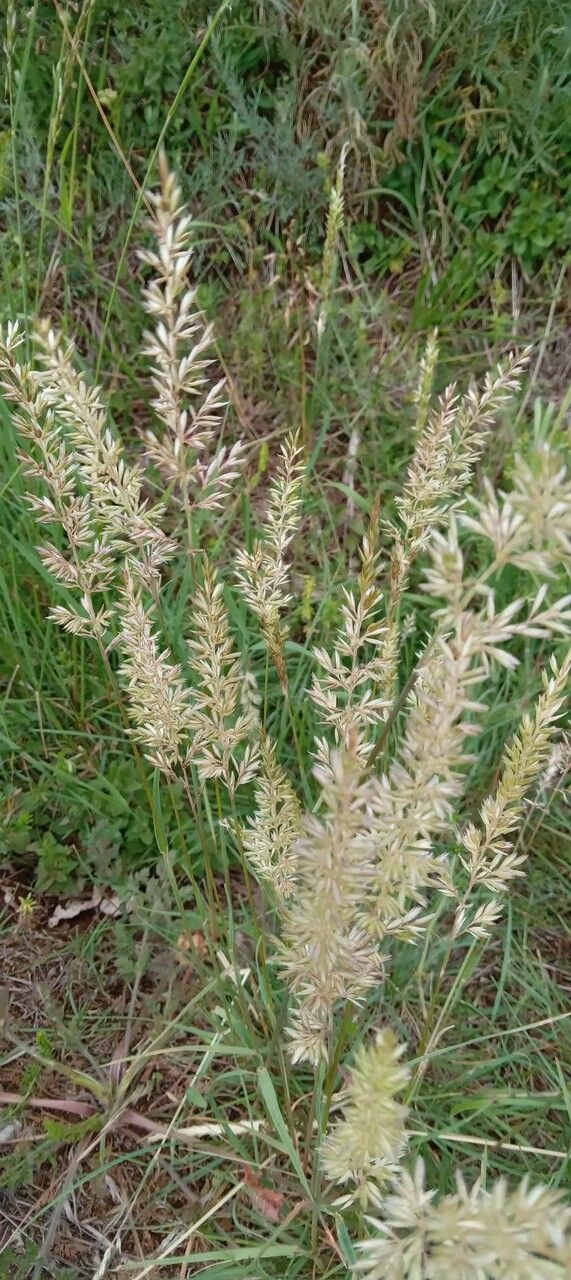
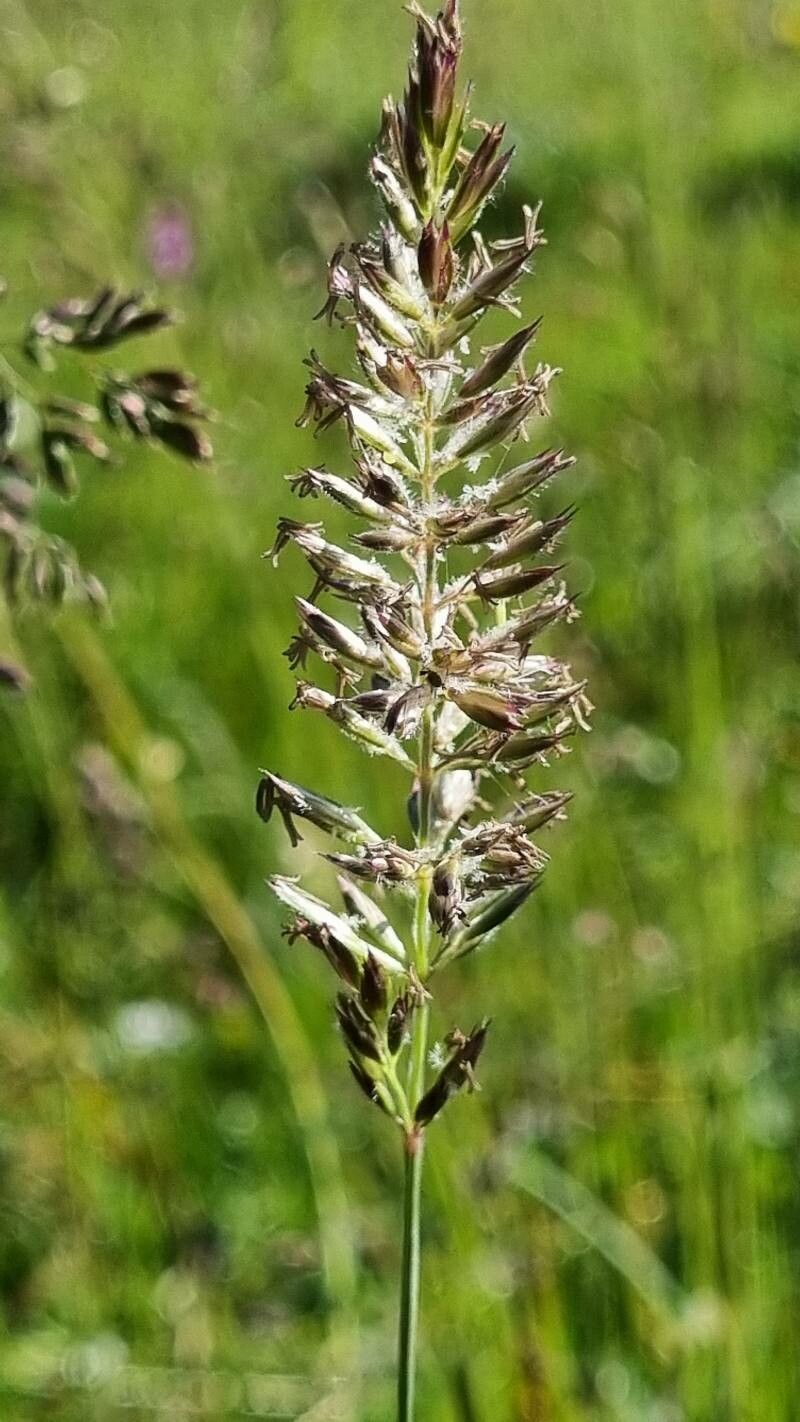
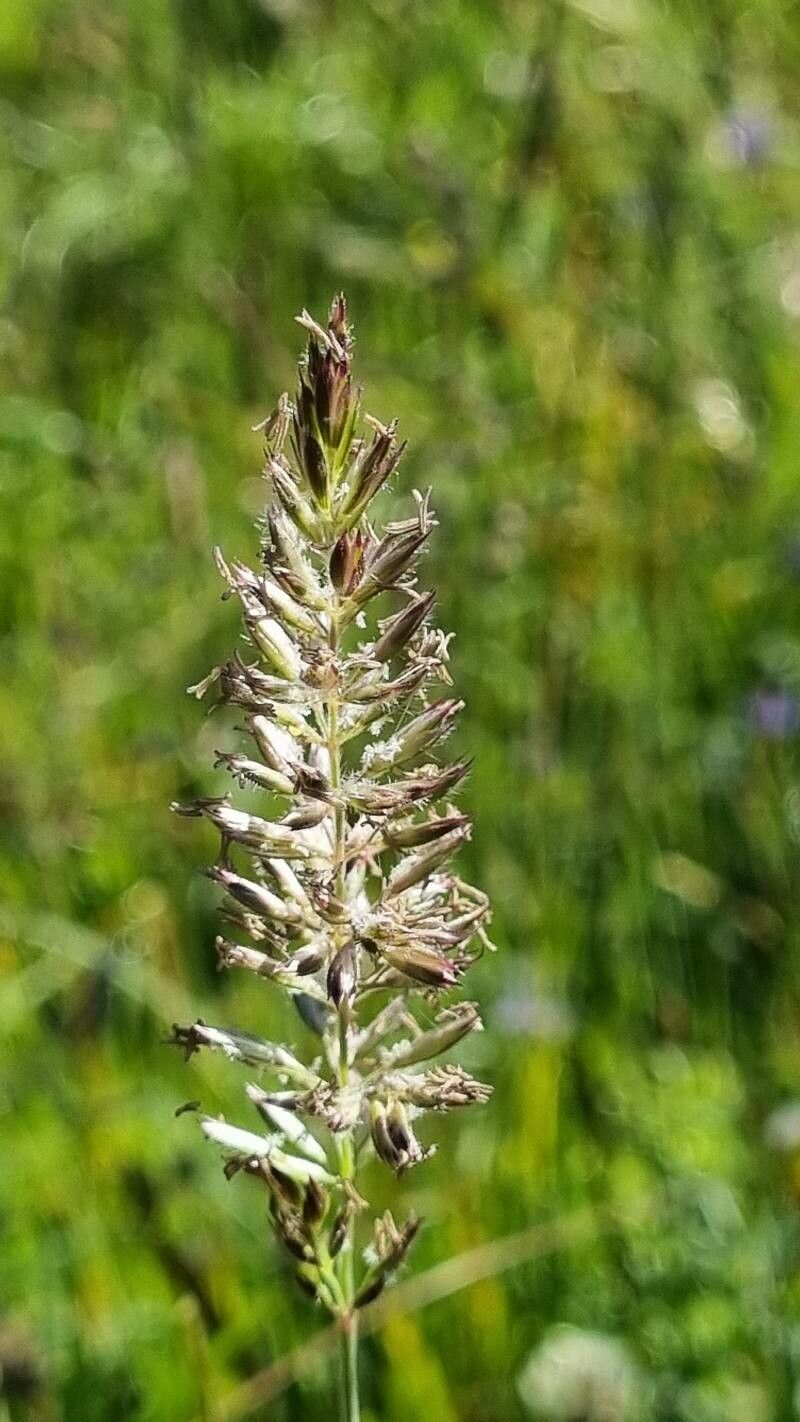
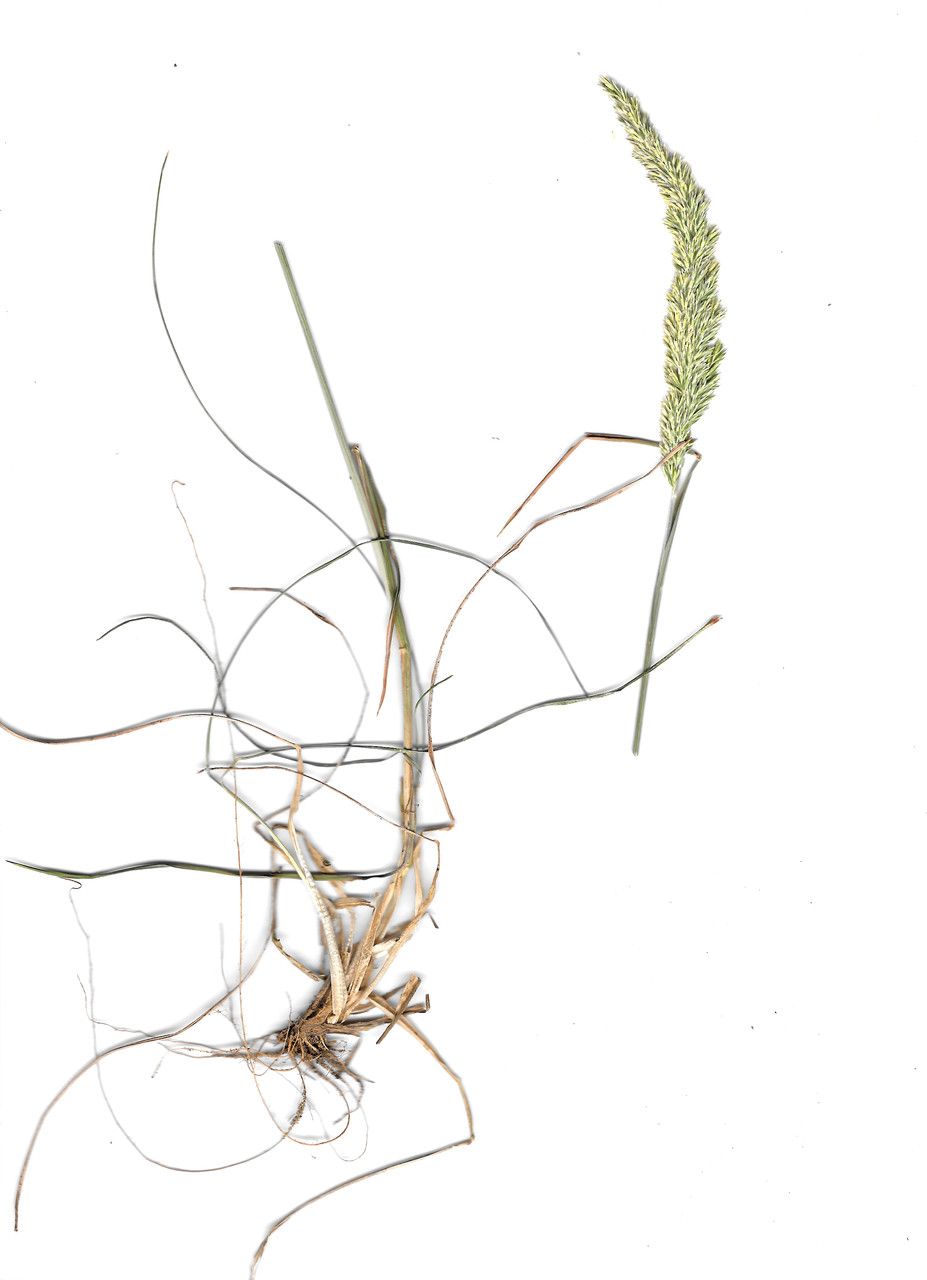
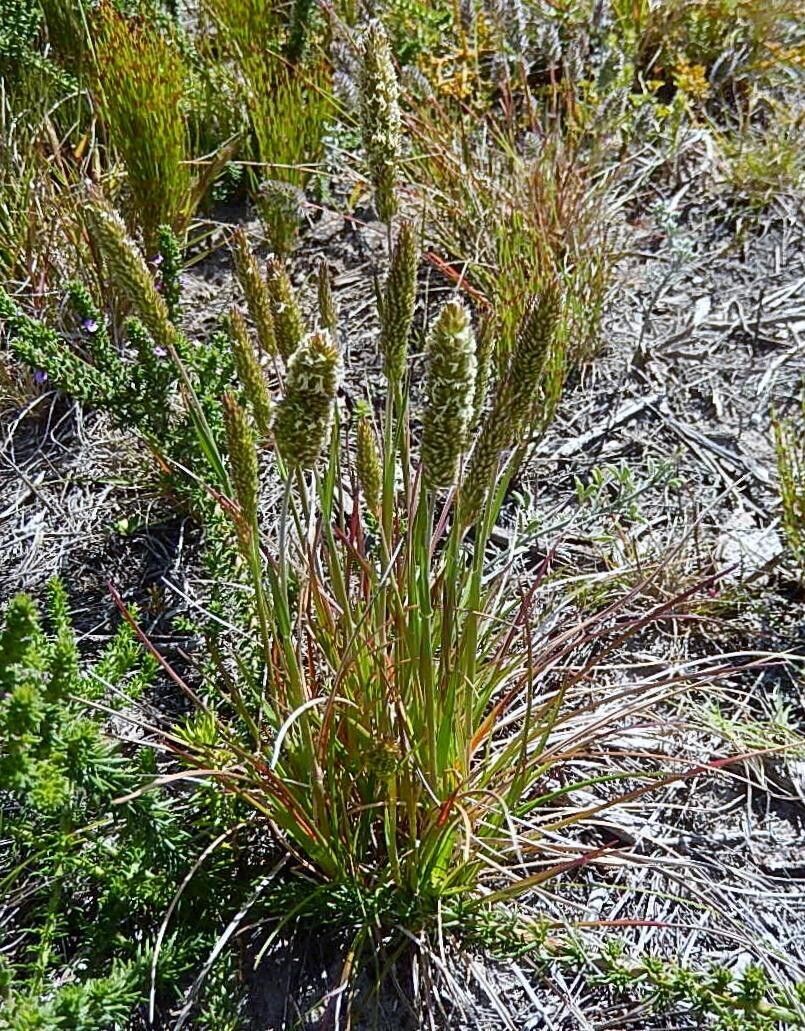
Koeleria pyramidata is a Eurasian plant species in the grass family. It is found in grasslands from France + Denmark to Nepal + Siberia.
Crested hairgrass is fairly resistant to disease and generally not highly susceptible. However, it can be vulnerable to pests and diseases present in its surroundings. These issues are typically minor. In terms of upkeep, this plant needs moderate maintenance. It should be trimmed regularly to preserve an attractive look and support healthy growth. Fertilizing can also help encourage flowering. Crested hairgrass is suitable for anyone with outdoor areas like a garden or patio and does not demand extensive care experience. It may require more attention if grown indoors.
How to keep Koeleria Pyramidata.
Light
Crested hairgrass needs plentiful light to develop vigorously and remain healthy. It performs best where there is abundant sunlight. At every stage of growth it tolerates high levels of sun exposure. Its native habitat is a sunny one. Lack of sufficient sunlight can produce weak growth, while excessive sunlight does not cause adverse effects.
Water
Crested hairgrass flourishes in temperate regions that have moderate moisture levels. It prefers to be consistently hydrated, but not to the point of becoming waterlogged. Watering it once a week is usually enough to keep it healthy. As an outdoor plant, it benefits from rainwater, which supports its growth cycle.
Temperature
Crested hairgrass is typically found in habitats where temperatures range from 32 to 77 °F (0 to 25 ℃). As a temperate species, it withstands cold winters and mild summers. Seasonal temperature changes are usually slight, though they may be necessary during extreme weather.
Fertilizer
Usually one application of fertilizer in spring is enough for Crested hairgrass, although several feedings can boost growth to the fullest. Apply fertilizer every month to every month and a half. Fertilizing improves the leaves' appearance and function, encouraging even color and a healthy texture. It also promotes root development and nutrient uptake, supporting the plant's long-term health.
Pruning
Crested hairgrass is a perennial grass known for its feathery plumes. For optimal growth, prune it in early spring by cutting back to 2-3 inches above the crown. Regular pruning improves air circulation, prevents self-seeding, and maintains the plant's vigor, resulting in healthier and more robust growth.
Botanical profile.
- Plant Type
- Herb
- Life Cycle
- Perennial
- Genus
- Koeleria
- Family
- Poaceae
- Hardiness Zone
- 3
- Mature Height
- 30 cm to 46 cm
- Mature Spread
- 20 cm
- Leaf Color
- Green, Light Green
- Leaf Type
- Deciduous
- Flower Color
- Yellow, Green, Purple, Brown
- Flower Size
- 2.54 cm to 12.70 cm
- Bloom Time
- Late spring, Early summer
- Planting Time
- Spring, Summer, Autumn
- Harvest Time
- Early summer, Mid summer
Other names.
Reader questions.
How should I water my Crested hairgrass?
To properly water the Crested hairgrass, it is recommended to use filtered water at room temperature or slightly warm. This is because tap water may contain harmful particles for the plant's health. Since the Crested hairgrass is accustomed to a warm environment, cold water can be a shock to its system. It is advised to avoid overhead watering as it can lead to foliage issues. Instead, water the plant by applying filtered, room temperature water directly to the soil until it is completely soaked. This method helps moisturize the roots, allowing them to spread and absorb the necessary nutrients from the soil.
What are the sunlight requirements for Crested hairgrass (Koeleria pyramidata)?
Crested hairgrass (Koeleria pyramidata) thrives in full sun conditions, requiring more than 6 hours of sunlight daily for optimal growth and health. It is essential to observe the movement of sunlight in your garden to ensure your plants receive the right balance of light and shade. This species originates from habitats that are well-exposed to sunlight, making it highly tolerant to long periods of sun exposure. In conditions where natural sunlight is limited, particularly indoor or during winter, artificial lighting such as LED lights can be used to supplement light, considering specifics like the type of light, distance, and duration for the healthiest growth.
What is the ideal temperature range for Crested hairgrass?
Crested hairgrass, known botanically as Koeleria pyramidata, thrives in environments with temperatures ranging from 32 to 77 °F (0 to 25 °C). This temperate plant is well-adapted to cold winters and moderate summers. While it generally requires minimal seasonal temperature adjustments, extreme weather conditions may necessitate some precautions. The plant is highly cold-tolerant and does not need additional frost protection measures during winter. However, to prepare for the first freeze in autumn, it's advisable to water the plant thoroughly to ensure the soil remains moist when it enters a frozen state, aiding in preventing drought and water scarcity during winter and early spring.
What should I do if I give too much or too little water to my Crested hairgrass?
Overwatering is a more common issue than underwatering when it comes to the health of your Crested hairgrass. When this plant receives too much water, its stems and leaves may wilt and turn yellow, and it can also lead to diseases like root rot, mold, and mildew that can be fatal. On the other hand, underwatering is less common due to the plant's drought tolerance, but it can still happen, resulting in brittle, brown leaves. It is important to identify signs of overwatering early and reduce your watering schedule immediately. Additionally, check the soil quality and replace it if it drains poorly. If you notice signs of underwatering, simply water more regularly until the signs disappear.
What are the signs of insufficient or excessive light exposure in Crested hairgrass?
Signs of insufficient light in Crested hairgrass include smaller new leaves, leggy or sparse growth, faster leaf drop, delayed or halted growth, and lighter-colored or yellowing leaves indicating poor chlorophyll production. Excessive sunlight can cause symptoms like chlorosis, sunscald, leaf curling, wilting, and leaf scorching, where the plant's leaves may turn pale, curl, droop, or develop dry, brown edges as a defense against too much light or as a result of damage from intense sun exposure.
How does Crested hairgrass respond to low temperatures?
Crested hairgrass exhibits exceptional cold tolerance, withstanding winter temperatures well above -35°C. Despite this resilience, if temperatures plummet below this mark, the plant may not exhibit noticeable changes during winter itself. However, come spring, there could be a noticeable decline in sprouting, or the plant might not sprout at all. To address this, it's recommended to remove any parts of the plant that have failed to sprout in the spring, helping promote healthier growth in the surviving sections.
How frequently should I water my Crested hairgrass?
If your Crested hairgrass is in a pot, the most precise way to determine if it needs water is by checking the soil moisture. Simply stick your finger in the soil and if the top two to three inches are dry, it's time to water. For outdoor Crested hairgrass planted in the ground, you can use a similar method to test the soil. When the top few inches of soil have dried out, it's time to water. Typically, during the spring and early fall, watering once a week using this method works well. However, during extremely hot weather, you may need to water twice or more a week. It's worth noting that mature, well-established Crested hairgrass has a good tolerance for drought.
How can I address inadequate lighting conditions for my Crested hairgrass?
To address inadequate lighting for Crested hairgrass, gradually increase the plant's exposure to direct sunlight by moving it to a sunnier location weekly until it gets at least 6 hours of sunlight. For indoor plants, consider using artificial light sources, such as desk lamps or professional grow lights, keeping them on for at least 8 hours daily. If the plant is outdoor and large, you can also try reducing obstructions or transplanting it during its dormant period to a brighter location with more suitable conditions. It's important to note that while parts of the plant damaged by insufficient light may not recover, new growth should be healthy once the lighting conditions improve.
What should I do if Crested hairgrass is exposed to high temperatures?
Crested hairgrass does not fare well under high temperatures. Growth halts and the plant becomes more prone to rot if temperatures exceed 25°C (77°F). To mitigate damage from overexposure to heat, it's advised to trim away sunburned and dried-up parts of the plant. Relocating the plant to a shaded area or employing a shade cloth can protect it from the harsh midday and afternoon sun. Additionally, watering the plant during cooler morning and evening hours can help keep the soil consistently moist, further alleviating stress from high temperatures.
How much water does my Crested hairgrass require?
To properly water your Crested hairgrass, don't be afraid to use a generous amount of water. Wait until the top two to three inches of soil are dry, and then give the plant a thorough watering, making sure to soak the entire soil. The water should be enough to cause excess water to flow out of the pot's drainage holes. If you don't see any excess water draining, you may have not given enough water. However, be cautious not to let water accumulate in the soil as it can harm the plant. On the other hand, if water doesn't drain through the pot, it means the soil may not be well-draining, which can be harmful to the plant. If the plant is outdoors, receiving 1 inch of rain per week should be enough.
How do I water my Crested hairgrass when it is growing at different stages?
The water needs of Crested hairgrass can vary depending on its growth stages. In the first few years of its life or after transplanting, it requires more water to support the growth of new roots. These roots play a crucial role in future growth and perform best when provided with slightly more moisture. However, as Crested hairgrass matures over a few seasons, its water requirements decrease. Another stage in which it may require more water is during the bloom period when flower development uses up a significant amount of moisture. Therefore, it might be necessary to increase watering during this time.
What is the best way to water my Crested hairgrass throughout the year?
The Crested hairgrass has different water needs depending on the season. It requires more water during the hot summer months, and you may need to water it multiple times per week, depending on how quickly the soil dries out. In contrast, during the winter, the plant goes into a dormant phase and needs much less water. In fact, you may not need to water it at all during this time. However, if you do choose to water it, only do so about once per month. Be careful not to overwater in the winter as this can increase the risk of disease for the Crested hairgrass.