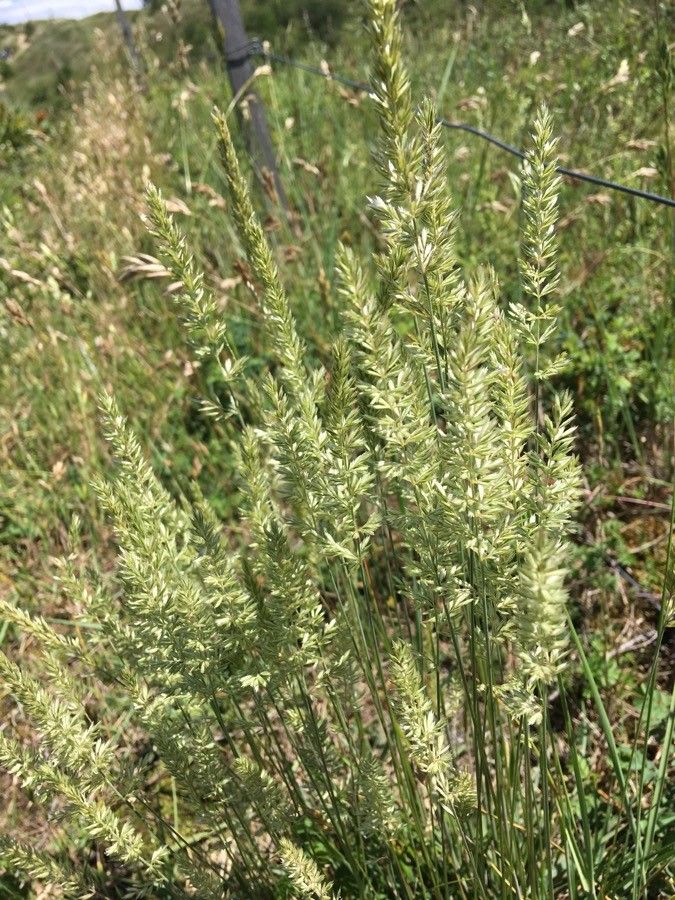
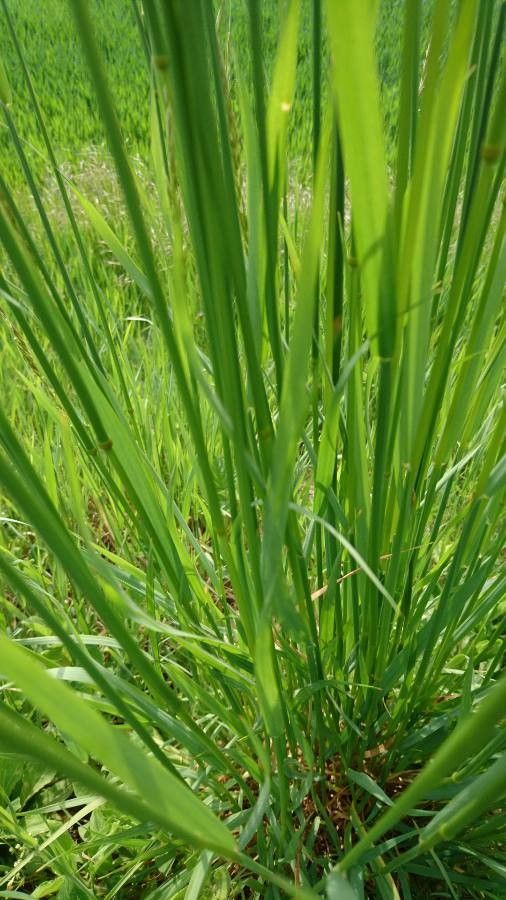
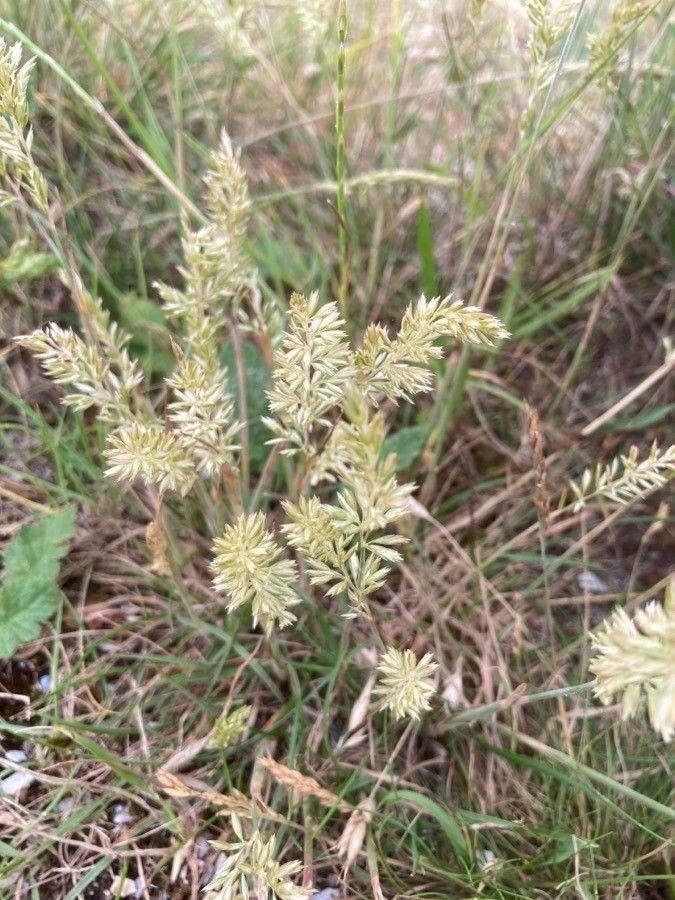
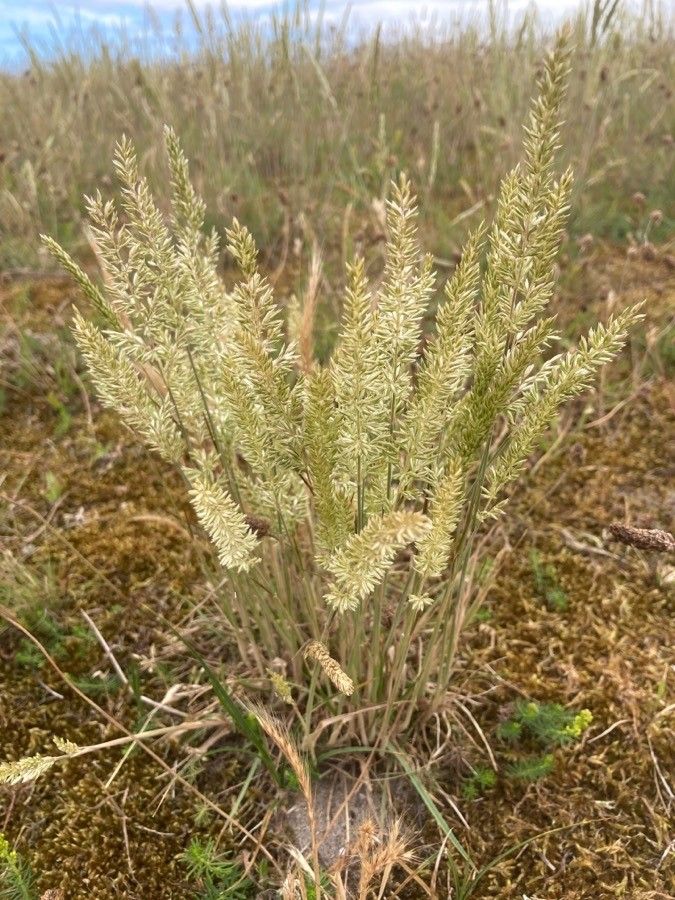
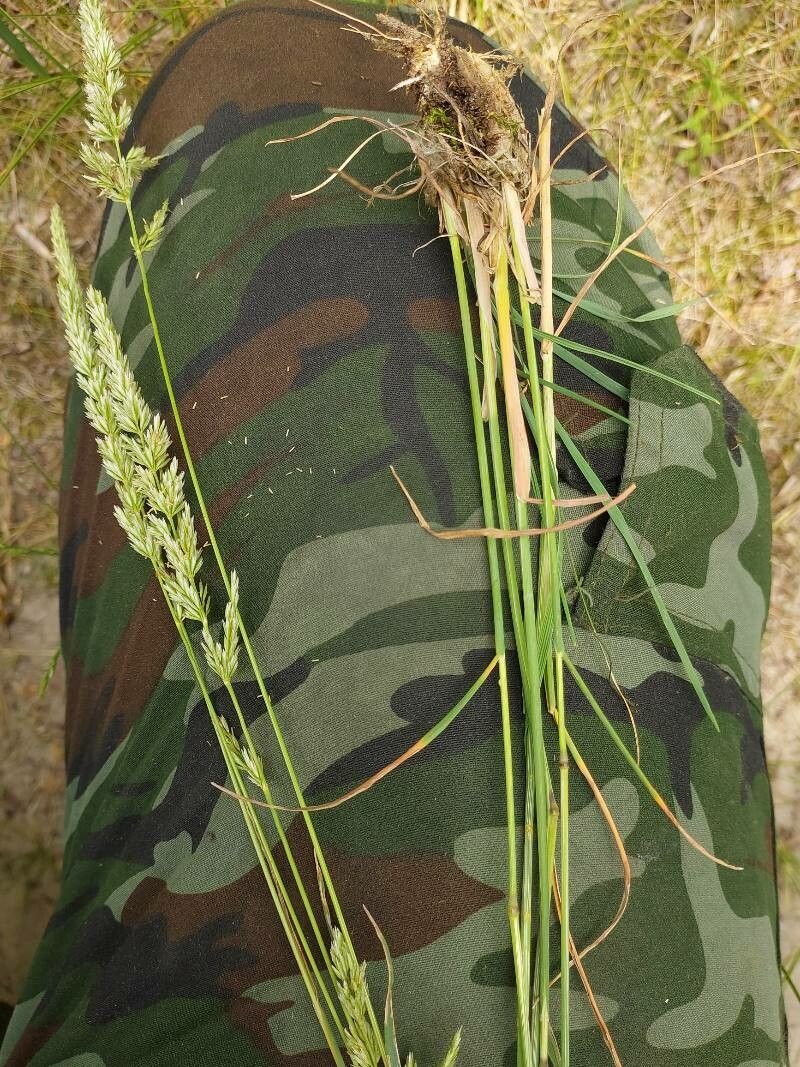
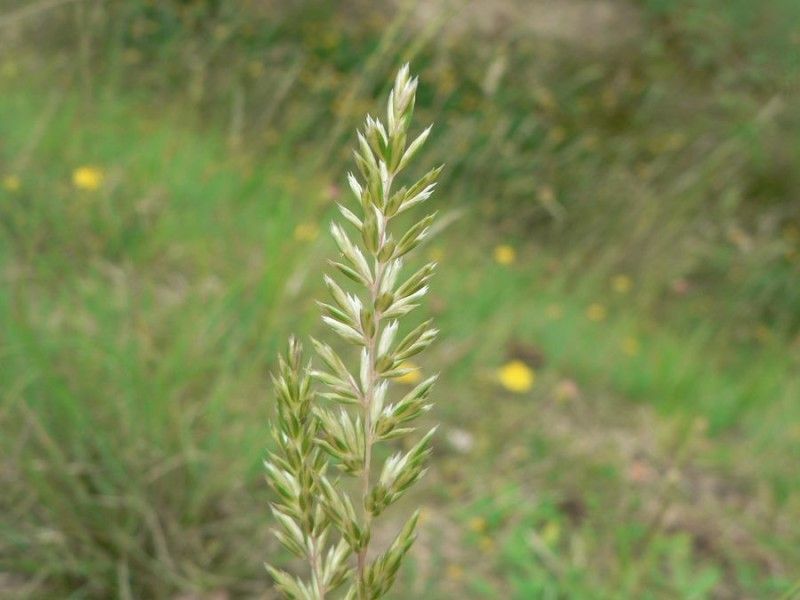
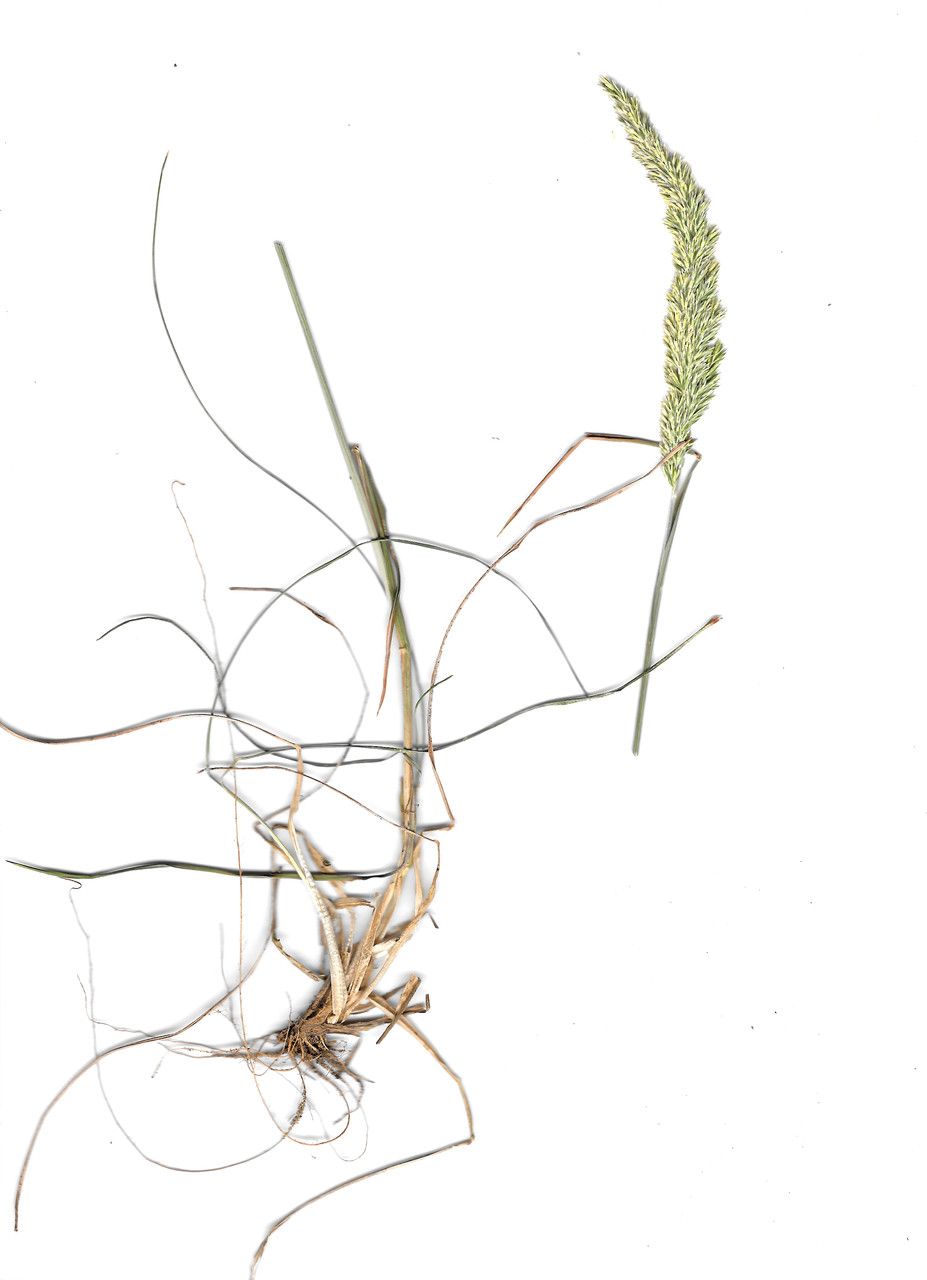
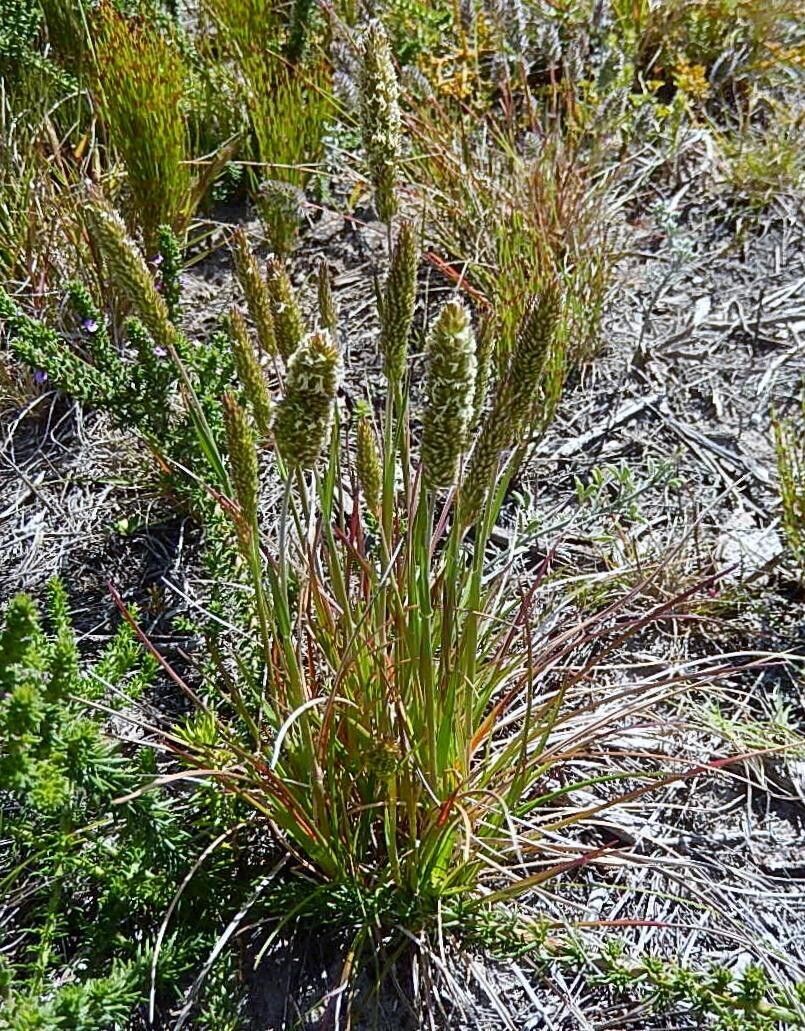
Koeleria macrantha is a species of grass known by the common name prairie Junegrass in North America and crested hair-grass in the UK. It is widespread across much of Eurasia and North America. It occurs in many habitat types, especially prairie.
Prairie junegrass has strong resistance to disease and is usually not susceptible to illnesses. However, it can be affected by pests and diseases present in its surroundings. These infections tend to be mild. In terms of care, the plant requires moderate maintenance. It should be pruned regularly to maintain an attractive appearance and healthy growth. Fertilizing can also help encourage flowering. Prairie junegrass is suitable for anyone with outdoor space, such as a garden or patio, and does not demand extensive gardening experience. It may need more attention if grown indoors.
How to keep Koeleria Macrantha.
Light
Prairie junegrass benefits from steady sunlight for healthy development. Native to sun-soaked plains, it prospers under continuous light. However, it can still thrive even when sunlight is limited. Changes in light exposure can result in stunted growth or reduced vigor.
Water
Prairie junegrass is well-suited to native grasslands and is known for its excellent drought tolerance. It only needs to be watered once a week, as overwatering can be harmful. This grass thrives in a variety of climates, efficiently conserving water in its leaves during dry periods.
Temperature
Prairie junegrass is a native plant well-suited to a temperature range of 32 to 95 °F (0 to 35 ℃). It does best in warmer seasons and may require slight temperature adjustments during colder months to maintain growth.
Fertilizer
A single fertilizer application in spring is generally enough for Prairie junegrass, though repeated feedings can boost growth. Feed every month to every month and a half. Fertilizing improves the appearance and function of the leaves, helping maintain uniform color and a healthy texture. It also promotes root development and nutrient uptake for the plant's long-term health.
Pruning
Prairie junegrass is a resilient perennial grass that thrives in a variety of environments, especially prairies. Pruning old or damaged foliage in early spring encourages vigorous growth and enhances air circulation. This not only improves the plant's appearance but also reduces the risk of disease. To ensure the best care, consult reliable horticultural resources for guidance.
Botanical profile.
- Plant Type
- Herb
- Life Cycle
- Perennial
- Genus
- Koeleria
- Family
- Poaceae
- Hardiness Zone
- 3-9
- Mature Height
- 30 cm to 61 cm
- Mature Spread
- 30 cm to 61 cm
- Leaf Color
- Green, Dark Green
- Leaf Type
- Evergreen
- Flower Color
- Green
- Flower Size
- 2.54 cm
- Bloom Time
- Late spring, Early summer, Mid summer
- Planting Time
- Spring, Summer, Autumn
- Harvest Time
- Mid summer, Late summer, Early fall
Other names.
Reader questions.
How should I water my Prairie junegrass?
To properly water the Prairie junegrass, it is important to follow these guidelines. First, use filtered water that is at room temperature. Filtering the water removes harmful particles that could negatively affect the plant's health. Additionally, using water that is at room temperature or slightly warmer is ideal because the Prairie junegrass is accustomed to warm environments and cold water can be a shock to its system. Another important point to keep in mind is to avoid overhead watering, which can lead to issues with the foliage. Instead, focus on applying the filtered room temperature water directly to the soil until it is completely soaked. This method is highly beneficial as it deeply moistens the roots, allowing them to continue spreading throughout the soil and absorb the necessary nutrients.
Why is it necessary to put fertilizer on my Prairie junegrass?
To ensure your Prairie junegrass looks great and functions properly, fertilization is crucial. It has a significant impact on the leaves, enhancing their appearance and function. Proper fertilization maintains consistent color and promotes a healthy texture. Additionally, fertilization benefits the plant below the surface, stimulating the production of new roots and preserving existing ones. This not only ensures the current health of the plant but also enhances its ability to absorb nutrients from the soil in the future.
What are the sunlight requirements for Prairie Junegrass (Koeleria macrantha)?
Prairie Junegrass requires full sun, meaning it needs above 6 hours of sunlight daily for healthy growth. It's essential to observe your garden throughout the day to find spots that offer a balance of light and shade, ensuring the plants’ wellbeing. Despite originating in sun-drenched plains and preferring constant sun exposure, Prairie Junegrass can also adapt to conditions with less sunlight. However, insufficient sun might lead to stunted growth or reduced vitality.
What is Prairie Junegrass and its optimal growing temperatures?
Prairie Junegrass, known botanically as Koeleria macrantha, is a native plant that is well-adapted to varied temperatures, thriving best in conditions ranging from 32 to 95 °F (0 to 35 °C). It demonstrates strong growth during warmer seasons but may require slight temperature adjustments in colder months to maintain its growth. Despite its strong cold resistance, during winters where temperatures are expected to drop below -35°C, it is still crucial to provide cold protection to ensure the plant's survival and health.
What should I do if I give my Prairie junegrass too much water or too little water?
Overwatering is a common issue for Prairie junegrass and can cause wilting, yellowing, and diseases like root rot, mold, and mildew. Underwatering is less common, but can lead to brittle, brown leaves. It's important to watch for signs of overwatering and adjust watering accordingly. Replace poorly draining soil with a well-draining mix and increase watering if signs of underwatering are present. Prompt action is crucial to prevent irreversible damage.
When should I fertilize my Prairie junegrass?
If you grow Prairie junegrass outdoors, it will start growing new leaves in early spring. This is a signal to start fertilizing for the year. Generally, one application of fertilizer is enough for Prairie junegrass in the spring. However, if you want to promote maximum growth, you can fertilize multiple times throughout spring and early summer. In this case, you can feed your Prairie junegrass once every month to a month and a half.
How can artificial lighting be used for indoor Prairie Junegrass plants?
For indoor Prairie Junegrass plants, artificial lighting becomes crucial, especially when natural sunlight is insufficient, like in winter or less sunny locations. Indoor plants benefit significantly from artificial lights, such as LED lights, which can mimic natural sunlight conditions. For plants that require full sunlight, 30-50W/sq ft of artificial light is recommended, while those needing partial sun should receive 20-30W/sq ft, and full shade plants need 10-20W/sq ft. The light source should be placed 12-36 inches above the plant, and the artificial lighting should be kept on for 8-12 hours per day to replicate natural daylight hours.
How can Prairie Junegrass be protected against frost?
To protect Prairie Junegrass against frost, especially when winter temperatures are anticipated to plummet below -35°C, it's important to cover the plant with insulating materials such as soil or straw. Additionally, before the onset of the first freeze in autumn, it's recommended to water the plant abundantly. This ensures the soil remains moist as it enters a frozen state, thereby preventing drought and water scarcity for the plant during the winter and early spring months.
"How frequently do I need to water my Prairie junegrass?"
If your Prairie junegrass is in a pot, the most accurate way to determine if it needs water is to stick your finger into the soil. If the top two to three inches of soil are dry, it's time to water it. If you have your Prairie junegrass planted outdoors in the ground, you can use a similar method to test the soil. When the first few inches of soil are dry, it's time to give it some water. Usually, during the spring and early fall, watering once a week is sufficient using this method. However, during extremely hot weather, you may need to water it twice a week or more. It's worth mentioning that mature, well-established Prairie junegrass has an impressive ability to withstand drought.
When is the best time to not add fertilizer to my Prairie junegrass?
During late fall and winter, Prairie junegrass goes into a dormant phase where new growth stops. It is important to avoid fertilizing during this time. When fertilizing in spring and summer, start reducing the amount as summer approaches because the growth rate of Prairie junegrass slows down. Generally, it is not recommended to fertilize Prairie junegrass during exceptionally hot weather or when the soil is very dry. Fertilizing in these conditions can stress the grass and cause it to die prematurely.
What are the symptoms of light deficiency in Prairie Junegrass?
In Prairie Junegrass, symptoms of light deficiency include smaller new leaves, leggy or sparse growth, faster leaf drop, slower or no new growth, lighter-colored new leaves, and symptoms of overexposure like chlorosis, sunscald, leaf curling, wilting, and leaf scorching. These symptoms indicate that the plant is not receiving adequate sunlight, leading to various growth and health issues.
What are the symptoms of Prairie Junegrass exposed to low temperatures?
Prairie Junegrass is cold-tolerant, ideally thriving at temperatures above 0°C. In winter, the plant should be kept at temperatures above -30°C. Exposure to temperatures below -35°C may not show noticeable changes during winter. However, there might be a decrease in sprouting, or the plant may not sprout at all during springtime as a result of such extreme cold exposure.