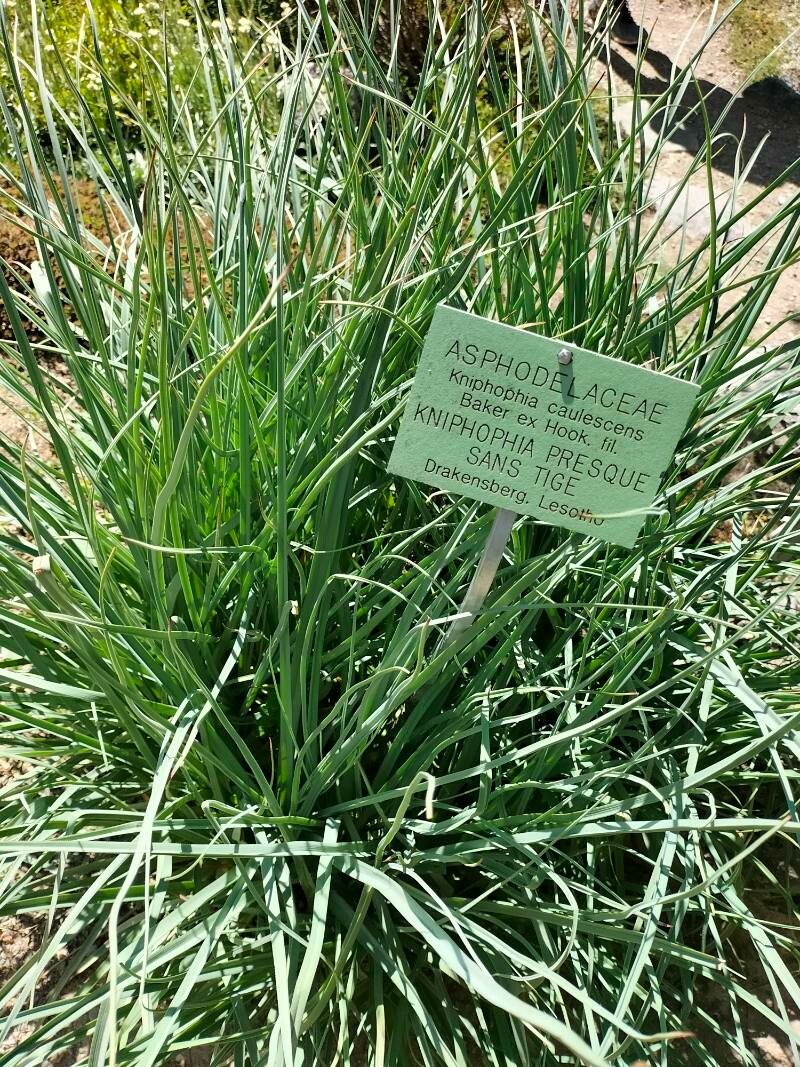
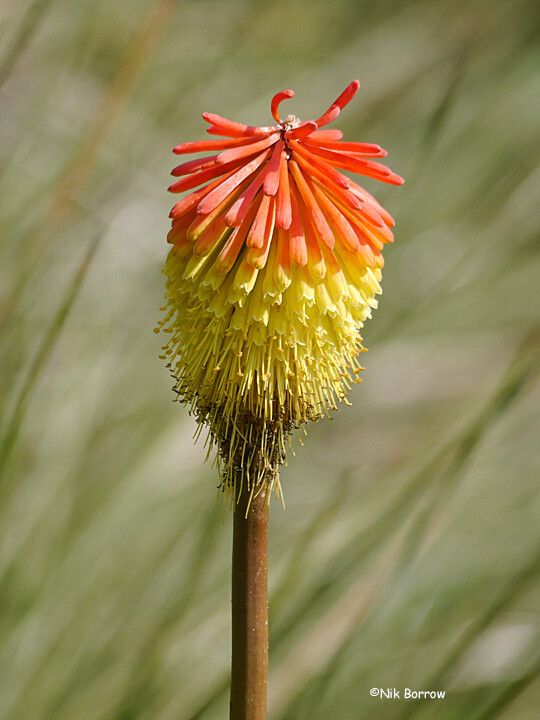
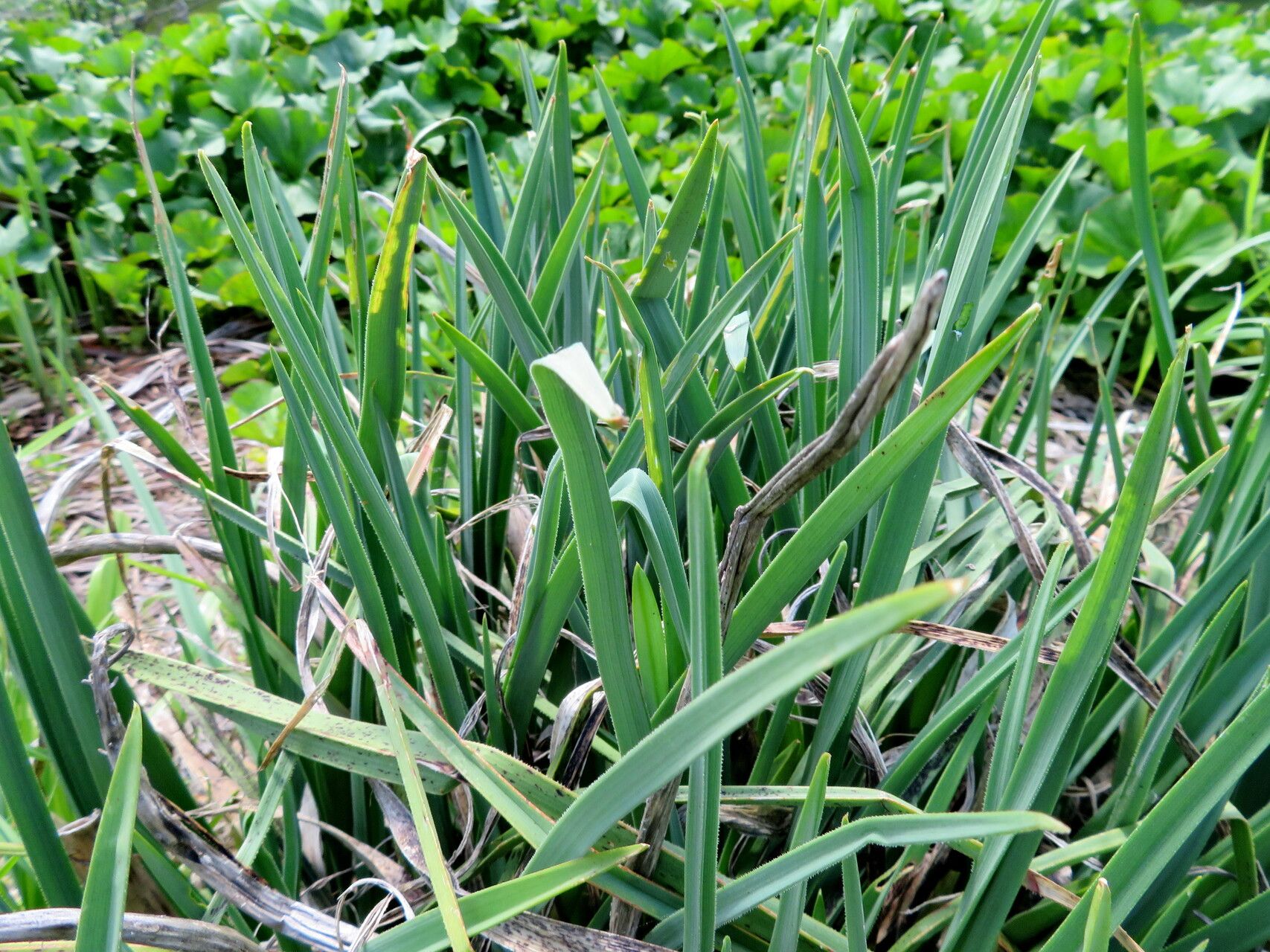
Red-hot poker has strong disease resistance and is usually not prone to illness. That said, it can be affected by pests and diseases present in its surroundings. These problems are typically not serious. For care, this plant requires a moderate amount of maintenance. It should be pruned regularly to preserve a neat appearance and support healthy growth. Fertilizing can also help encourage flowering. Red-hot poker is suitable for anyone with outdoor space, like a garden or patio, and does not demand extensive gardening experience. It may need more attention when grown indoors.
How to keep Kniphofia Caulescens.
Light
Red-hot poker needs a large amount of daily sun to maintain vigorous growth. It typically occurs in open habitats where sunlight is plentiful. Too little light can result in slow growth and poor flowering, while too much may scorch its attractive foliage.
Water
The red-hot poker plant is native to the mountainous regions of South Africa, where it thrives in well-drained soil and is adaptable to drought conditions. To care for this plant, water it once a week to mimic its natural wet-dry cycle. When grown outdoors, place it in full sunlight to promote healthy growth. During its active growing season, be aware that the plant may require more water.
Temperature
Red-hot poker is native to temperate regions and prefers temperatures between 50 and 90°F (10 to 32°C). To adjust properly, it is recommended to slightly modify the plant's environment to match these temperatures, especially during extreme seasonal changes.
Fertilizer
The best time to fertilize a Red-hot poker is in early spring, as it is coming out of dormancy and beginning active growth. Fertilizing supplies essential nutrients for healthy growth. Although Red-hot poker has relatively low fertilizer requirements, an annual application can improve its survival and encourage better, longer-lasting blooms.
Pruning
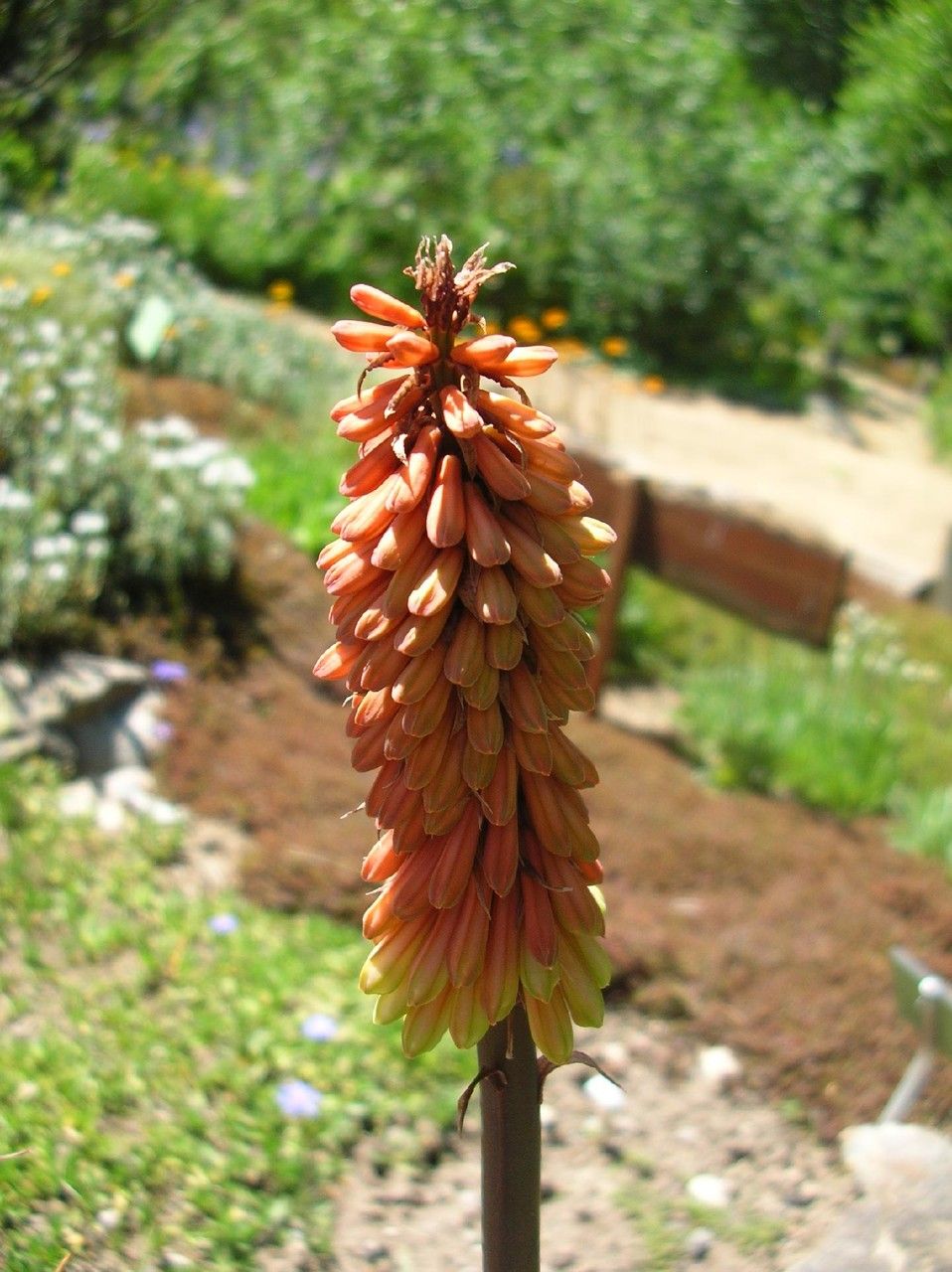
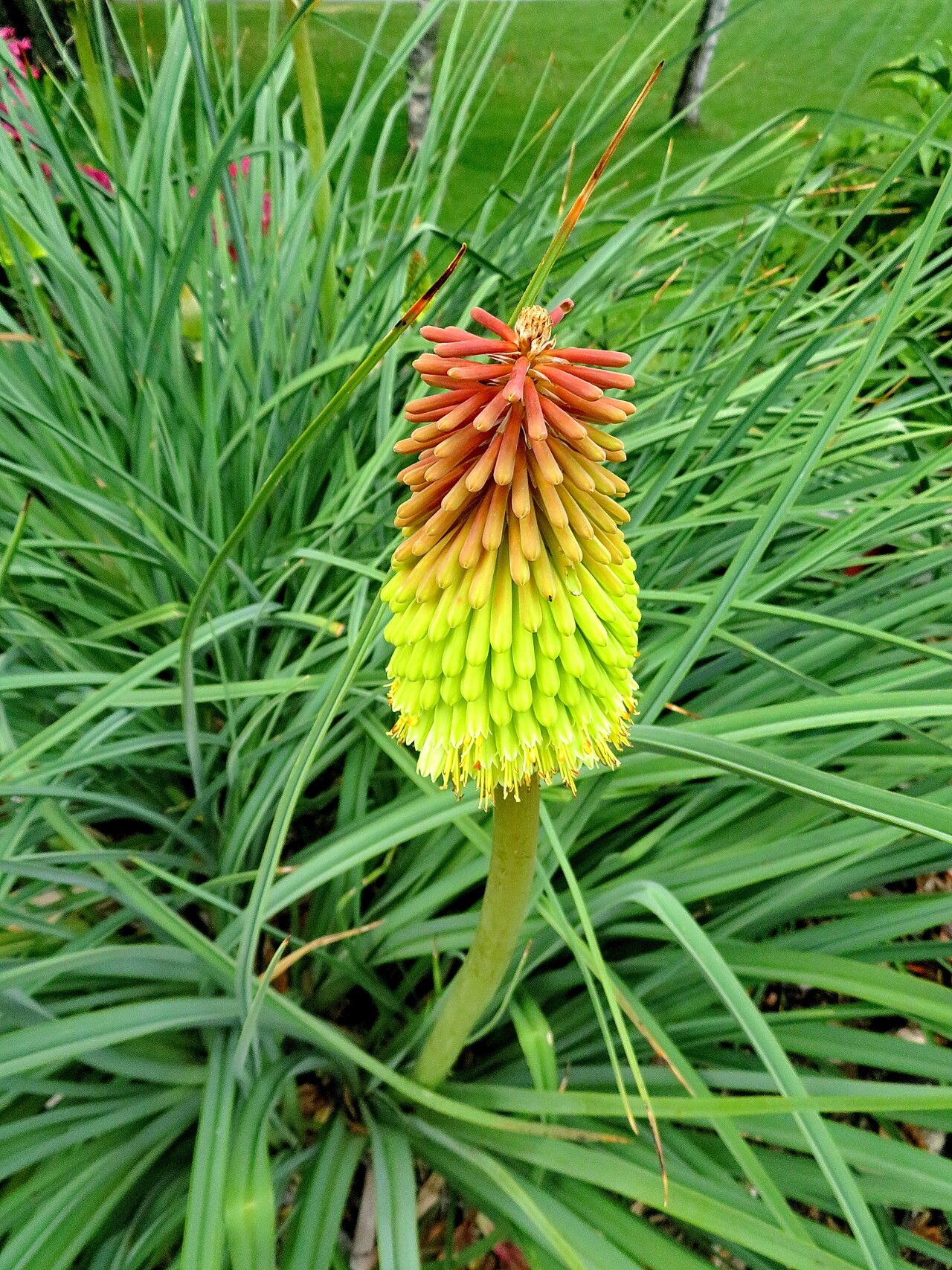
The Red-hot poker plant features striking, torch-like flowers. For healthier growth and better airflow, prune any dead foliage and spent flower spikes from late winter to early spring. Pruning after blooming not only boosts flowering for the next season but also helps maintain the plant's appearance and reduces the risk of disease. For detailed techniques, consult horticultural guides.
Pot & Repot
To thrive, red-hot pokers need excellent drainage when grown in pots. Proper drainage prevents waterlogging, which can damage the roots and lead to diseases. Using the right potting mix and containers with drainage holes is essential for maintaining optimal growing conditions.
Botanical profile.
- Plant Type
- Herb
- Life Cycle
- Perennial
- Genus
- Kniphofia
- Family
- Asphodelaceae
- Hardiness Zone
- 6-8
- Mature Height
- 0.61 m to 1.22 m
- Mature Spread
- 91 cm
- Leaf Color
- Green, Gray, Silver, Blue
- Leaf Type
- Evergreen
- Flower Color
- Red, Orange, Yellow
- Flower Size
- 2.03 cm to 3.05 cm
- Bloom Time
- Summer
- Planting Time
- Spring
- Harvest Time
- Early fall, Mid fall
- Native Area
- South Africa, Lesotho
Other names.
Reader questions.
How should I water my Red-hot poker plant?
To properly water the Red-hot poker plant, it's best to use filtered water at room temperature. Tap water may contain harmful particles, so filtering it is preferable. The plant prefers warm water since it naturally grows in a warm environment. Cold water can be stressful for it. Avoid overhead watering as it can lead to leaf problems. Instead, pour filtered room temperature water onto the soil until it is fully soaked. This helps moisten the roots and promote their growth and nutrient absorption.
Why should I add plant food to my Red-hot poker?
Fertilization plays a crucial role for the Red-hot poker and other plants because it provides essential nutrients for their growth. Although the Red-hot poker's fertilization requirements are generally low and it can sometimes survive without fertilization, annual fertilization can greatly benefit the plant's overall health and promote better and longer-lasting flowers. Therefore, for those aiming to enhance the appearance of their Red-hot poker, it is advisable to maintain a regular schedule of annual fertilization.
What kind of sunlight does the Red-hot poker plant need?
Red-hot poker plants require at least six hours of direct sunlight each day to maintain the health of their leaves, roots, and blooms. While this is the same requirement for most perennials, plants such as the Orange Daylily or Giant Coreopsis can survive with just three hours of direct sunlight each day. However, it's important to note that although these perennial flowering plants can survive with less sun, they won't flourish and reach their full potential as they would in sunnier conditions.
What temperature is best for Red-hot poker?
The best temperature for Red-hot poker depends on the time of year. Let's discuss two primary seasons: the growing season and the dormancy season. During the growing season, when the plant starts to sprout, the ideal temperature range is 65-80℉(18-27℃). If it gets colder than 15℉(-10℃), the plant will suffer and its leaves may brown and wilt. However, if it's just a short cold snap, the Red-hot poker may be able to survive with some assistance. In the warmer parts of the year, it's important to protect the plant from excessively high temperatures. The top temperature range for Red-hot poker is 95-105℉ (35-40℃). Anything beyond this range can damage the foliage and blooms, causing wilting, drooping, and even sunburn on the leaves. Thankfully, there are several quick and easy ways to address this issue.
What should I do if I give too much water or too little to my Red-hot poker plant?
Overwatering is a common issue that can harm your Red-hot poker plant. It causes the stems and leaves to wilt and turn yellow. Overwatering for a long time can lead to diseases like root rot, mold, and mildew which can be fatal for your plant. Underwatering is less common, but it can still happen. In such cases, the leaves become brittle and brown. It's important to notice the signs of overwatering early to prevent irreversible damage. Reduce your watering schedule and check if the soil drains well. If it doesn't, replace it with a loose, well-draining potting mix. If you see signs of underwatering, simply water the plant regularly until the signs subside.
When should I put fertilizer on my Red-hot poker?
The best time to fertilize a Red-hot poker is in late winter to early spring. This is when the plant is coming out of its dormant phase and beginning to grow actively. Fertilizing at this time promotes healthy growth and helps the plant start the season off well. While early spring is the most beneficial time to fertilize, it is also acceptable to do so in the fall. Avoid fertilizing during summer and winter, as it is not beneficial for the plant.
Can the sun harm Red-hot poker plants? How can I protect my Red-hot poker plants from sun and heat damage?
In warm climates, some Perennial Flowering Plants may struggle with excessive heat and suffer from sun damage. They can wilt, dry out, or even experience growth problems if they are consistently exposed to the intense afternoon sun. However, not all plants require protection from the light afternoon sun. For those that are harmed by intense afternoon exposure, it is recommended to provide them with some shade in warmer climates. Gardeners can achieve this by planting these plants in areas that do not receive direct heat during the afternoon, such as under trees or behind bushes.
What temperature does a baby or young Red-hot poker plant need?
If it's the first year of your Red-hot poker plant being outside, it will require extra care during the coldest months. Frost can cause significant damage and prevent healthy regrowth in the spring. To protect the plant, you should keep it at a temperature of 40℉(5℃) or above. This can be achieved by either bringing it indoors temporarily or using mulch or fabric barriers to shield it from frost. During the first year or two, it's recommended to plant the Red-hot poker in a shadier spot as smaller and weaker plants struggle to regulate their temperature in high heat. Limit the plant's direct sunlight exposure to no more than five hours a day, especially if the temperature exceeds 80℉(27℃). To control the summer heat, use shadecloth and water or mist the plant frequently.
How often do I need to water my Red-hot poker plant?
If your Red-hot poker plant is in a pot, you can check if it needs water by sticking your finger into the soil. If the top two to three inches of soil are dry, it's time to water it. If you have your Red-hot poker plant planted outdoors in the ground, you can use the same method to check the soil moisture. Again, if the top few inches of soil are dry, it's time to water. Usually, during the spring and early fall, watering your Red-hot poker plant once a week is sufficient. But during extremely hot weather, you may need to water it twice or more per week. However, it's worth mentioning that mature, well-established Red-hot poker plants can tolerate dry spells admirably.
When is not a good time to fertilize my Red-hot poker?
To properly care for your Red-hot poker plant, it is recommended to fertilize it only during late winter and early spring. This plant does not require frequent feeding, so one annual feeding is sufficient. Overfertilization can be easily avoided by refraining from fertilizing during spring, summer, and fall, unless you skipped fertilizing in the spring. In that case, it is acceptable to feed the plant in the fall. Additionally, there is no need to fertilize during the winter when the plant is in a dormant phase and not actively growing.
Should I keep Red-hot poker out of direct sunlight?
Certain perennial plants require ample sunlight to reach their maximum bloom. However, in warmer climates, some of these plants actually benefit from less sun. For instance, individuals residing in hotter regions might find it beneficial to shade their flowering perennials during the intense afternoon sun, especially during summer months. Although many perennial flowering plants prefer partial shade in the hottest climates, there are exceptions. Take the Giant Coreopsis, for example, as it is not bothered by excessive sun exposure. These plants can flourish even when placed in the full sun during scorching weather.
How do I keep Red-hot poker safe from really hot or really cold weather?
If the growing season experiences cold temperatures below 15℉ (-10℃), there are steps you can take to protect Red-hot poker from frost or cold damage. If you're growing it in a container, simply bring it inside with bright, indirect light until temperatures rise above the lower threshold. If it's planted in the ground, using mulch or horticultural fabric to create an insulated barrier around the plant will protect it from frost and cold wind. During hot temperatures exceeding 80℉ (27℃) in the shade, it's important to limit Red-hot poker's exposure to sunlight to six hours or less per day, preferably in the morning. Setting up shade cloth or a fine plastic mesh can reduce direct sunlight during the hottest parts of the day. Another option is installing a misting system that releases cooling mist around the plant's base, lowering ground temperatures.