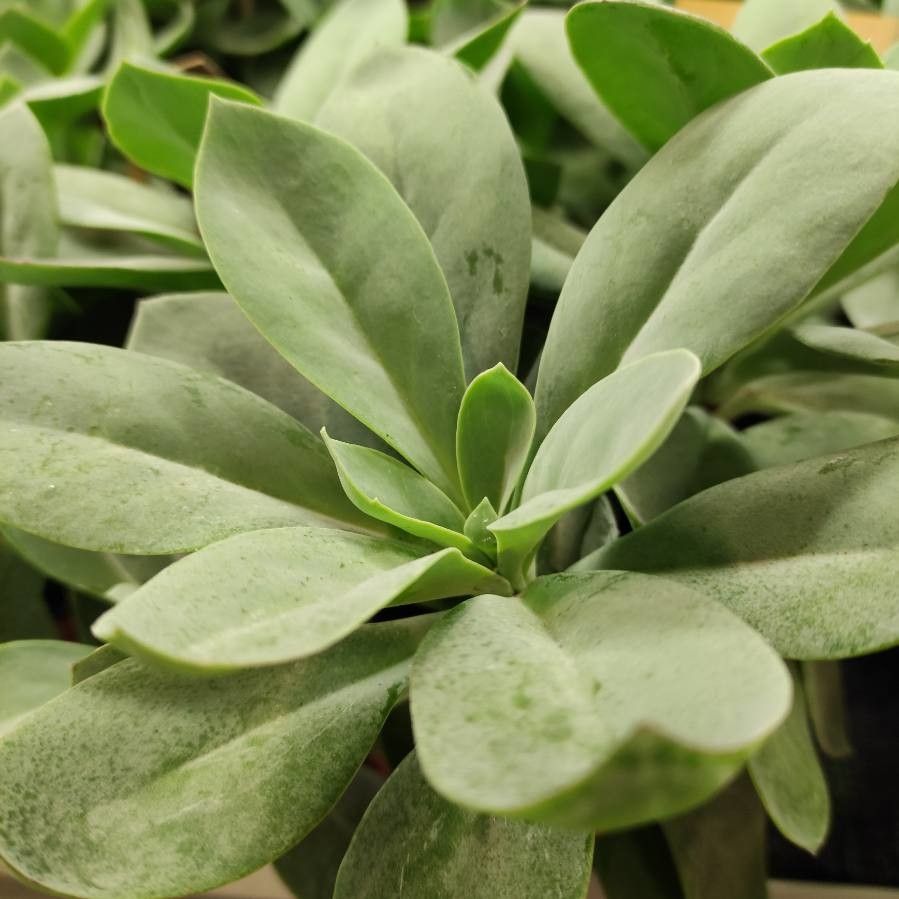
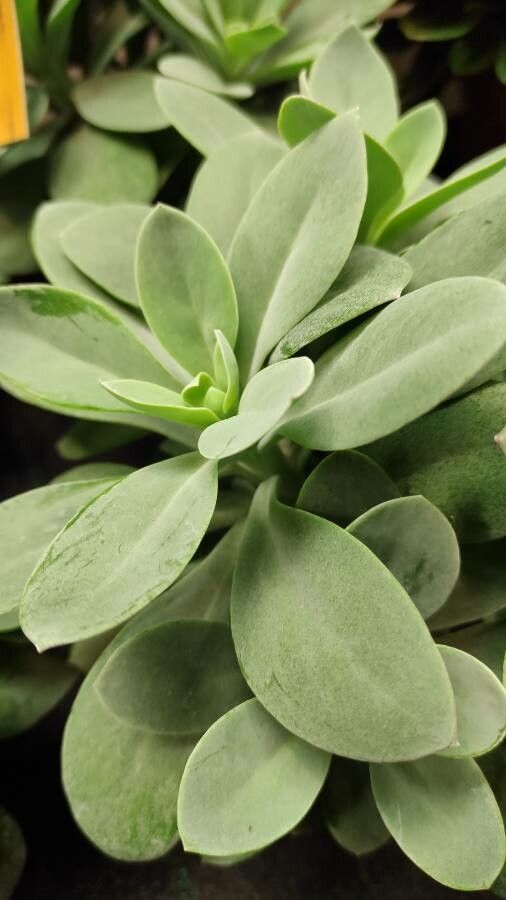
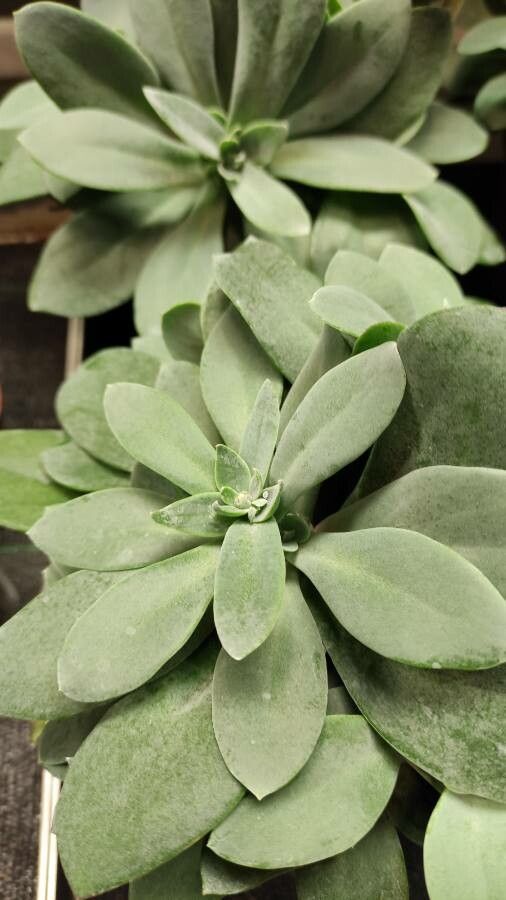
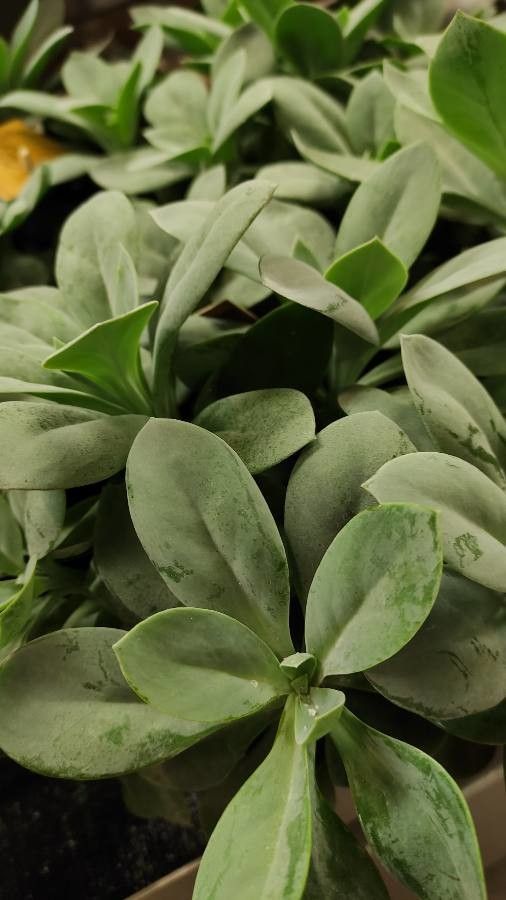
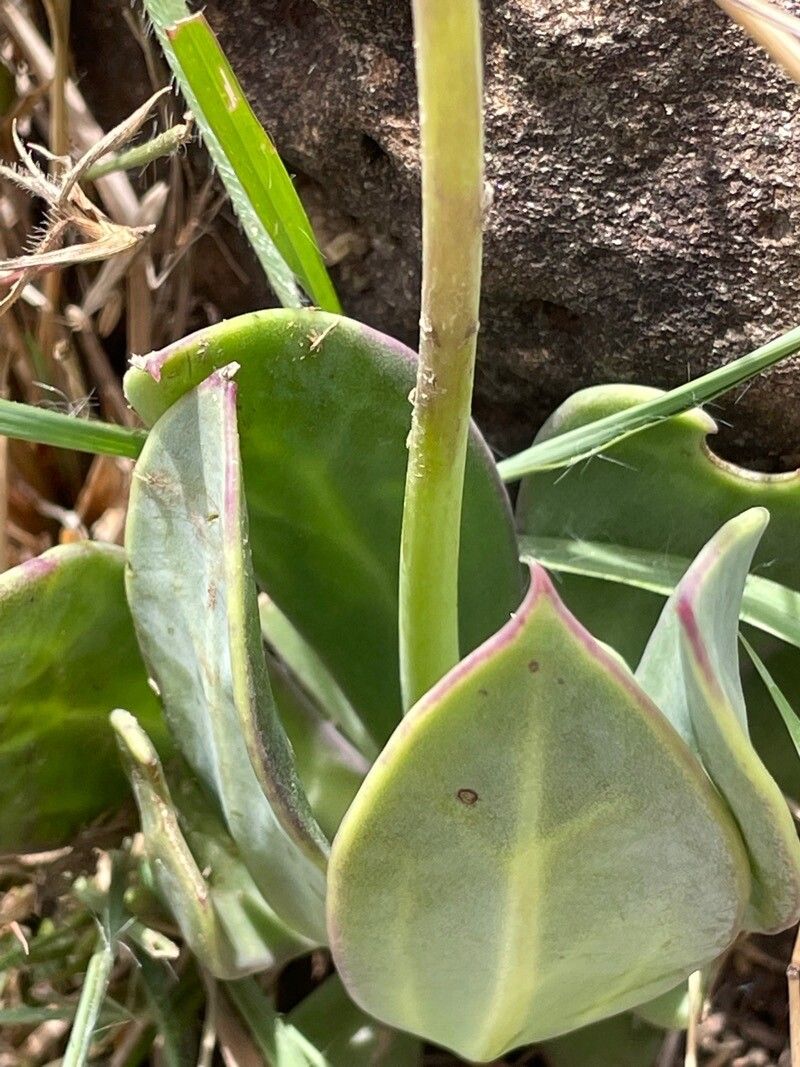
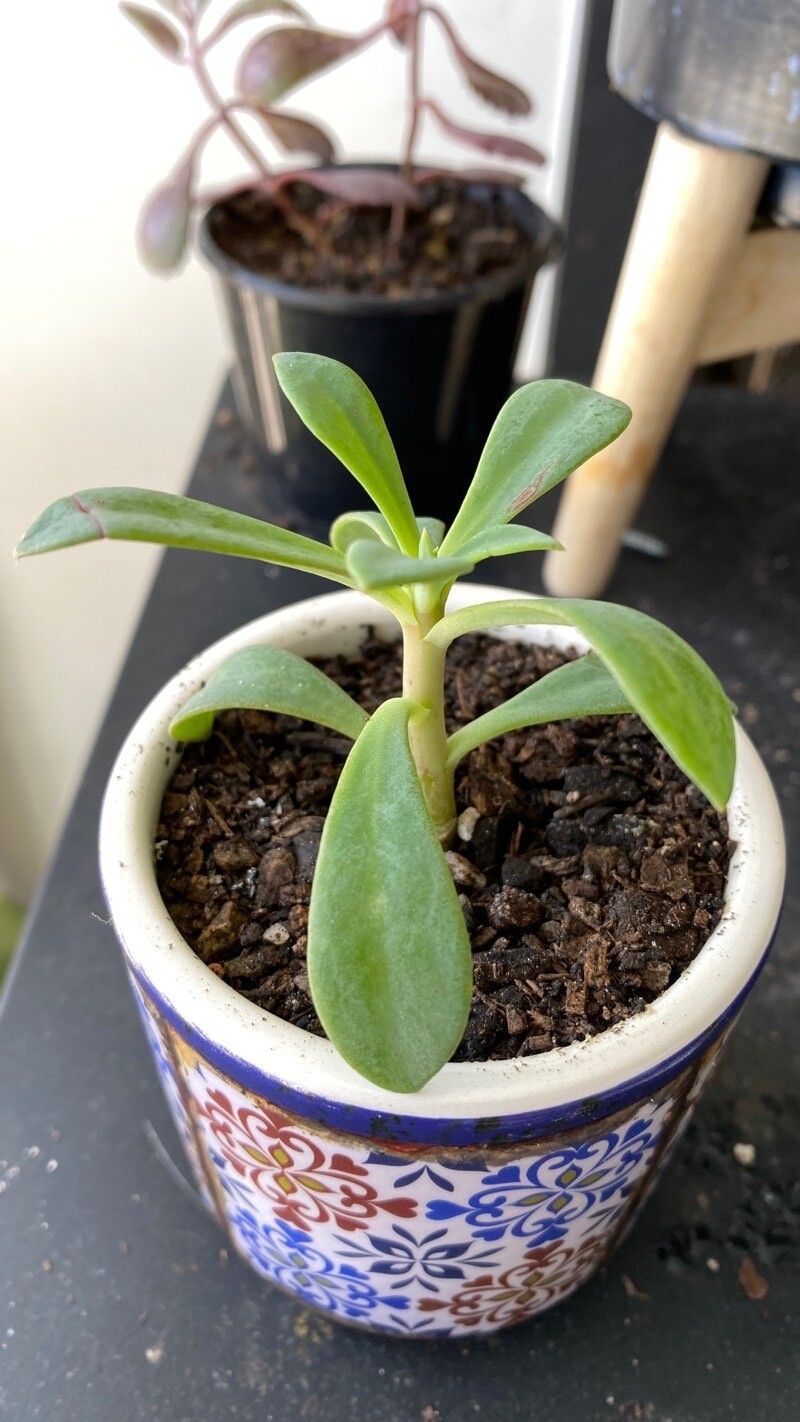
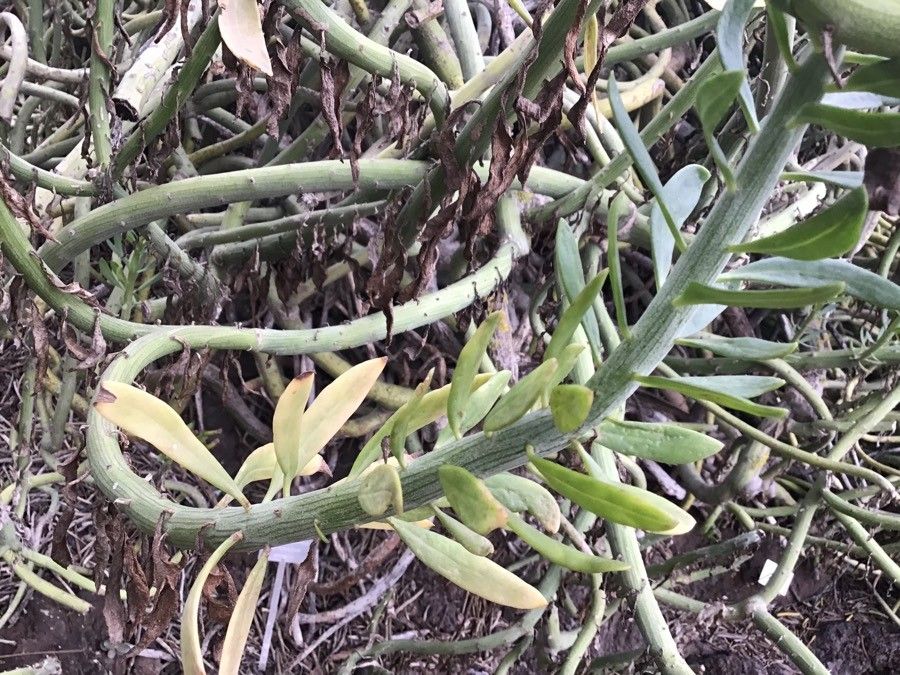
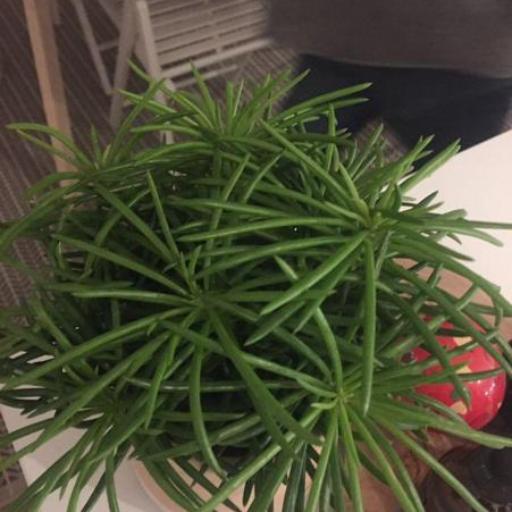
Mountain Fire, or Senecio cephalophorus, is a succulent plant. It is an evergreen perennial, native to Southern Africa and commonly known as Kleinia cephalophora. This succulent is popular for its brightly colored, pompom-like flowers. However, it is rare for this plant to flower when kept as a houseplant. This is due to inadequate growing conditions. The Mountain Fire plant features paddle-shaped foliage of a greenish-gray color. When in bloom, it features bright red to orange flowers.
Mountain fire has moderate disease resistance but is more sensitive to humidity. It becomes vulnerable to disease in high-humidity conditions and is prone to root rot during dormancy. For care, Mountain fire tolerates drought yet requires more frequent watering in the growing season. Watering should be greatly reduced or stopped entirely during the dormant period. Mountain fire is appropriate for people with some growing experience, though it can be challenging to maintain, especially during dormancy. It is particularly well suited to those who can dedicate time to its care in the winter months.
How to keep Kleinia Cephalophora.
Light
Originating in dry regions, Mountain fire performs best in full sun, as its native habitat has intense sunlight and scarce shade. It can also tolerate partial sun, which provides some flexibility in its growth.
Water
Typically, this succulent should be watered twice per week. For best results, check your plant’s soil for moisture before watering it. Mountain Fire plants have low water requirements. They thrive when left to dry out in between waterings.
Temperature
Although Mountain fire can tolerate some heat, it mainly does best in cooler seasons and goes dormant in summer. When summer temperatures are high, give it shade to prevent scorching from intense sun. Watering should be reduced or stopped during the hottest part of the year to avoid root rot. Mountain fire shows vigorous growth in winter and spring. If temperatures do not fall too low, it will continue to grow steadily.
Fertilizer
Mountain Fire only needs light fertilizer applications once or twice a year during its growing season. Do not fertilize in winter or summer while it is dormant. Use less fertilizer for plants that have been repotted, and wait a couple of months after repotting before applying fertilizer. Fertilizing promotes healthy growth and encourages blooms.
Pruning
Damaged, dead, or yellowing leaves should be removed as necessary. Clear any plant debris to encourage better conditions for growing.
Toxicity
This plant is considered toxic to both animals and humans. It is recommended that you keep this succulent out of the reach of small children and curious pets.
Further reading →
The toxicity and danger assessments provided are for reference only. We do not assure their accuracy, so it's crucial not to depend on them. Seek professional advice when necessary for accurate guidance.
Botanical profile.
- Plant Type
- Succulent
- Life Cycle
- Perennial
- Genus
- Kleinia
- Family
- Asteraceae
- Hardiness Zone
- 9-11
- Mature Height
- 30 cm to 61 cm
- Mature Spread
- 20 cm to 40 cm
- Leaf Color
- Light Green, Green Yellow
- Leaf Type
- Evergreen
- Flower Color
- Yellow
- Flower Size
- 1.02 cm to 1.52 cm
- Bloom Time
- Mid summer, Late summer
- Planting Time
- Spring, Summer
- Harvest Time
- Early fall, Mid fall
- Native Area
- South Africa, Namibia
Other names.