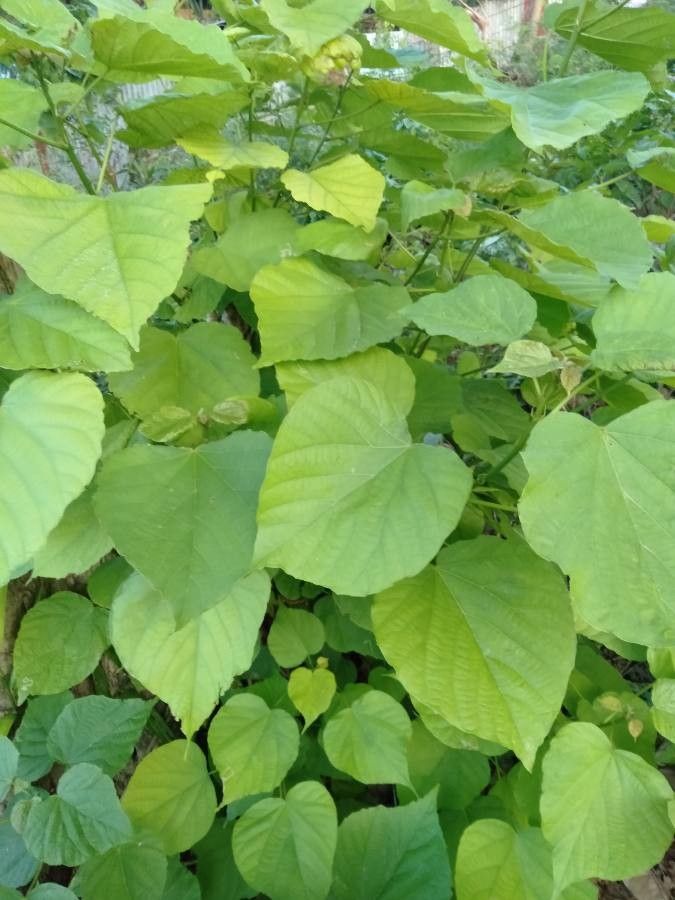
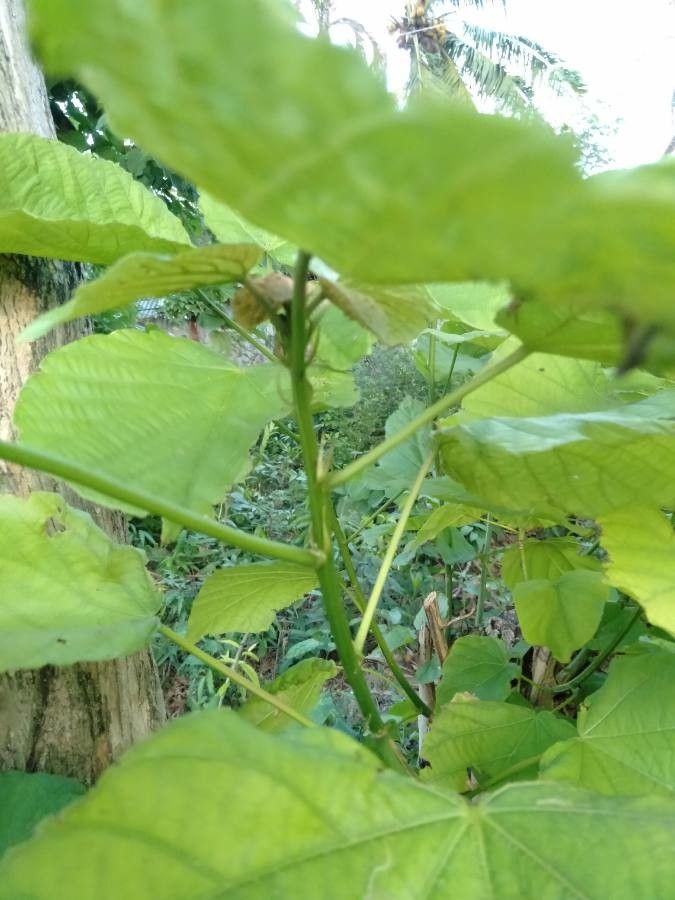
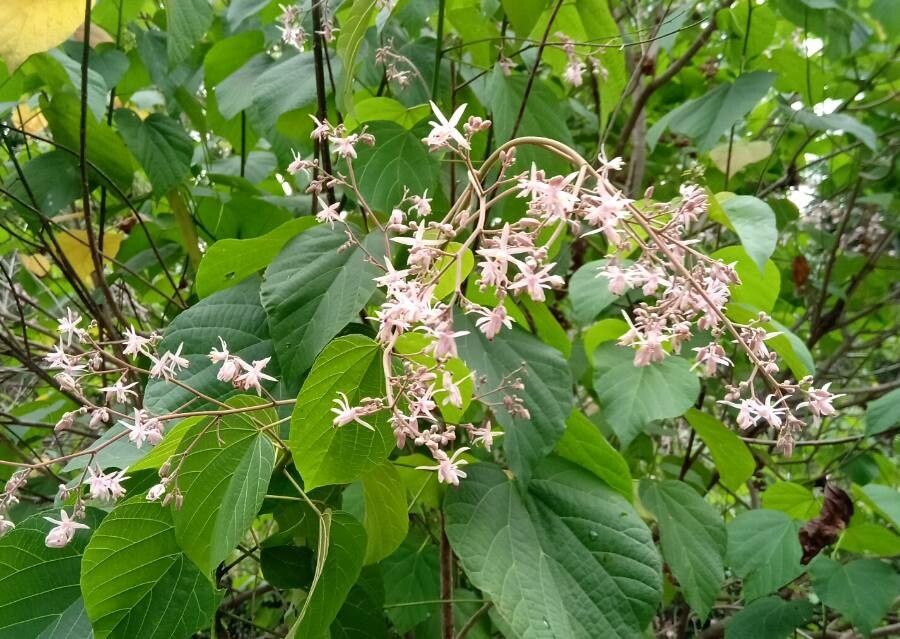
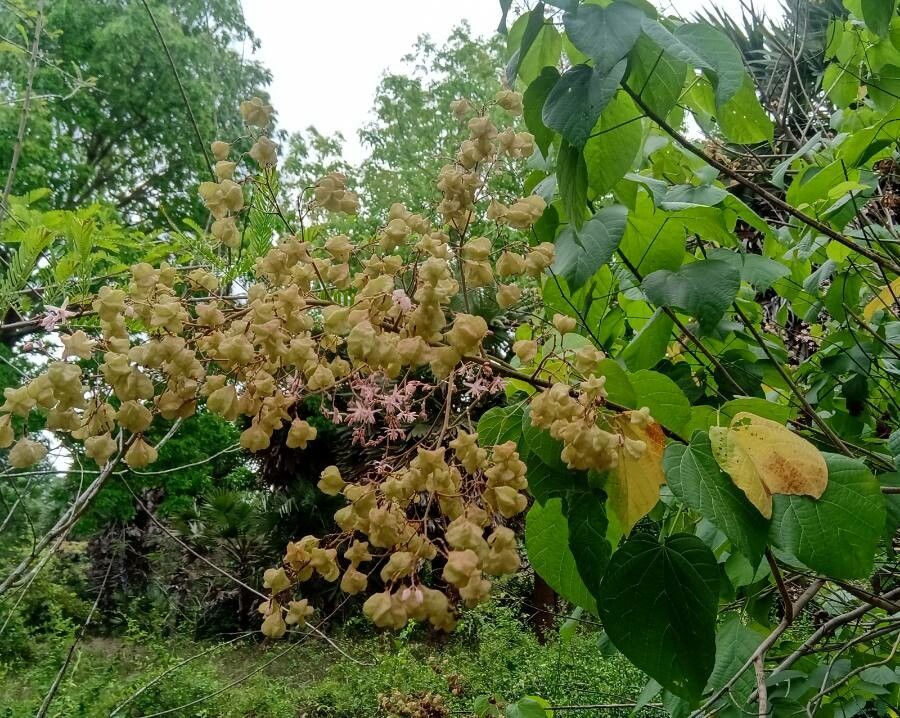
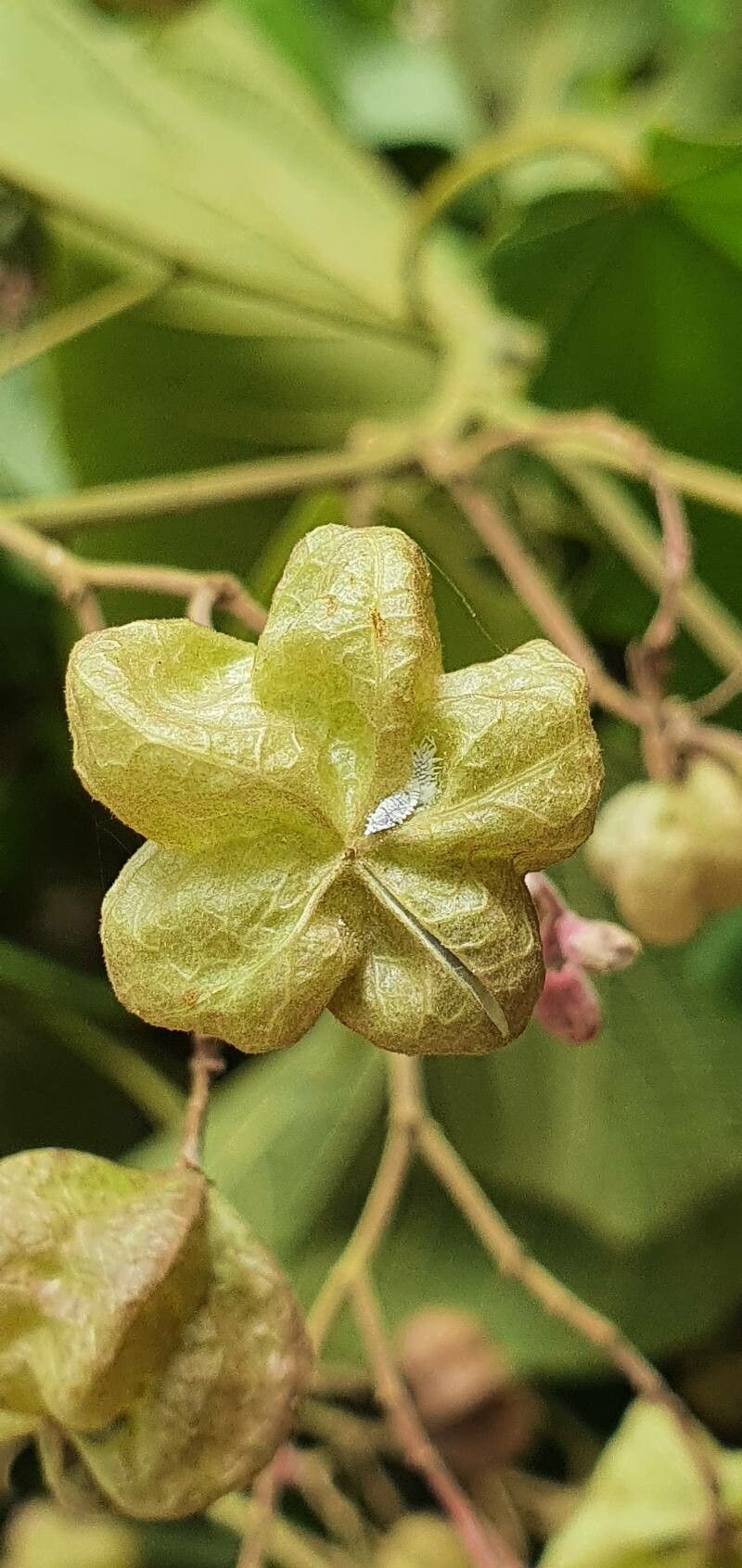
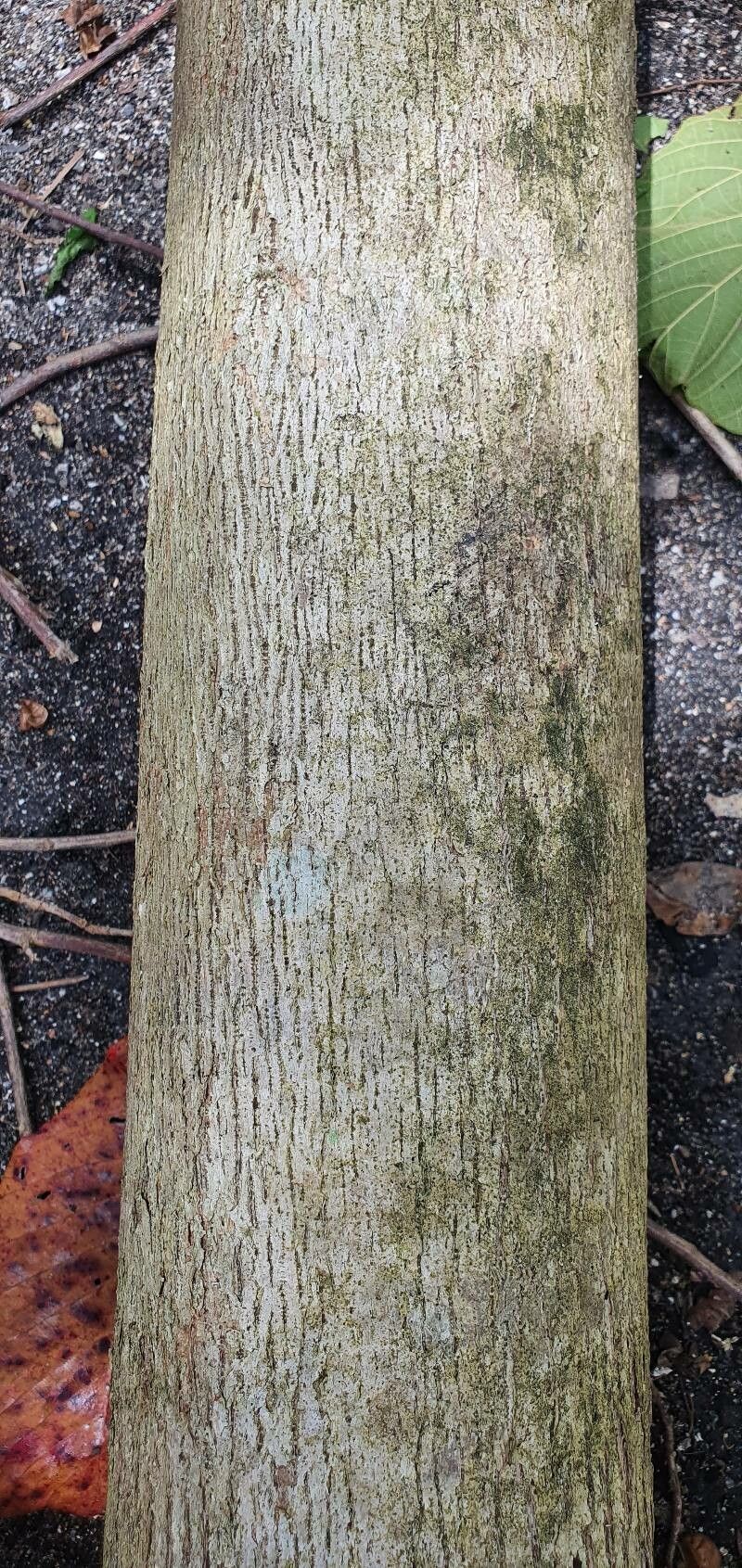
Kleinhovia hospita, commonly known as the sea mango or wild almond, is a tropical tree species belonging to the Malvaceae family. Native to Southeast Asia, it is found in countries such as Indonesia, Malaysia, and Thailand. The tree can grow up to 20 meters tall and has a broad crown with large, dark green leaves.
The sea mango produces small yellow flowers, which are followed by woody, rough-textured fruit pods containing seeds. These pods are approximately 5-7 cm in diameter. When roasted or boiled, the seeds have an almond-like flavor.
For centuries, traditional healers in Southeast Asia have used various parts of the Kleinhovia hospita plant for medicinal purposes. The bark is used to treat fever, while the leaves serve as an antiseptic for wounds.
Beyond its medicinal applications, Kleinhovia hospita holds cultural significance in some Southeast Asian communities, where it is regarded as sacred.
In summary, Kleinhovia hospita is a valuable plant species with diverse uses, ranging from medicinal applications to food and cultural practices.
Guest tree has moderate resistance to disease but can be prone to illnesses like leaf spot. Its vulnerability to insect pests varies by variety, though most have relatively low pest resistance. For care, Guest tree requires regular watering and fertilization, along with frequent removal of yellow leaves. It is important to address pests and diseases as soon as they appear and to harvest the plant promptly. Guest tree is best suited for people who can spare some time and energy for routine care.
How to keep Kleinhovia Hospita.
Light
The guest tree does best in intense sunlight. It can also withstand milder light, but exposure that is either excessive or too limited may hinder its growth. Coming from an environment with strong sun, it needs plenty of light at every stage of development.
Water
The Guest tree flourishes in tropical regions with high humidity and moisture. It needs watering every 1-2 weeks and displays moderate drought tolerance. Typically cultivated outdoors, the Guest tree benefits from natural rainfall, which encourages lush growth during the growing season.
Temperature
For the Guest tree, moderate temperatures are best — about what most people find comfortable. It does well in conditions that are neither excessively warm nor cold. The primary problem with high temperatures is the danger of sunburn, so giving some shade in summer is advisable to prevent overheating. When temperatures fall, the Guest tree becomes dormant. If you want it to keep growing continuously, you must maintain warmer conditions in winter. Frost can damage the plant and should be avoided.
Fertilizer
For maximum yield, the Guest tree does best with regular applications of a balanced fertilizer, particularly one high in nitrogen. Apply fertilizer before planting, at planting, and when seedlings are about 2 inches tall. Adding compost or manure also provides a steady supply of nutrients. Insufficient soil nutrients lead to underdeveloped leaves and stems, thin stems, poorer flavors, and a potentially bitter taste.
Pruning
The guest tree is known for its dense foliage and rapid growth. To keep it healthy, prune during its dormant period, which is from early to late winter. Focus on removing dead branches to encourage new growth and improve air circulation. Regular light pruning helps maintain the tree's shape, enhances its flowering, and boosts its overall vigor. Always use clean, sterilized tools to prevent the spread of disease.
Botanical profile.
- Plant Type
- Tree
- Life Cycle
- Perennial
- Genus
- Kleinhovia
- Family
- Malvaceae
- Hardiness Zone
- 10-12
- Mature Height
- 7.62 m to 15.24 m
- Mature Spread
- 4.88 m to 10.06 m
- Leaf Color
- Green
- Leaf Type
- Evergreen
- Flower Color
- Pink, White
- Flower Size
- 0.51 cm
- Bloom Time
- Summer, Early fall, Mid fall
- Planting Time
- Spring, Summer, Autumn
- Harvest Time
- Late summer, Fall, Early winter
- Native Area
- Sri Lanka, India, Malaysia, Indonesia, Vietnam, Myanmar, Japan, Vanuatu, Philippines, Singapore, Fiji, Thailand, China
Other names.
Reader questions.
How should I water my Guest tree?
Your Guest tree is not picky about the watering method you choose. You can use common tools like watering cans, hoses, or even cups to water the plant. It's important to water directly onto the soil and make sure all areas are equally moistened to provide water to the entire root system. Using filtered water is recommended to avoid harmful particles in tap water. Also, using water that is at or slightly above room temperature is beneficial as extremely cold or hot water can be shocking to the tree. However, the Guest tree usually responds well to any type of water you give it.
How much sunlight does the Guest tree need to grow? -> How much sunlight does the Guest tree need for it to grow?
A good rule of thumb for Guest tree to grow and produce fruit is a minimum of 6 to 8 hours per day, although the exact needs may vary.
What temperature is best for Guest tree?
The Guest tree thrives within a preferred temperature range of 70-85℉ (21-30℃). Staying within this range ensures that the foliage remains unaffected by extreme cold or hot conditions. However, keep in mind that changing leaf colors may indicate the tree's displeasure. While it is important to maintain the temperature between 70-85℉ (21-30℃), there's no need to worry if it occasionally exceeds 85℉ (30℃) during the day or drops to 70℉ (21℃) at night.
What should I do if I give too much or too little water to my Guest tree?
Outdoor plants, especially newly planted ones or seedlings, can easily suffer from lack of watering. It's crucial to continue watering them regularly for a few months until they establish their roots, as they can then rely on rainwater. However, when it comes to potted plants, overwatering is a common issue. If you accidentally overwater your potted plant, take immediate action. Stop watering it right away to minimize the damage. Check the roots for any signs of rot. If there are none, you can place the plant back in its container. But if you find root rot, trim the affected roots and consider using a fungicide. Finally, repot the plant in well-draining soil. On the other hand, underwatered plants are relatively easy to fix. If the leaves droop, dry out, and fall off, water the plant more frequently, and the leaves should regain their fullness. Remember to adjust your watering schedule promptly when you notice underwatering.
What kind of sunlight does the Guest tree require?
Guest tree requires full sun, which means it needs to be grown in a spot that receives direct sunlight without any obstructions like trees, fences, or buildings. Typically, the faster the plant grows, the more sunlight it requires. For the best photosynthesis, morning sun is recommended.
How can I keep the Guest tree safe from very hot or very cold weather outside?
If your Guest tree is planted outside, you can't move it indoors. However, you can still protect it from extreme temperatures. To shield it from intense heat, create a shade tent using stakes and cloth. This will block the sun's direct heat. Likewise, to safeguard the tree from extreme cold and chilly winds, construct a small greenhouse around it. Use garden stakes and clear plastic, like polycarbonate if you have it. This will create a greenhouse effect to warm the plant. Remove the greenhouse when temperatures reach 40℉(10℃) at night.
How often should I give water to my Guest tree?
If your area receives enough rainfall, most outdoor plants can grow naturally without additional watering. However, if your area lacks rainfall, you should water your plants adequately every 2 weeks in spring and fall, and more frequently in the summer. In winter, when plant growth slows down and water requirements decrease, water sparingly or not at all. Young or newly planted Guest trees require more frequent watering to help establish themselves, while mature and adaptable plants require less water. For potted plants, there are two main approaches to determine watering frequency for your Guest tree. Setting a predetermined watering schedule, such as once a week or every other week, can be used as a general guideline. However, this method may not consider the specific growing conditions of your Guest tree. Watering frequency should also be adjusted based on the season. During summer, when the water needs of the plant are highest, relying solely on a predetermined schedule may not be sufficient. Alternatively, you can monitor soil moisture to determine when to water. Wait until the top 2 to 4 inches of soil (around ⅓ to ½ depth of the pots) have completely dried out before giving more water.
Should I make sure the Guest tree doesn't get too much sun?
In most climates, there is usually no need to protect the guest tree from the sun. However, people who live in deserts or near the equator may find that the sun is too intense for the specific plants they wish to grow. Please note that this situation is not common and somewhat unique.
Does the Guest tree require varying temperatures throughout the different seasons?
The Guest tree prefers a consistent temperature range but its care varies throughout the year. To withstand the hot days, it needs some shade and more breeze during the warm months. In colder climates with temperatures dropping below 40℉(10℃), it should be moved away from windows and doors during the cooler months.
How much water does my Guest tree require?
To water your Guest tree effectively, keep in mind that it doesn't always require a lot of water. If only a few inches of soil have dried since the last watering, providing around five to ten ounces of water each time should support its healthy growth. You can determine the water volume based on the moisture of the soil. Take note of how many inches of soil have dried out between waterings. A reliable way to ensure your Guest tree receives enough moisture is by watering until all the dry soil layers since the last watering are dampened. If over half of the soil is dry, consider giving more water than usual. In such cases, keep adding water until you see excess water draining from the pot's drainage holes. If your Guest tree is planted in an area with sufficient rainfall, it may not require additional watering. When the tree is young or newly established, ensure it receives 1-2 inches of rain per week. As it grows and becomes established, it can primarily rely on rainwater. Only when the weather is hot and there is no rainfall for 2-3 weeks should you consider giving your Guest tree a full watering to prevent stress.
What will happen if the Guest tree doesn't receive enough sunlight?
All plants require sunlight to produce the energy they need. However, plants with short growing seasons require even more light and energy compared to slow-growing plants. This is because they have a limited timeframe to complete all their growth processes and produce fruit. The first sign of insufficient sunlight in Guest tree is the appearance of pale and yellow leaves. These leaves are unable to generate enough chlorophyll to maintain their healthy green color. Eventually, the leaves may fall off and new growth will be small and weak. As the plant tries to reach for available light, it may become leggy and sparse. Without enough light, the plant will fail to produce large, high-quality edible leaves or fruit. Guest tree needs a significant amount of light to convert into energy for growing leaves and fruit. Therefore, if there is not enough light available, the harvest will be negatively impacted.
How can I make sure my Guest tree stays at the right temperature?
Keeping your Guest tree at the right temperature can be fairly simple. If you are growing it indoors, you can easily move the plant to different locations within your indoor space that best meet its temperature requirements. Make sure to avoid placing it near air conditioning vents, heaters, doors that open frequently, or drafty windows. On the other hand, controlling the temperature around your outdoor-grown Guest tree is a little more difficult. If it's planted in a pot, you can bring it indoors when the temperatures outside get too hot or too cold. Otherwise, you may need to take different measures to protect it from extreme heat or cold. One option is to place the Guest tree under cover to shield it from the harsh sun or cold winds that can be harmful.