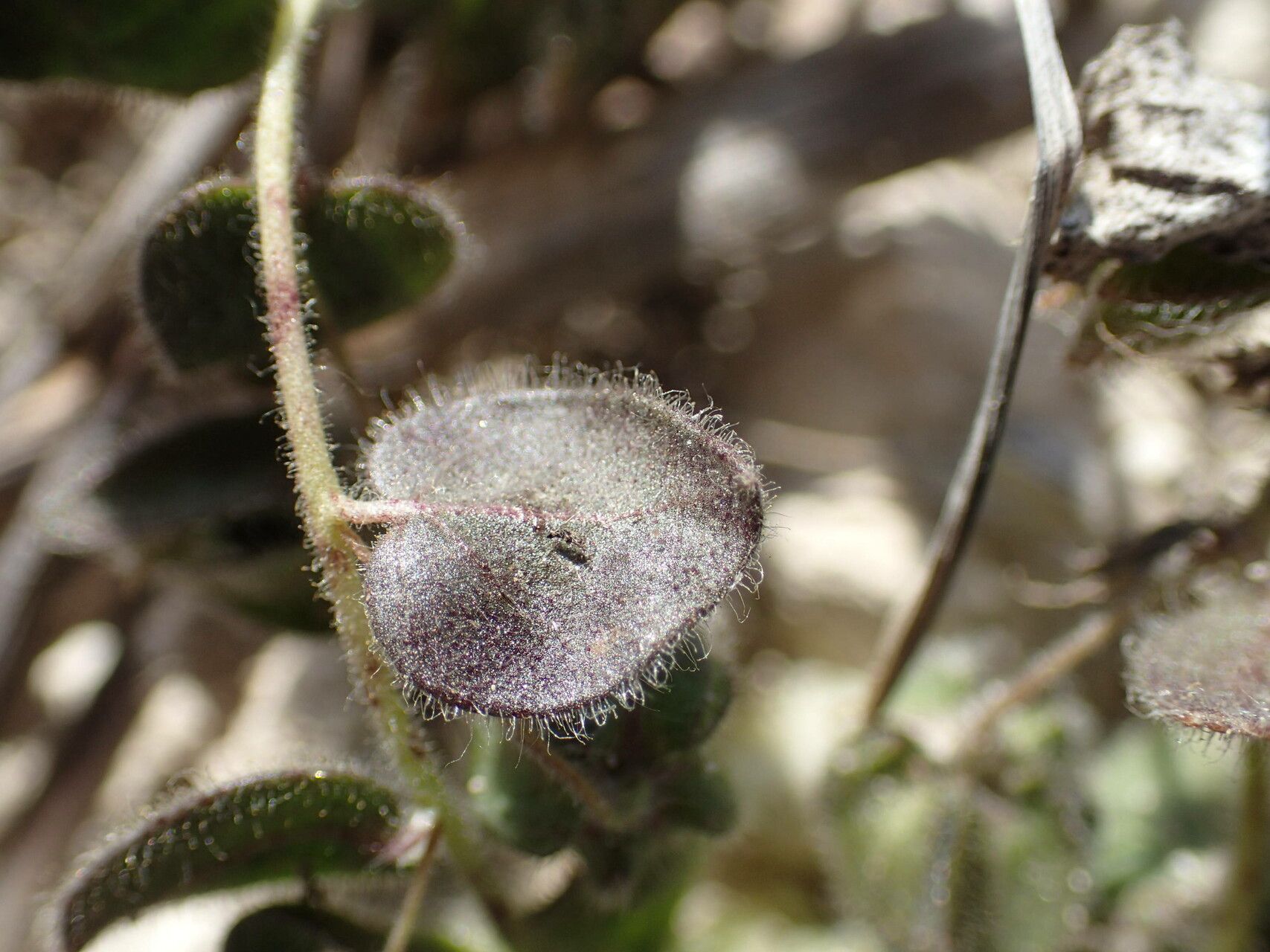
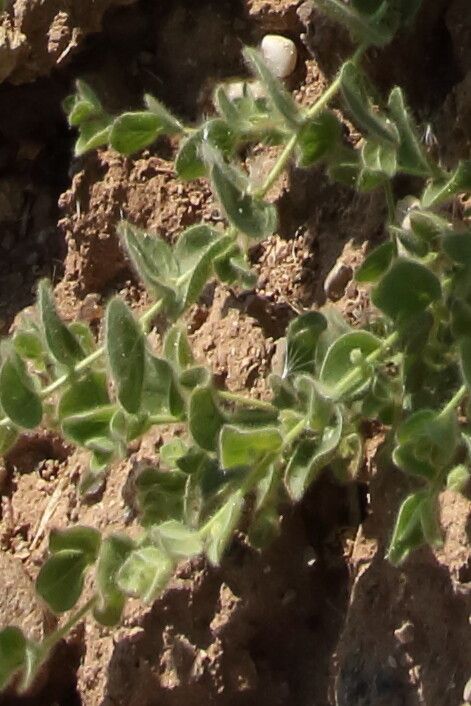
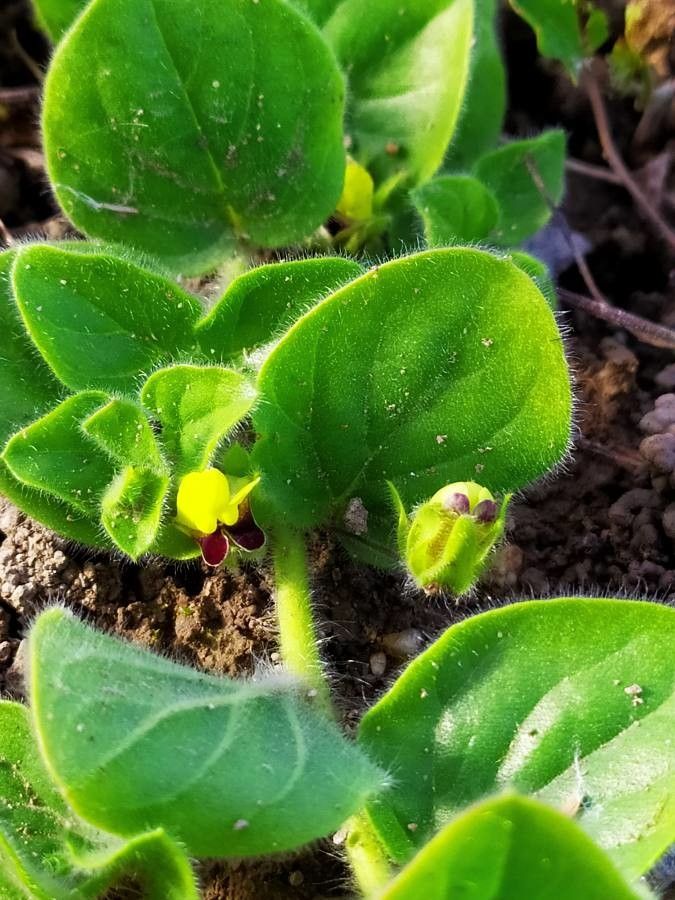
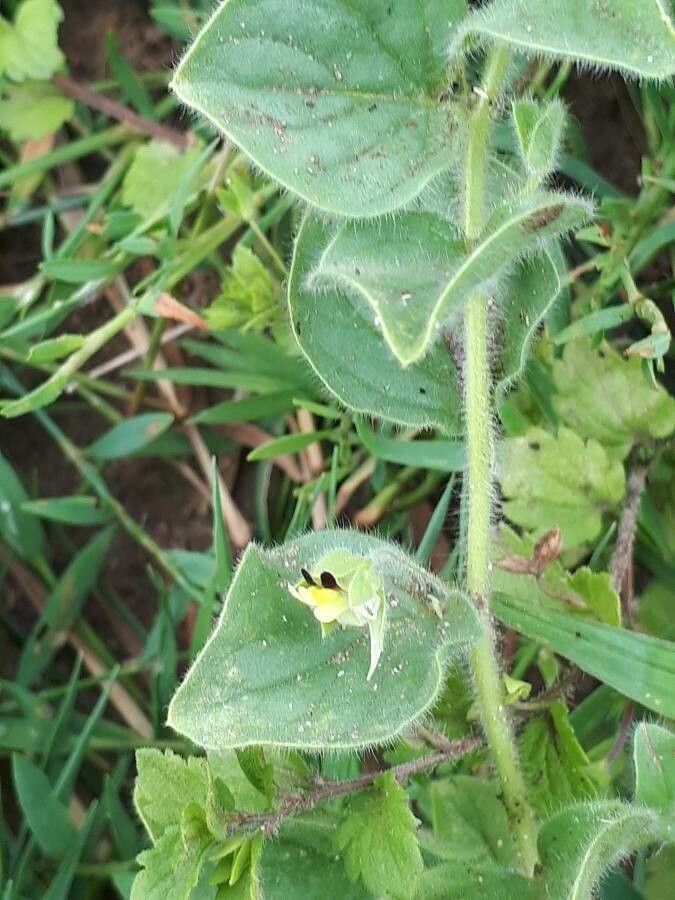
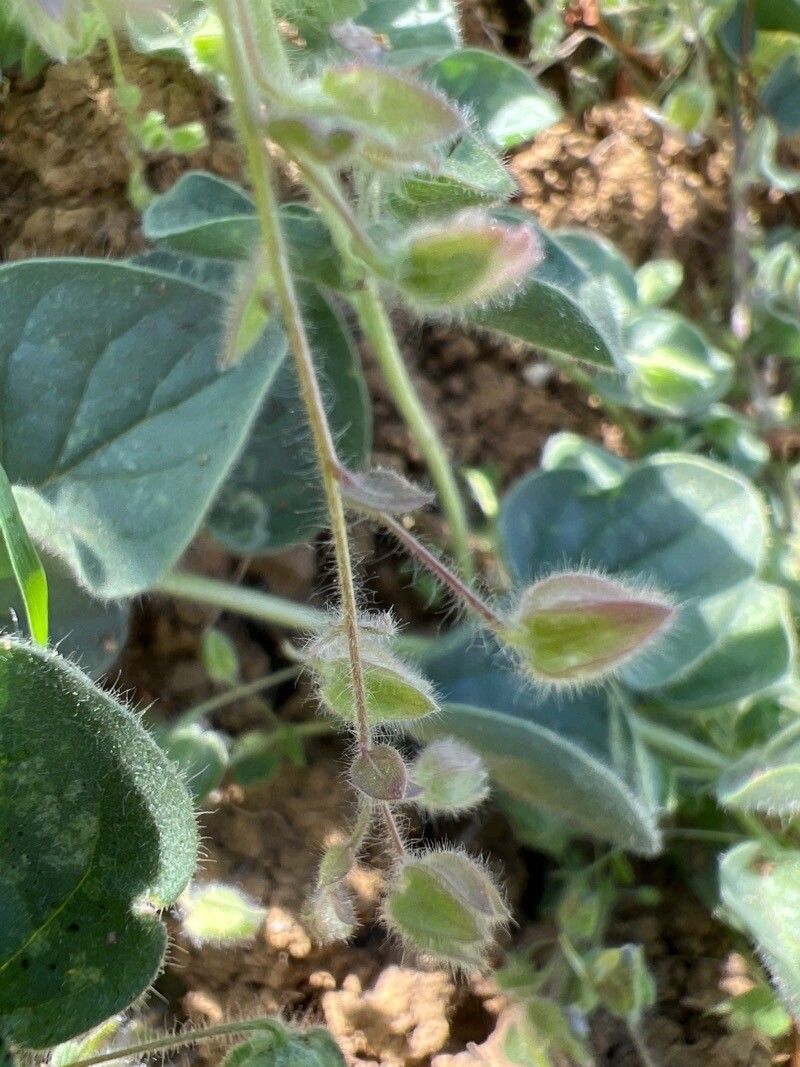
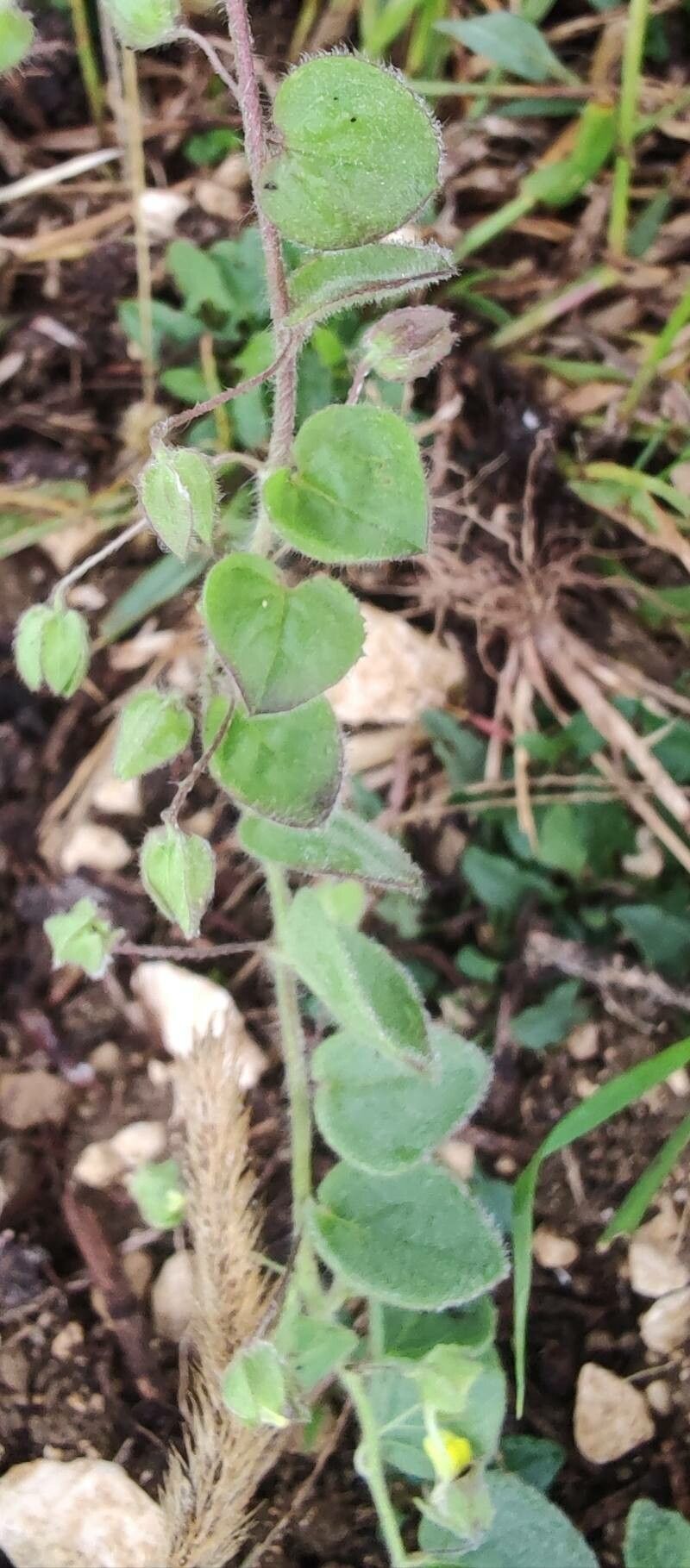
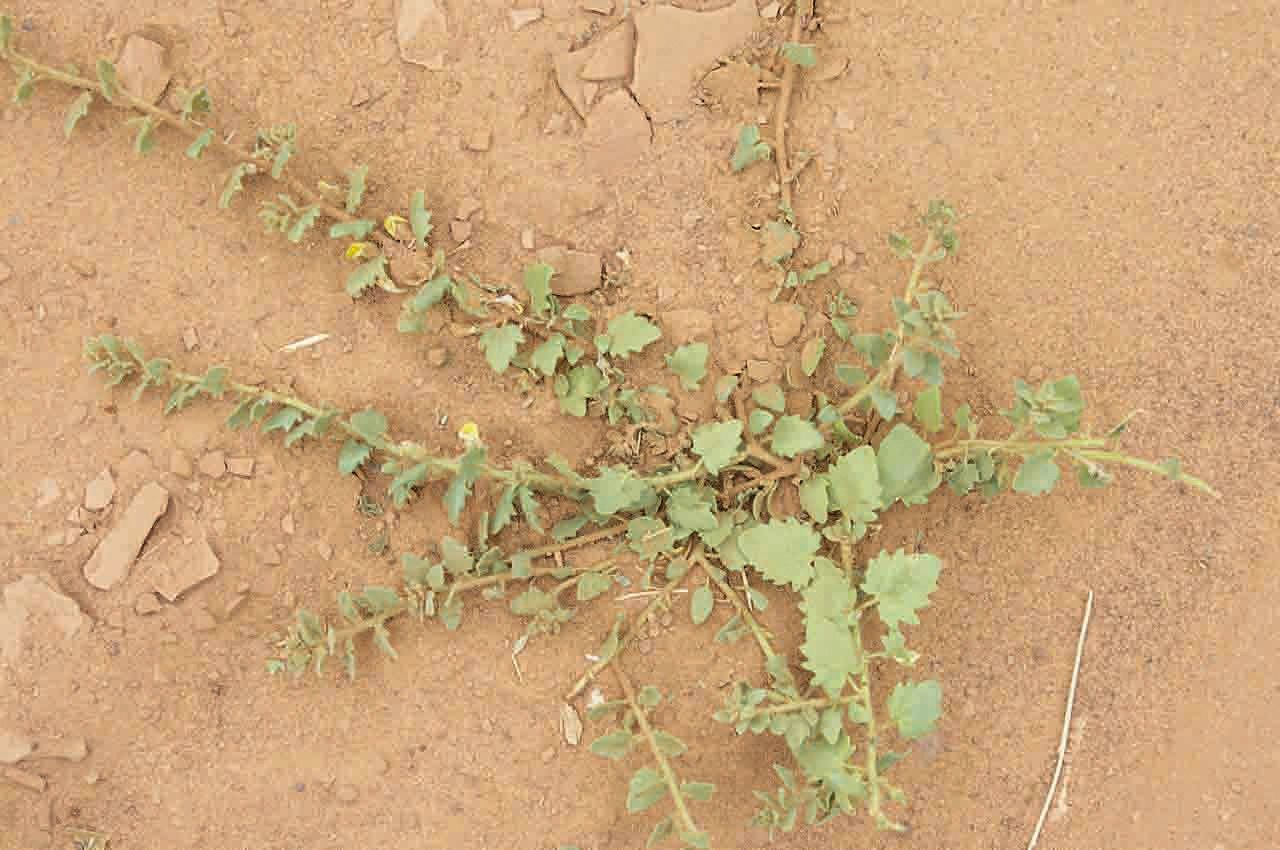
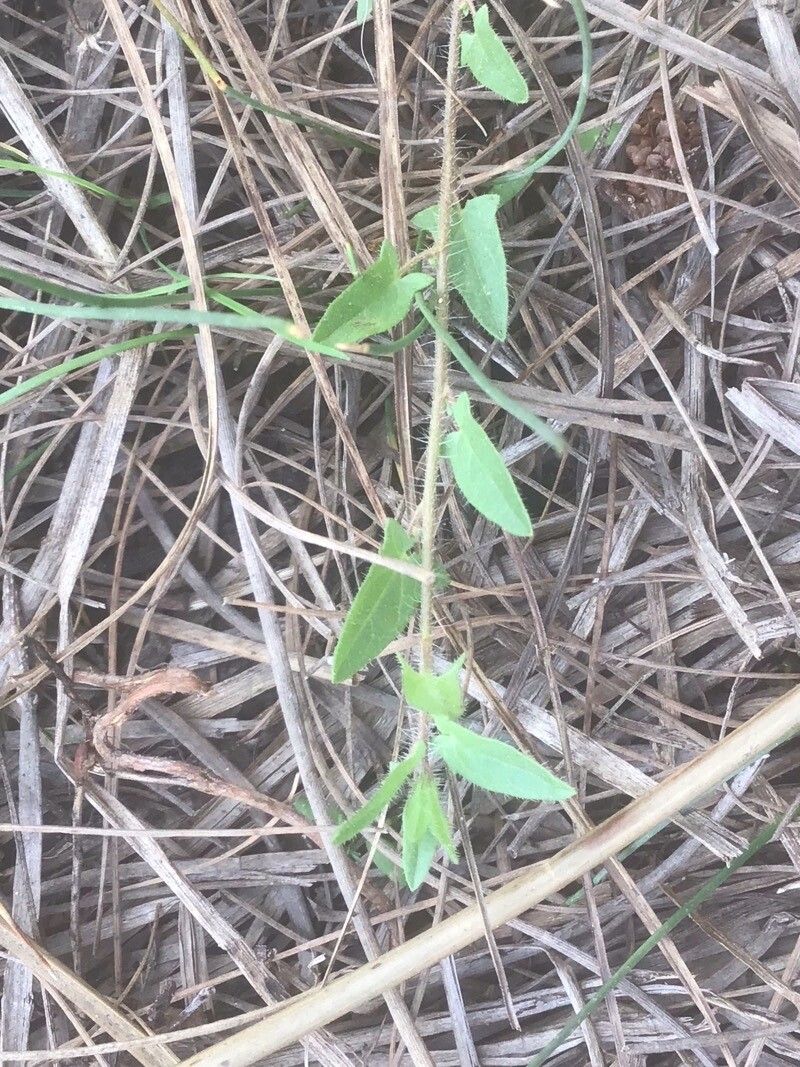
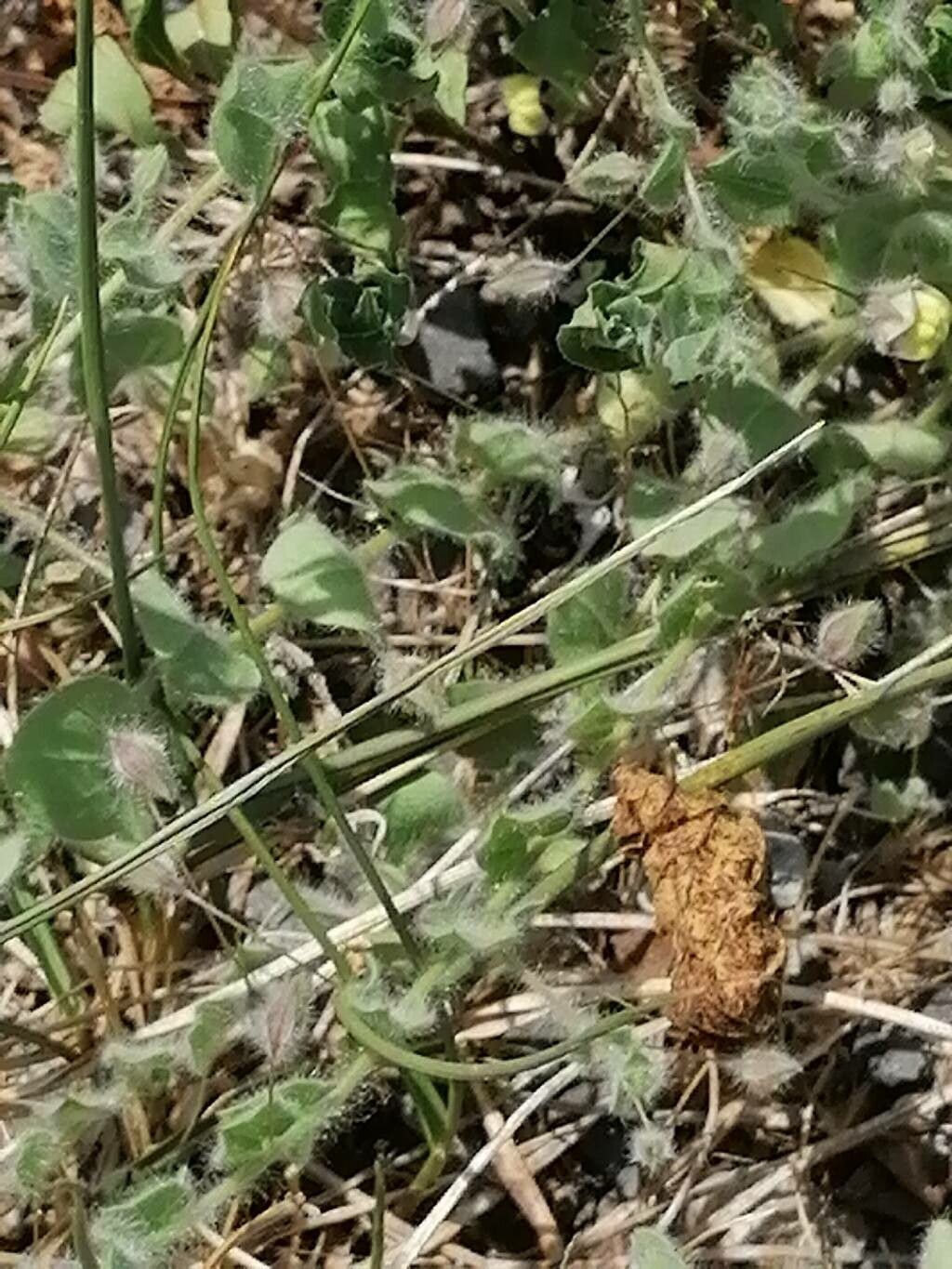
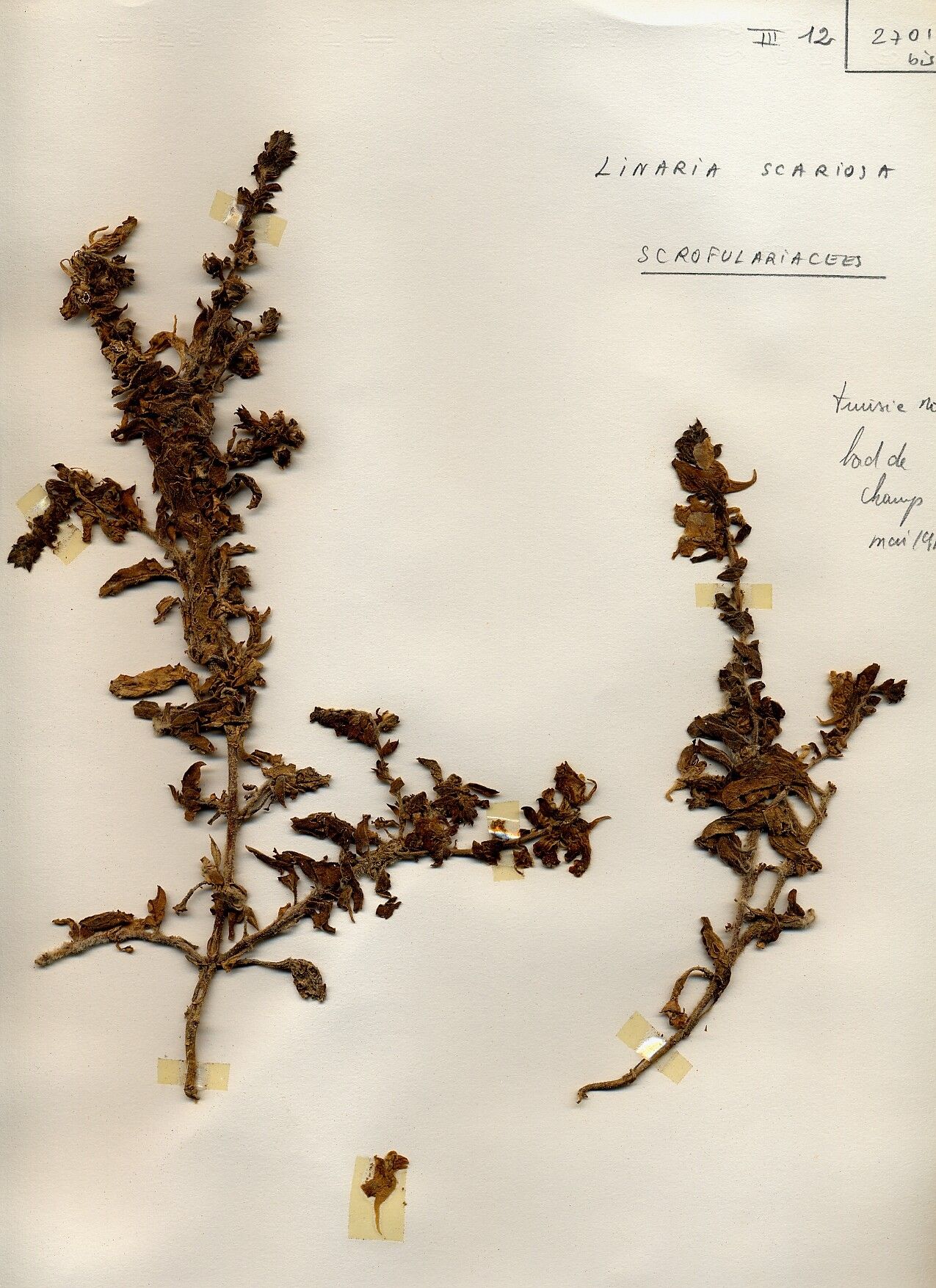
Kickxia spuria, commonly called round-leaved fluellen, is a small annual plant belonging to the family Plantaginaceae. It is native to Europe and western Asia but has also been introduced to North America. The plant can grow up to 30 cm tall and features round or oval-shaped leaves arranged oppositely on the stem. Its flowers are small and tubular, varying in color from white to pink or purple with yellow centers. They bloom from May through September.
Round-leaved fluellen thrives in well-drained soils and can grow in full sun or partial shade environments, such as meadows, fields, roadsides, waste areas, or disturbed sites like gardens. While it can tolerate dry conditions, it does not withstand frost.
The plant has a longstanding history of medicinal use, particularly for its anti-inflammatory properties. When consumed as a tea, it can help alleviate respiratory issues like coughs and bronchitis.
In addition to its medicinal benefits, round-leaved fluellen is known for attracting pollinators, such as bees, which aid in the pollination of nearby plants.
Overall, Kickxia spuria is a hardy annual that not only adds beauty to gardens of all sizes but also offers valuable medicinal benefits.
Roundleaf cancerwort has good resistance to disease and is generally unlikely to develop illnesses. However, it can be affected by pests and diseases present in its surroundings. These problems are usually minor. In terms of care, the plant needs moderate maintenance. It should be pruned regularly to maintain an attractive appearance and support healthy growth. Fertilization can also encourage flowering. Roundleaf cancerwort is suitable for people with outdoor areas such as a garden or patio and does not require extensive gardening experience. It may need additional care when grown indoors.
How to keep Kickxia Spuria.
Light
Roundleaf cancerwort prefers plentiful sunlight and can endure partly sunny conditions. Native to open habitats, this plant makes effective use of sunlight for healthy growth. Both insufficient and excessive sunlight can impede its development and health.
Water
Roundleaf cancerwort, native to temperate regions, prefers moderate moisture and consistent soil hydration. It thrives when watered weekly and benefits from stable conditions, especially during its growing season, which is key for optimal flowering.
Temperature
Roundleaf cancerwort is native to temperate environments that favor temperatures of 68 to 95°F (20 to 35℃). This plant needs temperature control during seasonal changes, ensuring the warming period stays within 68 to 95°F (20 to 35℃).
Fertilizer
Roundleaf cancerwort benefits from regular, mild fertilizer applications to encourage healthy leaf growth. Apply fertilizer about once a month during the summer. Nitrogen is essential for foliage, and supplying nitrogen-rich sources helps Roundleaf cancerwort thrive.
Pruning
Roundleaf cancerwort is an attractive ground cover featuring heart-shaped leaves. It thrives when regularly pruned, especially from early to late spring. Trimming away dead stems not only enhances the plant's appearance but also improves air circulation and reduces the risk of disease. This practice helps to maintain the plant's vigor and keeps its invasiveness in check.
Botanical profile.
- Plant Type
- Herb
- Life Cycle
- Annual, Perennial
- Genus
- Kickxia
- Family
- Plantaginaceae
- Hardiness Zone
- 7-10
- Mature Height
- 10 cm to 49 cm
- Mature Spread
- 20 cm to 40 cm
- Leaf Color
- Green
- Leaf Type
- Semi-evergreen
- Flower Color
- Yellow, Purple
- Flower Size
- 1.52 cm
- Bloom Time
- Summer, Fall
- Planting Time
- Spring, Summer, Autumn
- Harvest Time
- Late summer, Fall, Early winter
Other names.
Reader questions.
How should I water my Roundleaf cancerwort plant?
To water Roundleaf cancerwort, you have multiple options such as a garden hose with a spray nozzle or a watering can. This plant isn't too particular about the type of water it receives, whether it's rainwater, tap water, or filtered water. However, it's best to avoid watering from overhead to prevent damage to the leaves and flowers and minimize the risk of disease. A drip irrigation system is often recommended for watering this plant, as it ensures even and direct watering of the soil. If you have a Roundleaf cancerwort in a container, you can follow a similar approach but use tools like a cup, watering can, or tap to water the soil directly.
What are the sunlight requirements for Roundleaf cancerwort?
Roundleaf cancerwort thrives in environments where it can receive a substantial amount of sunlight. It requires full sun, which means it should get above 6 hours of sunlight daily, but it can also withstand partial sun conditions, about 3-6 hours of sunlight. Originating from open habitats, this species leverages sunlight effectively for its growth. Both insufficient and excessive exposure to sunlight could, however, hinder its growth and wellness. It's crucial to watch how sunlight moves through your garden, choosing spots that offer the perfect balance of light and shade to ensure the happiness of your plants.
What are the ideal temperature conditions for growing Roundleaf cancerwort?
Roundleaf cancerwort thrives in temperate environments, with ideal temperature conditions ranging from 68 to 95°F (20 to 35°C). This plant is adapted to managing temperature variations across seasons, requiring the temperature to be within this range during its growing phase. It exhibits strong cold resistance, meaning that special frost protection measures are generally not necessary. However, in cases where winter temperatures are expected to go below -15°C, providing cold protection by covering the plant with materials like soil or straw is advisable. To prepare for winter, it's recommended to water the plant abundantly before the first freeze in autumn, ensuring the soil is moist as it enters a frozen state to help prevent drought and water scarcity during the colder months.
What should I do if I give my Roundleaf cancerwort plant too much or too little water?
To help prevent underwatering of Roundleaf cancerwort, simply water the plant more regularly when you notice it lacks moisture. Overwatering, on the other hand, can have more severe consequences if not addressed early. It can lead to disease and ultimately the decline and death of the plant. To avoid overwatering, choose a growing location that receives plenty of sunlight to dry the soil and has good drainage to prevent waterlogging. If you have overwatered Roundleaf cancerwort in a pot, consider changing it to a new pot with better drainage and loose soil.
How can artificial lighting be used for Roundleaf cancerwort indoors?
Indoor plants, including Roundleaf cancerwort, require adequate lighting for optimal growth, especially when natural sunlight is insufficient, such as during winter or in less sunny spaces. Artificial lighting serves as an essential solution to promote healthier, faster growth. LED lights are recommended for their ability to provide customizable wavelengths suitable for plant needs. The amount of artificial light required varies by plant type: full sun plants need 30-50W per square foot, partial sun plants 20-30W per square foot, and full shade plants 10-20W per square foot. The light source should be placed 12-36 inches above the plant to mimic natural sunlight, and most plants benefit from 8-12 hours of light per day.
How does Roundleaf cancerwort respond to low temperature conditions?
Roundleaf cancerwort is cold-tolerant, performing best when temperatures stay above 20°C and should remain above 0°C during winter. However, if temperatures fall below -15°C, while there may not be any noticeable changes during the winter, there could be a decrease in sprouting or even complete failure to sprout in spring. To manage this, any parts of the plant that have failed to sprout by spring should be removed to encourage new growth.
How often is best to water my Roundleaf cancerwort plant?
To keep your Roundleaf cancerwort healthy, it needs regular watering throughout the growing season. In spring, water about once per week. As the weather gets warmer, you may need to water two to three times per week, but be careful not to overwater. The soil should be moist but not wet. If your Roundleaf cancerwort is in a pot, water a bit more frequently than if it were planted in the ground. Generally, watering a container-grown plant a few times per week should be enough, compared to once per week for a ground-planted plant.
What are the symptoms of inadequate lighting in Roundleaf cancerwort?
When Roundleaf cancerwort is cultivated indoors with inadequate light, several symptoms may appear. New leaves may grow smaller, and the plant may exhibit leggy or sparse growth, indicating longer spaces between leaves or stems. Faster leaf drop is another symptom, where the plant sheds older leaves earlier than normal to conserve resources. The growth of the plant might slow down or stop altogether if it enters survival mode due to poor light conditions. Leaves may also appear lighter-colored or develop irregular patterns, a sign of insufficient chlorophyll and essential nutrients. Additionally, chlorosis, or the loss of the leaves' green color, can occur due to excessive light, negatively affecting photosynthesis.
How should Roundleaf cancerwort be cared for during high temperatures?
In the summer months, it’s crucial to ensure that Roundleaf cancerwort is kept below 35°C to prevent heat stress. Exposure to temperatures above 41°C can cause the leaves to lighten in color, curl, and become prone to sunburn. In severe cases, the entire plant may wilt and dry out. To mitigate these effects, it's advisable to trim away any sunburned or dried-up areas of the plant. Moving the plant to a shaded location or using a shade cloth can protect it from the intense midday and afternoon sun. Additionally, watering the plant in the morning and evening helps keep the soil moist and supports plant health during high temperatures.
How much water does my Roundleaf cancerwort plant need?
There are a few different ways to figure out how much water your Roundleaf cancerwort needs. Some gardeners prefer to judge the water amount by feeling the soil for moisture. This method suggests watering until the top six inches of soil are moist. Another option is to use a specific measurement. Generally, Roundleaf cancerwort requires about two gallons of water per week, depending on temperature and how quickly the soil dries out. However, strictly following this guideline can result in overwatering if the plant needs less water. When growing Roundleaf cancerwort in a container, a different approach is needed. You should water sufficiently to moisten all layers of dry soil. To test for moisture, you can check the soil with your finger or wait until you see a slight trickle of excess water draining from the pot's holes.
How can you address sunlight-related issues for Roundleaf cancerwort?
Addressing sunlight-related issues for Roundleaf cancerwort involves several strategies. Indoors, gradually moving the plant to a sunnier location each week until it receives at least 6 hours of direct sunlight daily is advised. Using a south-facing window and keeping curtains open during the day maximizes sunlight exposure. If moving the plant isn't feasible or for additional light, consider using artificial lighting with grow lights for adequate coverage. Outdoors, gradually adapt plants to sunnier spots to avoid shock and potential sunburn. Observation is key to minimizing obstructions that block sunlight. Pruning or transplanting can help ensure plants receive ample sunlight. Remember, parts of the plant that were previously affected by low sunlight may not recover, but new growth will be healthy once adequate light conditions are established.
What is the botanical name of Roundleaf cancerwort?
The botanical name for Roundleaf cancerwort is Kickxia spuria.