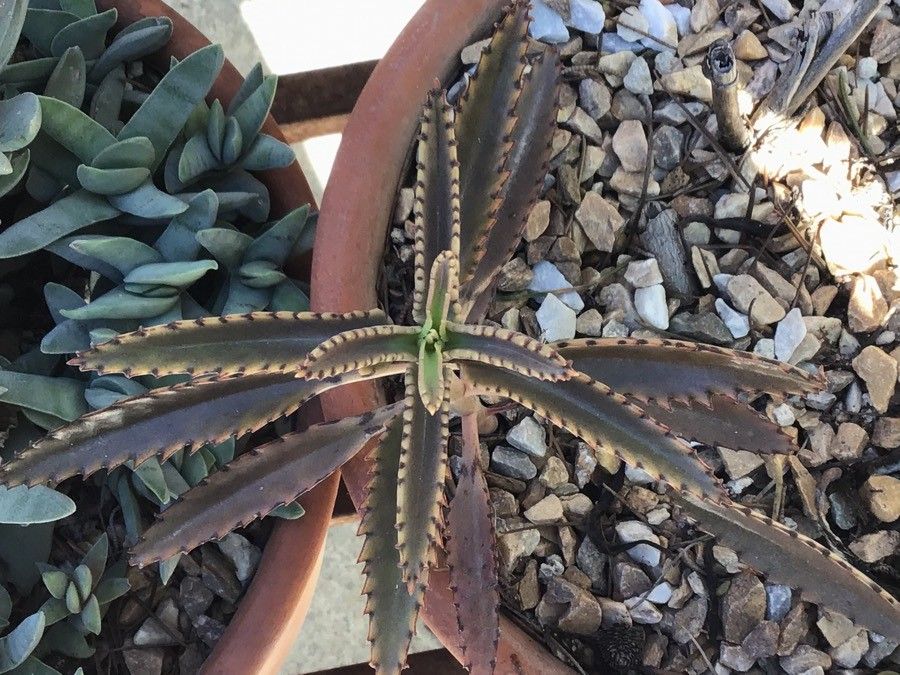
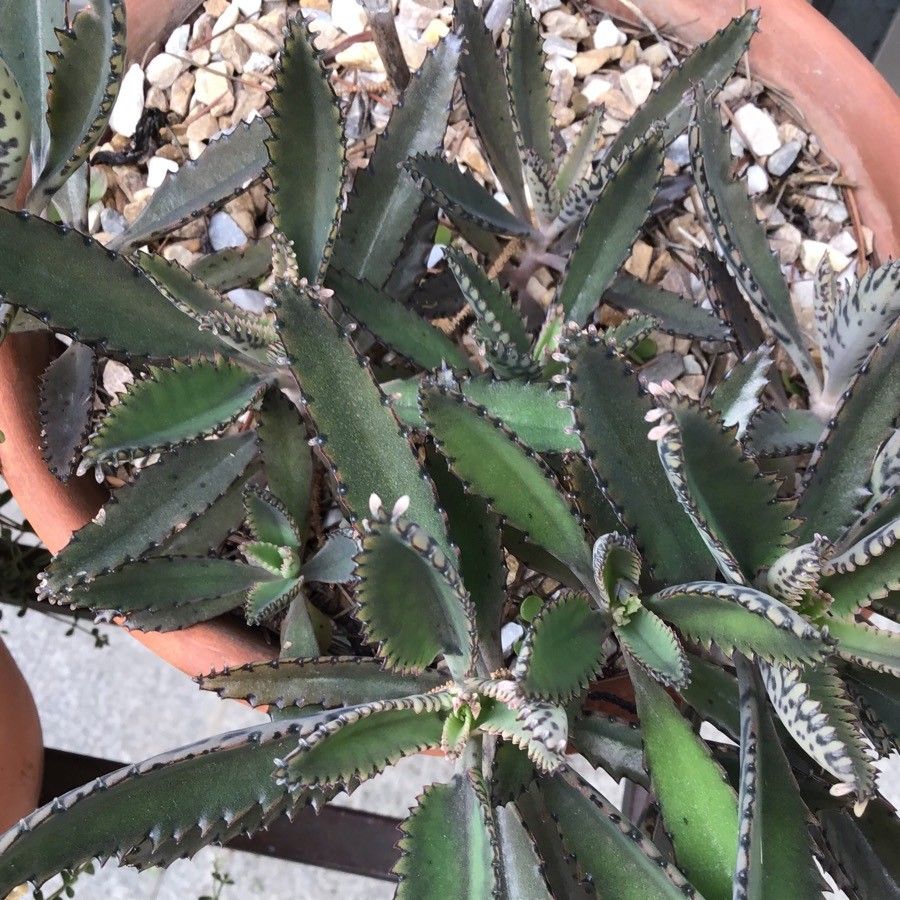
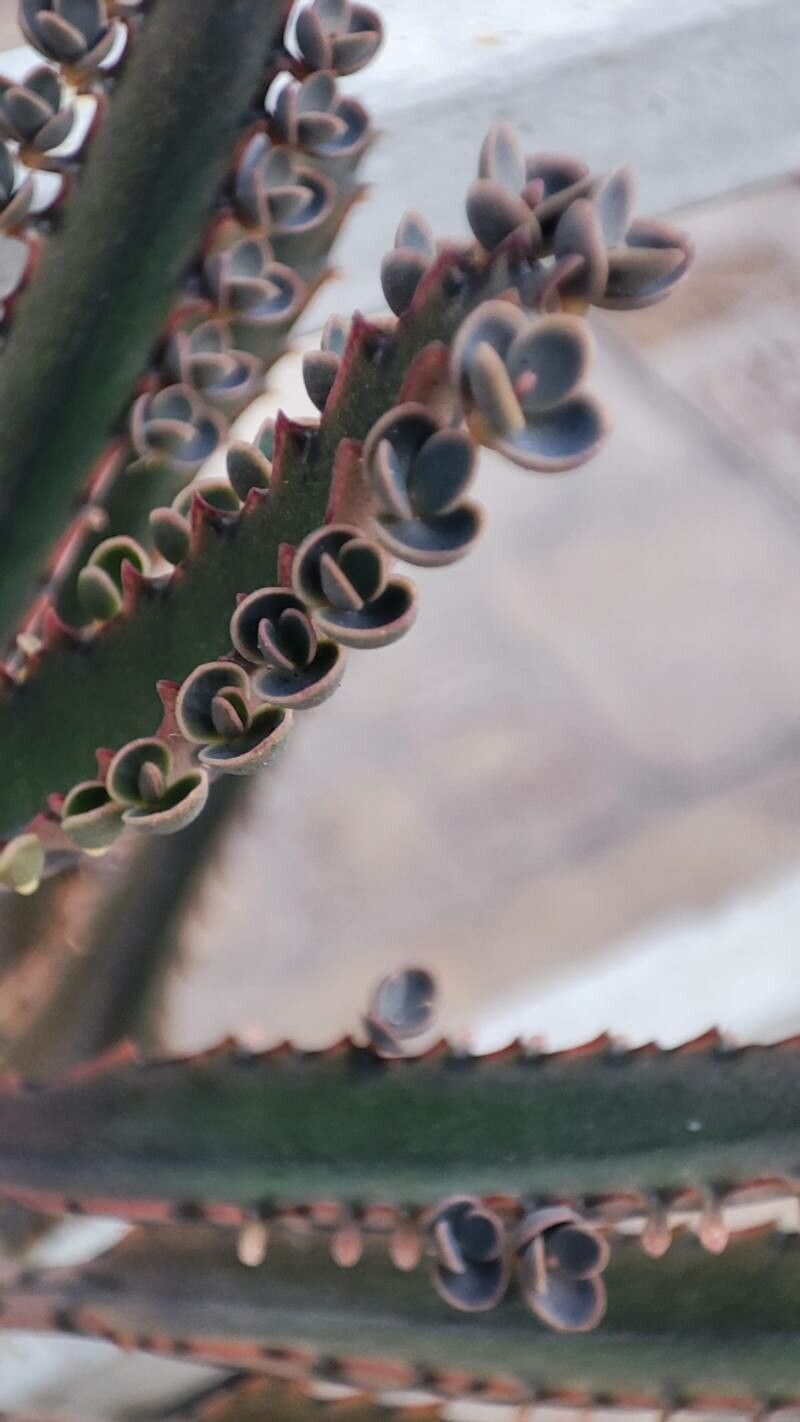
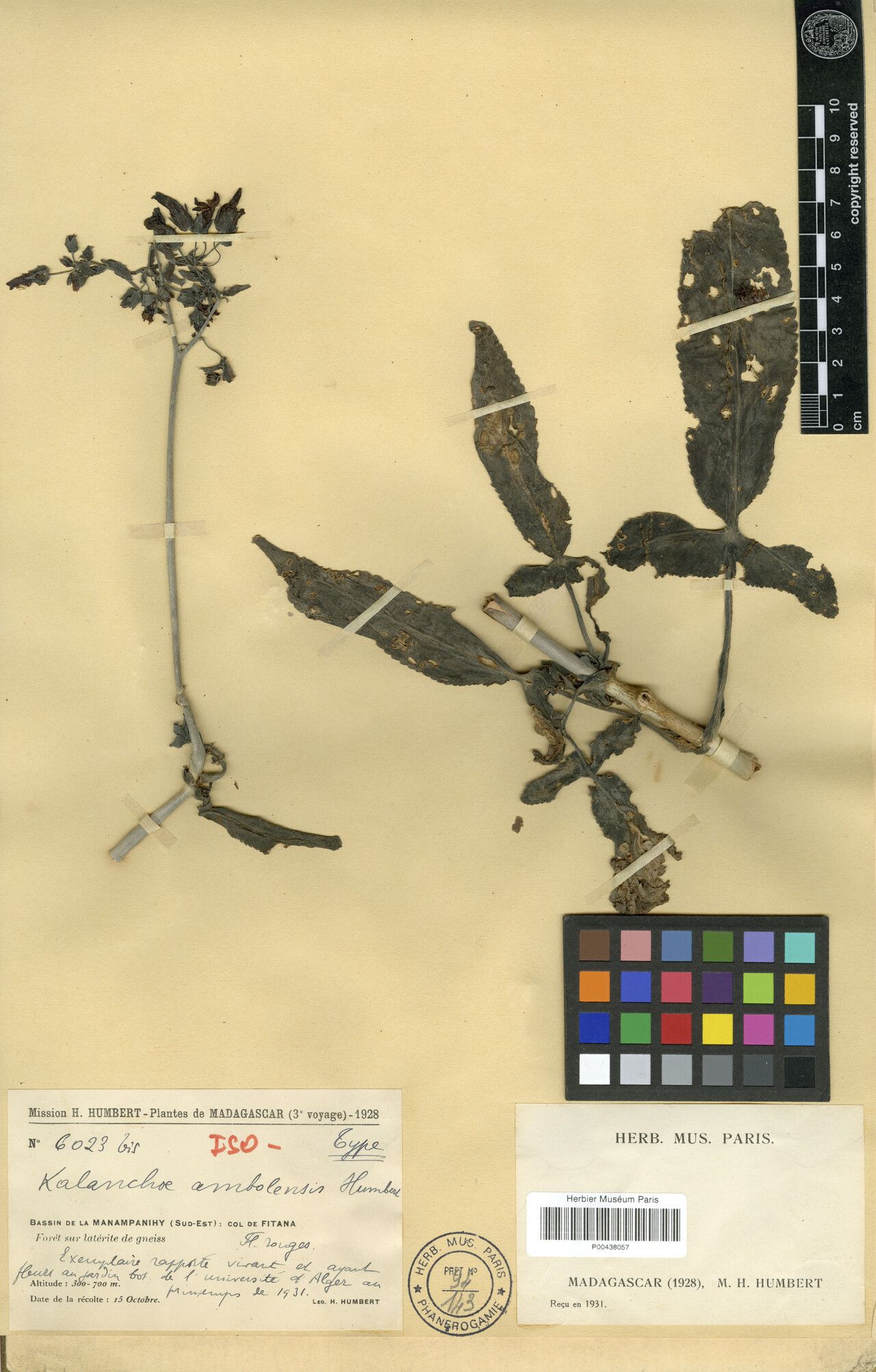
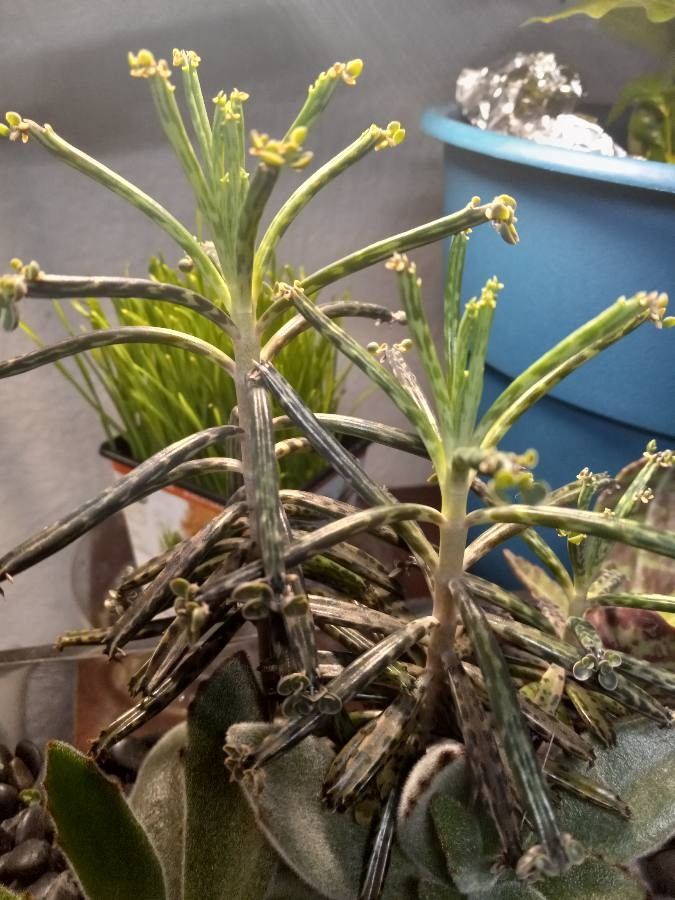
Kalanchoe serrata, commonly known as the "pencil cactus" or "candelabra plant," is a succulent native to Madagascar. It belongs to the Crassulaceae family and is a popular houseplant due to its unique appearance and low maintenance needs.
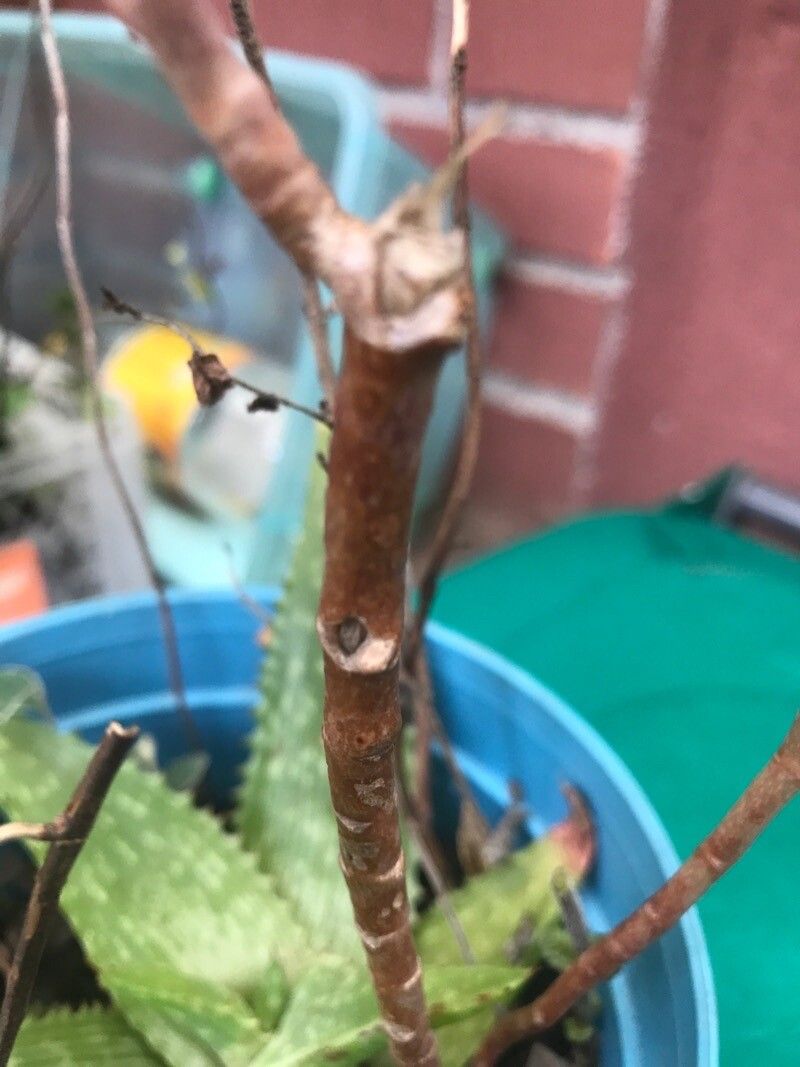
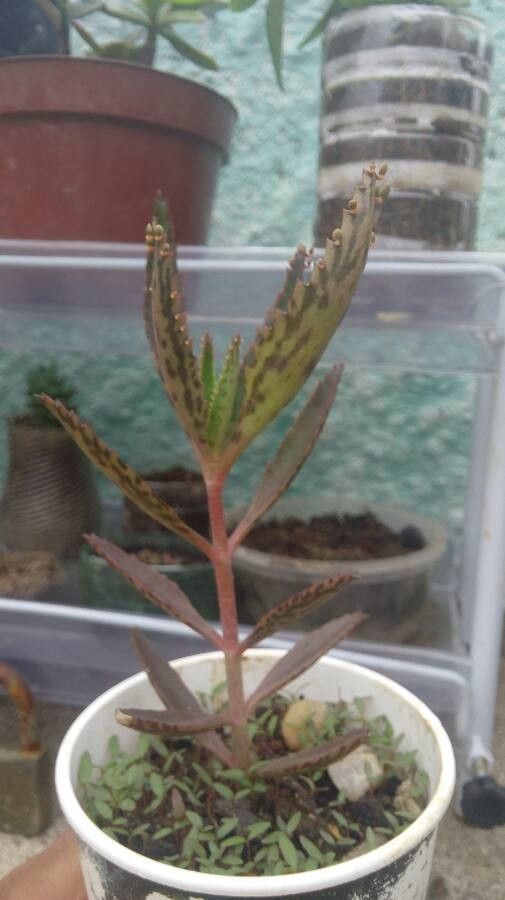
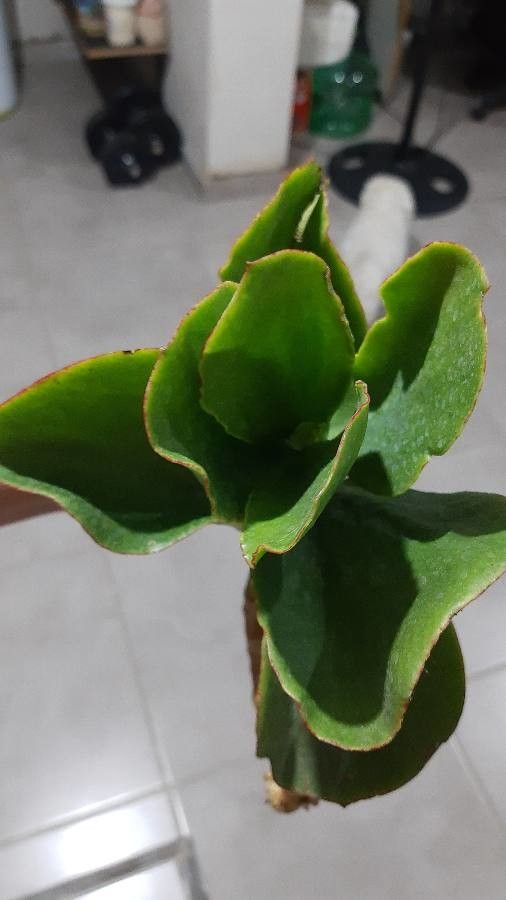
This plant features thick, fleshy stems that grow upright and can reach up to 3 feet in height. The stems are adorned with small, serrated leaves that give it a distinctive candelabra-like look. The leaves are green with red edges, turning reddish-brown under stress.
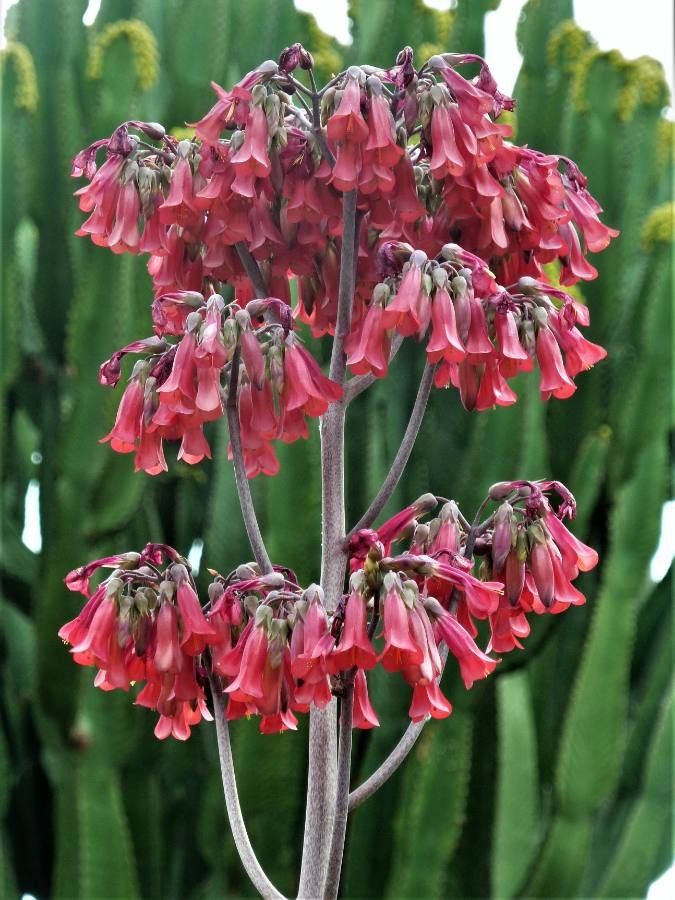
Kalanchoe serrata blooms with small clusters of tubular flowers in shades of pink or red, typically during late winter or early spring. These flowers attract pollinators such as bees and butterflies.
The succulent thrives in bright, indirect light but can tolerate some direct sunlight. It requires well-draining soil and moderate watering during the growing season. During dormancy, the plant should be allowed to dry out between waterings.
Kalanchoe serrata is easy to propagate from stem cuttings, making it an ideal choice for beginner gardeners seeking an interesting addition to their houseplant collection. However, it's important to note that this species contains toxic compounds that can cause skin irritation if not handled properly.
Overall, Kalanchoe serrata is a unique, low-maintenance succulent, perfect for indoor gardening enthusiasts looking to diversify their collection beyond traditional houseplants like pothos or spider plants.
Kalanchoe serrata has moderate disease resistance and is more sensitive to humidity. It becomes vulnerable to disease when humidity is high and is prone to root rot during dormancy. In terms of care, Kalanchoe serrata is drought-tolerant but requires more water during the growing season. Watering should be greatly reduced or stopped entirely during the dormant period. Kalanchoe serrata is suitable for growers with some experience, though it can be challenging to care for, particularly during dormancy. It is especially appropriate for people who can devote time to its care over the winter months.
How to keep Kalanchoe Serrata.
Light
Originating from dry regions, Kalanchoe serrata does best in full sun; its native habitat features intense sunlight and very little shade. It will also tolerate partial sun, providing some flexibility in its growth.
Temperature
Although Kalanchoe serrata tolerates some heat, it mainly does best and grows during the cooler months and goes dormant in summer. In very hot weather, it should be shaded to avoid leaf scorch from strong sun. Watering ought to be cut back or stopped in the hottest period to avoid root rot. Kalanchoe serrata grows vigorously in winter and spring, and will continue steady growth provided temperatures do not fall too low.
Fertilizer
Kalanchoe serrata needs only light fertilizer applications once or twice a year during its active growing season. Do not fertilize in winter or in summer when the plant is dormant. Use less fertilizer on plants that have been repotted and wait a couple of months after repotting before feeding. Fertilizing helps maintain healthy growth and promotes blooming.
Pot & Repot
When repotting Kalanchoe serrata, pick a pot slightly larger than the current one that has good drainage. Use a gritty, well-draining cactus or succulent mix. Gently remove the plant from its old pot, brush off excess soil, and plant it at the same depth. Wait a few days before watering so any root damage can heal. Repot in spring or fall and place it in a brightly lit spot.
Botanical profile.
- Plant Type
- Succulent
- Life Cycle
- Perennial
- Genus
- Kalanchoe
- Family
- Crassulaceae
- Hardiness Zone
- 9-11
- Mature Height
- 30 cm to 61 cm
- Mature Spread
- 20 cm to 40 cm
- Leaf Color
- Light Green, Dark Green
- Leaf Type
- Semi-evergreen
- Flower Color
- Pink, Orange
- Flower Size
- 1.02 cm to 2.03 cm
- Bloom Time
- Winter
- Planting Time
- Summer, Autumn
- Harvest Time
- Late winter, Early spring, Mid spring
- Native Area
- Madagascar
Other names.