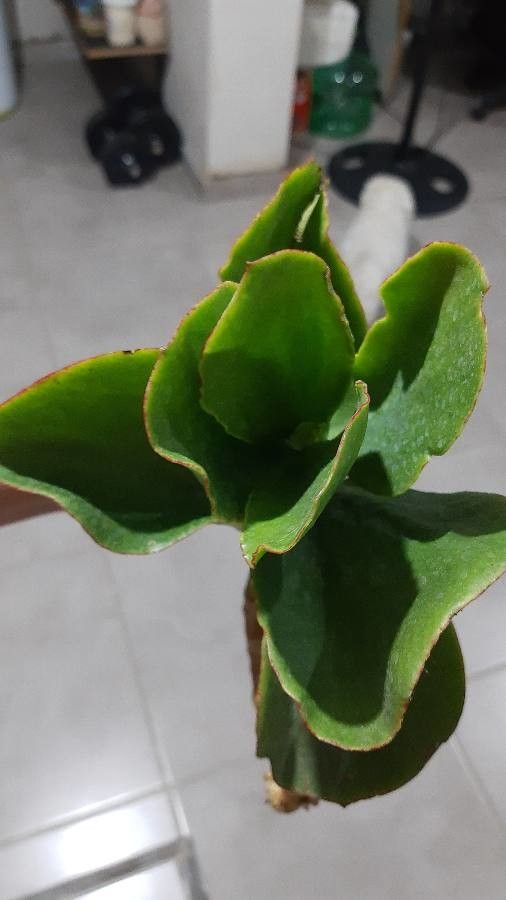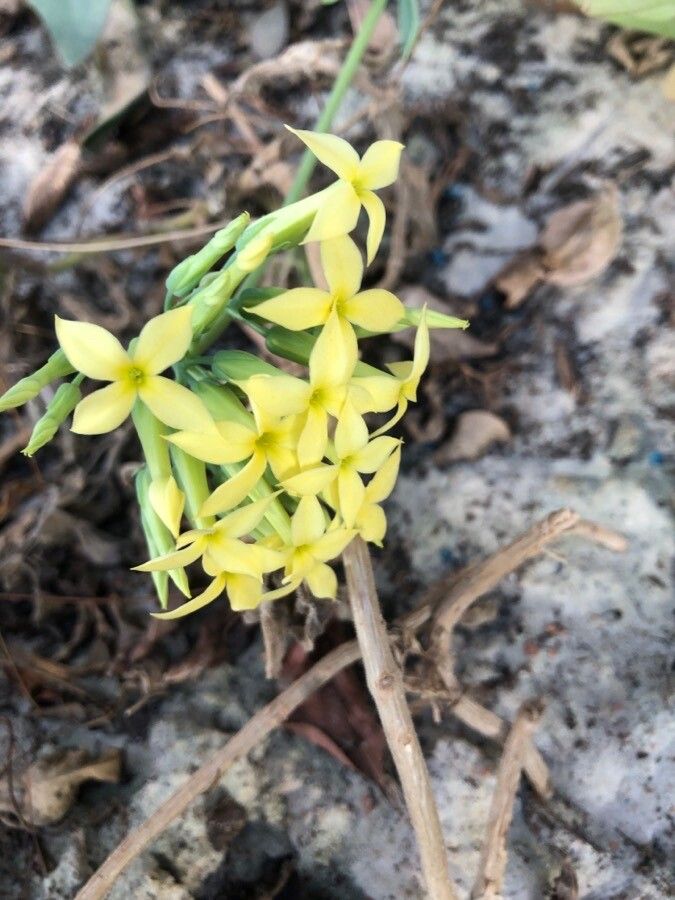
Penwiper plant has moderate disease resistance but is more sensitive to humidity. It becomes susceptible to disease under high humidity and is likely to develop root rot during dormancy. Regarding care, Penwiper plant tolerates drought yet requires more water during the growing season. Watering should be greatly reduced or stopped entirely while the plant is dormant. Penwiper plant is appropriate for growers with some experience, but it can be challenging to care for, particularly in the dormant period. It is especially well suited to people who can spend time tending it during the winter months.
How to keep Kalanchoe Grandiflora.
Light
The penwiper plant grows best when it receives a large amount of sunlight each day. It can, however, survive in a partially sunlit environment. Excessive light can impede its growth by damaging the leaves, while insufficient sun results in less vigorous growth. Its native habitat is marked by abundant sun exposure.
Water
To water a kalanchoe grandiflora effectively, it's important to consider specific conditions instead of following a fixed schedule. Key factors include: - Weather: Reduce watering during dormancy. - Time: Water in the evening during summer. - Plant Condition: Watch for signs on the leaves that indicate watering needs. - Soil Moisture: Check the moisture level before watering. - Pot Type: Air-permeable pots require more frequent watering.
Temperature
The penwiper plant grows naturally in warm conditions and does well in temperatures from 68 ℉ (20 ℃) to 100.4 ℉ (38 ℃). This species prefers a steady temperature near 75 ℉ (24 ℃) but can tolerate cooler conditions so long as they do not go below 50 ℉ (10 ℃). In winter, it is important to set temperatures between 60 and 75 ℉ (16 to 24 ℃) to encourage healthy growth.
Fertilizer
For the Penwiper plant, light doses of fertilizer 1-2 times a year during the growing season are sufficient. Avoid fertilizing in winter and in summer when the plant is dormant. Reduce fertilizer for plants that have been repotted and wait a couple of months after repotting before fertilizing. Fertilizing supports healthy growth and encourages blooms.
Pruning
Kalanchoe grandiflora is known for its succulent leaves and vibrant flowers. To keep this plant healthy and well-shaped, prune it in early spring. During pruning, remove any dead stems and leggy growth, as this encourages fresh growth and increases air circulation, which helps reduce the risk of disease. Always use sterilized tools for pruning to ensure the plant remains healthy and visually appealing.
Pot & Repot
When repotting a Penwiper plant, choose a pot slightly larger than the current one that provides good drainage. Use a gritty, well-draining succulent or cactus mix. Gently remove the plant from its old pot, brush away excess soil, and place it at the same planting depth. Wait a few days before watering so any root damage can heal. Repot in spring or fall and set the plant in a brightly lit spot.
Botanical profile.
- Plant Type
- Succulent, Herb
- Life Cycle
- Perennial
- Genus
- Kalanchoe
- Family
- Crassulaceae
- Hardiness Zone
- 10-12
- Mature Height
- 30 cm to 37 cm
- Mature Spread
- 37 cm to 52 cm
- Leaf Color
- Green, Silver, Purple
- Leaf Type
- Evergreen
- Flower Color
- White, Pink
- Flower Size
- 3.05 cm
- Bloom Time
- Spring
- Planting Time
- Spring, Summer, Autumn
- Harvest Time
- Early summer, Mid summer
- Native Area
- Somalia, Sudan, Rwanda, Ethiopia, Eritrea, Kenya, Congo (DRC), Tanzania
Reader questions.
What are the sunlight requirements for Kalanchoe grandiflora?
Kalanchoe grandiflora, also known by its botanical name Kalanchoe grandiflora, thrives in conditions that meet its sunlight requirements. For optimal growth, it requires full sun, which means it should receive above 6 hours of sunlight daily. However, it can also tolerate partial sun, which is about 3-6 hours of sunlight. It's essential to observe the movement of sunlight through your garden to ensure you choose locations that offer the right balance of light and shade, fostering your plant's well-being.