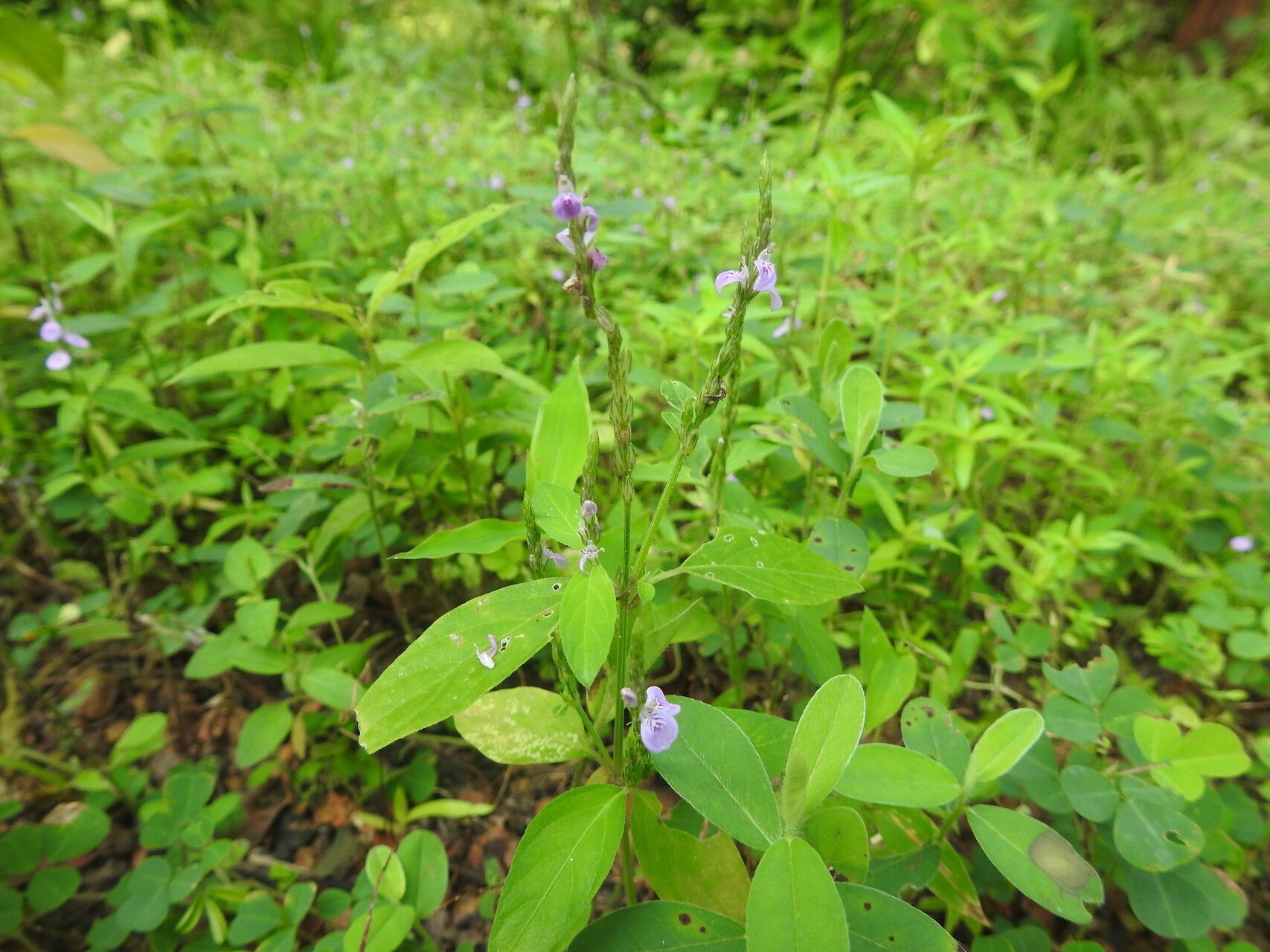
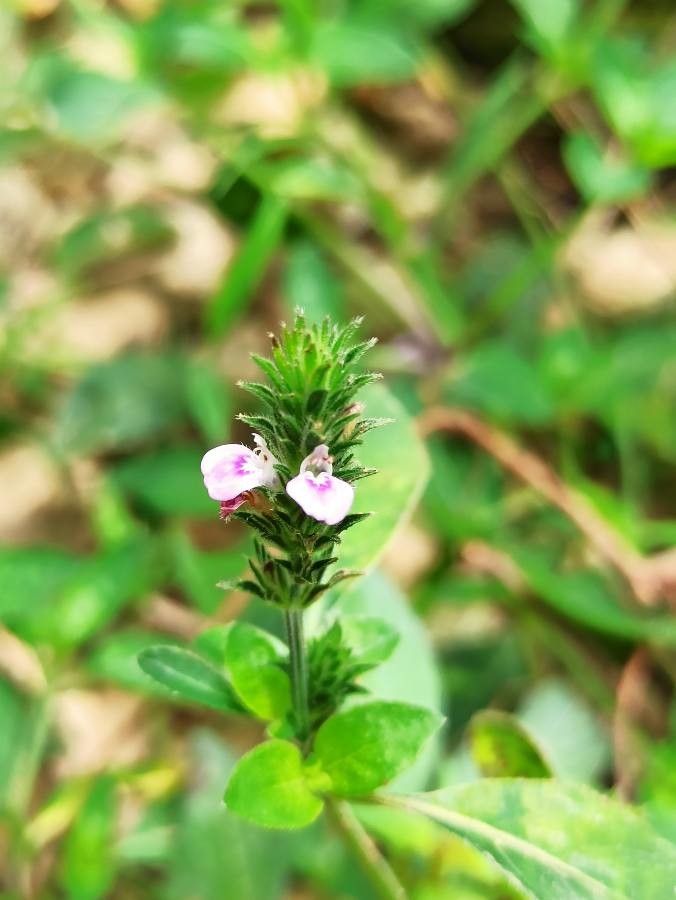
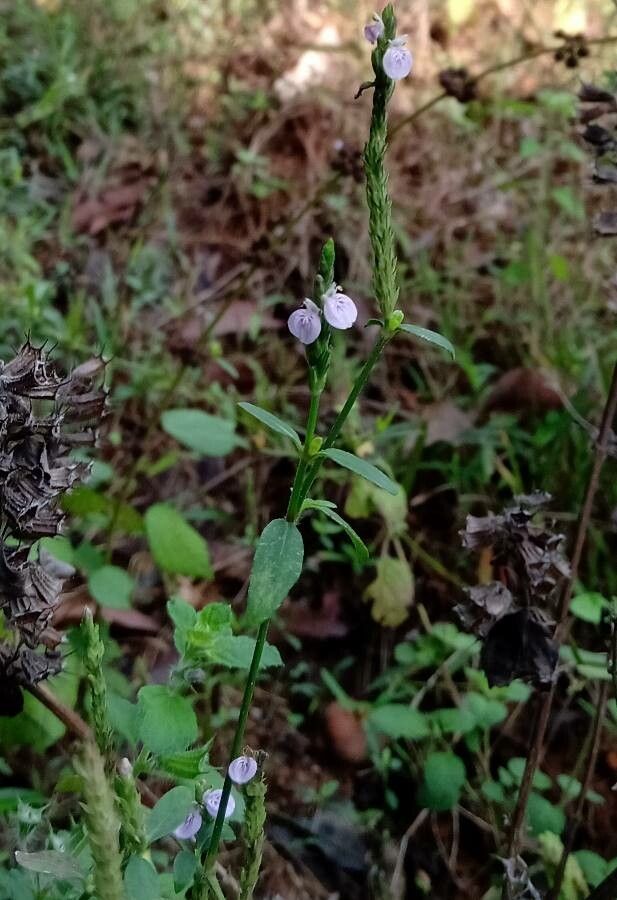
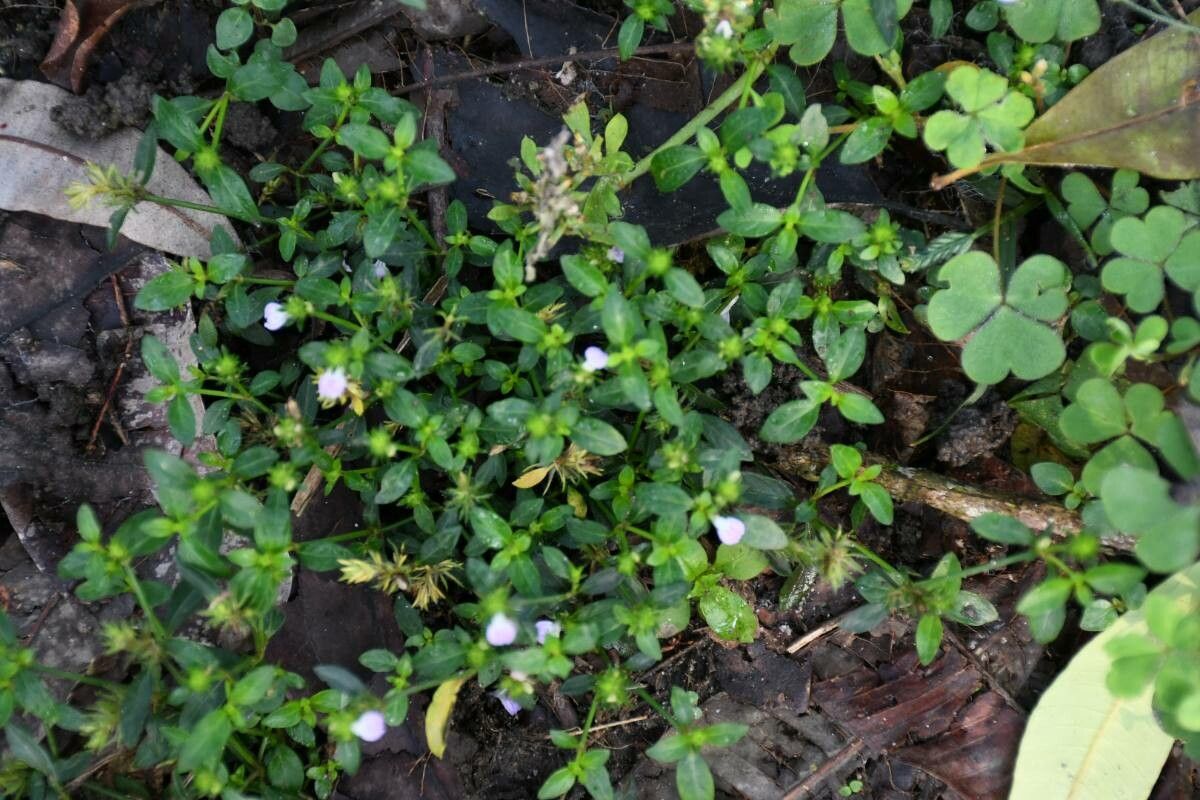
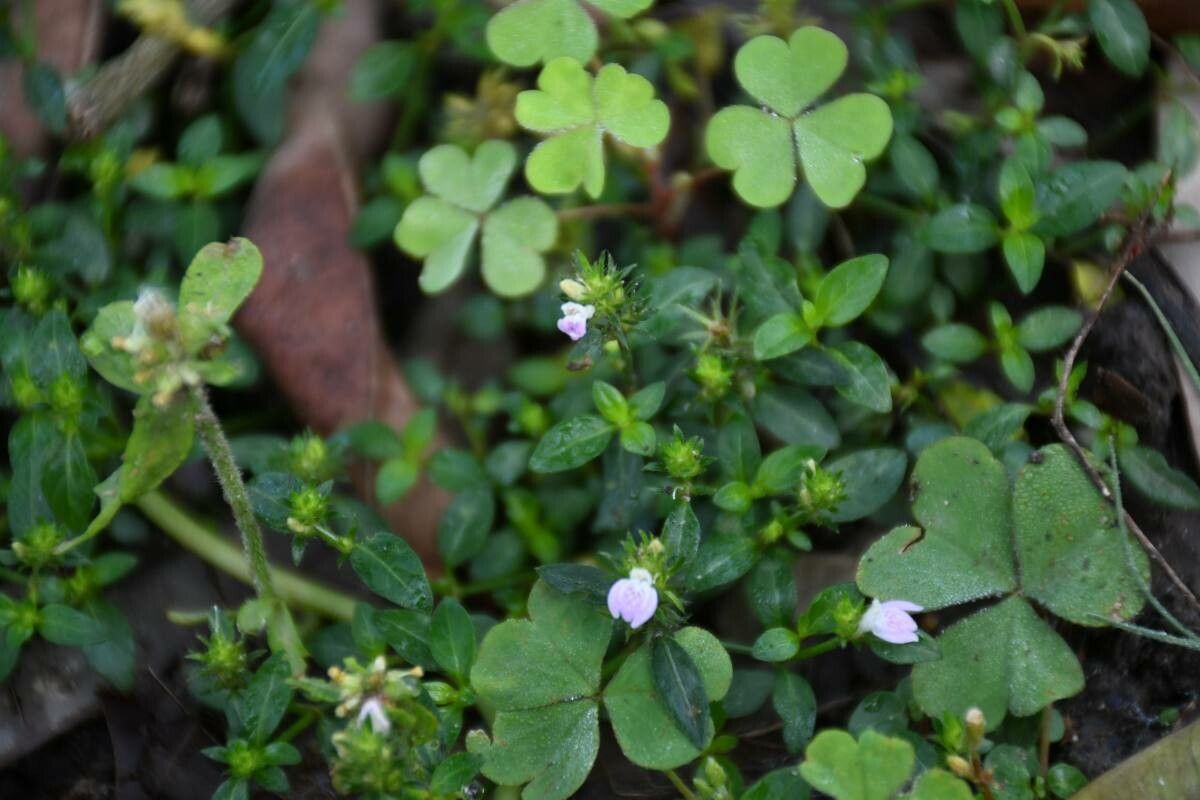
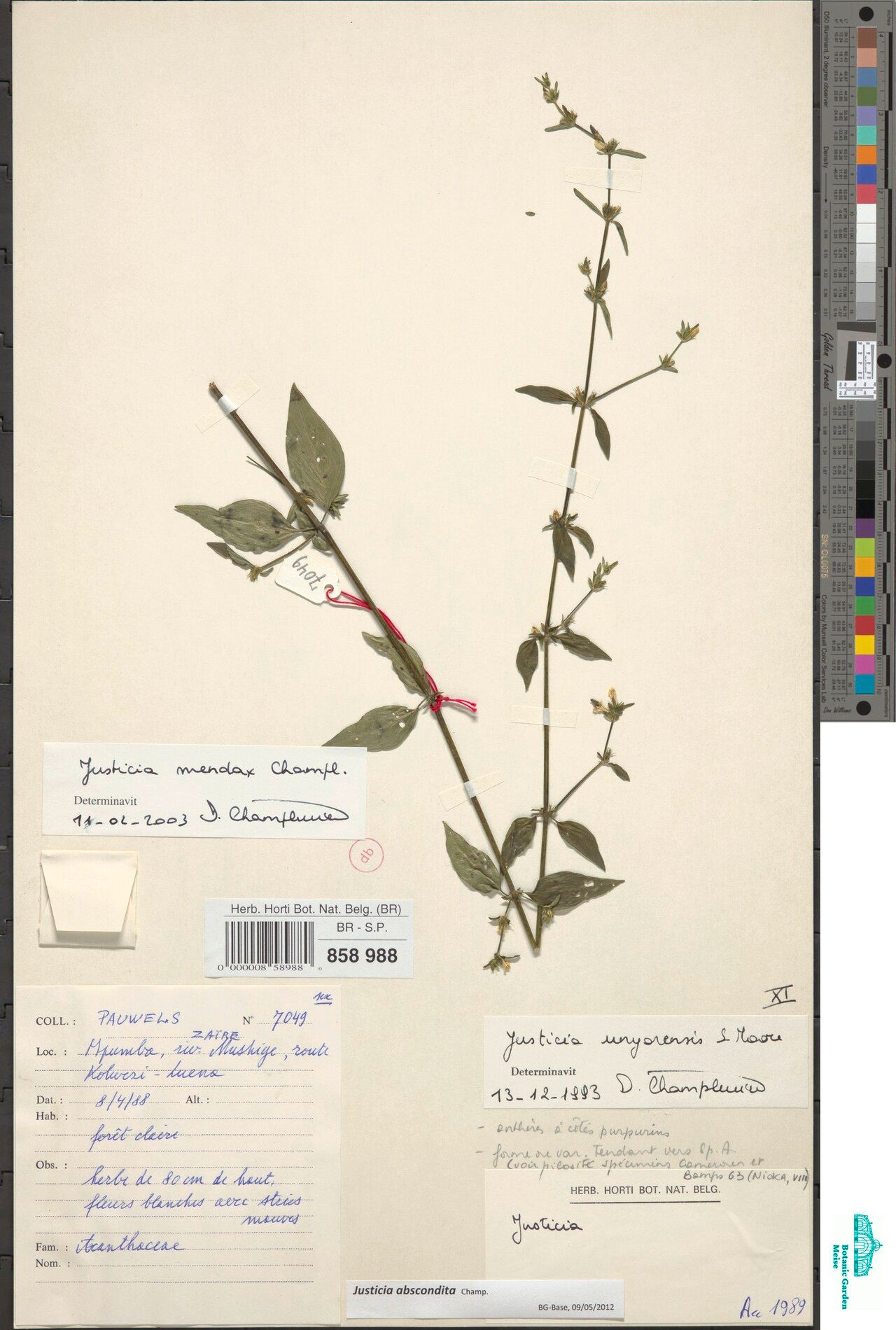
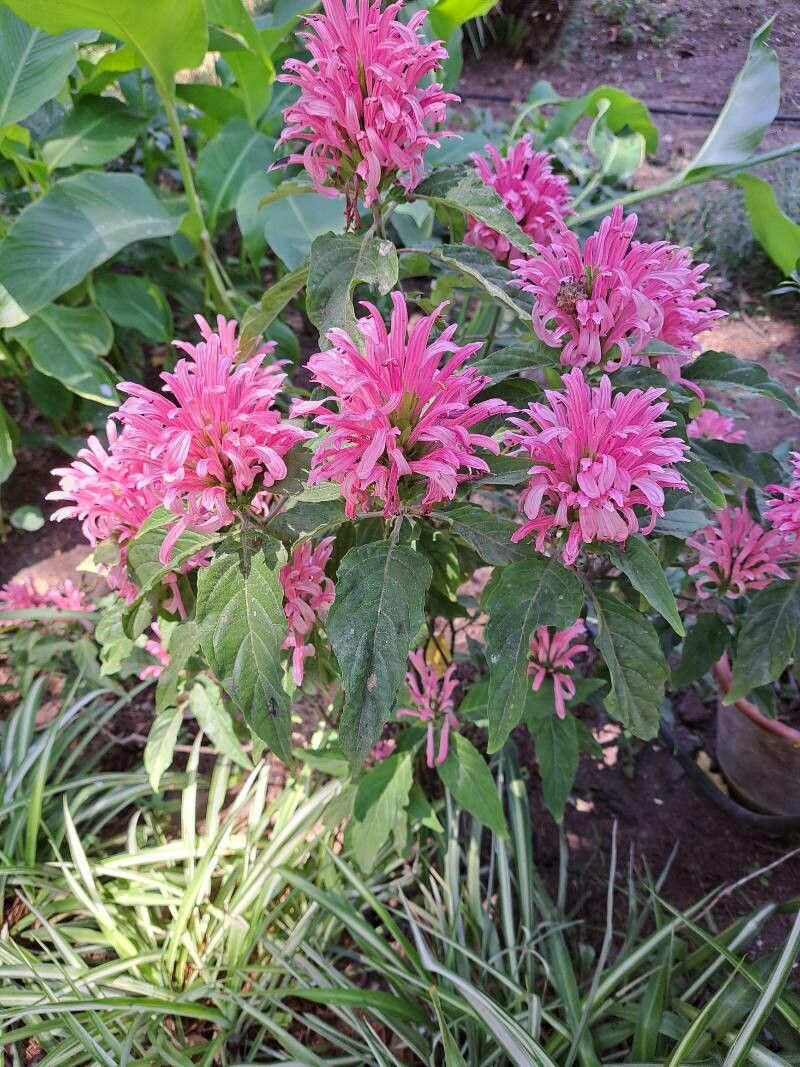
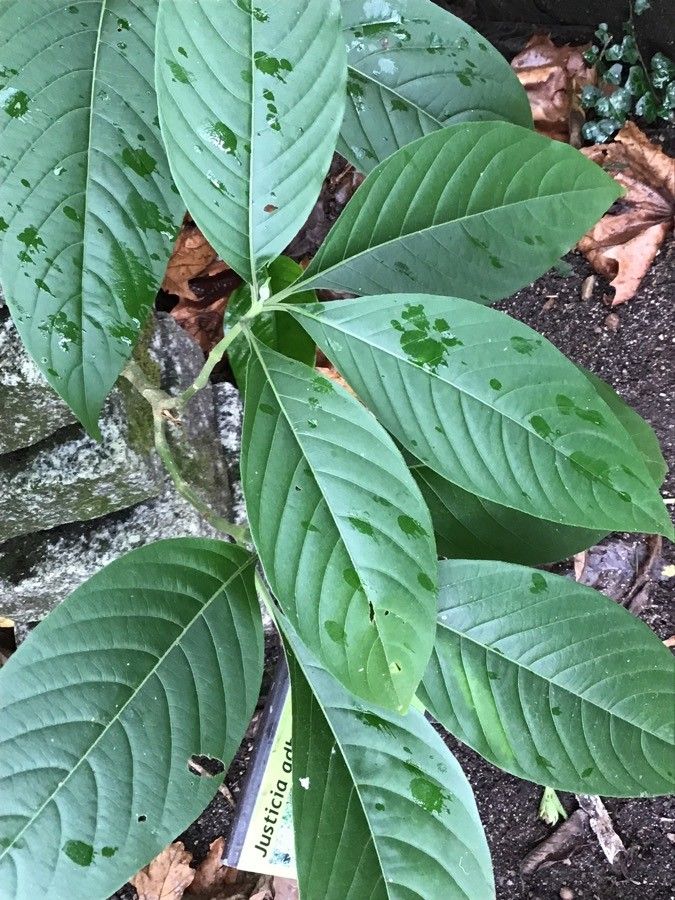
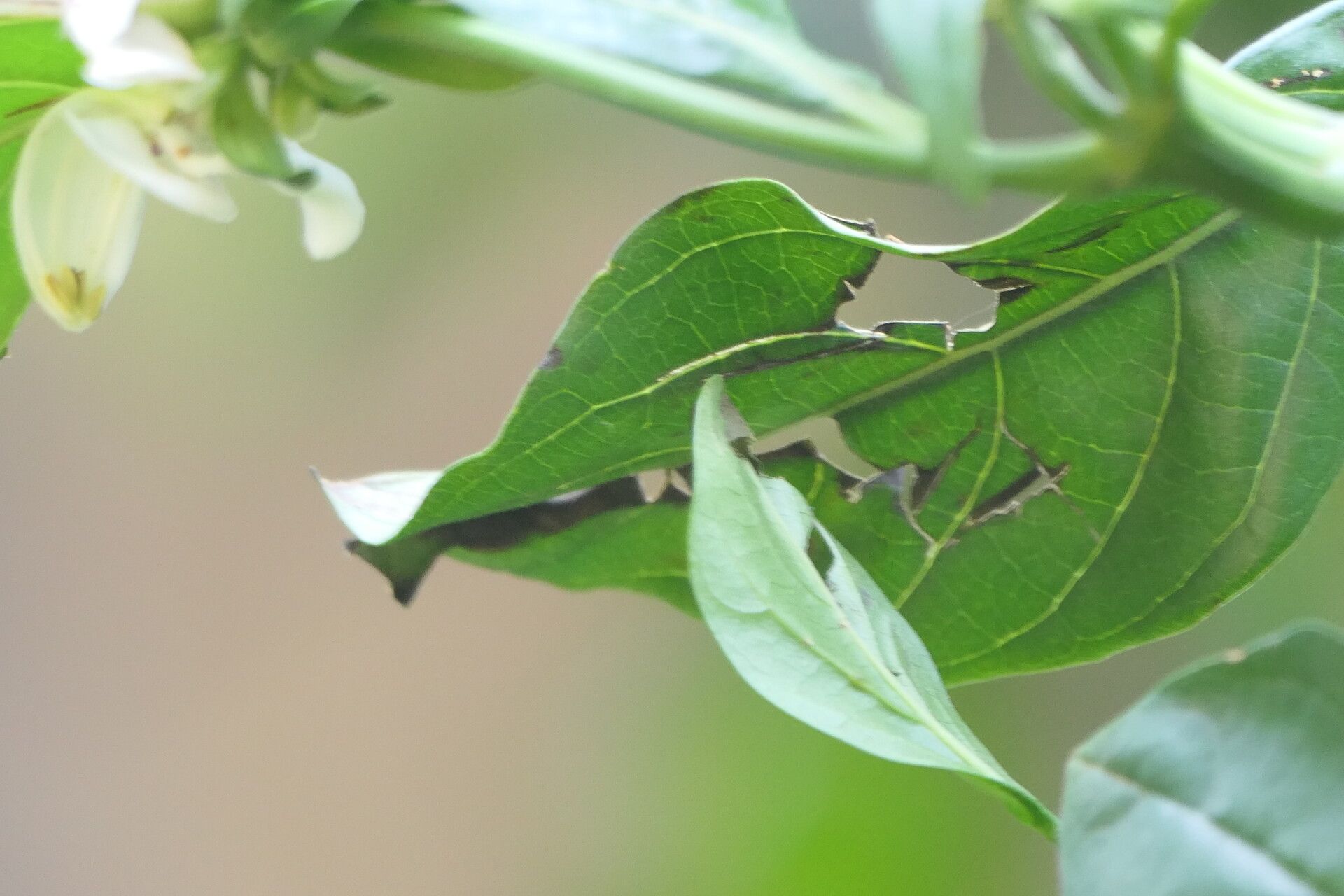
Justicia procumbens, commonly known as water willow, (Marathi: करंबल Karambal, पित्तपापडा Pitpapada, कलमाशी Kalmashi)(Tamil:கோடகசாலை--kOdakasAlai), is a small plant native to India. Justicia procumbens is a higher altitudes plant found commonly in humid areas. The juice of leaves is squeezed in the eyes in case of ophthalmia.
Water willow has strong disease resistance and is generally not prone to ailments. Nevertheless, it can be susceptible to pests and diseases present in its surroundings. These infections are generally not severe. Regarding care, this plant requires moderate maintenance. It needs regular pruning to keep a good appearance and support healthy growth. Fertilizing can also help encourage flowering. Water willow is suitable for anyone with outdoor space, such as a garden or patio, and does not demand extensive care experience. It may need more attention when grown indoors.
How to keep Justicia Procumbens.
Light
Water willow grows best when it gets plenty of light during the day, similar to its native habitat that has large sunny areas. Too little light can impede healthy growth, while too much may cause potentially harmful effects.
Water
Water willow, a plant native to tropical rainforests, thrives in humid environments. It requires consistent moisture and benefits from weekly watering to maintain optimal health. When grown indoors in containers, the humidity levels can be better controlled, which is crucial for the plant to flourish.
Temperature
Water willow is native to areas with moderate climates. It prefers temperatures from 68 to 95 °F (20 to 35 ℃) and does well under those conditions. If seasonal temperatures drop below or climb above that range, modest adjustments to its environment can assist its growth.
Fertilizer
Water willow benefits from regular, dilute applications of fertilizer to encourage healthy leaf growth. Fertilize Water willow about once a month during the summer. Nitrogen is essential for foliage, and adding nitrogen-rich sources helps Water willow thrive.
Pruning
Water willow is a low-growing perennial plant known for its vibrant lilac flowers. To shape the plant and promote healthy growth, prune it in early to late spring. During pruning, remove any dead stems and trim back long branches. Be sure to use clean tools for the task and avoid pruning in late fall, as this can protect new growth from potential winter damage.
Botanical profile.
- Plant Type
- Herb
- Life Cycle
- Annual
- Genus
- Justicia
- Family
- Acanthaceae
- Hardiness Zone
- 4-10
- Mature Height
- 20 cm to 49 cm
- Mature Spread
- 20 cm to 40 cm
- Leaf Color
- Green, Dark Green
- Leaf Type
- Semi-evergreen
- Flower Color
- Lavender, White
- Flower Size
- 1.02 cm to 3.05 cm
- Bloom Time
- Summer, Early fall, Mid fall
- Planting Time
- Spring
- Harvest Time
- Late summer, Fall, Early winter
Other names.
Reader questions.
What are the sun requirements for Water Willow?
Water Willow thrives best when exposed to ample sunlight throughout the day, ideally in conditions that mimic its native environment, which is abundant in sunlit areas. Specifically, full sun is defined as over 6 hours of sunlight per day, while partial sun refers to about 3-6 hours of sunlight. It's important to observe how sunlight moves through your garden, selecting locations that offer a balance of light and shade to ensure the well-being of your plants.
What is the indigenous climate for Water Willow?
Water willow is indigenous to regions with moderate climates, preferring a temperature range of 68 to 95°F (20 to 35°C). It thrives well in these conditions and has strong cold resistance, making it versatile across various seasonal temperatures. While it generally does not require special frost protection measures during winter, it's important to provide cold protection if temperatures are expected to drop below -30°C, for example by covering the plant with soil or straw. Additionally, abundant watering before the first freeze in autumn is recommended to ensure the soil remains moist into winter, helping prevent drought and water scarcity for the plant during the colder months.
How can artificial lighting assist in the growth of indoor Water Willows?
When natural sunlight is insufficient, especially during winter or in spaces with less sun exposure, artificial lights can be vital for the optimal growth of indoor Water Willows. Artificial lighting such as LED lights, which can be customized to provide specific wavelengths needed by plants, is recommended. For full sun plants, 30-50W/sq ft of artificial light is needed, partial sun plants require 20-30W/sq ft, and full shade plants need 10-20W/sq ft. The light source should be placed 12-36 inches above the plant and turned on for 8-12 hours per day to simulate natural daylight hours effectively.
How does Water Willow respond to low temperatures, and what solutions are recommended?
Water willow is notably cold-tolerant and thrives best when temperatures are above 20°C. During winter, it should be kept above 0°C, but it can endure temperatures as low as -30°C without noticeable changes. However, temperatures falling below -30°C can result in a decrease in sprouting or even no sprouting during the following spring. To address this, in spring, it's advisable to remove any parts of the plant that have failed to sprout, supporting its recovery and promoting new growth.
What are the symptoms of inadequate light for Water Willis and how can they be addressed?
When Water Willow is not provided with enough light, it may show symptoms such as smaller new leaves, leggy or sparse growth, faster leaf drop, slower or no new growth, lighter-colored new leaves, chlorosis, sunscald, leaf curling, wilting, and leaf scorching. To combat inadequate lighting, gradually move plants to a sunnier spot each week to receive at least 6 hours of direct sunlight daily. For indoor plants, using a south-facing window or artificial lights like desk lamps or professional grow lights for at least 8 hours daily can provide additional lighting. Outdoors, ensure your plants are gradually adapted to brighter spots to prevent sunburn.
How does Water Willow respond to high temperatures, and what are the solutions for it?
Water willow should ideally be kept below 35°C during the summer months. When temperatures rise above 41°C, the plant may experience stress, indicated by leaves becoming lighter in color, prone to curling, and susceptible to sunburn. In severe cases, the plant may wilt and become dry. To mitigate these effects, trim away the sunburned and dried-up parts of the plant, move it to a shaded location or utilize a shade cloth to protect it from the midday and afternoon sun. Additionally, watering the plant in the morning and evening can help keep the soil moist and reduce heat stress.
How to improve sunlight exposure for Water Willow grown outdoors or in the ground?
For Water Willows grown outdoors or in the ground, improving sunlight exposure involves several strategies. First, reduce any obstructions like trees by pruning branches and leaves to allow more sunlight to reach the plants. For smaller plants, consider transplanting during their dormant period, usually late winter or early spring. Carefully move the plant to a location with better sunlight exposure and good drainage, ensuring the roots and soil ball are undisturbed. Always remember to let your plants gradually adapt to increased sunlight to avoid sunburn.