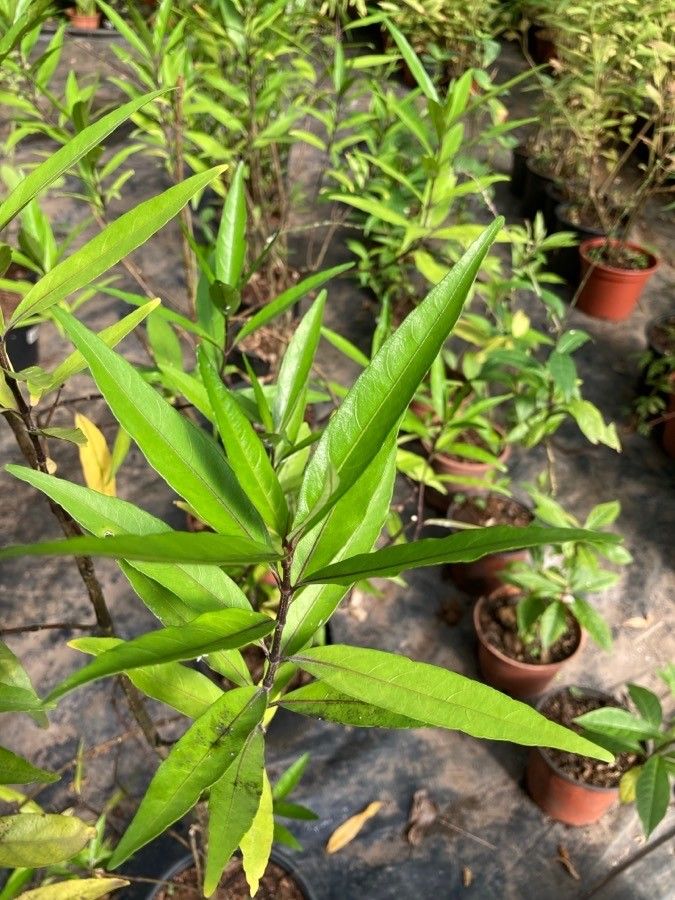
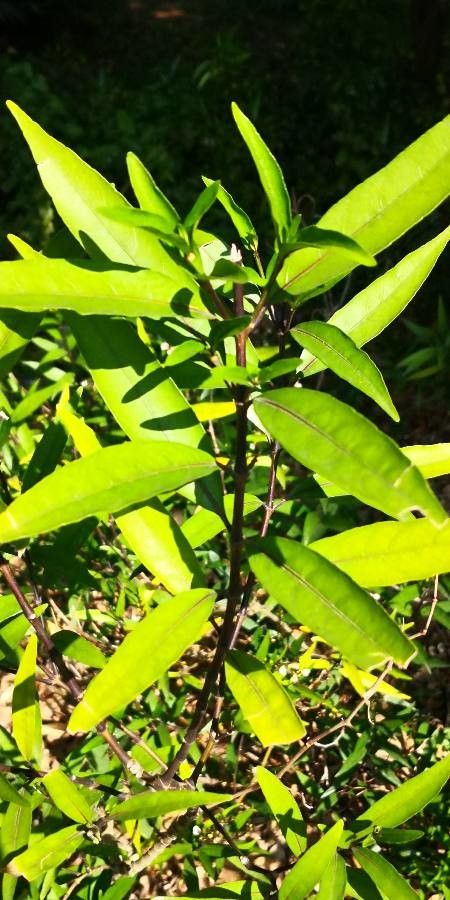
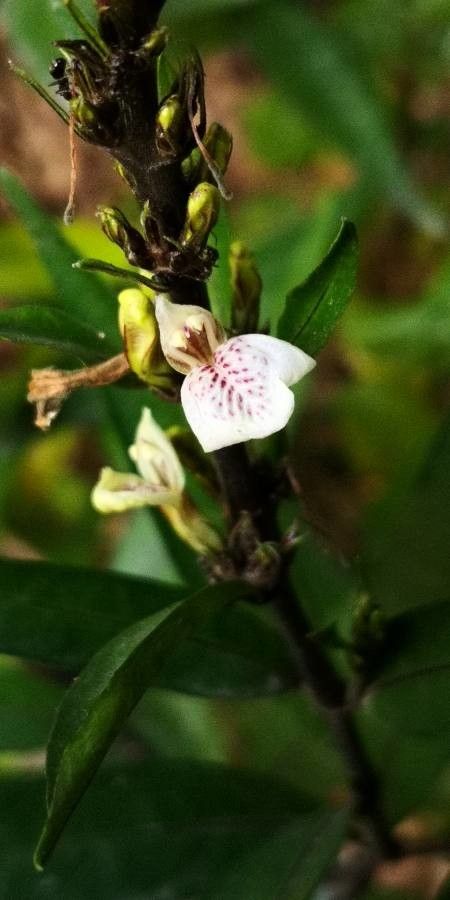
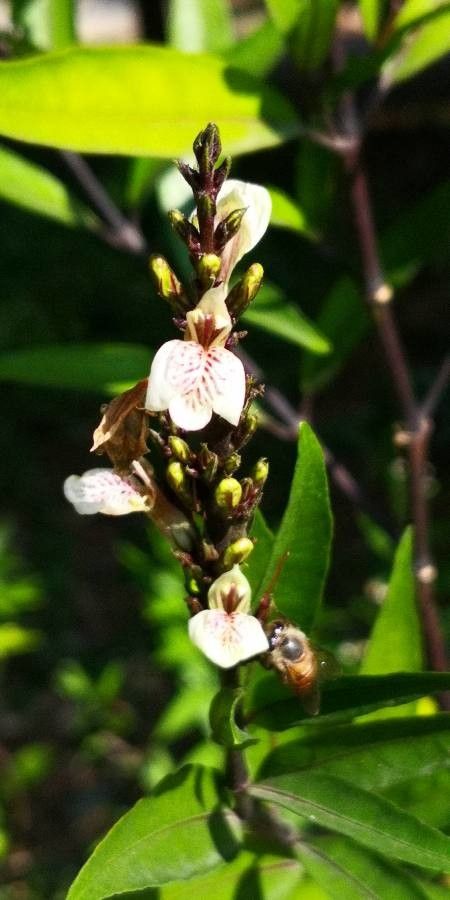
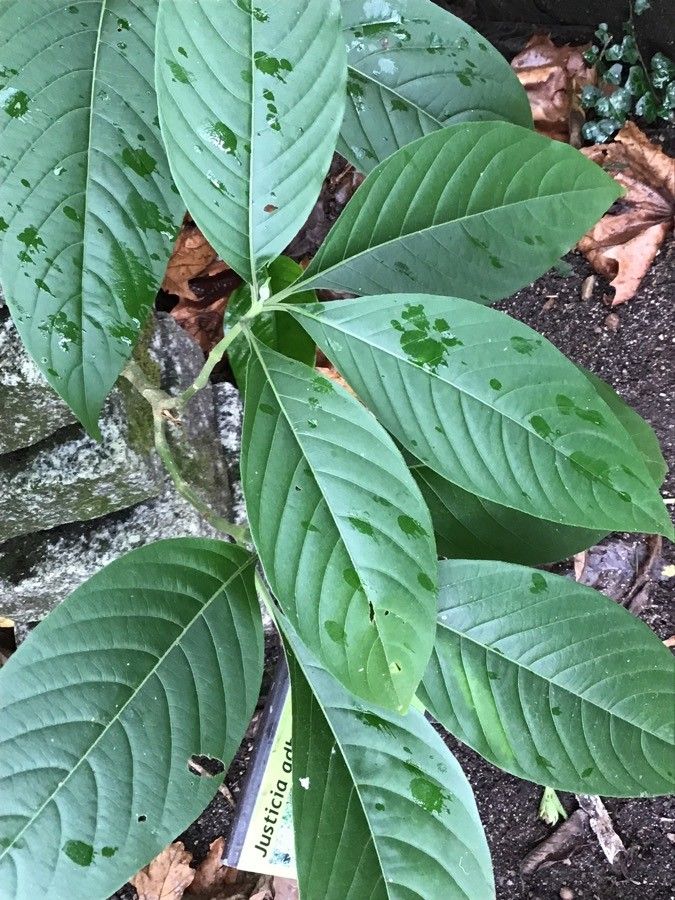
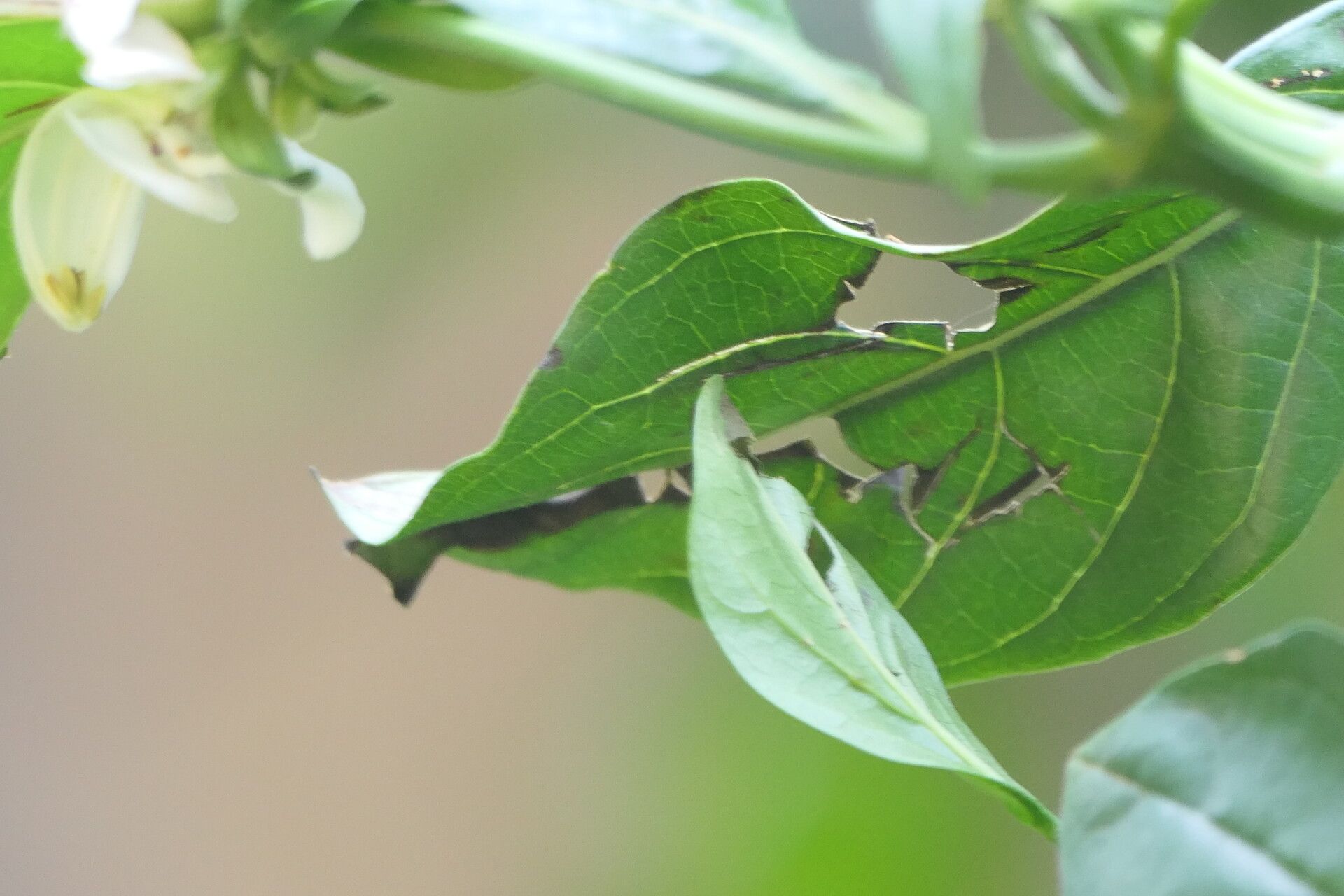
Justicia gendarussa is a medicinal plant from the Acanthaceae family, commonly found in tropical and subtropical regions of Asia, Africa, and Australia. Traditionally, it has been used in Ayurvedic medicine to treat various ailments such as fever, coughs, colds, asthma, and skin diseases.
The leaves of Justicia gendarussa are rich in phytochemicals, including alkaloids, flavonoids, tannins, and phenolic compounds, which contribute to its medicinal properties. Notably, the plant possesses anti-inflammatory properties, making it effective for treating arthritis.
In addition to its anti-inflammatory effects, Justicia gendarussa exhibits antimicrobial activity against a wide range of bacteria, including Staphylococcus aureus, a common cause of skin infections. Furthermore, it has demonstrated antifungal activity against Candida albicans, responsible for conditions like thrush.
Beyond its medicinal uses, Justicia gendarussa is also valued as an ornamental plant due to its attractive, year-round blooming flowers. Overall, Justicia gendarussa is a versatile plant with numerous health benefits, making it a vital resource for traditional medicine practitioners worldwide.
Water willow shows strong resistance to disease and is usually not susceptible to illnesses. Regarding care, this plant is fairly low-maintenance. When grown outdoors it needs minimal watering, and larger specimens usually do not require pruning. Smaller plants, however, should be trimmed once they have finished blooming. Water willowt is well suited for people who have an outdoor area, such as a garden or deck, and it doesn't demand much gardening experience.
How to keep Justicia Gendarussa.
Light
Water willow favors locations with moderate sun exposure but can also thrive in stronger sunlight. Its typical habitat is dappled shade. However, too much sun can lead to sunburn, while too little light can restrict its growth.
Water
Native to humid environments, water willow flourishes in consistently moist conditions and prefers high humidity. To maintain its health, it requires weekly watering. As an evergreen, it thrives outdoors, benefiting from natural rainfall, which helps maintain its lush foliage throughout the year. While it is moderately drought-tolerant, consistent moisture is essential for its optimal growth.
Humidity
This plant needs special care because it loves high humidity levels of 60-80% or more. The best way to achieve this is by placing a humidifier near the plant. Daily misting is also essential! Make sure the room has good ventilation.
Temperature
Water willow is native to areas where temperatures range from 68 to 100 °F (20 to 38 ℃). As a warmth-loving plant, it does best under these conditions. For optimal growth, keep temperatures within this range, lowering them slightly during winter months if needed.
Fertilizer
The best time to fertilize a Water willow is in early spring, when it comes out of dormancy. This encourages overall growth and flower development. Fertilization improves the foliage, stems, and branches, and encourages flowers that are larger, more vibrant, and longer-lasting. It helps transfer nutrients from the roots to the flowers and enhances the plant’s health and resistance to disease.
Pruning
Water willow plants have upright, branched stems and benefit greatly from pruning in late spring. Important practices include removing dead stems and shaping the plant to promote density and flowering. Pruning at this time encourages healthy growth, helps the plant recover, and prevents disease, all of which enhance the plant's overall health and appearance.
Botanical profile.
- Plant Type
- Shrub
- Life Cycle
- Perennial
- Genus
- Justicia
- Family
- Acanthaceae
- Hardiness Zone
- 11
- Mature Height
- 1.22 m to 1.52 m
- Mature Spread
- 61 cm to 91 cm
- Leaf Color
- Green
- Leaf Type
- Deciduous
- Flower Color
- White, Pink
- Flower Size
- 2.54 cm
- Bloom Time
- Late spring, Summer
- Planting Time
- Spring, Autumn
- Harvest Time
- Mid summer, Late summer, Early fall
- Native Area
- Nepal, Sri Lanka, India, Malaysia, Philippines, Madagascar, Bangladesh, Laos, Kenya, Uganda, Tanzania, China, Indonesia, Cambodia, Vietnam, Mozambique, Myanmar, Bhutan, Thailand
Other names.
Reader questions.
What's the best way to water my Water willow plant?
To promote excellent root development, place a garden hose at the base of the plant. Avoid spraying the leaves directly, as this can lead to overwatering. If the plants are outdoors and exposed to direct sunlight, the leaves may need more water. You can use bubblers or soaker hoses to moisten the roots of each plant. When adding or removing plants, use soaker hoses that cover the entire garden or bed to ensure deep root growth. After watering, make sure to drain any excess water and allow the soil to dry before watering again. Watering at ground level is advised to prevent diseases. On a sunny day, you can spray the entire bush with water. Whether the plant is potted or in-ground, remember that Water willow prefers deep watering rather than light sprinkling.
Why should I put fertilizer on my Water willow?
To ensure the overall health and well-being of your Water willow, fertilization plays a crucial role. By providing sufficient energy and nutrients, your Water willow will develop a healthy foliage and strong stems and branches. Gardeners particularly value the flowers of a Water willow, and thankfully, fertilization also contributes to the production of large, vibrant, and long-lasting flowers. This is because the right fertilizer facilitates the transfer of fuel from the roots to the stems and flowers of the plant. Additionally, proper fertilization improves the plant's overall health, making it more resistant to diseases.
What are the sunlight requirements for plant growth?
Plants require varying amounts of sunlight to thrive. Partial sun means a plant needs about 3-6 hours of sunlight, while full sun requires above 6 hours of sunlight daily. It’s essential to observe the sunlight movement through your garden to find spots that offer the right balance of light and shade, promoting healthy plant growth.
What is the optimal temperature range for growing Water willow?
Water willow, with its botanic name Justicia gendarussa, flourishes in a temperature range of 68 to 100°F (20 to 38°C). This warmth-loving plant achieves optimal growth when maintained within this temperature range. It's crucial to slightly lower the temperature during the winter months, ensuring it remains above 20°C to facilitate continued growth. Any temperatures nearing 10°C can harm the plant. Therefore, during autumn and before the onset of cold weather, it's advisable to move Water willow indoors to a location near a bright window, yet kept away from direct heat sources such as heaters.
What should I do if I give too much/too little water to the Water willow plant?
An overwatered Water willow can show symptoms such as yellowing and wilting leaves, as well as a dull and unhealthy appearance with mushy stems. It's important to adjust your watering schedule when these signs appear. However, wilting can also indicate under watering, with crispy and dry leaves instead of soft and wilted ones. If the soil is dry and watering alone is not enough, give the plant a thorough watering. While this will help the Water willow recover, it may still have dry and yellow leaves due to a damaged root system. Once the plant returns to normal, the yellowing leaves will stop. Indoors, always check the moisture levels and avoid overwatering. If you notice black spots, allow the soil to dry out for a few days before watering again. Overwatering can cause root rot, so if you see discolored and slimy roots, consider transferring the plant to a different pot. Preventing root rot is crucial, so avoid letting the soil become too soggy. When planting the Water willow outdoors, check the moisture level by using your fingers to feel if the soil is too dry. Adequate watering is necessary for the plant's recovery.
When should I put fertilizer on my Water willow plant?
The best time to fertilize a Water willow is in early spring when it is exiting its dormant phase and getting ready to bloom. This will provide the plant with the energy it needs to grow and develop flowers. However, it is also beneficial to give it another feeding in the fall, although not as large as the spring feeding. Some gardeners choose to fertilize the Water willow during planting, but it's not always necessary.
How do essential conditions like sunlight affect water willow growth?
Water willow prefers moderate sun exposure but can also grow well under more intense sunlight, favoring environments with dappled shade. In strong sunlight, there's a risk of sunburn, and too little sun can restrict growth. Artificial lighting can support growth where natural sunlight is lacking, using LED lights to provide optimal wavelengths. The amount of artificial light needed varies by plant type, with full sun plants requiring 30-50W/sq ft, partial sun plants 20-30W/sq ft, and full shade plants 10-20W/sq ft. The artificial light should be placed 12-36 inches above the plant for 8-12 hours a day to mimic natural sunlight.
How does low temperature affect Water willow and what are the solutions?
Water willow is not tolerant to low temperatures and best thrives above 20°C, requiring to be kept above 10°C during the winter to avoid damage. Exposure to temperatures below 5°C can lead to symptoms like lightening of the leaves which, following frost damage, may turn brown or black alongside wilting and drooping. To counteract frost damage, affected parts should be trimmed off, and the plant should be moved indoors to a warmer environment. Placing the plant near a south-facing window can ensure it gets ample sunlight without the risk posed by proximity to heaters or air conditioning vents, which could overly dry the air around the plant.
How frequently do I need to water my Water willow plant?
The Water willow prefers deep and infrequent watering. When planted in pots, it is important to soak them in a gallon of water each time, as the soil tends to dry out faster in containers. In a colder region, watering is needed every 3 to 5 days. It is best to water the plant in the morning when the soil is dry, whether it is kept indoors or outdoors. To determine if watering is necessary, check the soil inside the pot. When the top 2-3 inches of soil are dry, it's time for a full watering. On hot days, it may be necessary to check the moisture daily, as the soil can dry out quickly in the pot. If you have a garden, irrigation of the soil is essential too. In a hot climate, watering once a week is recommended. Only water when you observe that about 2 to 3 inches of soil have become too dry, both indoors and outdoors. Take into account the amount of rainfall the plant receives and avoid overwatering to prevent root rot. Water willow typically grows during spring and fall. When planted outdoors, adding 3 to 4 inches of mulch helps conserve water. Sandy soil requires more frequent watering as it drains faster. On the other hand, clay soil needs less frequent watering, with intervals of 2-3 days to allow the plant to dry without developing root rot. It can be helpful to mark the date on a calendar when watering occurs or when you notice the leaves starting to droop, as this may indicate that watering is needed sooner.
When is the best time to not fertilize my Water willow?
Water willows, like many plants, do not require fertilization during the winter since they are in a dormant phase and do not need additional energy for growth. It is important to avoid fertilizing during this time to prevent overfertilization. The optimal feeding periods for Water willows are in early spring and fall. This means that during most of the spring and summer, fertilization is not necessary. Additionally, if the plant is exposed to excessively hot or dry conditions, it is advisable to withhold feedings.
What are common symptoms of improper sunlight exposure in water willow?
Water willow may exhibit various symptoms when exposed to inadequate light. These include smaller new leaves, leggy or sparse growth, faster leaf drop, halted growth, paler new leaves, chlorosis (yellowing leaves), sunscald (sun damage on leaves/stems), leaf curling (to minimize sunlight exposure), wilting (due to water loss), and leaf scorching (brown, dry edges on leaves). These symptoms indicate either too much or too little sunlight.
What should be done if Water willow is exposed to high temperatures?
During summer, it's advised to keep Water willow's exposure to temperatures below 38°C to prevent heat stress. Temperatures above 43°C may lead to lighter leaf color and increase sunburn susceptibility. In such cases, trimming the sunburned and dried parts of the plant can be beneficial. Relocating the plant to a shaded area that avoids the intense midday and afternoon sun can protect it. Additionally, watering the plant in the morning and evening will help keep the soil adequately moist, mitigating the effects of high temperatures.