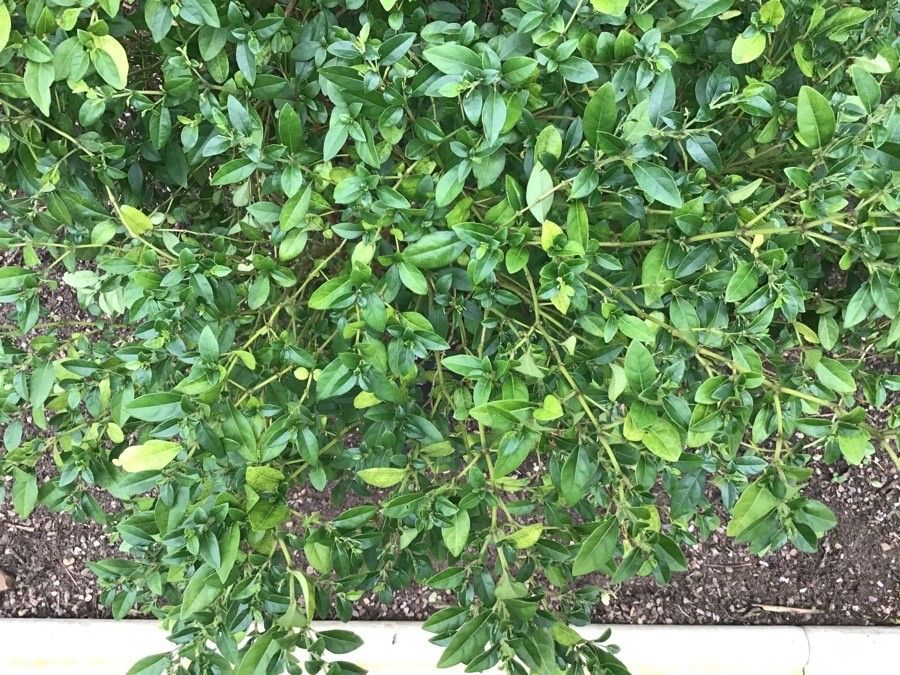
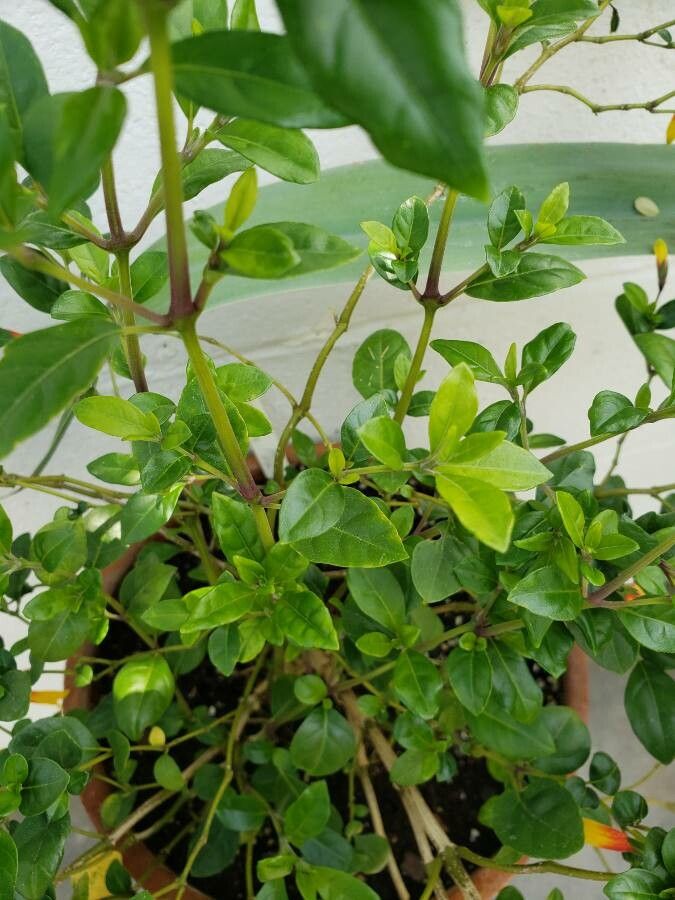
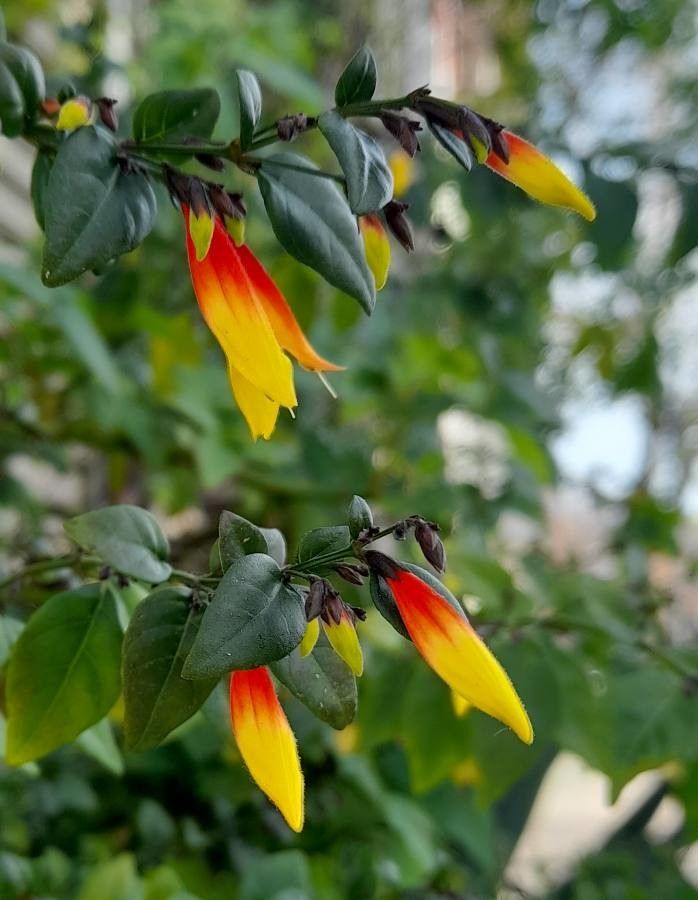
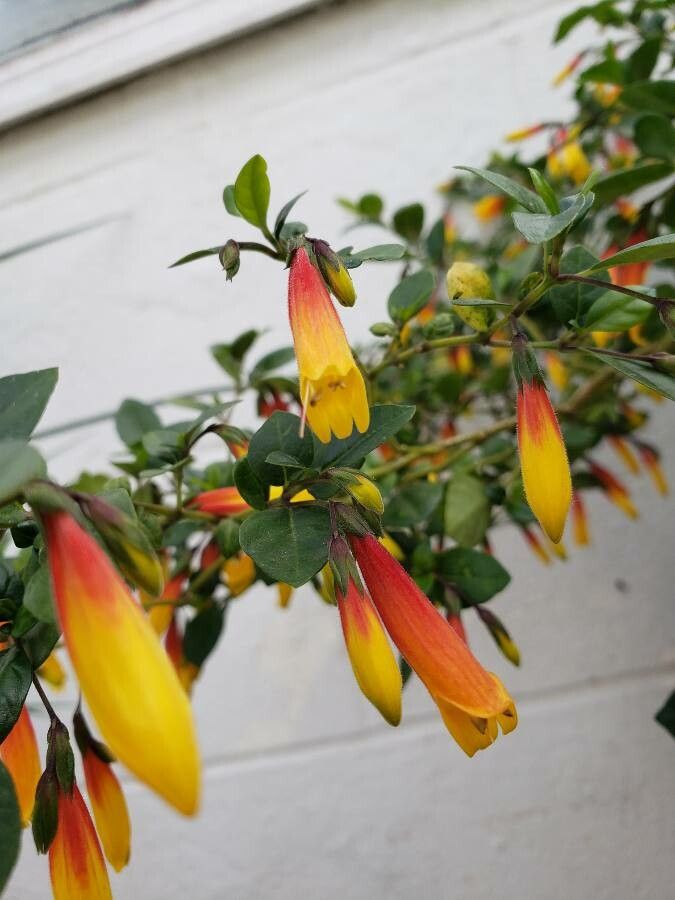
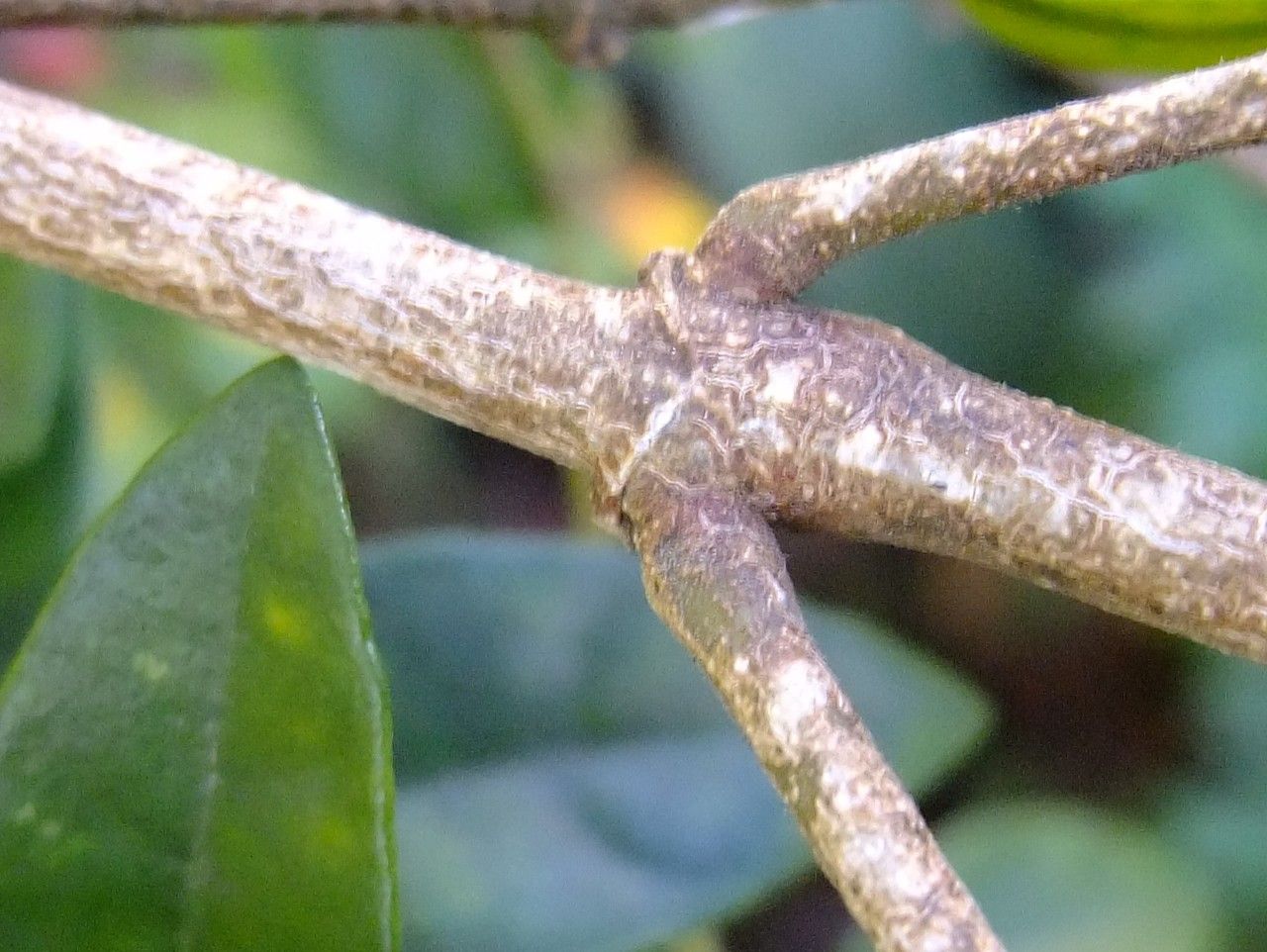
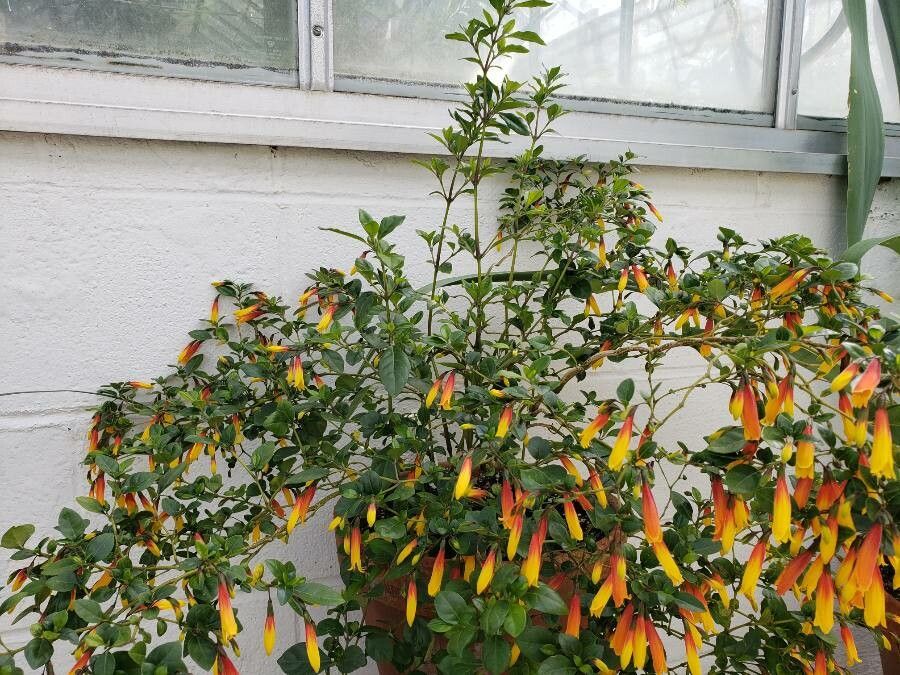
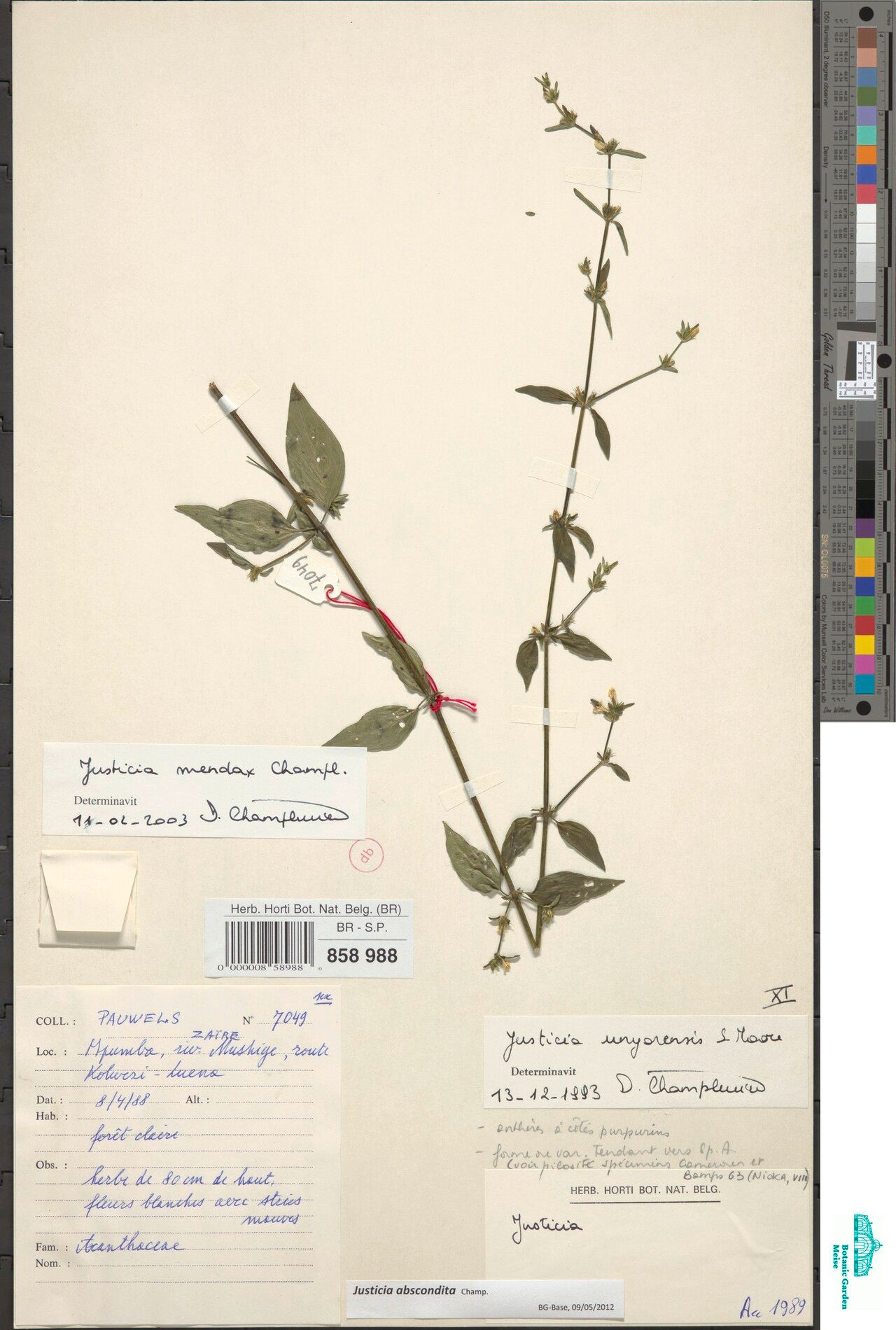
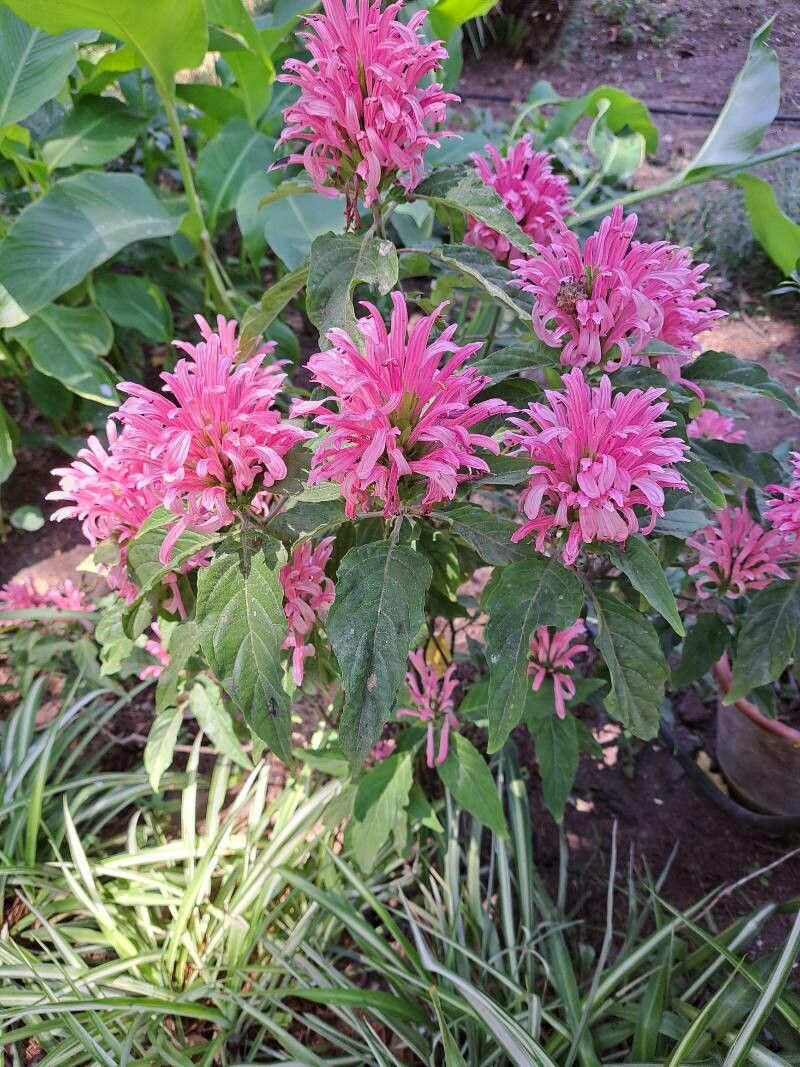
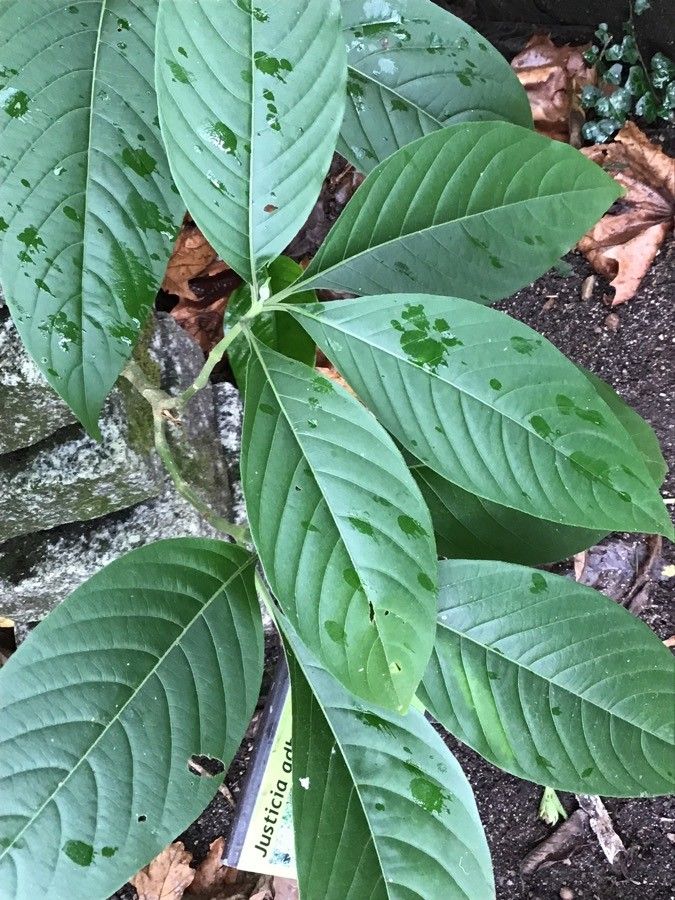
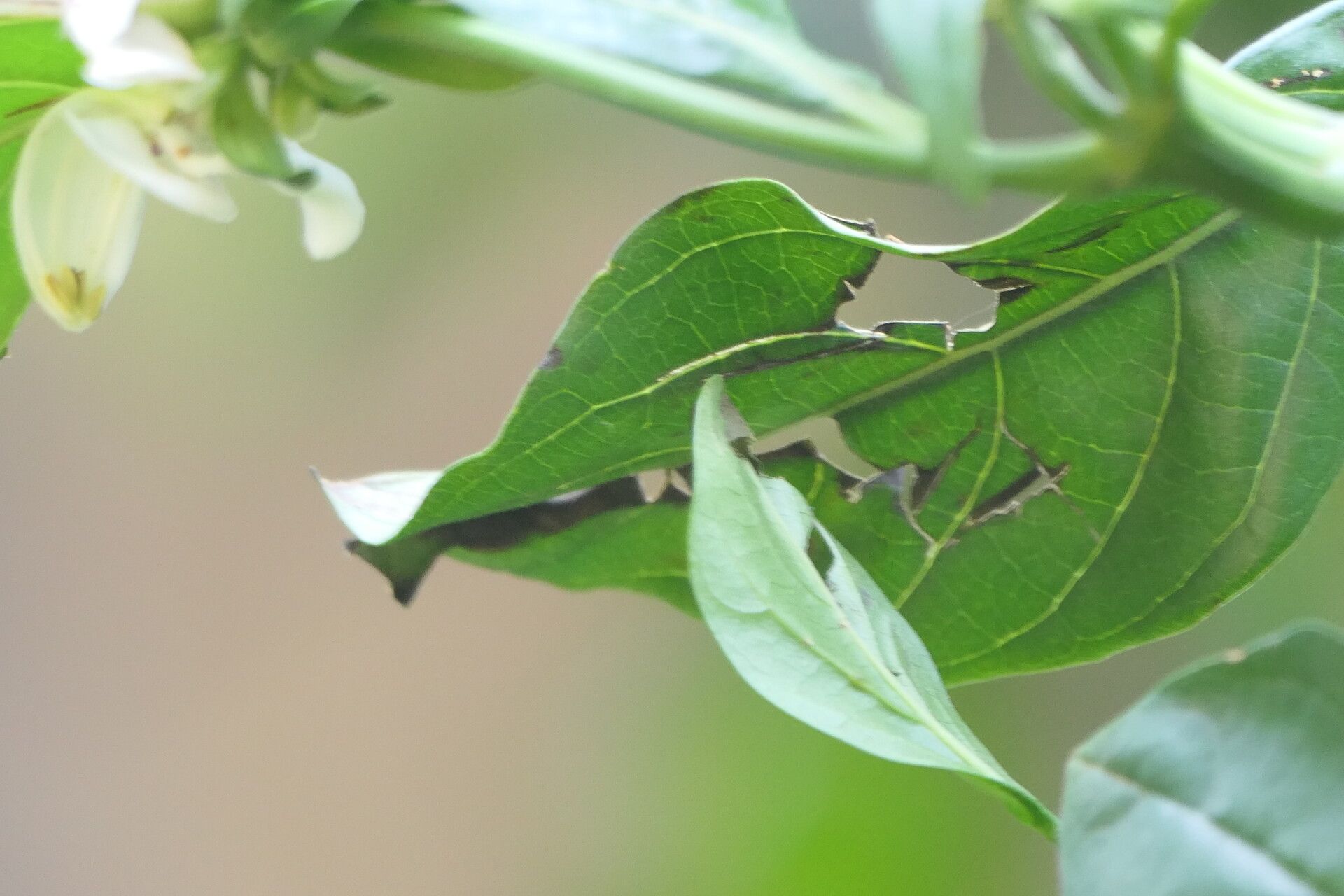
Justicia floribunda is a flowering plant species within the Acanthaceae family, indigenous to tropical regions of Africa. This shrub can reach up to 2 meters in height and features dark green, ovate leaves. It produces clusters of small, tubular flowers that bloom in shades of pink or purple year-round.
Commonly used for its medicinal properties, Justicia floribunda is especially valued in the treatment of fever and malaria. Additionally, its attractive flowers and foliage make it a popular ornamental choice for gardens and indoor settings. The plant thrives in well-drained soil and partial shade but can also tolerate full sun with sufficient watering.
Brazilian fuchsia shows strong resistance to disease and is generally not susceptible to illnesses. Regarding care, this plant is relatively low-maintenance. Planted outdoors it needs minimal watering, and larger plants usually do not require pruning. Smaller plants, however, should be pruned after they have finished blooming. Brazilian fuchsiat is appropriate for anyone with outdoor space, such as a garden or deck, and does not need a great deal of care experience.
How to keep Justicia Floribunda.
Light
Brazilian fuchsia originates from habitats like forest understories and rocky areas, where it occurs in natural shade. It prefers partial sun but can tolerate full sun or full shade, showing its versatile, hardy nature.
Water
Brazilian fuchsia, native to tropical forest understoreys, flourishes in environments with high humidity and consistent moisture. Ideally, it should be watered every 1-2 weeks, although it can tolerate short periods of drought. This plant is often grown indoors and benefits from regular misting during its active growth season to mimic the humid conditions of its natural habitat.
Temperature
Brazilian fuchsia comes from tropical areas, where the climate is usually warm and humid. As a result, it is well-adapted to high temperatures and humidity. It does not tolerate sudden temperature changes and prefers a stable temperature environment, so it's important to avoid temperature fluctuations indoors. It generally cannot withstand cold and needs higher temperatures to grow. If the surrounding temperature falls too low, the plant may stop growing or even die.
Fertilizer
Early spring, when the Brazilian fuchsia comes out of dormancy, is the best time to fertilize it. Doing so stimulates overall growth and flower development. Fertilizing improves foliage, stems, and branches, and encourages flowers to be large, vivid, and long-lasting. It helps move nutrients from the roots to the blooms and strengthens the plant’s health and resistance to disease.
Pruning
The Brazilian fuchsia is known for its vibrant flowers that resemble fuchsias. To keep the plant healthy, it requires pruning during the winter. This involves techniques such as selective thinning, removing dead branches, and light trimming to encourage bushier growth. Pruning during the dormant season helps prevent shock and improves flowering, air circulation, and overall vigor.
Pot & Repot
To promote bushy growth, repot your Brazilian fuchsia every 2-3 years in the spring. Choose a larger pot to allow for healthy root development, and keep the soil consistently moist without overwatering. After repotting, place the plant in bright, indirect light to encourage a strong recovery and ensure it thrives.
Botanical profile.
- Plant Type
- Shrub
- Life Cycle
- Perennial
- Genus
- Justicia
- Family
- Acanthaceae
- Hardiness Zone
- 9-11
- Mature Height
- 1.22 m
- Mature Spread
- 91 cm
- Leaf Color
- Green
- Leaf Type
- Evergreen
- Flower Color
- Pink
- Flower Size
- 2.03 cm to 3.05 cm
- Bloom Time
- All year round
- Planting Time
- Spring, Summer
- Harvest Time
- All year round
- Native Area
- Brazil, Paraguay, Argentina
Other names.