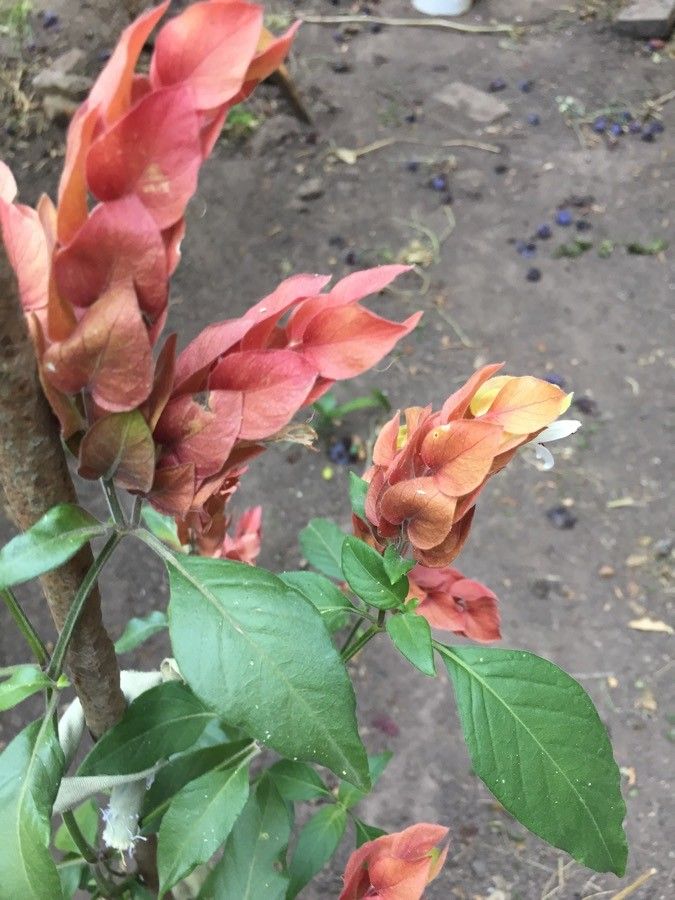
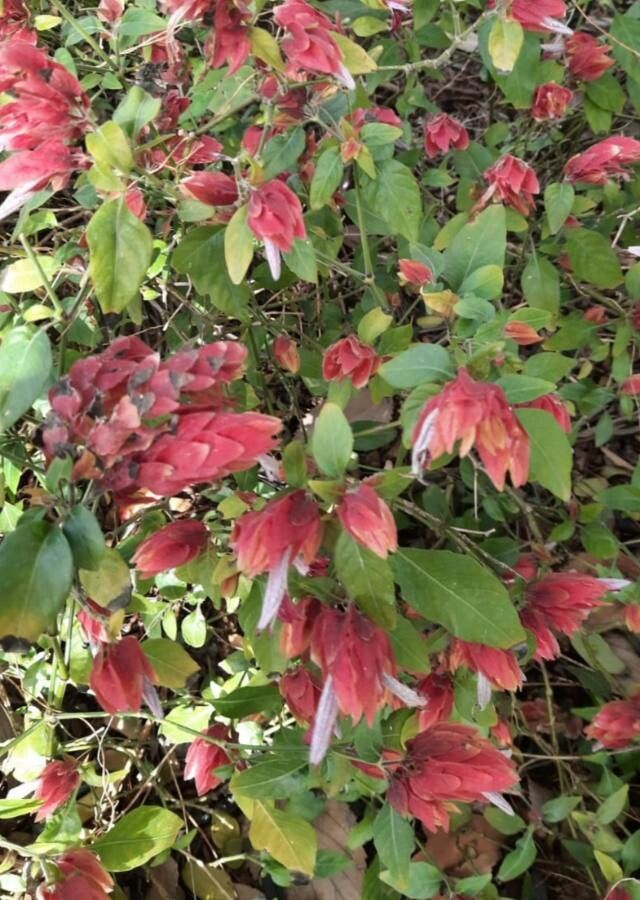
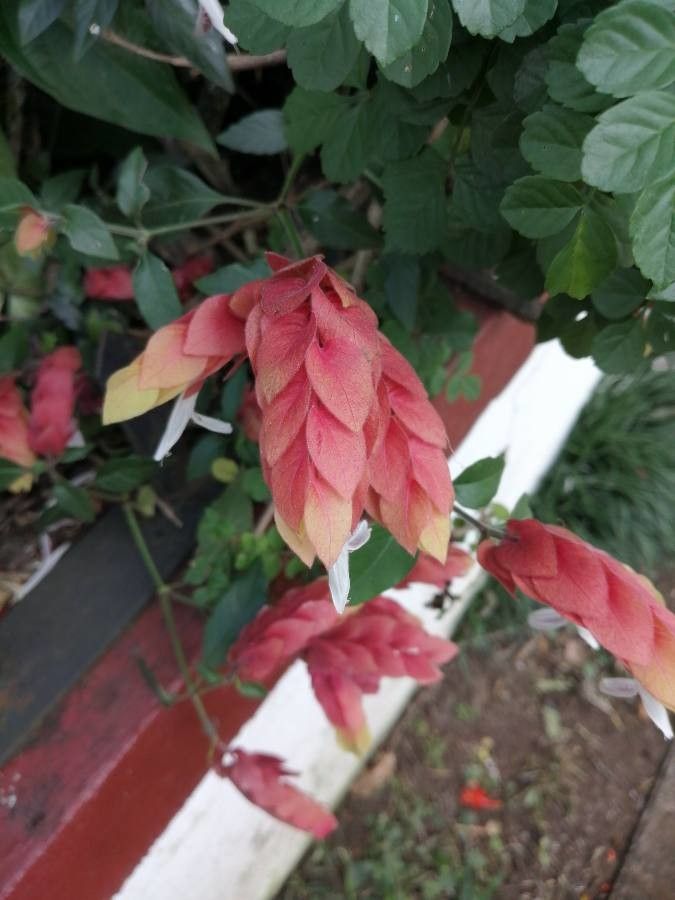
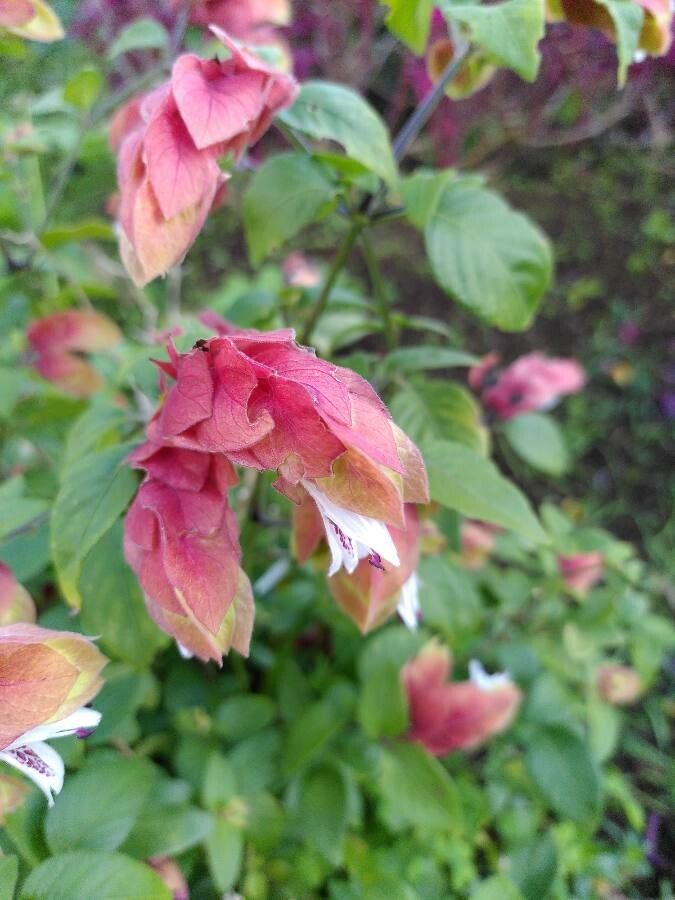
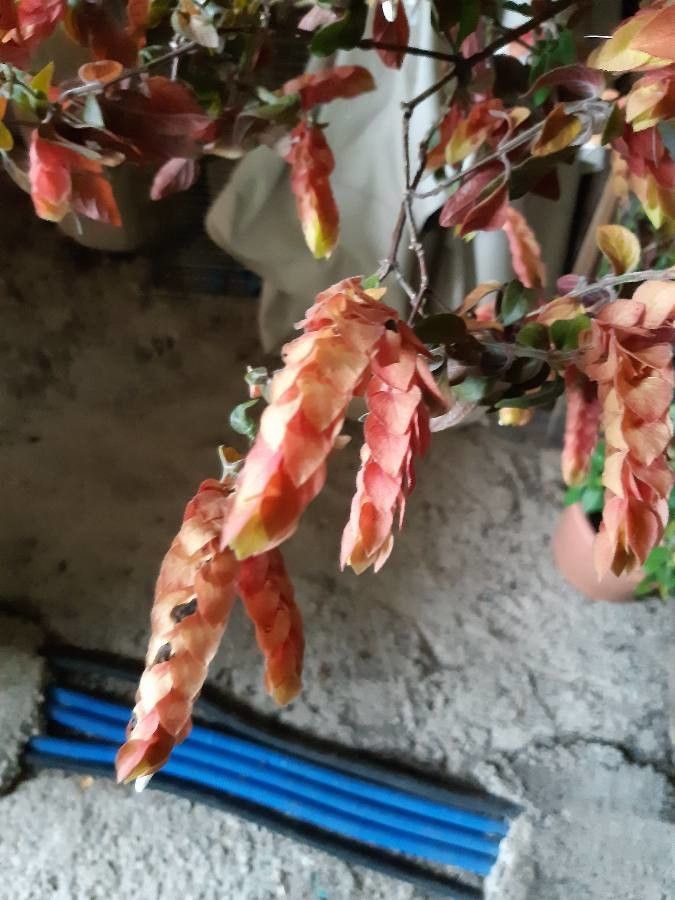
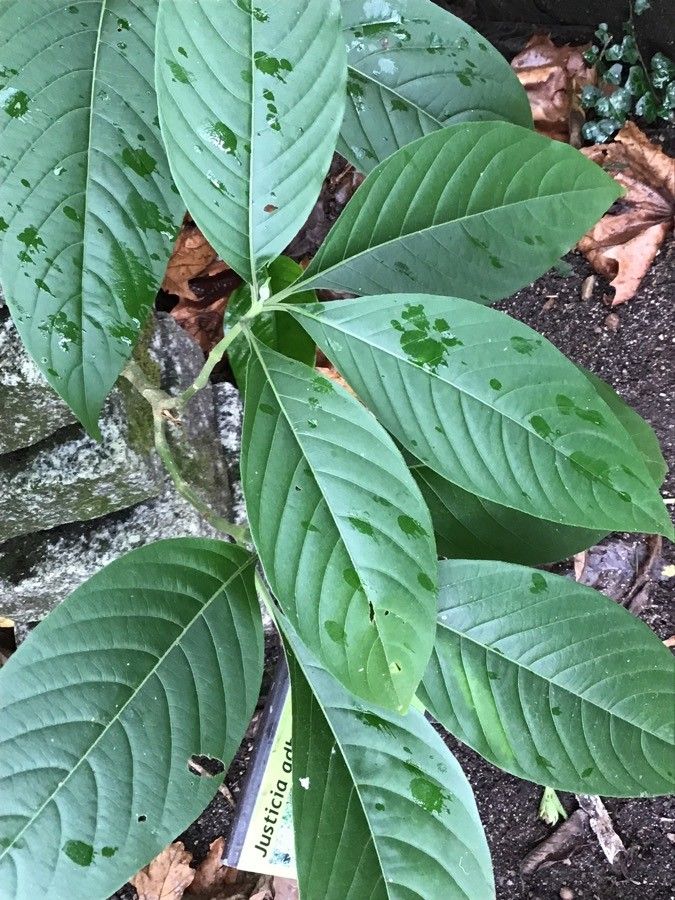
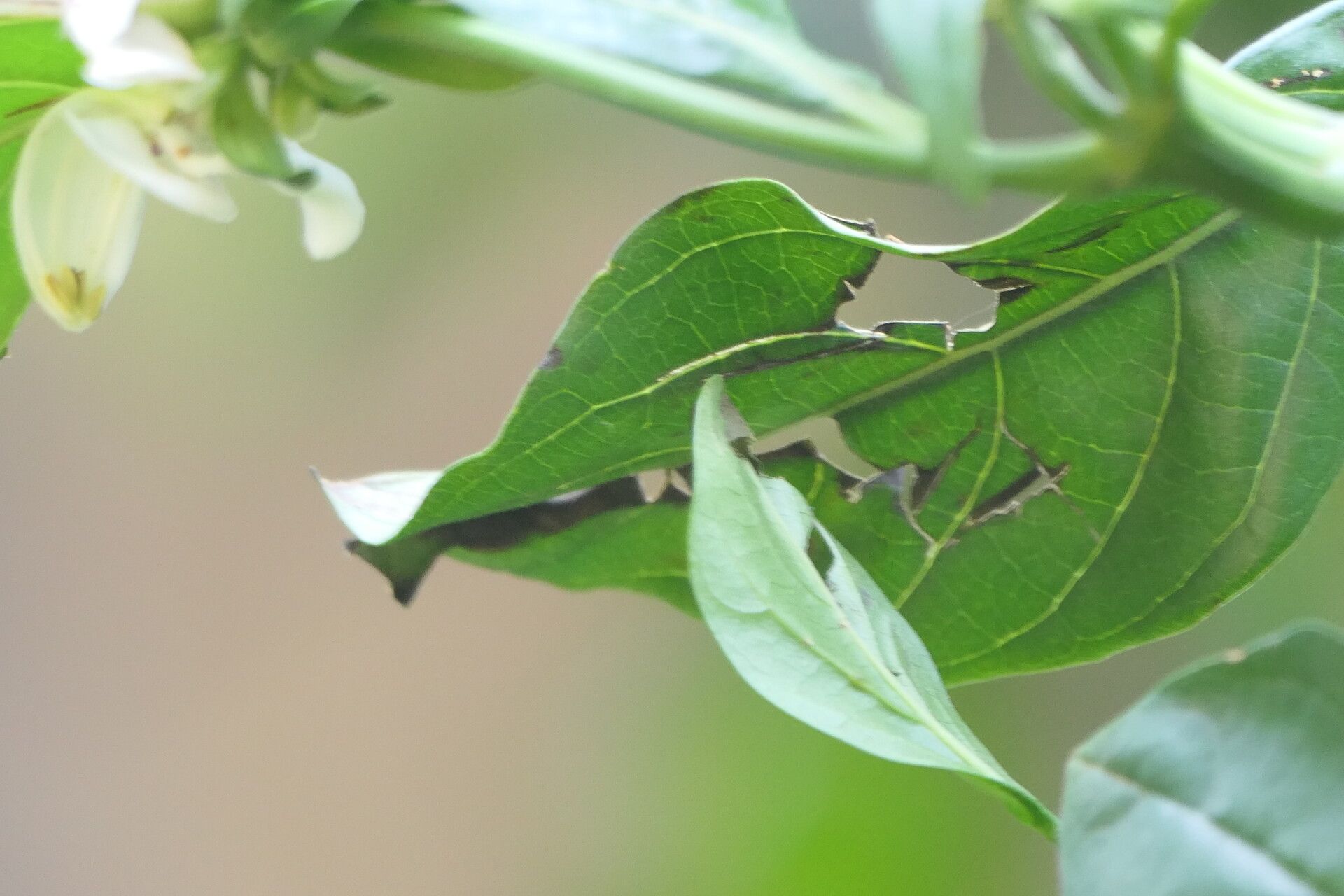
Justicia brandegeeana, commonly known as the Shrimp Plant, is a tropical perennial native to Mexico and Central America. It belongs to the Acanthaceae family and is widely grown as an ornamental plant for its distinctive and attractive appearance. The Shrimp Plant features long, slender stems that produce clusters of small flowers resembling shrimp or prawns in both shape and color. Typically, the flowers are white or yellow, accompanied by red or pink bracts that enhance their unique look.
This plant thrives in warm temperatures ranging from 60-80°F (15-27°C) and high humidity levels. It requires well-draining soil and regular watering, although it can tolerate short periods of drought once established. Under optimal conditions, the Shrimp Plant can grow up to 3 feet (1 meter) tall.
Justicia brandegeeana is easy to care for and makes an excellent addition to both indoor gardens and outdoor landscapes. Its unique appearance, low maintenance needs, and ability to attract pollinators such as butterflies and hummingbirds make it a popular choice for gardeners.
Shrimp plant is fairly disease-resistant and typically not prone to illness. However, it can be vulnerable to pests and diseases present in its surroundings. These infections are usually mild. In terms of care, the plant requires moderate maintenance. It should be pruned regularly to maintain a good appearance and support healthy growth. Fertilizing can also help encourage flowering. Shrimp plant is suitable for anyone with outdoor areas, such as a garden or patio, and does not demand extensive care experience. It may need more attention when grown indoors.
How to keep Justicia Brandegeeana.
Light
The shrimp plant does best in moderate sunlight, although it can tolerate stronger light. Native to areas with a mix of sun and shade, it prospers under those conditions. Excessive continuous light can be damaging, producing leaf scald. Likewise, too little sunlight inhibits its growth.
Water
Originating in tropical forests, the shrimp plant is sensitive to drought and requires high humidity and consistent moisture. To replicate its natural habitat, water the plant weekly. Growing the shrimp plant indoors makes it easier to maintain the necessary humidity levels, which supports its evergreen nature and ensures a year-round display of foliage.
Humidity
This plant will thrive in moderate humidity, which is probably the level in your home. However, misting it a few times a week can be very beneficial. Make sure the room has good ventilation.
Temperature
The shrimp plant's natural habitat is warm and humid. It does best at temperatures from 68 to 100 ℉ (20 to 38 ℃). In winter, keep it in a warm room where the temperature does not fall below 50 ℉ (10 ℃).
Fertilizer
Appropriate fertilization is vital for the Shrimp plant's health and appearance. Fertilize the Shrimp plant in summer, repeating the application monthly throughout summer. Nutrients drive growth and support the plant's parts. Fertilization improves the Shrimp plant's flower display, ensuring the best blooms.
Pruning
The shrimp plant is known for its striking bracts and benefits from pruning between early spring and late winter to encourage bushier growth and continuous blooms. To enhance airflow and decrease the risk of disease, trim any leggy stems and remove dead leaves. When pruning, be careful not to cut more than one-third of the plant at a time, as this helps maintain healthy growth.
Pot & Repot
When repotting Shrimp plant, select a pot 1-2 inches (2.5–5.1 cm) larger with ample drainage. Use a well-draining potting mix. Repot in spring or fall, ensuring the root ball is slightly lower than the rim of the flower pot. Water thoroughly after repotting and place in a warm spot with indirect sunlight.
Toxicity
Naturally, it's non-toxic as well. Under a grow light with a 60-watt output, the shrimp plant is located. However, we can point you in the direction of the ASPCA's list of poisonous and non-toxic plants. The shrimp plant is not listed as being harmful (or non-toxic) to dogs.
Further reading →
The toxicity and danger assessments provided are for reference only. We do not assure their accuracy, so it's crucial not to depend on them. Seek professional advice when necessary for accurate guidance.
Botanical profile.
- Plant Type
- Herb, Shrub
- Life Cycle
- Perennial
- Genus
- Justicia
- Family
- Acanthaceae
- Hardiness Zone
- 10-12
- Mature Height
- 91 cm
- Mature Spread
- 61 cm to 91 cm
- Leaf Color
- Green
- Leaf Type
- Evergreen
- Flower Color
- Red, Pink
- Flower Size
- 2.54 cm
- Bloom Time
- All year round
- Planting Time
- Spring
- Harvest Time
- All year round
- Native Area
- El Salvador, Honduras, Mexico, Guatemala
Other names.
Reader questions.
How should I water my Shrimp plant?
When watering the Shrimp plant, it is best to use filtered water at room temperature. This is because tap water may have particles that can harm the plant. The Shrimp plant prefers warm environments, so using cold water can shock it. It is also important to avoid overhead watering, as it can cause issues with the leaves. Instead, it is recommended to pour filtered room temperature water onto the soil until it is fully soaked. This helps to moisten the roots and allows them to spread and absorb necessary nutrients.
Why is it necessary to add fertilizer to my Shrimp plant?
Fertilizer and soil nutrients are like fuel for your Shrimp plant, helping it grow healthily. Plants, including the Shrimp plant, use nutrients from the soil to grow new plant material and maintain existing components. Fertilization is especially important for Shrimp plants as it contributes to the development of beautiful flowers, which are the main attraction of this plant. Gardeners should prioritize fertilization to ensure the Shrimp plant produces its best blooms.
What are the sunlight requirements for a shrimp plant?
Shrimp plants flourish when exposed to moderate sunlight, typically thriving in conditions that mimic their natural habitat of mixed sun and shade. They require about 3-6 hours of sunlight daily, classifying as partial sun plants, but can endure full sun conditions, which is above 6 hours of sunlight, especially in cooler weather. It's crucial to monitor sunlight exposure as too much sunlight can cause leaf scald, while insufficient light stunts growth. Observing how sunlight moves through your garden helps in choosing the optimal spots that ensure the plant's health by providing a balance of light and shade.
What is the ideal growth environment for a Shrimp Plant?
The Shrimp Plant, also known as Justicia brandegeeana, thrives in warm and humid conditions, favoring temperatures between 68 to 100°F (20 to 38°C). During the winter, it's important to keep it in a warm room, ensuring the temperature doesn't drop below 50°F (10°C). This heat-loving plant can be harmed by cold temperatures, so it's advisable to bring outdoor plants indoors in autumn, placing them near a bright window but away from direct heat sources. Maintaining temperatures above 20°C is beneficial for growth, while temperatures near 5°C are detrimental.
What do I need to do if I give my Shrimp plant too much or too little water?
When taking care of your Shrimp plant, both overwatering and underwatering can harm its health. However, overwatering is more likely to occur. Overwatering can cause wilting and yellowing of the stems and leaves, as well as diseases like root rot, mold, and mildew that can be fatal to the plant. While underwatering is less common because the Shrimp plant can tolerate drought, it is still a possibility. If underwatering occurs, the leaves may become brittle and brown. It is vital to recognize the signs of overwatering early on. Some diseases caused by overwatering, such as root rot, cannot be fixed if left untreated for too long. If you notice early signs of overwatering, reduce your watering schedule and check the soil's quality. If the soil drains poorly, replace it with a loose, well-draining potting mix. On the other hand, if the signs indicate your Shrimp plant is not getting enough water, increase your watering frequency until the symptoms improve.
When should I fertilize my Shrimp plant?
The Shrimp plant has two main phases in the year. The first phase, called the dormant phase, happens during winter and at this time the plant has minimal new growth. The other phase, known as the active growth phase, occurs in spring and fall and this is when the Shrimp plant needs the most fertilization. It's recommended to start fertilizing the plant in spring and repeat the feeding once a month until summer. As fall approaches, you can gradually decrease the fertilization rate.
How does artificial lighting benefit indoor shrimp plants and how should it be used?
Indoor shrimp plants require adequate lighting for optimal growth, particularly when natural sunlight is insufficient, such as during winter or in less sunny spaces. Artificial lights, like LED lights, are beneficial as they can be customized to provide specific wavelengths needed by plants. Full sun plants need 30-50W/sq ft of artificial light, partial sun plants need 20-30W/sq ft, and full shade plants need 10-20W/sq ft. The light source should be placed 12-36 inches above the plant to mimic natural sunlight. Moreover, mimicking the natural daylight hours, most plants thrive with 8-12 hours of light per day, ensuring faster, healthier growth.
How does low temperature affect the Shrimp Plant and what are the solutions?
Shrimp Plants prefer warm environments and do not tolerate low temperatures well, thriving best when the temperature is above 20°C. In winter, it's crucial to keep them above 5°C to avoid damage. Exposure to temperatures below 1°C can cause the leaves to lighten in color, which after frost damage may turn brown or black, exhibiting symptoms such as wilting and drooping. To manage frost damage, trim off the damaged parts and move the plant to a warm indoor environment immediately. Position the plant near a south-facing window for adequate sunlight, but avoid placing it near heaters or air con vents to prevent air dryness.
How much water does my Shrimp plant need?
If your Shrimp plant is in a pot, the best way to determine if it needs water is by checking the soil with your finger. If the top two to three inches of soil are dry, it's time to water it. The same method applies if you have your Shrimp plant outdoors in the ground. If the first few inches of soil have dried out, it needs watering. Typically, during the spring and early fall, you'll need to water this plant about once a week. However, when it's very hot, you may have to increase watering to twice or more per week. Keep in mind that mature, well-established Shrimp plants have a good tolerance for drought.
When is it not a good idea to fertilize my Shrimp plant?
To assist Shrimp plant growth while avoiding root burn, it's important to consider the different stages of plant growth throughout the year. During the active growth periods in spring and summer, providing the necessary extra nutrients is beneficial. However, in fall and winter, when the plant enters its dormancy stage, it is recommended to halt fertilization.
What are the symptoms of inappropriate light conditions for shrimp plants?
Shrimp plants may exhibit several symptoms under poor light conditions including lighter-colored new leaves, a sign of insufficient sunlight indicating a lack of chlorophyll and essential nutrients. Other symptoms include slower or no new growth, faster leaf drop, leggy or sparse growth, chlorosis, sunscald, leaf curling, wilting, and leaf scorching. These symptoms range from the plant's leaves developing irregular color patterns or appearing pale, stems and leaves drooping due to loss of turgor pressure, to brown, dry, and crispy edges on leaves caused by excessive sunlight. Adjusting light exposure is crucial to prevent these adverse effects.
What should be done if a Shrimp Plant experiences high temperature?
During the summer, it's key to keep the Shrimp Plant below 38°C to avoid heat stress. Temperatures exceeding 43°C can lighten the leaf color and increase susceptibility to sunburn. To address this, trim away sunburned and dried parts of the plant. Relocate the plant to a shaded spot, especially away from midday and afternoon sun. Ensuring the plant is watered in the morning and evening will help keep the soil moist, further mitigating the effects of high temperatures.