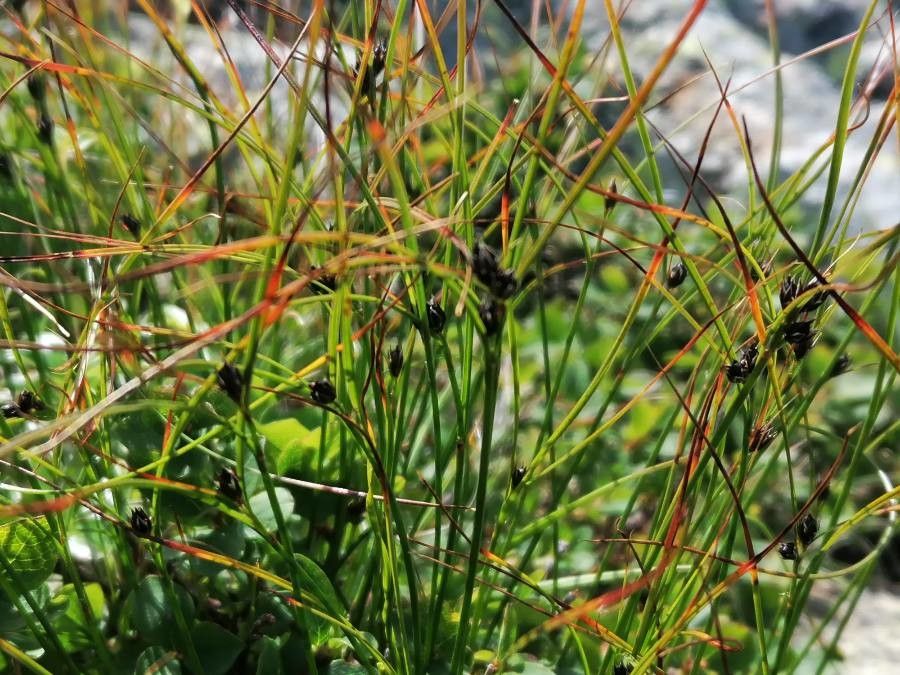
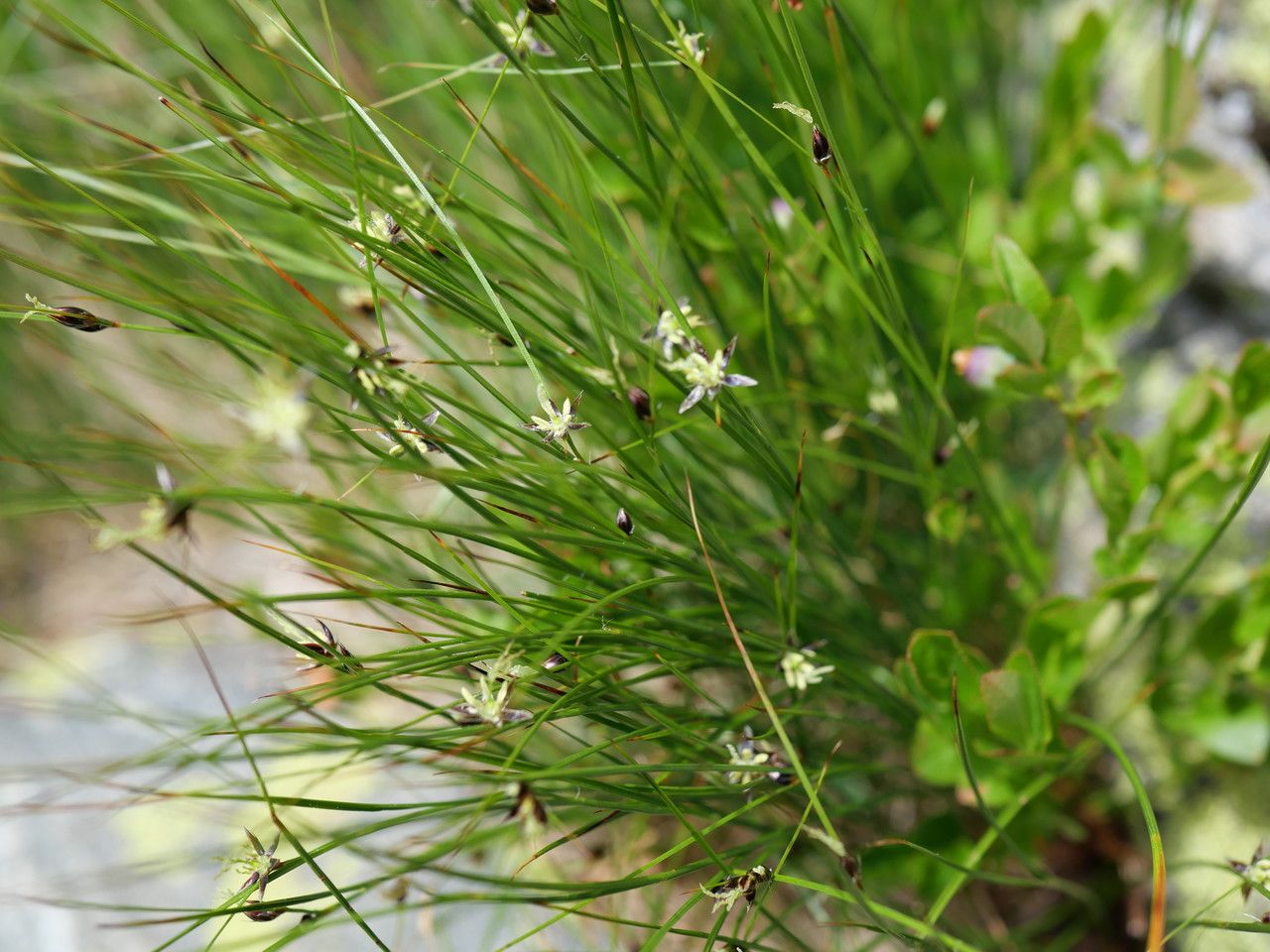
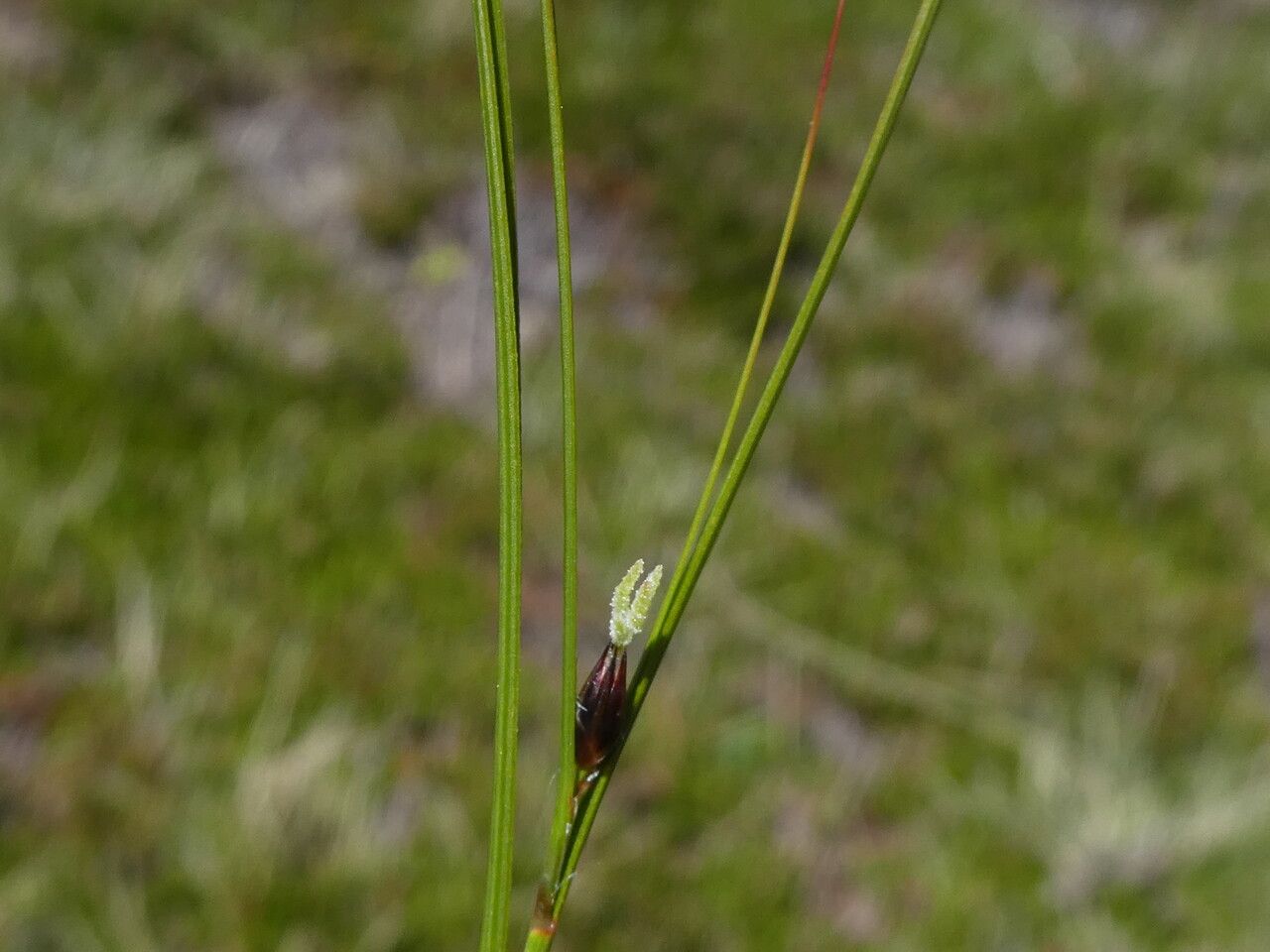
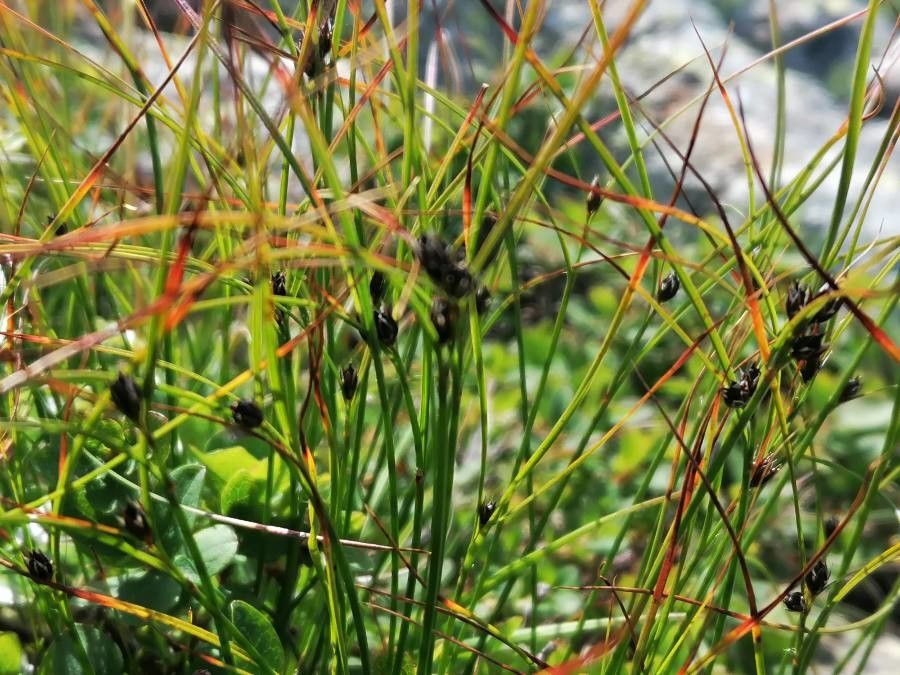
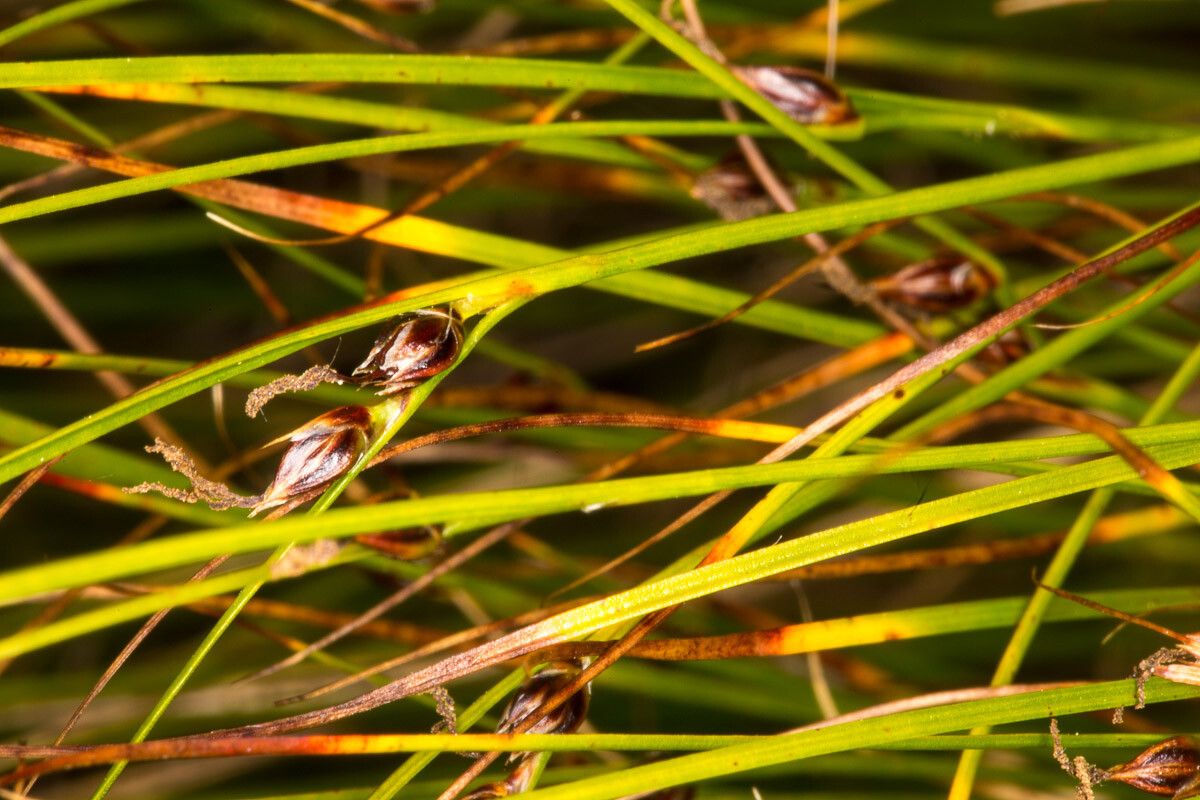
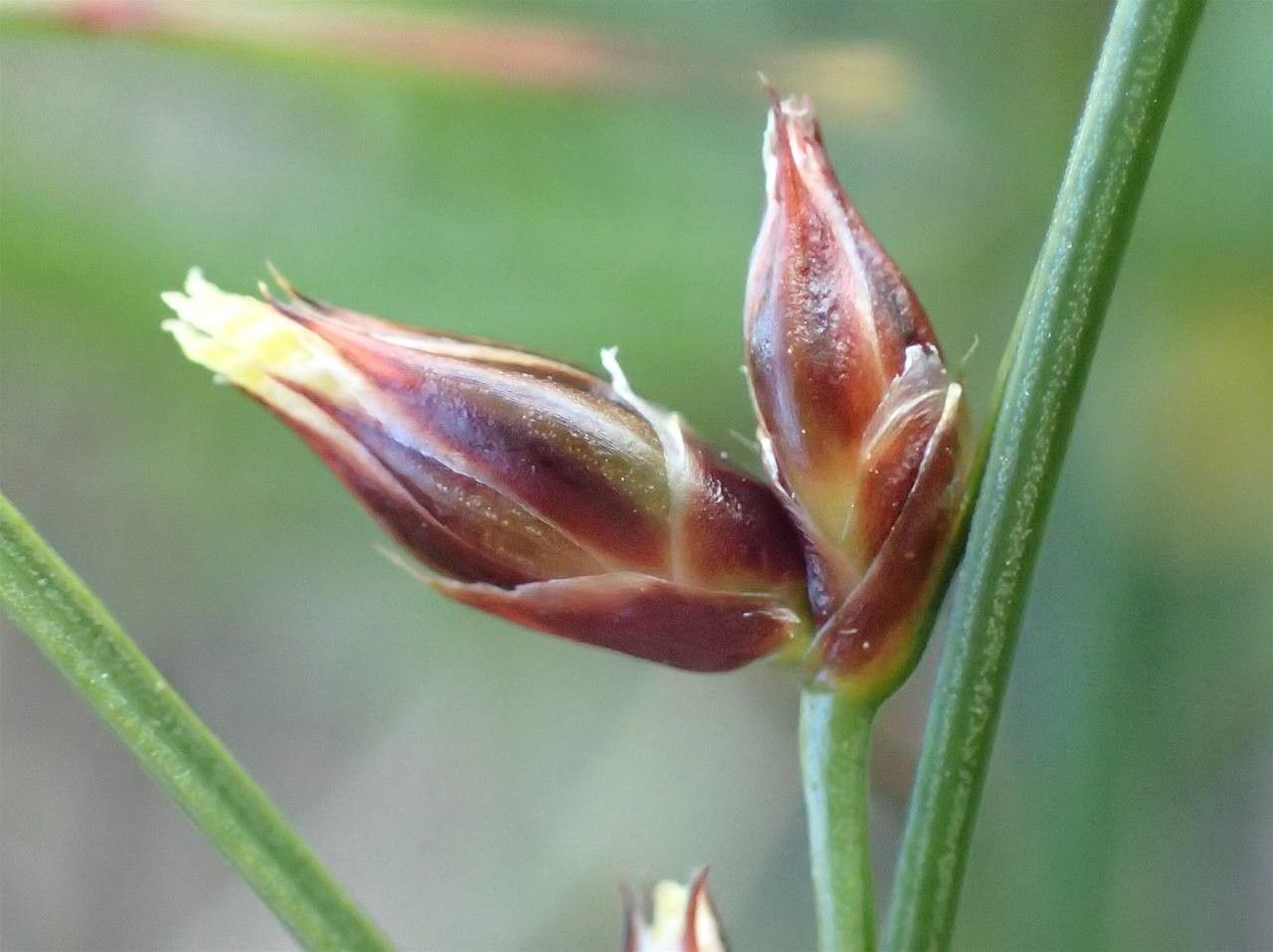
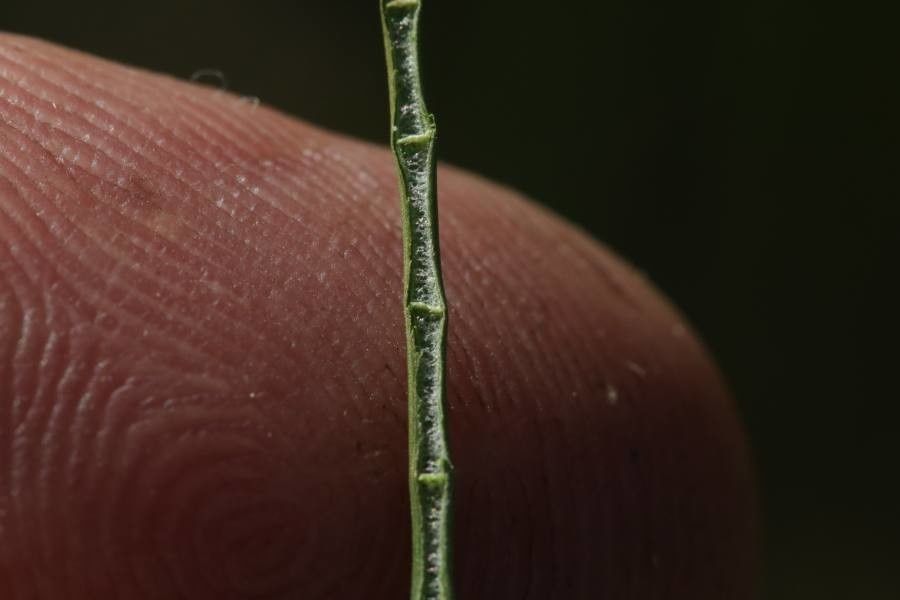
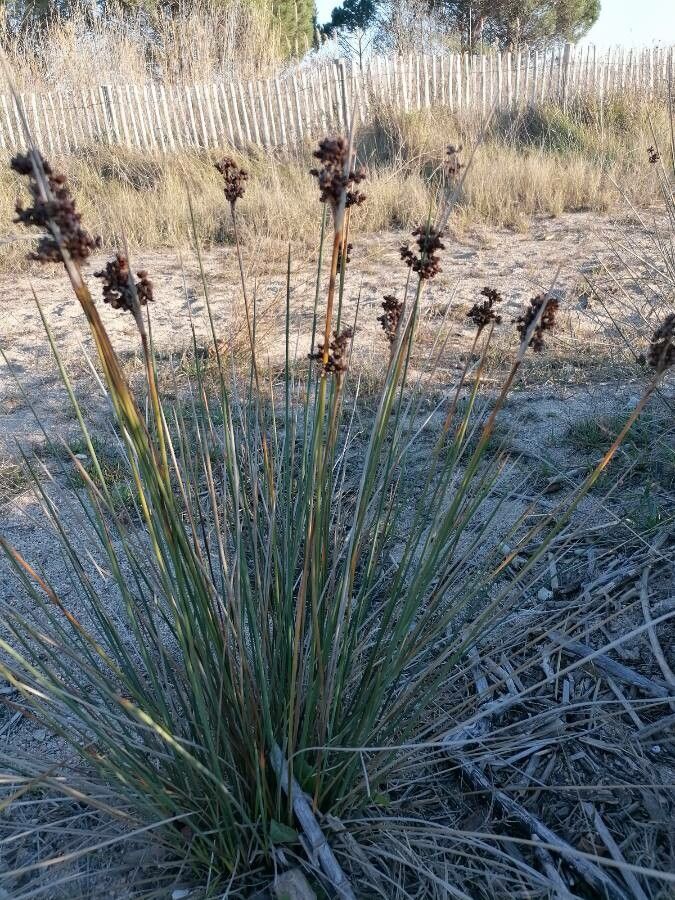
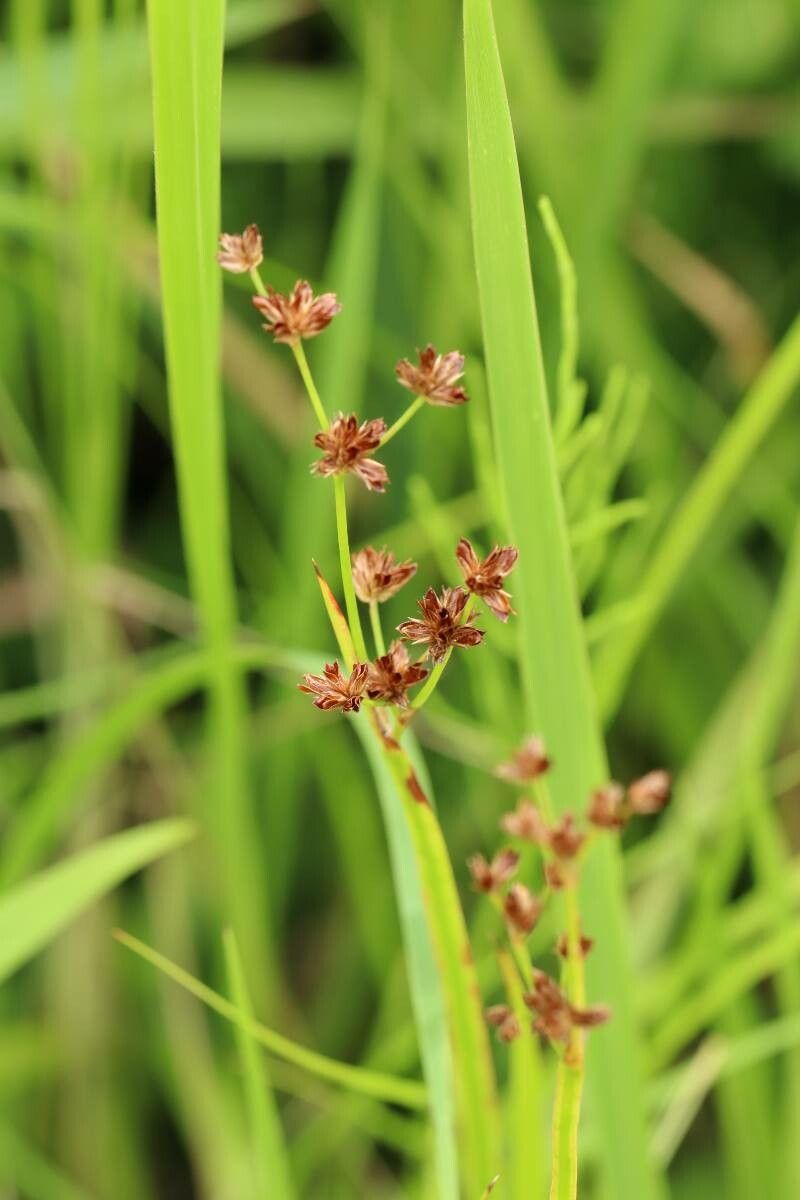
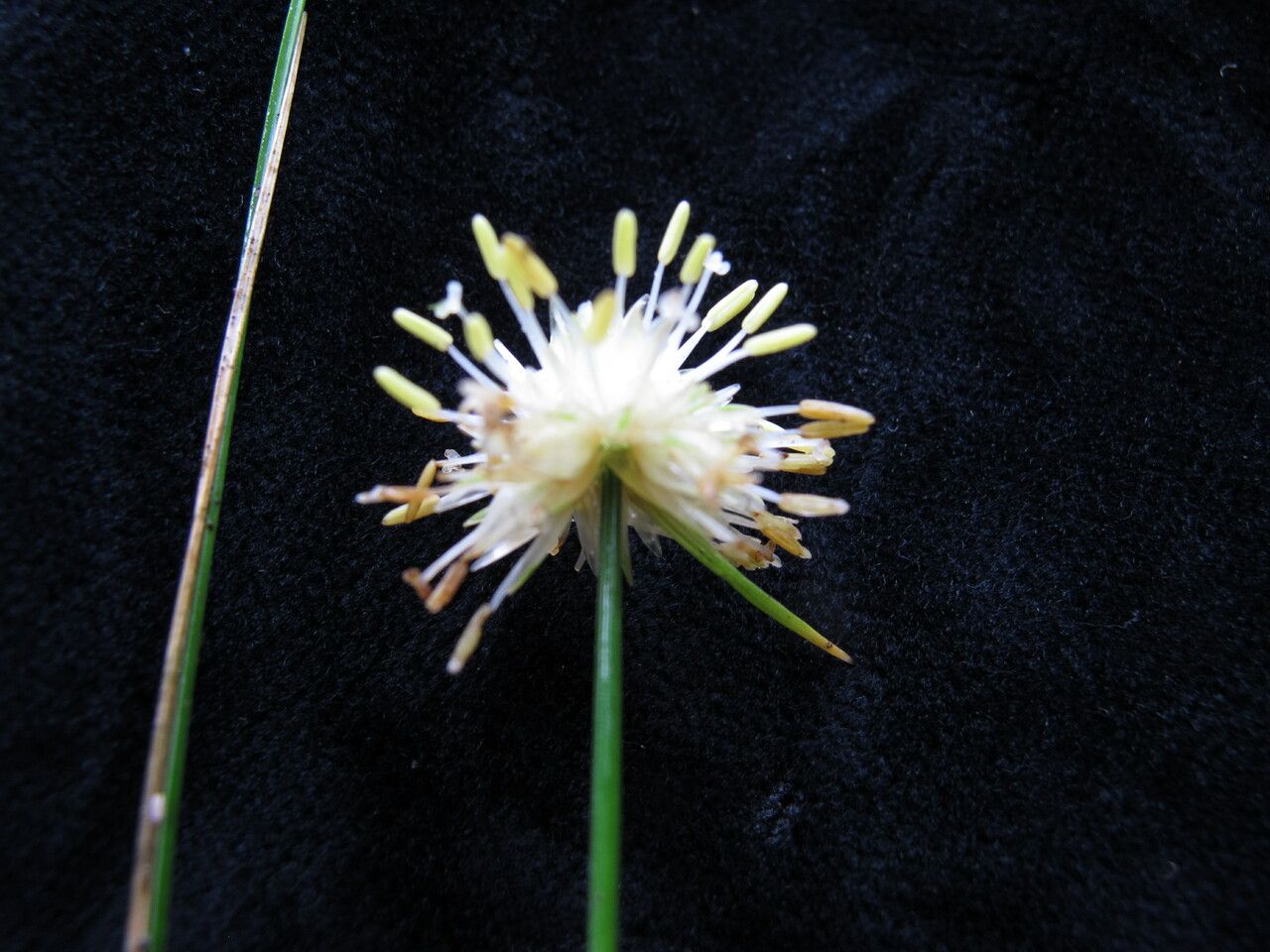
Oreojuncus trifidus is a species of rush known by the common names highland rush and three-leaved rush. It is native to the Northern Hemisphere, where it is an arctic/montane species with an amphi-atlantic distribution.: 46
Highland rush is resistant to disease and typically not susceptible to illnesses. Regarding care, this plant is fairly low-maintenance. When grown outdoors it needs little watering, and larger plants usually do not require pruning. Smaller plants, however, should be pruned after they finish blooming. Highland rush is suitable for anyone with outdoor space, such as a garden or deck, and does not demand much gardening experience.
How to keep Juncus Trifidus.
Light
Highland rush is a sun-loving, perennial herbaceous plant native to open habitats and commonly found growing in meadows and grasslands. It prefers full sun but can also tolerate partial sun.
Water
Highland rush thrives in cool, damp conditions and is adaptable to various climates. Originally from alpine regions, it prefers consistent moisture but can withstand short periods of dryness. To keep it well-hydrated and resilient, it's best to water it weekly. This regular watering helps the plant adjust its growth cycle based on the available water.
Fertilizer
Highland rush benefits from extra nutrients to encourage healthy new growth. In spring, placing compost around the plant's base will effectively supply the nutrients it requires. Fertilizing supports vigorous growth and helps the plant resist diseases and pests.
Pruning
Highland rush is a perennial plant that thrives at high altitudes. To encourage new growth and maintain its shape, it is beneficial to prune it in early spring. Begin by removing any dead stems at the base, and thin out crowded clusters to improve air circulation. Be sure to use sharp, clean tools, and avoid cutting any healthy green stems.
Botanical profile.
- Plant Type
- Grass
- Life Cycle
- Perennial
- Genus
- Juncus
- Family
- Juncaceae
- Hardiness Zone
- 3-8
- Mature Height
- 5 cm to 20 cm
- Mature Spread
- 10 cm to 30 cm
- Leaf Color
- Dark Green
- Leaf Type
- Evergreen
- Flower Color
- White, Yellow, Green
- Flower Size
- 0.25 cm to 0.51 cm
- Bloom Time
- Early summer, Mid summer
- Planting Time
- Autumn
- Harvest Time
- Late summer, Early fall
Other names.
Reader questions.
What should I do if I give too much or too little water to my Highland rush plant?
To ensure that this beautiful ornamental grass performs well, it is vital to water it properly. When planted in the ground, any watering issues can usually be resolved. However, if the grass is in a container, it can quickly perish from either too much or too little water. Inadequate watering can cause the grass to stop growing, while overwatering can result in yellow leaves with brown tips. Underwatering can lead to drooping leaves, weak seed head production, and browned leaves. If you suspect that your Highland rush has been watered incorrectly, the first step is to determine whether it is receiving too much or too little water. If overwatering is the problem, immediately stop watering it and be patient as heavy soils may take a few weeks to dry out. Once new growth appears, test the soil for moisture and decide whether it requires additional watering. On the other hand, if the grass is receiving too little water, simply give it a deep drink and observe if it perks up. Remember that it is better to provide a long, deep watering rather than frequent shallow waterings. Deep watering encourages the growth of deep roots, making the grass more resistant to drought and less susceptible to watering-related problems.
What are the sunlight requirements for Highland rush (Juncus trifidus)?
The Highland rush (Juncus trifidus) thrives in full shade, requiring less than 3 hours of sunlight daily. It's crucial to observe the sunlight's movement through your garden carefully. Selecting the right spots that offer an ideal balance of light and shade will ensure the plant's well-being and happiness.
What is Highland Rush?
Highland Rush, scientifically known as Juncus trifidus, is a species of the Juncus genus, commonly found in highland areas. Unfortunately, the provided details do not include specifics on its essentials or symptoms associated with it, nor additional information.
How often should I water my Highland rush plant?
The watering needs of Highland rush depend on where it is planted. Generally, watering every week is sufficient. However, in hot climates, watering once or twice a week in the summer may be necessary. In moderate climates, watering once every seven days or more should be enough. Grass grown in containers usually requires more frequent watering than grass in the ground. Additionally, the location of the grass matters for this species, as shaded grasses need less water than grasses in the ground. Highland rush should only be watered when the soil is dry. To determine if the soil is dry, you can press your finger a couple of inches into it or use a portable scale to weigh potted grass. Signs of insufficient water include folded blades and thin appearance. Despite its drought tolerance, regular, deep waterings will maintain its beautiful color. In the wild, Highland rush grows in open scrubland, enduring extreme heat, bright sun, and intermittent rain. While it is drought resistant, it still requires care and attention. Consistent watering is beneficial, especially in the beginning when deep roots are establishing. For potted Highland rush, test the soil every 3 to 4 days and water only when it feels dry. In-ground grass needs less watering, but the type of soil it is grown in affects its watering requirements. Clay soil holds water for longer periods, so it may feel dry at the surface while retaining moisture beneath. Sandy soils drain quickly and will therefore need more frequent watering.
What do I need to be careful with when watering my Highland rush in different seasons, climates, or during different growth stages?
To determine if you are watering enough, look at the growth rate of your grasses. Highland rush has been known to double in size in a year during the hottest months. If the weather is hot but the grass is not growing well, adjust your watering schedule. In winter, you may be able to water just once a month, but check the soil for moisture. During warm months, the grass needs more water, but during winter, water needs decrease significantly. Remember to let the soil dry out completely before watering Highland rush.