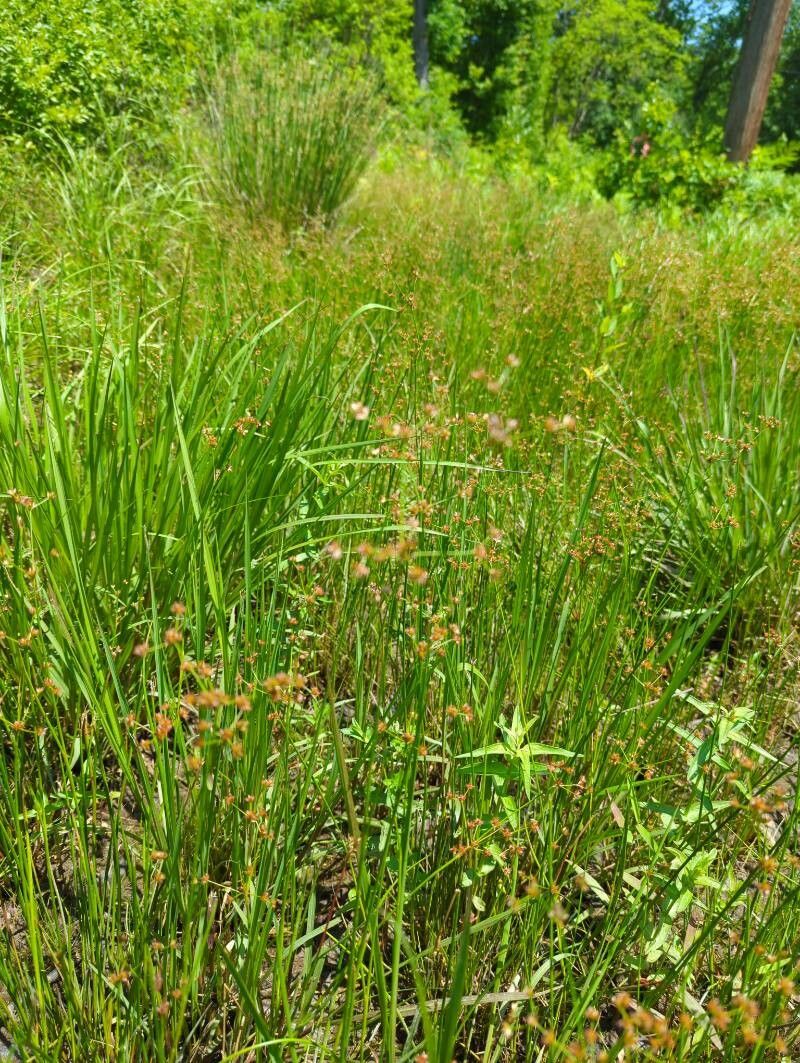
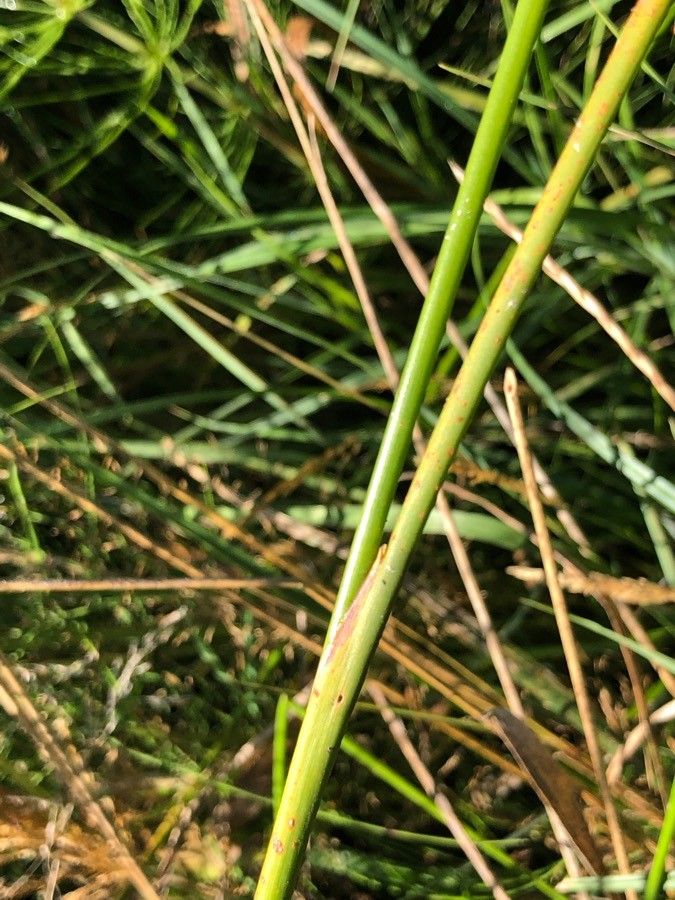
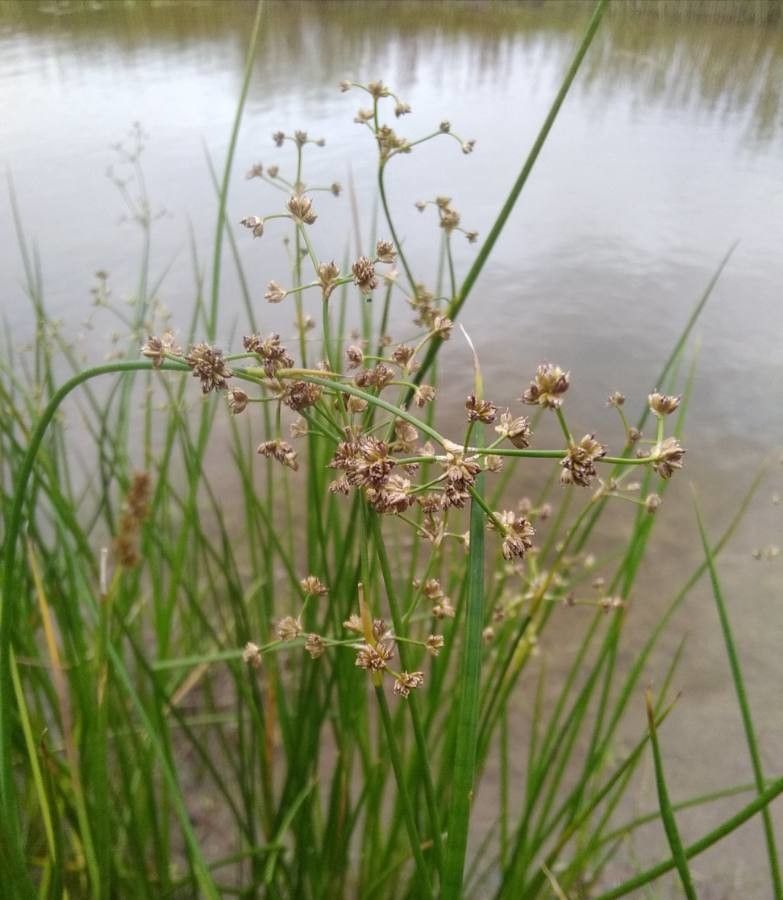
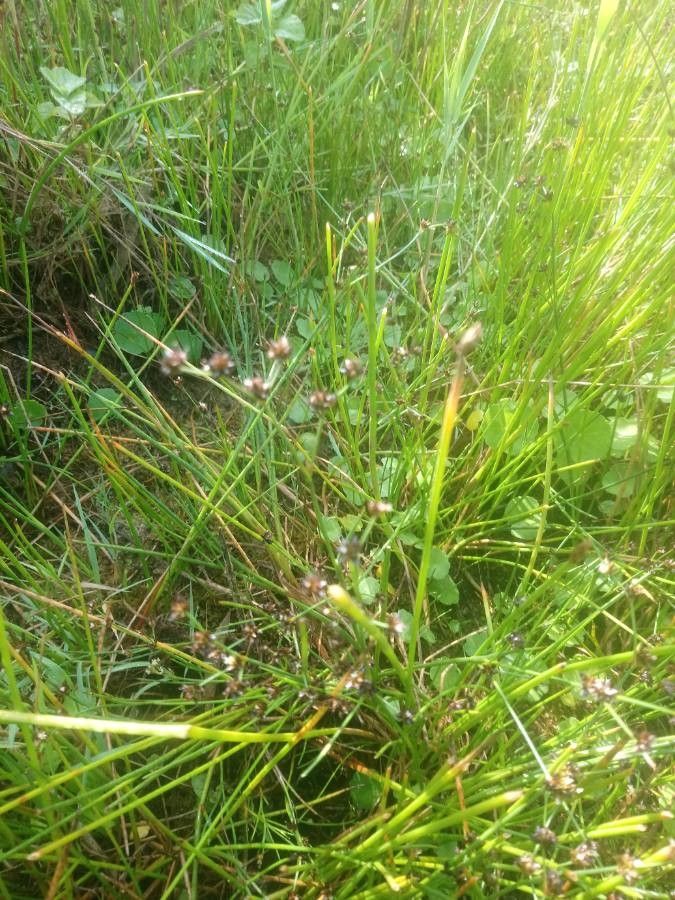
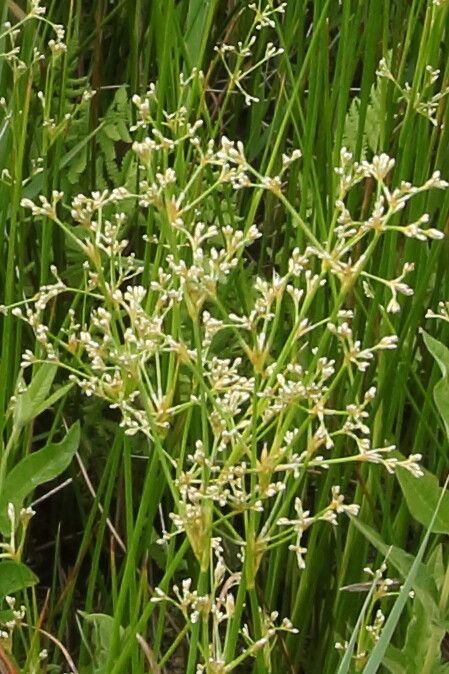
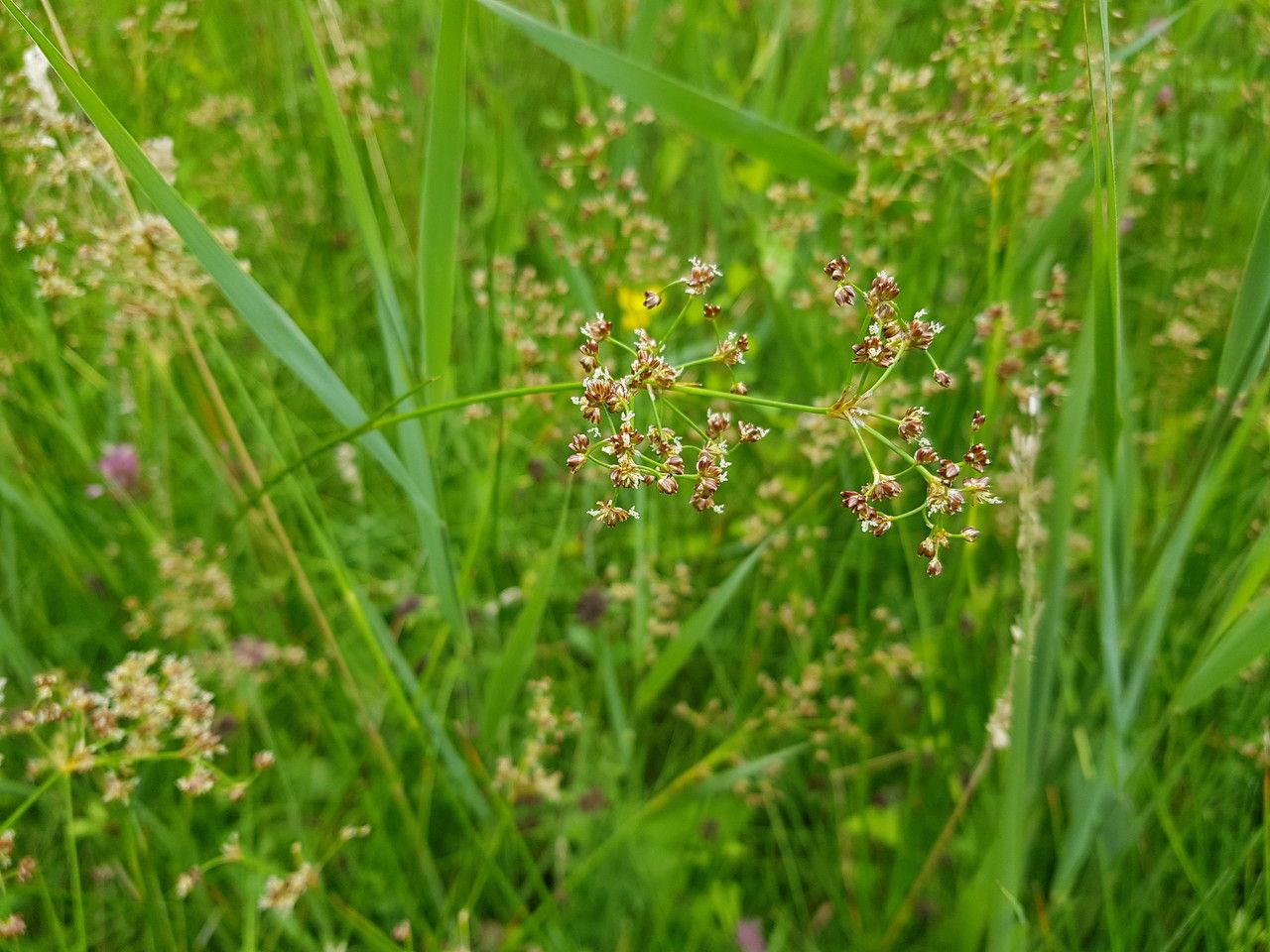
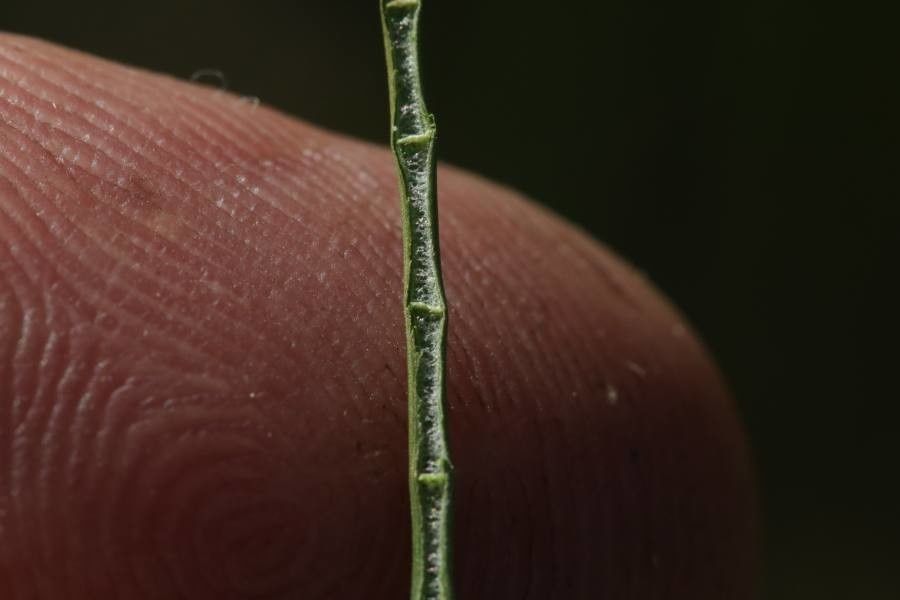
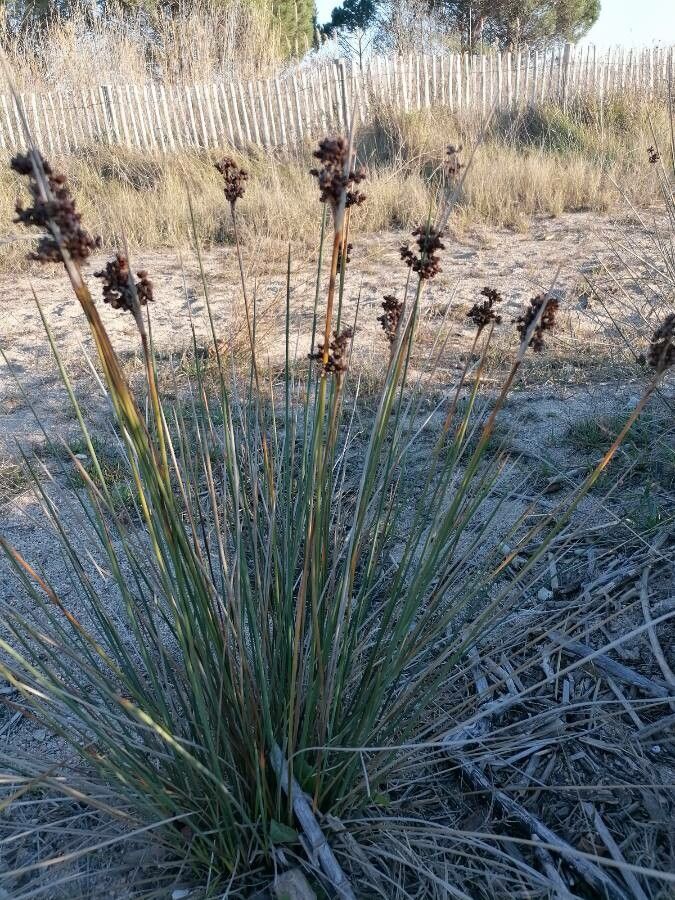
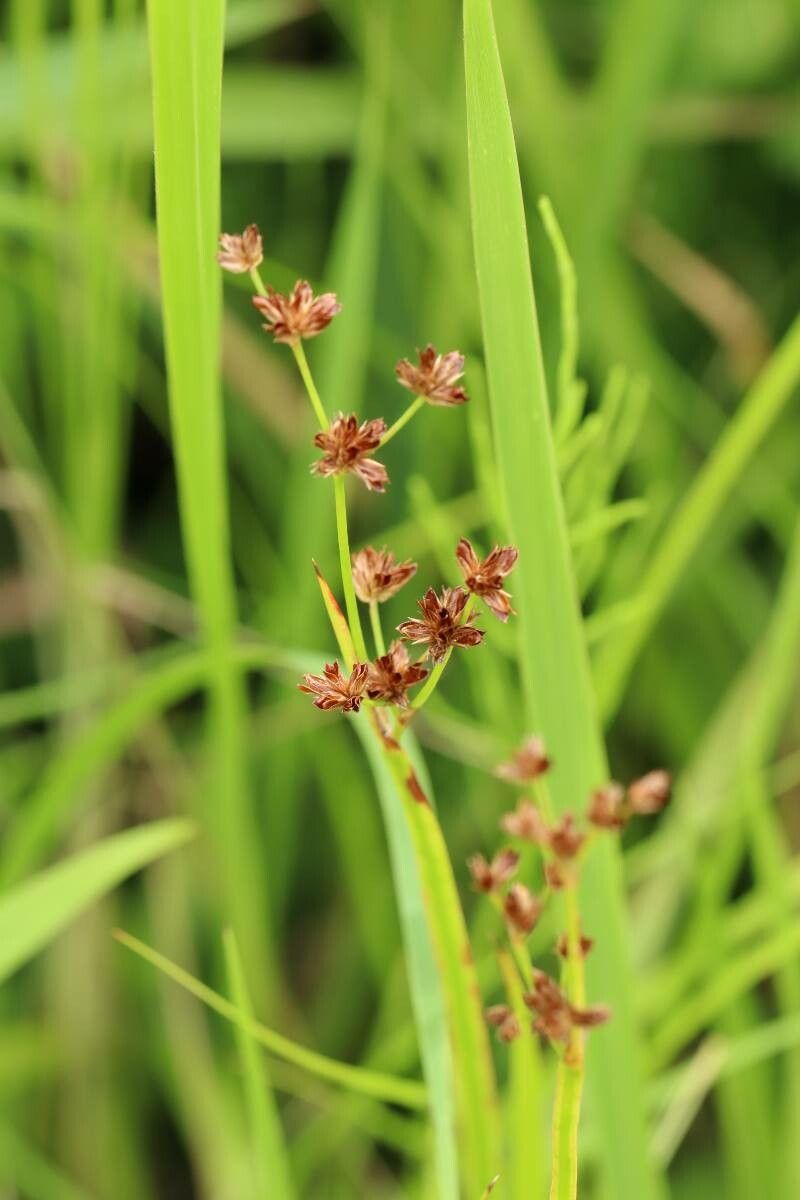
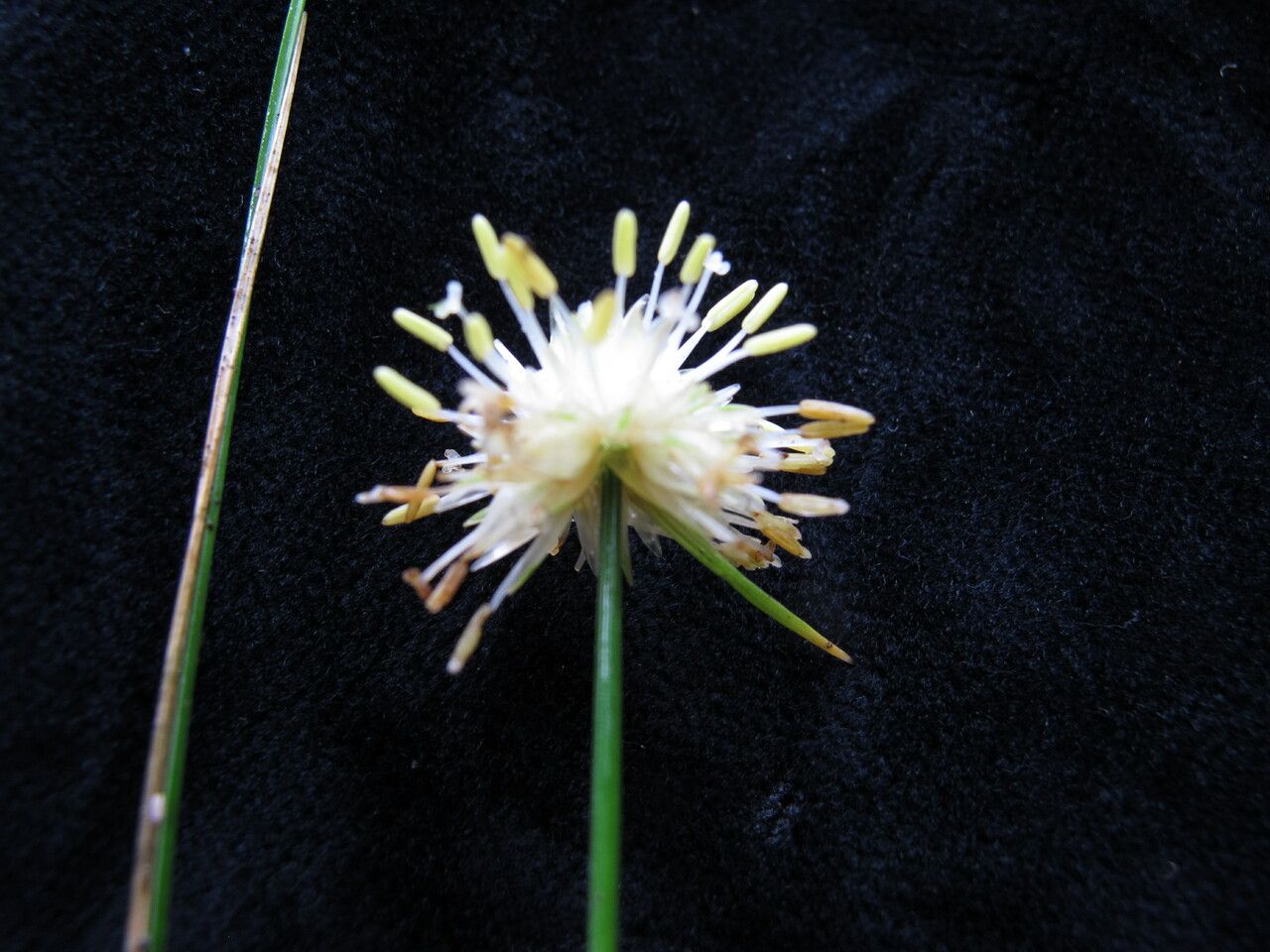
Juncus subnodulosus, the blunt-flowered rush, is a species of rush. It natively occurs from the Mediterranean region across temperate Europe, but it does not range far into Scandinavia. Introduced populations exist in New Zealand and North America. This species is an important associate within the anthropogenic Juncus subnodulosus-Cirsium palustre fen-meadow ecosystem, an important habitat type of Western Europe. J. subnodulosus is particularly prevalent within the disturbed ridges of this type of fen-meadow.
Bluntflower rush is resistant to disease and is generally not prone to illnesses. Regarding care, this plant is fairly low-maintenance. When grown outdoors it needs little watering, and larger specimens typically do not require pruning. Smaller plants, however, should be pruned after they have finished blooming. Bluntflower rush is suitable for anyone with an outdoor area, such as a garden or deck, and does not require much gardening experience.
How to keep Juncus Subnodulosus.
Light
Bluntflower rush comes from habitats with plenty of sunlight, such as the shallow margins of ponds and lakes. It prefers full sun, but can also tolerate partial sun.
Temperature
Bluntflower rush can tolerate a wide range of temperatures, though its distribution may still be restricted by different combinations of moisture and heat. It grows best in warm summer conditions with sufficient rainfall or watering. Extended periods of cloudy, rainy weather, as well as prolonged high temperatures, can raise the chance of Bluntflower rush dying. In winter, protecting it from cold can increase its survival rate.
Pruning
Bluntflower rush is a hardy perennial that features dense tufts and flowers with blunt tips. To promote new growth, prune the plant in early spring by cutting back the dead stems. Regular thinning helps prevent overcrowding, while pruning after the plant flowers encourages vigorous blooming. Make sure to use sharp, clean tools to minimize the risk of disease.
Botanical profile.
- Plant Type
- Grass
- Life Cycle
- Perennial
- Genus
- Juncus
- Family
- Juncaceae
- Hardiness Zone
- 4-9
- Mature Height
- 0.49 m to 1.52 m
- Mature Spread
- 30 cm to 61 cm
- Leaf Color
- Dark Green
- Leaf Type
- Deciduous
- Flower Color
- Brown
- Flower Size
- 0.25 cm to 0.51 cm
- Bloom Time
- Early summer, Mid summer
- Planting Time
- Spring, Summer, Autumn
- Harvest Time
- Late summer, Early fall
- Native Area
- Turkey, Sweden, Austria, Slovakia, Montenegro, Slovenia, Morocco, Croatia, Iraq, Germany, Estonia, Romania, Latvia, Belgium, Portugal, Netherlands, France, Tunisia, Czech Republic, Bulgaria, Poland, Greece, Ukraine, Serbia, Syria, Italy, Spain, Switzerland, Denmark, Ireland, United Kingdom, Hungary, Algeria
Other names.
Reader questions.
What are the sunlight requirements for Bluntflower rush (Juncus subnodulosus)?
Bluntflower rush (Juncus subnodulosus) thrives in locations that receive less than 3 hours of sunlight per day, categorizing it as a full shade plant. It's important to observe the movement of sunlight through your garden to identify areas that offer the ideal balance of light and shade. Such careful selection ensures the plants remain vibrant and healthy.