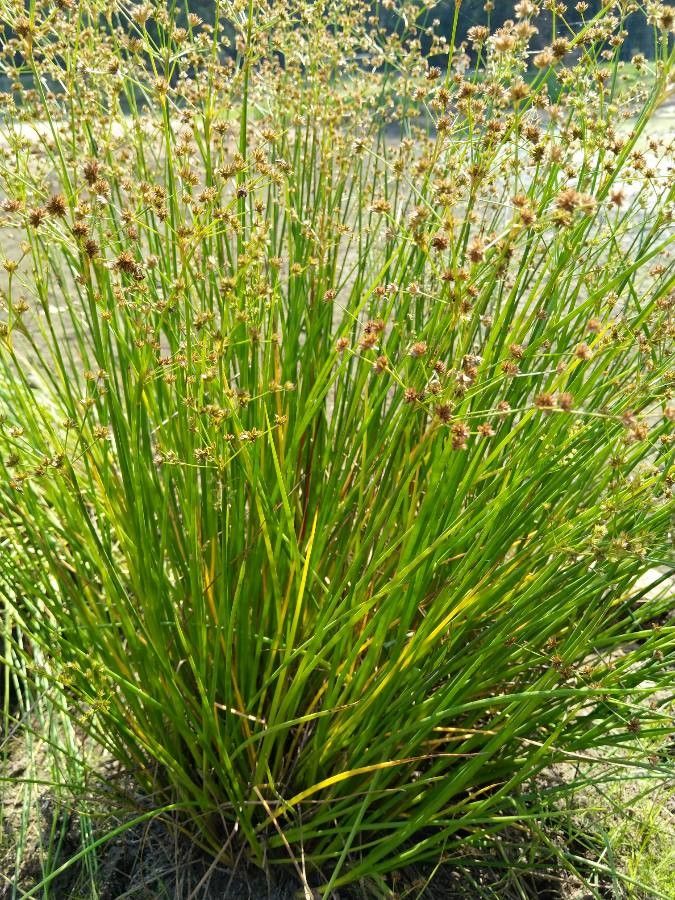
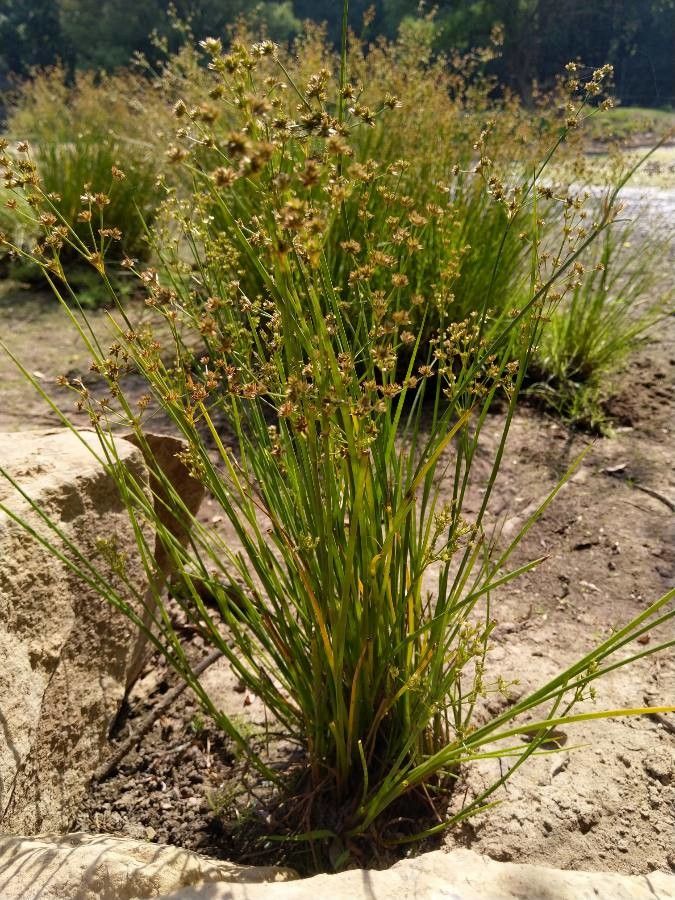
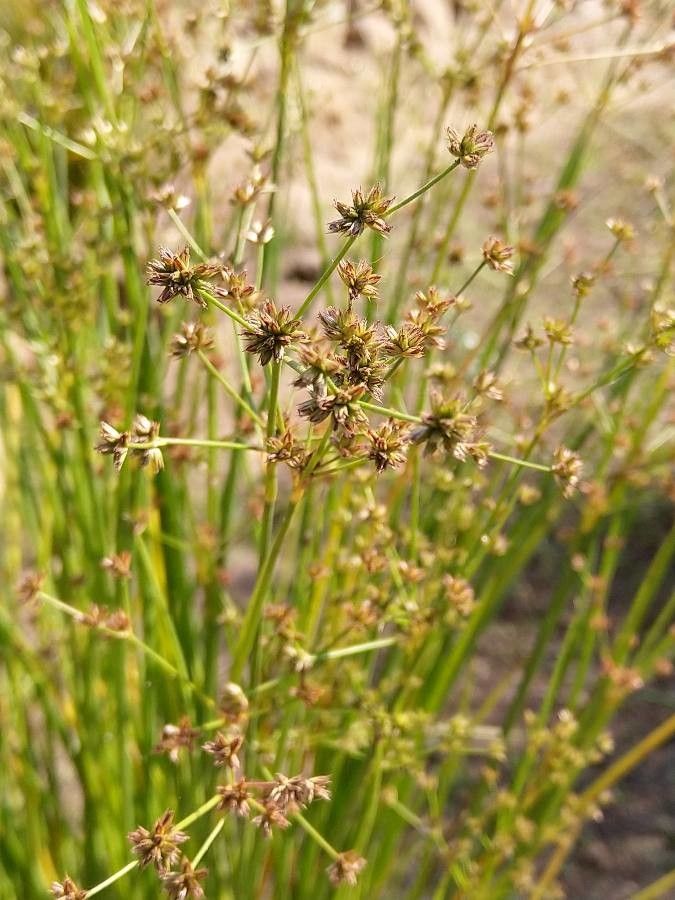
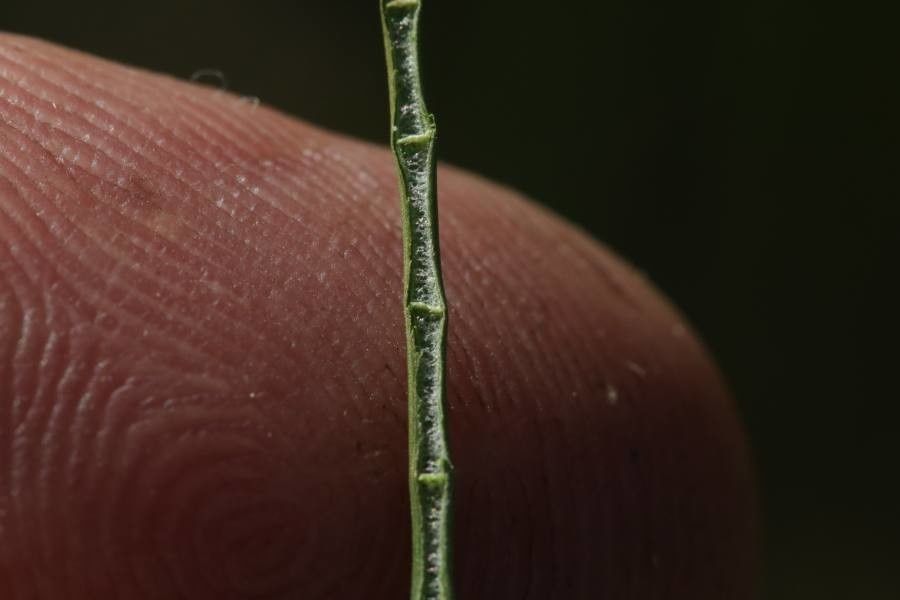
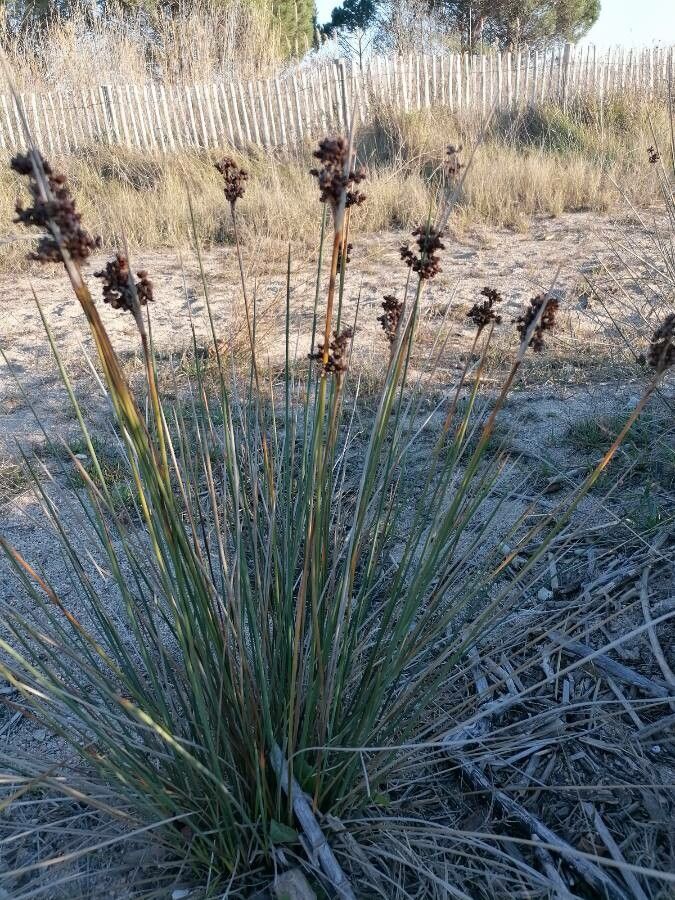
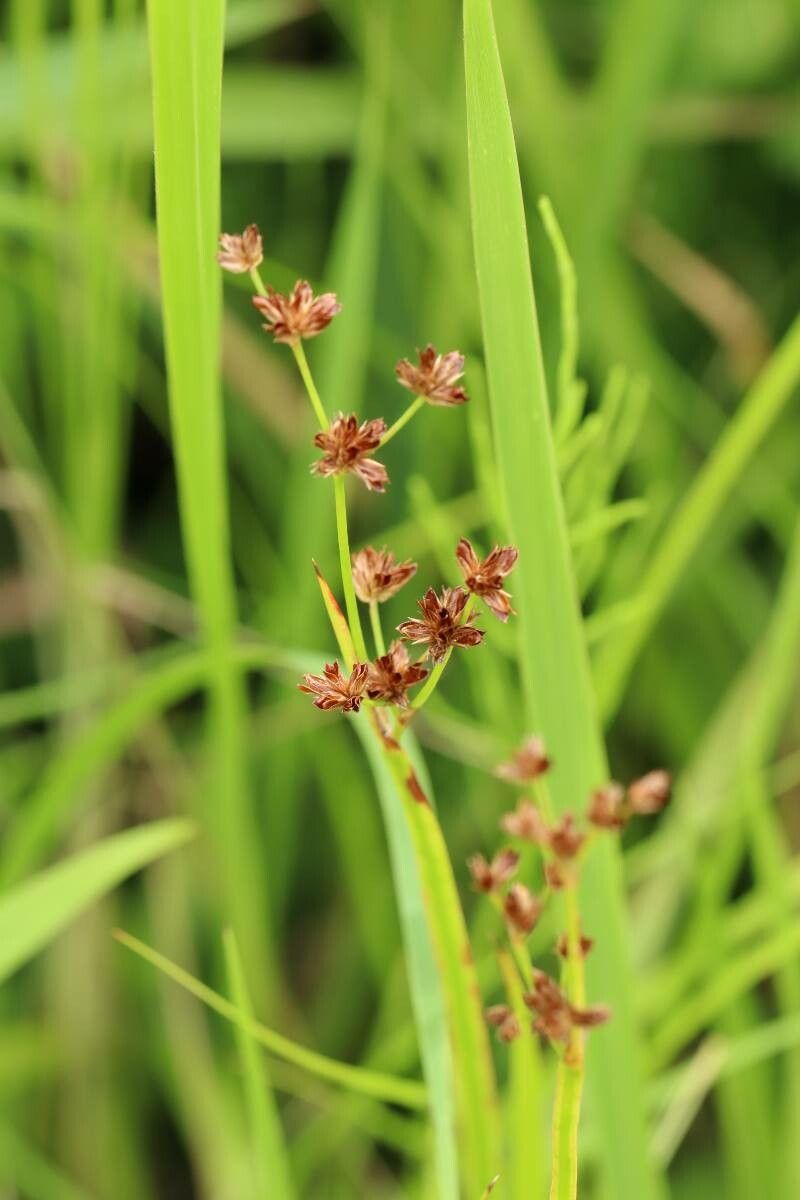
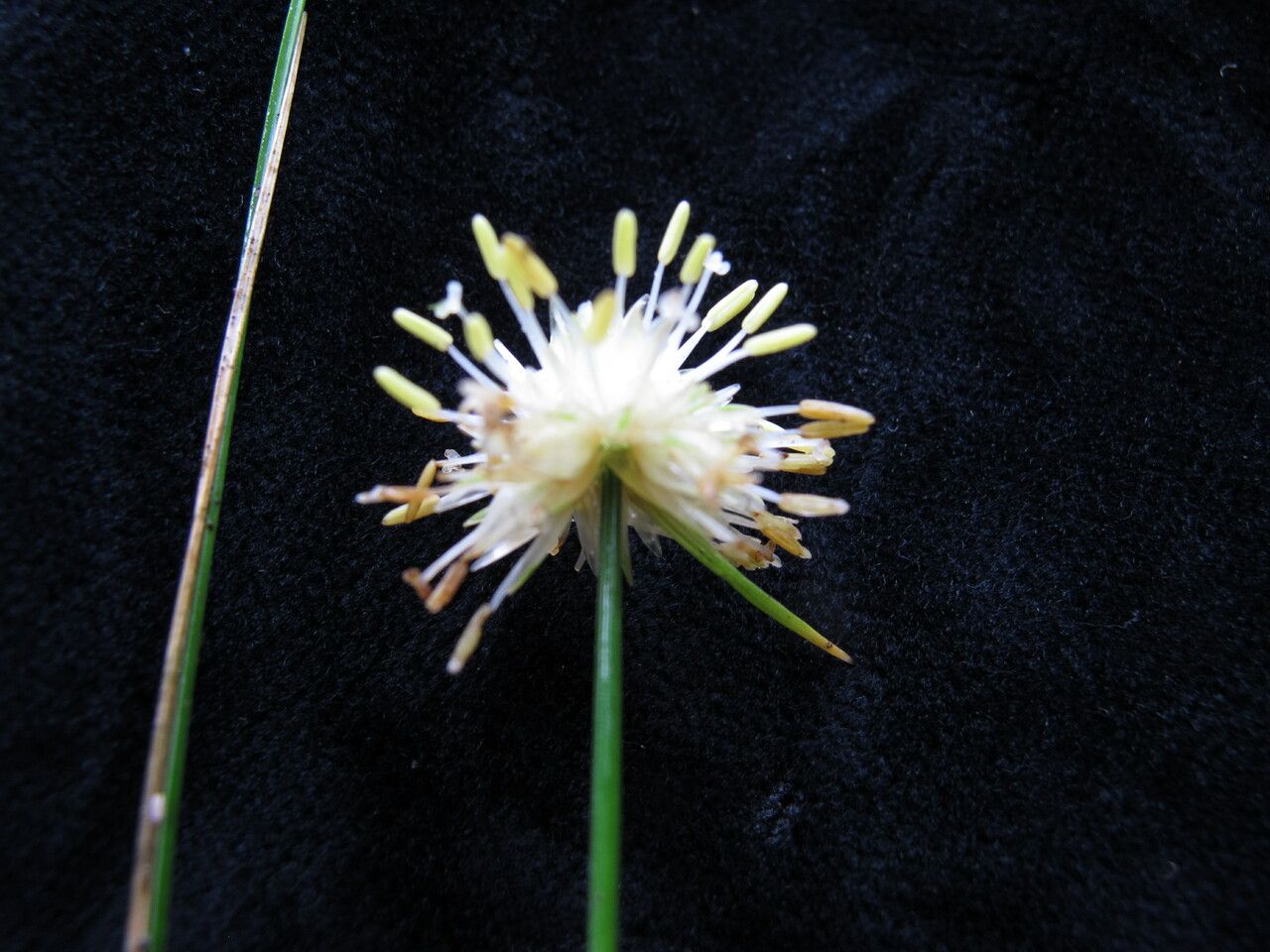
Juncus prismatocarpus, the branching rush, is a tufted, perennial species of flowering plant in the rush family, Juncaceae. Found in moist situations, often on sandy ground. Grass-like leaves are 10 to 40 cm long, 1.3 to 3.0 mm in diameter. Growing in many parts of Australia, New Zealand and south east Asia. The specific epithet is derived from Latin, meaning prism shaped fruit.
Branching rush is resistant to disease and generally not susceptible to illnesses. In terms of care, this plant is fairly low-maintenance. When grown outdoors, it needs minimal watering, and larger specimens typically do not require pruning. Smaller plants, however, should be pruned after they have finished blooming. Branching rush is suitable for anyone with an outdoor area, such as a garden or deck, and does not demand extensive experience in plant care.
How to keep Juncus Prismatocarpus.
Light
Branching rush does well in locations that are completely shaded from sunlight. This lack of sunlight is necessary for its growth. Both too little and too much sunlight can impede its development. The habitat it comes from naturally receives little sunlight.
Water
Branching rush thrives in moist environments and requires consistently damp soil. To ensure its healthy growth, water it weekly. During the growing season, rainwater is especially beneficial as it helps maintain its hydration and promotes vigorous growth.
Temperature
Branching rush can tolerate a broad range of temperatures, but its distribution may still be restricted by specific combinations of water and heat. It performs best in warm summer climates with adequate rainfall or watering. Extended periods of cloudy, rainy weather or prolonged high temperatures increase the risk of Branching rush dying. In winter, appropriate protection from cold can boost the plant's chances of survival.
Pruning
To promote healthy growth and improve air circulation, prune branching rush in early spring by trimming dead or damaged stems at the base. Regular pruning helps control its spread and enhances its ornamental appeal, ensuring vigorous growth throughout the season.
Botanical profile.
- Plant Type
- Grass
- Life Cycle
- Perennial
- Genus
- Juncus
- Family
- Juncaceae
- Hardiness Zone
- 5-9
- Mature Height
- 18 cm to 61 cm
- Mature Spread
- 20 cm to 30 cm
- Leaf Color
- Green
- Leaf Type
- Evergreen
- Flower Color
- Brown, Green
- Flower Size
- 0.76 cm to 1.02 cm
- Bloom Time
- Summer
- Planting Time
- Spring, Summer, Autumn
- Harvest Time
- Late summer, Early fall, Mid fall
Reader questions.
What are the sunlight requirements for branching rush?
Branching rush adapts well to full shade environments, where it receives less than 3 hours of sunlight daily. It's essential for its growth to avoid both under and overexposure to sunlight, as its natural habitat is low on sunlight exposure. It's recommended to observe how sunlight moves through your garden to find spots that provide a balance of light and shade, ensuring the happiness of your plants.
What is the botanical name of the Branching rush?
The botanical name of the Branching rush is Juncus prismatocarpus. This detail helps in scientifically identifying the plant, ensuring clarity and precision in botanical studies or gardening contexts.
How can artificial lighting benefit indoor plants like branching rush?
Indoor plants, including branching rush, require adequate lighting for optimal growth, especially when natural sunlight is insufficient, like in winter or less sunny spaces. Artificial lights, such as LEDs, can provide the specific wavelengths of light needed by plants. For full sun plants, 30-50W/sq ft of artificial light is needed; partial sun plants require 20-30W/sq ft; and full shade plants need 10-20W/sq ft. The light source should be placed 12-36 inches above the plant to mimic natural sunlight, and most plants need 8-12 hours of light per day.
What are the symptoms of light deficiency in branching rush when grown indoors?
When branching rush is grown indoors with insufficient light, it may show subtle symptoms such as small leaves compared to previous ones, leggy or sparse growth leading to a weak appearance, faster leaf drop to conserve resources, slower or no new growth indicating a survival mode due to poor light conditions, and lighter-colored new leaves or chlorosis indicating a lack of chlorophyll and essential nutrients. Additionally, symptoms like sunscald, leaf curling, wilting, and leaf scorching can occur due to overexposure to sunlight.
What solutions can mitigate light deficiency symptoms in branching rush?
To mitigate light deficiency in branching rush, indoors, you can move plants to spots where they receive ample filtered light or brief periods of direct morning sunlight, ideally 1-2 meters away from a window. For plants that are large or not easily movable, consider using artificial light, keeping a lamp on for at least 8 hours daily, or invest in professional grow lights. Outdoors, gradually adapt plants to sunnier locations each week to avoid sunburn. Minimize obstructions like tree branches to allow more sunlight to reach the plants. For small plants, consider transplanting them during their dormant period to a location with ample sunlight and good drainage. Note that parts of the plant affected by insufficient sunlight may not fully recover, but new growth after increasing light exposure will be healthy.