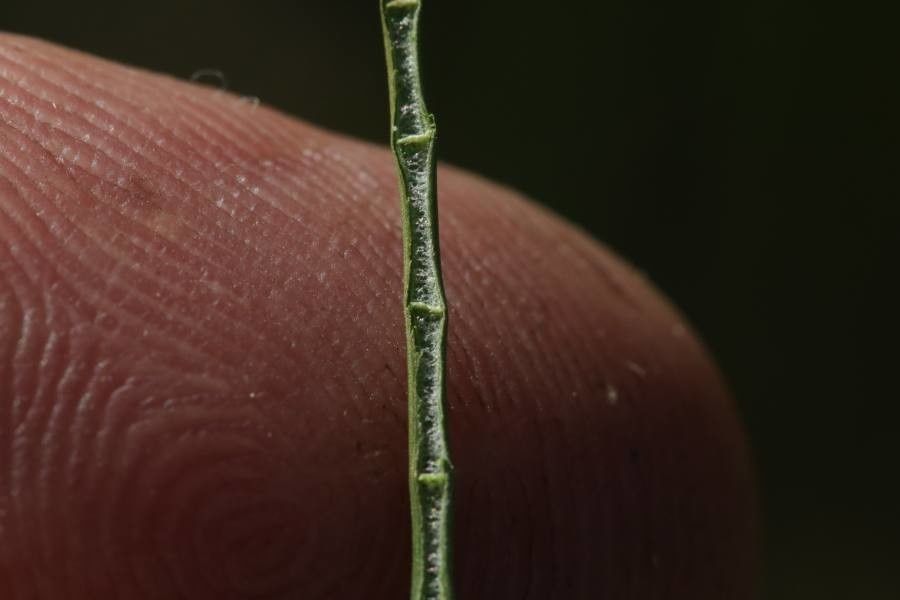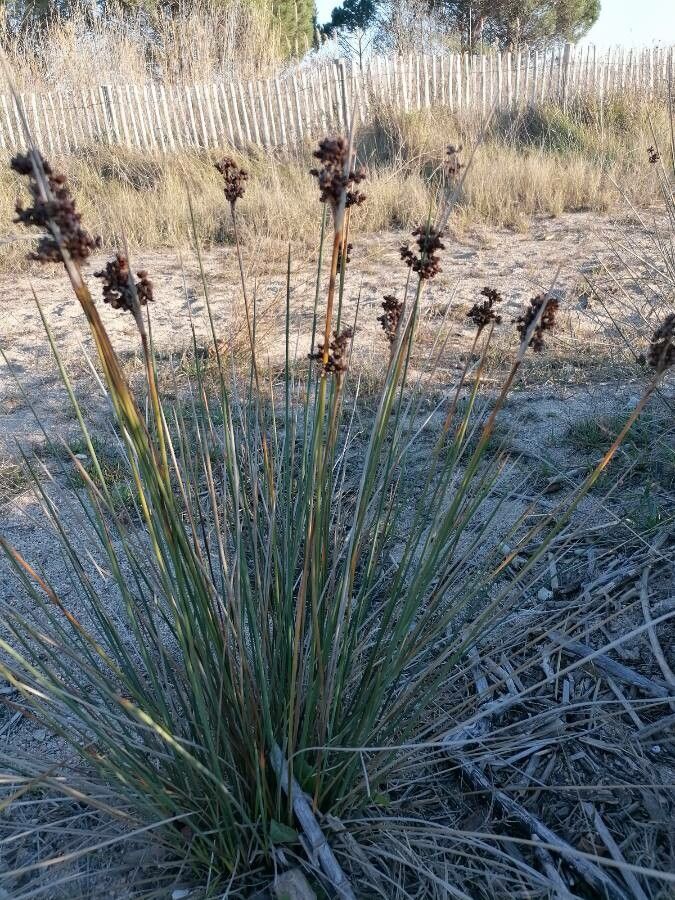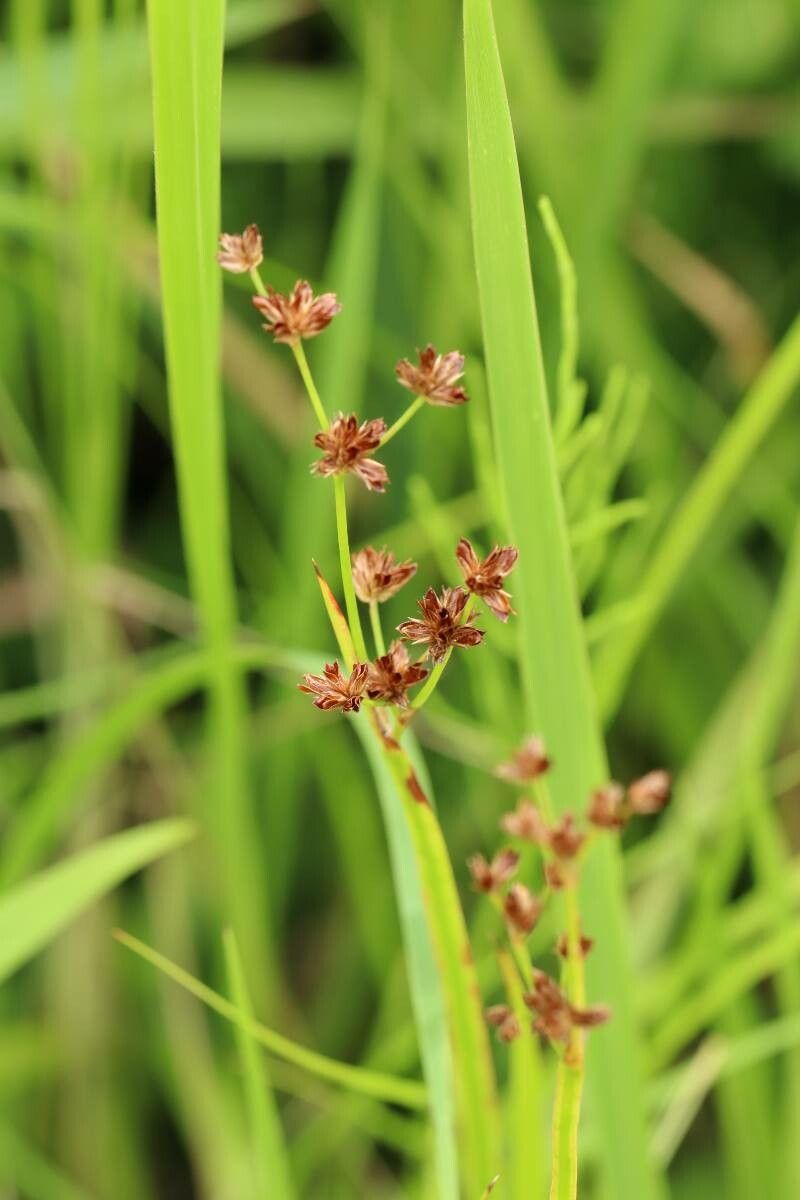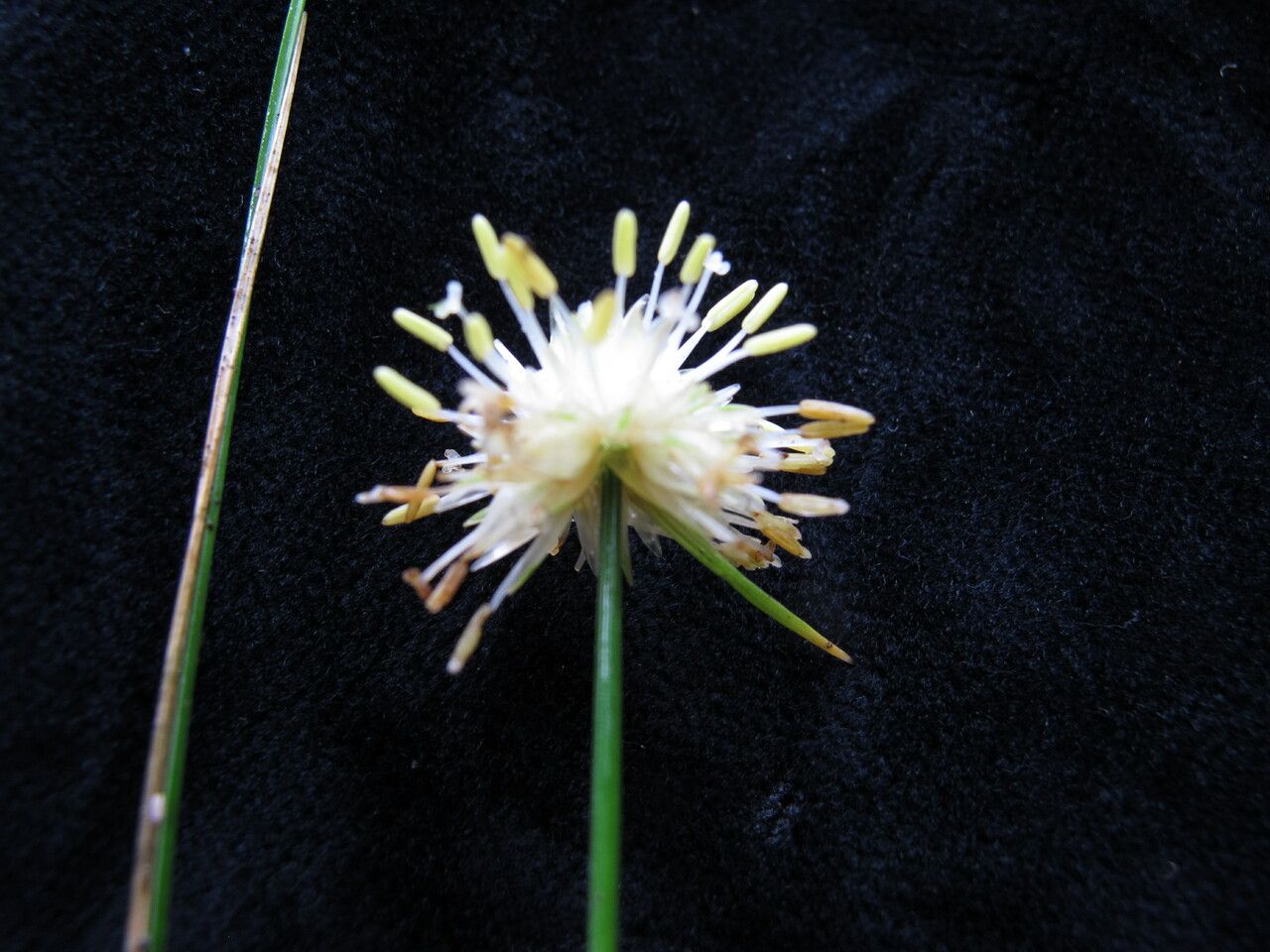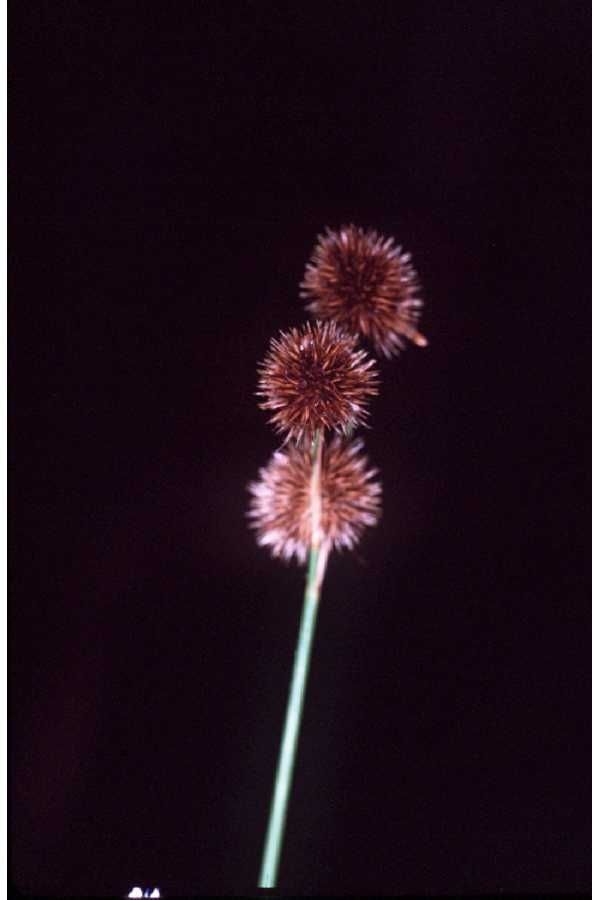
Juncus brachycarpus, commonly known as Short-fruited Rush, is a perennial herbaceous plant belonging to the Juncaceae family. Native to North America, it thrives in wetlands, marshes, and along the edges of streams and ponds. The plant features a slender stem that can reach heights of up to 60 cm, alongside narrow leaves approximately 1-2 mm wide. Its flowers are small and brownish-green, consisting of three sepals and three petals. Juncus brachycarpus plays a crucial role in wetland ecosystems by providing habitat for various aquatic animals, including fish, amphibians, insects, and birds. Additionally, it helps prevent soil erosion by stabilizing the soil along waterways. Indigenous people have traditionally utilized the plant for medicinal purposes, such as treating headaches or stomachaches, by making tea from its roots or leaves. Overall, Juncus brachycarpus is a significant species in wetland ecosystems due to its ecological importance and traditional medicinal uses, making it a valuable resource for both humans and wildlife.
Whiteroot rush has strong resistance to disease and is typically not prone to illnesses. In terms of care, this plant is fairly low-maintenance. Planted outdoors, it needs little watering, and larger specimens generally do not require pruning. Smaller plants should be pruned after they have finished blooming. Whiteroot rush is suitable for anyone with an outdoor area, such as a garden or deck, and does not demand a lot of gardening experience.
How to keep Juncus Brachycarpus.
Light
The whiteroot rush plant thrives in conditions with substantial sunlight, often found in shallow borders of ponds and lakes. It requires full sun exposure for optimum growth, however, it also can withstand conditions of partial sunlight.
Temperature
Whiteroot rush is capable of adjusting to various temperature environments, although stringent combinations of water and heat conditions may still restrict its range. It flourishes optimally in hot summer climates when there's ample rainfall or irrigation. Extensive periods of cloudy, wet conditions, in conjunction with extended high temperatures, can heighten the chances of Whiteroot rush succumbing. Throughout the winter season, adequate shielding against chilliness can enhance the survivability of the plant.
Fertilizer
To ensure optimal care for whiteroot rush, fertilize the plant annually in the spring using organic mulch or compost. This will help enhance the soil's fertility. It's important to adjust the amount of fertilization according to the plant's growth stages, applying it carefully to prevent root burn. During the winter dormancy period, reduce fertilization to promote healthy development that is well-suited to the needs of whiteroot rush.
Pruning
Prune whiteroot rush in early spring to remove dead stems and promote healthy growth. Cut back old foliage at the base to rejuvenate the plant and improve airflow. Regular pruning helps control its size and prevents overcrowding. However, be careful not to over-prune, as this can cause stress to the plant. Proper pruning enhances both its vitality and ornamental appeal.
Botanical profile.
- Plant Type
- Grass
- Life Cycle
- Perennial
- Genus
- Juncus
- Family
- Juncaceae
- Hardiness Zone
- 5-9
- Mature Height
- 30 cm to 91 cm
- Mature Spread
- 20 cm to 40 cm
- Leaf Color
- Green
- Leaf Type
- Semi-evergreen
- Flower Color
- Green
- Flower Size
- 0.25 cm to 0.51 cm
- Bloom Time
- Early summer, Mid summer
- Planting Time
- Spring, Summer
- Harvest Time
- Mid summer, Late summer, Early fall
Other names.
Reader questions.
What are the sunlight requirements for Whiteroot rush (Juncus brachycarpus)?
Whiteroot rush (Juncus brachycarpus) requires less than 3 hours of sunlight a day, meaning it thrives in full shade. When planting Whiteroot rush in your garden, it's important to observe the movement of sunlight throughout the day. Choosing locations that offer the right balance of light and shade will ensure your plants stay healthy and happy. This careful consideration will help mimic the plant's natural habitat and promote its growth.
What is the botanical name of Whiteroot rush?
The botanical name of Whiteroot rush is Juncus brachycarpus. It is a species recognized by its distinctive botanical classification within the Juncus genus.