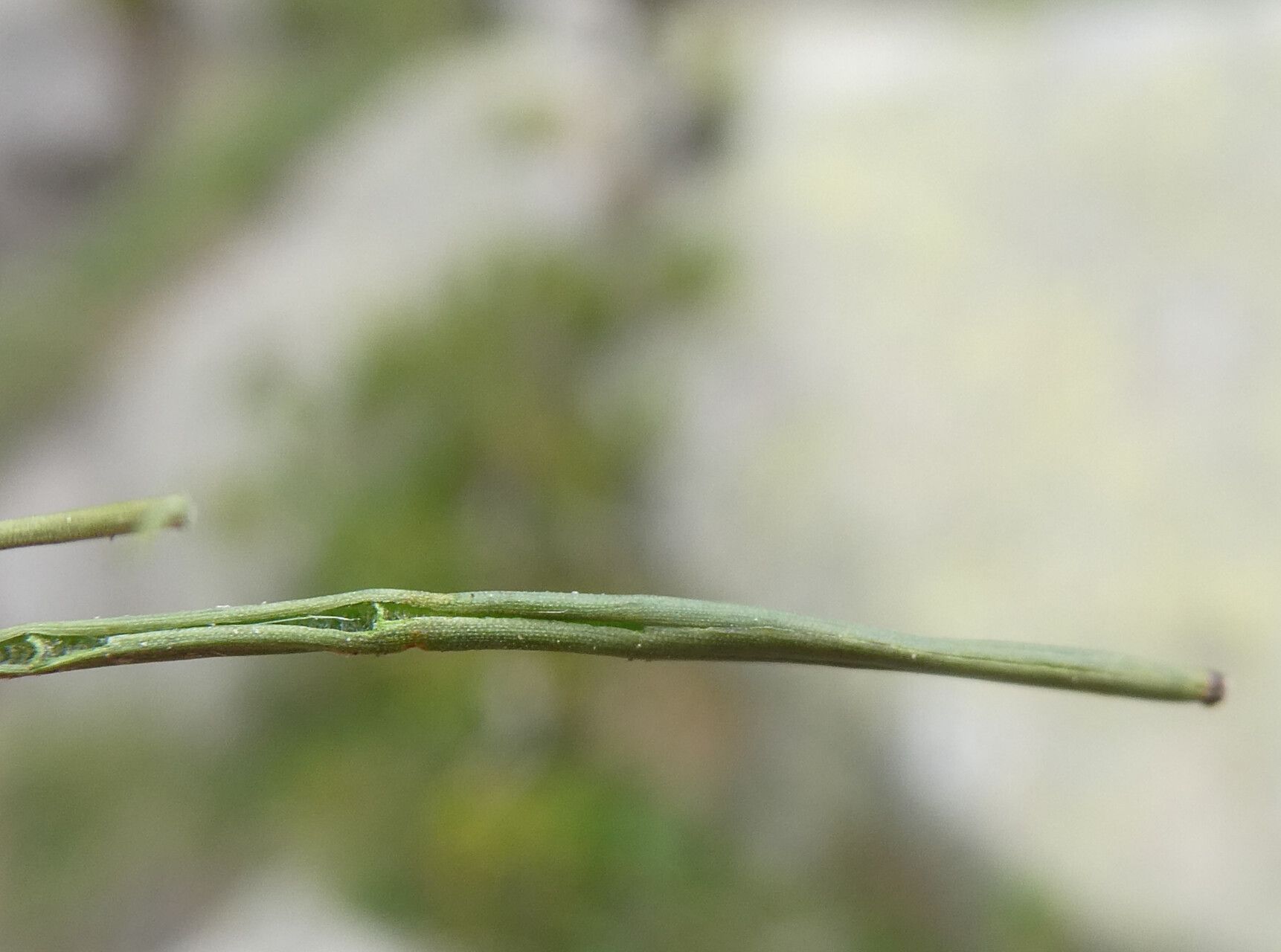
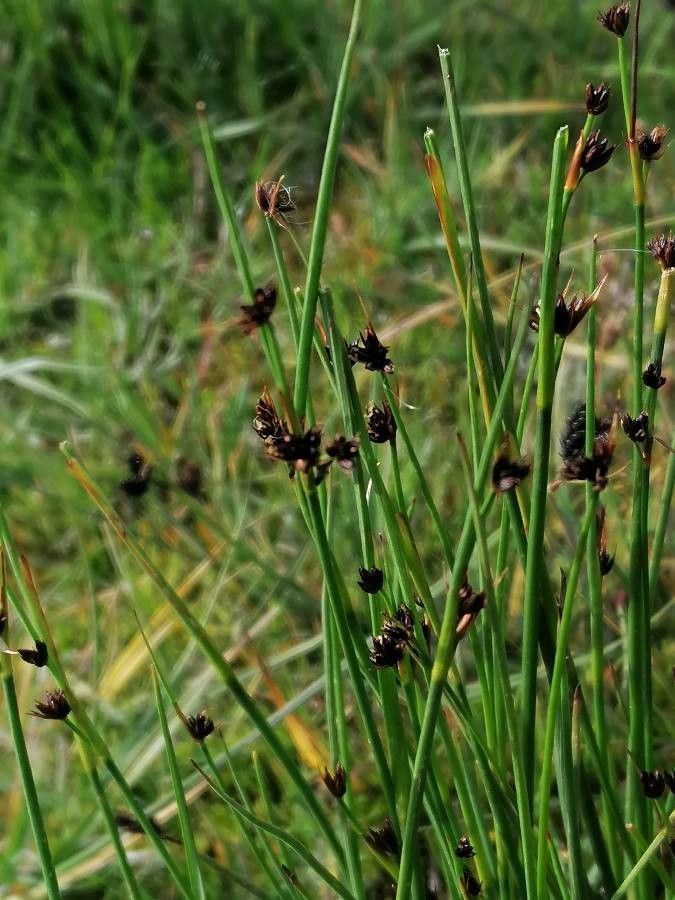
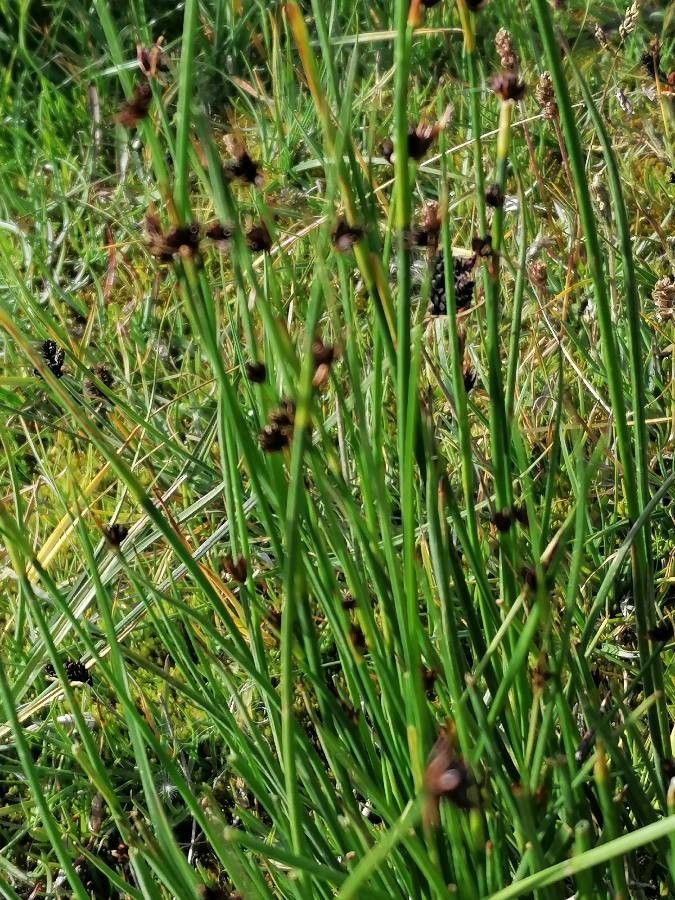
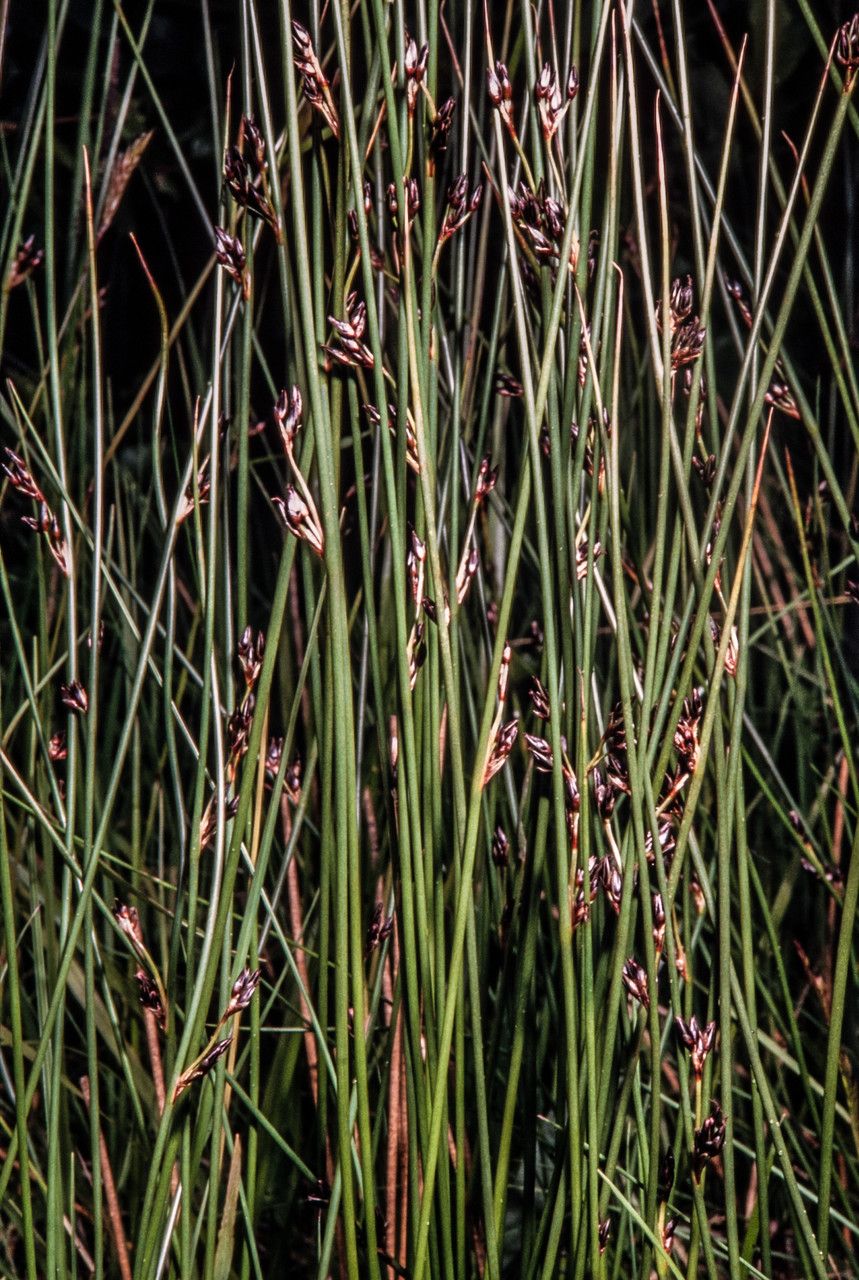
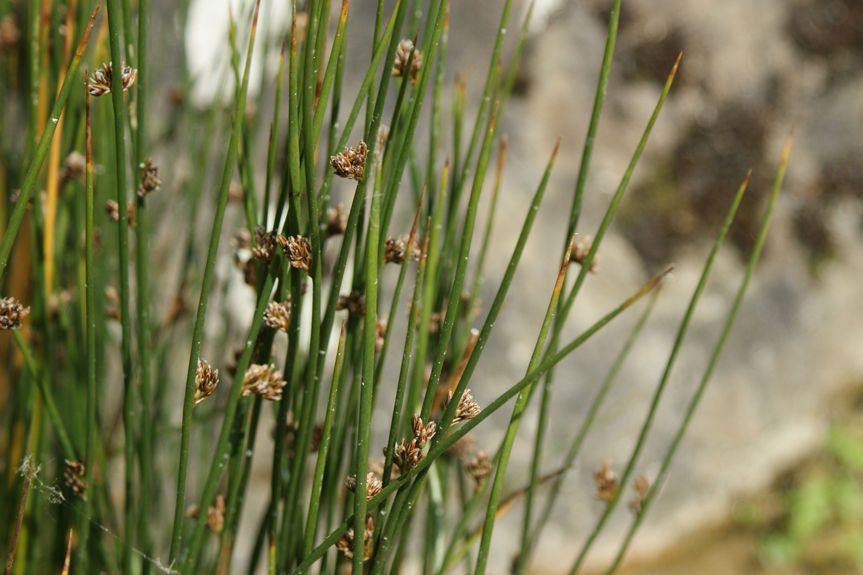
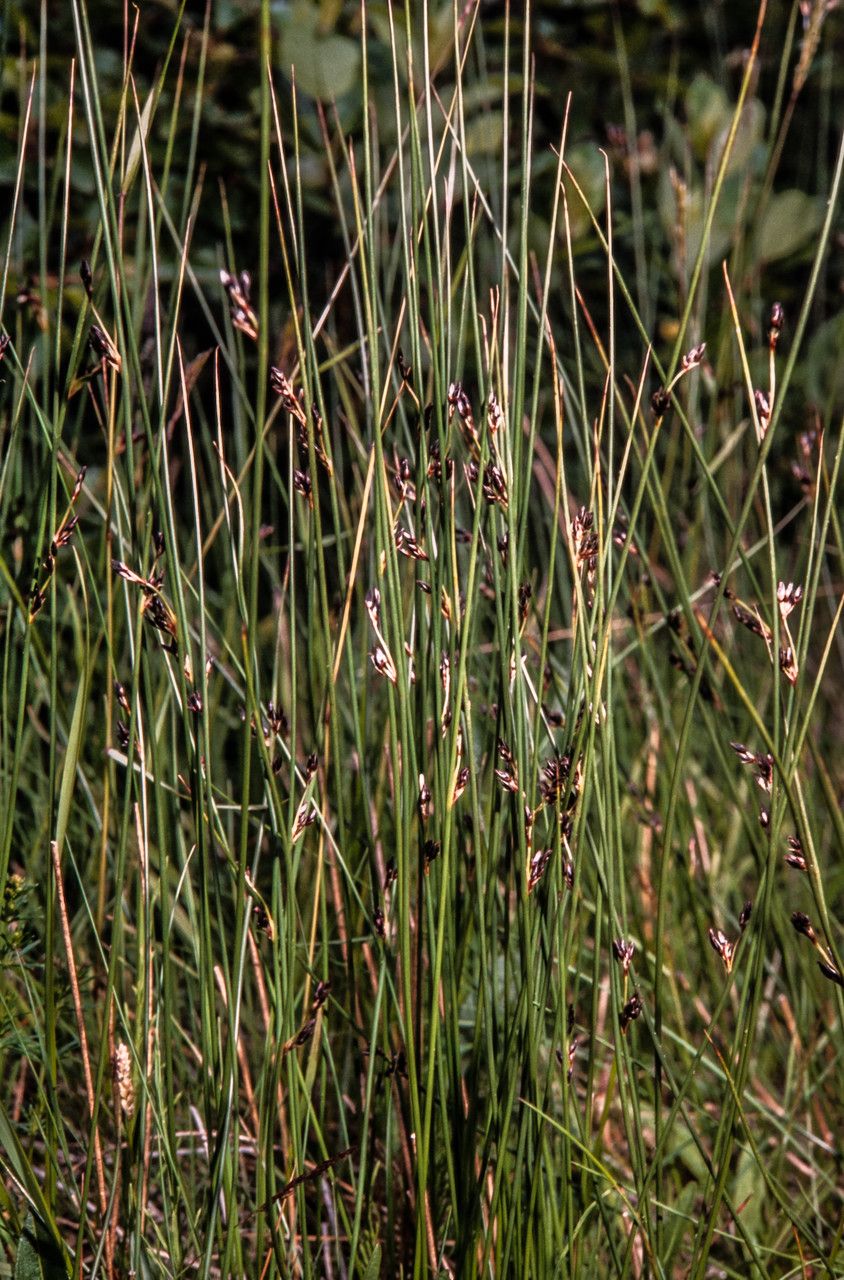
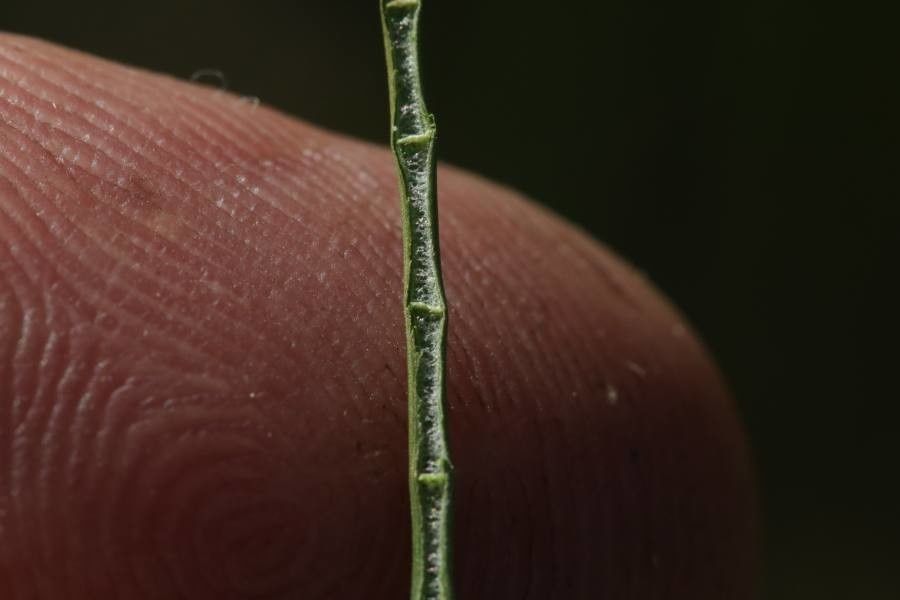
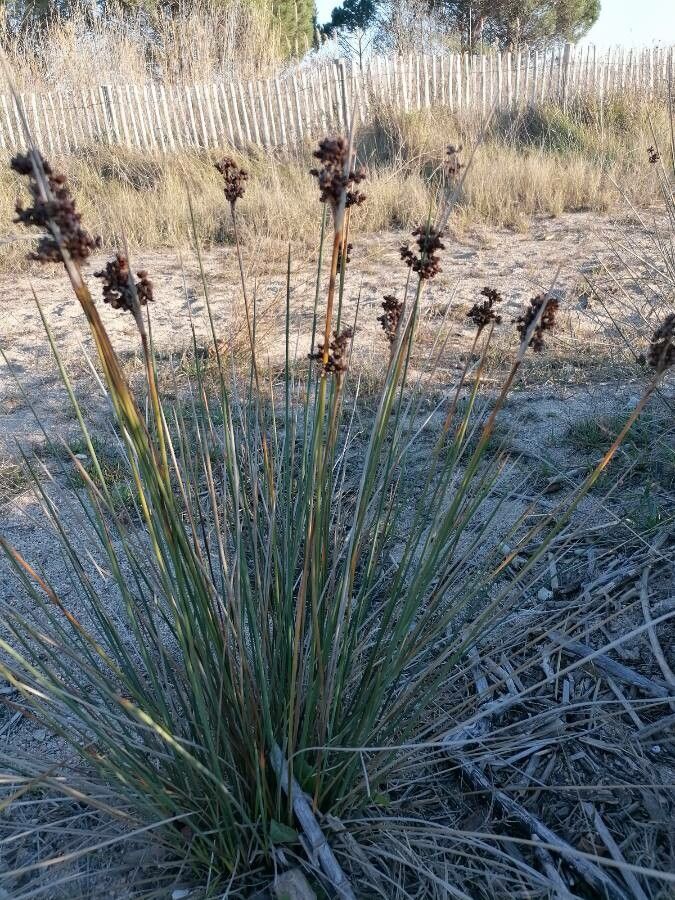
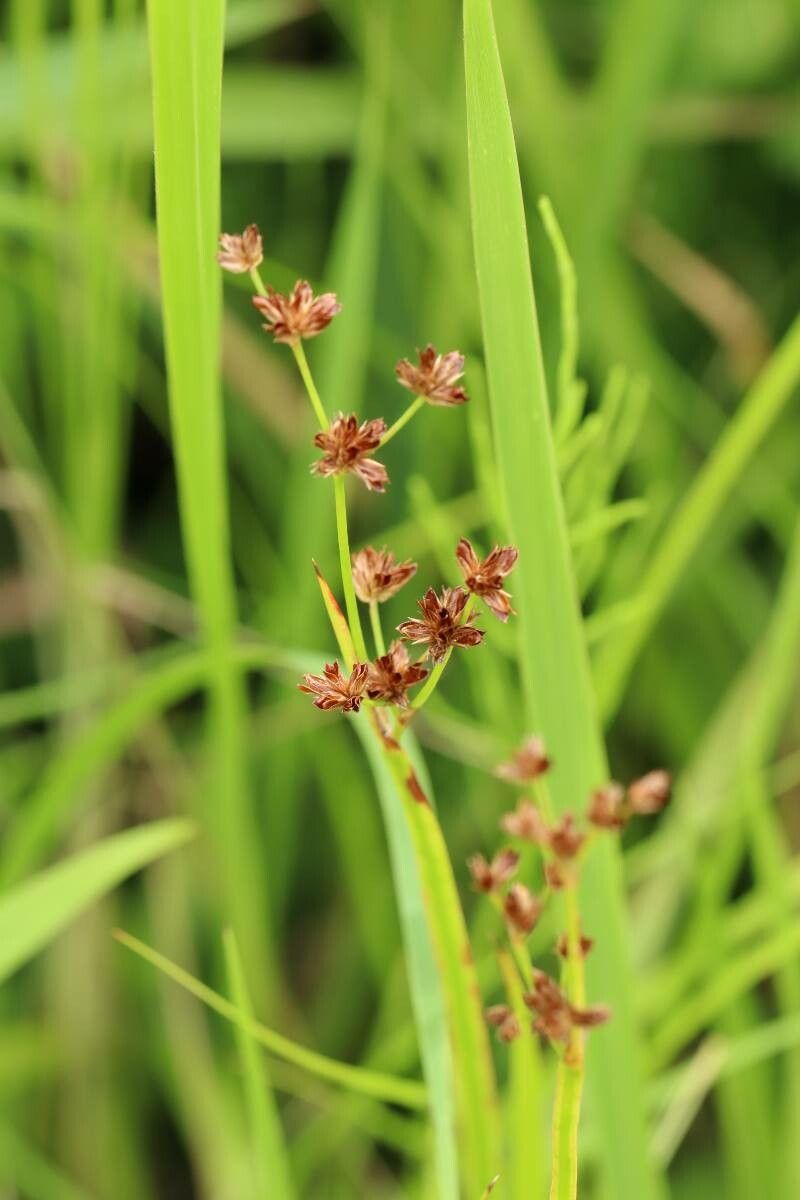
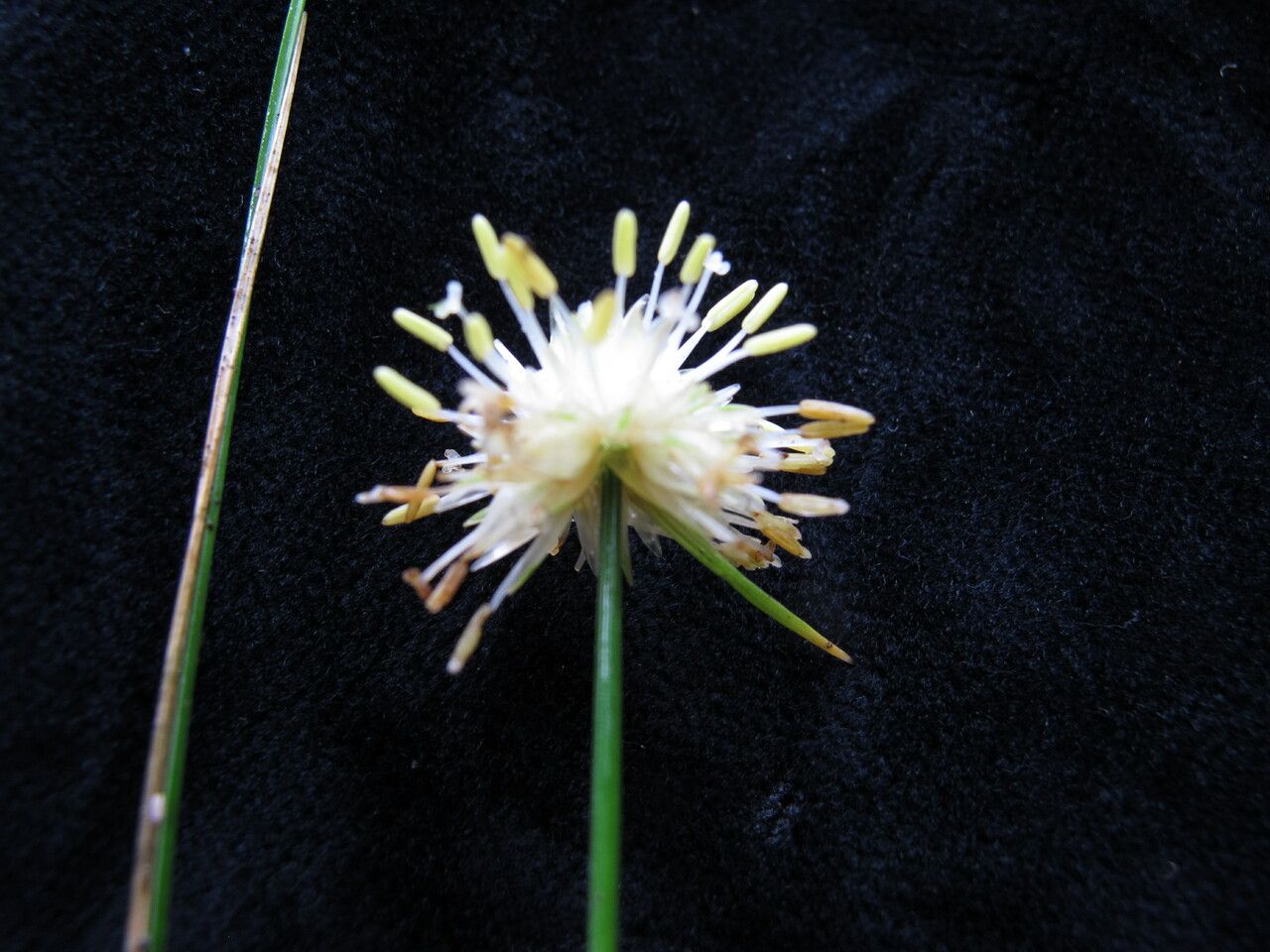
Juncus arcticus, called the arctic rush, is a species of flowering plant in the genus Juncus, native to the subarctic and subalpine northern hemisphere. It is typically found in wetland and riparian habitats.
Arctic rush shows strong resistance to disease and is generally not prone to illness. For care, this plant is fairly low-maintenance. When grown outdoors it needs little watering, and larger plants usually do not require pruning. Smaller plants, however, should be pruned after they have finished blooming. Arctic rush is suitable for anyone with an outdoor area, such as a garden or deck, and does not demand much prior care experience.
How to keep Juncus Arcticus.
Light
Arctic rush comes from habitats that receive abundant sunlight, such as the shallow margins of ponds and lakes. It prefers full sun but can also tolerate partial sun.
Temperature
Arctic rush does well in cold climates and at high elevations. It prefers cool temperatures, good airflow, and a moist environment. In summer, steps should be taken to keep it cool, since it is very sensitive to heat and can easily perish. Dry conditions can also damage the plant. In winter, no special cold protection is required, but maintaining soil moisture is important.
Botanical profile.
- Plant Type
- Grass
- Life Cycle
- Perennial
- Genus
- Juncus
- Family
- Juncaceae
- Hardiness Zone
- 3-9
- Mature Height
- 20 cm to 76 cm
- Mature Spread
- 30 cm to 61 cm
- Leaf Color
- Dark Green
- Leaf Type
- Evergreen
- Flower Color
- Green, Brown
- Flower Size
- 0.25 cm to 0.51 cm
- Bloom Time
- Early summer, Mid summer
- Planting Time
- Spring, Summer
- Harvest Time
- Late summer, Early fall
Other names.