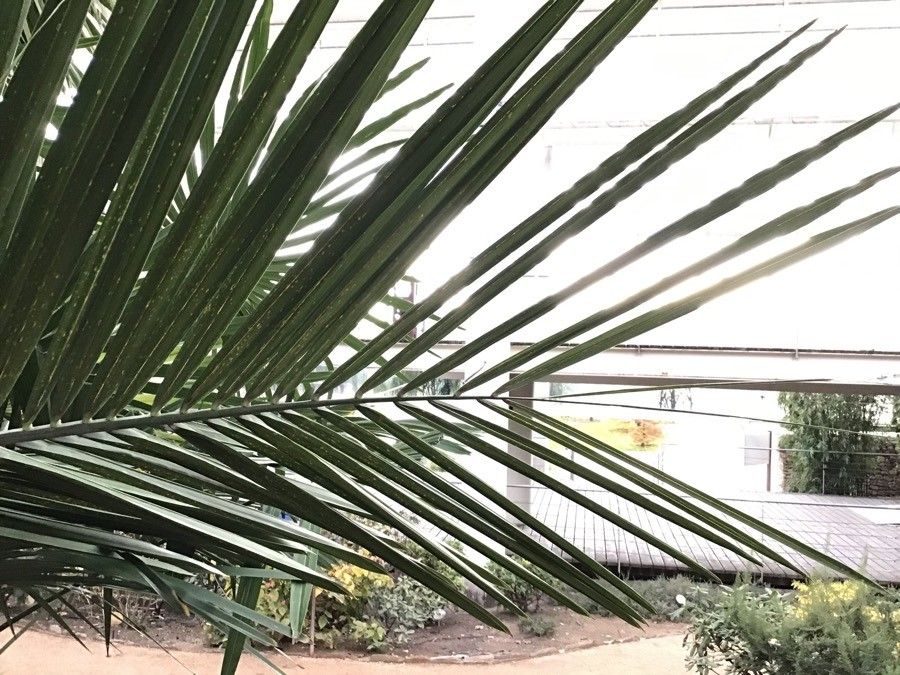
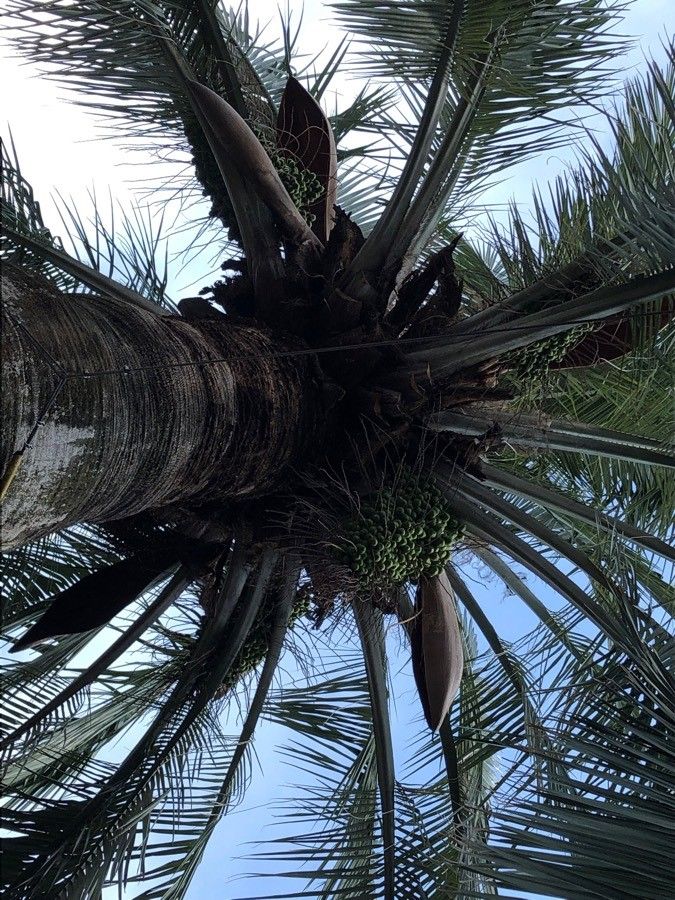
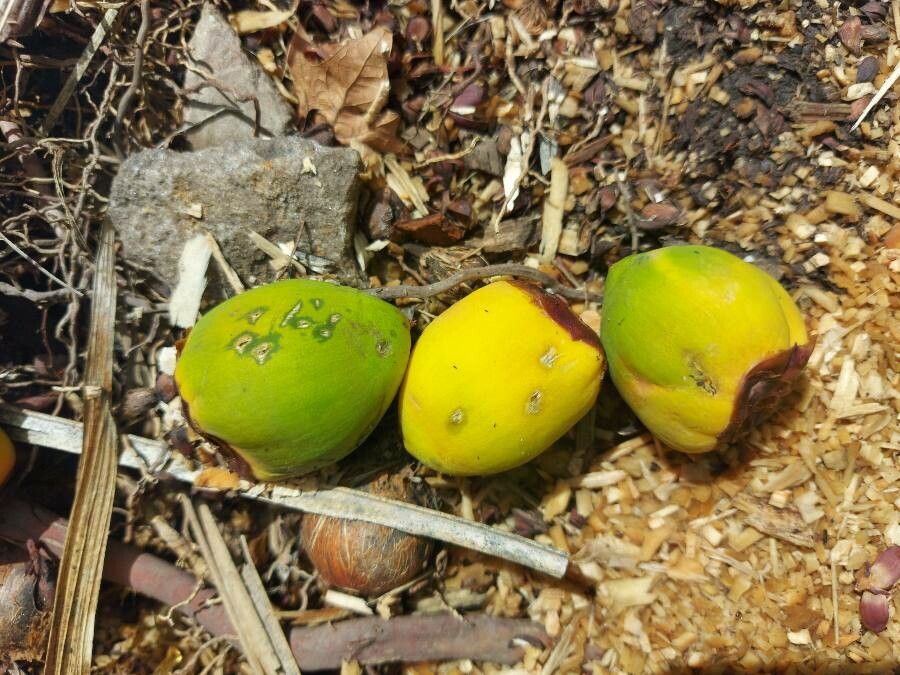
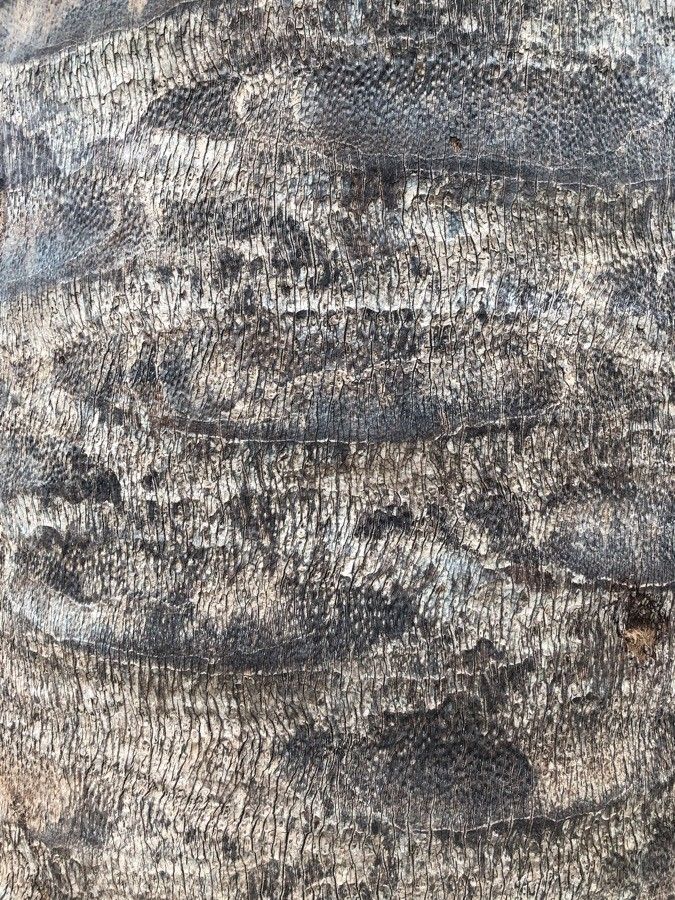
Jubaea is a genus of palms with one species, Jubaea chilensis or Jubaea spectabilis, commonly known in English as the Chilean wine palm or Chile cocopalm, and palma chilena in Spanish. It is native to southwestern South America and is endemic to a small area of central Chile between 32°S and 35°S in southern Coquimbo, Valparaíso, Santiago, O'Higgins, and northern Maule regions. It has long been assumed that the extinct palm tree of Easter Island belonged to this genus as well; however, in 2008, John Dransfield controversially placed it in its own genus, Paschalococos.
The Chilean wine palm, scientifically known as Jubaea chilensis, derives its genus name, Jubaea, from King Juba of the ancient North African kingdom of Numidia. This kingdom, which engaged in wars with Rome, existed for fewer than 200 years. The species name, chilensis, indicates the tree's native region, Chile.
The Chilean wine palm is fairly disease-resistant and generally not prone to health problems. In terms of care, this plant is fairly low-maintenance. When grown outdoors it needs only light watering, and larger specimens usually do not require pruning. Smaller plants, however, should be pruned after they finish flowering. The Chilean wine palm is appropriate for anyone with outdoor space, such as a garden or a deck, and does not demand significant gardening experience.
How to keep Jubaea Chilensis.
Light
Preferring abundant sunlight, the Chilean wine palm performs best in places that receive continuous sun. Native to regions where sunny conditions predominate, this species can struggle under lower light than it is accustomed to, showing reduced vigor and slower growth. Every stage of its development needs ample sunlight, although too much light can be harmful to its wellbeing.
Water
The Chilean wine palm, native to the semi-arid regions of Chile, is well-adapted to drought conditions and requires only moderate watering every one to two weeks. It thrives in well-drained soil and benefits from deep, infrequent watering, which mimics natural rainfall. This approach encourages a strong root system and prevents waterlogging.
Temperature
The Chilean wine palm is best adapted to temperate regions and prefers temperatures between 59 to 95 °F (15 to 35 °C). Growers should monitor weather changes and adjust the plant's care accordingly.
Fertilizer
Fertilizing a Chilean wine palm at the proper time is essential. Begin in early spring and apply fertilizer monthly through early summer. Fertilizer encourages lovely blooms and supplies energy during both dormant and active growth phases.
Pruning
The Chilean wine palm is a slow-growing plant that needs minimal pruning. Primarily, you should remove any dead or damaged fronds in early spring, but be careful not to cut too close to the trunk. Regularly cleaning the base of the plant helps prevent pests, while careful pruning supports better growth and a stronger structure.
Pot & Repot
Repot the slow-growing Chilean wine palm every 1 to 2 years, ideally in the spring. Choose a large pot to accommodate its sizable roots. Make sure to use well-draining soil, provide adequate sunlight, and limit watering after repotting until new growth is visible, to prevent root rot.
Botanical profile.
Other names.
Reader questions.
How should I water my Chilean wine palm tree?
Your Chilean wine palm is not picky about how you water it. You can use any common watering tool like cans, hoses, or cups. Just make sure to water the soil directly and evenly to provide enough water for all roots. Filtered water is better to avoid harmful particles from tap water. Use water at or slightly above room temperature, as extreme temperatures can be shocking. However, the Chilean wine palm usually does well with any type of water.
Why should I add fertilizer to my Chilean wine palm?
Regular fertilization is important for all types of Chilean wine palms to ensure their overall health. Providing the proper nutrients helps the plant grow stronger and better withstand difficult growing conditions, as well as defend against diseases and pests. Keeping the foliage of your Chilean wine palm intact is crucial for its attractiveness. To achieve this, follow a regular fertilization schedule tailored to your specific palm. By doing so, you can expect vibrant leaves with rich color and a lush appearance.
What type of sunlight does the Chilean wine palm require?
The Chilean wine palm thrives in full sun, requiring more than 6 hours of sunlight daily. It's crucial to observe how sunlight moves through your garden to select spots that provide an ideal balance of light and shade. This ensures the plant's happiness and optimal growth. Originating from sunny environments, this palm shows its best growth where it can continuously bask in the sun's rays. Insufficient light leads to reduced vitality and slower growth. Careful attention to sunlight exposure is essential for each growth phase of the palm.
What are the ideal growing conditions for the Chilean wine palm?
The Chilean wine palm (Jubaea chilensis) flourishes in regions with a temperate climate, thriving best in temperatures ranging from 59 to 95 °F (15 to 35 °C). It has a natural resilience against cold, typically not requiring special frost protection measures during the winter. However, in extremely cold conditions where temperatures are expected to plummet below -15°C, growers should prepare to protect the plant by wrapping its trunk and branches with insulating materials like non-woven fabric or cloth. Additionally, before the onset of autumn's first freeze, it's advisable to water the plant abundantly, ensuring the soil remains moist through to a frozen state, which helps prevent drought and water scarcity during the colder months and early spring.
What should I do if I give my Chilean wine palm too much or too little water?
If you have outdoor plants, especially newly planted ones or plant seedlings, they may be prone to not getting enough water. It's important to consistently water them for a few months until the tree is established. Once the roots are strong, the Chilean wine palm can rely on rain most of the time. However, if you have the Chilean wine palm in a pot, overwatering is more likely. If you accidentally overwater your plant, there are steps you can take to fix the situation. First, stop watering the plant immediately to minimize the damage. Take the Chilean wine palm out of its pot and check the roots for any signs of rotting. If there is no rot, you can return the plant to its container. If there is rot, trim the affected roots and consider using a fungicide. Repot the Chilean wine palm in well-draining soil. For underwatered Chilean wine palms, simply water them more frequently. This is usually an easy fix as the leaves will droop and dry out, but will bounce back after sufficient watering. Correct your watering frequency as soon as you notice underwatering.
When should I fertilize my Chilean wine palm?
To ensure proper growth of your Chilean wine palm, it's recommended to fertilize it for the first time in late winter or early spring. This will provide all the essential nutrients needed for healthy growth once the weather warms up. Additionally, if you live in a warm climate region, it can be beneficial to give your palm another round of fertilization in early fall. This not only adds nutrients to the soil for the following growing season, but also helps the palm withstand winter without damage. Fertilizing earlier in the fall will give the new branches enough time to grow and withstand the cold temperatures.
How can artificial lighting support indoor Chilean wine palm growth?
Indoor Chilean wine palms require adequate lighting for optimal growth, especially when natural sunlight is insufficient. Artificial lights, particularly LED lights, are beneficial as they can be customized to provide specific wavelengths needed by plants. For full sun plants like the Chilean wine palm, 30-50W/sq ft of artificial light is recommended. The light should be placed 12-36 inches above the plant to mimic natural sunlight, with the duration mimicking natural daylight hours, typically 8-12 hours per day. This promotes faster, healthier growth.
How does the Chilean wine palm react to low temperatures?
The Chilean wine palm is cold-tolerant and prefers temperatures above 15°C. In winters, it should ideally remain above -10°C to avoid damage. When temperatures fall below -15°C, the palm may not show immediate signs of distress during winter, but come spring, branches might become brittle, dry, and fail to produce new shoots. In such cases, it's recommended to prune away the dead branches to encourage new growth.
How often do I need to water my Chilean wine palm tree?
Most outdoor plants can grow naturally with rainfall, but if your area lacks rainfall, you should water them every 2 weeks in the spring and fall. In the summer, you need to water more often, while in the winter, when plants grow slower and need less water, you can water less frequently or maybe not at all. If you have a young or newly planted Chilean wine palm, you should water it more frequently to help it establish and grow. Mature and drought-tolerant plants require less watering. For potted plants like the Chilean wine palm, there are two main ways to determine watering frequency. One option is to set a predetermined schedule, such as watering once a week or once every other week. However, this approach may not work well if the growing conditions are unique. Another approach is to adjust the watering frequency based on soil moisture. It's generally best to wait until the top two to four inches of soil in the pots have dried out before watering again. This method takes into account the specific needs of the plant and can change depending on the season. During the summer, when water needs are highest, a predetermined schedule may not be sufficient.
When is the best time to not give fertilizer to my Chilean wine palm?
There are a few specific times of the year when you should avoid fertilizing your Chilean wine palm. Firstly, you should refrain from fertilizing during the winter months when the plant is dormant and does not require any nourishment. Additionally, it is not advisable to fertilize the plant in late spring or throughout the summer as the weather during these periods tends to be hotter and drier, which can have a detrimental effect on the palm if fertilized. To prevent any potential issues, it is recommended to follow a fertilization schedule that involves feeding only in early spring and early fall.
What are the symptoms of insufficient sunlight in Chilean wine palms?
Chilean wine palms show various symptoms when they receive insufficient sunlight, including smaller new leaves, leggy or sparse growth, faster leaf drop, slower or no new growth, and lighter-colored new leaves. Conditions such as chlorosis, where leaves turn yellow due to chlorophyll breakdown from excessive sunlight, and physical damages such as sunscald, leaf curling, wilting, and leaf scorching can also occur. These symptoms indicate a need for better light exposure to maintain the plant's health and growth.
What should I do if my Chilean wine palm experiences high temperatures?
During summer, it's crucial to ensure that the temperatures surrounding your Chilean wine palm do not surpass 35°C. Exposure to temperatures exceeding 41°C can lead to lighter leaf colors, dry and withered leaf tips, and increased susceptibility to sunburn. To mitigate these effects, trim away the sunburned and dried-up areas. Moving the plant to a shaded area during the midday and afternoon sun or utilizing a shade cloth can offer protection. Additionally, watering the plant during the morning and evening will help keep the soil adequately moist.