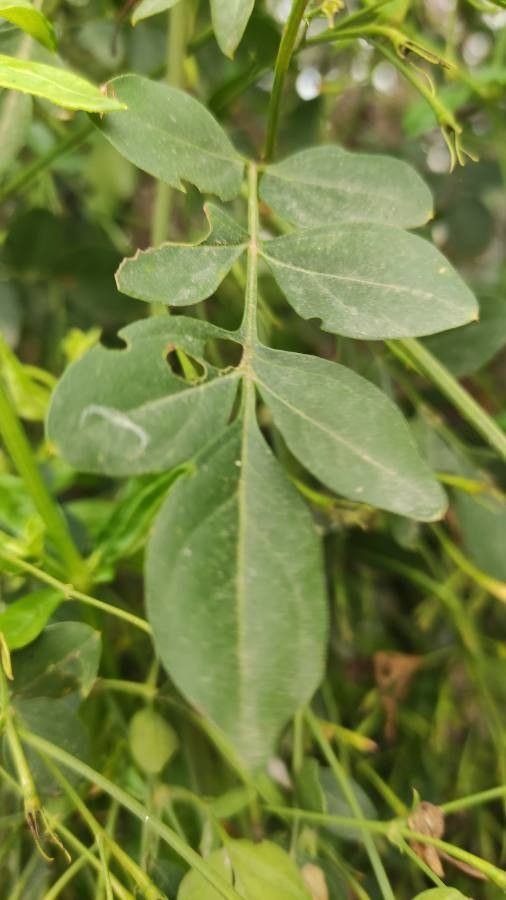
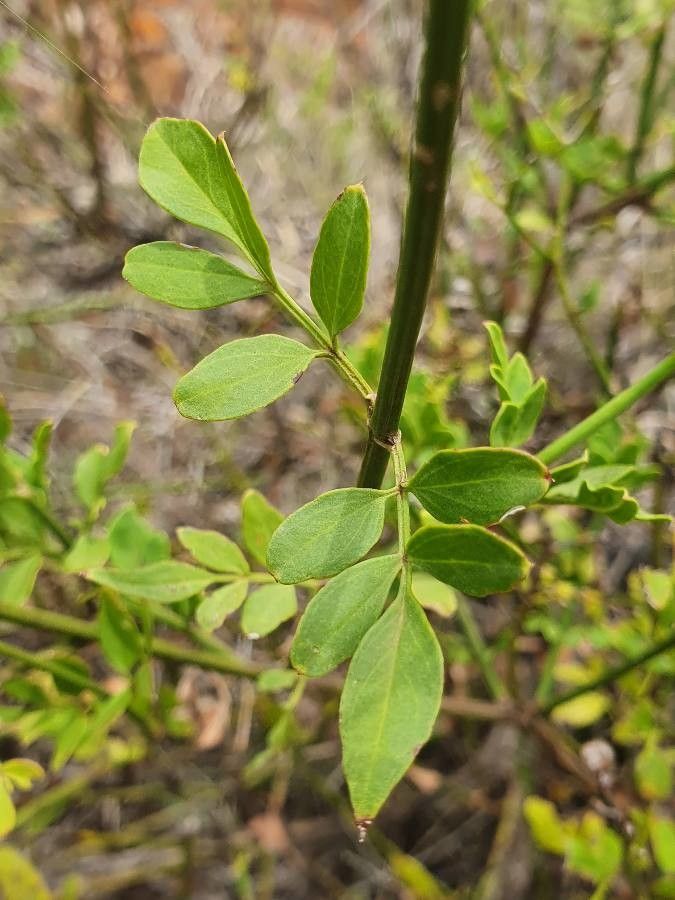
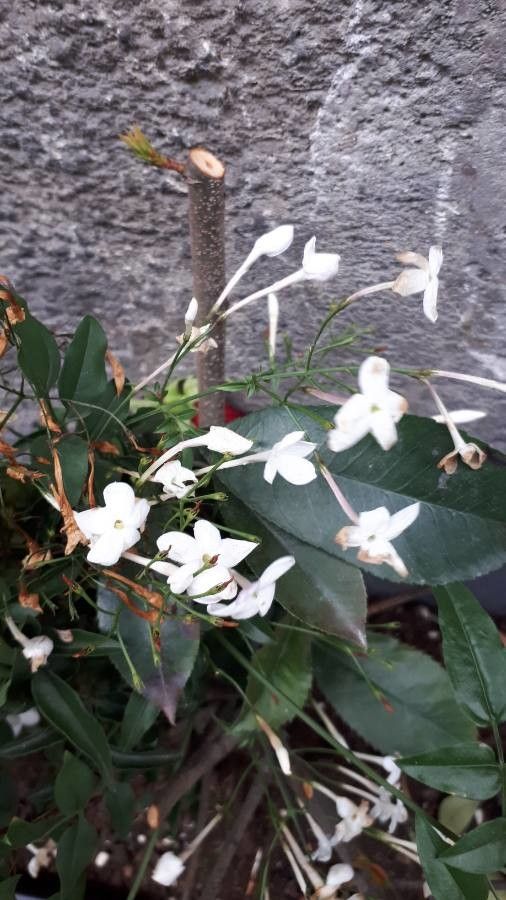
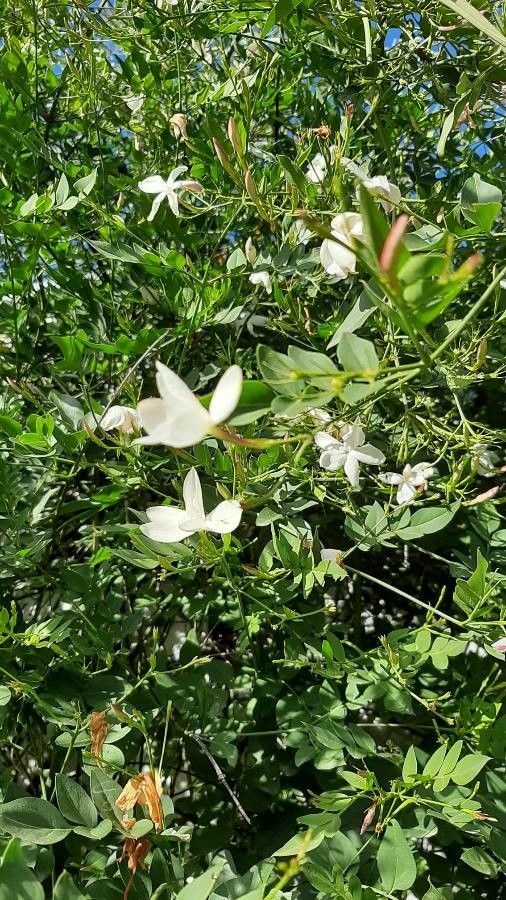
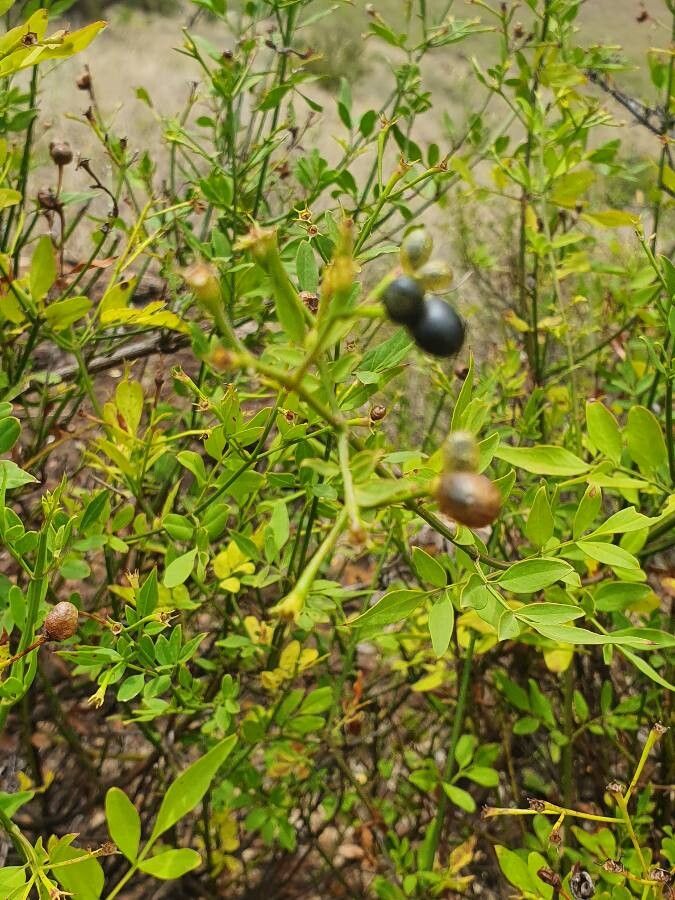
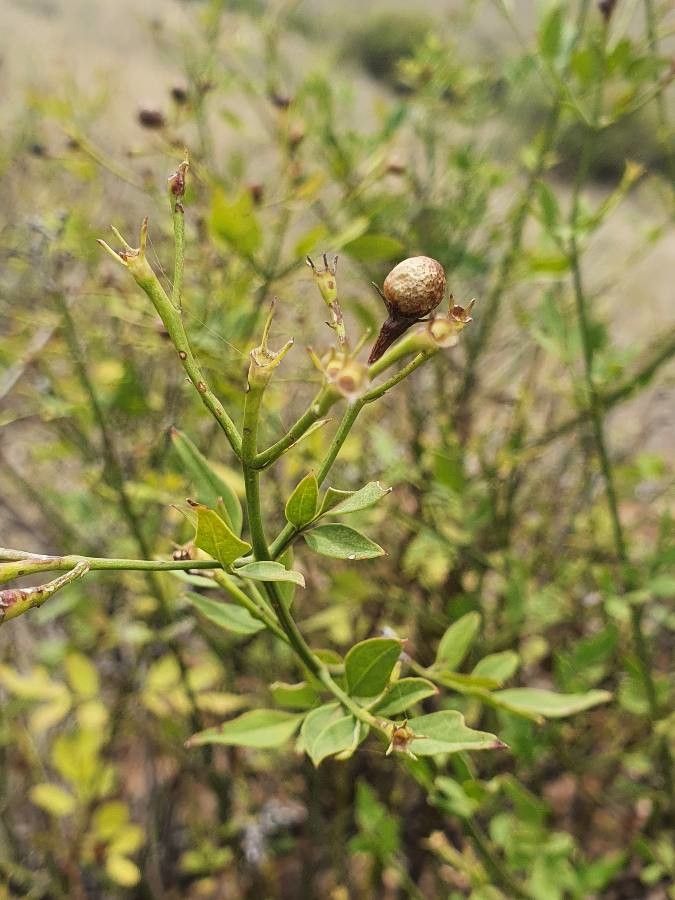
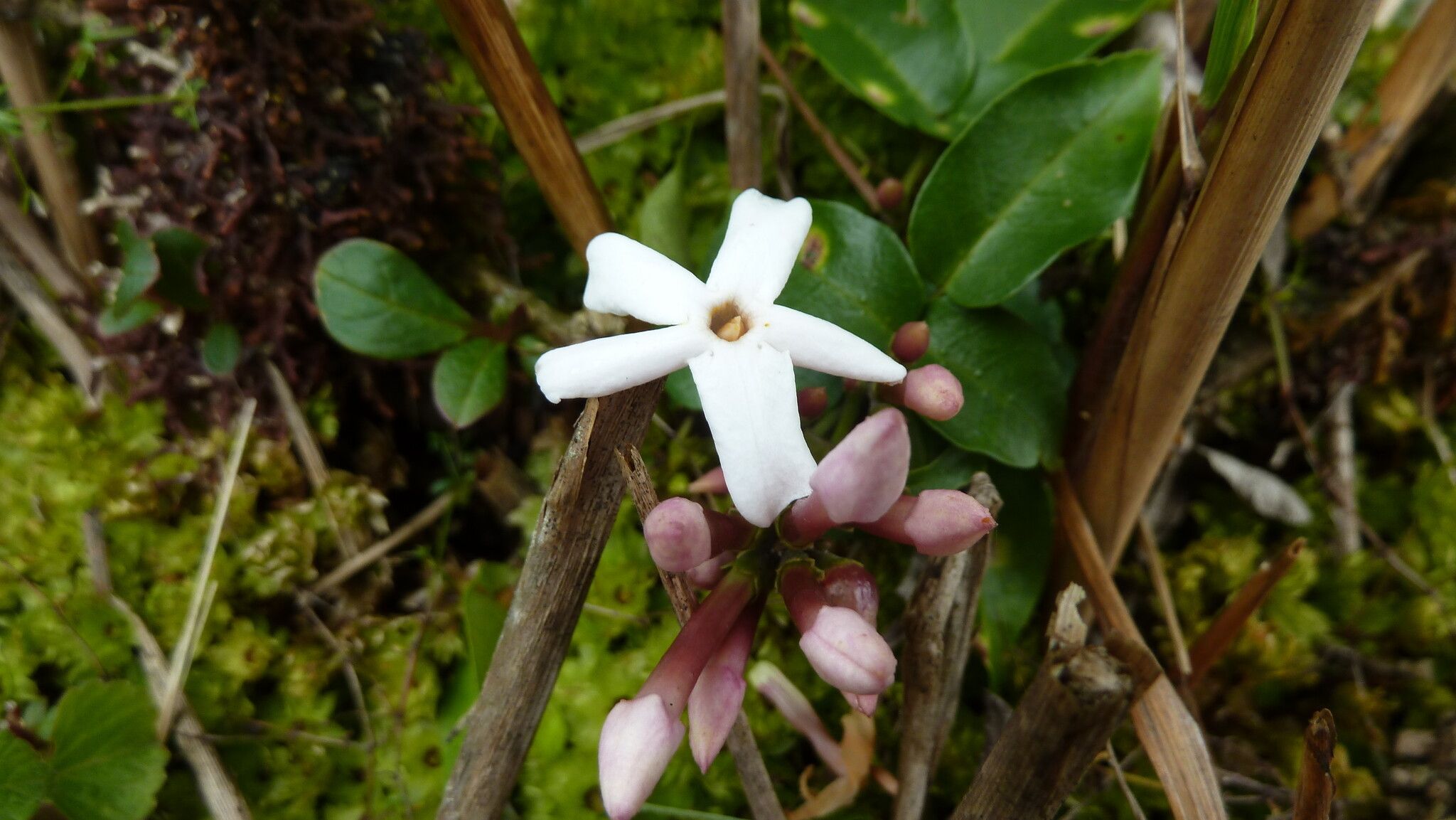
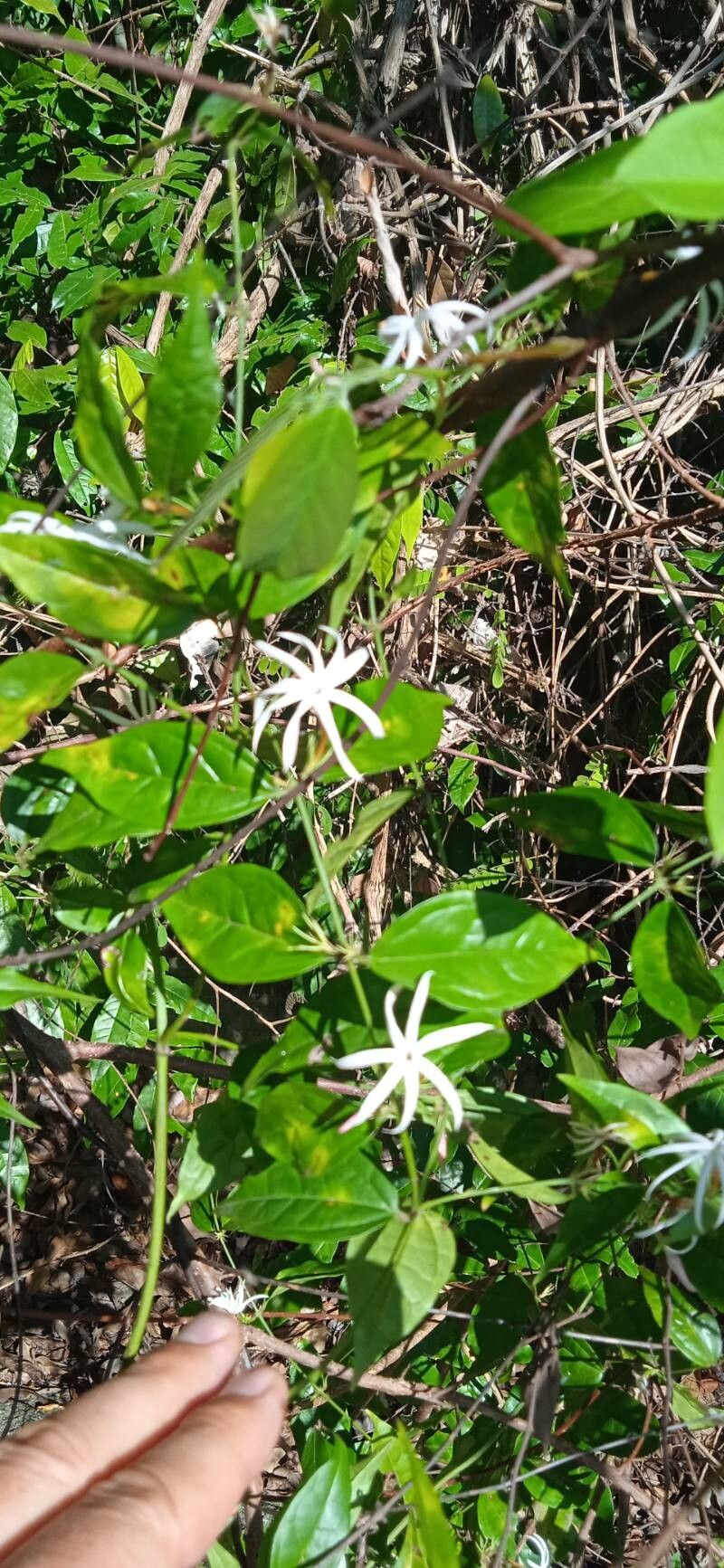
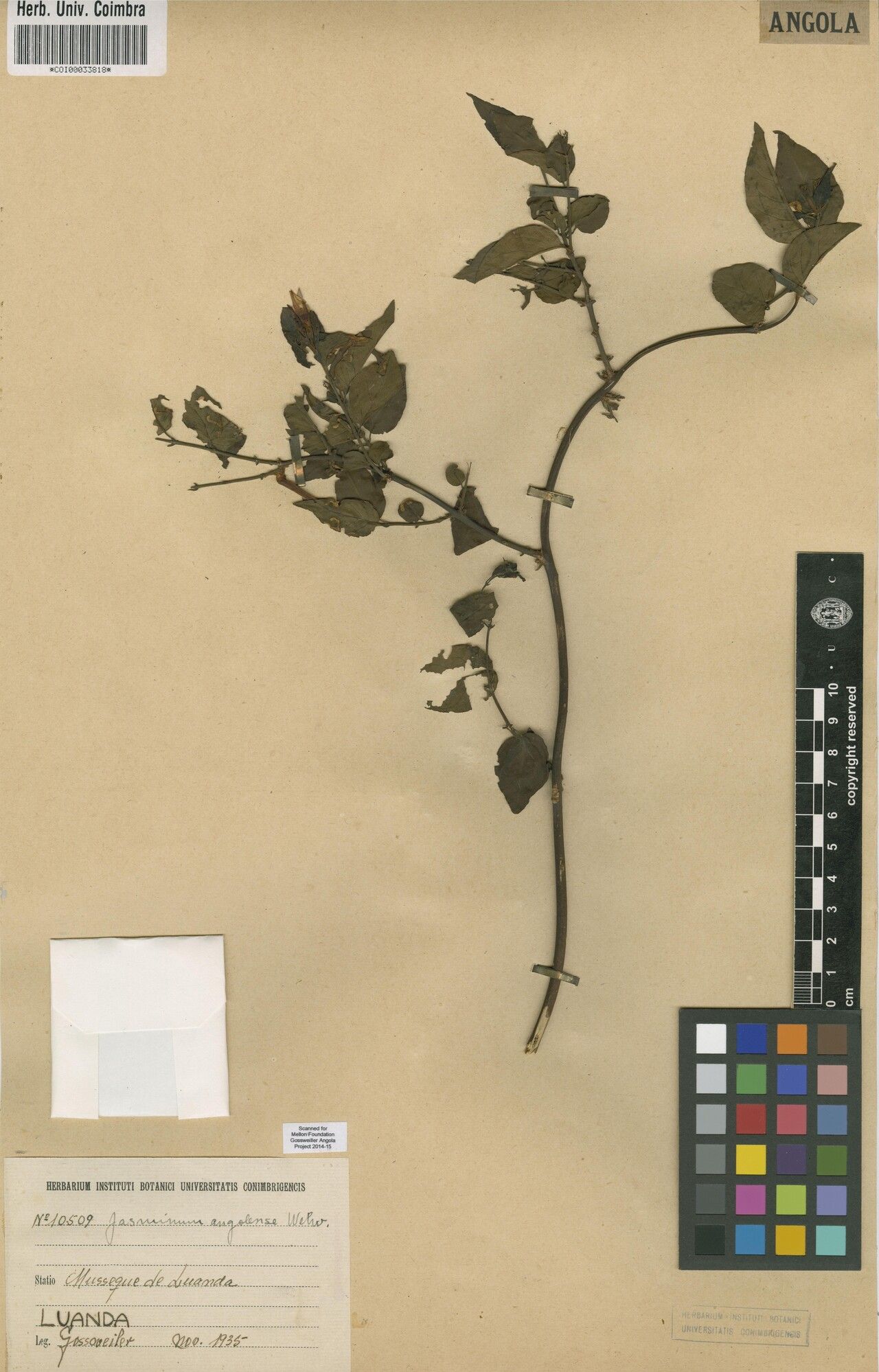
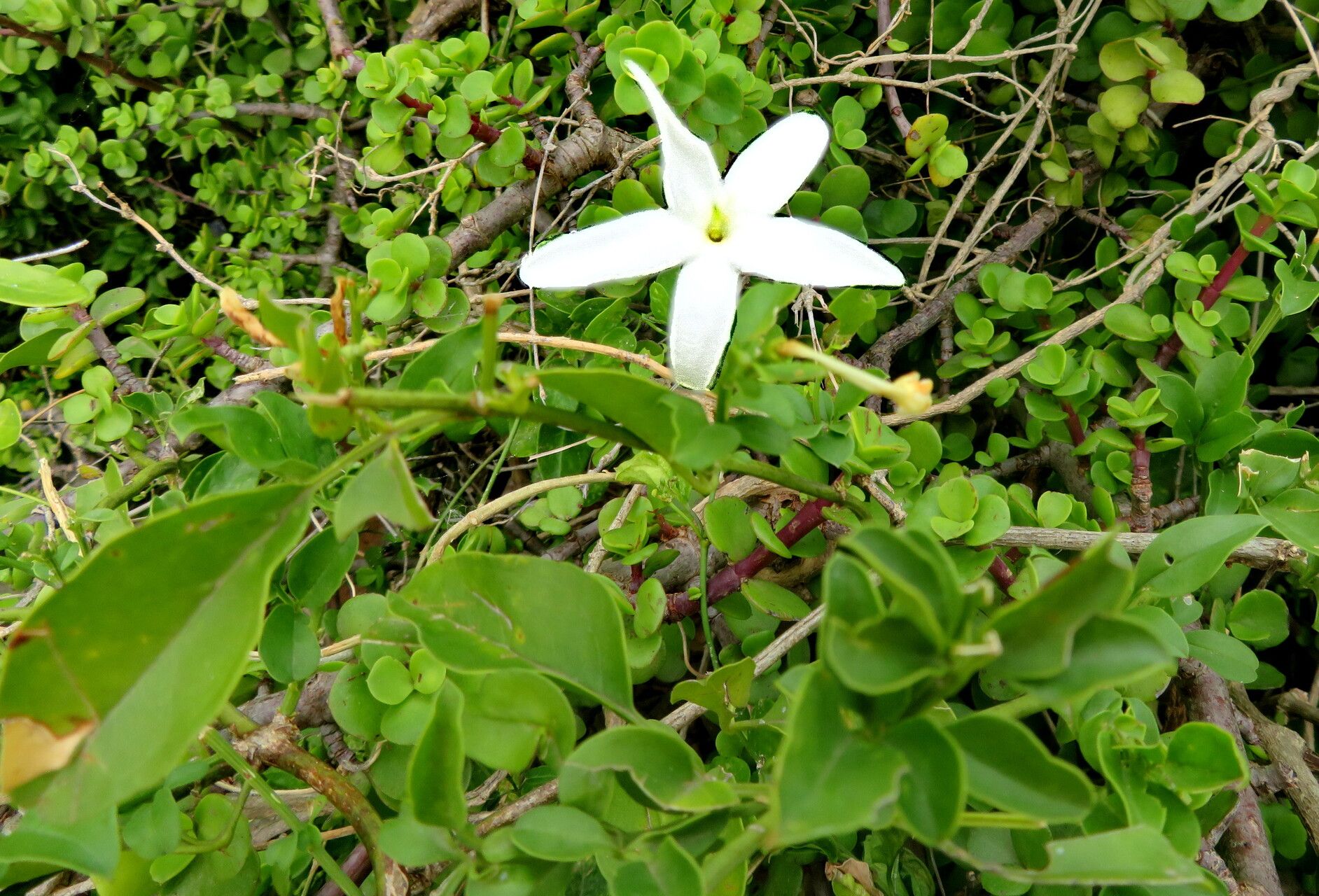
Jasminum grandiflorum, commonly known as Spanish jasmine or royal jasmine, is a flowering plant species in the Oleaceae family. Native to South Asia and the Middle East, it has been widely cultivated around the world for its fragrant white flowers. This plant is a deciduous or semi-evergreen shrub that can grow up to 3 meters tall. It features dark green, oval-shaped leaves with pointed tips.
The flowers of Jasminum grandiflorum are star-shaped with five petals, emitting a sweet and intense fragrance that attracts bees, butterflies, and other pollinators. Typically, the plant blooms from late spring to early summer, although it can continue to flower sporadically throughout the year under favorable conditions.
Spanish jasmine prefers full sun exposure and well-drained soil but can tolerate partial shade. For centuries, it has been used in traditional medicine for its anti-inflammatory properties and as an aphrodisiac due to its captivating scent. The essential oil extracted from its flowers is highly valued in the perfume, cosmetics, soap, candle, and aromatherapy industries for its pleasing fragrance, which combines floral sweetness with woody undertones.
Spanish jasmine is fairly disease-resistant and ordinarily does not tend to suffer from illnesses. In terms of care, this plant is relatively low-maintenance. When grown outdoors it needs only light watering, and larger specimens typically do not require pruning. Smaller plants, however, should be trimmed after they finish blooming. Spanish jasminet is suitable for anyone with an outdoor area, such as a garden or deck, and does not demand extensive gardening experience.
How to keep Jasminum Grandiflorum.
Light
Spanish jasmine does best in areas with plentiful sunlight. It can, though, tolerate lower light levels. Both too much and too little light can limit its growth and reduce flowering. Sunlight is important throughout its development, as it is for most plants native to sunny regions.
Water
Spanish jasmine thrives in the high humidity typical of its tropical habitat. It needs to be watered weekly, although it can withstand moderate drought. As an evergreen plant, Spanish jasmine retains its foliage throughout the year, helping it manage water effectively during dry spells.
Humidity
This plant needs special care because it loves high humidity levels of 60-80% or more. The best way to achieve this is by placing a humidifier near the plant. Daily misting is also essential! Make sure the room has good ventilation.
Temperature
Spanish jasmine originates in a temperate area where temperatures range from 68 to 100 °F (20 to 38 ℃). It favors warmer conditions and, during off seasons, may need to be moved indoors to a setting with a comparable temperature range.
Fertilizer
The best time to fertilize Spanish jasmine is in early spring when it breaks dormancy. This encourages overall growth and flower development. Fertilization benefits the foliage, stems, and branches, and encourages large, colorful, long-lasting flowers. It helps move nutrients from the roots to the flowers and enhances the plant’s health and resistance to disease.
Pruning
Spanish jasmine, known for its fragrant blooms, thrives when pruned in late spring after it has finished flowering. Effective pruning techniques include removing dead wood, thinning out dense growth, and occasionally performing hard pruning to shape the plant. These practices encourage healthier flowers and help manage the plant's size. Be sure to use clean, sharp tools to prevent the spread of diseases.
Pot & Repot
Repot Spanish jasmine every 2-3 years in the spring, using a pot that is slightly larger than its root ball. Ensure the plant receives plenty of sunlight and moderate watering. Use a stake to support its growth. Handle the roots gently to encourage healthy blooms.
Botanical profile.
- Plant Type
- Shrub
- Life Cycle
- Perennial
- Genus
- Jasminum
- Family
- Oleaceae
- Hardiness Zone
- 9-11
- Mature Height
- 2.13 m to 3.96 m
- Mature Spread
- 49 cm
- Leaf Color
- Green
- Leaf Type
- Evergreen
- Flower Color
- White
- Flower Size
- 4.06 cm
- Bloom Time
- Early summer, Mid summer
- Planting Time
- Spring, Autumn
- Harvest Time
- Mid summer, Late summer
Other names.
Reader questions.
What do I do if I give my Spanish jasmine too much or too little water?
Outdoor plants, especially newly planted or seedling plants, are prone to lack of watering. It is important to water them consistently for the first few months when they are small or newly planted. This is because once the roots are established, Spanish jasmine can rely on rain for most of its water needs. When Spanish jasmine is planted in pots, overwatering is more likely to happen. If you accidentally overwater your plant, you should take immediate action to fix the situation. First, stop watering the plant right away to minimize the impact of overwatering. Then, take the plant out of its pot to check its roots. If you find that none of the roots have developed root rot, you can put the plant back in its container. However, if you see signs of root rot, trim away the affected roots and consider using a fungicide to prevent further damage. Lastly, repot the Spanish jasmine in well-draining soil. On the other hand, if your Spanish jasmine is underwatered, simply water it more frequently. Underwatering can be easily resolved. When a plant is underwatered, its leaves may droop, dry out, and fall off. However, once it receives sufficient watering, the leaves will quickly return to fullness. It is important to adjust your watering frequency as soon as you notice any signs of underwatering.
Why should I put fertilizer on my Spanish jasmine?
For a Spanish jasmine plant to thrive, fertilization plays a crucial role. By providing the necessary energy and nutrients, your jasmine will grow lush foliage and sturdy stems and branches. However, it is the flowers of this plant that hold the most value for gardeners. Thankfully, fertilization also promotes the development of large, vibrant, and long-lasting flowers. This is because the right fertilizer aids in the efficient transfer of fuel from the roots to the stems and flowers. Furthermore, proper fertilization maintains the overall health of the plant, boosting its ability to withstand diseases.
What are the sunlight requirements for Spanish jasmine?
Spanish jasmine, known botanically as Jasminum grandiflorum, requires generous amounts of sunlight to thrive, typically thriving in full sun, defined as over 6 hours of direct sunlight daily, but can also tolerate partial sun, which is about 3-6 hours of sunlight. It's important to observe your garden's sunlight patterns to place your plants in spots that ensure a balance of light and shade, conducive to their growth and flowering.
What is the native environment of Spanish jasmine?
Spanish jasmine, or Jasminum grandiflorum, is native to a temperate environment where temperatures fluctuate between 68 to 100 °F (20 to 38 °C). It thrives in warmer climates and requires adjustments during off seasons if grown in cooler areas. When the temperatures begin to drop, it is advisable to move outdoor-grown Spanish jasmine indoors to continue enjoying a similar warm environment, particularly placing it near a bright window but away from direct heat sources like heaters to maintain optimal growth temperatures above 20°C.
How much water does my Spanish jasmine need and how often?
To ensure healthy growth for most outdoor plants, regular rainfall is usually sufficient. However, in areas with limited rainfall, it's important to provide adequate watering. During spring and fall, watering every 2 weeks is generally enough. In the summer, when plants require more water, watering should be more frequent. In winter, when plants grow slower and need less water, watering should be done sparingly, and sometimes not at all. Young or newly planted Spanish jasmine plants require more frequent watering to help them establish and become more resilient to drought. For potted Spanish jasmine plants, there are two main approaches to determine watering frequency. The first option is following a set schedule, such as once a week or every other week. However, this method may not account for the specific growing environment of your jasmine plant. Alternatively, you can gauge watering based on soil moisture. It's generally recommended to wait until the top two to four inches of soil, about ⅓ to ½ depth of the pots, have completely dried out before watering again. This approach allows for adjustments in watering frequency based on the season, especially during the water-demanding summer months.
What is the ideal time to fertilize my Spanish jasmine?
To properly fertilize a Spanish jasmine, focus on two key times: early spring and end of fall. During early spring, as the plant awakens from its dormant phase and prepares to bloom, give it a nourishing feed. This will provide ample energy for overall growth and flower development. In the fall months, consider a smaller second feeding, which can still benefit the plant. Some gardeners opt to fertilize while planting, but it's not always required.
Can Spanish jasmine grow under artificial lighting?
Yes, Spanish jasmine can grow under artificial lighting, which becomes particularly useful when natural sunlight is insufficient, such as in winter or less sunny spaces indoors. Adequate lighting is crucial for optimal growth indoors. LED lights are recommended due to their capability to be customized to specific wavelengths needed by plants. Full sun plants require 30-50W/sq ft, partial sun plants 20-30W/sq ft, and full shade plants 10-20W/sq ft of artificial light. The light source should be placed 12-36 inches above the plant, and plants generally need 8-12 hours of light per day.
How does low temperature affect Spanish jasmine and what are the solutions?
Spanish jasmine prefers warm temperatures and does not fare well in cold. It thrives best when temperatures stay above 20°C. Exposure to temperatures below that, especially falling under 0°C, can severely harm the plant. In extreme cold, lower than -5°C, the leaves might start to lighten in color, eventually turning brown or black after frost damage, leading to wilting and drooping. The solution involves cutting off frost-damaged parts and relocating the plant to a warmer indoor space, preferably near a south-facing window for adequate sunlight. It's also important to avoid placing the plant near heaters or air conditioning vents to minimize air dryness.
How much water does my Spanish jasmine plant require?
To properly water your Spanish jasmine, it's important to understand that it doesn't always require a large amount of water. Instead, if only a few inches of soil have dried out since the last watering, providing about five to ten ounces of water each time should support healthy growth. You can also gauge the amount of water based on the moisture level of the soil. Take note of how many inches of soil have dried out between waterings. To ensure your Spanish jasmine receives the necessary moisture, water enough to moisten all layers of soil that have dried since the last watering. If more than half of the soil has dried, consider giving more water than usual. In such cases, continue watering until you observe excess water draining from the pot's drainage holes. If your Spanish jasmine is planted in an area that receives ample rainfall outdoors, it may not require additional watering. When the plant is young or newly established, ensure it receives 1-2 inches of rain per week. As it grows and establishes further, it can rely solely on rainwater. Only during hot weather without rainfall for 2-3 weeks should you consider giving your Spanish jasmine a thorough watering to prevent stress.
When is a bad time to fertilize my Spanish jasmine?
During the winter, Spanish jasmine enters a dormant phase and does not require any fertilization, as it does not need additional energy from the soil for new growth. It is not advisable to fertilize it in winter to avoid negative effects of overfertilization. The best times to feed a Spanish jasmine are in early spring and fall, meaning it does not need fertilizer during most of the spring and summer. Additionally, refrain from fertilizing if the plant is exposed to excessively hot or dry conditions.
What are the symptoms of insufficient light in Spanish jasmine?
Spanish jasmine exhibits several symptoms when it's not receiving enough light, including smaller new leaves, leggy or sparse growth, faster leaf drop, slower or no new growth, and lighter-colored new leaves. Additionally, excessive sunlight can lead to chlorosis (yellowing of leaves), sunscald, leaf curling, wilting, and leaf scorching. These symptoms indicate the plant's struggle with either too much or too little light.
What impact does high temperature have on Spanish jasmine, and how can it be mitigated?
Spanish jasmine should ideally be kept under 38°C during the hot summer months. Temperatures surpassing 43°C can lead to lighter leaf colors and increase susceptibility to sunburn. To mitigate high-temperature effects, trim away any sunburned or dried parts, and relocate the plant to a shaded area, particularly one that’s shielded from the midday and afternoon sun. Ensure the plant is watered in the morning and evening to maintain soil moisture, aiding in cooling and promoting healthy growth.