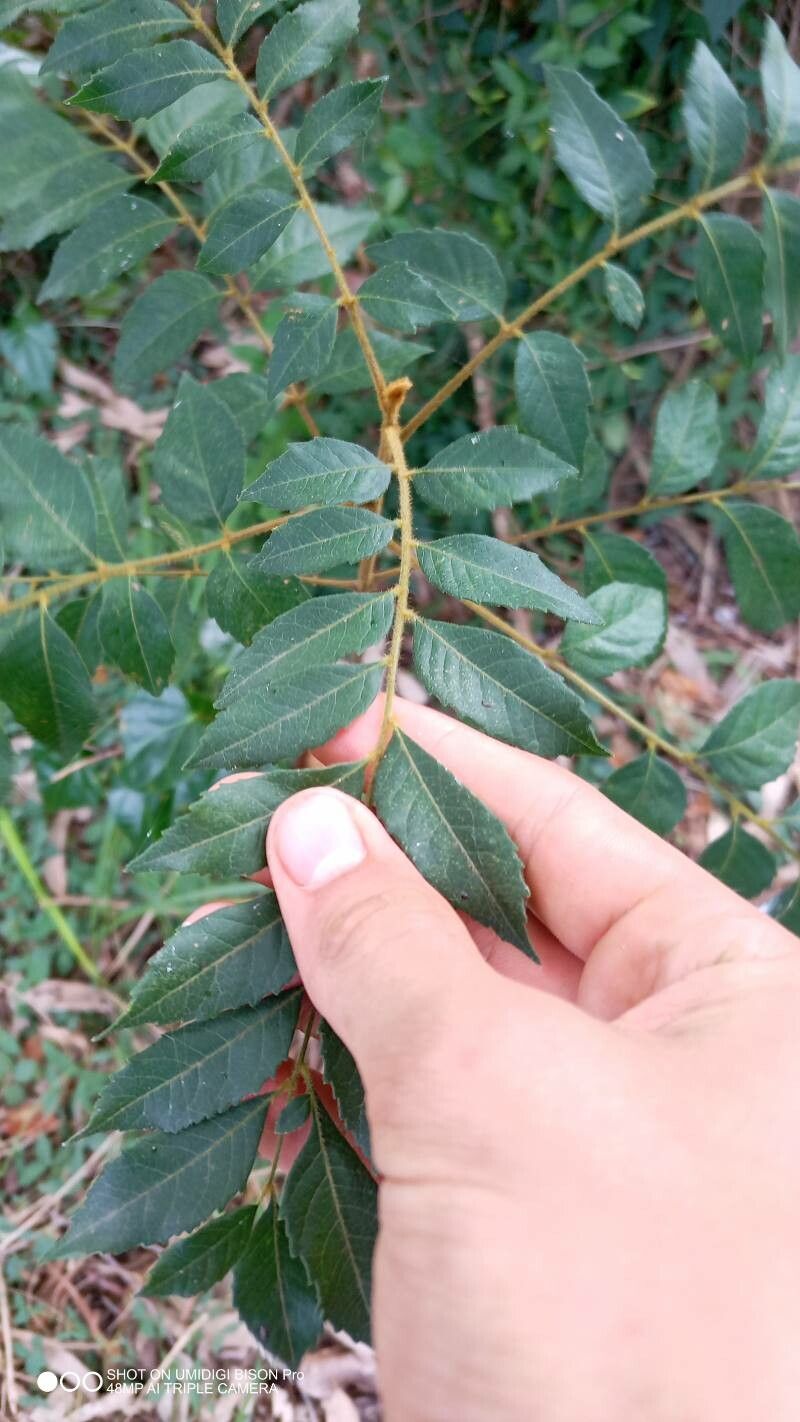
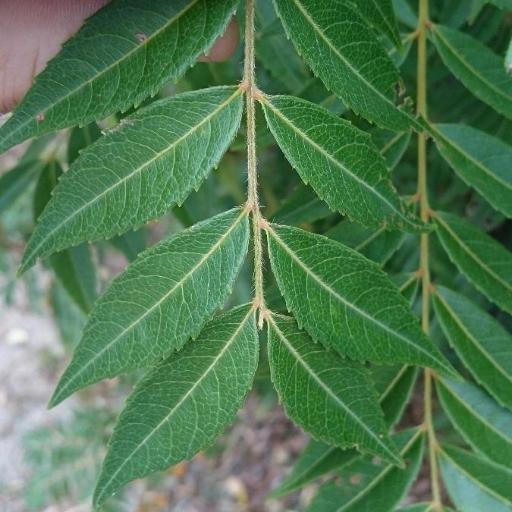
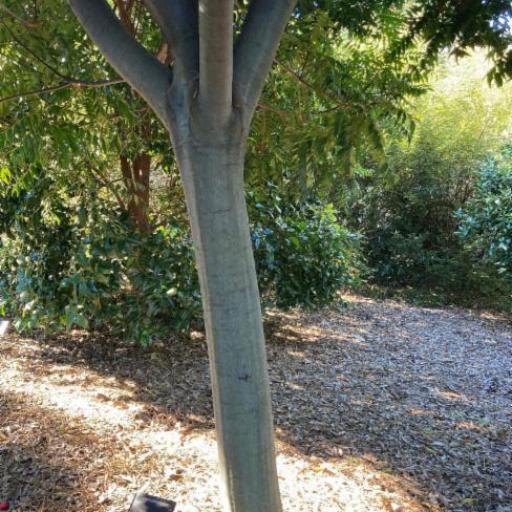
Jagera pseudorhus, commonly named foambark, is a species of rainforest trees, in the northern half of eastern Australia and in New Guinea, constituting part of the flowering plant family Sapindaceae. Named for the saponin foam that forms on the bark after heavy rain. In Australia, they grow naturally from the Manning River (35° S), New South Wales to the Bloomfield River (15° S) in far north Queensland. In New Guinea they grow naturally widespread. The habitat is tropical and sub-tropical rainforests, monsoon forest and gallery forest on soils of good fertility. Other common names include ferntop and pink tamarind. Two varieties have formal botanical descriptions:
Jagera pseudorhus var. integerrima S.T.Reynolds – endemic to the Atherton Tableland, Qld, Australia Jagera pseudorhus var. pseudorhus – NSW, Qld, Australia and New Guinea
Fern top is highly resistant to disease and typically not susceptible to health problems. Regarding care, this plant is fairly low-maintenance. When grown outdoors it needs only minimal watering, and larger plants usually do not require pruning; smaller plants, however, should be pruned after they have bloomed. Fern topt is appropriate for anyone with an outdoor area, such as a garden or a deck, and does not demand extensive care experience.
How to keep Jagera Pseudorhus.
Light
Fern top originates in habitats like forest understories and rocky sites, where it is found in natural shade. It prefers partial sun but can tolerate both full sun and full shade, showing its adaptable, hardy nature.
Temperature
Fern top demonstrates good temperature adaptability, able to endure higher heat and significant temperature swings. When temperatures are high, attention should be paid to watering and providing suitable shade to avoid sunburn. Conversely, Fern top has relatively low cold tolerance; while it can handle some chill, excessively cold conditions may cause frost damage.
Fertilizer
Fertilize your Fern top in early spring to encourage healthy growth. Regular feeding boosts overall health, producing vigorous growth, increased tolerance of difficult conditions, and enhanced resistance to diseases and pests. Keep a specific fertilizing schedule for your Fern top to maintain vibrant, richly colored, and lush foliage.
Pruning
In early spring, trim the top of the fern to encourage healthy growth and shape. Remove any dead branches and thin out crowded areas to improve airflow. Regular pruning prevents disease and boosts vitality, aligning with the fern's natural growth cycle to maintain its health and appearance.
Botanical profile.
- Plant Type
- Tree
- Life Cycle
- Perennial
- Genus
- Jagera
- Family
- Sapindaceae
- Hardiness Zone
- 10-12
- Mature Height
- 10.06 m to 20.12 m
- Mature Spread
- 4.88 m to 7.92 m
- Leaf Color
- Dark Green, Forest Green
- Leaf Type
- Evergreen
- Flower Color
- White, Yellow
- Flower Size
- 0.25 cm to 0.51 cm
- Bloom Time
- Mid spring, Late spring, Early summer
- Planting Time
- Spring, Summer, Autumn
- Harvest Time
- Mid summer, Late summer, Early fall
Other names.