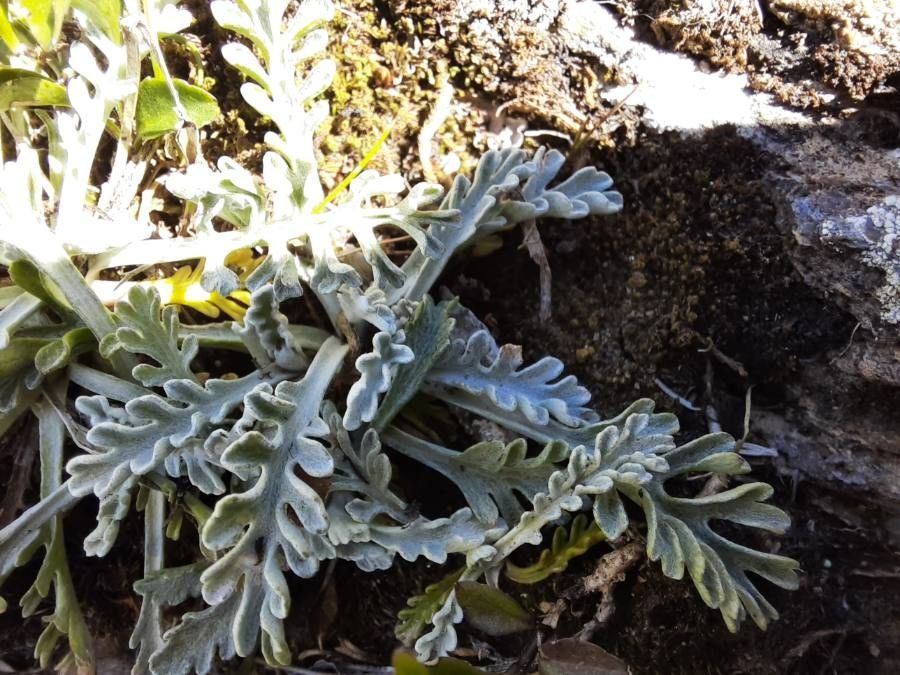
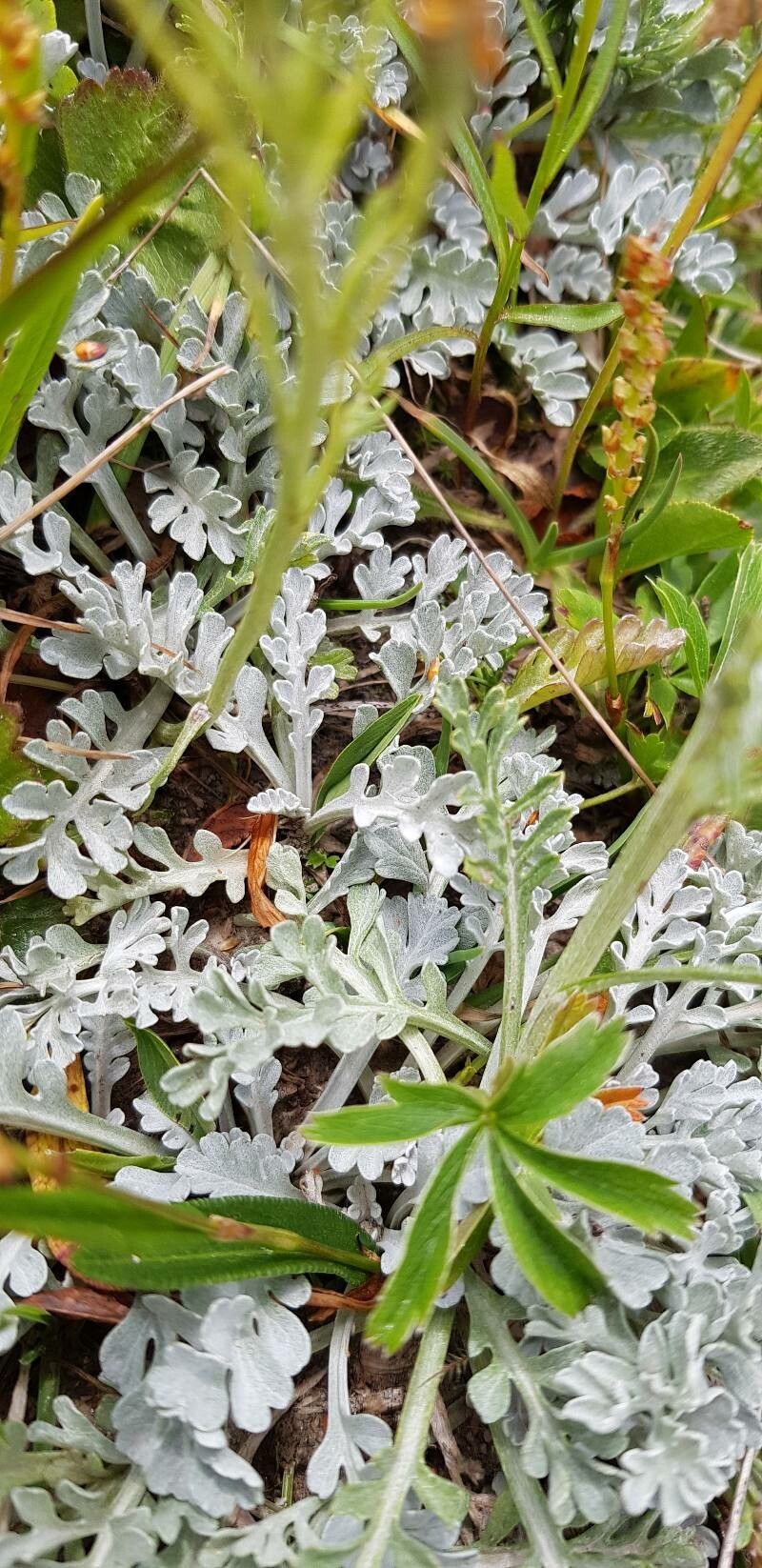
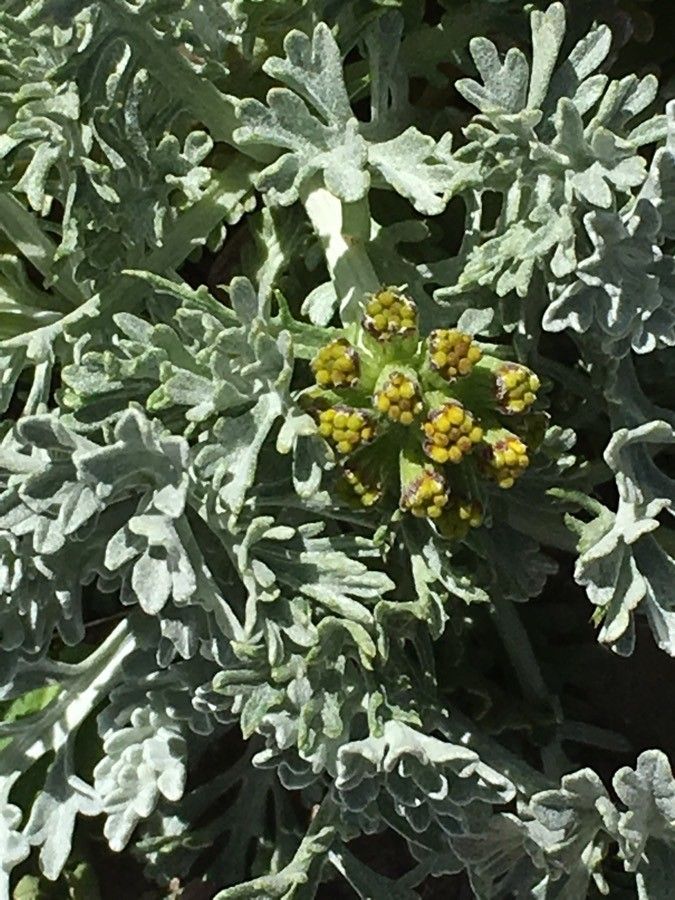
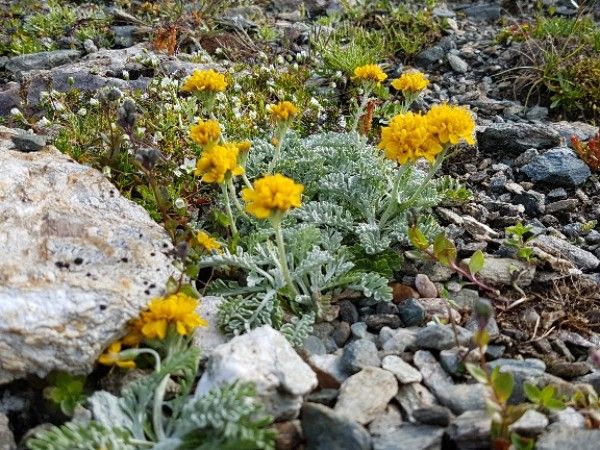
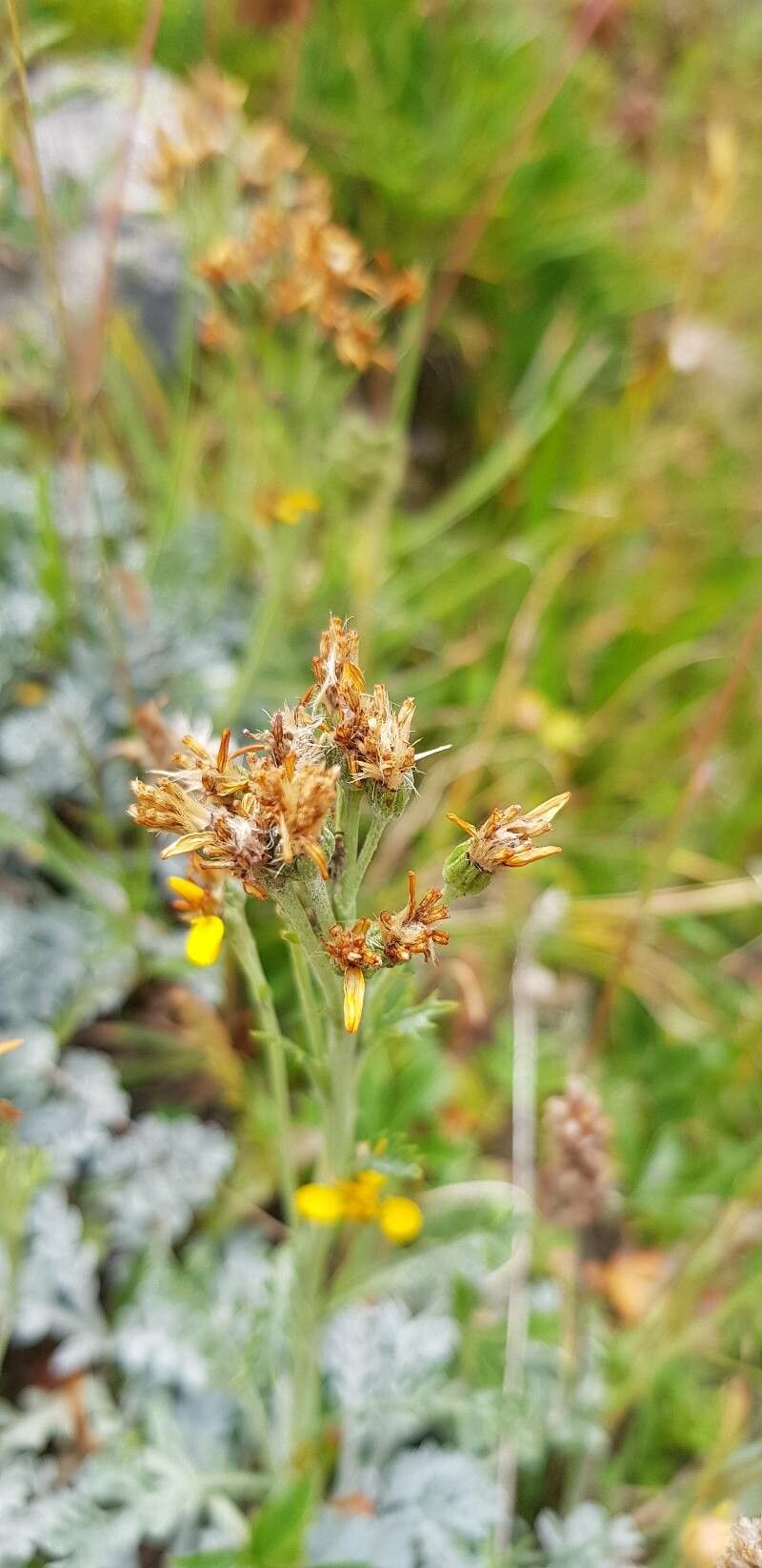
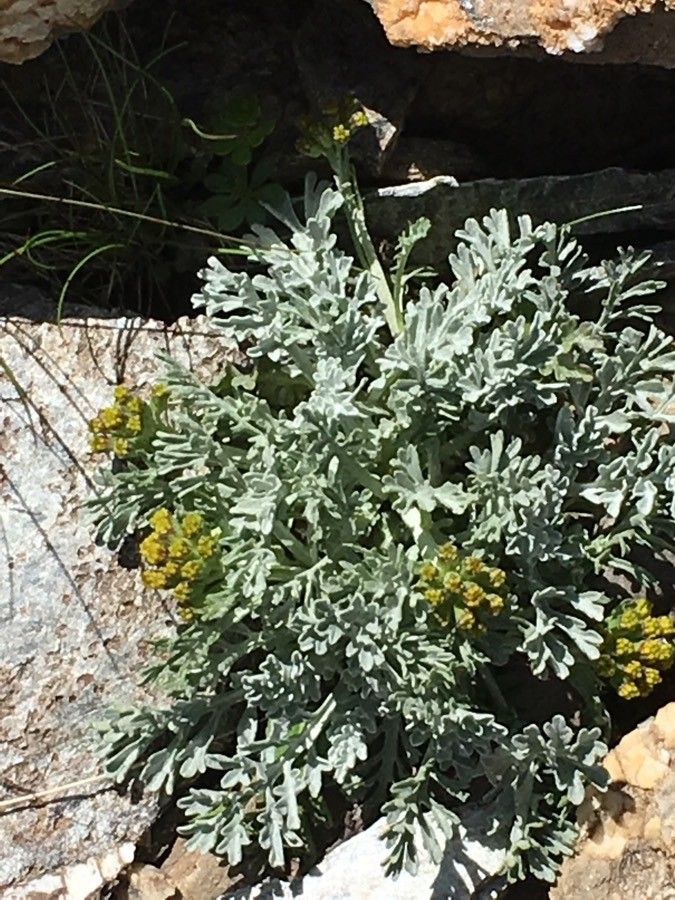
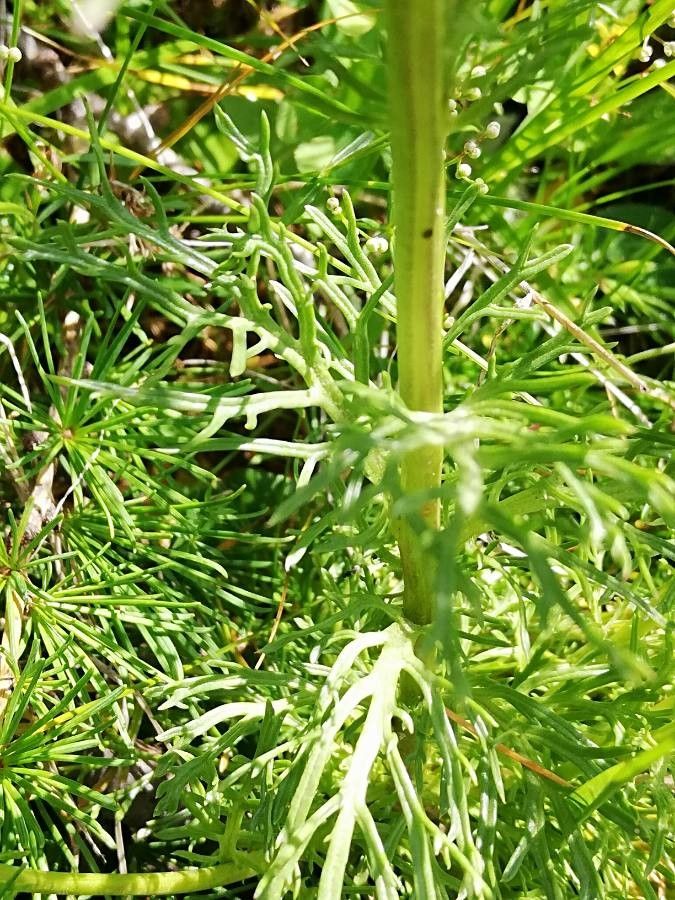
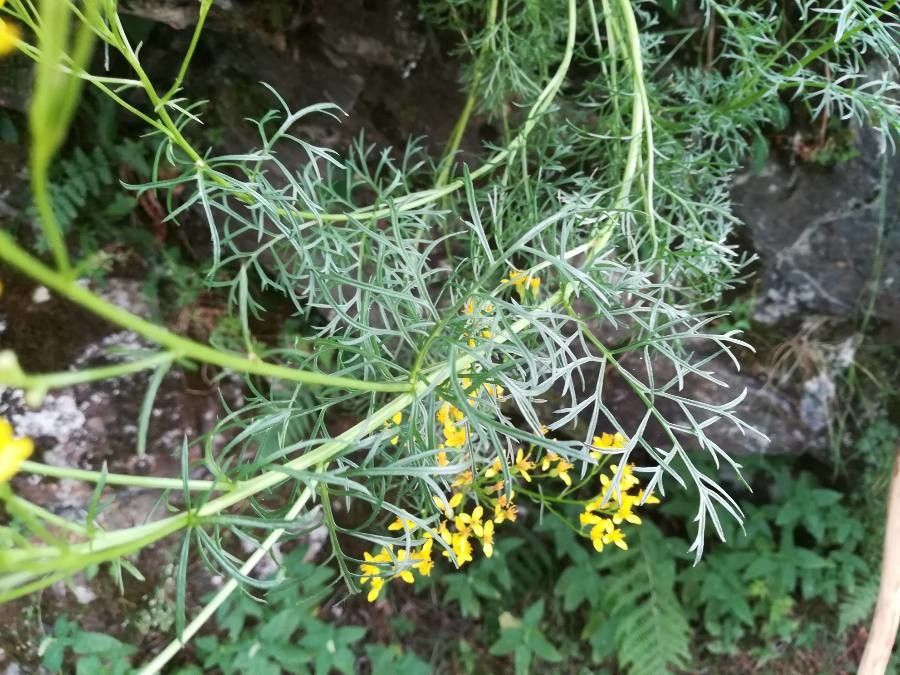
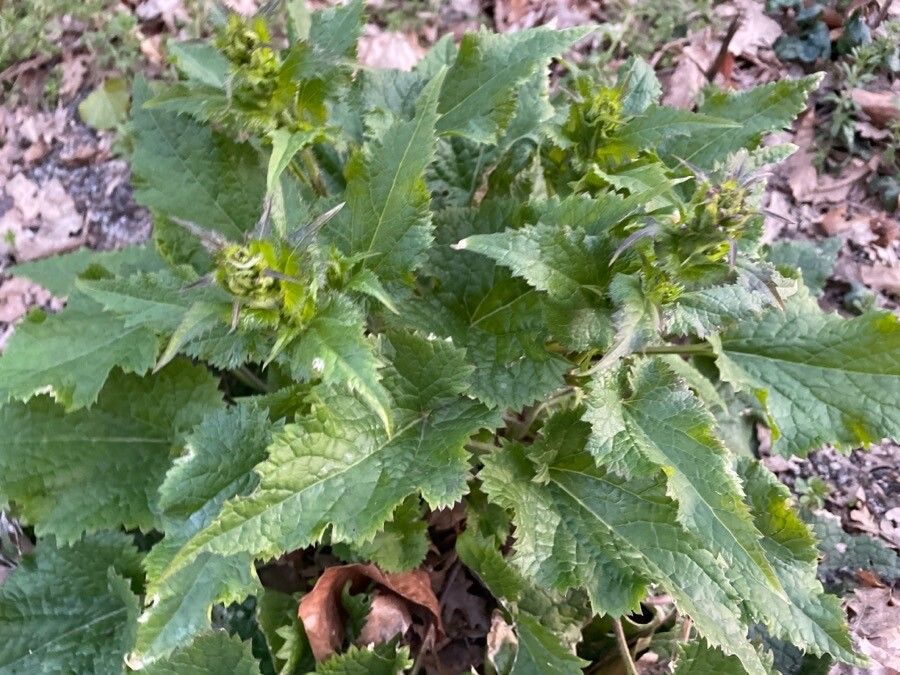
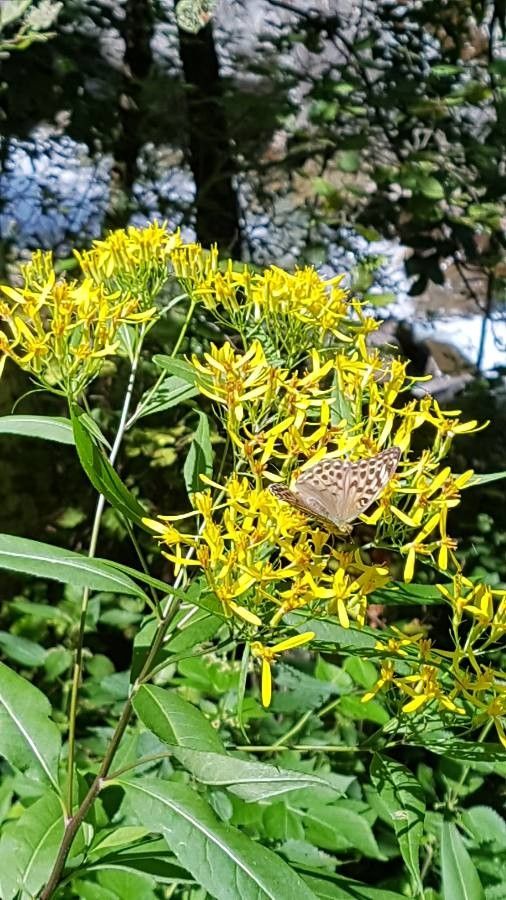
Jacobaea incana, the grey ragwort, is a species of Jacobaea in the family Asteraceae.
Eastern groundsel is fairly disease-resistant and typically not prone to illness. However, it can be affected by pests and diseases present in its environment. These infections are usually mild. For care, the plant requires moderate maintenance. It should be pruned regularly to maintain a neat appearance and healthy growth. Fertilizing can also help encourage flowering. Eastern groundsel is suitable for anyone with outdoor space, such as a garden or patio, and does not demand extensive care experience. It may need more attention when grown indoors.
How to keep Jacobaea Incana.
Light
The Eastern groundsel thrives in ample sunlight, yet it can also tolerate semi-sunny conditions. Hailing from open habitats that are considerably sun-drenched, its development may be impeded without adequate light. On the other hand, excessive sunlight could potentially cause harm.
Water
Grey ragwort thrives in evenly moist soil, benefiting from regular watering—typically once a week—to prevent its roots from becoming oversaturated. Although it is native to regions with moderate moisture levels, this plant can endure brief droughts. It grows best outdoors, where rainfall naturally complements its watering requirements for optimal development.
Humidity
This plant will thrive in moderate humidity, which is probably the level in your home. However, misting it a few times a week can be very beneficial. Make sure the room has good ventilation.
Temperature
The Eastern groundsel is capable of tolerating a vast array of temperature scenarios. However, its spread may still be restricted by various mixtures of heat and moisture. It is most prosperous in temperate weathers throughout summertime when appropriate precipitation or watering is available. An extended duration of overcast and wet weather or persistently high temperatures can augment the risk of the Eastern groundsel perishing. During winter months, suitable cold protection can enhance the plant's chances of surviving.
Fertilizer
To encourage robust leaf development in Eastern groundsel, regular applications of diluted fertilizer can be advantageous. During the summer months, this plant should be fertilized roughly on a monthly basis. The key element for healthy leaves is nitrogen, thus, using supplements high in nitrogen can greatly aid the thriving of Eastern groundsel.
Pruning
Grey ragwort is a resilient woody perennial characterized by its silvery leaves and yellow flowers. To encourage a more compact shape and healthier blooms, prune the plant in early to late spring to remove any dead stems and leggy growth. Be sure to use clean, sharp tools to prevent the spread of disease and promote strong growth.
Botanical profile.
- Plant Type
- Herb
- Life Cycle
- Annual
- Genus
- Jacobaea
- Family
- Asteraceae
- Hardiness Zone
- 1
- Mature Height
- 0.91 m to 2.13 m
- Mature Spread
- 0.91 m to 1.52 m
- Leaf Color
- Green
- Leaf Type
- Semi-evergreen
- Flower Color
- Yellow
- Flower Size
- 2.54 cm
- Bloom Time
- Early spring, Mid spring
- Planting Time
- Spring, Autumn
- Harvest Time
- Mid spring, Late spring
- Native Area
- Egypt, Turkey, Austria, Slovakia, Montenegro, Cyprus, Bulgaria, Poland, Armenia, Croatia, Greece, Belarus, Ukraine, Lebanon, Uzbekistan, Russia, Serbia, Hungary, Iraq, Syria, Italy, Kazakhstan, Switzerland, Denmark, Iran, Albania, Azerbaijan, Romania, Moldova, Turkmenistan, France
Other names.
Reader questions.
What are the sunlight requirements for Grey ragwort (Jacobaea incana)?
Grey ragwort (Jacobaea incana) thrives in various sunlight conditions. For full sun exposure, it requires above 6 hours of sunlight a day, ensuring that the plant receives abundant light for optimal growth. In cases of partial sun exposure, about 3-6 hours of sunlight is suitable, providing a balance of light that supports healthy development. It's important to observe the way sunlight travels through your garden throughout the day. Selecting locations that offer the right mix of light and shade will help ensure that your Grey ragwort plants grow happily.