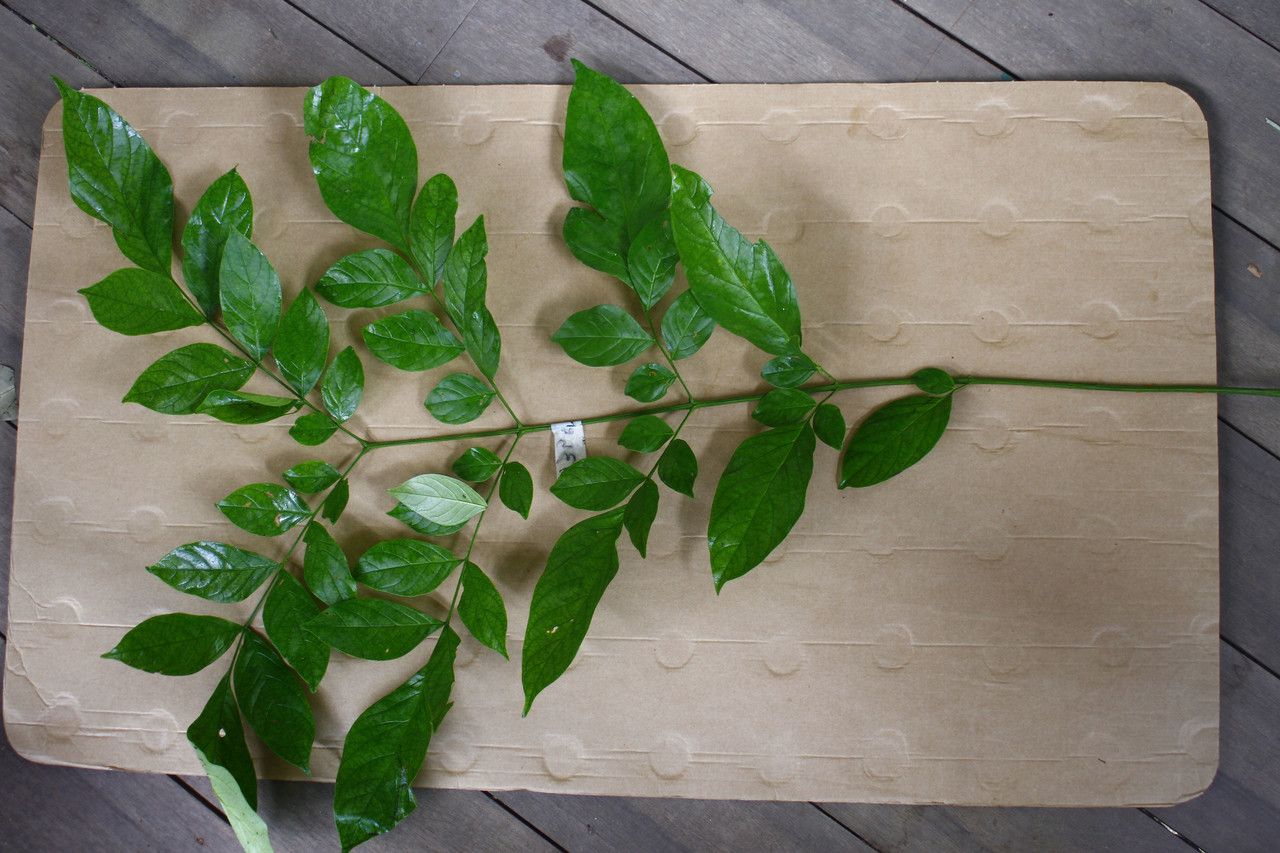
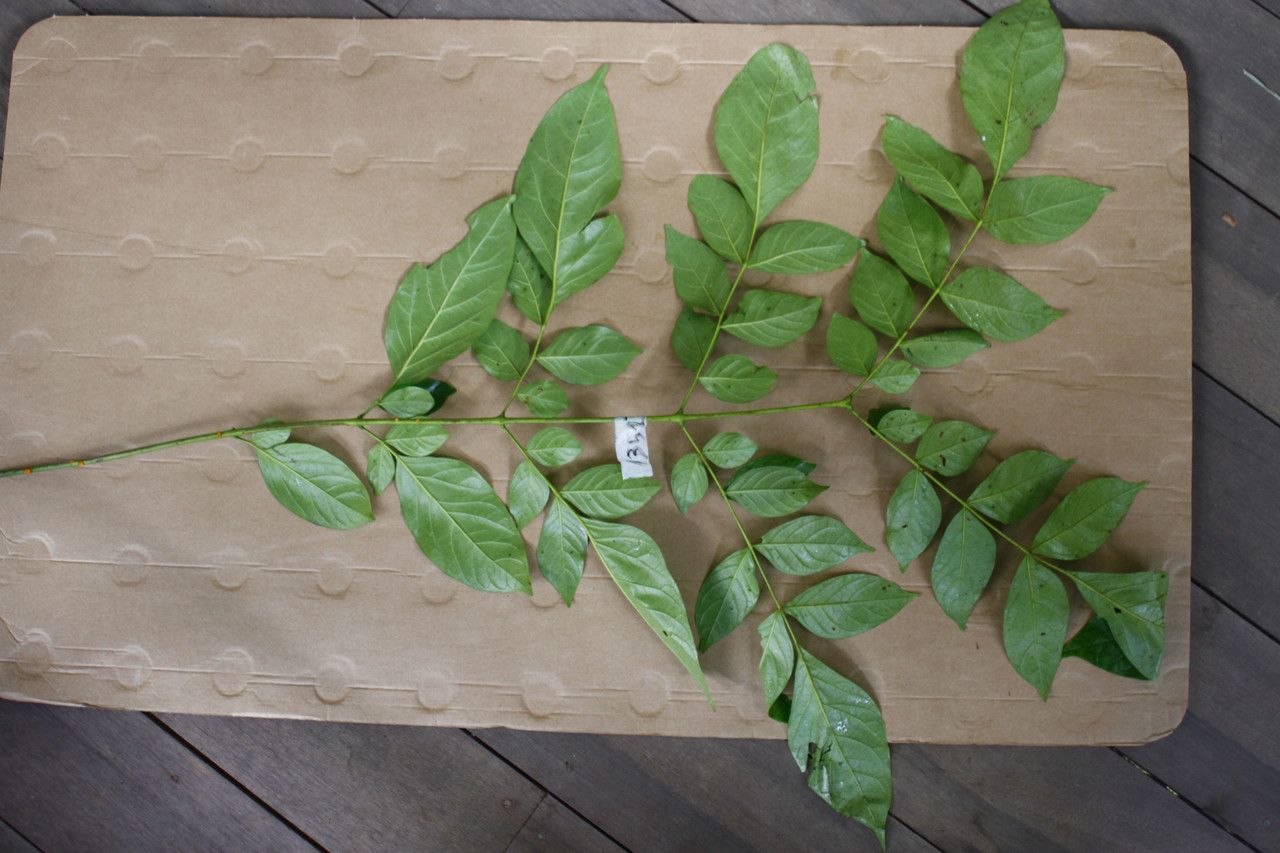
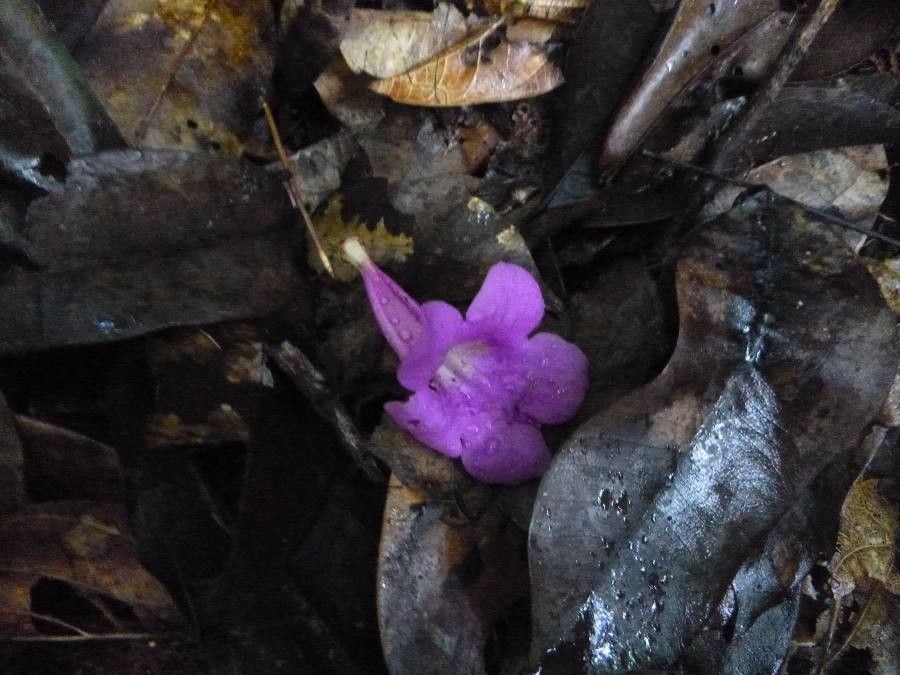
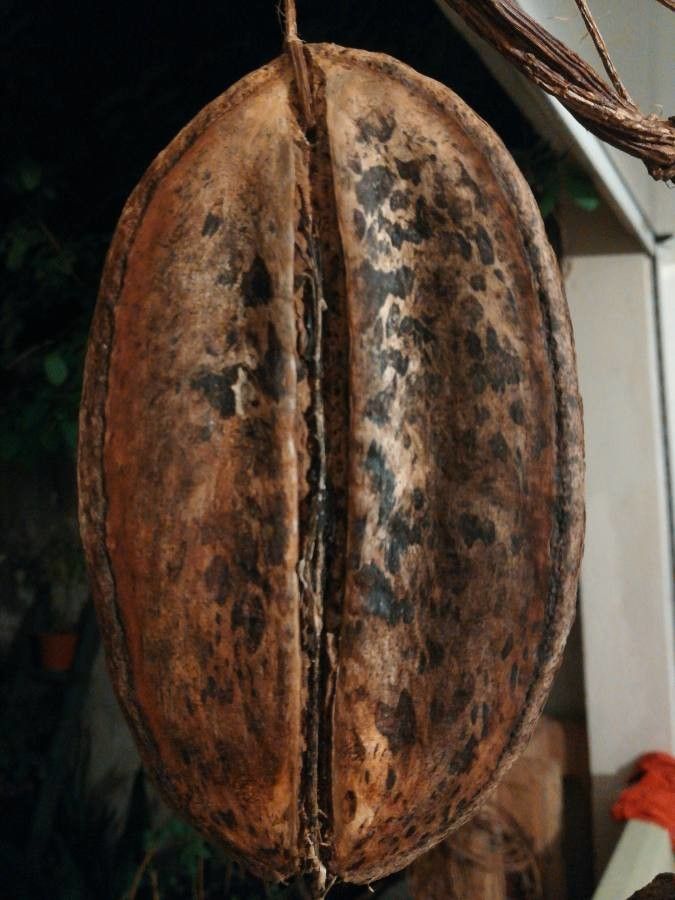
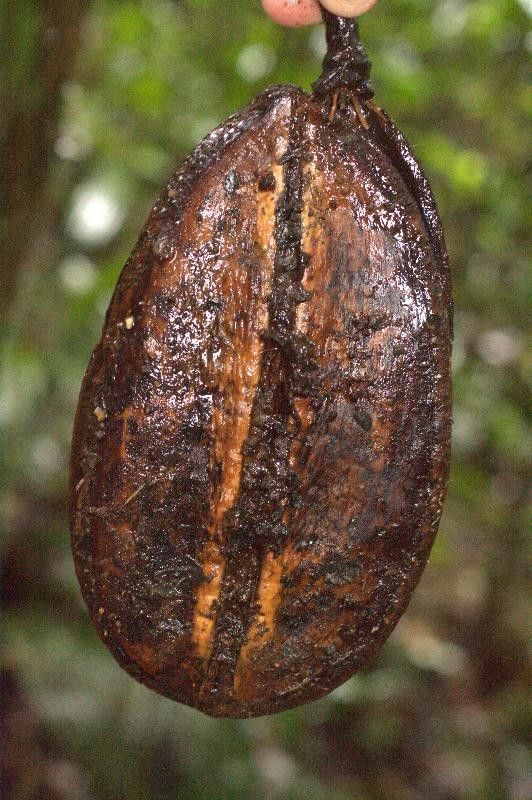
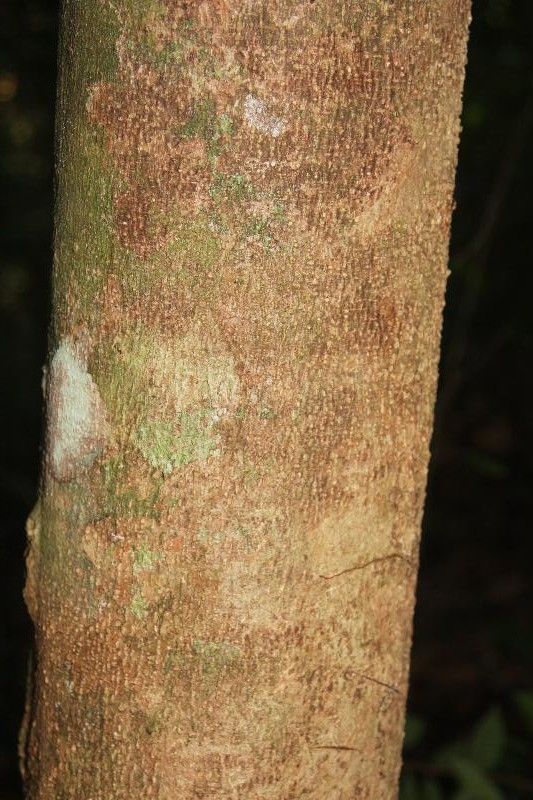
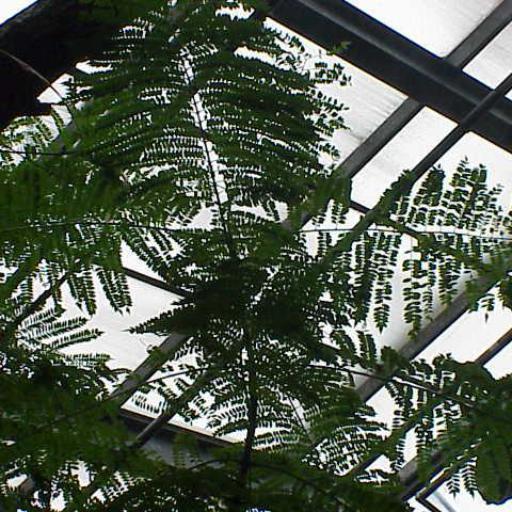
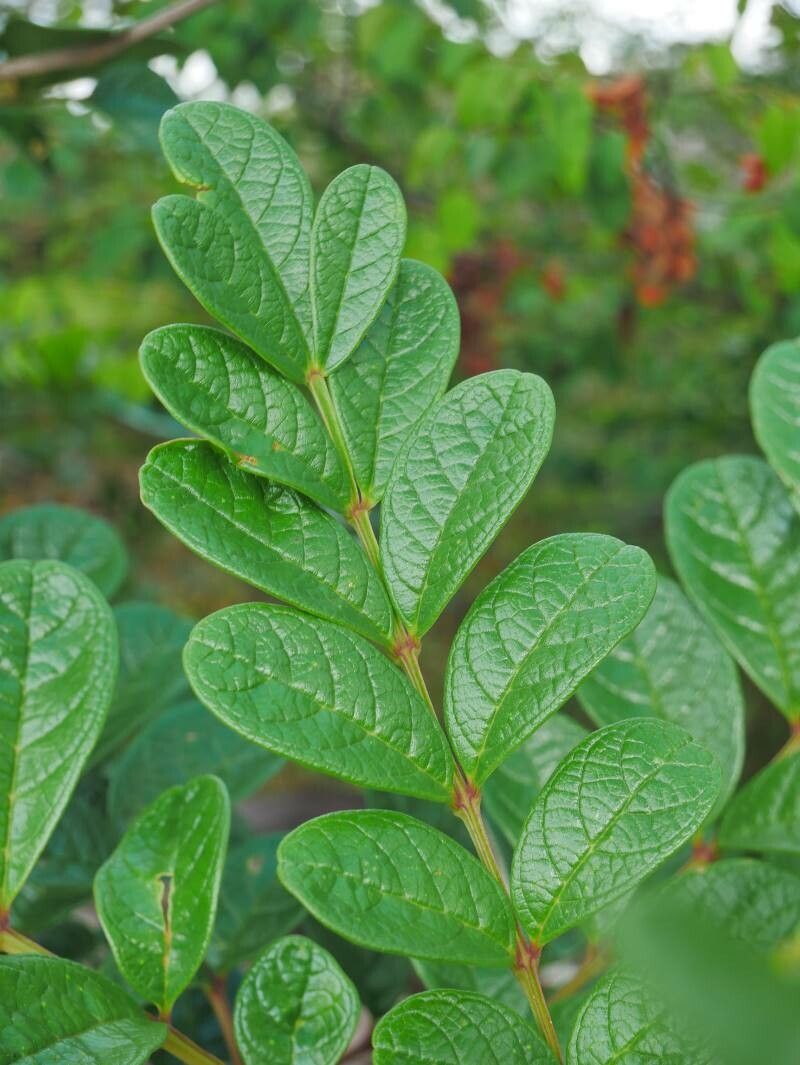
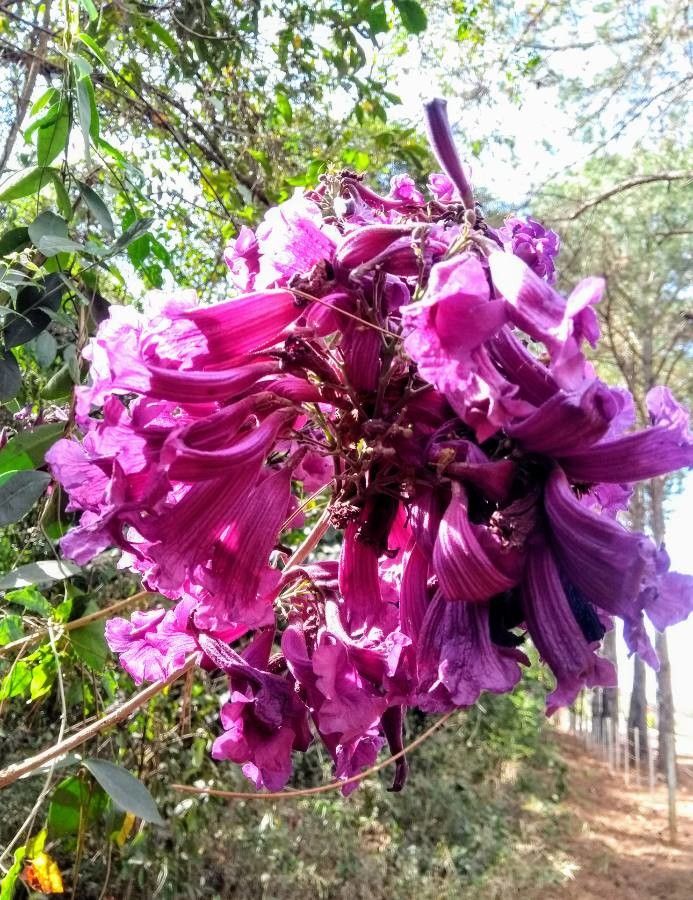
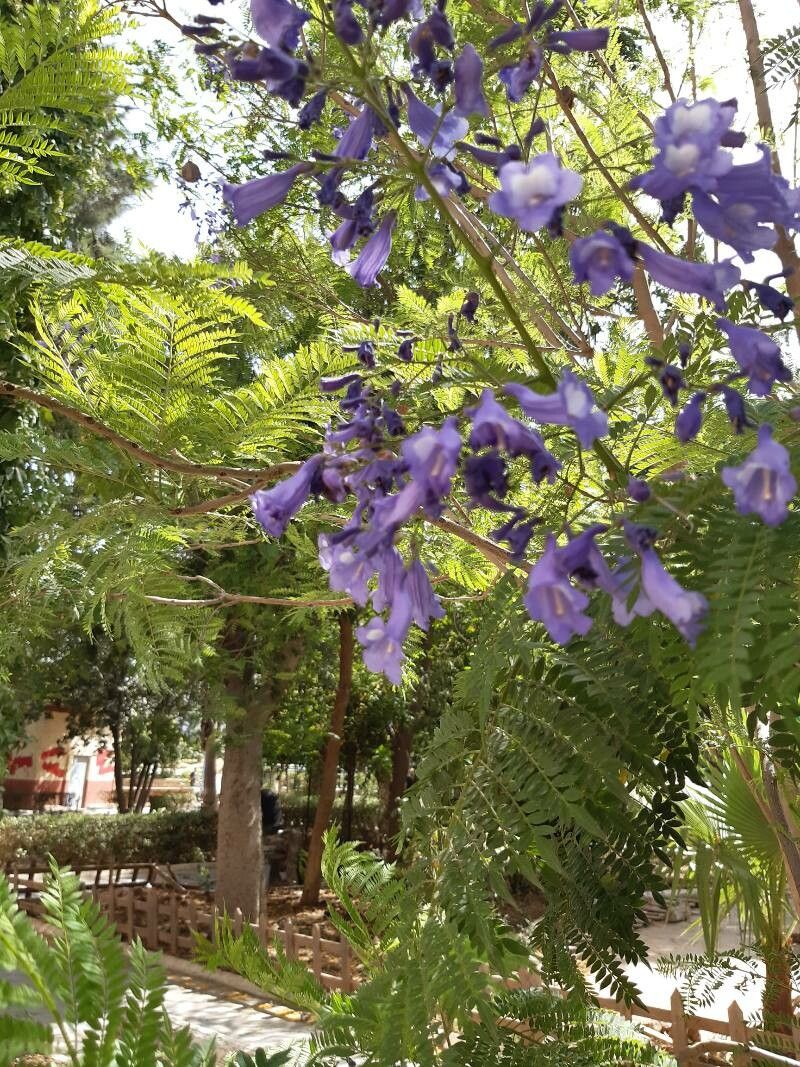
Jacaranda copaia is a flowering pioneer tree belonging to the genus Jacaranda. It is native to Northern and Western parts of South America.
Jacaranda copaia is resistant to disease and is generally not susceptible to illnesses. In terms of care, this plant is fairly low-maintenance. Planted outdoors, it needs little watering, and larger specimens typically do not require pruning. Smaller plants, however, should be pruned after they have finished blooming. Jacaranda copaiat is suitable for anyone with an outdoor area, such as a garden or deck, and does not need extensive care experience.
How to keep Jacaranda Copaia.
Light
Jacaranda copaia is native to open habitats, such as sunny meadows and forest margins, which offer abundant light. It does best in Full Sun but can also tolerate Partial Sun, adjusting well to a range of sunlight conditions.
Temperature
Jacaranda copaia comes from tropical areas where the climate is generally warm and humid. Consequently, it is adapted to high temperatures and humidity. It does not tolerate sudden temperature changes and prefers a stable thermal environment, so avoiding temperature fluctuations indoors is important. It typically cannot withstand cold and needs higher temperatures to grow. If the surrounding temperature falls too low, the plant may stop growing or even die.
Fertilizer
The best time to fertilize a Jacaranda copaia is in early spring as it breaks dormancy. This supports overall growth and flower development. Fertilizing improves the foliage, stems, and branches, and encourages flowers that are large, vibrant, and long-lasting. It helps move nutrients from the roots to the flowers and enhances the plant's health and resistance to disease.
Pruning
Jacaranda copaia showcases vibrant purple-blue flowers and fern-like foliage. Pruning in early spring helps shape the plant, remove dead branches, and promote better air circulation. Doing it at this time encourages healthy blooms and maintains the plant's structural integrity. It's important to use sterilized tools during pruning to prevent the spread of disease.
Botanical profile.
- Plant Type
- Tree
- Life Cycle
- Perennial
- Genus
- Jacaranda
- Family
- Bignoniaceae
- Hardiness Zone
- 10-12
- Mature Height
- 20.12 m to 29.87 m
- Mature Spread
- 10.06 m to 14.94 m
- Leaf Color
- Green, Dark Green
- Leaf Type
- Deciduous
- Flower Color
- Lavender
- Flower Size
- 3.05 cm to 5.08 cm
- Bloom Time
- Late spring, Summer
- Planting Time
- Spring, Summer, Autumn
- Harvest Time
- Late summer, Fall
Reader questions.
What are the sunlight requirements for Jacaranda copaia?
Jacaranda copaia thrives in specific sunlight conditions to ensure optimal growth and health. It requires full sun exposure, which means it should receive above 6 hours of sunlight daily for the best results. Alternatively, it can also grow in partial sun, receiving about 3-6 hours of sunlight. It's important to observe the movement of sunlight through your garden, selecting locations that offer a harmonious balance of light and shade. This careful placement will promote the well-being and happiness of your Jacaranda copaia plants.
What is Jacaranda copaia?
Jacaranda copaia is a species recognized by its scientific name 'Jacaranda copaia'. However, additional details about its essentials, symptoms, or any specific characteristics have not been provided.