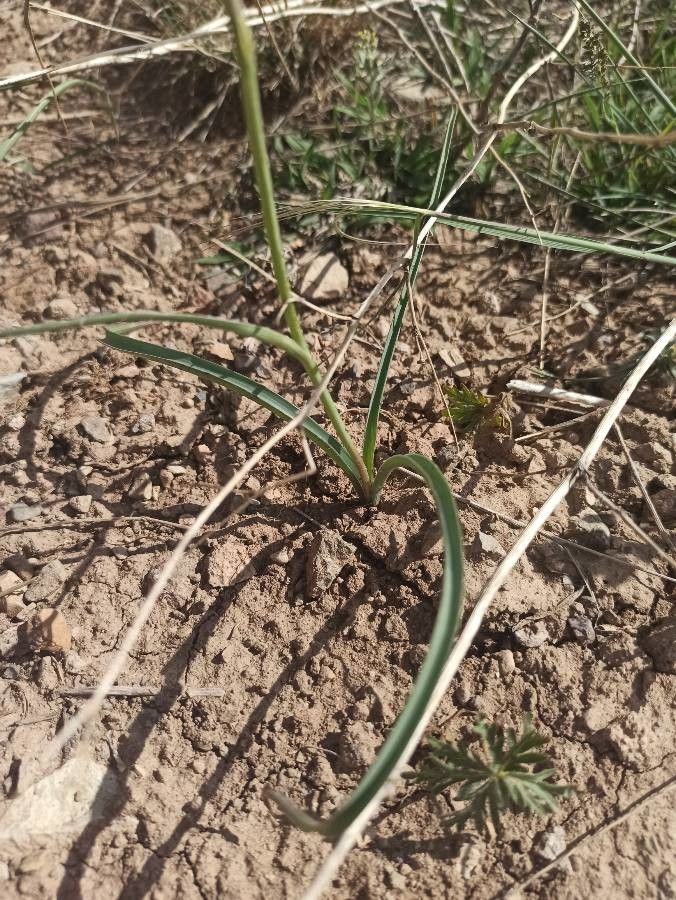
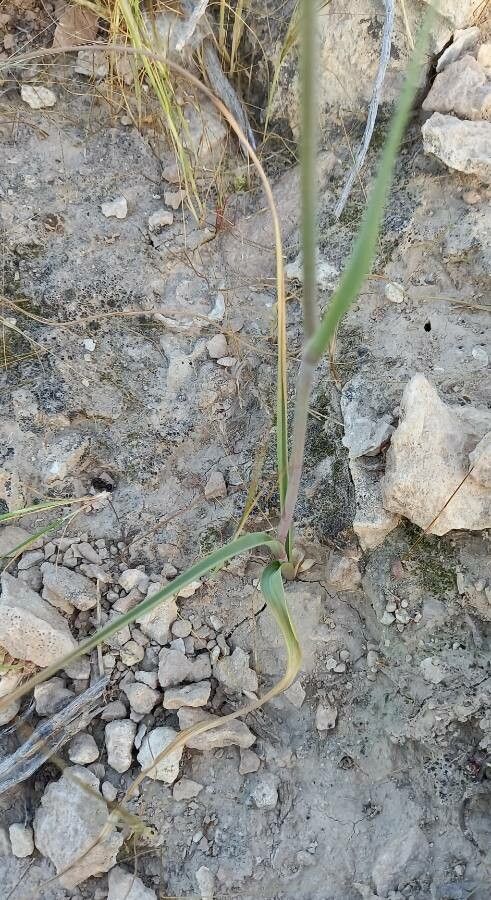
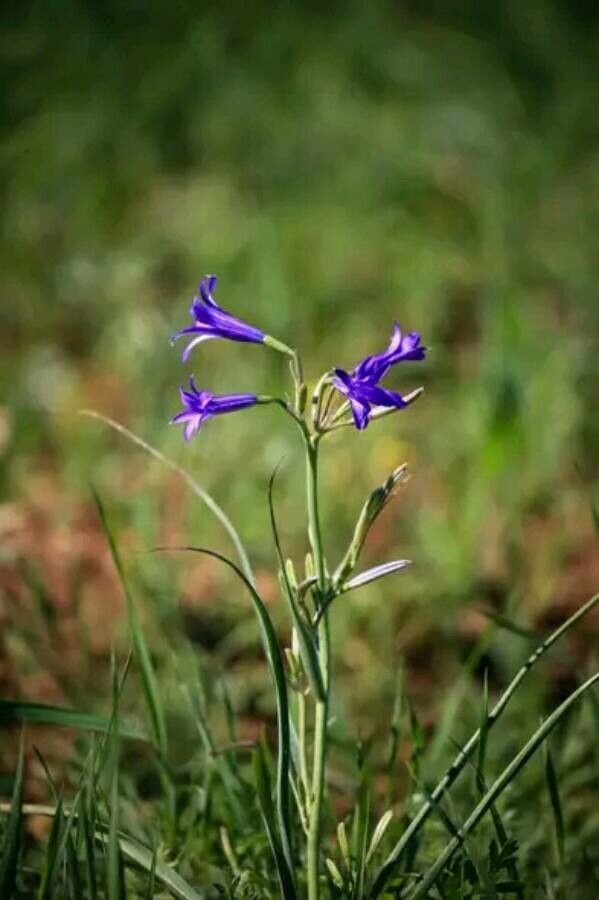
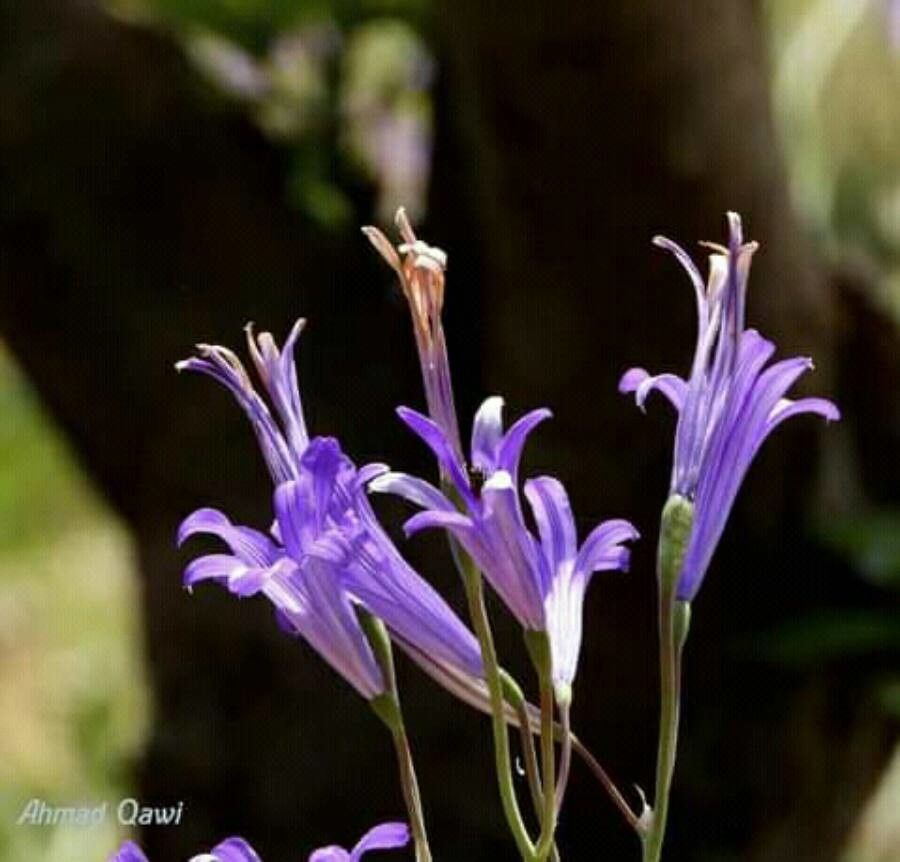
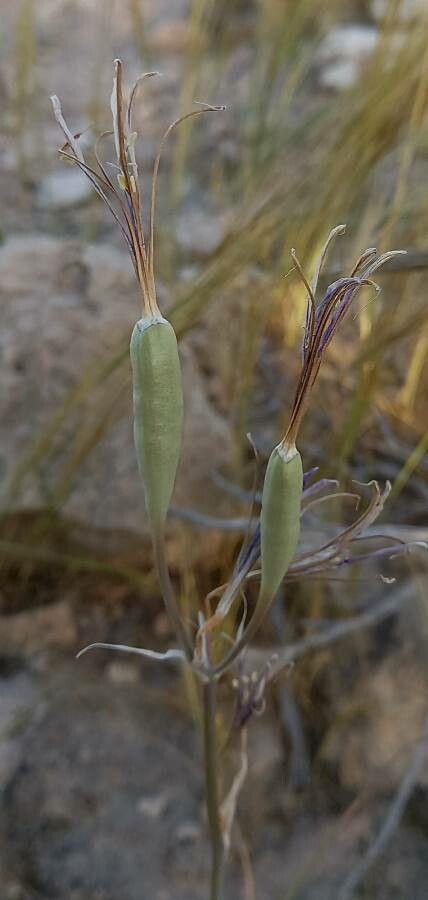
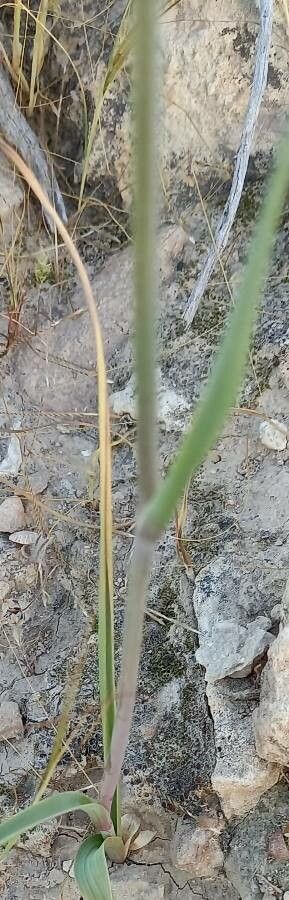
Ixiolirion tataricum, commonly known as the Siberian lily or the lavender mountain lily, is native to central and southwest Asia from the Sinai Peninsula to Xinjiang Province of China. Flower color ranges from light blue to dark violet.
The Siberian lily is fairly resistant to disease and generally does not suffer from many illnesses. However, it can be vulnerable to pests and diseases present in its environment. These problems are usually mild. For care, this plant requires a moderate amount of attention. It should be pruned regularly to keep a neat appearance and support healthy growth. Fertilizing can also encourage it to flower. The Siberian lily is suitable for anyone with outdoor space, such as a garden or patio, and does not demand extensive gardening experience. It may need more care if grown indoors.
How to keep Ixiolirion Tataricum.
Light
The siberian lily flourishes in direct sunlight, similar to its origins on the open steppes. The plant tolerates any light intensity and needs a generous amount of light to grow healthily. Insufficient light leads to poor growth, while excessive exposure does not harm it.
Water
The Siberian lily thrives in arid steppe regions, demonstrating exceptional drought tolerance. To keep it healthy, water it moderately once a week, and ensure it's planted in well-draining soil to prevent root rot. This hardy outdoor plant can also endure significant temperature fluctuations common to its native climate.
Temperature
Siberian lily originates from cooler areas and thrives in temperatures ranging from 41 to 95 °F (5 to 35 ℃). To recreate this environment at home, it's advisable to adjust temperatures, when necessary, to align with these preferences, particularly during winter.
Fertilizer
For the Siberian lily, the primary time to fertilize is in early spring while flowers are forming. The appropriate fertilizer promotes better blooms and helps the Siberian lily produce attractive flowers. Fertilizing in early spring ensures excellent flowers throughout the season and supplies energy for dormant growth phases.
Pruning
The Siberian lily is a resilient bulbous plant characterized by its striking blue-purple flowers. To encourage growth, prune the plant after it has bloomed in early to late spring. This involves removing spent flowers and any yellowing foliage. To maintain the plant's health, be sure to cut away dead or diseased stems, improve air circulation, and promote blooming. Always use clean, sharp tools for these tasks.
Botanical profile.
- Plant Type
- Herb
- Life Cycle
- Perennial
- Genus
- Ixiolirion
- Family
- Ixioliriaceae
- Hardiness Zone
- 5-9
- Mature Height
- 40 cm
- Mature Spread
- 30 cm
- Leaf Color
- Green
- Leaf Type
- Deciduous
- Flower Color
- Blue, Purple
- Flower Size
- 2.54 cm to 5.08 cm
- Bloom Time
- Mid spring, Late spring
- Planting Time
- Spring
- Harvest Time
- Early summer, Mid summer
Other names.
Reader questions.
How should I water my Siberian lily?
To properly care for the Siberian lily, it is important to use filtered water that is at room temperature. Tap water may contain harmful particles, so filtered water is preferred. It is also essential to avoid using cold water, as this can shock the plant. Instead of watering from above, it is best to pour the filtered room temperature water onto the soil until it is completely soaked. This will benefit the plant by moisturizing the roots and aiding in nutrient absorption.
What are the sunlight requirements for a Siberian lily?
Siberian lilies require full sun exposure, which means they thrive in locations where they can receive more than 6 hours of sunlight daily. It's essential to observe your garden's light patterns to find spots that offer a good mix of light and shade, ensuring the plants' optimal growth and happiness. The Siberian lily, originating from the open steppes, is resilient and requires a generous amount of light for healthy growth. Lack of sufficient sunlight can lead to poor growth, but the plant is notably resilient against overexposure to sunlight.
What is the optimal climate for Siberian lily?
The Siberian lily, known botanically as Ixiolirion tataricum, thrives in cooler regions. It prefers a climate where temperatures range between 41 to 95 °F (5 to 35 °C). To ensure the plant flourishes, it's important to replicate these temperature conditions at home, adjusting the environment particularly during the winter months. The Siberian lily is well-adapted to cold and usually does not require special frost protection. However, if temperatures are expected to drop below -25°C, it's crucial to provide cold protection by covering the plant with soil or straw and watering it abundantly before the first freeze in autumn, keeping the soil moist to prevent drought and water scarcity during winter and early spring.
What do I do if I give my Siberian lily too much water or too little water?
Overwatering is a common issue for Siberian lilies and can cause wilting, yellowing, and diseases like root rot, mold, and mildew. Underwatering is less common but can result in brittle, brown leaves. It's important to notice signs of overwatering early and reduce watering immediately. If the soil drains poorly, replace it with a well-draining potting mix. If the plant is receiving too little water, simply increase the watering frequency until the signs subside.
How can artificial lighting be used for Siberian lilies?
When natural sunlight is insufficient, especially during winter or in less sunny indoor spaces, artificial lighting serves as an essential solution for Siberian lilies' growth. LED lights are recommended for their ability to provide specific light wavelengths necessary for the plant's growth. For full sun plants like Siberian lilies, 30-50W per square foot of artificial light is needed. The light source should be placed 12-36 inches above the plant to mimic natural sunlight conditions, ensuring the plant receives 8-12 hours of light daily to promote healthy growth.
How does the Siberian lily react to low temperatures?
The Siberian lily performs well in the cold and can thrive when temperatures are above 5°C. In winter, it's advisable to maintain temperatures above -20°C to ensure its health. Should temperatures fall below -25°C, while there might not be visible changes during the winter, there could be a notable decrease in sprouting or an absence of sprouting in spring. To manage this, any non-sprouted parts should be removed in spring to encourage new growth.
How much water does my Siberian lily require?
When watering your Siberian lily, it's important to be generous with the amount of water you use. If the top two to three inches of soil are dry, it's a good idea to water the plant thoroughly, making sure to saturate the entire soil. You'll know you've added enough water when you see excess water flowing out of the drainage holes at the bottom of the pot. If you don't see any water draining, it means you haven't given the plant enough water. Be careful not to overwater, as this can be harmful to the plant. On the other hand, if you notice water accumulating inside the soil, it's also dangerous for the plant. If you're watering the plant outside, about 1 inch of rain per week should be adequate. It's important to avoid using soils that drain poorly, as this can negatively affect the health of the plant.
What are the symptoms of light deficiency in Siberian lilies?
Symptoms of light deficiency in Siberian lilies include smaller new leaf growth, leggy or sparse growth indicating a weak structure, faster leaf drop as a conservation measure, halted or no new leaf production, lighter-colored new leaves, chlorosis, sunscald, leaf curling, wilting, and leaf scorching. These symptoms indicate the plant's need for more light, either naturally through relocation to sunnier spots or via additional artificial lighting.
What are the high temperature effects on Siberian lily and solutions?
During the summer, it is ideal to keep the Siberian lily below 35°C. Temperatures exceeding 38°C can cause the leaves to lighten in color, become prone to curling, suffer from sunburn, and, in severe cases, cause the entire plant to wilt and dry. To mitigate these issues, trim away sunburned and dried parts of the plant. Relocate the plant to a spot with shade during midday and afternoon sun, or use a shade cloth to protect it. It's also beneficial to water the plant in the morning and evening to maintain moisture in the soil.
How do I water my Siberian lily as it grows?
The water needs of the Siberian lily can vary depending on its growth stages. In the first few years and after transplanting, it needs more water. During these stages, the plant focuses on developing new roots, and these roots require extra moisture. As the plant matures, it will require less water. Additionally, during the bloom period, the plant may need more water as the flowers utilize a considerable amount of moisture.
What are effective solutions for light deficiency in Siberian lilies?
To address light deficiency in Siberian lilies, gradually moving the plants to areas with at least 6 hours of sunlight daily is key, optimal locations can be near south-facing windows for indoor plants. If moving the plant isn't feasible, using artificial lights such as desk lamps or professional grow lights for at least 8 hours a day can supplement the plant's light requirements. Outdoors, you should ensure the plant is transitioned to sunny spots gradually to prevent sunburn. Also, reducing obstructions like overhanging branches can improve sunlight access. If necessary, transplanting to a better-lit location might be beneficial for smaller plants.
How do I water my Siberian lily throughout the year?
The Siberian lily has different water needs depending on the season. During the hottest months of the year, especially in summer, you may need to water this plant more frequently, depending on how quickly the soil dries out. However, during winter, the plant goes into a dormant phase and requires much less water. In fact, you may not need to water it at all during this time. If you do decide to water in winter, make sure not to overdo it - once per month is sufficient. Overwatering during winter can increase the chances of your Siberian lily getting sick.