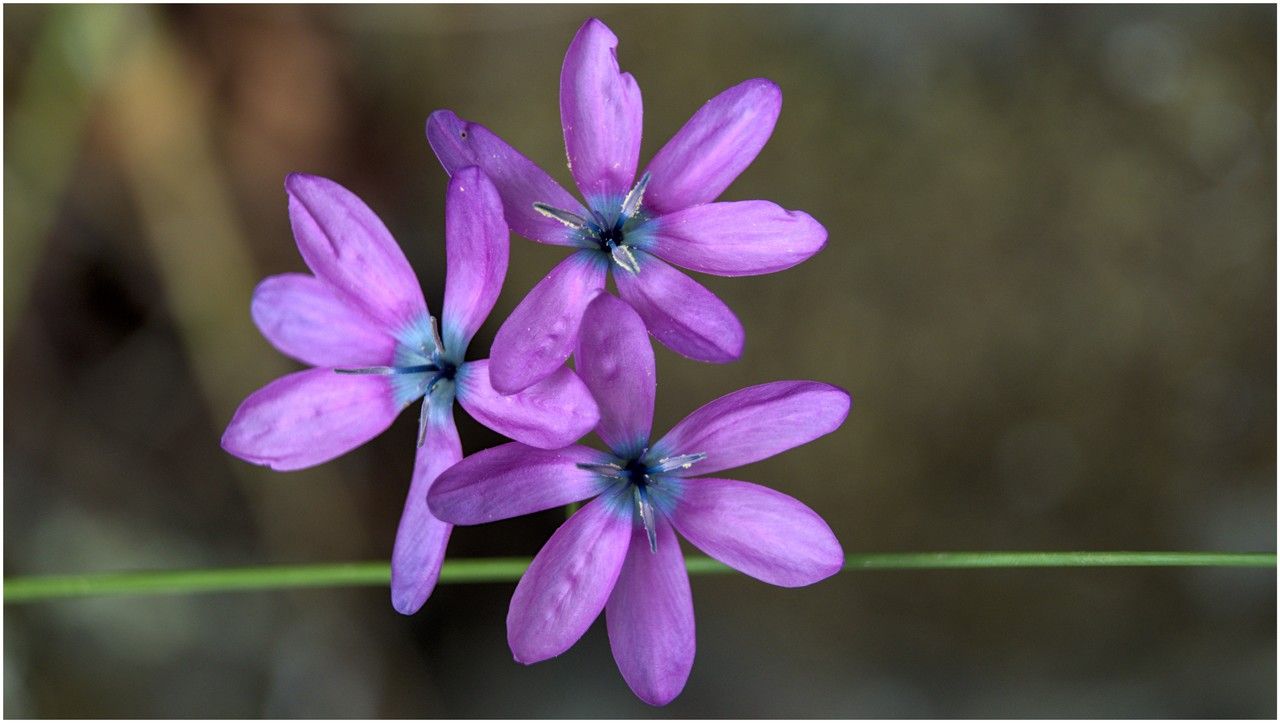
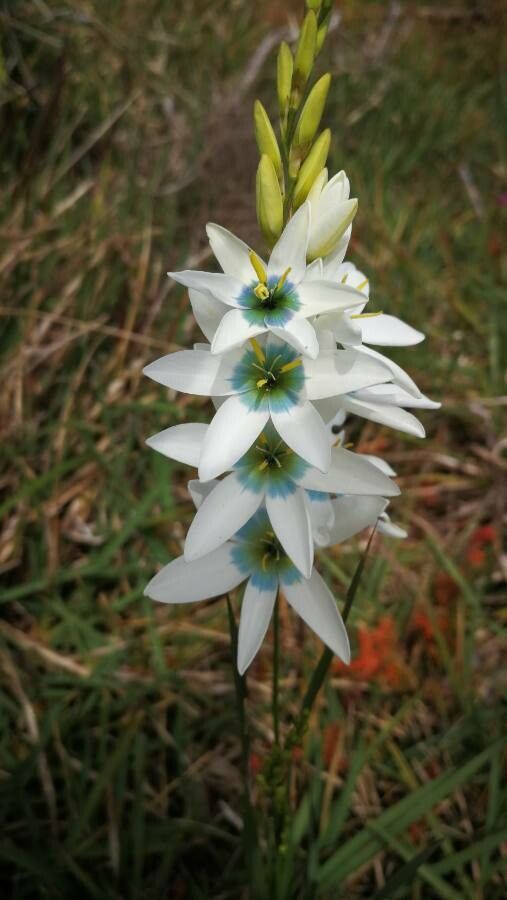
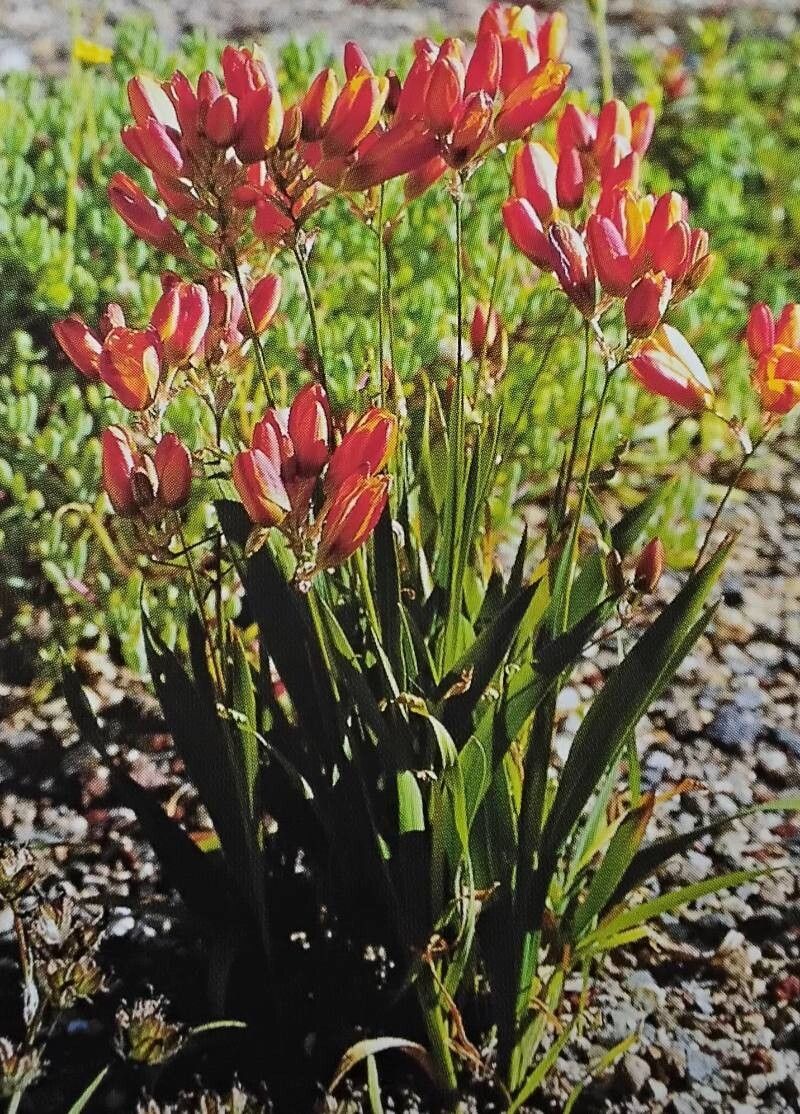
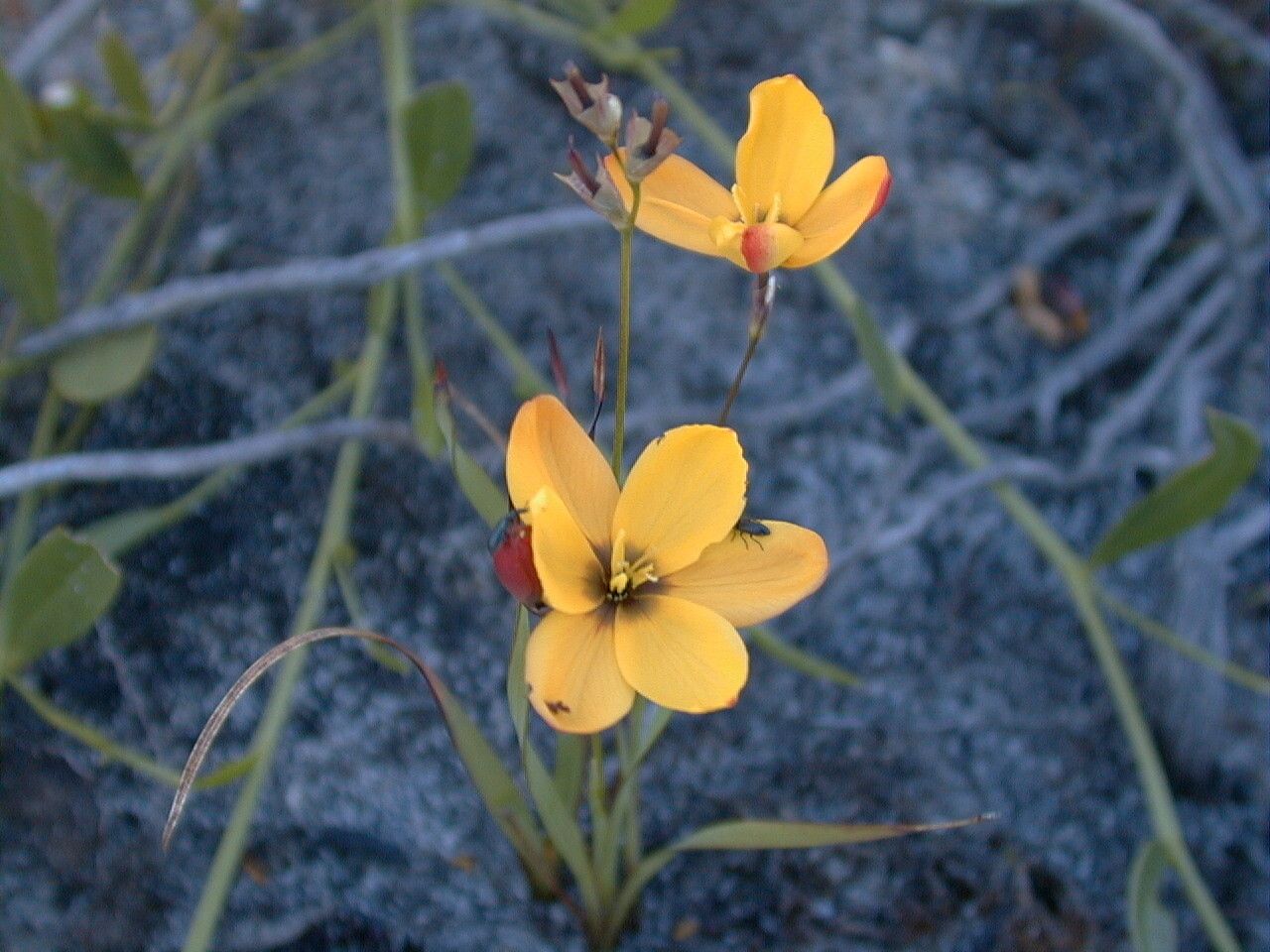
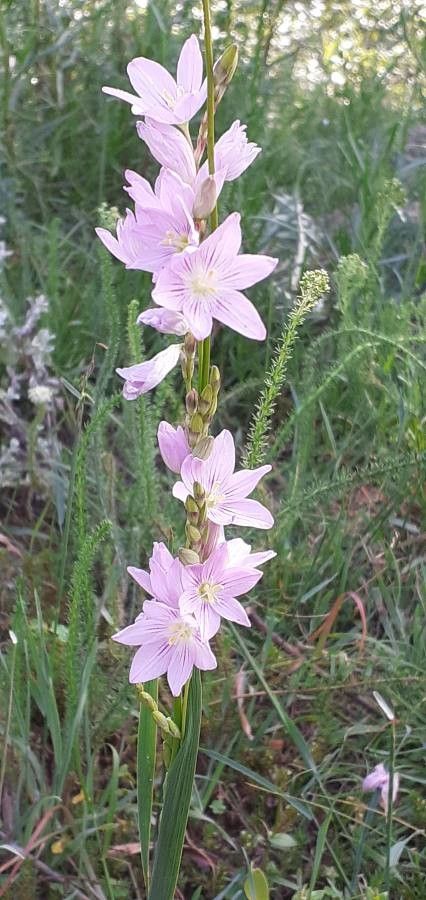
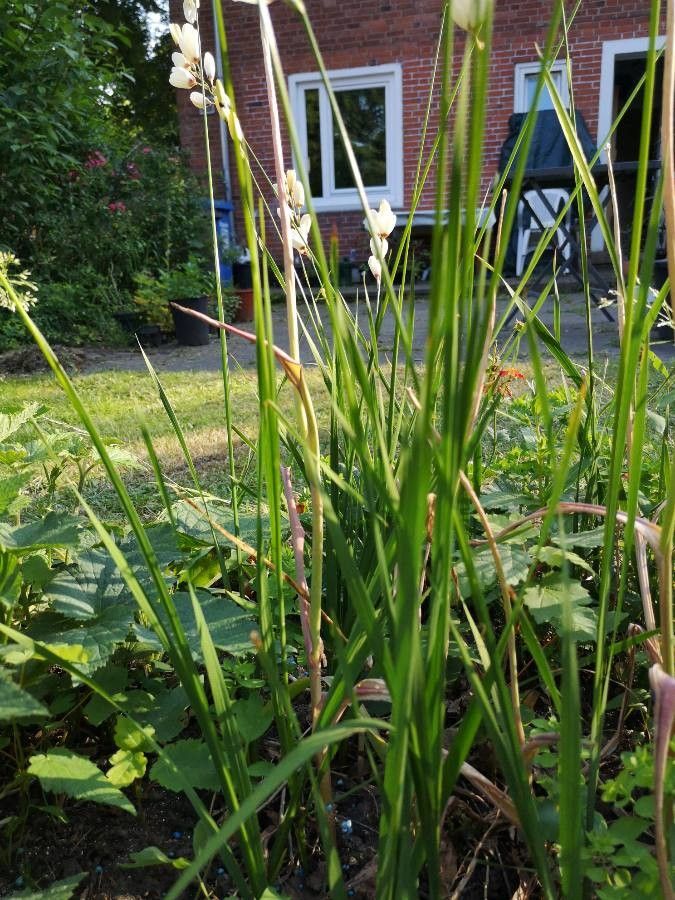
Ixia polystachya, the white-and-yellow-flower cornlily, is an Ixia species found on hills and slopes of northwest and southwest Cape, South Africa.
The white-and-yellow-flower cornlily is fairly resistant to disease and generally not prone to illness. However, it can be vulnerable to pests and plant diseases present in its environment. These problems are typically mild. In terms of care, this plant requires moderate maintenance. Regular pruning is needed to preserve a neat appearance and healthy growth. Applying fertilizer can also help encourage flowering. The white-and-yellow-flower cornlily is suitable for anyone with outdoor spaces like a garden or patio and does not demand extensive gardening experience. It may need more attention when grown indoors.
How to keep Ixia Polystachya.
Light
White-and-yellow-flower cornlily is a sun-loving, perennial herbaceous plant native to open habitats and commonly thriving in meadows and grasslands. It prefers full sun but can also tolerate partial sun.
Temperature
White-and-yellow-flower cornlily shows good adaptability to temperature, tolerating higher heat and broader temperature swings. In hot conditions, attention should be paid to watering and providing suitable shade to prevent sunburn. However, White-and-yellow-flower cornlily is comparatively less tolerant of low temperatures; while it can endure some cold, excessively low temperatures may cause frost damage.
Fertilizer
The primary time to apply fertilizer to White-and-yellow-flower cornlily is in early spring, when the blooms are forming. Using an appropriate fertilizer promotes stronger blooms and helps White-and-yellow-flower cornlily develop attractive flowers. Fertilizing in early spring ensures high-quality flowers throughout the season and supplies energy for dormant growth phases.
Pruning
The white-and-yellow flower cornlily showcases tall spikes of blossoms in shades of white and yellow. To maintain its health and beauty, prune the plant in early to late spring before new growth appears. Remove any dead stems and spent flower spikes. This practice encourages blooming, prevents overcrowding, improves air circulation, and supports robust growth, ensuring a vibrant and healthy floral display.
Botanical profile.
- Plant Type
- Herb
- Life Cycle
- Perennial
- Genus
- Ixia
- Family
- Iridaceae
- Hardiness Zone
- 8-11
- Mature Height
- 30 cm to 61 cm
- Mature Spread
- 15 cm to 30 cm
- Leaf Color
- Green
- Leaf Type
- Evergreen
- Flower Color
- White, Pink, Purple, Yellow
- Flower Size
- 3.05 cm to 5.08 cm
- Bloom Time
- Mid spring, Late spring
- Planting Time
- Spring, Summer, Autumn
- Harvest Time
- Early summer, Mid summer
- Native Area
- South Africa
Other names.