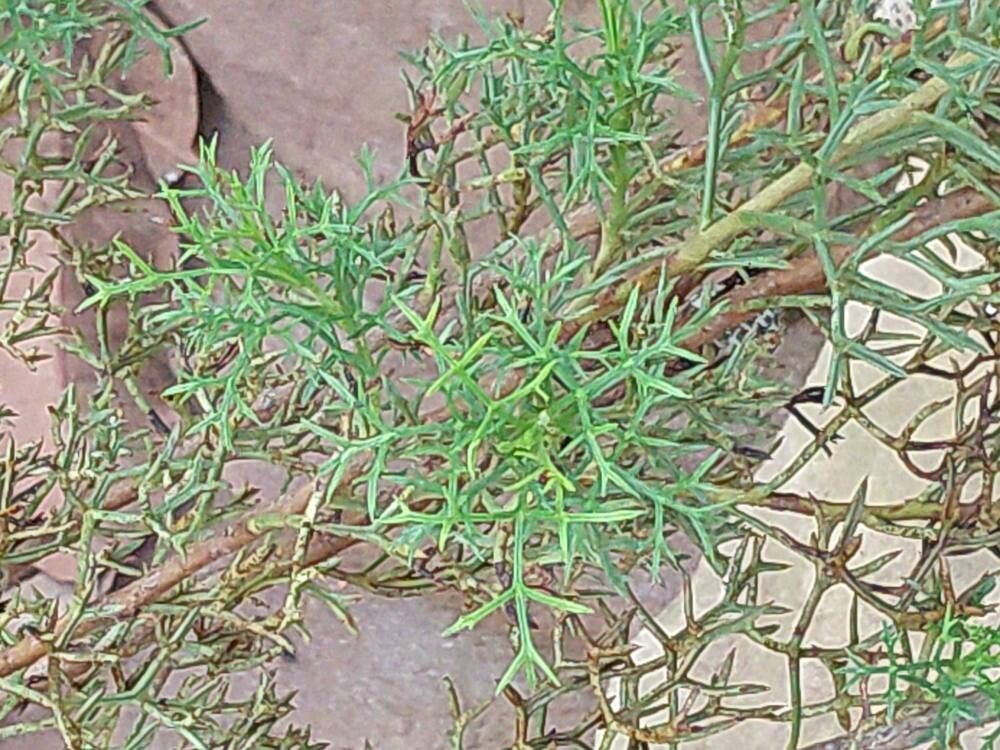
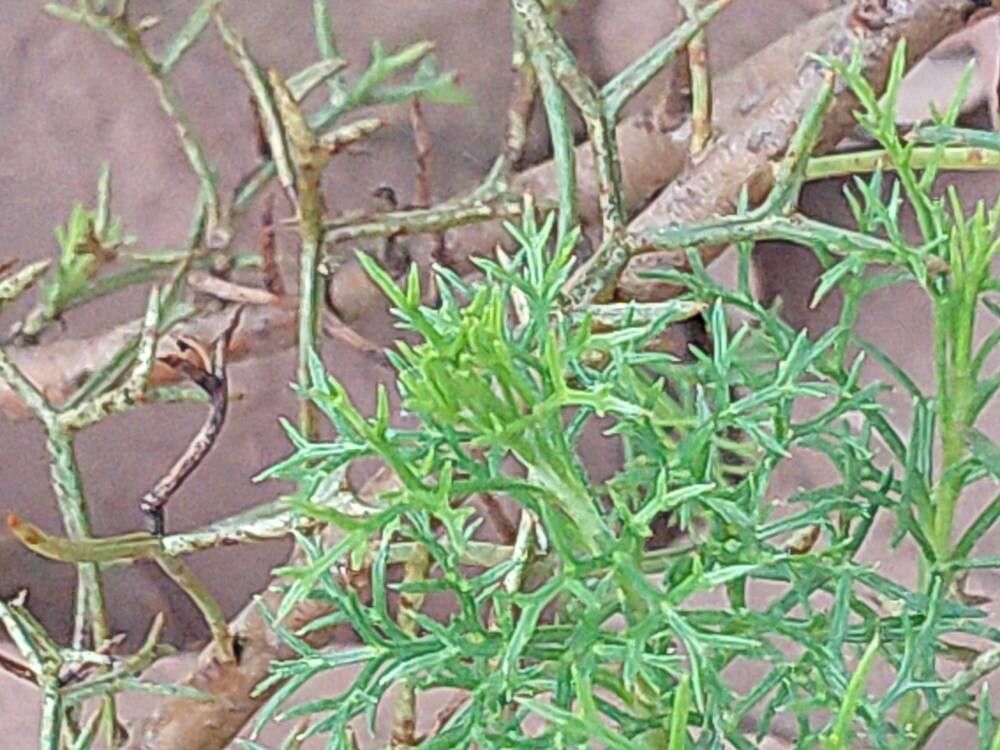
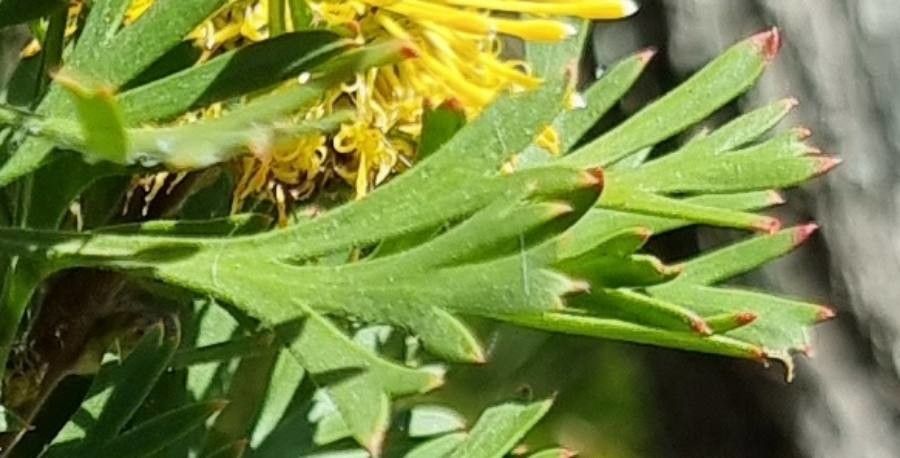
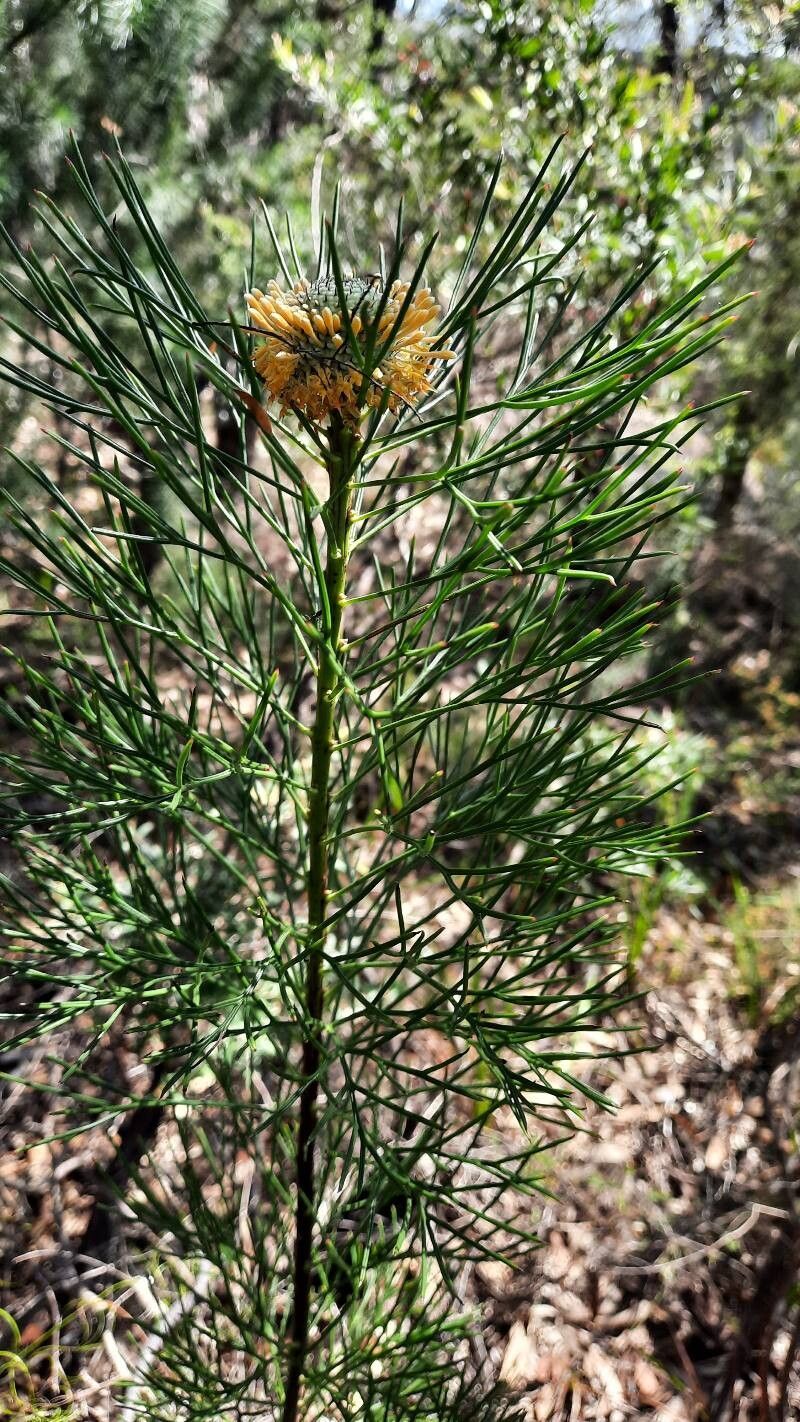
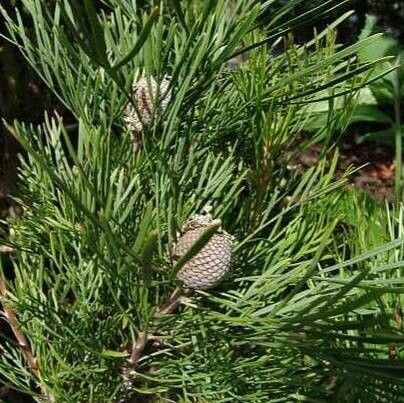
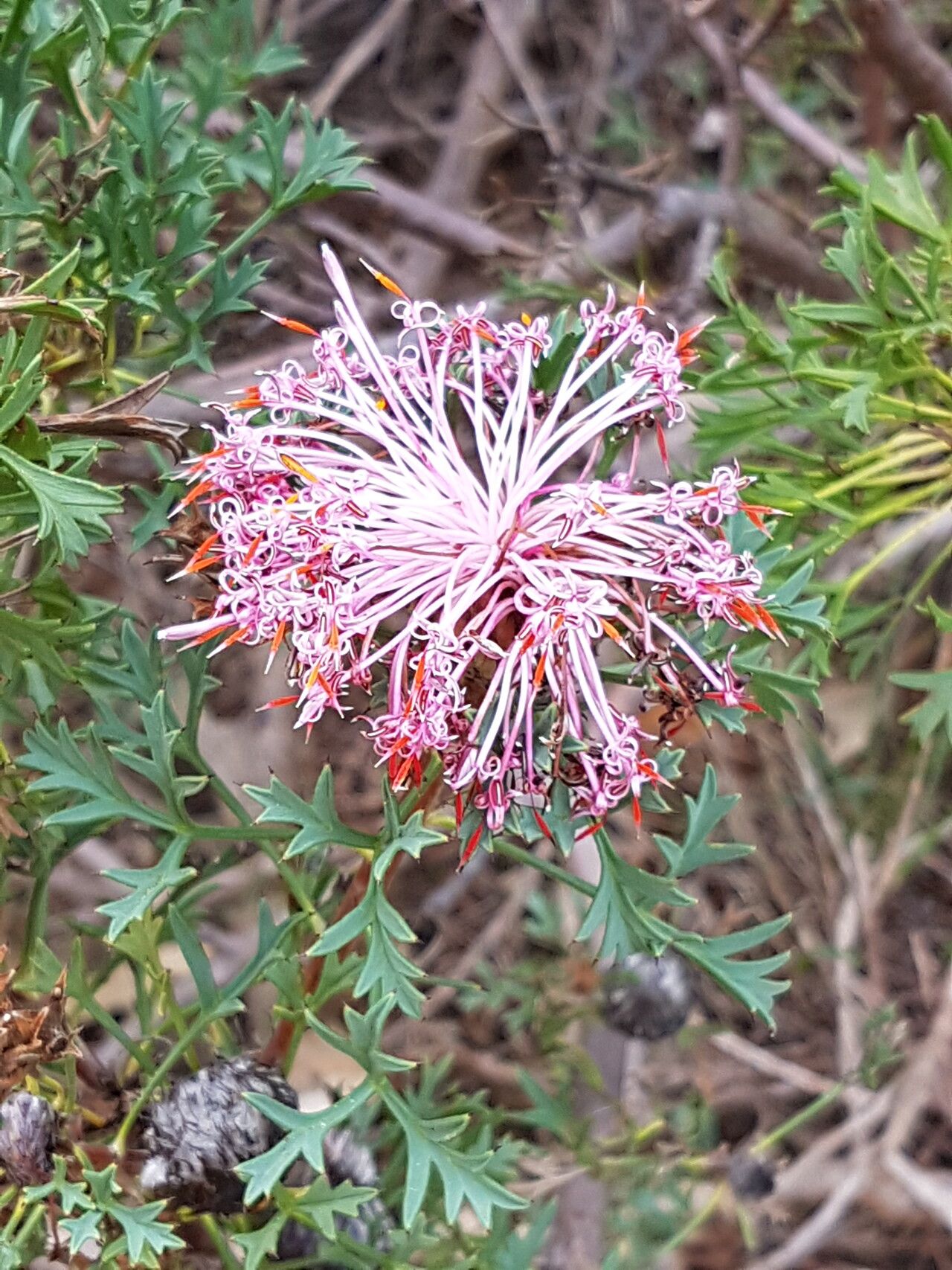
Isopogon formosus, commonly known as rose coneflower, is a species of flowering plant in the family Proteaceae and is endemic to the south-west of Western Australia. It is a shrub with divided leaves with cylindrical segments, and spherical to oval heads of pink or red flowers.
Rose cone flower is highly resistant to disease and generally not susceptible to illnesses. In terms of care, this plant is fairly low-maintenance. When planted outdoors it needs only minimal watering, and larger specimens usually do not require pruning. Smaller plants, however, should be pruned after they finish blooming. Rose cone flower is appropriate for anyone with an outdoor area, such as a garden or deck, and does not demand extensive care experience.
How to keep Isopogon Formosus.
Light
The Rose cone flower comes from open habitats, such as sunny meadows and forest edges, which offer abundant light. It does best in Full Sun but can also tolerate Partial Sun, adjusting well to a range of sunlight conditions.
Temperature
The rose cone flower has good temperature adaptability and can endure higher temperatures and wide temperature fluctuations. In hot conditions, attention should be paid to watering and appropriate shading to avoid sunburn. However, the rose cone flower is relatively intolerant of low temperatures. Although it can tolerate some cold, extremely cold conditions may cause frost damage.
Fertilizer
Timing is important when fertilizing the Rose cone flower. Apply fertilizer in early spring and continue monthly until early summer. Fertilizer promotes lovely blooms and supplies energy during both dormant and active growth phases.
Pruning
To ensure a thriving rose coneflower, practice selective pruning in early spring. By removing dead or damaged branches, you can improve airflow, increase light penetration, and prevent diseases. Additionally, thinning out crowded areas helps maintain a healthier shape and enhances the plant's vigor, leading to more abundant blooms throughout a robust growing season.
Botanical profile.
- Plant Type
- Shrub
- Life Cycle
- Perennial
- Genus
- Isopogon
- Family
- Proteaceae
- Hardiness Zone
- 9-11
- Mature Height
- 0.49 m to 1.52 m
- Mature Spread
- 49 cm to 91 cm
- Leaf Color
- Dark Green
- Leaf Type
- Evergreen
- Flower Color
- Pink
- Flower Size
- 4.06 cm to 6.35 cm
- Bloom Time
- Fall
- Planting Time
- Spring, Summer
- Harvest Time
- Winter
Other names.