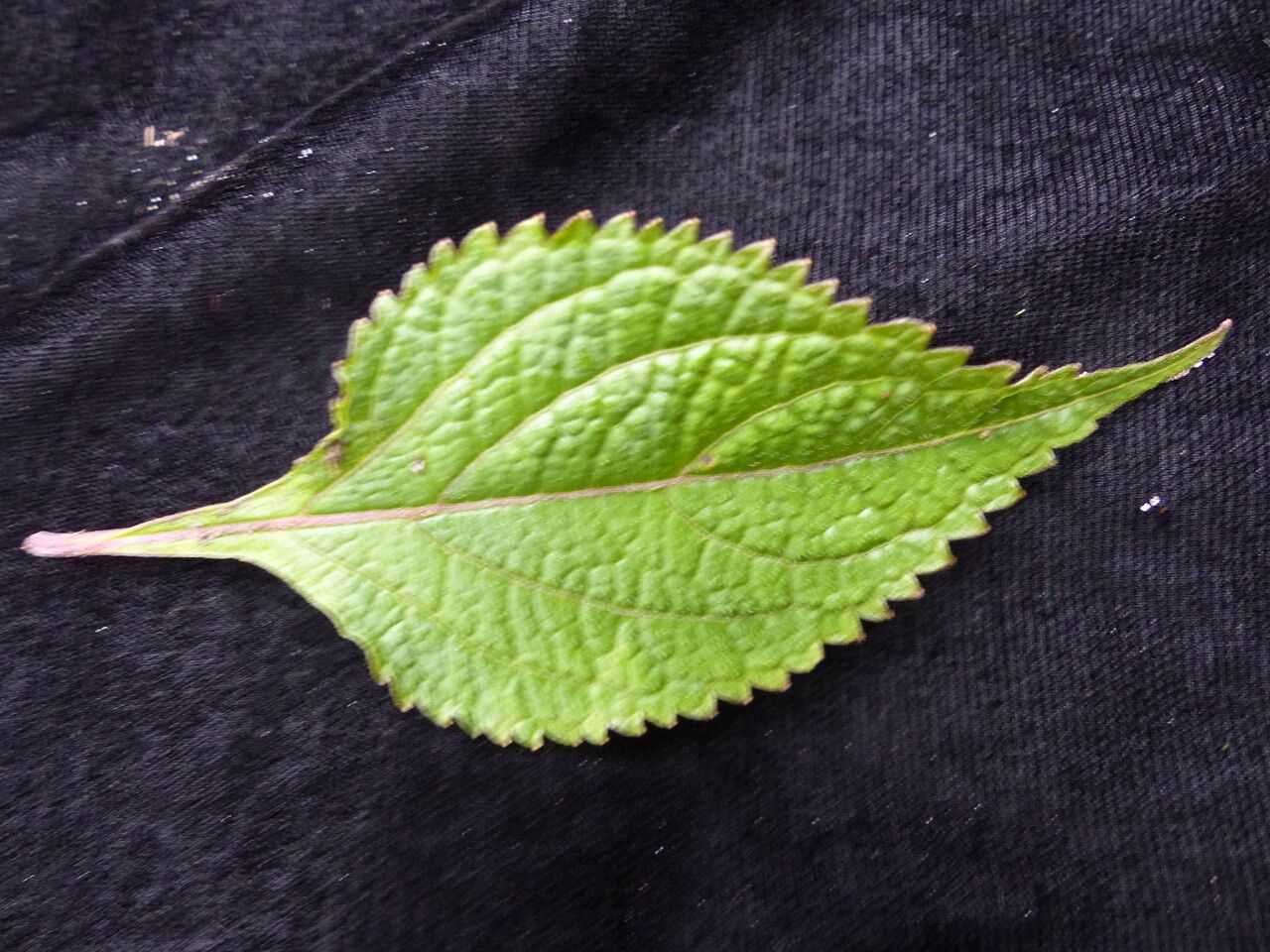
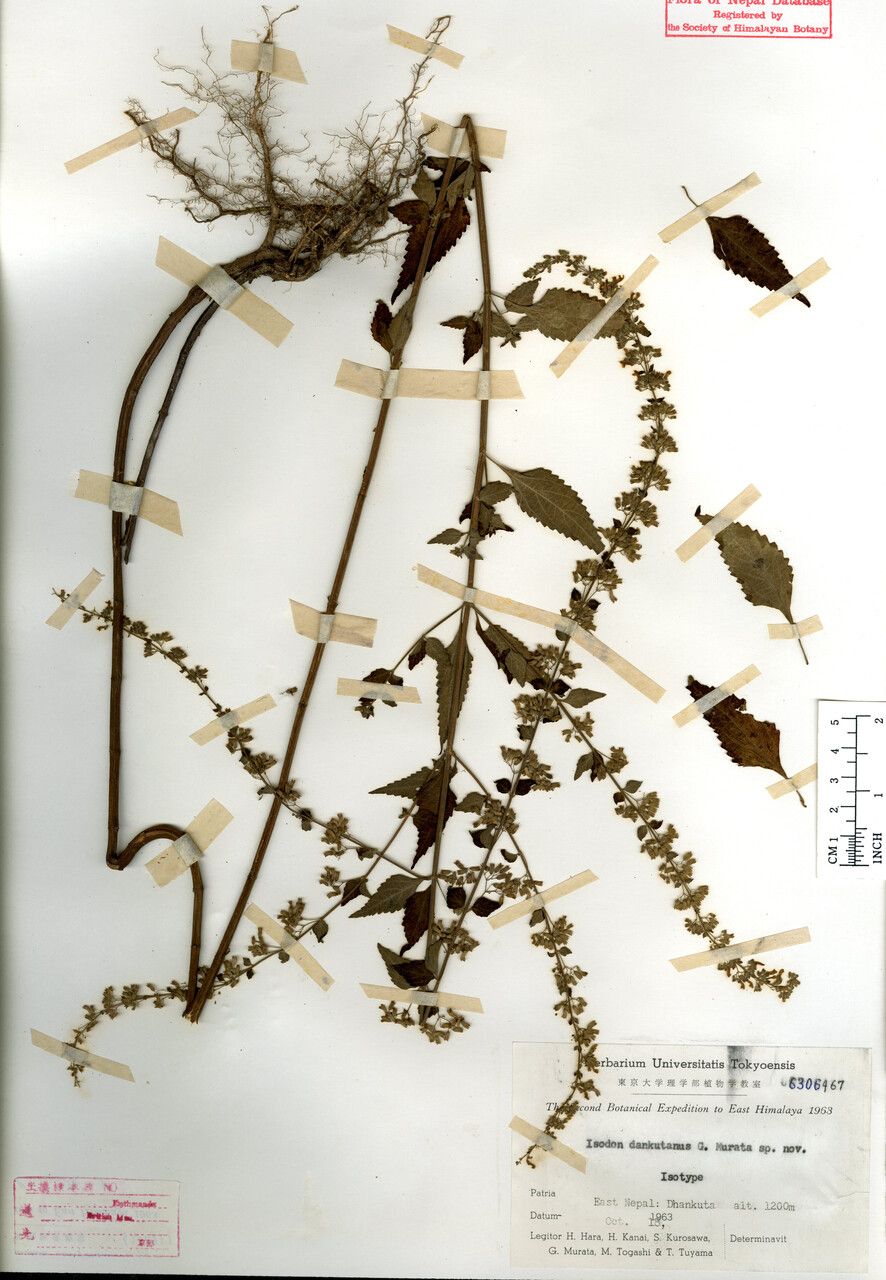
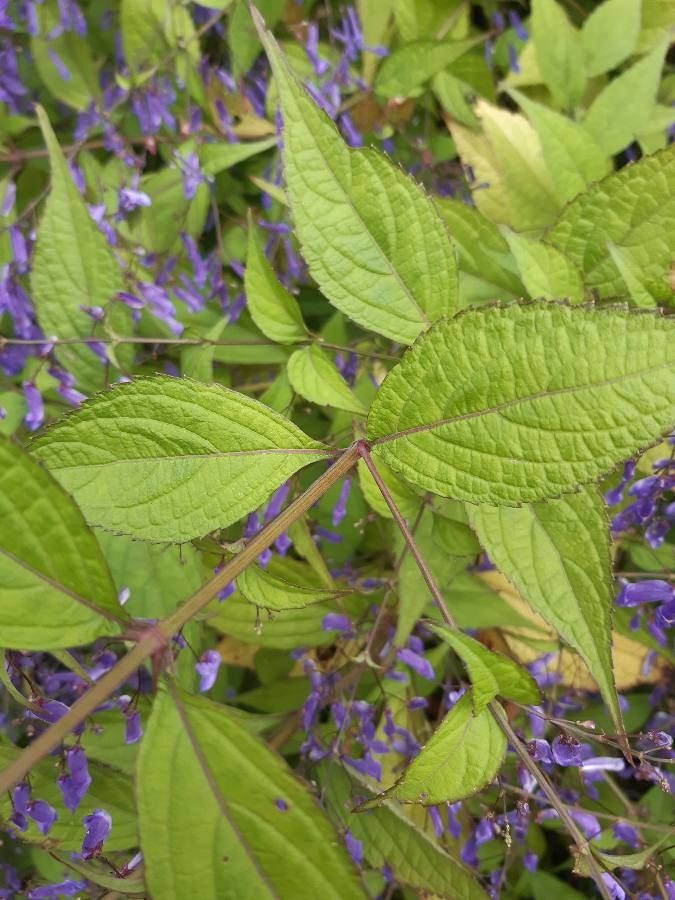
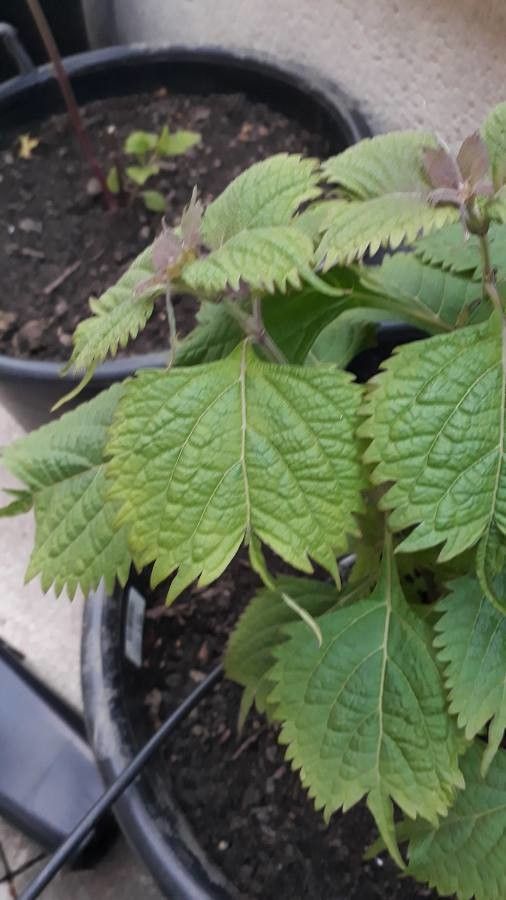
Isodon lophanthoides is a species of plant in the family Lamiaceae native from the Indian subcontinent to China.
The crested flower Isodon is fairly disease-resistant and usually not prone to illnesses. However, it can be affected by pests and diseases present in its environment. These infections are typically mild. For care, this plant requires moderate maintenance. It should be pruned regularly to maintain a good appearance and healthy growth. Fertilizing can also help encourage flowering. The crested flower Isodon is suitable for anyone with outdoor space, such as a garden or patio, and does not demand extensive care experience. It may need more attention when grown indoors.
How to keep Isodon Lophanthoides.
Light
Crested flower Isodon is a sun-loving perennial herbaceous plant native to open habitats and frequently thriving in meadows and grasslands. It prefers full sun but can also tolerate partial sun conditions.
Water
The Crested Flower Isodon thrives best in consistently moist soil and can tolerate moderate drought once established. To support its growth, it benefits from weekly watering and the use of mulch to help retain moisture, particularly during the growing season. Originating from mountainous understory regions, this plant flourishes in these specific conditions.
Temperature
Crested flower Isodon comes from tropical areas, where the climate is generally warm and humid. As a result, it is adapted to high temperatures and humidity. It does not tolerate sudden temperature changes and prefers a stable temperature, so it is important to avoid indoor temperature fluctuations. It usually cannot withstand cold and needs higher temperatures to grow. If the ambient temperature falls too low, the plant may stop growing or even die.
Fertilizer
Adequate fertilization is essential for the health and appearance of Crested flower Isodon. Apply fertilizer in summer, repeating the treatment monthly throughout the season. Nutrients support growth and help maintain the plant's parts. Fertilizing improves Crested flower Isodon's floral display, ensuring the best blooms.
Pruning
The Crested Flower Isodon is known for its attractive, aromatic leaves and distinctive flowers. To maintain its health and appearance, it is important to prune it annually from early to late spring. This involves removing dead stems and thinning out the plant to improve air circulation. Rejuvenation pruning encourages new growth, leading to healthier blooms and enhancing the plant's overall structure and visual appeal.
Botanical profile.
- Plant Type
- Herb
- Life Cycle
- Perennial
- Genus
- Isodon
- Family
- Lamiaceae
- Hardiness Zone
- 8-11
- Mature Height
- 0.3 m to 1.52 m
- Mature Spread
- 30 cm to 61 cm
- Leaf Color
- Green, Dark Green
- Leaf Type
- Semi-evergreen
- Flower Color
- Lavender
- Flower Size
- 10.16 cm to 25.40 cm
- Bloom Time
- Late summer, Early fall, Mid fall
- Planting Time
- Spring, Summer, Autumn
- Harvest Time
- Mid fall, Late fall, Early winter
- Native Area
- Nepal, India, Vietnam, Myanmar, Bhutan, Bangladesh, Pakistan, Laos, Thailand, China
Reader questions.
What are the sunlight requirements for a Crested flower Isodon?
The Crested flower Isodon, or Isodon lophanthoides, thrives in different levels of sunlight exposure. For it to flourish, it requires 'Full sun' which means the plant should receive above 6 hours of sunlight daily. Alternatively, it can also grow in 'Partial sun,' which is about 3-6 hours of sunlight a day. It's important to observe the way sunlight moves through your garden throughout the day. This observation will help you choose the optimum spots that provide a perfect balance of light and shade, ensuring the Crested flower Isodon remains healthy and happy.