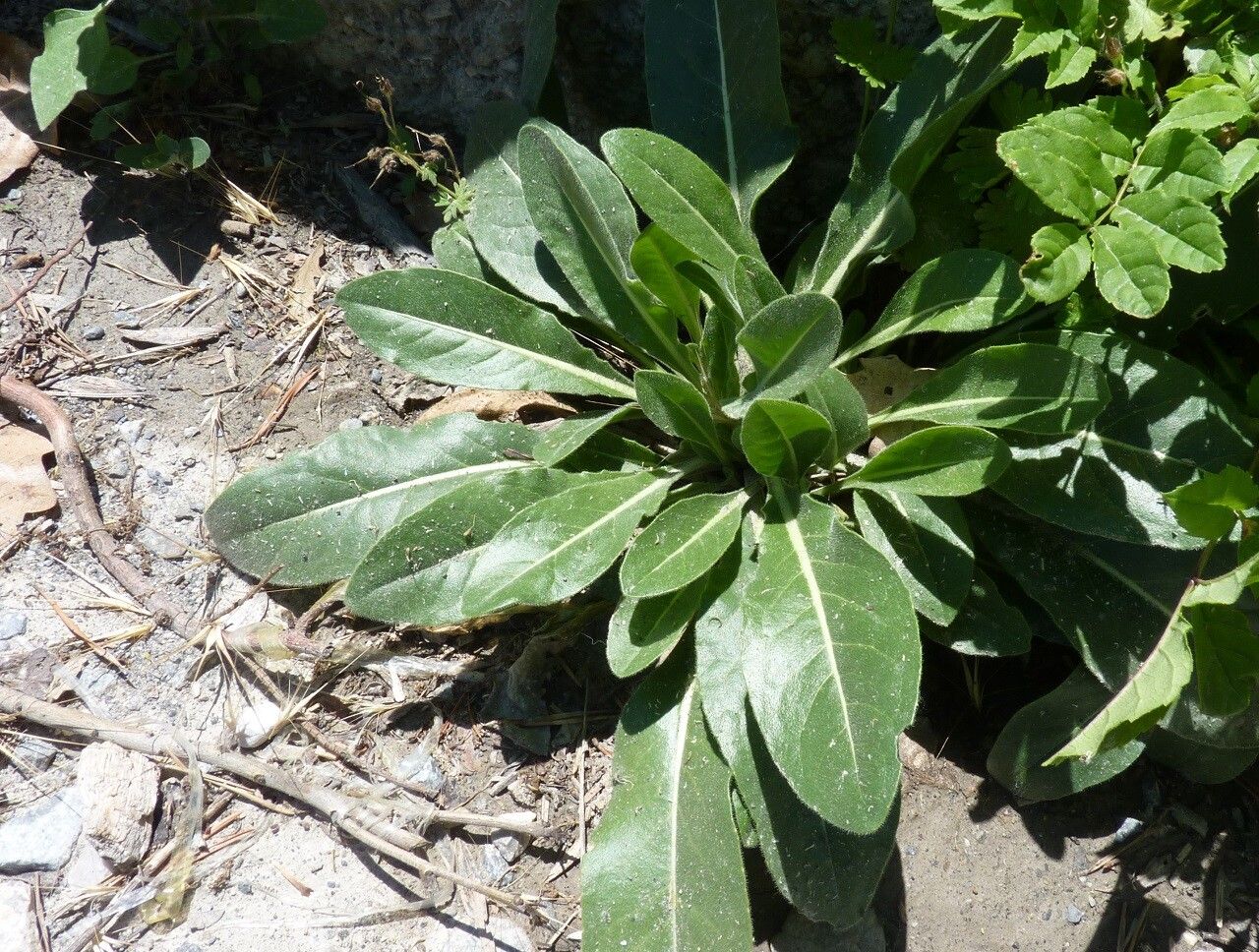
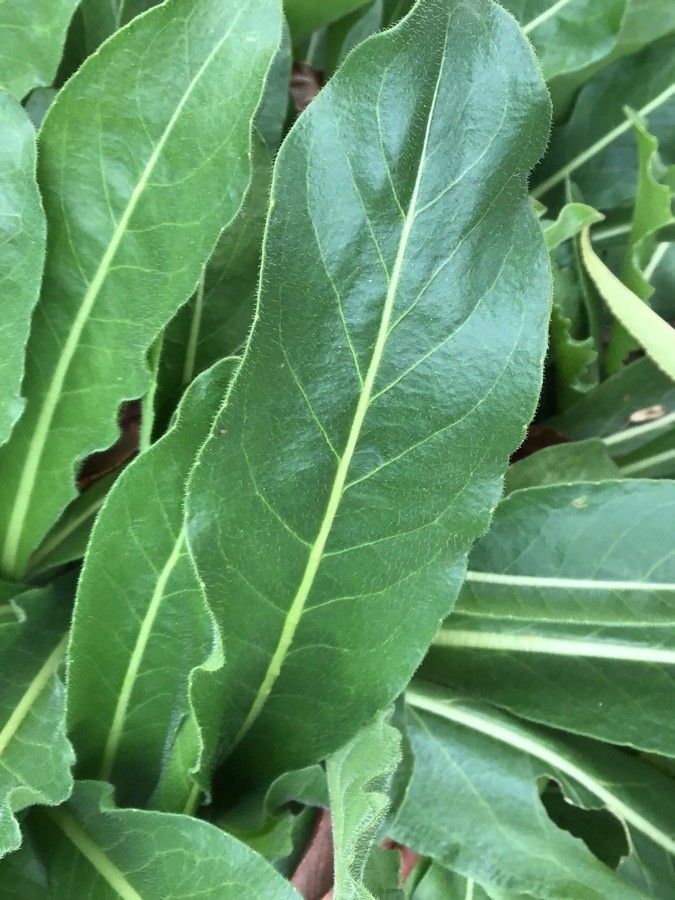
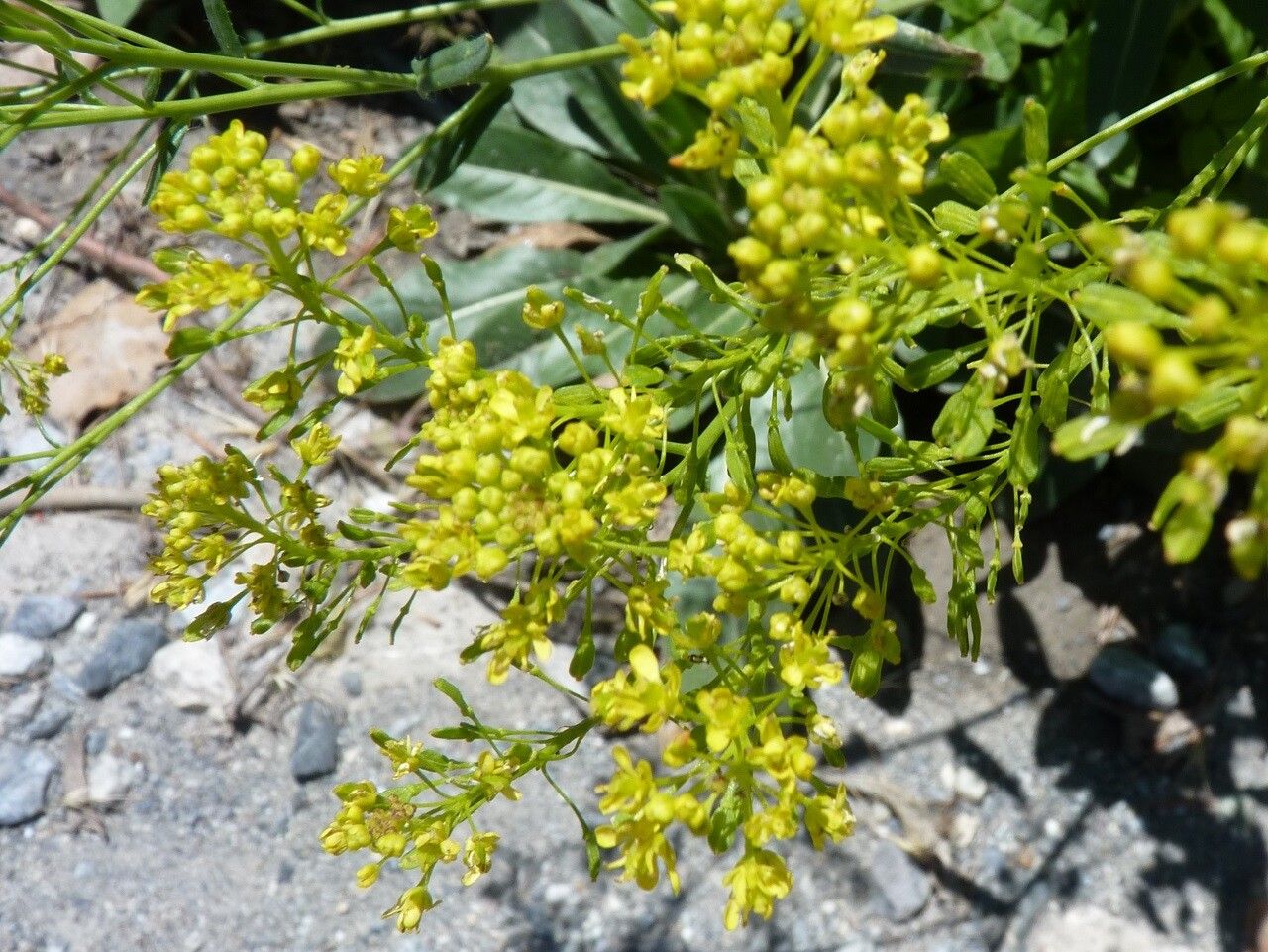
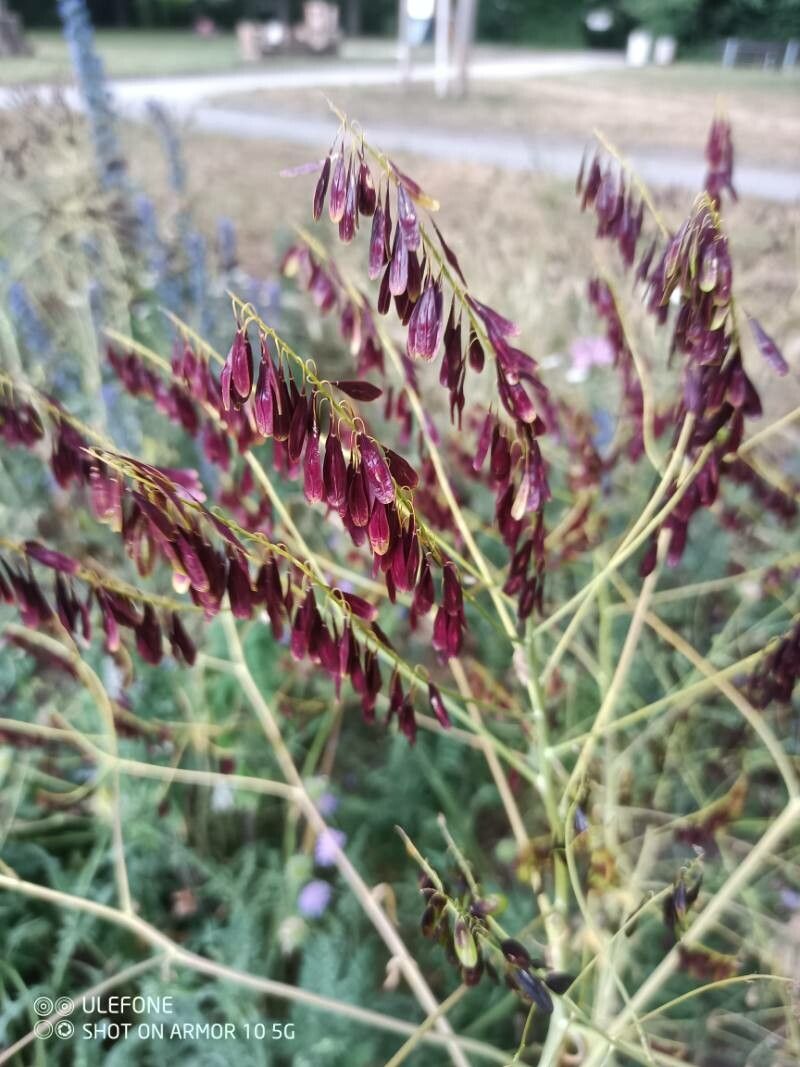
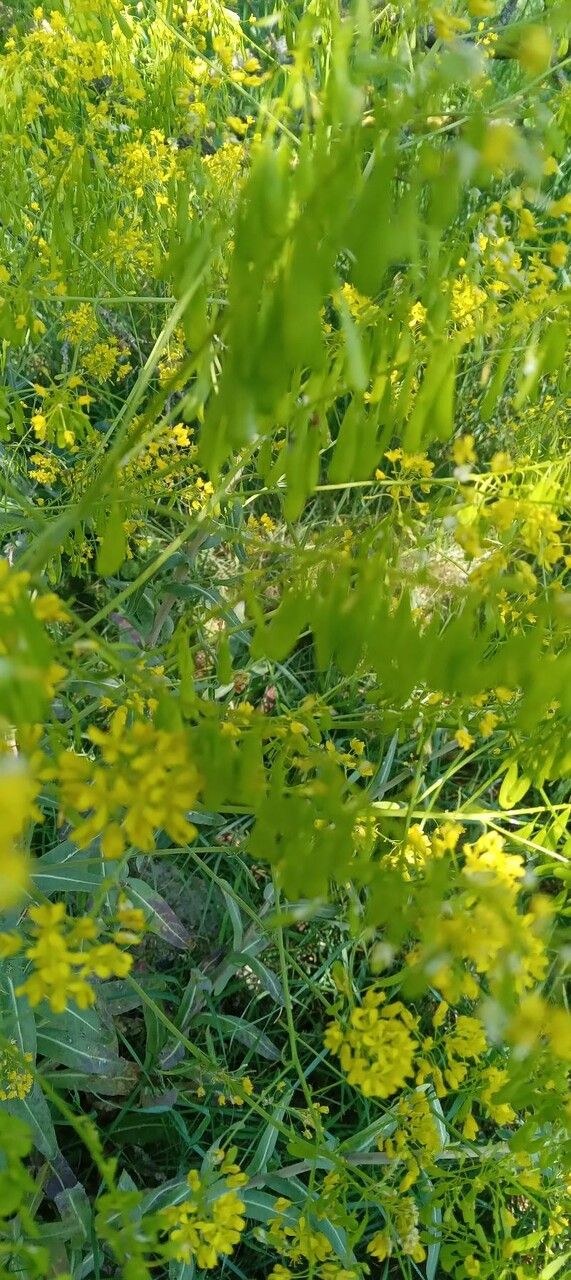
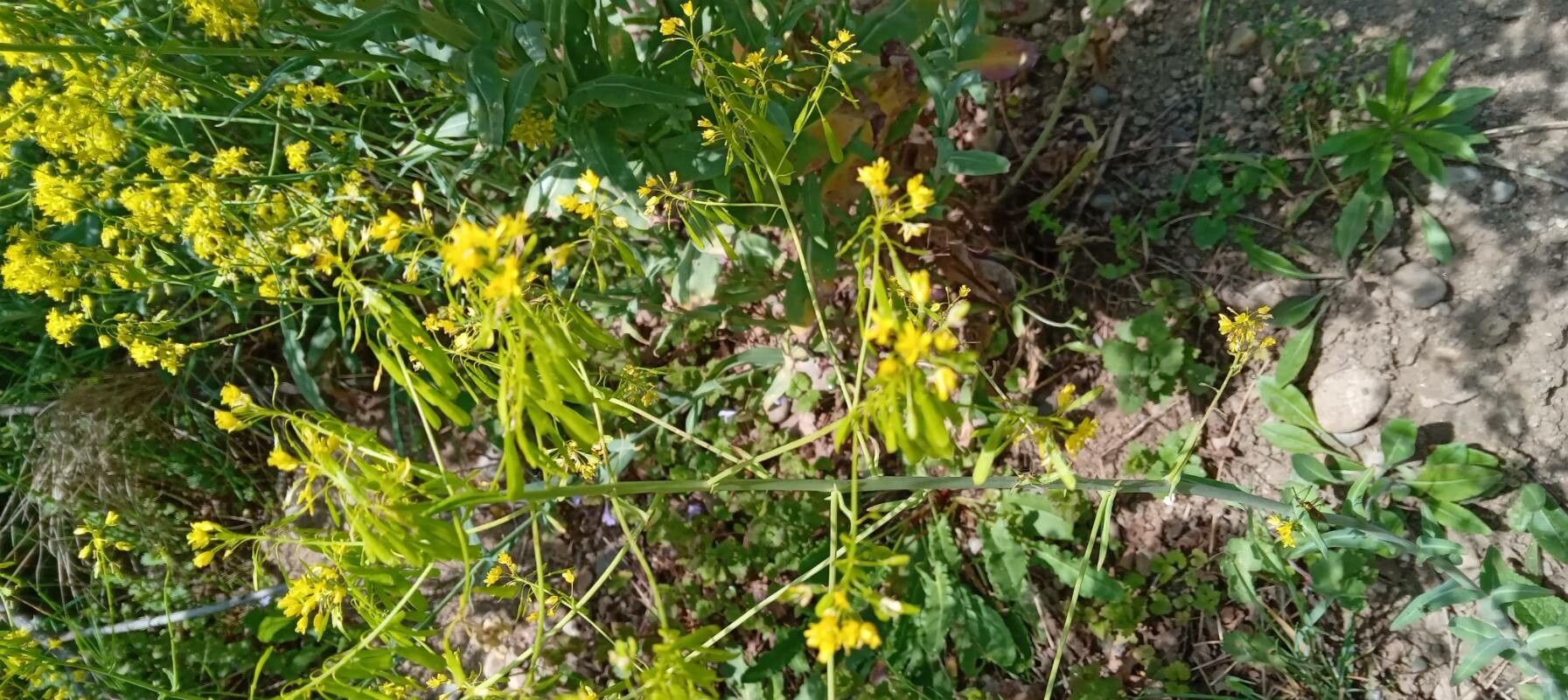
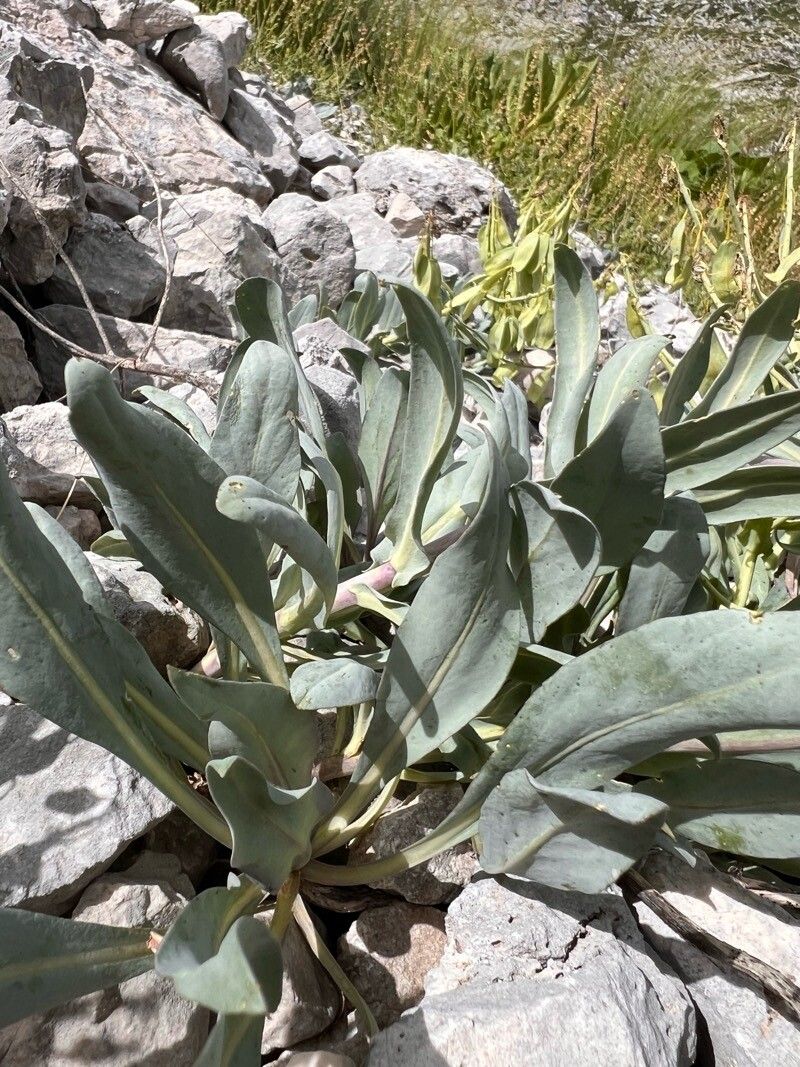
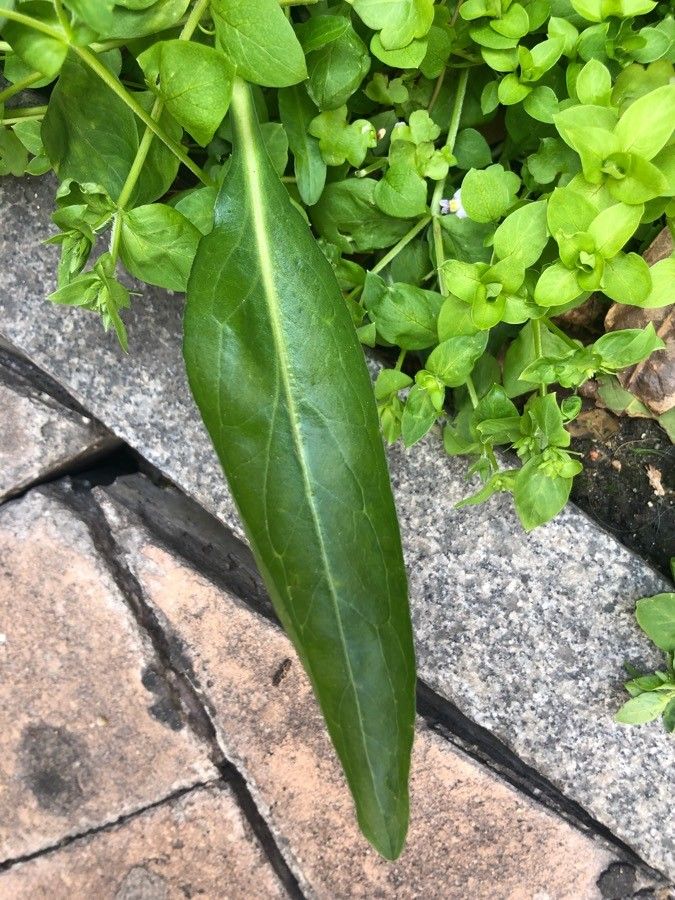
Isatis tinctoria, also called woad (), dyer's woad, or glastum, is a flowering plant in the family Brassicaceae (the mustard family) with a documented history of use as a blue dye and medicinal plant. Its genus name, Isatis, derives from the ancient Greek word for the plant, ἰσάτις. It is occasionally known as Asp of Jerusalem. Woad is also the name of a blue dye produced from the leaves of the plant. Woad is native to the steppe and desert zones of the Caucasus, Central Asia to Eastern Siberia and Western Asia but is now also found in South-Eastern and Central Europe and western North America. Since ancient times, woad was an important source of blue dye and was cultivated throughout Europe, especially in Western and Southern Europe. In medieval times, there were important woad-growing regions in England, Germany and France. Towns such as Toulouse became prosperous from the woad trade. Woad was eventually replaced by the more colourfast Indigofera tinctoria and, in the early 20th century, both woad and Indigofera tinctoria were replaced by synthetic blue dyes. Woad has been used medicinally for centuries. The double use of woad is seen in its name: the term "Isatis" is linked to its ancient use to treat wounds; the term "tinctoria" references its use as a dye. There has also been some revival of the use of woad for craft purposes.
Dyer's woad is fairly resistant to disease and usually not prone to illnesses. However, it can be vulnerable to pests and diseases present in its environment. These infections tend to be mild. In terms of care, the plant requires moderate maintenance. It should be pruned regularly to keep a tidy appearance and support healthy growth. Fertilizing can also help encourage flowering. Dyer's woad is suitable for anyone with outdoor space, such as a garden or patio, and does not demand extensive care experience. It may need more attention when grown indoors.
How to keep Isatis Tinctoria.
Light
Dyer's woad thrives in places with abundant daily sunlight, though it can also tolerate sites that receive only partial light throughout the day. Too much sun can stress the plant, while too little light slows its growth. Its native habitat is marked by strong sun exposure.
Water
Dyer's woad, native to temperate regions, thrives with moderate and consistent moisture, typically benefiting from weekly watering. It also adapts well to natural rainfall during the growing season, which can help meet its hydration needs and promote optimal growth and resilience.
Temperature
Dyer's woad is a plant native to a temperate climate zone and prefers temperatures between 68 and 95°F (20 to 35℃). During different seasons, it is advisable to adjust its environment to mimic these conditions for optimal growth.
Fertilizer
Dyer's woad requires regular feeding to encourage flowering but can't tolerate too much. It needs small, frequent doses of fertilizer throughout its whole life cycle, especially during the peak of active growth and while it's flowering. You will continue feeding your Dyer's woad until they stop blooming.
Pruning
Dyer's woad is known for its vibrant clusters of yellow flowers and is commonly used as a dye plant. To ensure optimal growth, it is best to prune it in early spring. Remove any dead stems and thin out crowded areas to improve air circulation and encourage flowering. This will not only promote vigorous growth but also help control its spread.
Botanical profile.
- Plant Type
- Herb
- Life Cycle
- Biennial, Perennial, Annual
- Genus
- Isatis
- Family
- Brassicaceae
- Hardiness Zone
- 6-9
- Mature Height
- 2.13 m
- Mature Spread
- 49 cm
- Leaf Color
- Green, Blue
- Leaf Type
- Deciduous
- Flower Color
- Yellow
- Flower Size
- 0.51 cm to 0.76 cm
- Bloom Time
- Late spring, Early summer
- Planting Time
- Spring
- Harvest Time
- Mid summer
- Native Area
- Turkey, Slovakia, Montenegro, Croatia, Slovenia, Belarus, Uzbekistan, Russia, Romania, Moldova, Tajikistan, Czech Republic, Bulgaria, Armenia, Greece, North Macedonia, Ukraine, Serbia, China, Afghanistan, Kazakhstan, Bosnia and Herzegovina, Albania, Azerbaijan
Other names.
Reader questions.
How should I water my Dyer's woad plant?
To properly water the Dyer's woad, it is best to use filtered water at room temperature. Tap water may contain harmful particles, so filtering it is important. The water should not be too cold, as the Dyer's woad is accustomed to a warm environment and cold water can be a shock for it. Instead of watering from above, it is recommended to apply filtered room temperature water directly to the soil until it is completely soaked. This method helps moisten the roots and allows them to spread and collect necessary nutrients.
Why do I have to put fertilizer on my Dyer's woad plant?
Fertilizing flowering plants, such as Dyer's woad, properly can greatly enhance their growth and blossoming. These plants are known for their abundant blooming, which necessitates ample fertilization to replenish essential nutrients for growth. Nitrogen plays a crucial role in stimulating early vegetative growth and maintains lush foliage through photosynthesis and chlorophyll production. Phosphorus is essential for enhancing flower formation, strengthening stems, and facilitating the conversion of sunlight into energy that fuels growth. Additionally, potassium aids in the movement of water, nutrients, and sugars within plants, ensuring efficient transfer from roots to shoots. It also encourages root development and improves resistance to drought during the summer.
What are the sunlight requirements for Dyer's woad?
Dyer's woad requires full sun, defined as over 6 hours of sunlight daily, to flourish optimally. It can also grow under partial sun, which is about 3-6 hours of sunlight. Observing how sunlight moves through your garden is crucial, as selecting the appropriate spots ensures a perfect balance of light and shade, contributing to the plants' health. Too much sunlight can stress the plant, whereas not enough sunlight might slow its growth. Dyer's woad is naturally adapted to environments with strong sunlight.
What is Dyer's woad and where does it originate?
Dyer's woad, botanically known as Isatis tinctoria, originates from temperate climate zones. It thrives in temperatures between 68 to 95°F (20 to 35°C), requiring adjustments to its environment in various seasons to maintain these optimal conditions for growth.
What should I do if I give my Dyer's woad plant too much or too little water?
Overwatering is a common issue for Dyer's woad plants and can cause wilting, yellowing, and diseases like root rot, mold, and mildew. Underwatering is less common but can result in brittle, brown leaves. It's important to notice signs of overwatering early, as some diseases may be irreversible if not addressed promptly. Reduce watering if you see early signs of overwatering and check the soil's drainage. If it drains poorly, replace it with a well-draining potting mix. If your Dyer's woad lacks water, simply increase watering until the signs disappear.
When should I fertilize my Dyer's woad?
Dyer's woad, a plant with a constant appetite, prefers to be fed small amounts of fertilizer regularly. This is especially important during its active growth phase and when it flowers. You should continue fertilizing the plant until it stops blooming. Keep in mind that container-grown plants require more frequent fertilization compared to those grown in the ground, as their root zone is smaller and they have limited access to nutrients.
How does artificial lighting support indoor cultivation of Dyer's woad?
Indoor plants, including Dyer's woad, require adequate lighting for optimal growth, especially when natural sunlight is insufficient. During winter or in less sunny spaces, artificial lights provide a crucial solution. LED lights, which can be customized to supply specific light wavelengths, are recommended. Full sun plants need 30-50W/sq ft, partial sun plants need 20-30W/sq ft, and full shade plants need 10-20W/sq ft of artificial light. The light source should be placed 12-36 inches above the plant, simulating natural sunlight. Most plants, based on the species, need 8-12 hours of light per day.
How does Dyer's woad handle cold temperatures?
Dyer's woad possesses strong cold resistance, meaning special frost protection measures are typically not necessary. However, during winters where temperatures are expected to fall below -25°C, it becomes important to protect the plant from the cold. This can be done by covering it with soil or straw. To further aid its winter survival, it is recommended to water the plant abundantly before the first freeze of autumn, ensuring that the soil stays moist and enters a frozen state to prevent water scarcity for the plant during winter and early spring.
How often do I need to water my Dyer's woad?
If your Dyer's woad is in a pot, the most precise way to determine if it needs water is to check the soil with your finger. If the top two to three inches of soil are dry, it's time to water it. For those growing Dyer's woad outdoors in the ground, you can use a similar method to test the soil. Once the top few inches of soil have dried out, it's time to water. During spring and early fall, you will usually need to water this plant about once a week using this method. However, during extremely hot weather, you may need to increase watering to twice or more per week. That being said, a mature, well-established Dyer's woad plant has an admirable ability to endure drought.
When is the best time to not put fertilizer on my Dyer's woad?
Fertilizer can sometimes harm Dyer's woad instead of helping it, especially if the plant is already stressed. To avoid further damage, refrain from fertilizing when the plant is struggling with diseases or insect problems like downy mildew, powdery mildew, gray mold, leaf spots, aphids, spider mites, or whiteflies. Fertilizer can weaken the plant's defenses, making it more susceptible to other pests or diseases. Additionally, it's best to avoid fertilizing when the soil surface is hardened or too dry, as this can lead to root burn. Instead, water the potting soil slightly before applying fertilizer. In the hottest part of the summer, when Dyer's woad goes dormant due to high temperatures, avoid fertilizing until growth resumes.
What are common symptoms of inadequate sunlight in Dyer's woad?
Dyer's woad shows several symptoms when it doesn't receive enough light. New leaves might grow smaller, and the distance between leaves or stems may increase, causing a sparse and stretched appearance. It might also experience accelerated old leaf droppage as a conservation effort, slower or halted growth, pale or irregularly colored new leaves indicating a lack of chlorophyll, chlorosis (yellowing leaves due to chlorophyll breakdown), sunscald, leaf curling, wilting because of increased water loss, and leaf scorching from excessive sunlight exposure. These symptoms demonstrate the plant's struggle under non-optimal light conditions.
What are the symptoms of Dyer's woad experiencing low temperatures, and how can they be treated?
Dyer's woad is cold-tolerant and fares best at temperatures above 20°C while needing protection to stay above 0°C during winter months. When temperatures drop below -25°C, there may not be any noticeable changes during winter itself, but there can be a significant decrease in sprouting or even a complete lack of sprouting in spring. The solution for this is to remove any parts of the plant that have failed to sprout as spring arrives.