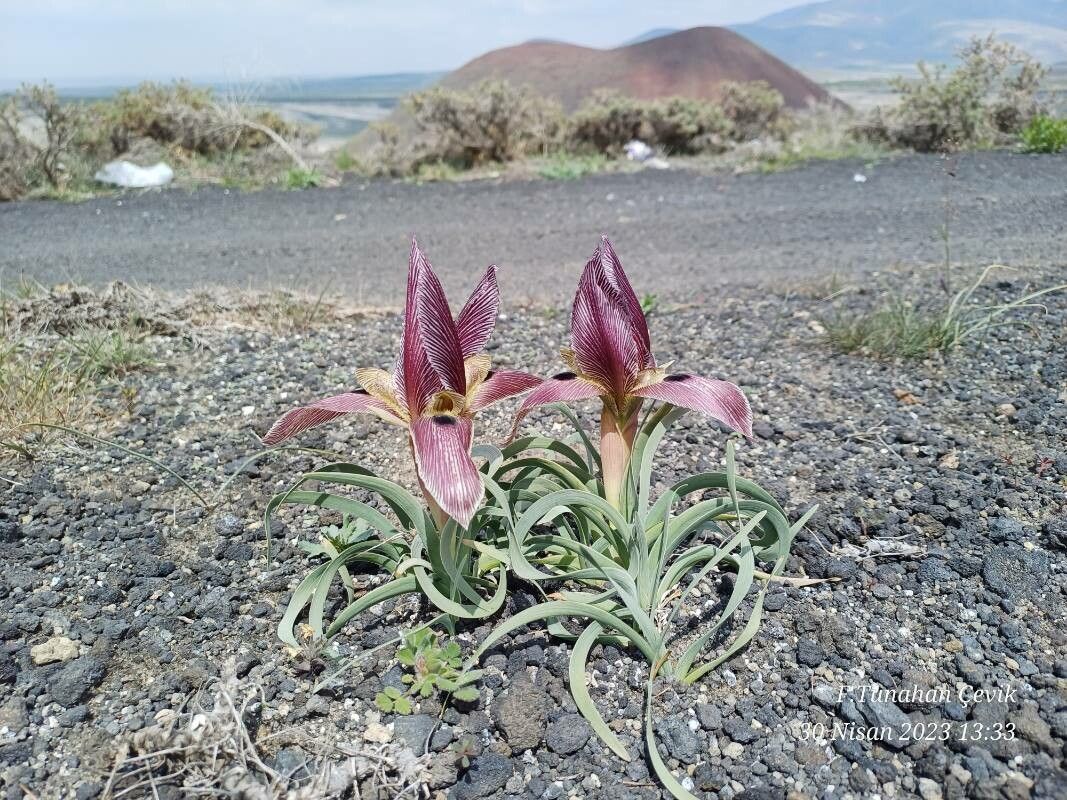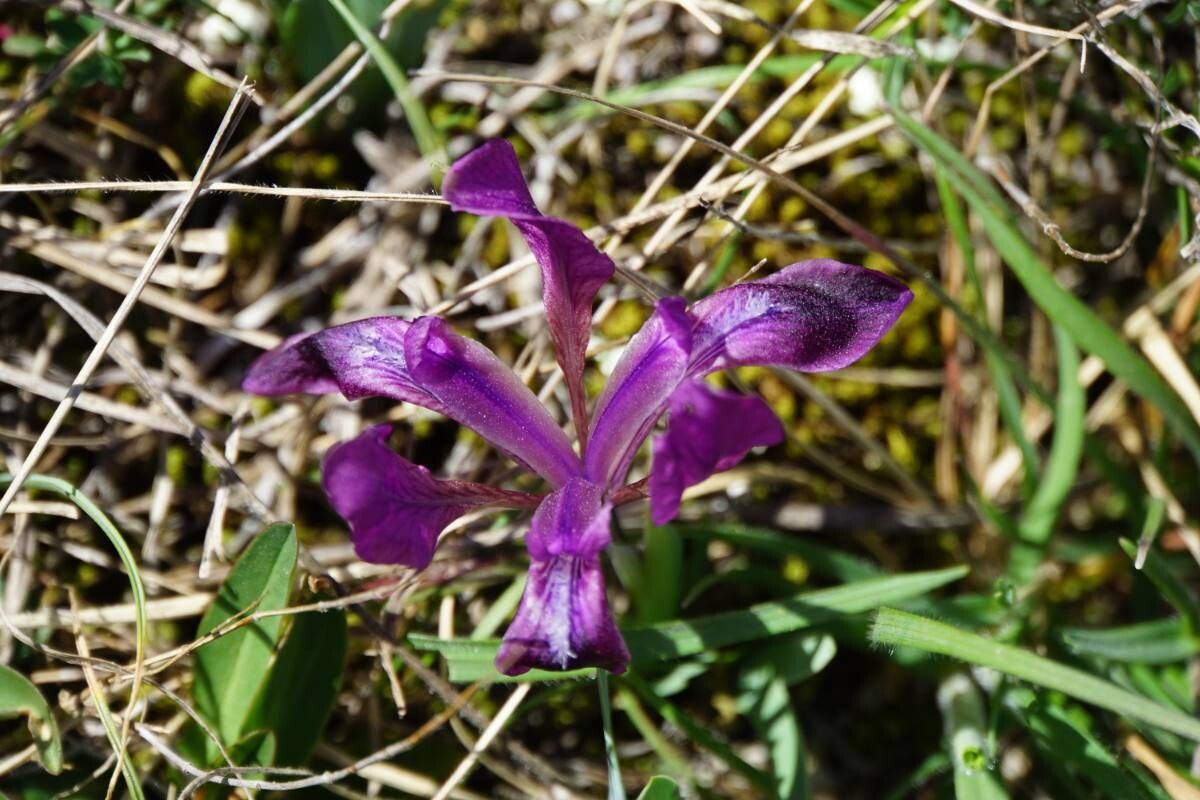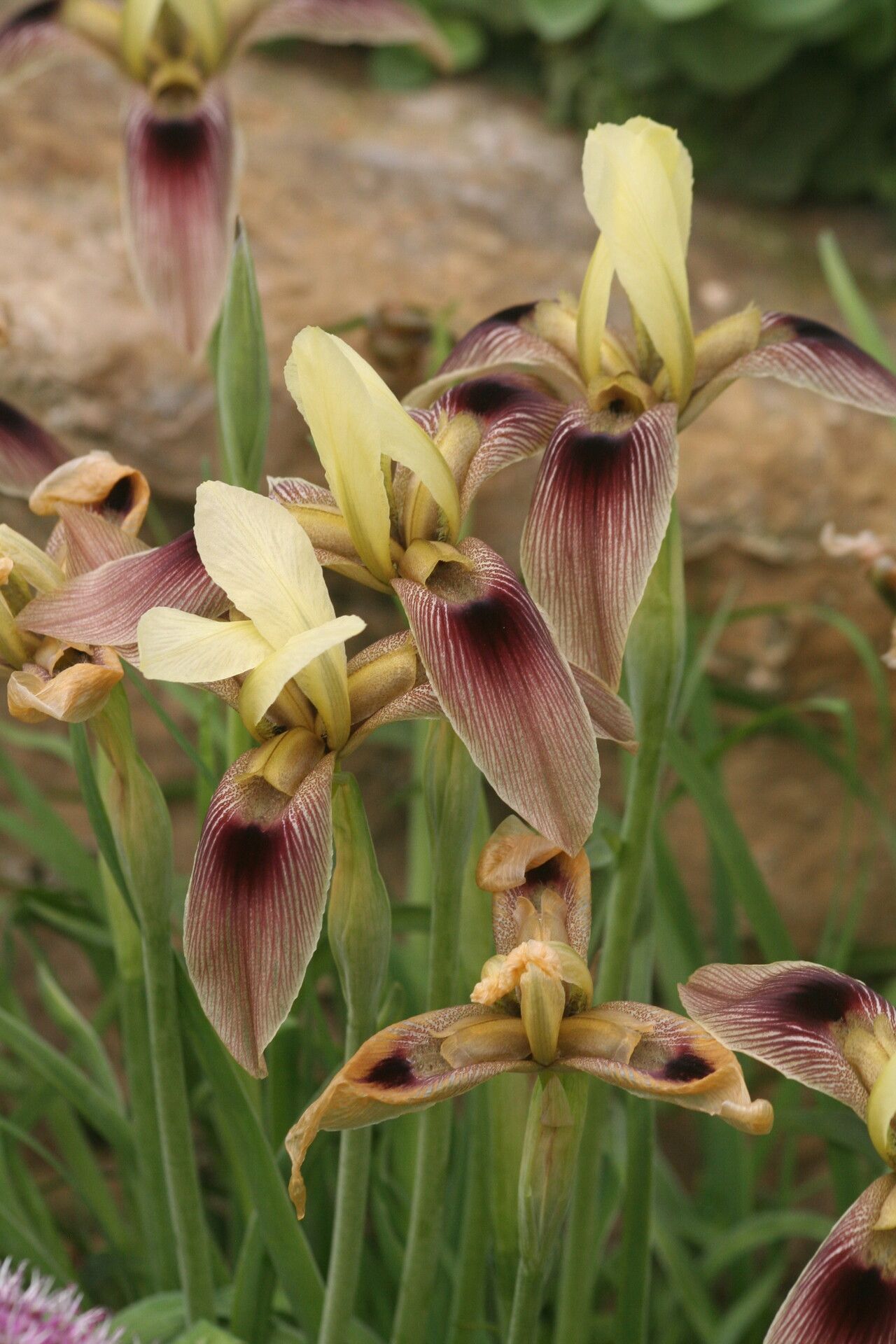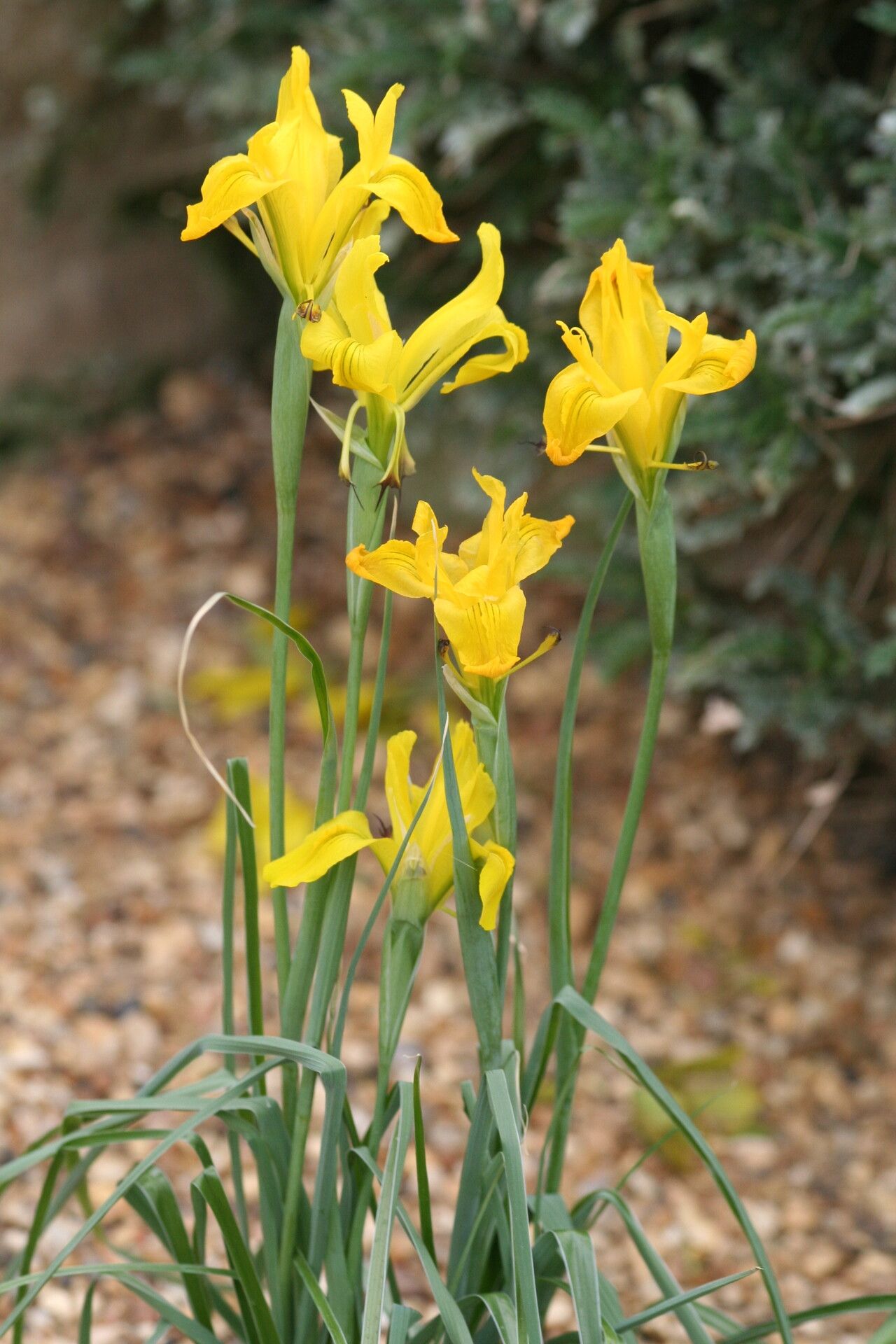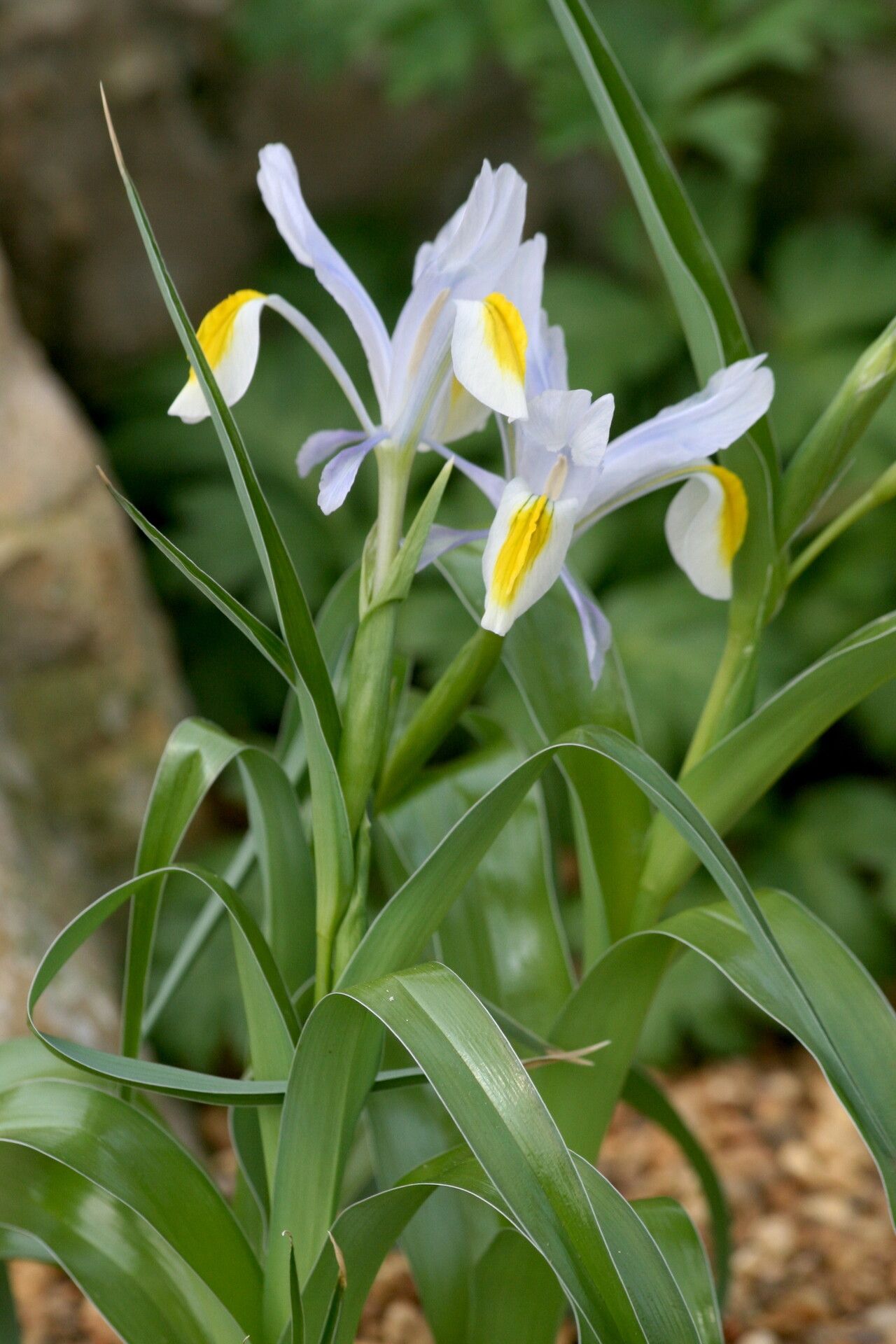
Iris vicaria is a species in the genus Iris, it is also in the subgenus Scorpiris. It is a bulbous perennial from Asia, found in Tajikistan, Turkmenistan and Uzbekistan. It has tall arching leaves, and has varied coloured flowers, with white, blue and purple between April and May.
Iris vicaria has good resistance to disease and is generally not prone to illness. However, it can be affected by pests and diseases present in its environment; these problems are usually not serious. Regarding care, this plant requires moderate maintenance. It should be pruned regularly to keep a neat appearance and healthy growth. Fertilizing can also help encourage flowering. Iris vicaria is suitable for anyone with outdoor space, such as a garden or patio, and does not require extensive gardening experience. It may need more attention when grown indoors.
How to keep Iris Vicaria.
Light
Iris vicaria is a perennial herbaceous plant that prefers sunny conditions and originates from open habitats, commonly flourishing in meadows and grasslands. It favors full sun but can also tolerate partial sun.
Water
The water requirements for iris plants vary widely among different species. Bearded irises need minimal watering and should only be watered when the soil is dry. In contrast, Siberian irises thrive in consistently moist soil. However, most iris species do not tolerate standing water well and may develop root rot if planted in soil that does not drain properly.
Temperature
Iris vicaria can tolerate a wide range of temperatures, but its distribution may still be restricted by various combinations of water and heat conditions. It performs best in warm summer climates with sufficient rainfall or watering. Extended stretches of cloudy, rainy weather or prolonged high temperatures increase the chances of Iris vicaria dying. In winter, adequate protection from the cold can enhance the plant’s survival rate.
Fertilizer
The best time to fertilize Iris vicaria is in early spring, as it is coming out of dormancy and starting active growth. Fertilizing supplies essential nutrients for healthy development. Although Iris vicaria needs relatively little fertilizer, applying it annually can improve its survival and encourage better, longer-lasting blooms.
Pruning
Iris vicaria needs early spring pruning to remove dead or damaged leaves and to encourage new growth. Cut back the spent blooms to promote reblooming, but be careful not to prune too much, as this can stress the plant. Always use clean tools to prevent the spread of disease. Additionally, adjust your care routine based on the local climate for the best results.
Botanical profile.
- Plant Type
- Herb
- Life Cycle
- Perennial
- Genus
- Iris
- Family
- Iridaceae
- Hardiness Zone
- 4-9
- Mature Height
- 30 cm to 61 cm
- Mature Spread
- 20 cm to 30 cm
- Leaf Color
- Green
- Leaf Type
- Deciduous
- Flower Color
- Lavender
- Flower Size
- 5.08 cm to 6.35 cm
- Bloom Time
- Mid spring, Late spring
- Planting Time
- Spring
- Harvest Time
- Early summer, Mid summer
- Native Area
- Uzbekistan, Tajikistan