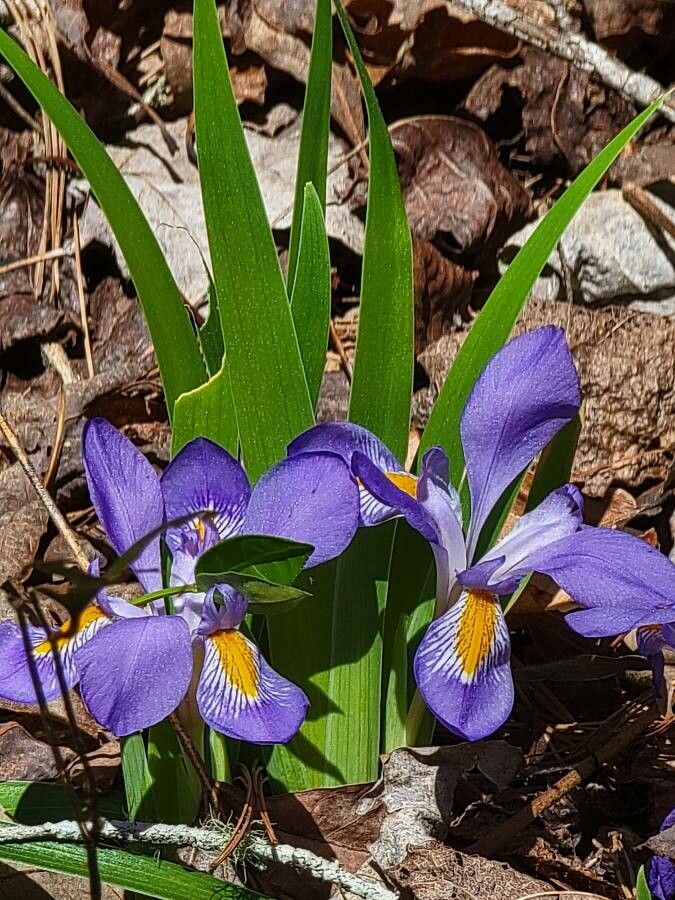
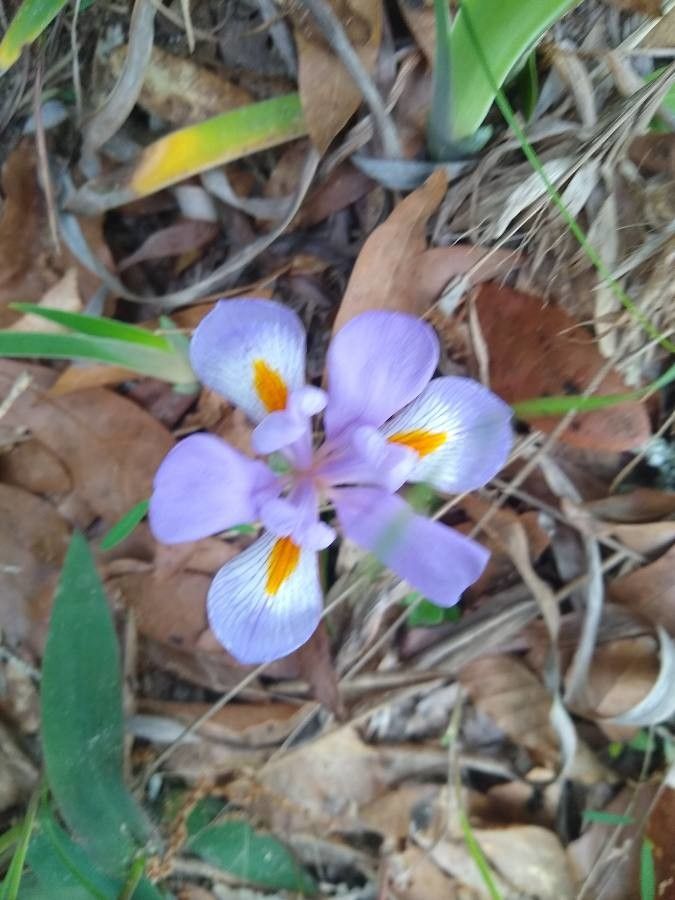
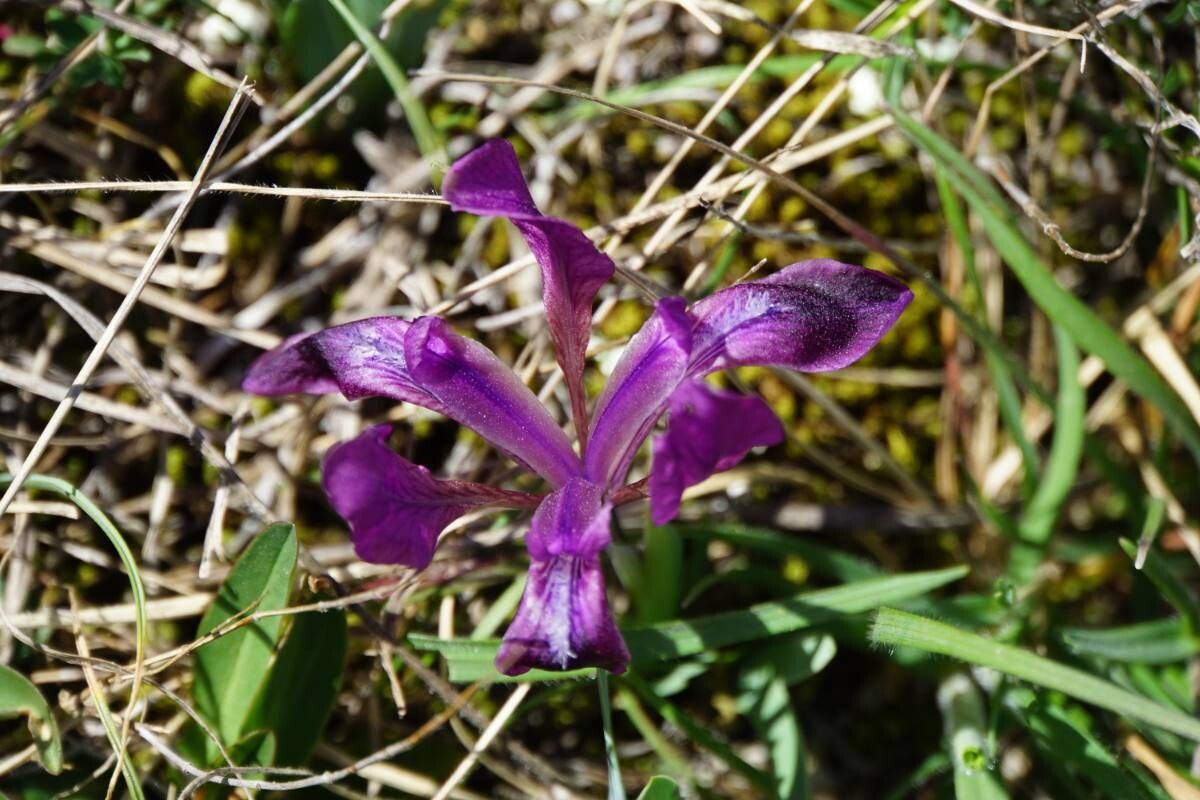
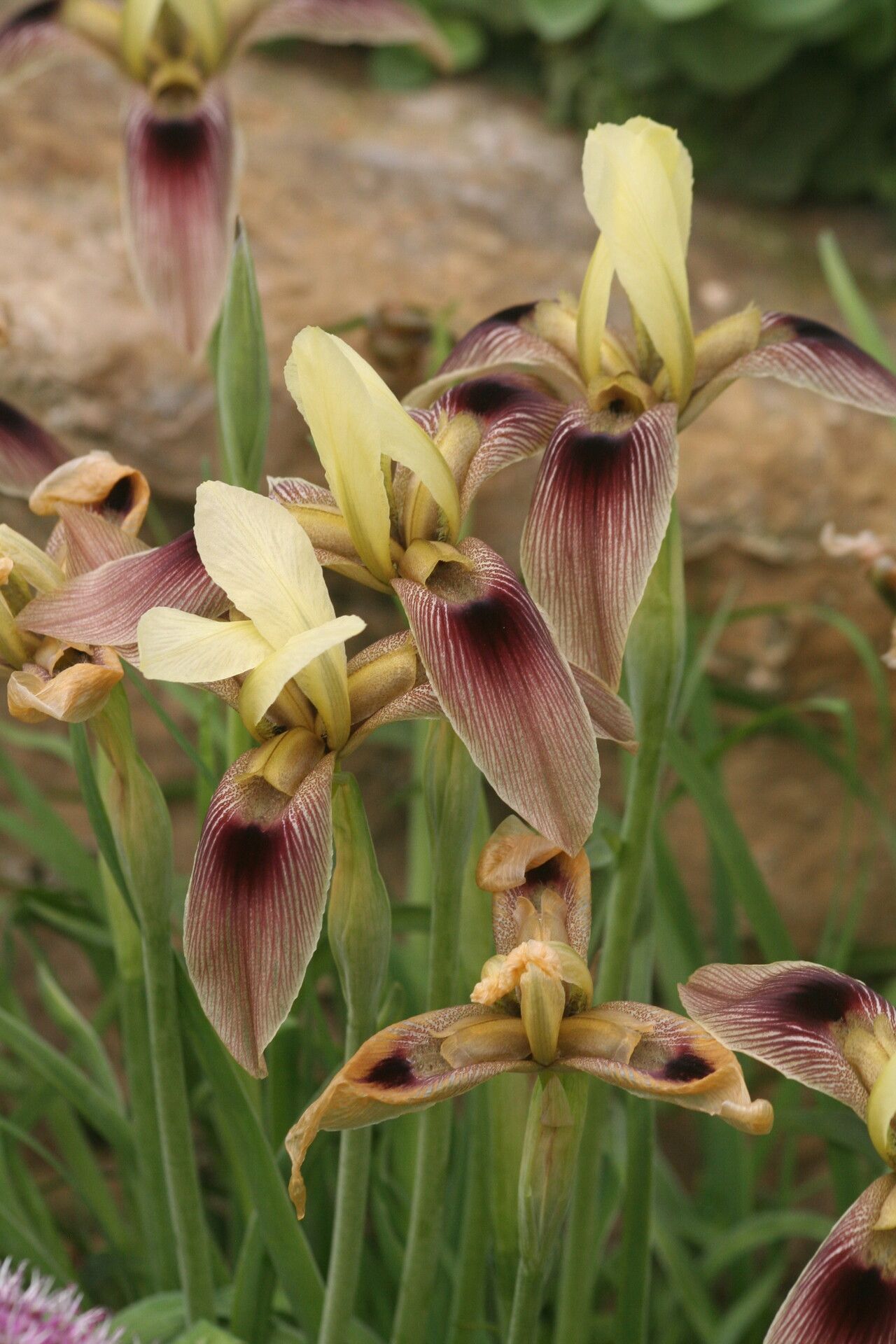
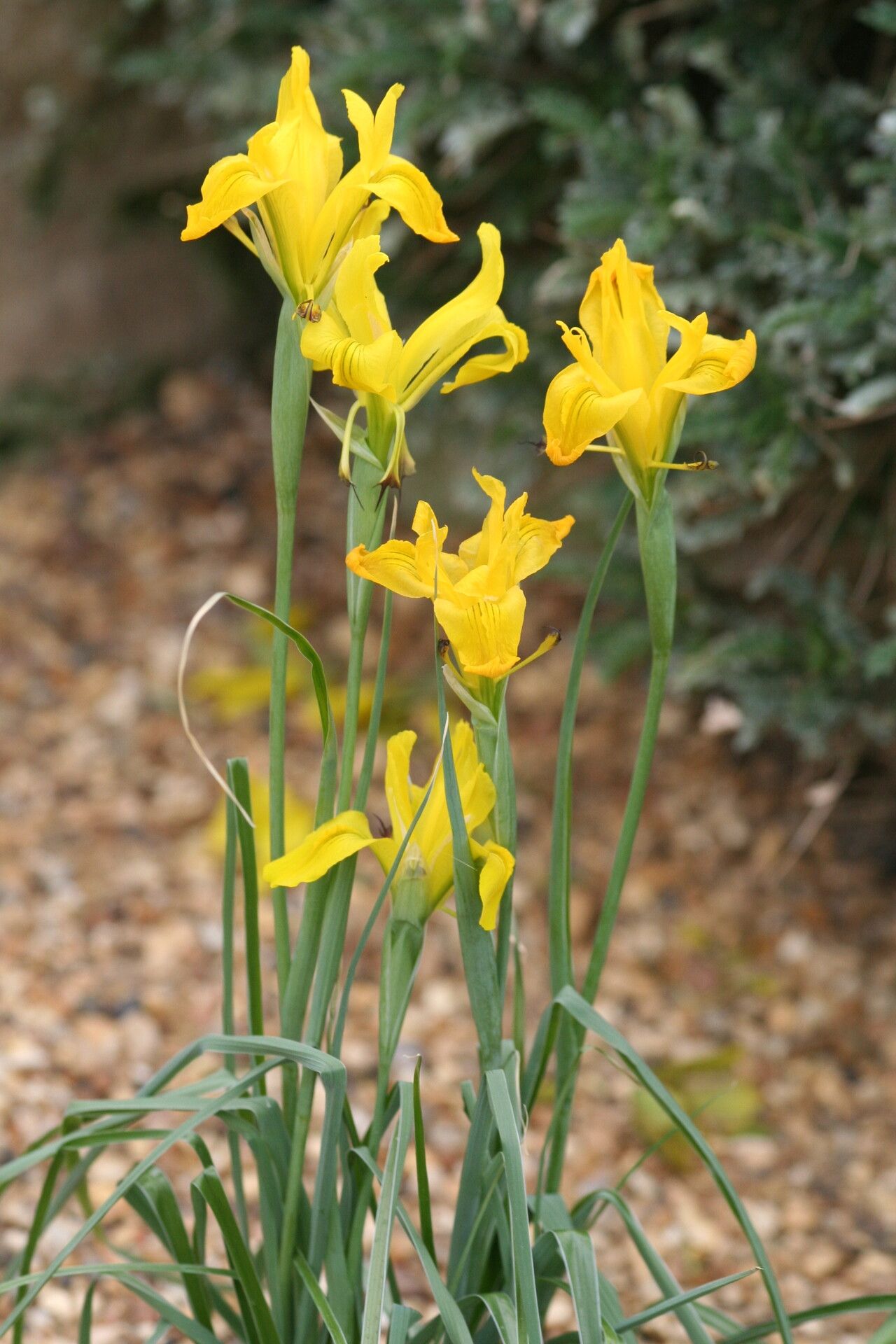
Iris verna, the dwarf violet iris, is a species of flowering plant in the iris family (Iridaceae). It is endemic to the eastern United States from Maryland to Florida along the Atlantic Coast, west to Mississippi, and inland to Kentucky, Tennessee, and Ohio. It occurs in nutrient-poor acidic soils of open to semi-shaded woodlands.
Dwarf violet iris has strong disease resistance and is generally unlikely to develop illnesses. Still, it can be vulnerable to pests and diseases present in its environment. Such infections are generally mild. As for care, this plant needs moderate maintenance. It requires regular pruning to preserve a neat appearance and healthy growth. Fertilizing can also help encourage flowering. Dwarf violet iris is appropriate for anyone with outdoor space, like a garden or patio, and does not demand much gardening experience. It may need more attention when cultivated indoors.
How to keep Iris Verna.
Light
Dwarf violet iris naturally grows in habitats like forest understories or rocky sites, where it gets natural shade. It favors partial sun but can tolerate full sun or full shade, showing its adaptable and hardy nature.
Water
The dwarf violet iris, which originates from moist meadows, thrives in consistently damp conditions. It prefers to be watered weekly but can withstand brief periods of dryness. Although it can be cultivated indoors, the plant benefits more from outdoor growth, particularly during its peak growing season when its water needs increase.
Temperature
Dwarf violet iris can tolerate a wide range of temperatures, but its distribution may still be constrained by different combinations of moisture and heat. It performs best in warm summer climates with adequate rainfall or irrigation. Lengthy stretches of cloudy, rainy weather, as well as extended high temperatures, can raise the chances of Dwarf violet iris dying. In winter, suitable protection from cold can boost the plant's survival rate.
Fertilizer
For Dwarf violet iris, the primary time to apply fertilizer is in early spring when the flowers are forming. The appropriate fertilizer promotes better blooms and helps the Dwarf violet iris produce attractive flowers. Fertilizing in early spring ensures strong flowering during the season and supplies energy for dormant growth phases.
Pruning
The dwarf violet iris is known for its vibrant violet-blue flowers and low-growing nature. To encourage new growth and more blooms, prune the dead foliage and spent flowers in the spring, being careful not to cut new shoots. Regularly removing leaves improves air circulation, helps prevent disease, and supports the plant’s overall recovery and vitality.
Botanical profile.
- Plant Type
- Herb
- Life Cycle
- Perennial
- Genus
- Iris
- Family
- Iridaceae
- Hardiness Zone
- 5-9
- Mature Height
- 0 cm to 30 cm
- Mature Spread
- 30 cm
- Leaf Color
- Green, Red, Purple, Lavender
- Leaf Type
- Semi-evergreen
- Flower Color
- Lavender, Purple, Blue
- Flower Size
- 3.05 cm to 5.08 cm
- Bloom Time
- Early spring, Mid spring
- Planting Time
- Spring
- Harvest Time
- Late spring, Early summer
Other names.
Reader questions.
How should I water my Dwarf violet iris plant?
When watering the Dwarf violet iris, it's best to use filtered water at room temperature. Tap water can have harmful particles, so filtering the water is important. The plant is used to a warm environment, so using cold water can be a shock. Avoid overhead watering to prevent issues with the foliage. Instead, pour the filtered room temperature water directly onto the soil until it's saturated. This helps moisten the roots and allows them to spread and collect nutrients more effectively.
Why is it important to add fertilizer to my Dwarf violet iris?
The Dwarf violet iris relies on its leaves for structure, and fertilization is key to keeping them looking great and functioning properly. By fertilizing properly, you can ensure that the leaves of your Dwarf violet iris maintain consistent color and a healthy texture. Additionally, fertilization also benefits the roots of the plant by promoting the growth of new roots and maintaining the existing ones. This not only keeps the plant healthy in the present, but also enhances its ability to absorb nutrients from the soil in the long run.
What are the sunlight requirements for Dwarf violet iris?
Dwarf violet iris thrives in partial sun, requiring about 3-6 hours of sunlight daily. This perennial herbaceous plant is native to forest understories or rocky areas, making it well-suited for environments with natural shade. However, it can also tolerate full shade, showcasing its versatility. It's important to observe the movement of sunlight through your garden to find spots that offer a balance of light and shade, ensuring the plants' wellbeing.
What should I do if I give too much or too little water to my Dwarf violet iris?
Overwatering is a more common issue than underwatering for the health of your Dwarf violet iris. When this plant receives too much water, its stems and leaves may wilt and turn yellow. Overwatering can also lead to diseases like root rot, mold, and mildew, which can be fatal for your plant. Underwatering is less common because the Dwarf violet iris is drought-tolerant, but it can still happen, causing brittle and brown leaves. It's important to notice signs of overwatering early and reduce watering immediately. Check the soil's drainage, and replace it if it doesn't drain well. If your plant is not getting enough water, simply water it more regularly until the signs improve.
When should I fertilize my Dwarf violet iris?
To ensure the optimal growth of your Dwarf violet iris, follow these steps: - If you grow your Dwarf violet iris outdoors annually, you can expect new growth to appear in early spring. - This new growth signifies that it's the right time to start fertilizing for the year. - Generally, a single application of fertilizer in spring is sufficient for a healthy Dwarf violet iris. - However, if you want to maximize its growth, you can apply fertilizer multiple times during spring and early summer. - If you choose this approach, feed your Dwarf violet iris approximately once every month to a month and a half.
How can artificial lighting benefit indoor Dwarf violet iris plants?
When natural sunlight is insufficient, especially during winter or in less sunny indoor spaces, artificial lighting becomes essential for the growth of Dwarf violet iris plants. LED lights are recommended because they can be tailored to provide the specific wavelengths needed by the plants. The requirements vary depending on the type of plant: full sun plants need 30-50W/sq ft, partial sun plants 20-30W/sq ft, and full shade plants 10-20W/sq ft of artificial light. The light source should be placed 12-36 inches above the plant and turned on for 8-12 hours per day to mimic natural daylight hours, promoting healthier and faster plant growth.
How frequently should I water my Dwarf violet iris plant?
If your Dwarf violet iris is planted in a pot, the best way to determine if it needs water is by feeling the soil with your finger. If the top two to three inches of soil are dry, it's time to water it. If your Dwarf violet iris is planted outdoors in the ground, you can use the same method. When the top few inches of soil are dry, add water. In the spring and early fall, you'll typically need to water this plant once a week using this method. During extremely hot weather, you may need to water it twice or more per week. However, mature and well-established Dwarf violet irises are quite resilient to drought.
When is it not a good idea to add fertilizer to my Dwarf violet iris?
During the late fall and winter, your Dwarf violet iris will go into a dormant phase and stop producing new growth. It is important to refrain from fertilizing your Dwarf violet iris during this time. In the spring and summer, if you decide to fertilize, gradually decrease the frequency as summer approaches because the growth rate of your Dwarf violet iris will slow down. It is not recommended to fertilize your Dwarf violet iris during extremely hot weather or when the soil is exceptionally dry. Doing so can cause undue stress and premature death for your Dwarf violet iris.
What are the signs of insufficient light for indoor Dwarf violet iris plants?
Indoor Dwarf violet iris plants might exhibit several symptoms when they receive insufficient light. This includes smaller new leaves, leggy or sparse growth, faster leaf drop, slower or no new growth, lighter-colored new leaves, chlorosis (leaves turning yellow due to breakdown of chlorophyll), sunscald, leaf curling, wilting, and leaf scorching. These signs indicate the plant's struggle to adapt to low light conditions, potentially leading to weakened health and reduced growth.
How much water does my Dwarf violet iris require?
When watering your Dwarf violet iris, don't skimp on the amount of water you give. Make sure the first two to three inches of soil are dry before watering, then give it a deep watering so that the soil is completely soaked. The water should be enough to cause excess water to drain out of the pot's drainage holes. If you don't see water draining, you may not have given enough water, but be careful not to overwater either. On the other hand, if water doesn't drain through the pot, it could mean that the soil doesn't drain well, which is bad for the plant's health. If the plant is outdoors, receiving about 1 inch of rain per week should be enough.
What kind of fertilizer should I use for my Dwarf violet iris?
Choosing the best fertilizer for a Dwarf violet iris is actually quite simple. These plants thrive on a general-purpose garden fertilizer with equal amounts of nitrogen, phosphorus, and potassium. A fertilizer with a 10-10-10 ratio or something similar will work well. Just be cautious about fertilizers with high nitrogen content. Granular fertilizers, particularly slow-release ones, are often the best choice for Dwarf violet iris. They are easy to apply to the soil and provide the necessary nutrients. Additionally, feeding your Dwarf violet iris with organic soil amendments like compost can be beneficial.
How can I address light deficiency issues for Dwarf violet iris?
To optimize light conditions for Dwarf violet iris, gradually move plants to sunnier spots each week until they receive the advised 3-6 hours of direct sunlight daily. For large or immovable plants, consider using artificial light, keeping lamps on for at least 8 hours a day, or investing in professional plant grow lights. Outdoors, ensure plants are moved carefully to avoid sunburn. Reducing obstructions, such as pruning trees, can improve sunlight access. For smaller plants, transplanting during their dormant period to a sunnier location with good drainage could also be beneficial. Remember, parts of the plant affected by insufficient light might not recover, but new growth should be healthier following these adjustments.