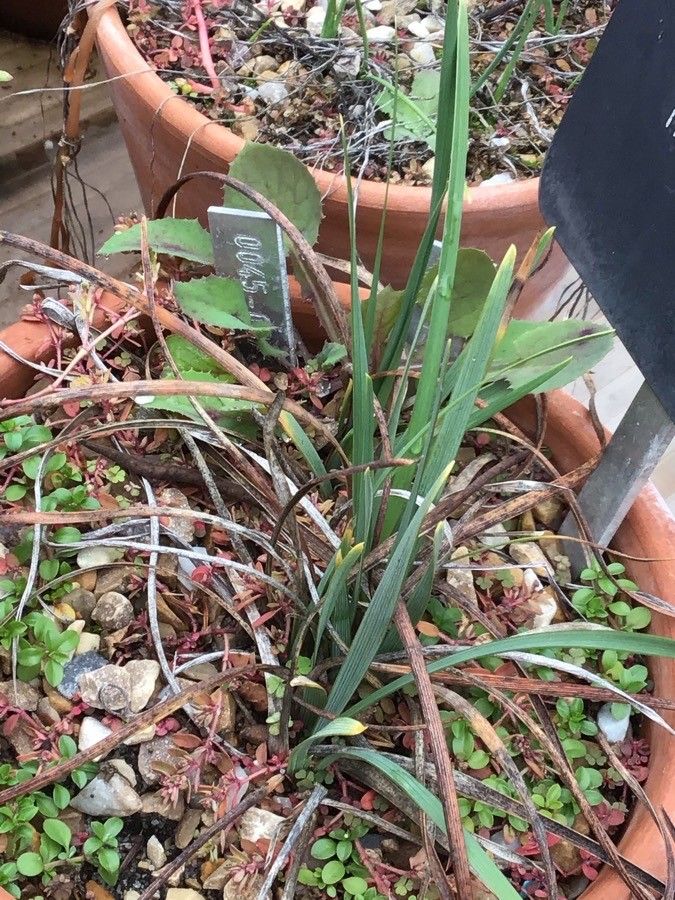
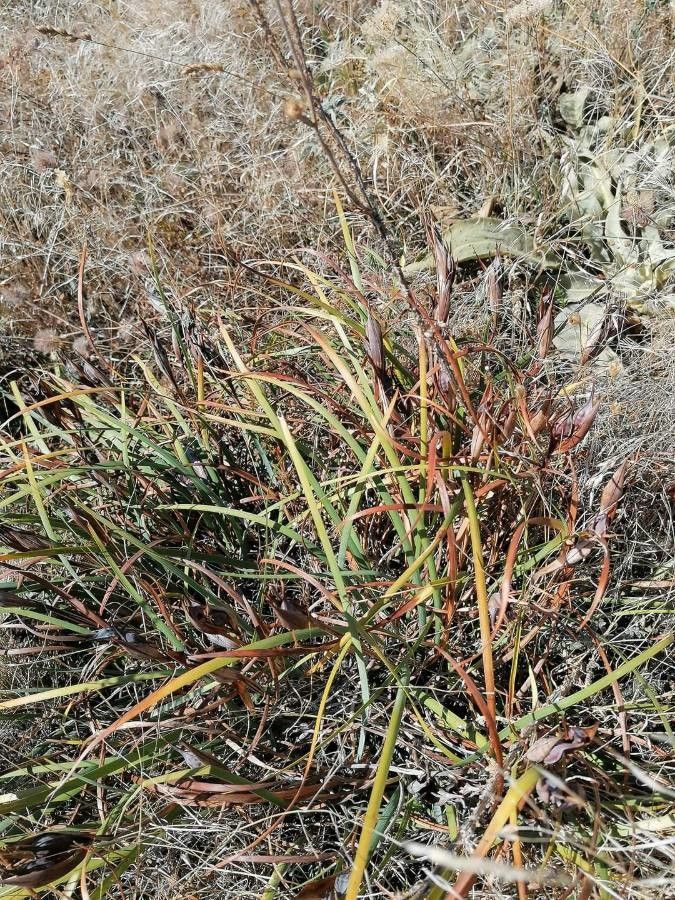
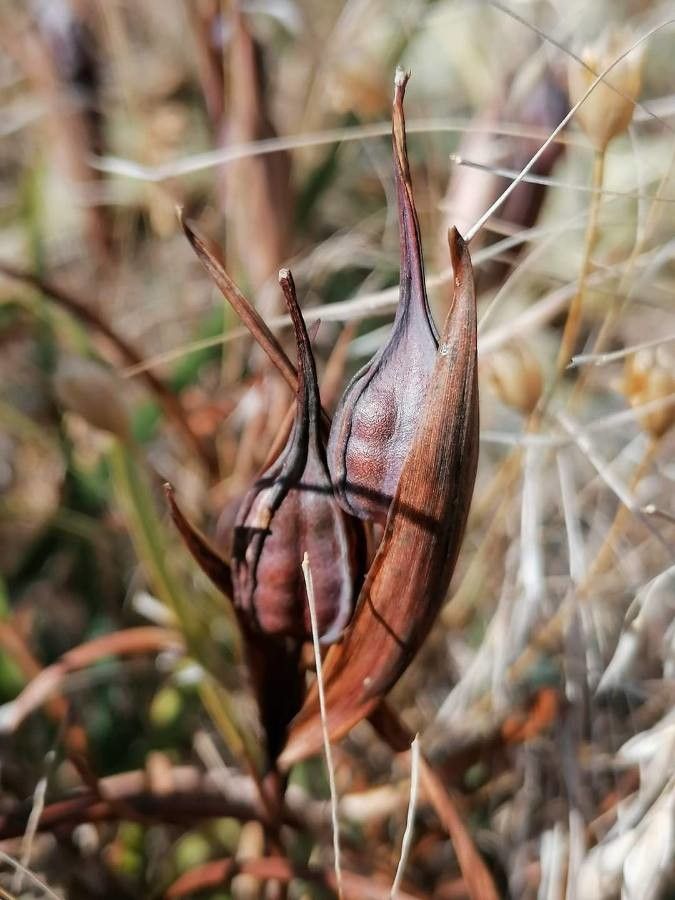
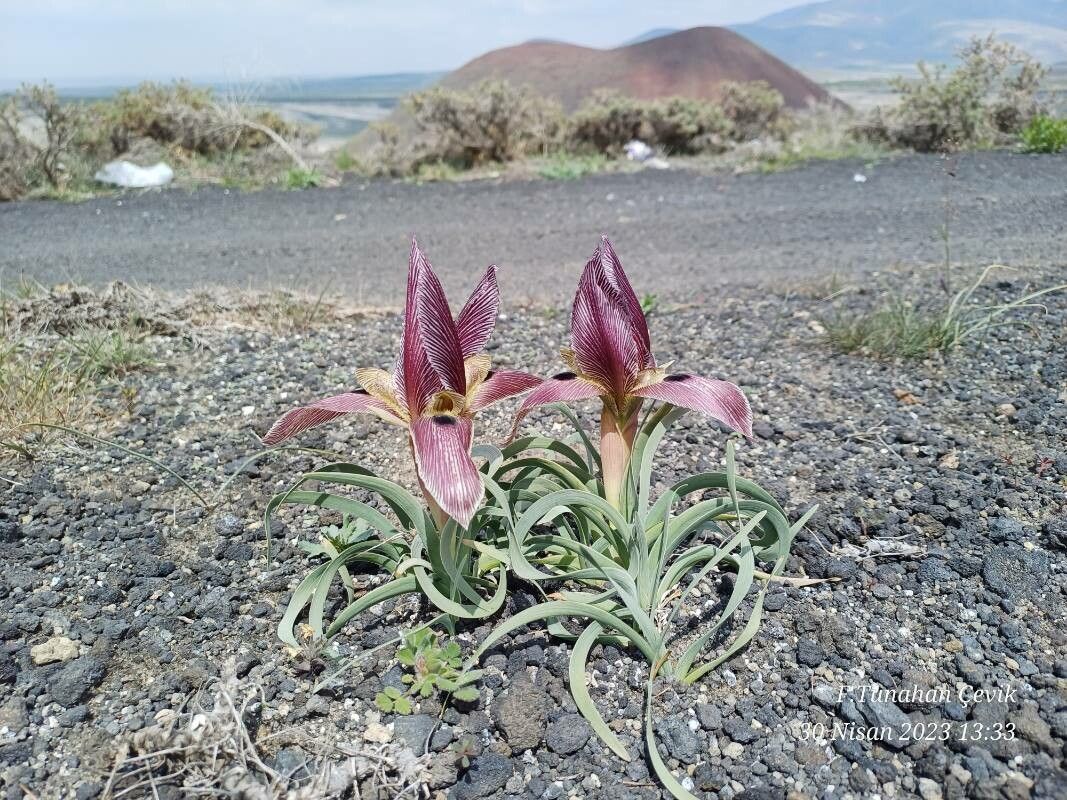
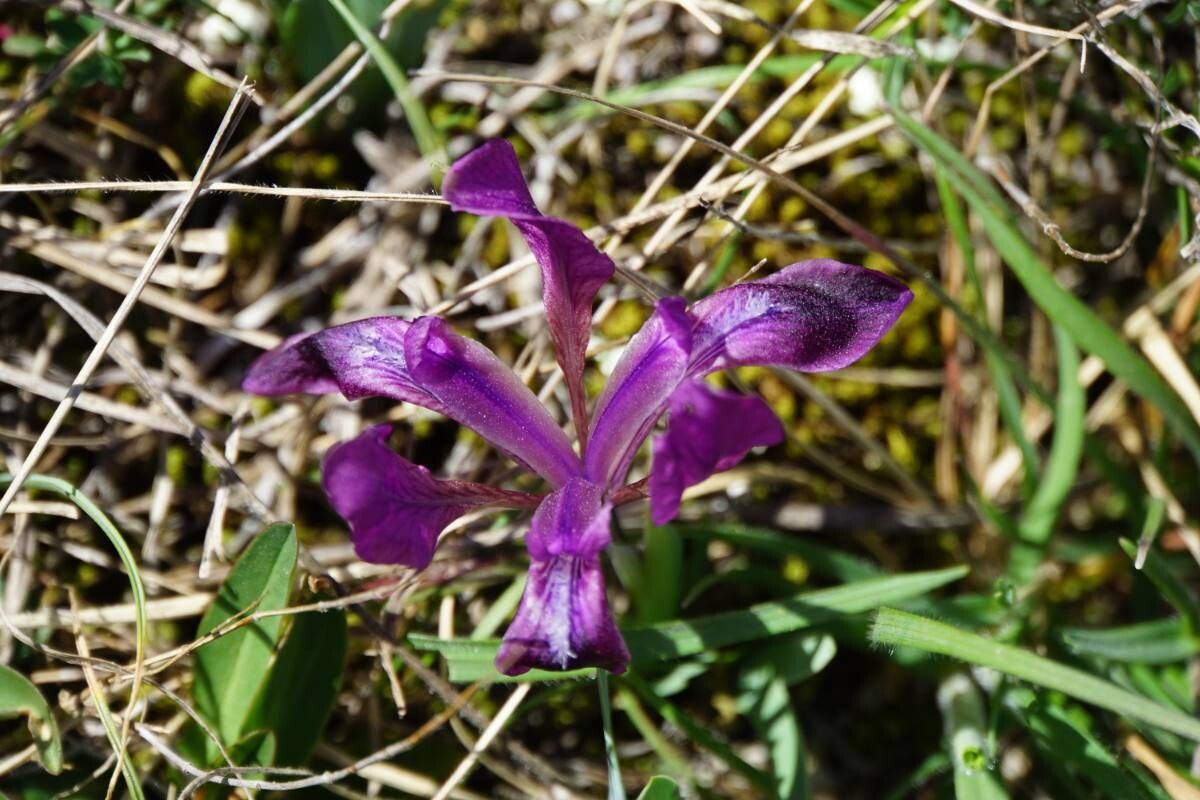
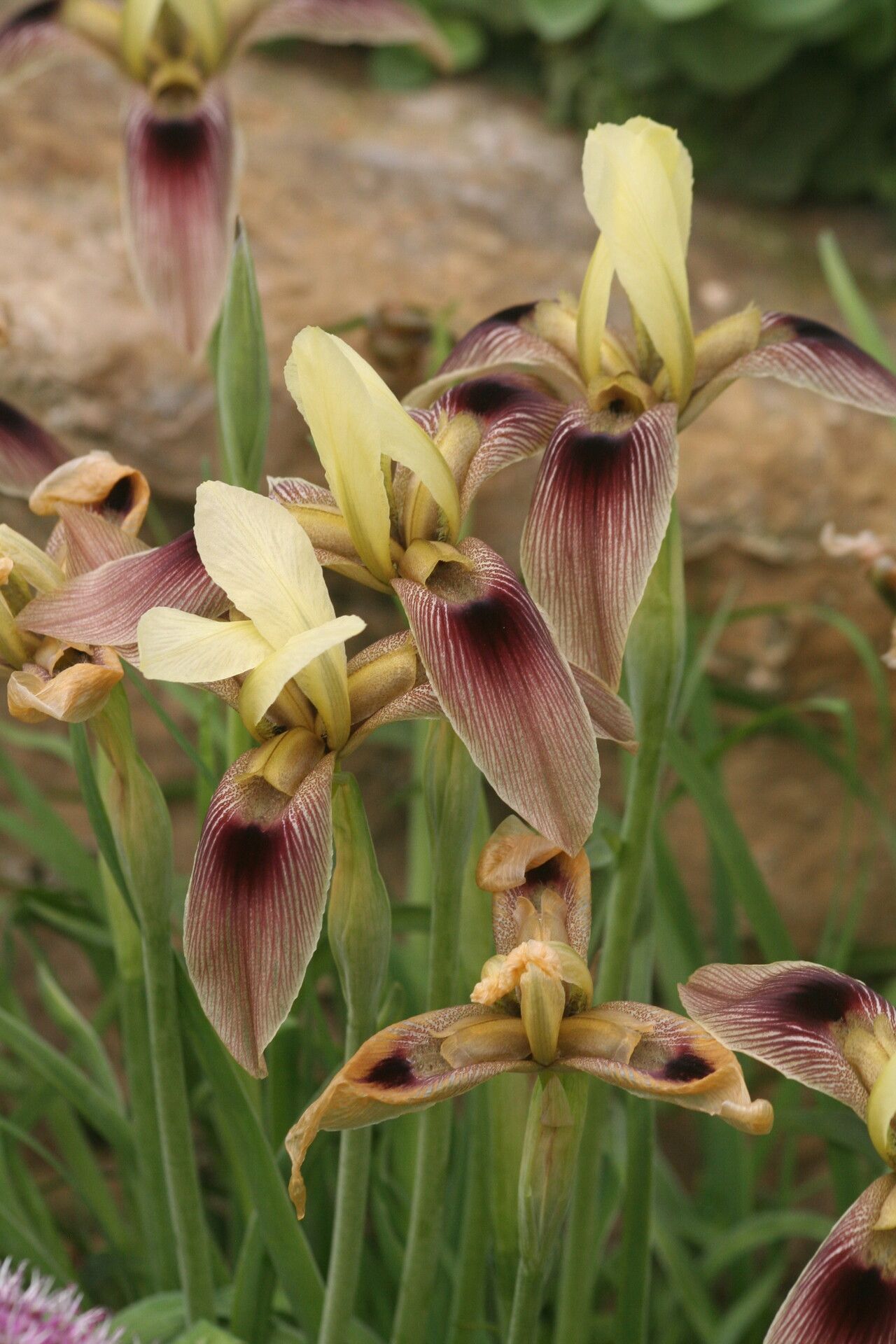
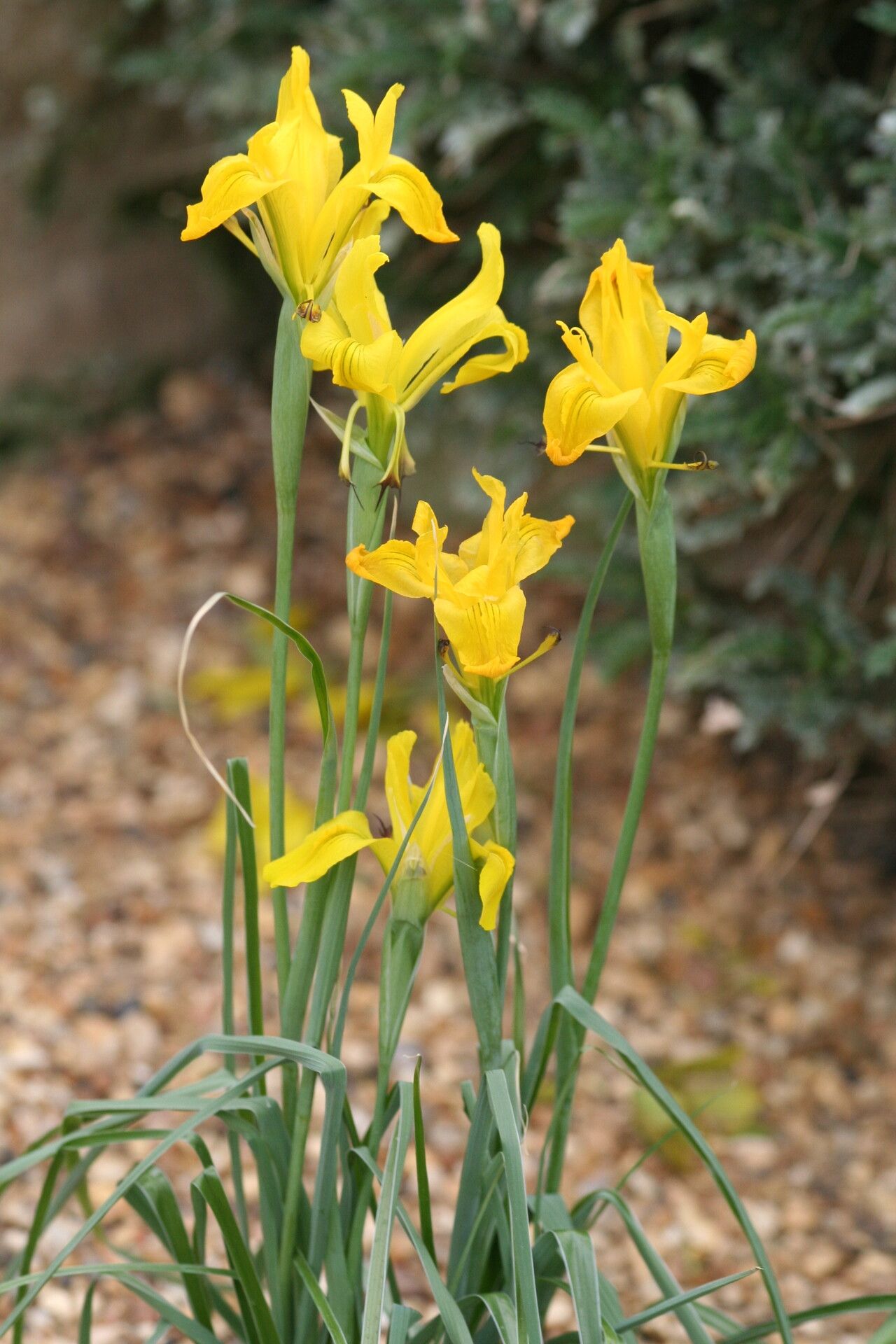
Iris sintenisii is a species in the genus Iris, it is also in the subgenus Limniris and in series Spuriae, with tall thin stems, violet-blue flowers and long grass-like leaves. It is a rhizomatous perennial plant, from grass meadows (including steppe) parts of Europe, Russia, and Turkey. It is cultivated as an ornamental plant in temperate regions.
Spuria Iris is fairly disease-resistant and typically does not suffer from illnesses. However, it can be vulnerable to pests and diseases present in its surrounding environment. These infections are usually mild. In terms of care, the plant requires a moderate level of maintenance. Regular pruning is needed to keep a good appearance and support healthy growth. Fertilizing can also help encourage flowering. Spuria Iris is suitable for anyone with an outdoor space, such as a garden or patio, and does not demand extensive care experience. It may require more attention when grown indoors.
How to keep Iris Sintenisii.
Light
Spuria Iris does best when it gets plenty of sunlight each day. It depends heavily on abundant sun for optimal growth, reflecting the conditions of its native habitats. Too little sun causes stunted growth, while too much leads to leaf damage. Its sun preference remains the same at all stages of growth.
Water
The spuria Iris originates from well-drained slopes and meadows and flourishes in environments with moderate moisture. It benefits from weekly watering, but is also resilient enough to handle irregular watering patterns. This makes it well-suited for regions with variable rainfall, as it can mimic the natural habitat's occasional rain without suffering from waterlogged or prolonged dry conditions.
Temperature
Spuria Iris originates from temperate areas and flourishes in temperatures of 41 to 95 °F (5 to 35 ℃). Abrupt temperature fluctuations can interfere with its growth. During seasonal shifts, slowly modifying conditions to reproduce its native thermal environment is beneficial.
Fertilizer
For Spuria Iris, the primary time to fertilize is in early spring when the flowers are forming. The appropriate fertilizer promotes better blooms and helps Spuria Iris produce attractive flowers. Fertilizing in early spring ensures excellent flowers throughout the season and supplies energy for dormant growth phases.
Pruning
To help Spuria Iris thrive, it’s best to prune them in early spring or late winter, before new growth begins. Pruning at this time encourages healthier development and more abundant blooms. It also helps manage the plant's size and improves air circulation, which reduces the risk of disease.
Botanical profile.
- Plant Type
- Herb
- Life Cycle
- Perennial
- Genus
- Iris
- Family
- Iridaceae
- Hardiness Zone
- 5-9
- Mature Height
- 20 cm to 61 cm
- Mature Spread
- 30 cm
- Leaf Color
- Dark Green
- Leaf Type
- Evergreen
- Flower Color
- Purple, Blue
- Flower Size
- 5.08 cm to 6.35 cm
- Bloom Time
- Mid spring, Late spring
- Planting Time
- Spring, Summer, Autumn
- Harvest Time
- Early summer, Mid summer
- Native Area
- Turkey, Greece, Bulgaria, Albania, Moldova, Romania, Ukraine, Serbia
Other names.
Reader questions.
How should I water my Spuria Iris?
To care for the Spuria Iris, it's best to use filtered water at room temperature. Tap water can have harmful particles, so filtered water is preferred. Since the Spuria Iris is used to warm environments, cold water might shock it. Also, avoid watering the plant from above as it can cause problems for the leaves. Instead, water the soil until it's completely soaked. This helps moisten the roots and allows them to spread and collect nutrients efficiently.
Why do I have to put fertilizer on my Spuria Iris?
Fertilization is important for the Spuria Iris and other plants because it provides nutrients for growth both above and below ground. While the overall fertilization needs of the Spuria Iris are relatively low, annual fertilization can be very beneficial. It helps the plant survive and also encourages the creation of better, longer-lasting flowers. Therefore, those who want their Spuria Iris to look its best should regularly fertilize it.
What kind of sunlight does Spuria Iris require?
Spuria Iris requires full sun daily, with a minimum of six hours of sunlight for healthy leaves, roots, and blooms. While most perennials also need six hours of sunlight, plants like the Orange Daylily or Giant Coreopsis can survive with only three hours of sun each day. However, they won't flourish as well as they would in sunnier conditions.
What temperature is best for Spuria Iris?
The ideal temperature for Spuria Iris depends on the time of year, specifically during the growing season and the dormancy season. When the plant is growing, it should be kept within a range of 65-80℉ (18-27℃) for optimal growth. If the temperature drops below 15℉ (-10℃), the plant may suffer, but it can still survive with some assistance. On the other hand, during warmer periods, it's important to protect the Spuria Iris from extremely high temperatures. Temperatures above 95-105℉ (35-40℃) can damage the foliage and blooms, causing wilting, drooping, and even sunburn. To address this issue, there are several quick and easy methods available.
What do I need to do if I give too much or too little water to my Spuria Iris?
Overwatering is a more common issue than underwatering for Spuria Iris. When this plant gets too much water, its stems and leaves start to wilt and turn yellow. Continuous overwatering can lead to diseases like root rot, mold, and mildew, which can kill the plant. While underwatering is less likely, it can still happen, and it causes the leaves to become brittle and brown. Therefore, it's essential to quickly recognize signs of overwatering. Diseases caused by overwatering, such as root rot, may be irreversible if not addressed promptly. To prevent overwatering, reduce your watering schedule as soon as you notice early signs. Additionally, check the soil drainage and replace it with a well-draining potting mix if necessary. On the other hand, if you notice signs of underwatering, simply increase your watering frequency until the signs improve.
When should I put fertilizer on my Spuria Iris?
The best time to fertilize a Spuria Iris is in late winter to early spring as it is transitioning from dormancy to active growth. Fertilizing at this time promotes healthy growth and sets the plant up for a great season. Although early spring is generally the most beneficial time to fertilize, it is also acceptable to fertilize in the fall. However, it is not recommended to feed the plant during summer or winter.
Can the sun harm Spuria Iris? How can I keep Spuria Iris safe from the sun and heat?
In warm climates, some Perennial Flowering Plants may struggle with excessive heat and suffer from sun damage. They can wilt, dry out, or even experience growth problems if they are consistently exposed to the intense afternoon sun. However, not all plants require protection from the light afternoon sun. For those that are harmed by intense afternoon exposure, it is recommended to provide them with some shade in warmer climates. Gardeners can achieve this by planting these plants in areas that do not receive direct heat during the afternoon, such as under trees or behind bushes.
What temperature does a first year or seedling Spuria Iris need?
If it's the first year that you have a Spuria Iris planted outside, it will require some extra care during the coldest months. Frost can cause severe damage to a newly planted Spuria Iris and prevent it from growing back healthy in the spring. To protect the plant, you should keep it at a temperature of 40℉(5℃) or higher until it becomes established. This can be achieved by either bringing the Spuria Iris inside for a month or two or using mulch or fabric barriers to shield it from frost. In the first year or two, it's best to plant the Spuria Iris in a shadier location. Smaller and weaker plants have a harder time regulating their temperature in hot conditions. Therefore, it's recommended to limit the plant's exposure to direct sunlight to no more than five hours per day, especially if the daytime temperature exceeds 80℉(27℃). To control the heat during summer, use shadecloth and water or mist the plant frequently.
How many times should I water my Spuria Iris?
If your Spuria Iris is in a pot, the most precise way to determine if it needs water is to check the moisture of the soil by plunging your finger into it. If the top two to three inches of soil feel dry, it's time to water. For Spuria Iris planted outdoors in the ground, you can use a similar method to test the soil. When the first few inches of soil have dried out, it's time to water. Typically, during spring and early fall, watering once a week using this method is sufficient. However, during extremely hot weather, you may need to increase watering frequency to about twice a week or more. That being said, mature and well-established Spuria Iris plants have an impressive ability to endure drought conditions.
When is it a bad idea to apply fertilizer to my Spuria Iris?
To avoid overfertilization and complications, it is best to only fertilize your Spuria Iris during the late winter and early spring. This plant has low fertilization needs, so an annual feeding is sufficient. If you didn't fertilize in spring, it is acceptable to feed it in the fall. It is not necessary to fertilize the plant during the winter when it is dormant and not producing new growth.
Do I need to keep Spuria Iris out of the sun?
Certain perennial plants require ample sunlight to reach their maximum bloom. However, in warmer climates, some of these plants actually benefit from less sun. For instance, individuals residing in hotter regions might find it beneficial to shade their flowering perennials during the intense afternoon sun, especially during summer months. Although many perennial flowering plants prefer partial shade in the hottest climates, there are exceptions. Take the Giant Coreopsis, for example, as it is not bothered by excessive sun exposure. These plants can flourish even when placed in the full sun during scorching weather.
How can I keep Spuria Iris safe from very hot or very cold weather?
If the growing season experiences cold temperatures (below 15℉(-10℃)), there are steps you can take to protect Spuria Iris from frost damage. If you're growing them in a container, simply bring the container indoors where it can receive bright, indirect light until the temperatures rise above the lower threshold. If the Spuria Iris is planted in the ground, using mulch or horticultural fabric to create a barrier around the plant can shield it from frost and cold wind. On the other hand, when temperatures exceed 80℉(27℃) in the shade during the day, it's important to limit the amount of sunlight exposure for the Spuria Iris. Ideally, expose it to no more than six hours of sunlight per day, preferably in the morning. Erecting shade cloth or a fine plastic mesh can reduce direct sunlight during the hottest parts of the day. Additionally, installing a misting system that emits a slow release of cooling mist near the plant base can lower ground temperatures.