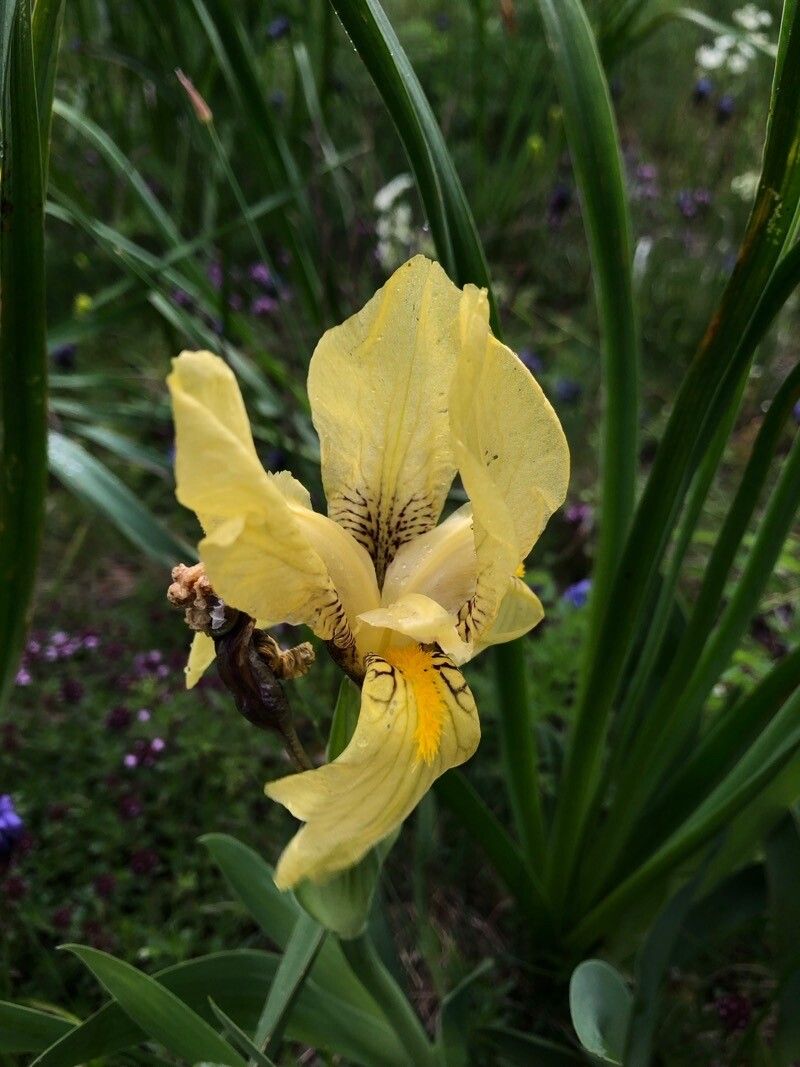
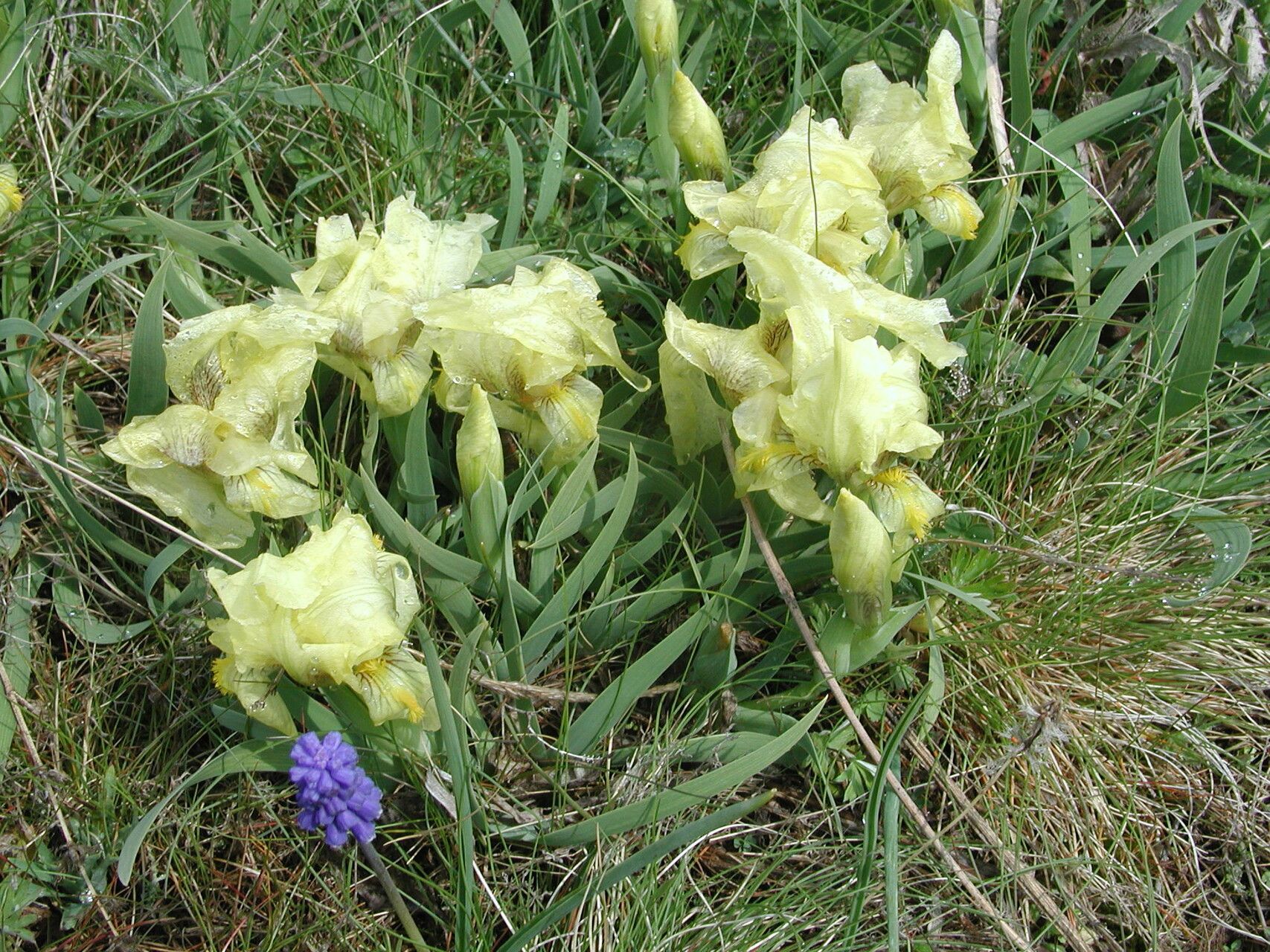
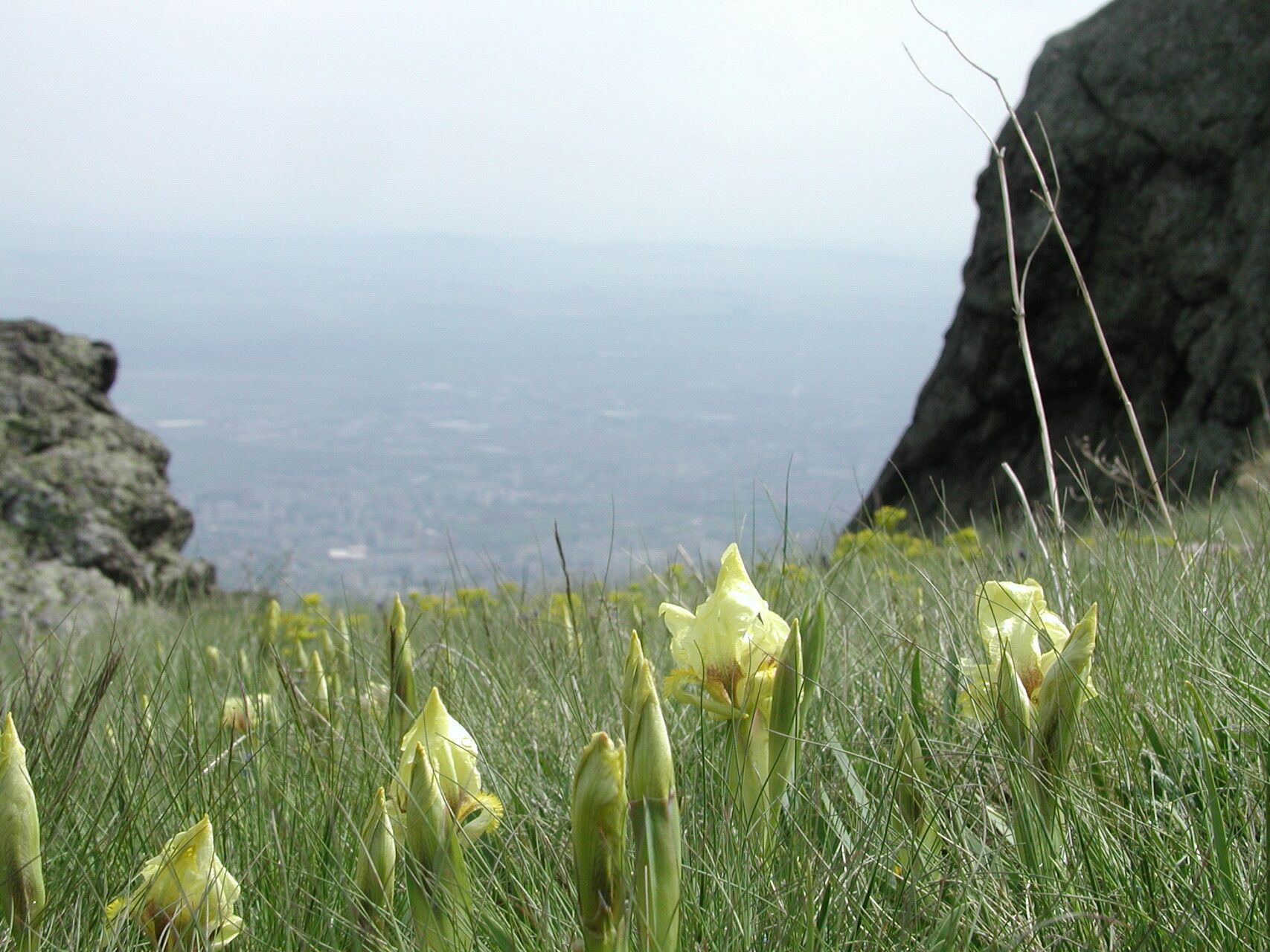
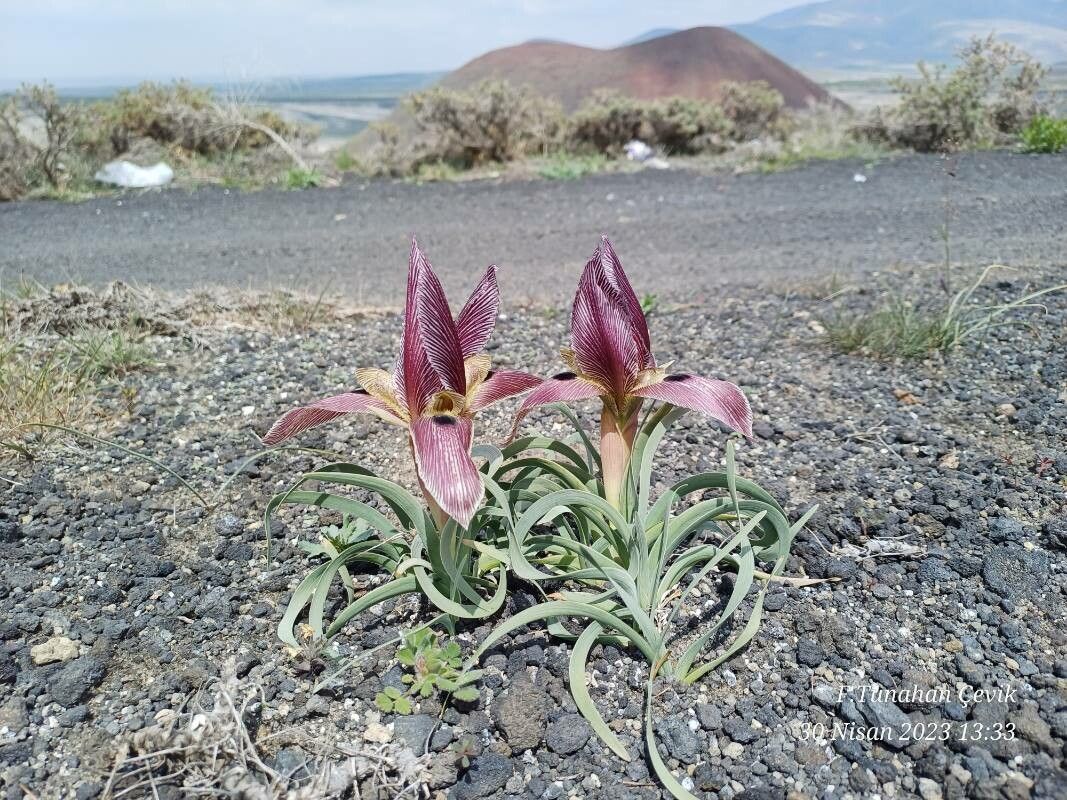
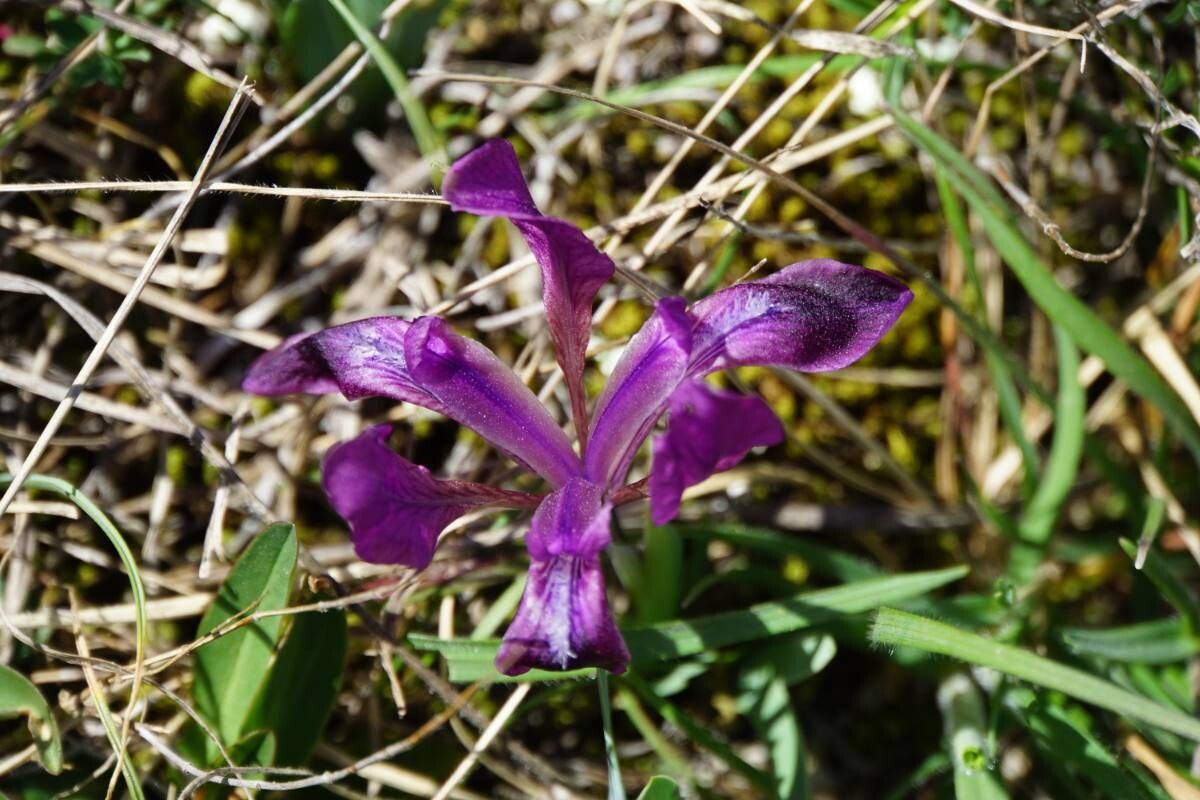
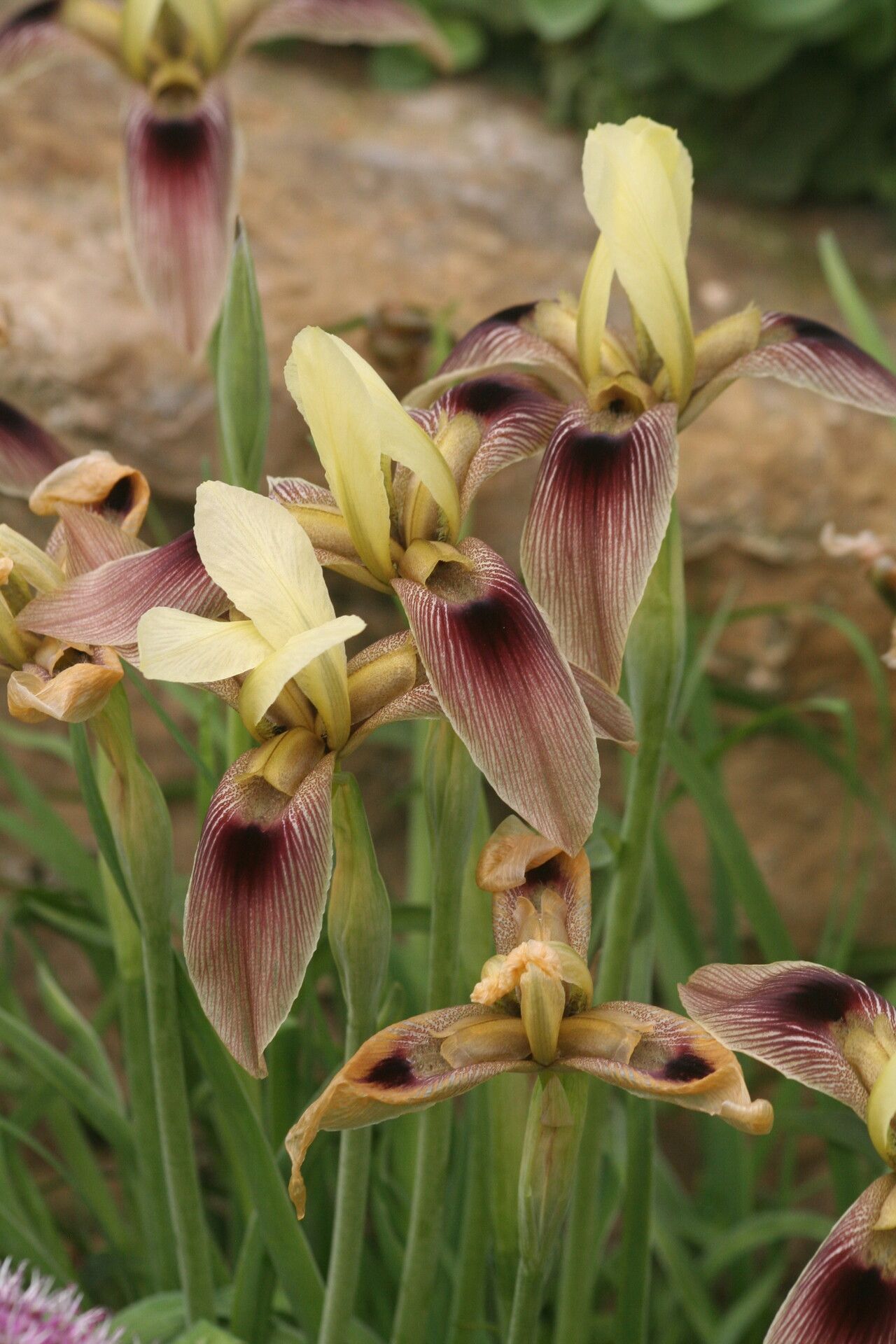
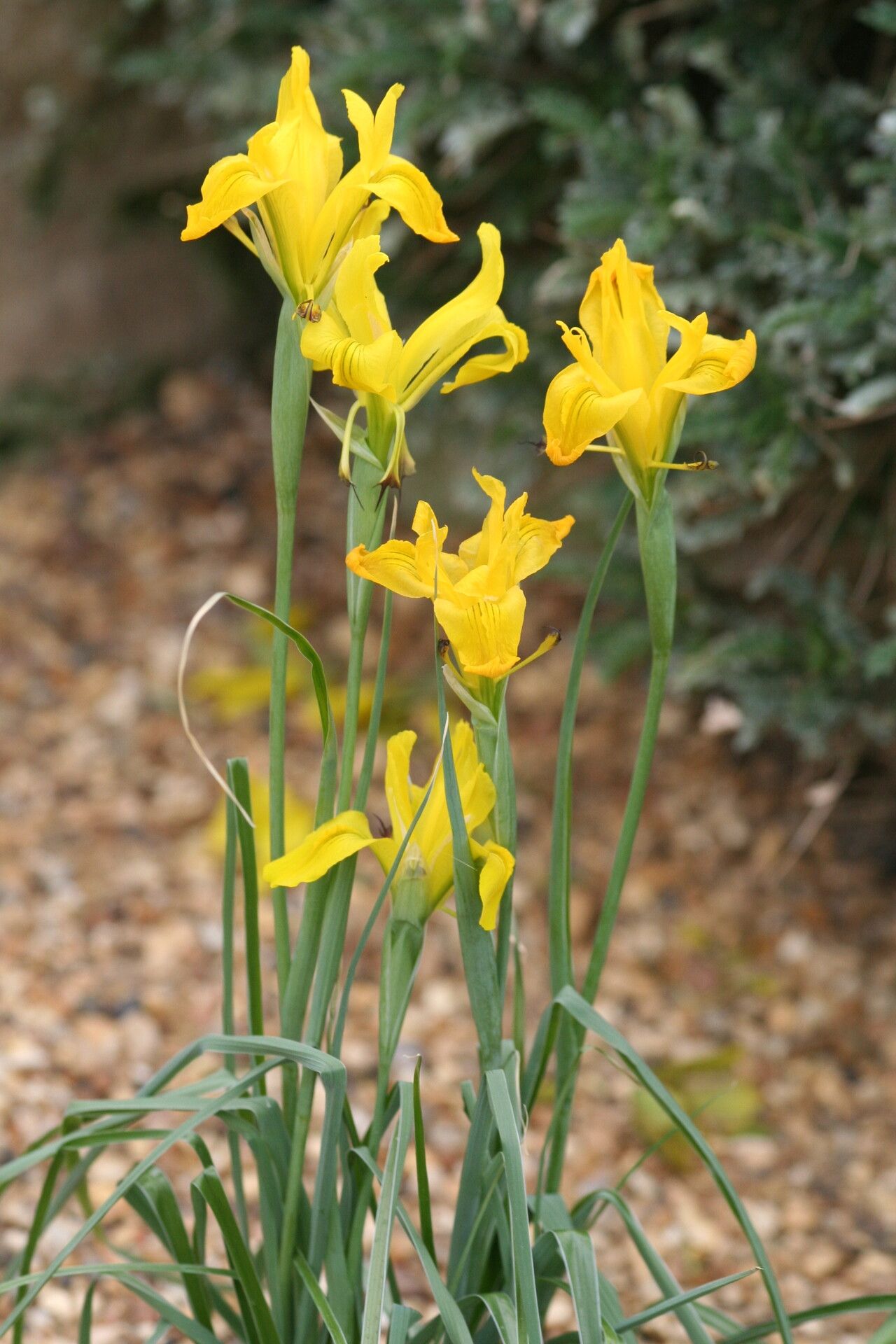
Iris reichenbachii is a perennial bearded iris species native to Bulgaria, Montenegro, Serbia, North Macedonia, and into northeast Greece. Flowers are dull purple, yellow, or violet, with each stem giving one or two flowers.
The bearded iris has strong disease resistance and is generally not susceptible to illnesses. Still, it can be affected by pests and diseases present in its environment. These outbreaks are generally mild. In terms of upkeep, this plant needs moderate maintenance. It should be pruned regularly to preserve appearance and healthy growth. Fertilizing can also support flowering. The bearded iris is appropriate for anyone with an outdoor area, such as a garden or patio, and does not demand extensive care experience. It may need more attention if grown indoors.
How to keep Iris Reichenbachii.
Light
The bearded iris is a sun-loving, perennial herbaceous plant native to open habitats, commonly thriving in meadows and grasslands. It prefers full sun but can also tolerate partial sun.
Water
The bearded iris thrives in areas with moderate rainfall and prefers a balance between moisture and dryness. While it is drought-tolerant, it benefits from being watered once a week. For optimal growth and to avoid water stagnation, this plant should be planted in well-drained soil, which is essential for maintaining its vitality.
Temperature
Bearded iris can tolerate a wide range of temperatures, but its distribution may still be limited by various combinations of water and heat conditions. It does best in warm summer climates with sufficient rainfall or watering. Prolonged periods of cloudy, rainy weather and extended high temperatures can raise the likelihood of Bearded iris dying. In winter, proper protection from cold can improve the plant's survival rate.
Fertilizer
For Bearded iris, the primary time to apply fertilizer is early spring, when the flowers are developing. The proper fertilizer promotes improved blooms and helps Bearded iris produce attractive flowers. Fertilizing in early spring ensures strong flowers throughout the season and supplies energy for dormant growth phases.
Pruning
Bearded irises are known for their intricate blooms and they thrive when properly pruned. In early spring, remove any dead foliage and spent flower stalks to encourage healthy growth. Pruning improves air circulation, which helps reduce the risk of disease. It is important to prune them according to their growth cycle to ensure optimal performance and flowering in the next season.
Botanical profile.
- Plant Type
- Herb
- Life Cycle
- Perennial
- Genus
- Iris
- Family
- Iridaceae
- Hardiness Zone
- 4-9
- Mature Height
- 30 cm
- Mature Spread
- 15 cm to 30 cm
- Leaf Color
- Dark Green
- Leaf Type
- Deciduous
- Flower Color
- Yellow, Gold
- Flower Size
- 6.35 cm
- Bloom Time
- Mid spring, Late spring
- Planting Time
- Spring, Summer, Autumn
- Harvest Time
- Early summer, Mid summer
- Native Area
- Romania, Bulgaria, Albania, Greece, Croatia