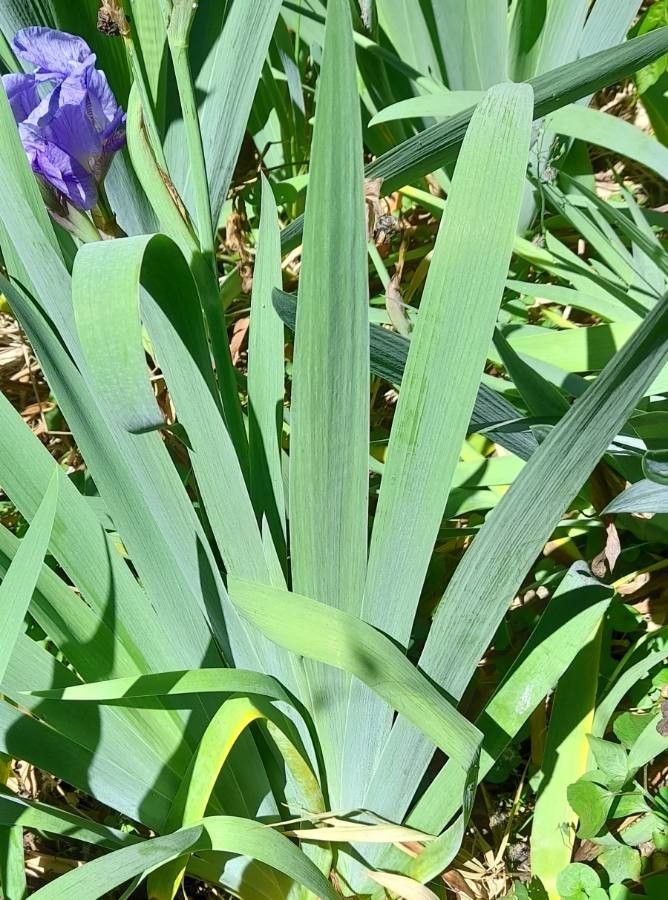
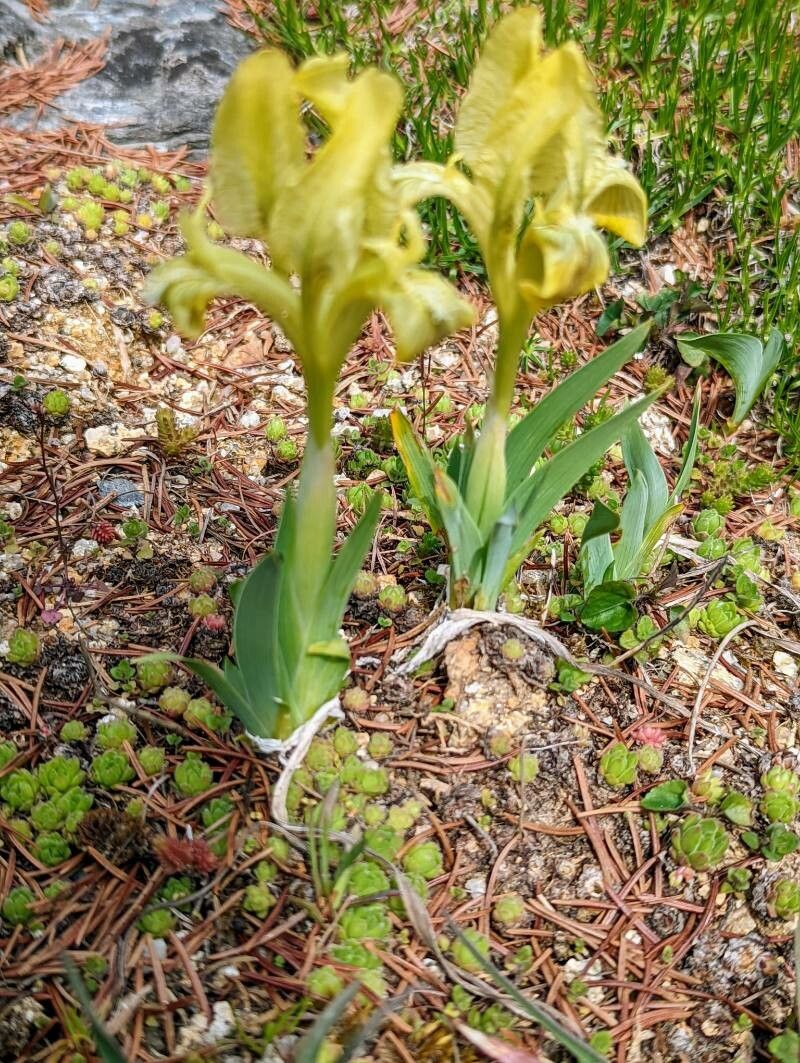
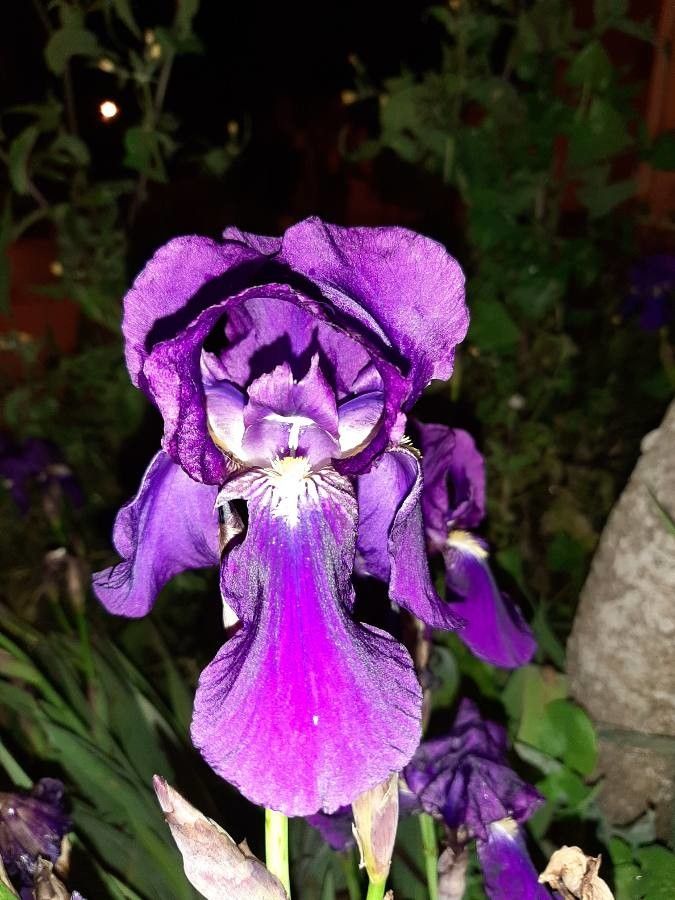
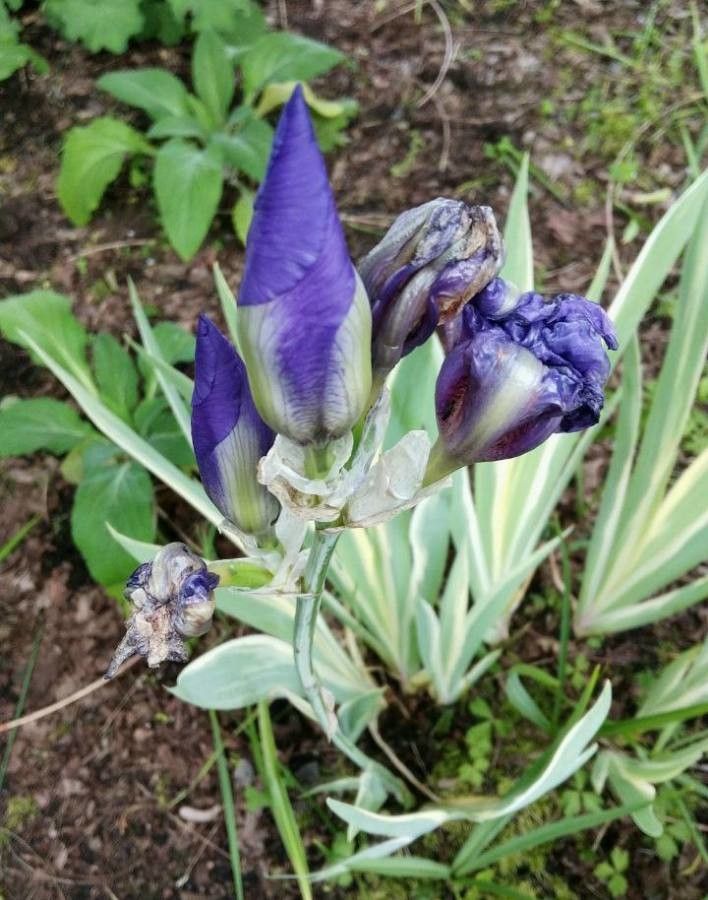
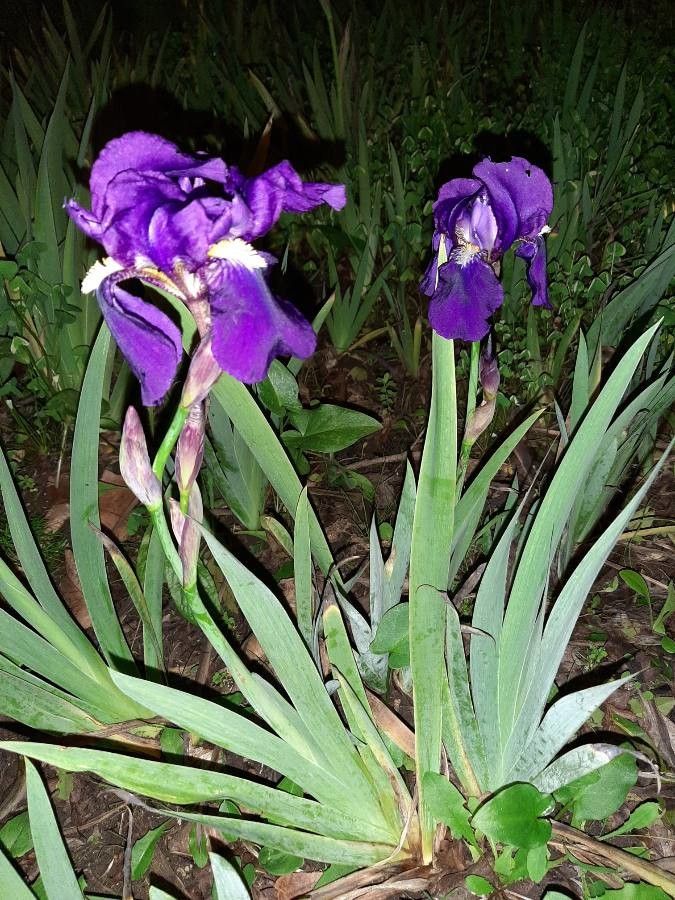
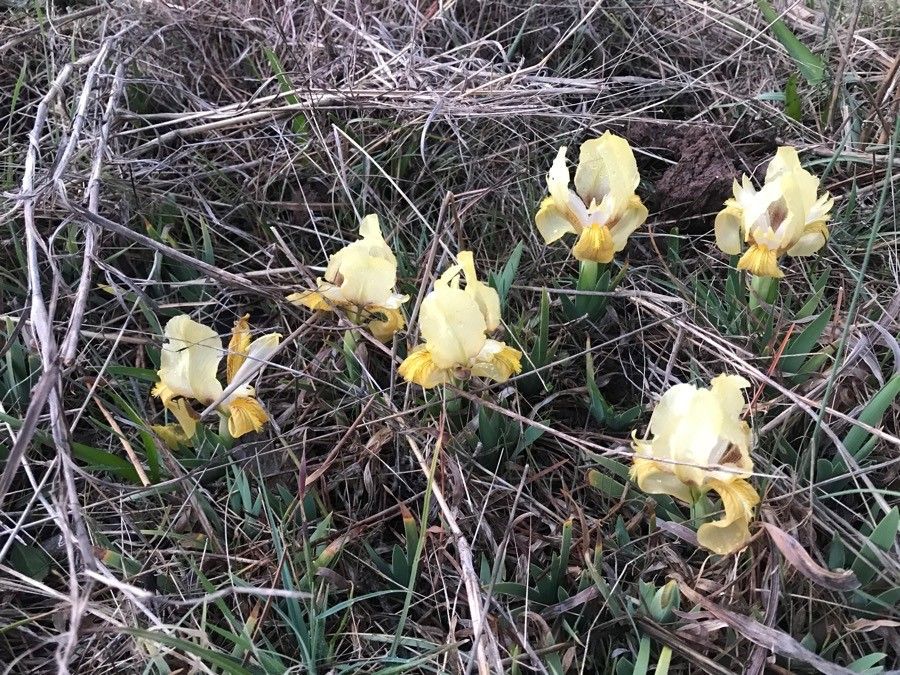
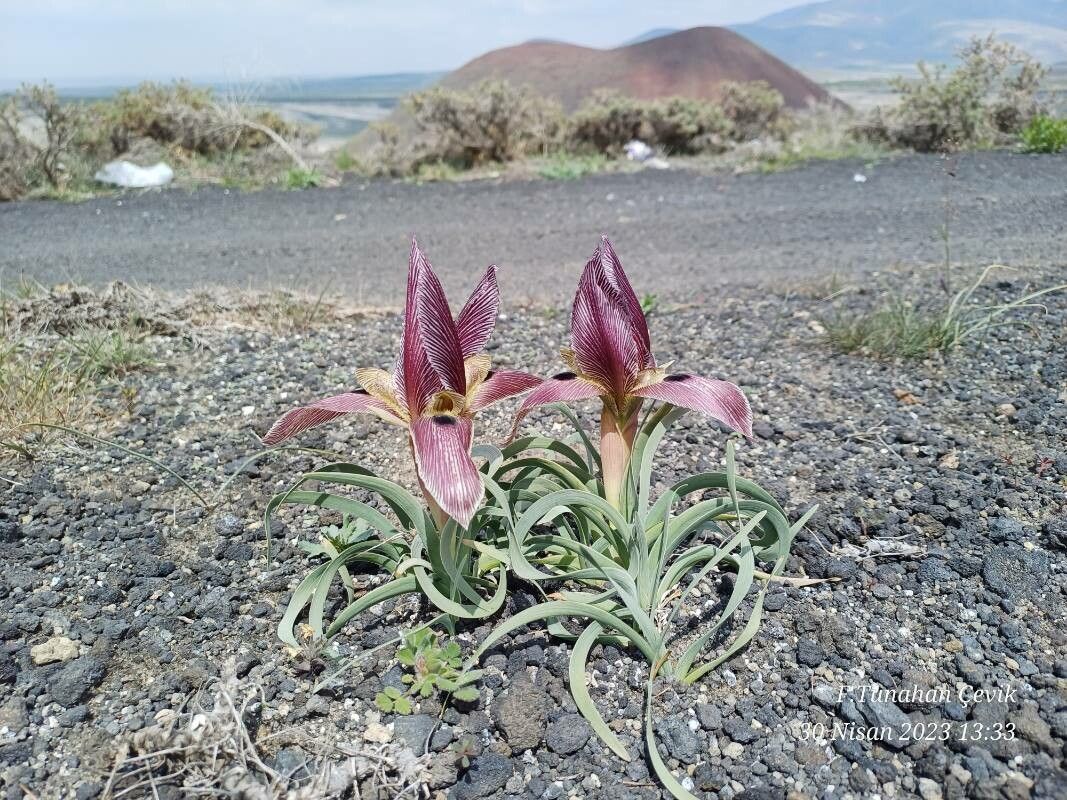
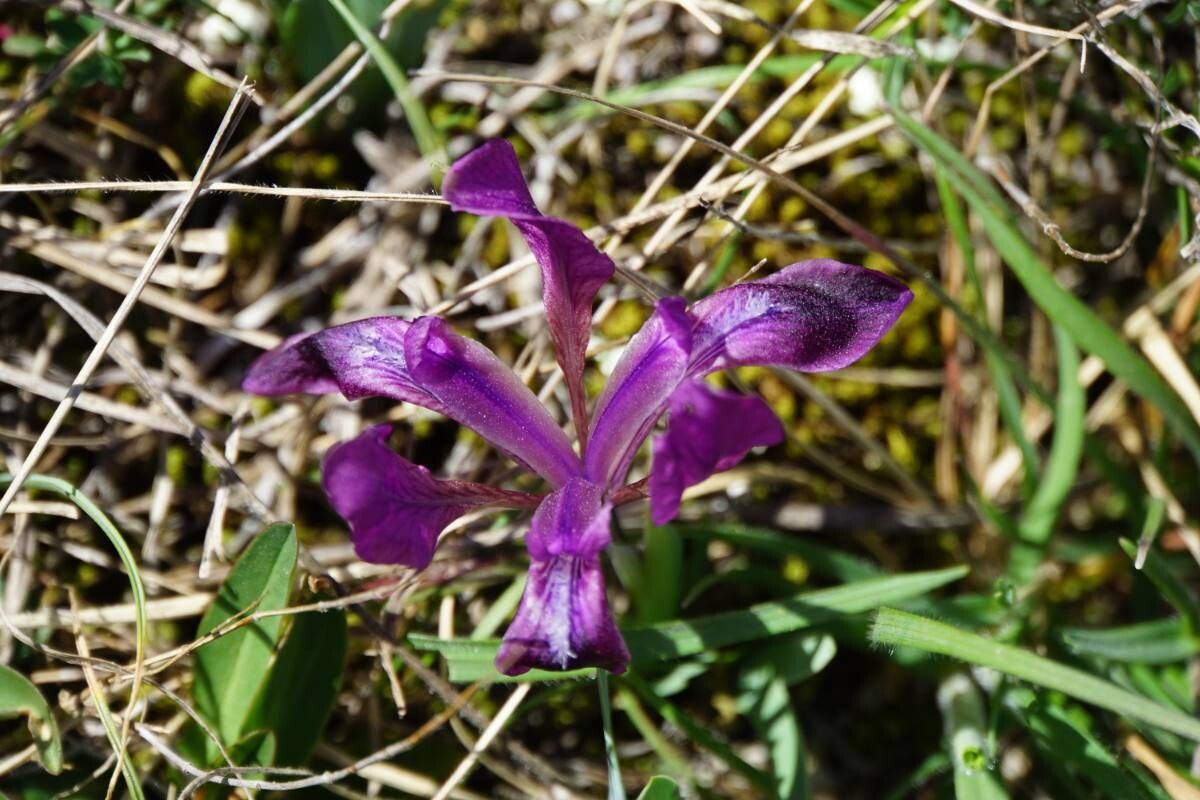
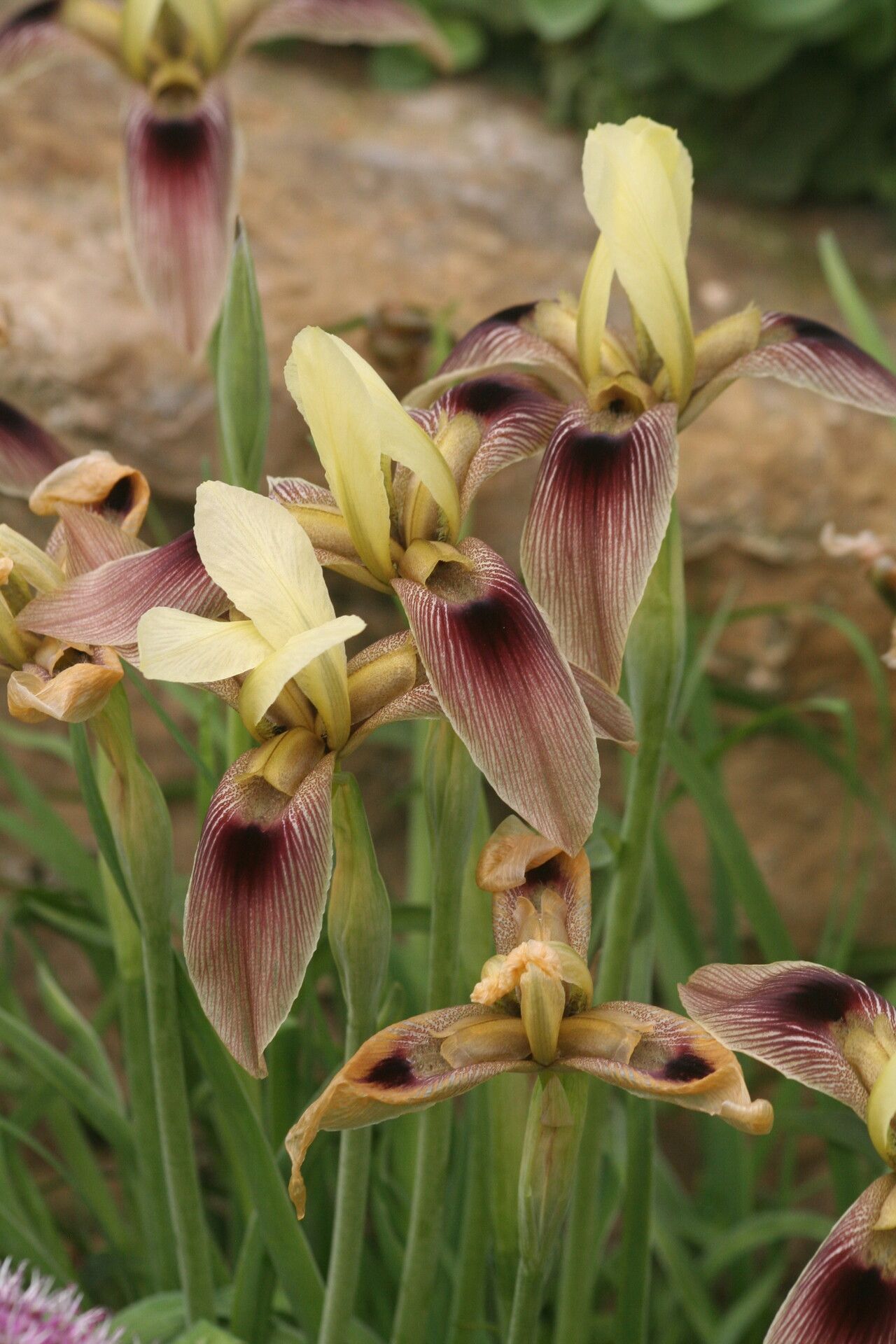
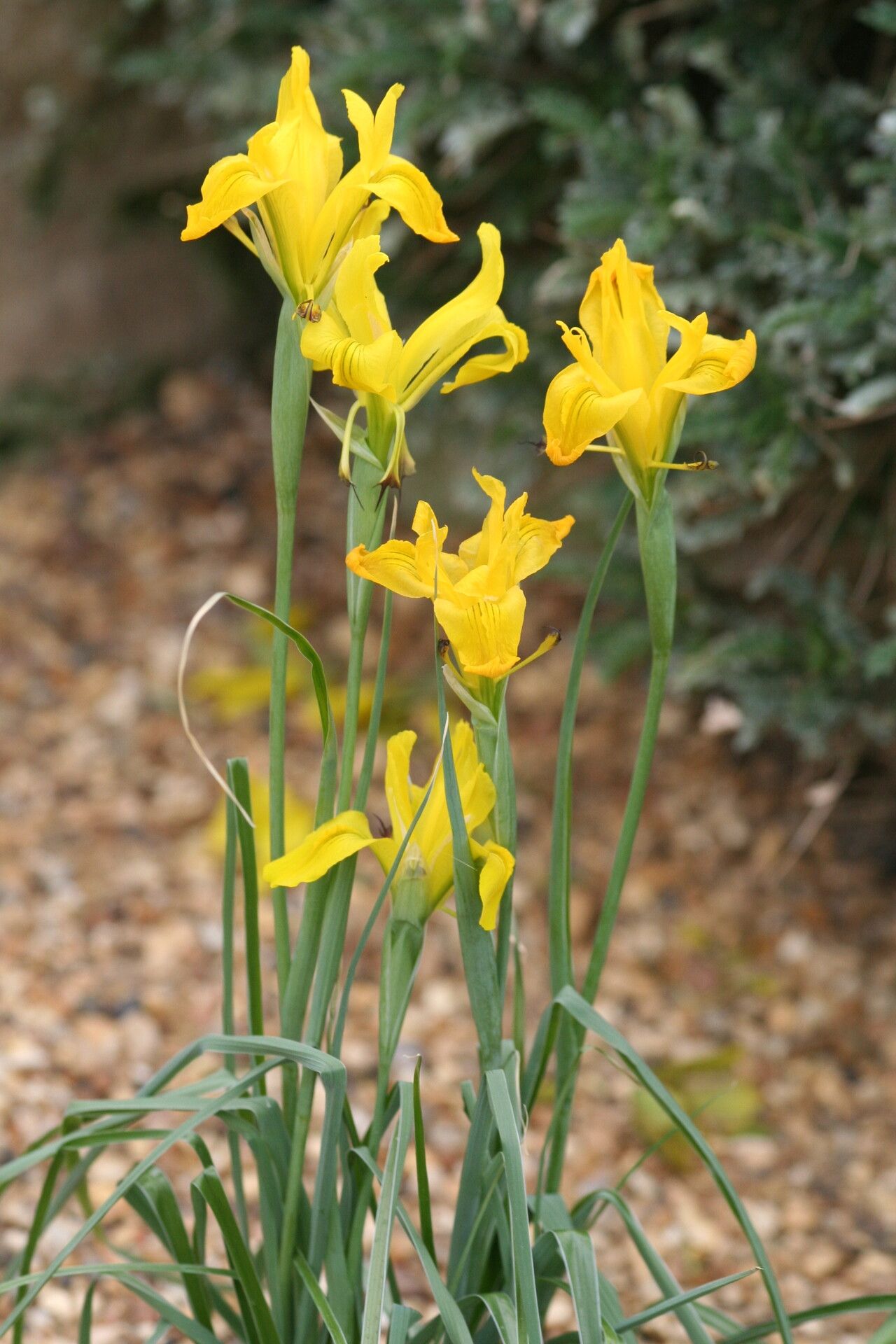
Iris pumila, commonly known as dwarf iris, is a species of flowering plant in the Iridaceae family. This small, herbaceous perennial grows up to 20 cm tall and produces striking blue-violet flowers with yellow markings in early spring. Its narrow, sword-shaped leaves form dense clumps, creating attractive ground cover.
Native to southeastern Europe and western Asia, Iris pumila thrives in well-drained soils with full sun or partial shade. It is drought-tolerant once established but benefits from regular watering during the growing season.
This species is popular in gardens due to its early blooming period and low maintenance requirements. It can serve as an edging plant or be planted en masse for a stunning display in rock gardens or borders.
Beyond its ornamental appeal, Iris pumila has been used medicinally by various cultures. The rhizomes contain compounds with anti-inflammatory properties traditionally used to treat skin conditions such as eczema and psoriasis.
Overall, Iris pumila is an attractive and versatile plant that enhances any garden's beauty and offers potential health benefits through its medicinal properties.
The dwarf iris is fairly resistant to disease and usually not prone to illnesses. However, it can be affected by pests and diseases present in its environment. Such problems are generally not serious. In terms of care, this plant needs moderate maintenance. It should be pruned regularly to preserve a tidy appearance and promote healthy growth. Fertilizing can also help encourage flowering. The dwarf iris is suitable for anyone with outdoor space, like a garden or patio, and does not require extensive gardening experience. It may need additional care if grown indoors.
How to keep Iris Pumila.
Light
The dwarf iris does best with plentiful sunlight, which is crucial for their healthy growth. Although they tolerate some shade, insufficient light can reduce their vibrancy and growth. Since they come from sunny habitats, too much shade can harm their vitality.
Water
Dwarf iris grows best in moderate climates where the soil remains consistently moist. It needs to be watered every 1-2 weeks. As a plant native to temperate zones, it benefits from mulch, which helps retain moisture and reduces the need for frequent watering during its active growth period in garden beds and borders.
Temperature
Dwarf iris originates from temperate areas and prefers temperatures between 32 and 90°F (0 to 32℃). During hotter periods, protecting it from midday heat can help it thrive. Comparable adjustments may also be needed in cold weather.
Fertilizer
The best time to fertilize a Dwarf iris is in early spring, as it comes out of dormancy and begins active growth. Fertilizer supplies essential nutrients for healthy growth. Although Dwarf iris has relatively low fertilizer needs, annual applications can improve its survival and encourage better, longer-lasting flowers.
Pruning
Dwarf iris benefits from pruning in early to late spring. Focus on removing dead or damaged leaves, while keeping the healthy green foliage intact to allow for photosynthesis. Trimming away spent flowers helps redirect energy to the roots, promotes more blooms, prevents overcrowding, and ensures a vibrant, healthy display.
Botanical profile.
- Plant Type
- Herb
- Life Cycle
- Perennial
- Genus
- Iris
- Family
- Iridaceae
- Hardiness Zone
- 3-8
- Mature Height
- 30 cm
- Mature Spread
- 30 cm
- Leaf Color
- Green, Blue
- Leaf Type
- Deciduous
- Flower Color
- Purple, Lavender, Yellow, White
- Flower Size
- 5.08 cm
- Bloom Time
- Early spring, Mid spring
- Planting Time
- Spring, Autumn
- Harvest Time
- Late spring, Early summer
- Native Area
- Russia, Hungary, Austria, Kazakhstan, Czech Republic, Slovakia, Montenegro, Bulgaria, Azerbaijan, Armenia, Romania, Croatia, Albania, Ukraine, Serbia
Other names.
Reader questions.
How should I water my Dwarf iris?
To properly water Dwarf iris, use room temperature filtered water. Tap water may have harmful particles, so filtered water is preferred. Since Dwarf iris originates from warm climates, it is best to avoid using cold water as it can be a shock to the plant. Instead, water the plant by applying filtered room temperature water directly to the soil until it is completely soaked. This helps moisten the roots and allows them to spread and collect essential nutrients. Avoid overhead watering to prevent complications with the foliage.
Why is it important to give nutrients to my Dwarf iris plant?
Fertilization is important for the Dwarf iris for a few reasons. Firstly, it provides essential nutrients that promote the plant's growth above and below the ground. However, the Dwarf iris has relatively low fertilization needs compared to other plants. While it can survive without fertilization, annual fertilization can greatly benefit the plant by keeping it alive and improving the longevity of its flowers. Therefore, if you want your Dwarf iris to thrive and have beautiful, long-lasting flowers, it is recommended to fertilize it annually.
What are the sunlight requirements for Dwarf Iris?
Dwarf Iris thrives in areas that receive full sun, which is defined as more than 6 hours of sunlight daily, but they can also adapt to partial sun, receiving about 3-6 hours of sunlight. It's important to observe the movement of sunlight through your garden to find spots that offer the right balance of light and shade, ensuring the plants thrive. Excessive shade can harm the plant's vitality, considering Dwarf Iris originates from habitats with generous sun exposure.
What is the native region and preferred temperature range for Dwarf Iris?
Dwarf iris is native to temperate regions, thriving in a temperature range between 32 to 90°F (0 to 32°C). The plant can endure both cold and warm conditions, but during the warmer seasons, it benefits from being shielded from the intense midday heat. Conversely, in cold weather, adjustments might be necessary, though it generally has strong cold resistance.
What do I need to do if I give my Dwarf iris too much or too little water?
Overwatering is a common issue for Dwarf iris and can cause wilting, yellow leaves, and diseases like root rot. Underwatering is less common but can result in brittle, brown leaves. It's important to be vigilant for signs of overwatering and take action promptly. Reduce watering if you spot early signs and consider replacing poorly draining soil. If your Dwarf iris shows signs of underwatering, increase watering until the signs disappear.
When should I fertilize my Dwarf iris for best results?
To encourage healthy growth, it is best to fertilize your Dwarf iris in late winter to early spring when it is transitioning from its dormant phase to a phase of active growth. This ensures that the plant starts the season off well. While fertilizing during the fall is also acceptable, it is not recommended to feed your Dwarf iris during the summer or winter seasons.
Why is sunlight essential for Dwarf Iris, and what are the implications of insufficient light?
Sunlight is crucial for the healthy growth of Dwarf Iris, promoting vibrant colors and vigorous growth. Originating from sunny habitats, Dwarf Iris requires extensive exposure to sunlight. Inadequate sunlight can lead to reduced vibrance and diminished growth. To support indoor plants or those in less sunny locations, especially in winter, artificial lighting can offer a solution. It's recommended to use LED lights that provide the specific wavelengths needed by the plants, mimicking natural sunlight conditions in terms of intensity, distance, and duration.
How do you protect Dwarf Iris during extremely cold winters?
Despite Dwarf Iris's strong cold resistance, when winter temperatures are expected to drop below -35°C, it's crucial to provide protection. This can be done by covering the plant with insulating materials like soil or straw. It's also beneficial to water the plant generously before the first freeze in autumn, keeping the soil moist, which helps prevent drought and water scarcity for the plant during winter and the initial spring months.
How frequently should I give water to my Dwarf iris?
If your Dwarf iris is in a pot, the most precise way to determine if it needs water is to check the soil moisture by sticking your finger into it. If the top two to three inches of soil are dry, it's time to water it. For Dwarf irises grown outdoors in the ground, the same method applies. Once the first few inches of soil have dried out, it's time to add water. Typically, during the spring and early fall, watering once a week is sufficient. However, in extremely hot weather, you may need to increase the frequency to two or more times per week. It's worth noting that mature, well-established Dwarf irises have a remarkable ability to tolerate drought.
When is the best time not to use fertilizer on my Dwarf iris?
To avoid overfertilizing and its complications, it is recommended to only fertilize your Dwarf iris in late winter and early spring. A single annual feeding during this time is sufficient. However, if you forgot to fertilize in spring, it is permissible to feed the plant in fall. It is important to refrain from fertilizing during most of the growing season, as well as in winter when the plant is in a dormant phase and not putting forth new growth.
What symptoms indicate that a Dwarf Iris is not getting enough sunlight?
Symptoms of insufficient sunlight in Dwarf Iris include smaller new leaves, leggy or sparse growth, faster leaf drop, slower or no new growth, and paler new leaves. These signs indicate that the plant is struggling with light deficiency and is attempting to conserve resources. Conversely, symptoms like chlorosis, sunscald, leaf curling, wilting, and leaf scorching can occur with excessive sunlight exposure, demonstrating the plant's distress in extreme conditions.
What are the symptoms and solutions for Dwarf Iris when exposed to low temperatures?
When temperatures drop below 0°C, Dwarf Iris remains cold-tolerant, ideally staying above -30°C. However, at temperatures below -35°C, the plant may not show immediate damage, but a decrease in sprouting or absence of sprouting could occur by spring. The recommended solution for spring is to remove any parts of the plant that have failed to sprout, assisting the overall recovery and maintenance of the plant's health.