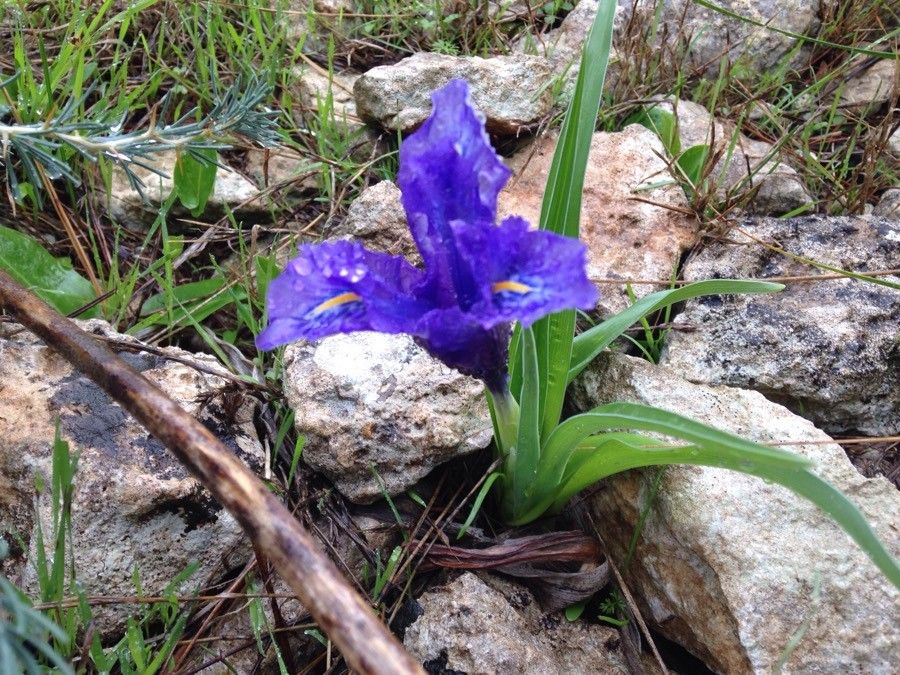
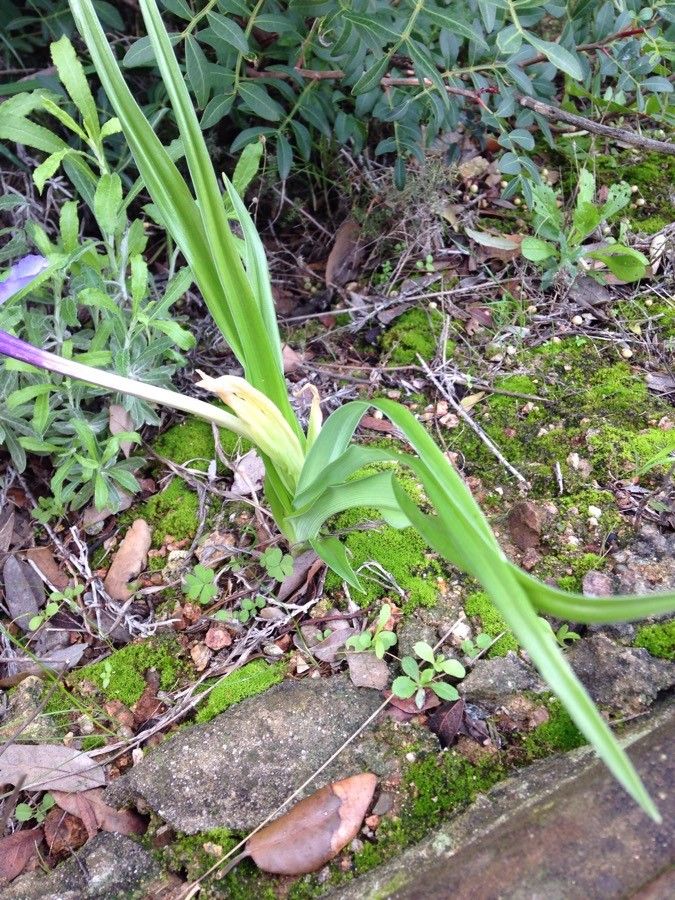
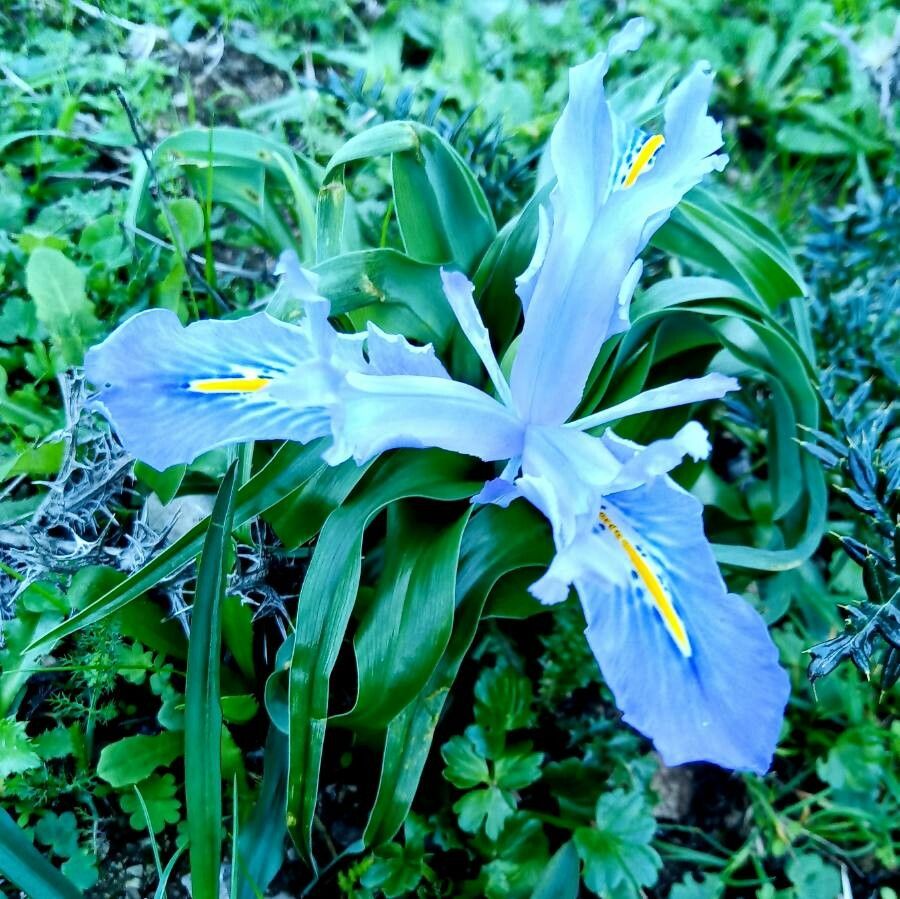
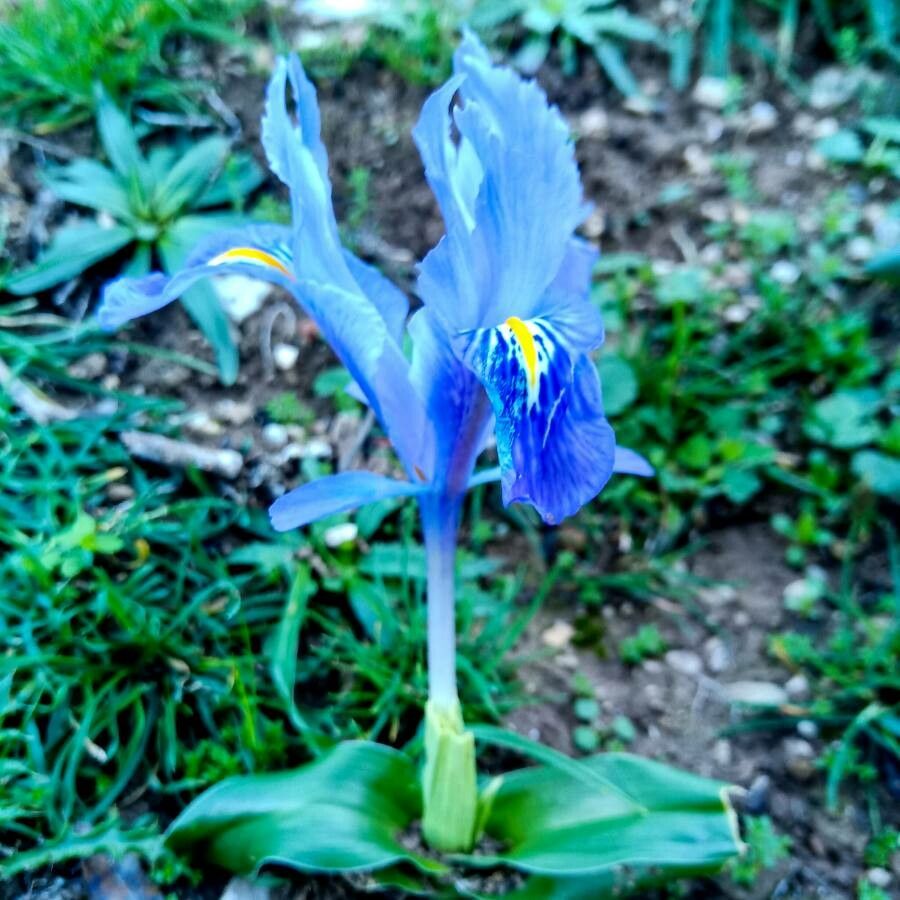
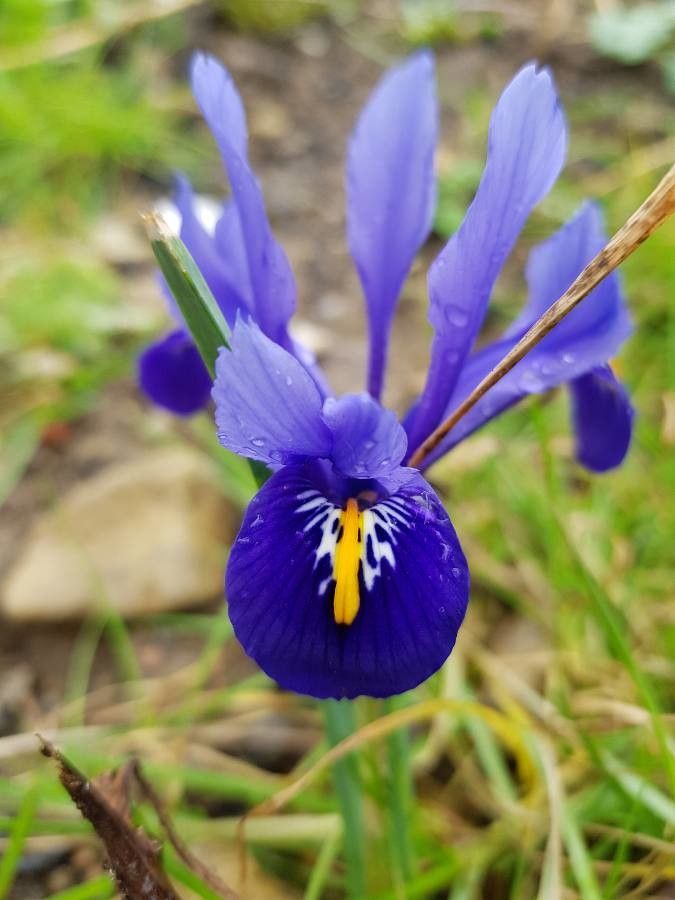
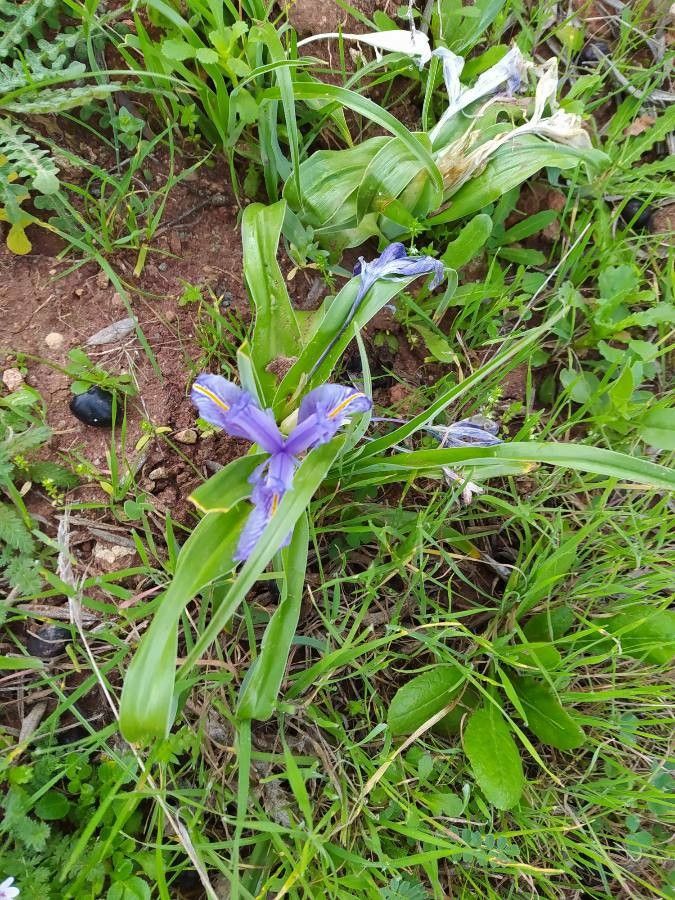
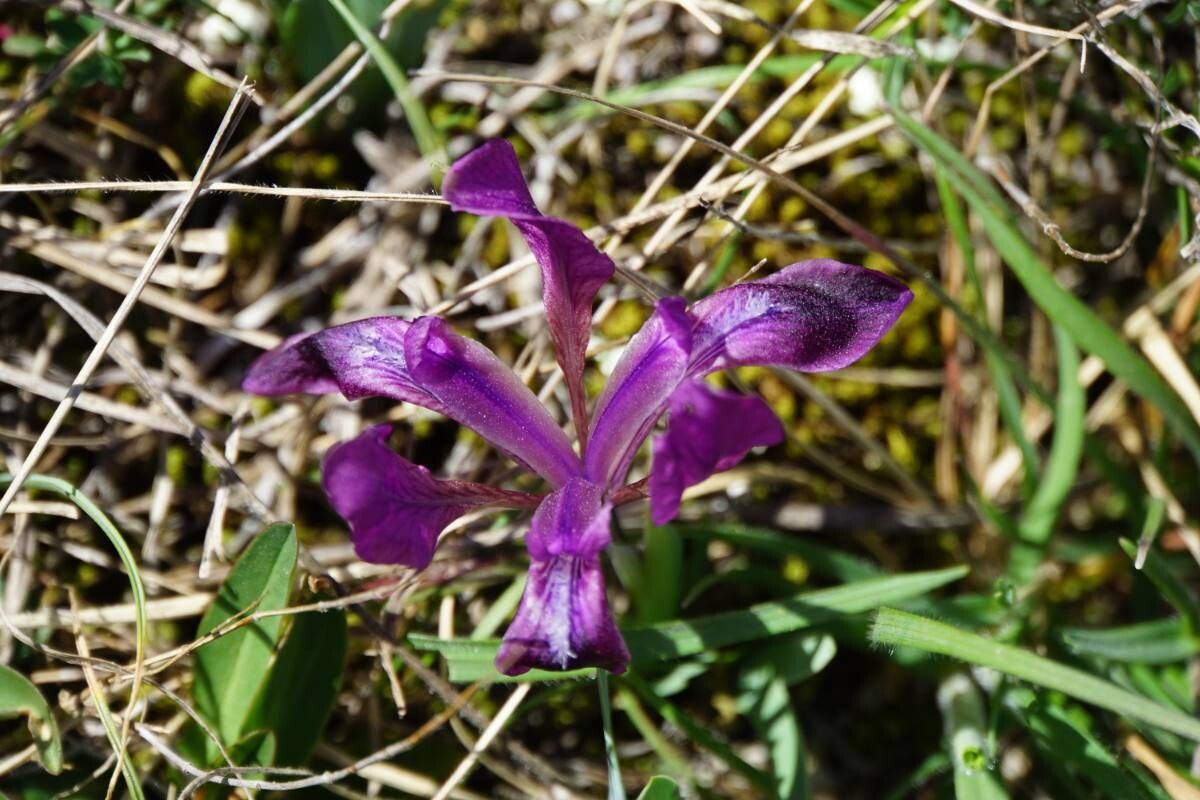
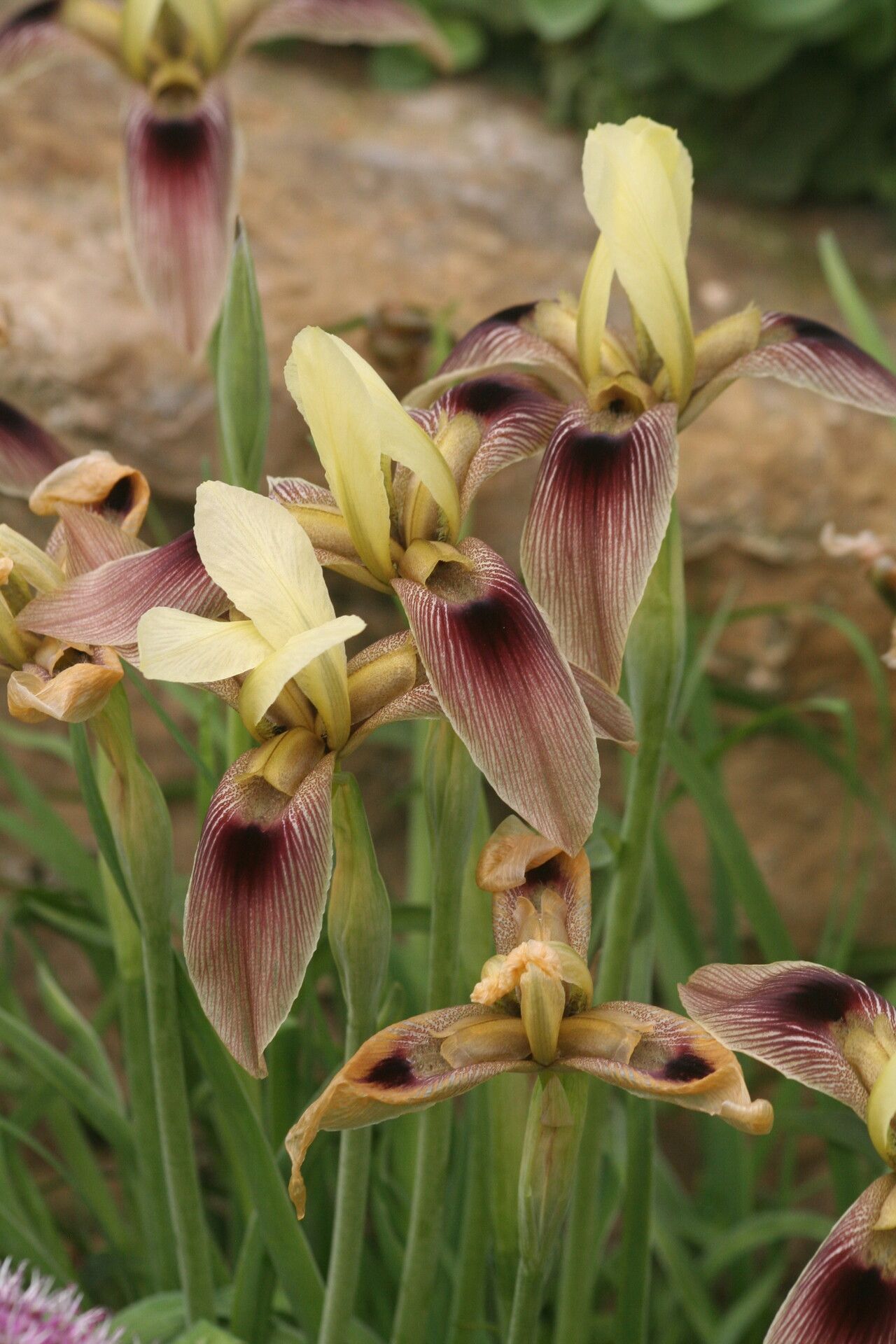
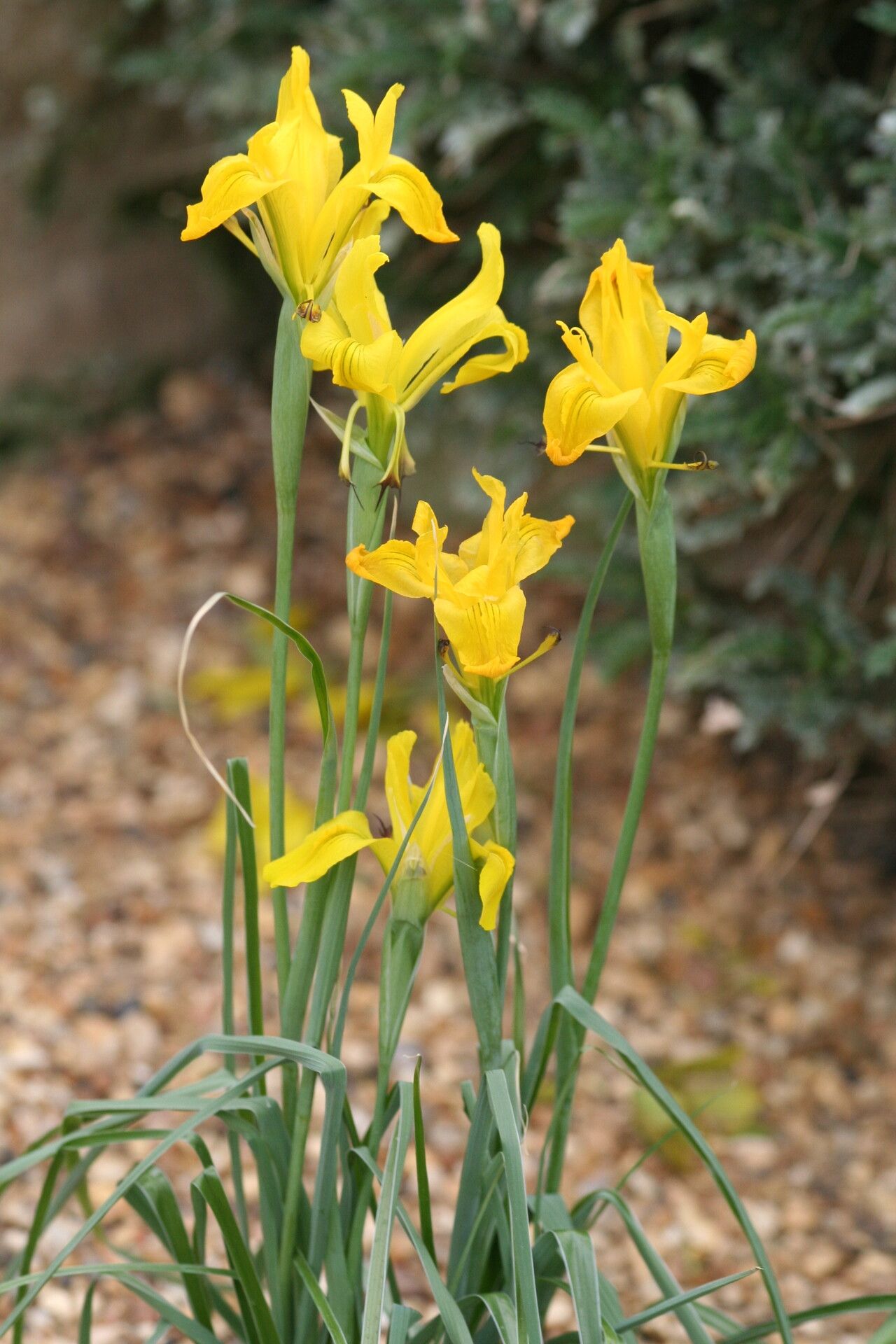
Iris planifolia is a species of flowering plant in the subgenus Scorpiris of the genus Iris, family Iridaceae. This bulbous perennial from Southern Europe and North Africa has long, shiny green leaves, a short stem, and large scented flowers in various shades of blue.
English iris is fairly disease resistant and generally does not suffer from many illnesses. However, it can be vulnerable to pests and diseases present in its environment. Such infections are typically mild. As for care, this plant needs a moderate level of maintenance. Regular pruning is necessary to keep it looking tidy and to encourage healthy growth. Applying fertilizer can also encourage better flowering. English iris is appropriate for anyone who has outdoor space like a garden or patio and does not demand extensive gardening experience. It may need extra attention if cultivated indoors.
How to keep Iris Planifolia.
Light
English iris is a sun-loving perennial herbaceous plant native to open habitats, commonly thriving in meadows and grasslands. It prefers full sun but can also tolerate partial sun.
Water
The English iris is native to Mediterranean climates, where it thrives in well-drained soil and moderate humidity. Once established, this plant is drought-tolerant and requires weekly watering for optimal health. In temperate zones, natural rainfall is usually sufficient to meet its needs, reducing the necessity for additional watering.
Temperature
English iris can adjust to a wide variety of temperature conditions, yet its distribution may still be restricted by different combinations of water and heat. It grows best in warm summer climates with sufficient rainfall or watering. Extended periods of cloudy, rainy weather or prolonged high temperatures raise the likelihood of English iris dying. In winter, proper protection from the cold can increase the plant's survival rate.
Fertilizer
For English iris, the primary time to fertilize is in early spring when the flowers are developing. The appropriate fertilizer promotes better blooms and helps English iris produce attractive flowers. Fertilizing in early spring ensures excellent flowers throughout the season and supplies energy for dormant phases of growth.
Pruning
The English iris features sword-like leaves and vibrant blooms. To maintain its health, prune the plant from early to late spring by removing spent flowers and dead foliage. Avoid heavy pruning to preserve the foliage, as this enhances air circulation and encourages flowering. Be sure to use clean, sharp tools for pruning to prevent infections.
Botanical profile.
- Plant Type
- Herb
- Life Cycle
- Perennial
- Genus
- Iris
- Family
- Iridaceae
- Hardiness Zone
- 7-10
- Mature Height
- 15 cm
- Mature Spread
- 30 cm
- Leaf Color
- Dark Green
- Leaf Type
- Evergreen
- Flower Color
- Blue, Purple, Violet
- Flower Size
- 5.08 cm to 7.62 cm
- Bloom Time
- Winter
- Planting Time
- Spring, Summer, Autumn
- Harvest Time
- Spring
- Native Area
- Libya, Tunisia, Italy, Spain, Algeria, Greece, Morocco, Portugal
Reader questions.
What are the sunlight requirements for English iris (Iris planifolia)?
English iris (Iris planifolia) thrives in various sunlight conditions. For full sun exposure, it requires above 6 hours of sunlight daily, which helps the plant reach its full blooming potential. For those looking to plant in areas with less direct light, partial sun of about 3-6 hours of sunlight can also suffice. It's important to observe the way sunlight moves through your garden throughout the day. Selecting the right spots that provide a balanced amount of light and shade will ensure your English iris plants are healthy and happy.