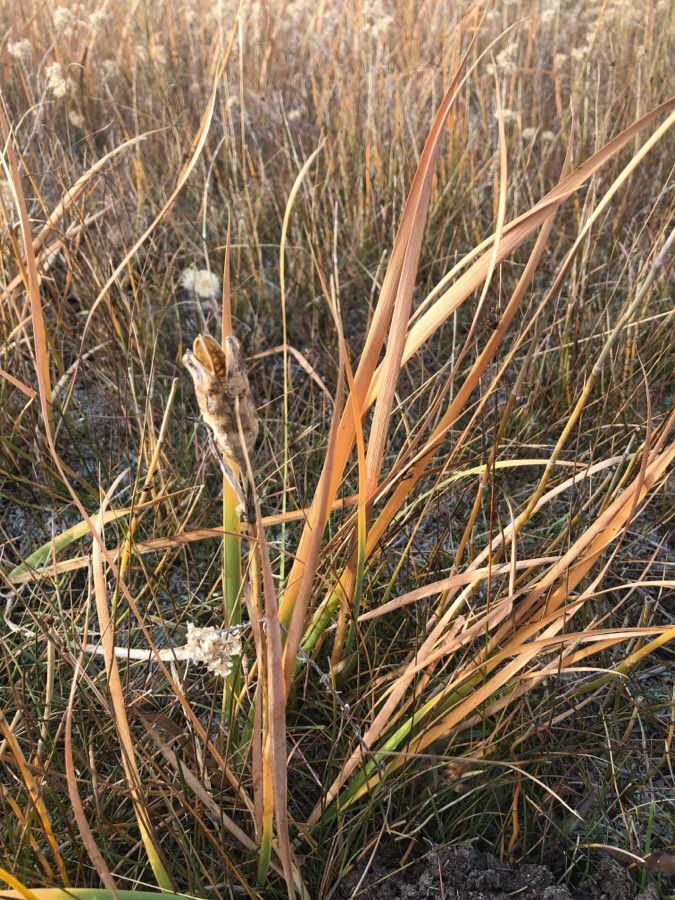
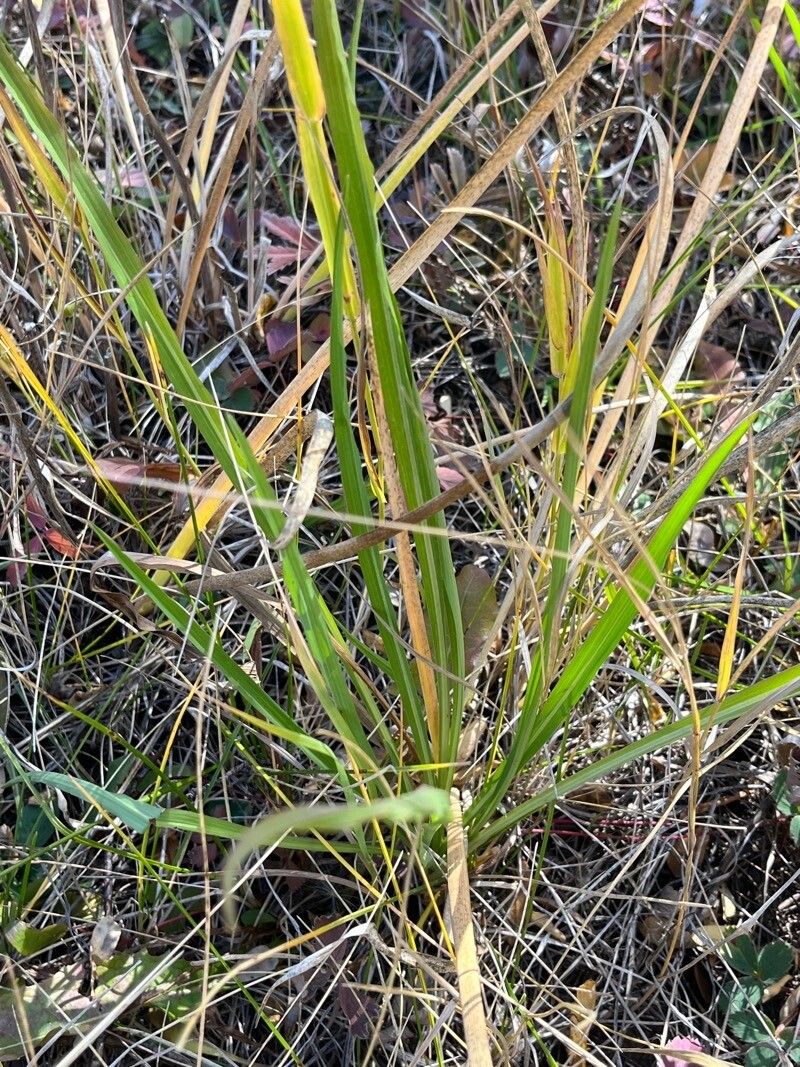
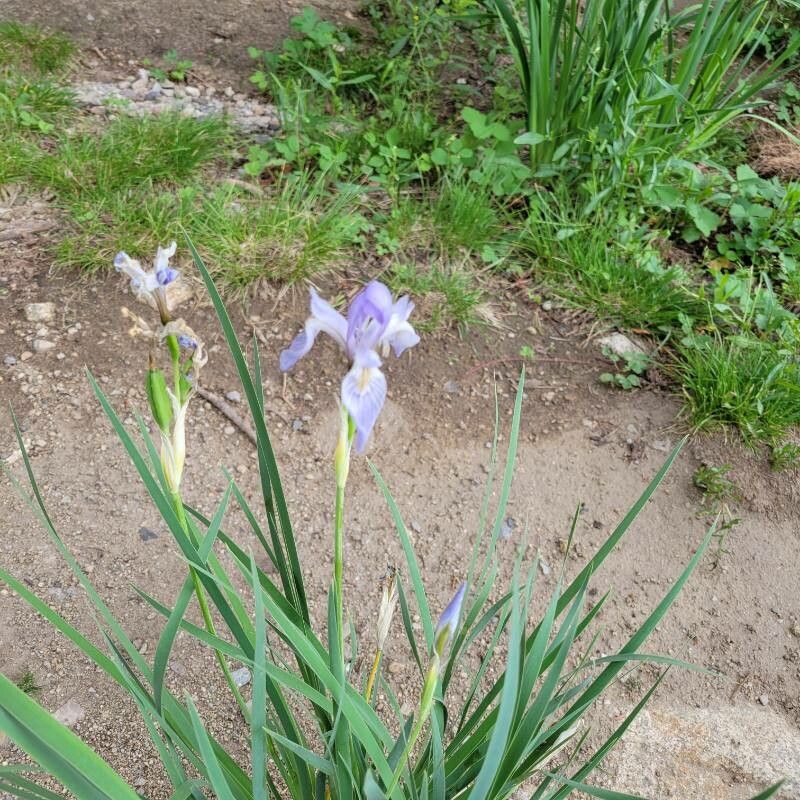
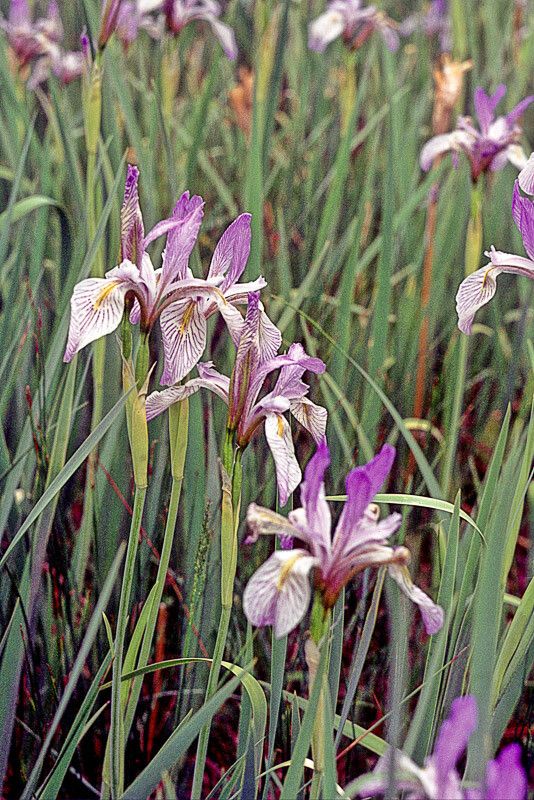
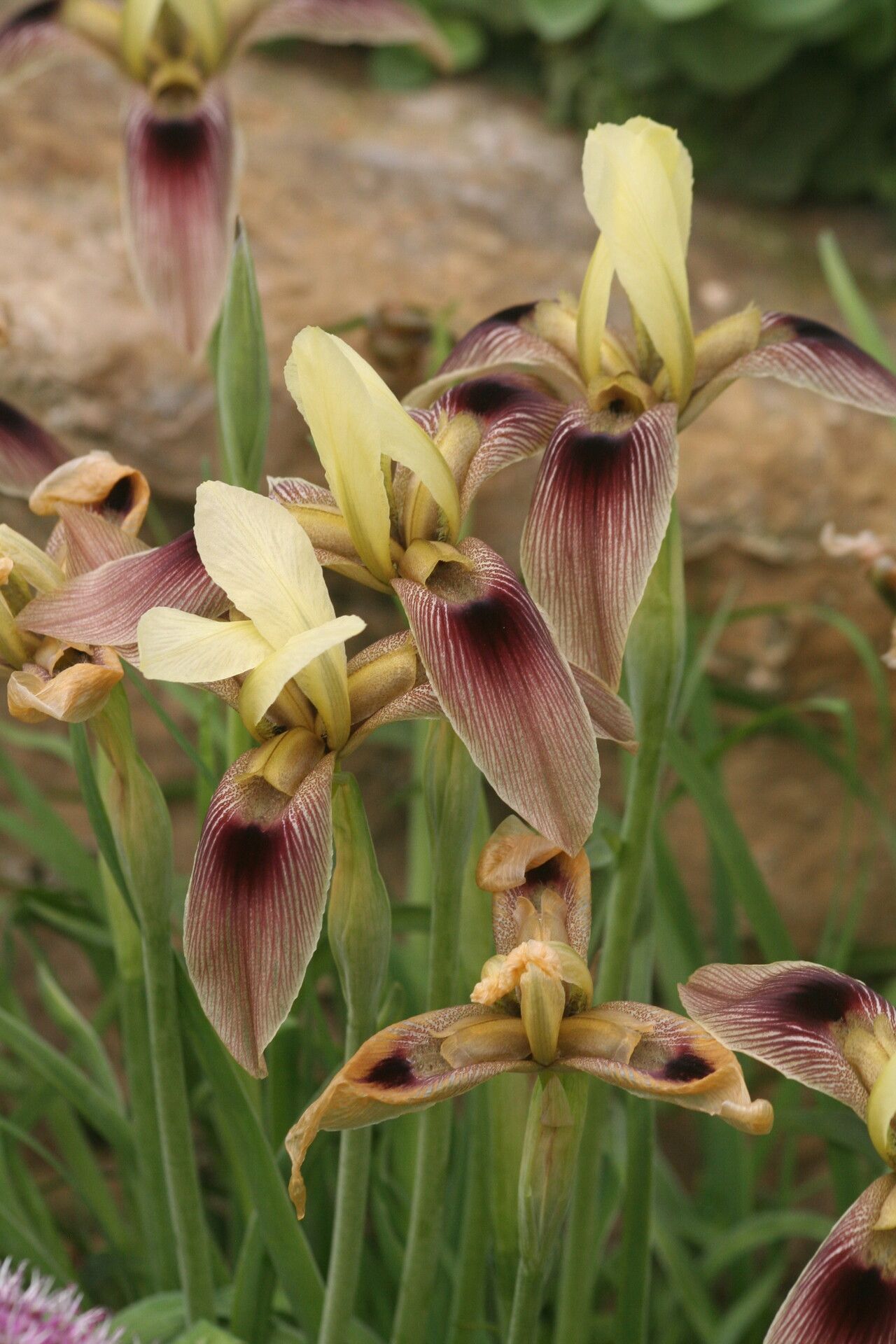
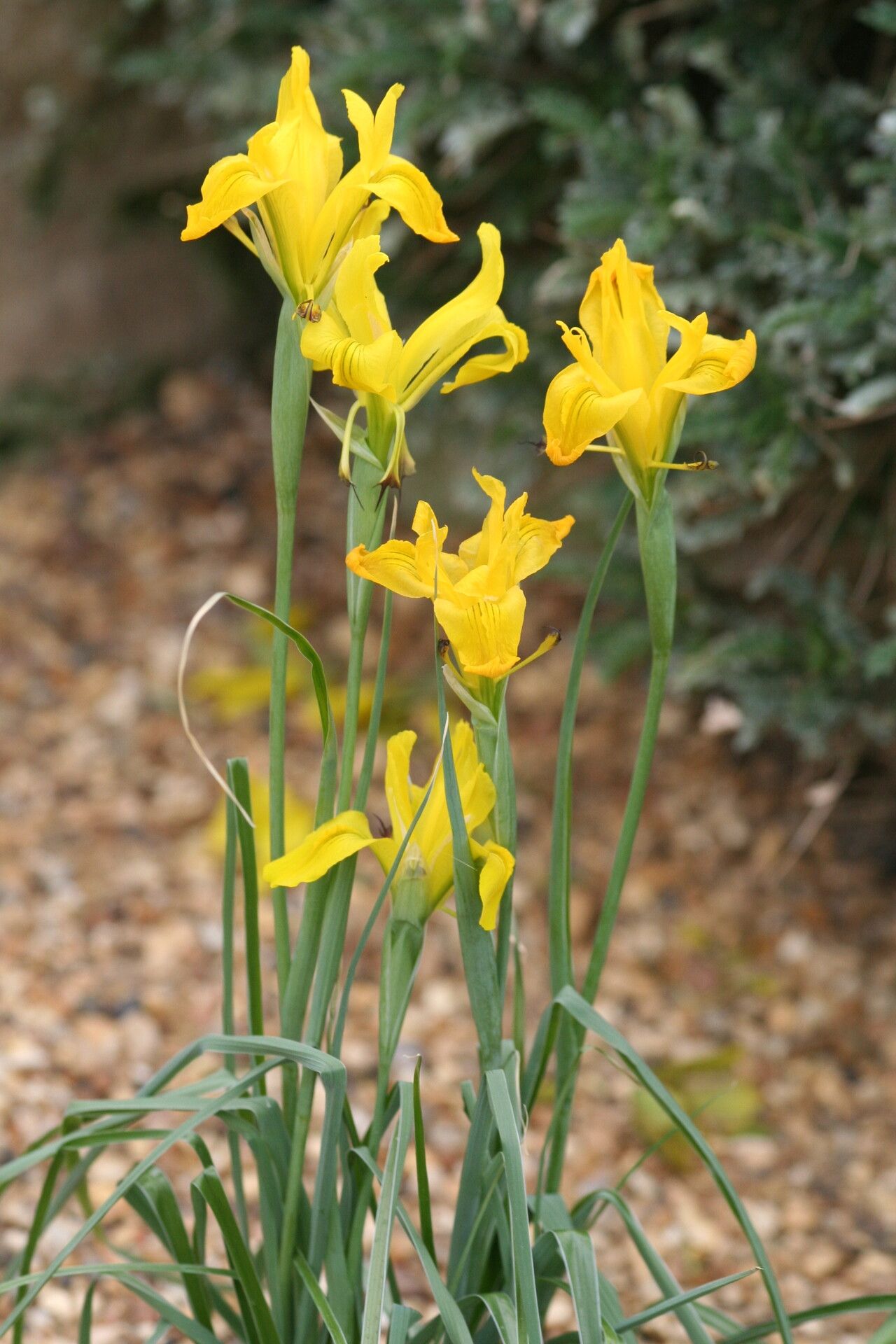
Iris missouriensis, commonly known as the Missouri Iris or Western Blue Flag, is a perennial herbaceous plant belonging to the family Iridaceae. Native to North America, this plant thrives in various habitats such as wet meadows, marshes, and along stream banks.
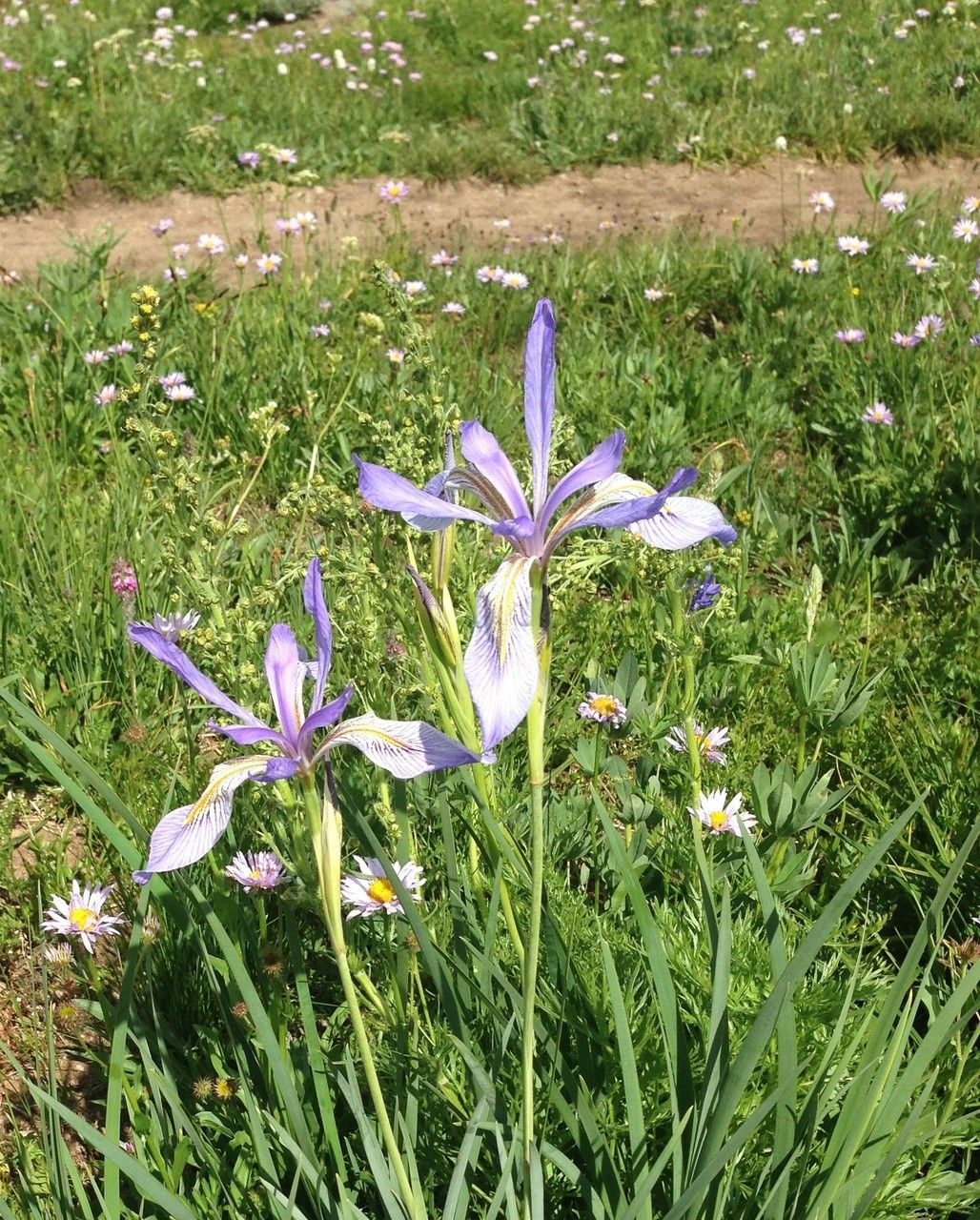
The Missouri Iris can grow up to 60 cm tall and features long, narrow, sword-shaped leaves. Its large, showy flowers display six petals in shades of blue-violet or lavender-blue, often adorned with yellow markings on the falls. These striking blooms typically appear in late spring or early summer.
This hardy plant prefers full sun to partial shade and moist soil conditions. It can be propagated by dividing rhizomes in early spring or fall.
Historically, Native Americans used the Missouri Iris for medicinal purposes, treating ailments such as headaches, stomachaches, fever, and wounds. Today, it is mainly cultivated for its ornamental value, thanks to its beautiful flowers that attract pollinators like bees and butterflies.
Overall, Iris missouriensis is an attractive perennial plant that adds color and beauty to any garden. In addition to its aesthetic appeal, it provides ecological benefits by supporting pollinators such as bees, which are essential for maintaining healthy ecosystems within their habitats.
Rocky Mountain iris has strong resistance to disease and typically does not suffer from illnesses. Still, it can be vulnerable to pests and the diseases found in its environment. When infections occur, they are generally mild. Regarding care, this plant needs a moderate level of maintenance. It should be trimmed regularly to preserve a neat appearance and encourage healthy growth. Applying fertilizer can also aid in enhancing flower production. Rocky Mountain iris is appropriate for anyone with outdoor space, such as a garden or patio, and does not demand extensive gardening experience. Growing it indoors may call for more attentive care.
How to keep Iris Missouriensis.
Light
The rocky mountain iris prefers full sun, performing best in abundant light while still tolerating some shade. Its typical habitat, often subject to high exposure, reflects this toughness. With sufficient sunlight it reaches optimal growth, but reduced light can suppress flowering. Excessive exposure usually isn't a major problem, whereas a marked lack of light can result in stunted development.
Water
The rocky mountain iris, which originates from moist meadows, thrives in high humidity and needs consistent moisture, typically requiring weekly watering. It adapts well to outdoor settings, taking advantage of natural rainfall and cooler climates. It particularly benefits from being planted in shaded gardens, which help retain moisture.
Temperature
The Rocky Mountain iris tolerates temperatures from 32 to 90 °F (0 to 32 °C) very well. Coming from regions with seasonal temperature shifts, it adapts easily. In more extreme conditions, regulating watering during the colder or warmer months can be helpful.
Fertilizer
The best time to fertilize a Rocky mountain iris is in early spring, as it is coming out of dormancy and starting active growth. Fertilizing supplies essential nutrients for healthy development. Although the Rocky mountain iris has relatively low fertilizer requirements, applying fertilizer annually can boost its survival and encourage improved, longer-lasting blooms.
Pruning
The Rocky Mountain iris thrives in well-drained soil and is known for its vibrant blue-purple flowers. For best results, prune the plant from early to late spring. Remove any dead foliage and spent stalks to encourage more blooms. Be cautious not to cut too many leaves, and always use clean tools to ensure effective pruning. This helps improve air circulation and reduces the risk of disease.
Botanical profile.
- Plant Type
- Herb
- Life Cycle
- Perennial
- Genus
- Iris
- Family
- Iridaceae
- Hardiness Zone
- 3-8
- Mature Height
- 20 cm to 40 cm
- Mature Spread
- 91 cm
- Leaf Color
- Green, Blue
- Leaf Type
- Deciduous
- Flower Color
- Lavender
- Flower Size
- 6.35 cm to 6.35 cm
- Bloom Time
- Mid spring, Late spring
- Planting Time
- Autumn
- Harvest Time
- Mid summer, Late summer
Other names.
Reader questions.
How should I water my Rocky mountain iris?
To properly water the Rocky mountain iris, it is best to use filtered water at room temperature. Tap water may contain particles that could harm the plant's health. It is important to use room temperature or slightly warmer water because the Rocky mountain iris is accustomed to a warm environment, and cold water could be a shock to its system. Avoid watering the plant from above, as this can lead to issues with the foliage. Instead, water the plant by applying filtered room temperature water directly to the soil until it is completely soaked. This helps moisten the roots and enables them to spread through the soil and absorb the necessary nutrients.
Why should I add fertilizer to my Rocky mountain iris?
Fertilization plays a crucial role in the growth of the Rocky mountain iris. It provides essential nutrients for both above and below ground development. Although the overall fertilization needs of this plant are low, annual fertilization can greatly benefit its survival and promote the production of longer-lasting vibrant flowers. Therefore, to ensure the best appearance of your Rocky mountain iris, regular fertilization is recommended.
What are the sunlight requirements for the Rocky Mountain Iris?
The Rocky Mountain Iris thrives best under conditions of full sunlight, requiring above 6 hours of sunlight daily for optimal growth. However, it can also tolerate partial sun, which means about 3-6 hours of sunlight each day. It's essential to observe the movement of sunlight in your garden to find spots that provide a balanced exposure for the plants, ensuring their health and happiness.
What temperature is best for Rocky mountain iris?
The ideal temperature for Rocky mountain iris depends on the time of year. There are two seasons to consider: the growing season and the dormancy season. During the growing season, when the iris is sprouting, the temperature should be between 65-80℉ (18-27℃). If it gets colder than 15℉ (-10℃), the plant may suffer and its leaves may brown and wilt. However, if it's just a short cold snap, the iris might be able to survive with some assistance. In the warmer months, it's important to protect the iris from temperatures that are too high. The top of its temperature range is 95-105℉ (35-40℃). Anything hotter than that can damage the foliage and blooms, causing wilting, drooping, and even sunburn. Fortunately, there are several easy ways to address this issue.
What should I do if I give my Rocky mountain iris too much or too little water?
Both overwatering and underwatering can harm the health of your Rocky mountain iris, but overwatering is more common. When this plant receives too much water, its stems and leaves may wilt and turn yellow. Overwatering for a long time can also cause diseases like root rot, mold, and mildew, which can be fatal for the plant. Underwatering is less likely, as the Rocky mountain iris tolerates drought well. However, it can still happen, and when it does, the leaves become brittle and brown. It is crucial to notice signs of overwatering early when caring for your Rocky mountain iris. Some diseases caused by overwatering, like root rot, may not be fixable if left too long. If you see early signs of overwatering, reduce your watering schedule immediately. Also, check the soil quality where the plant grows. If it drains poorly, replace it with loose, well-draining potting mix. If you notice signs of the plant not getting enough water, simply water it more regularly until the signs go away.
When should I fertilize my Rocky mountain iris plant?
The best time to fertilize a Rocky mountain iris is in the late winter to early spring when the plant is coming out of dormancy and starting to grow. Fertilizing at this time promotes healthy growth and sets the plant up for a successful season. Fertilizing in the fall is also an option, although it is generally recommended to do so in the early spring. It is not recommended to fertilize in the summer or winter.
How does artificial lighting support Rocky Mountain Iris growth indoors?
When natural sunlight is insufficient, especially during winter or in areas within the home that receive less sunlight, artificial lighting becomes crucial for the growth of Rocky Mountain Iris. Choosing the right type of artificial light, such as LED lights, can help cater to the specific light wavelength needs of the plant. For plants requiring full sun, aim for 30-50W/sq ft of light, for partial sun plants 20-30W/sq ft, and for full shade plants 10-20W/sq ft. The optimal placement of the light source is 12-36 inches above the plant, simulating natural sunlight as closely as possible. Most plants will benefit from 8-12 hours of artificial light per day.
What temperatures do Rocky mountain iris seeds or young plants need?
If you are planting a Rocky mountain iris outside for the first time, it will need extra care during the coldest months. Frost can cause severe damage to a new Rocky mountain iris and prevent it from growing back healthily in the spring. To protect the plant, keep it above 40℉(5℃) until it is established. You can do this by either bringing it inside for a month or two or using mulch or fabric barriers to prevent frost damage. During the first year or two, it's best to plant the Rocky mountain iris in a shadier spot. Smaller and weaker plants struggle to maintain their temperature in hot weather, so they should receive no more than five hours of direct sunlight per day, especially if the temperature exceeds 80℉(27℃). Using shadecloth and providing frequent watering or misting will help control the summer heat.
How frequently should I give water to my Rocky mountain iris plant?
If your Rocky mountain iris is in a pot, the most precise way to determine if it needs water is by checking the soil. Plunge your finger into the soil and if the top two to three inches are dry, it's time to water. For outdoor Rocky mountain irises grown in the ground, the same method can be used. When the top few inches of soil have dried out, it's time to water. Typically, watering once a week is sufficient during spring and early fall. However, during extremely hot weather, you may need to water twice or more per week. It's worth noting that mature, well-established Rocky mountain irises can withstand drought admirably.
When is it best to not add fertilizer to my Rocky mountain iris plant?
To avoid overfertilization and complications, it is best to only fertilize your Rocky mountain iris during late winter and early spring. Normally, one annual feeding is sufficient due to the plant's low fertilization needs. However, if you missed fertilizing in spring, you can make an exception and feed the plant in the fall. It is important to refrain from fertilizing during the rest of the growing season and also during the winter when the plant is in a dormant phase and not actively growing.
What symptoms indicate light deficiency in Rocky Mountain Iris?
Symptoms of light deficiency in Rocky Mountain Iris include smaller new leaves, leggy or sparse growth, faster leaf drop, slower or no new growth, and lighter-colored or pale new leaves. These symptoms arise due to inadequate light exposure, which is crucial for the plant's photosynthesis and overall health. Additionally, chlorosis, leaf curling, wilting, and leaf scorching can also occur, either due to excessive sunlight or insufficient sunlight, affecting the plant's ability to thrive.
How can I make sure Rocky mountain iris stays safe in very hot or very cold weather?
If temperatures drop below 15℉ (-10℃) during the growing season, there are steps you can take to protect Rocky mountain iris from frost or cold damage. If you're growing them in a container, simply bring the container indoors under bright, indirect light until temperatures rise above the threshold. If they're planted in the ground, you can use mulch or horticultural fabric to create a barrier around the plant, shielding it from frost and cold wind. On the other hand, if temperatures exceed 80℉ (27℃) in the shade during the day, be cautious about exposing Rocky mountain iris to more than six hours of sunlight per day, preferably in the morning. To reduce direct sunlight during the hottest parts of the day, you can use shade cloth or fine plastic mesh. Installing a misting system that releases a gradual mist around the base of the plant can also help lower ground temperatures during the day.