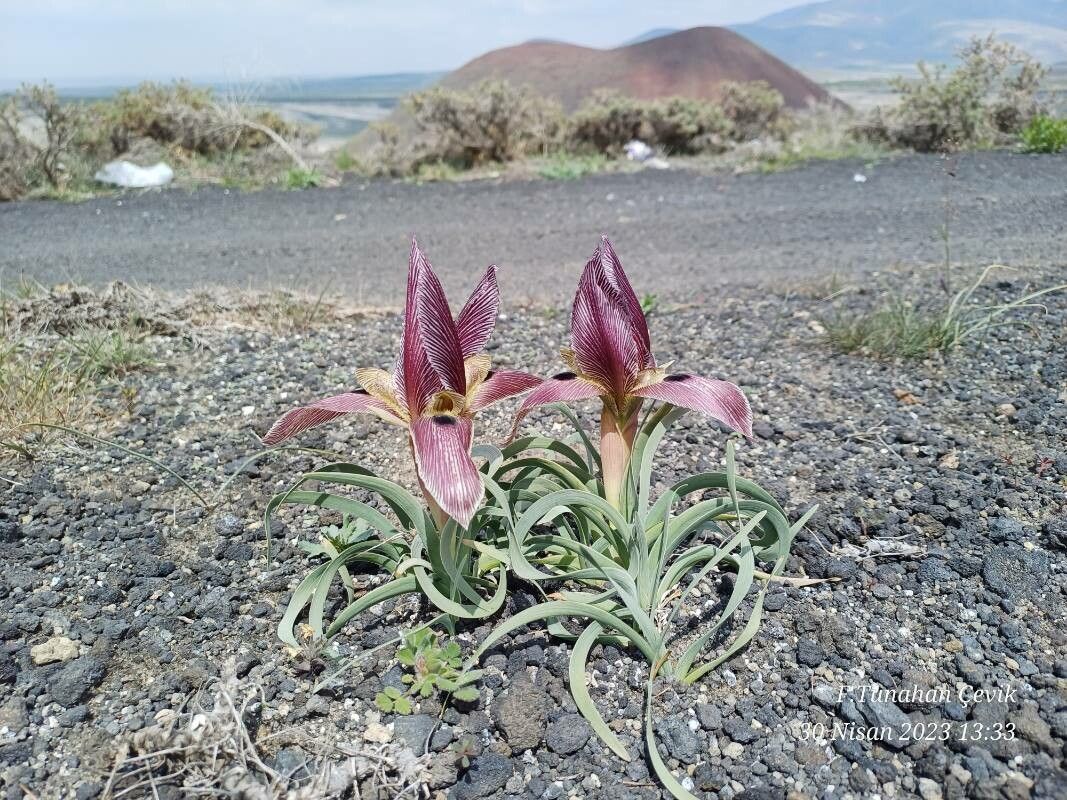
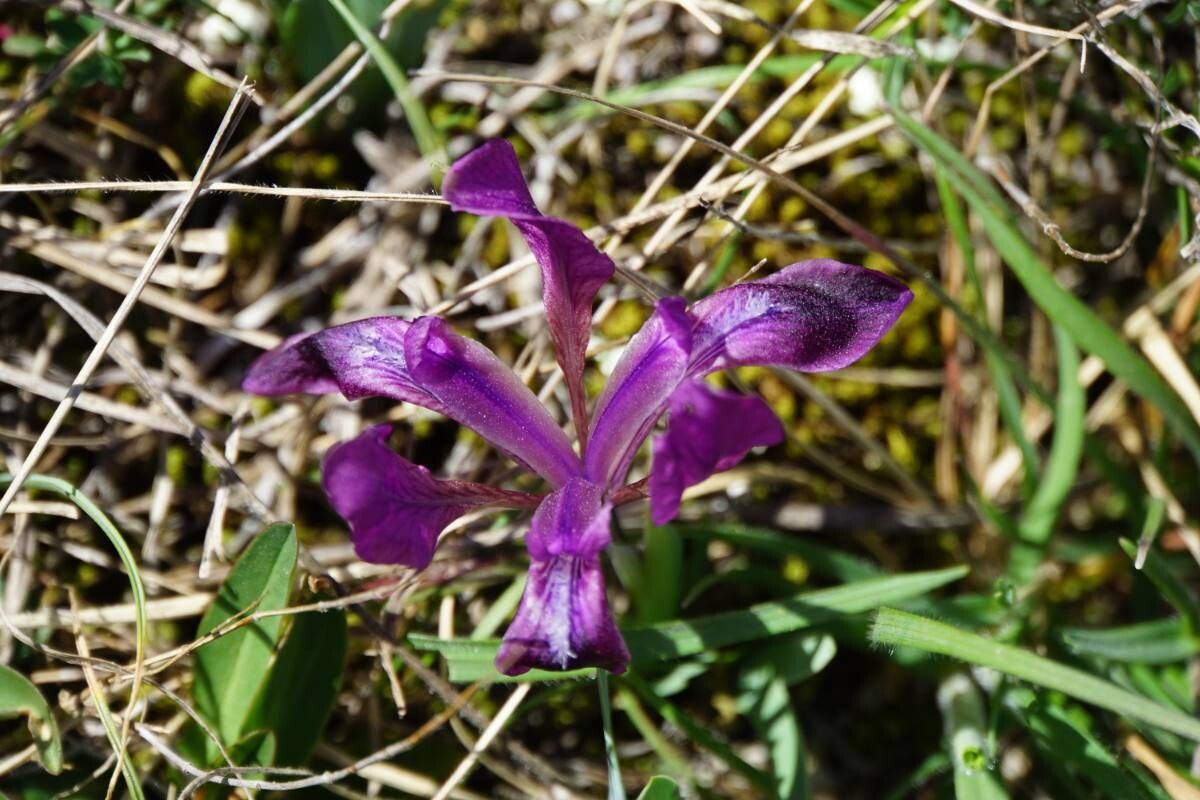
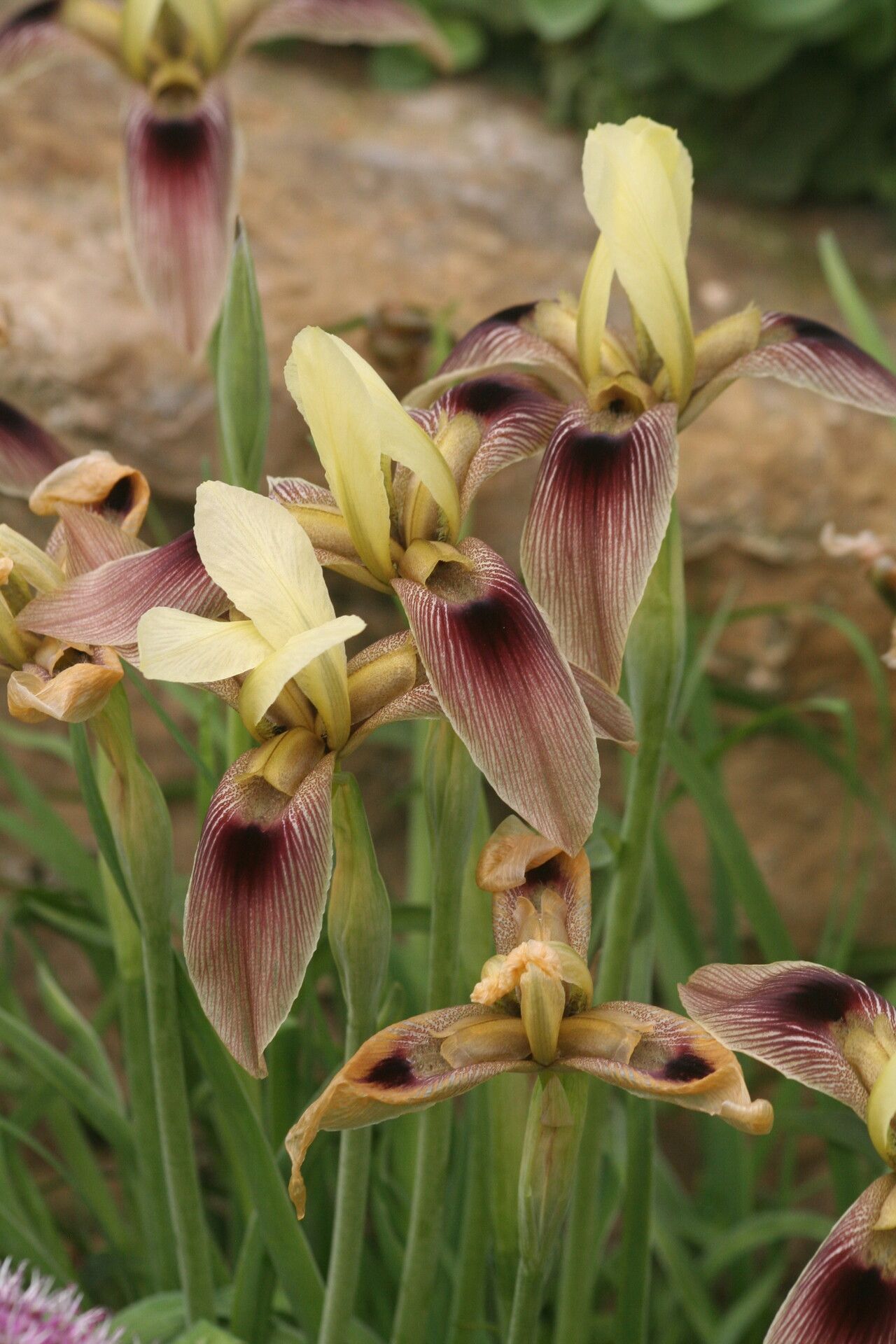
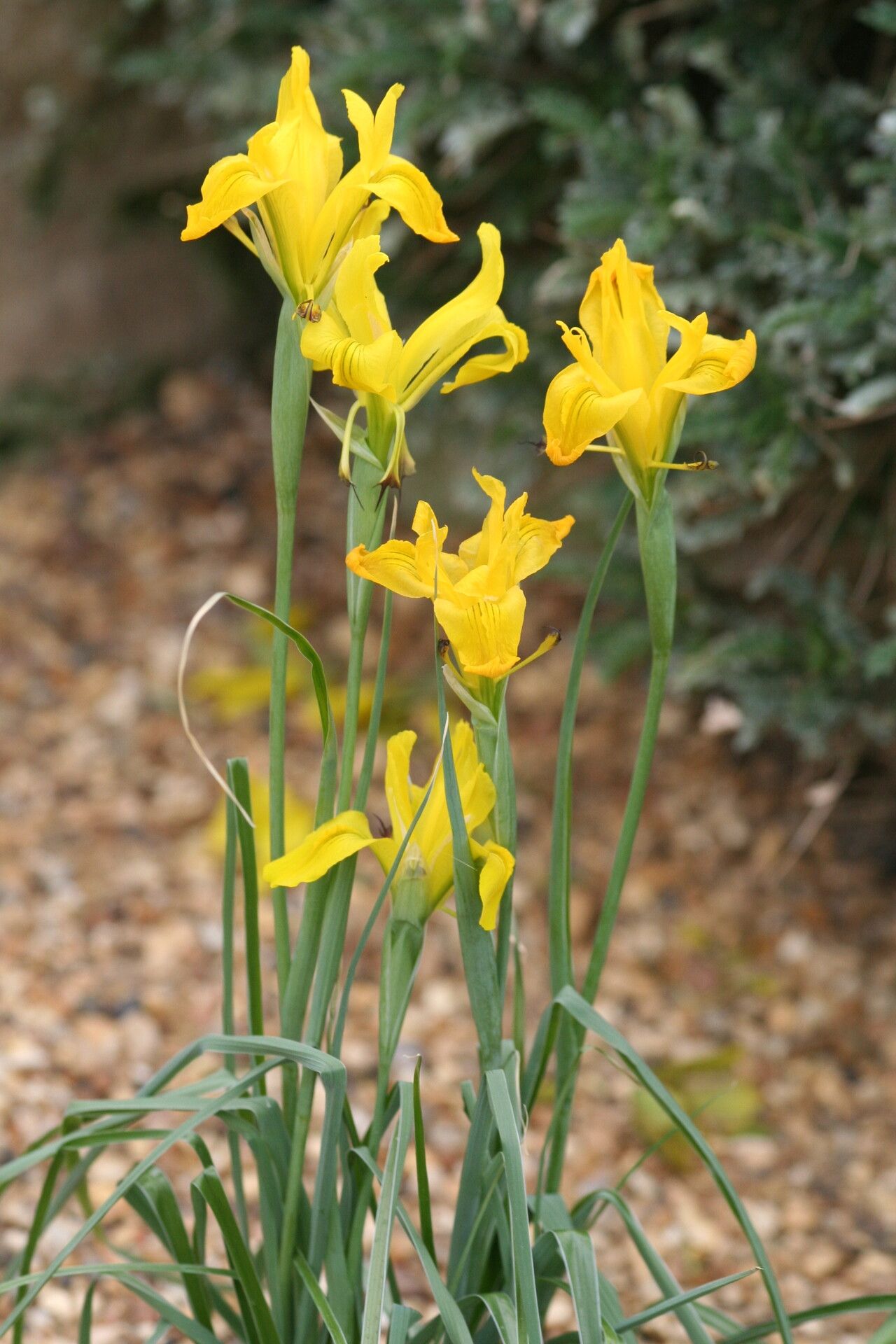
Iris macrosiphon, commonly known as the Pacific Coast iris or the giant-flowered iris, is a perennial herbaceous plant native to the western coast of North America. Belonging to the family Iridaceae, this plant can grow up to 1 meter in height.
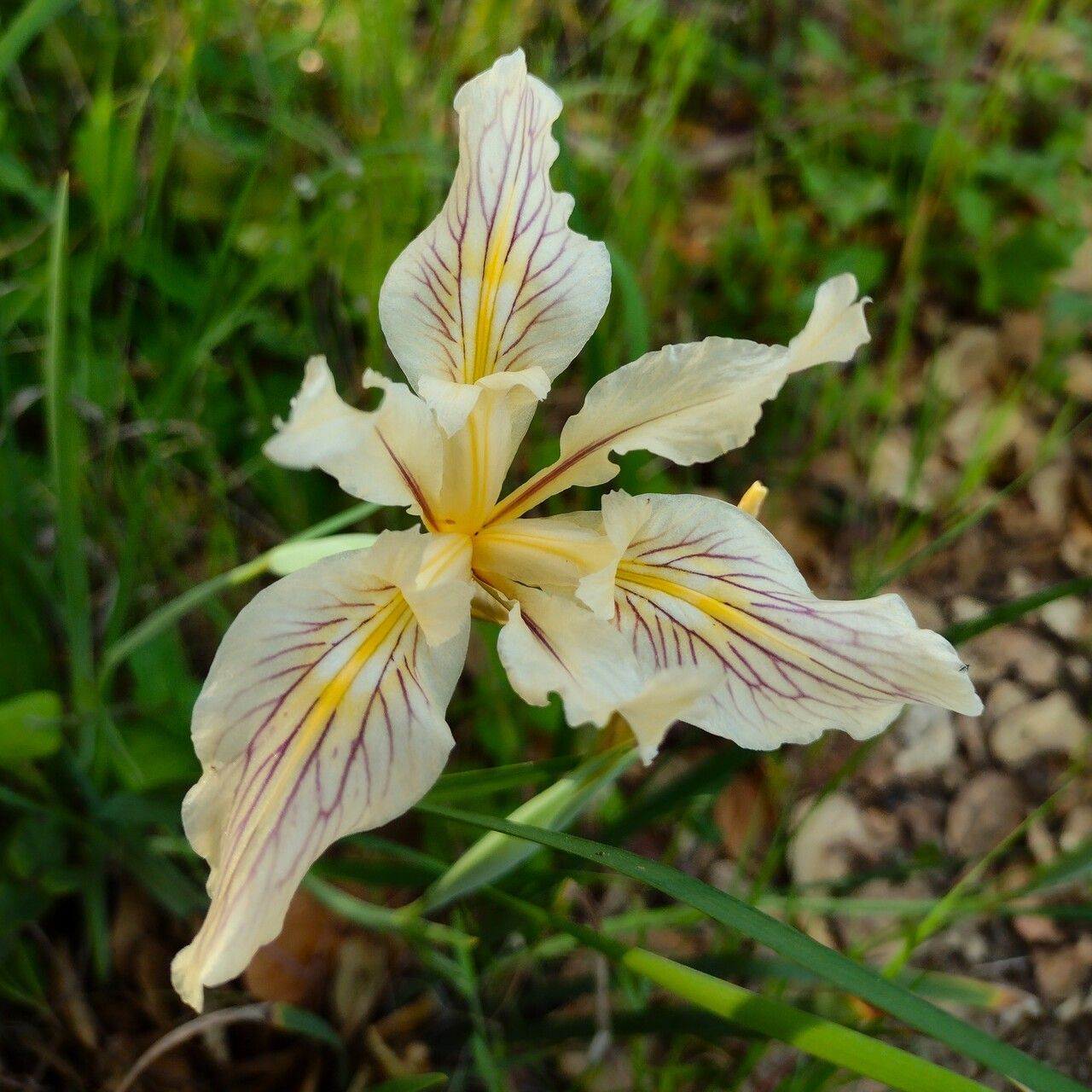
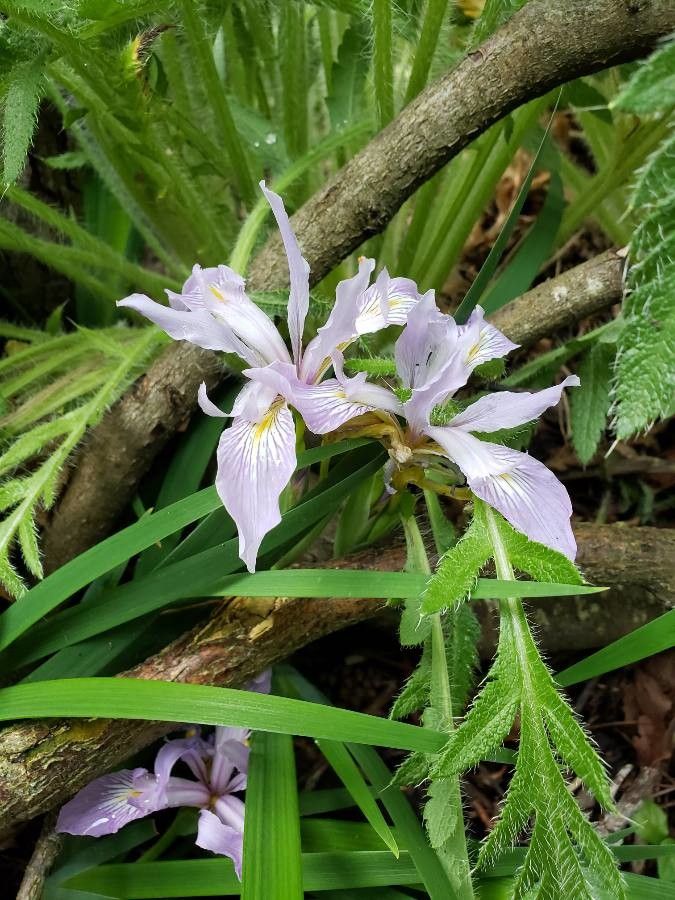
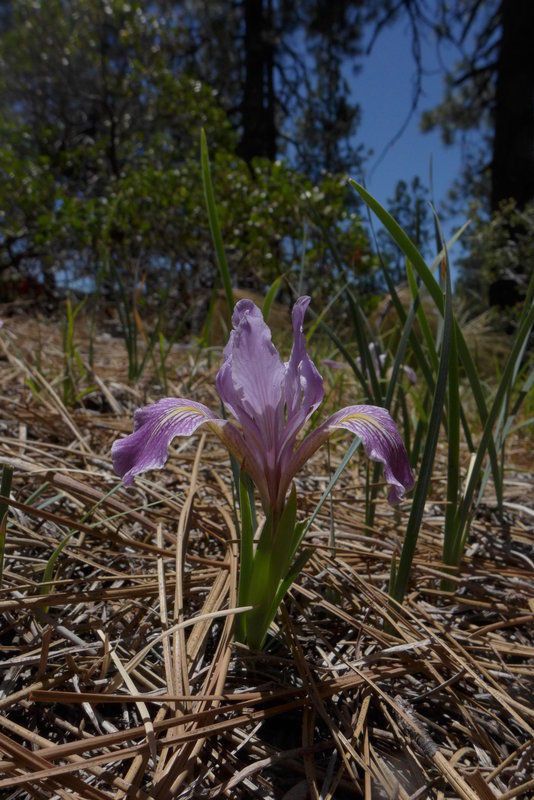
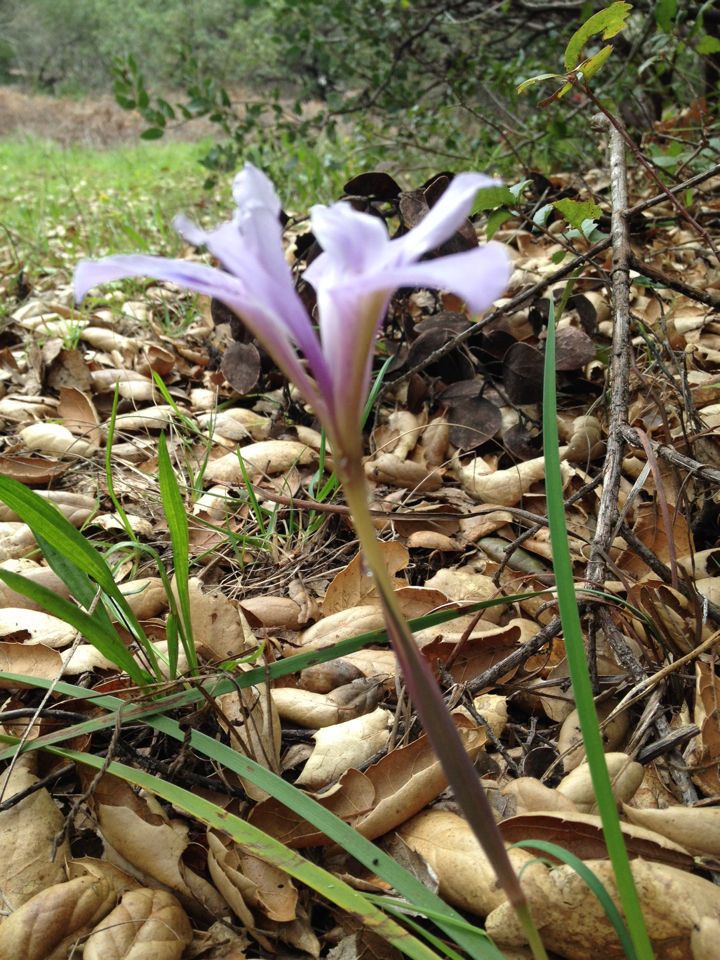
It features long, narrow leaves arranged in a fan-like pattern, reaching up to 60 cm in length. The flowers of Iris macrosiphon are large and striking, with six petals that range in color from deep blue-purple to lavender or white, often adorned with yellow markings on their falls.
Iris macrosiphon thrives in moist soil conditions and partial shade but can also tolerate full sun exposure. It blooms from late spring through early summer, attracting pollinators such as bees, butterflies, and hummingbirds.
Indigenous peoples have historically utilized the Pacific Coast iris for medicinal purposes, employing it to treat headaches, stomachaches, colds, coughs, and other ailments.
Overall, Iris macrosiphon is an attractive ornamental plant for gardens due to its beautiful, diverse-colored flowers. It is an excellent choice for gardeners seeking a low-maintenance yet stunning addition to their garden landscape.
How to keep Iris Macrosiphon.
Light
Bowltube Iris prefers plenty of light and does best when exposed to sun for most of the day. It can also do adequately in spots that get sun only part of the day. Too much sun can harm it, causing leaves to become dry and discolored, while too little light can lead to reduced growth and fewer flowers. It originally grew in environments with abundant sunlight.
Water
The Bowltube Iris, native to moderate climates, thrives with consistent moisture as long as it avoids waterlogging. Once established, this plant becomes drought-tolerant, needing only weekly watering to remain healthy. During its active growing season, natural rainfall can improve both its growth and flowering.
Temperature
Bowltube Iris is native to areas with moderate to warm temperatures, specifically ranging from 59 to 95 °F (15 to 35 ℃). To maintain healthy growth year-round, temperature adjustments may be necessary during extreme seasonal variations.
Fertilizer
The best time to fertilize Bowltube Iris is in early spring, when the flowers are beginning to form. Using the appropriate fertilizer promotes stronger blooms and helps Bowltube Iris produce attractive flowers. Fertilizing in early spring supports excellent flowering during the season and supplies energy for dormant growth phases.
Pruning
Bowltube Iris features slender stems and tubular flowers. To promote healthy growth, prune the plant from early to late spring by removing spent blooms and dead foliage. Be careful not to cut healthy leaves, as they are essential for photosynthesis. Proper pruning helps prevent diseases and improves the plant's vigor and appearance.
Botanical profile.
- Plant Type
- Herb
- Life Cycle
- Perennial
- Genus
- Iris
- Family
- Iridaceae
- Hardiness Zone
- 8-10
- Mature Height
- 40 cm
- Mature Spread
- 30 cm
- Leaf Color
- Green, Dark Green
- Leaf Type
- Semi-evergreen
- Flower Color
- Yellow, Purple, Blue
- Flower Size
- 5.08 cm to 6.35 cm
- Bloom Time
- Mid spring, Late spring
- Planting Time
- Spring, Summer
- Harvest Time
- Early summer, Mid summer
Other names.
Reader questions.
How should I water my Bowltube Iris?
To ensure the health of your Bowltube Iris, it's best to water it with filtered, room temperature water. Tap water may contain harmful particles, so using filtered water is preferable. Since the Bowltube Iris is accustomed to warm climates, avoid using cold water as it may be a shock to the plant. Additionally, overhead watering should be avoided as it can cause problems with the foliage. Instead, gently soak the soil with your filtered, room temperature water until it is fully saturated. This helps keep the roots moist and allows them to spread and absorb essential nutrients from the soil.
What are the sunlight requirements for Bowltube Iris?
Bowltube Iris thrives best when exposed to full sun, which means it requires more than 6 hours of sunlight daily. It can also grow well in partial sun, receiving about 3-6 hours of sunlight. However, it is crucial to monitor the plant's exposure to sunlight carefully. Too much direct sunlight can lead to dry, discolored leaves, while insufficient sunlight might cause stunted growth and fewer blossoms. Originally, the Bowltube Iris grew in environments with plenty of sunlight. In areas where natural sunlight is inadequate, artificial lighting can be employed to fulfill the plant's light requirements, especially during winter or in less sunny spaces. LED lights are recommended for indoor plant lighting due to their ability to provide specific wavelengths of light needed by plants. The intensity of the light (measured in watts per square foot) and the duration of exposure should mimic natural conditions as closely as possible to support healthy plant growth.
What is the ideal temperature for growing Bowltube Iris?
Bowltube Iris thrives in environments with moderate to warm temperatures, specifically within the range of 59 to 95°F (15 to 35°C). It has some tolerance to colder weather, but during extreme seasonal changes, adjustments may be necessary to maintain healthy growth. If temperatures are expected to drop below the plant's tolerable growing temperature minimum, temporary cold protection measures, such as wrapping the plant in plastic film, fabric, or other materials, should be taken. It's important to remove these protections once temperatures rise to ensure the plant's well-being.
What should I do if I give my Bowltube Iris plant too much or too little water?
Overwatering and underwatering can both harm your Bowltube Iris, but overwatering is more common. If you give this species too much water, its stems and leaves may wilt and turn yellow. Overwatering for a long time can also cause root rot, mold, and mildew, which can kill your plant. Bowltube Iris is not as likely to be underwatered because it can tolerate drought fairly well. However, underwatering can still happen, and in that case, the leaves may become brittle and brown. It's important to spot the signs of overwatering early when taking care of your Bowltube Iris. Some diseases caused by overwatering, like root rot, may be irreversible if you wait too long. If you notice early signs of overwatering, reduce your watering immediately. Check the soil quality of your Bowltube Iris, and if it drains poorly, replace it with a loose, well-draining potting mix. On the other hand, if you notice signs of underwatering, simply water more regularly until the signs go away.
How can I provide adequate light for my indoor Bowltube Iris plant?
For indoor Bowltube Iris plants not receiving enough natural sunlight, artificial lighting is a beneficial solution. Select the right type of artificial light, with LED lights being a popular choice because they can offer the specific wavelengths your plants need. The necessary intensity of artificial light varies based on the plant's sunlight needs: 30-50W/sq ft for full sun plants, 20-30W/sq ft for partial sun plants, and 10-20W/sq ft for full shade plants. Position the light source 12-36 inches above the plant to closely mimic natural sunlight conditions. Additionally, ensure that the lights are on for 8-12 hours per day to match the natural daylight hours your plant species would typically experience.
How should I care for Bowltube Iris in low temperatures?
Bowltube Iris has a moderate tolerance to low temperatures and thrives best when the temperature is maintained above its minimum suitable growth temperature. During winter, it's crucial to ensure that the temperature stays above its tolerable growing temperature minimum. Should the temperature fall below its limit growth temperature, the leaves may droop, and in severe cases, wilt and fall off. To help the plant recover from low temperature stress, trim off the frost-damaged parts. Before encountering low temperatures again, wrap the plant with non-woven fabric or cloth and construct a wind barrier to protect it from cold winds.
How frequently should I give water to my Bowltube Iris?
If your Bowltube Iris plant is in a pot, the most precise way to determine if it needs water is to check the soil by sticking your finger into it. If the top two to three inches of soil are dry, it's time to water. If you have your Bowltube Iris planted outdoors in the ground, you can use the same method to test the soil. When the top few inches of soil are dry, it's time to water. Typically, during spring and early fall, you'll need to water this plant about once a week. However, during extremely hot weather, you may need to water it two or more times a week. It's important to note that mature, well-established Bowltube Iris plants can tolerate dry conditions well.
What are common symptoms of light deficiency in Bowltube Iris?
Inadequate lighting can lead to several noticeable symptoms in Bowltube Iris. These include the development of smaller leaves compared to older ones, longer spaces between leaves or stems resulting in leggy or sparse growth, and early shedding of older leaves to conserve resources. Furthermore, the plant might experience halted or significantly slower new growth, the emergence of lighter-colored or pale new leaves due to insufficient chlorophyll, and conditions like chlorosis, where leaves lose their green color and turn yellow. Addressing these symptoms promptly by adjusting light exposure is key to the plant's health.
What should I do if Bowltube Iris experiences high temperatures?
During the summer, it's essential to keep Bowltube Iris below its maximum suitable growth temperature. Exceeding the tolerable growing temperature maximum can cause the leaves to lighten in color, tips to dry and wither, leaves to curl, and the plant to be more susceptible to sunburn. In such cases, trim away the sunburned and dried-up parts. To mitigate high temperature stress, move the plant to a shaded location or use a shade cloth to protect it from the midday and afternoon sun. Additionally, water the plant in the morning and evening to maintain soil moisture.
How much water does my Iris plant in the Bowltube need?
To properly water your Bowltube Iris, don't hesitate to give it a generous amount of water. Make sure the top two to three inches of soil are dry, and then water the plant thoroughly until the soil is completely soaked. It's important to add enough water so that excess water can drain out through the holes at the bottom of the pot. If you don't see any excess water draining, it means you haven't watered enough, but be careful not to let water accumulate in the soil as it can harm the plant. On the other hand, if water doesn't drain through the pot, it may indicate that the soil doesn't drain well, which can be harmful for the plant's health. If the plant is outside, it generally only needs about 1 inch of rain per week.
How do I treat light-induced symptoms in Bowltube Iris?
Treating light-induced symptoms in Bowltube Iris involves gradually increasing the plant's exposure to sunlight or using artificial lighting if natural light is insufficient. For indoor plants, gradually move them closer to a south-facing window, or use a desk or ceiling lamp to provide at least 8 hours of light daily. For outdoor plants, move them to a sunnier location each week to adapt without causing sunburn. If trees or other obstacles block sunlight, consider pruning to improve light exposure. For smaller plants that can be moved, transplant them during their dormant period to a location with better sunlight and drainage. Keep in mind that while parts of the plant damaged by insufficient light may not recover, new growth should be healthy with improved lighting conditions.
How do I water my Bowltube Iris as it grows?
The water needs of the Bowltube Iris can vary depending on its growth stages. In the first few years and after transplanting, you should give it more water than usual. This is because during these stages, the plant focuses on growing new roots to support future growth. These new roots perform best with a bit more moisture. As the plant matures, it will require less water. Additionally, during the bloom period, the plant may require more water due to the development of flowers.