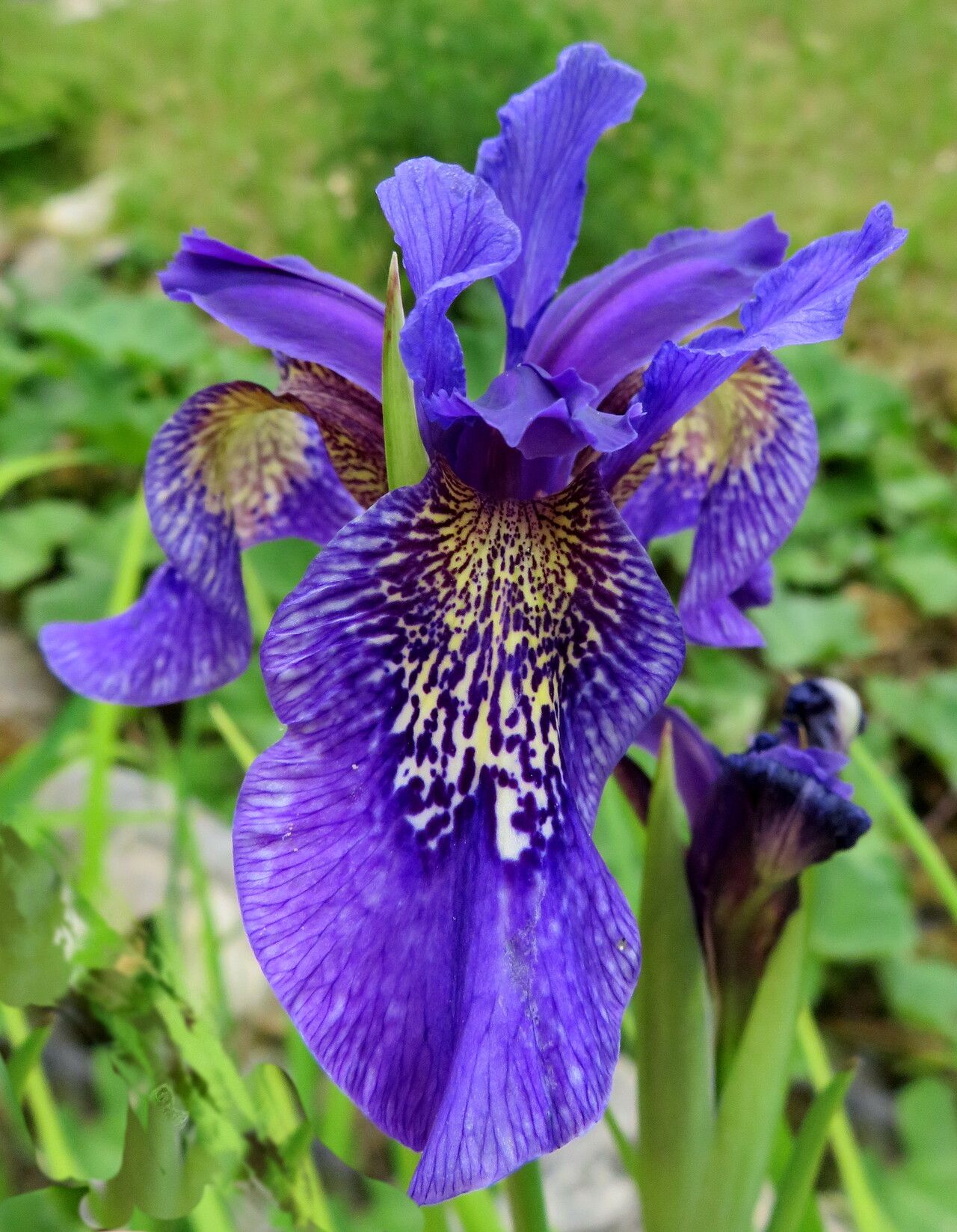
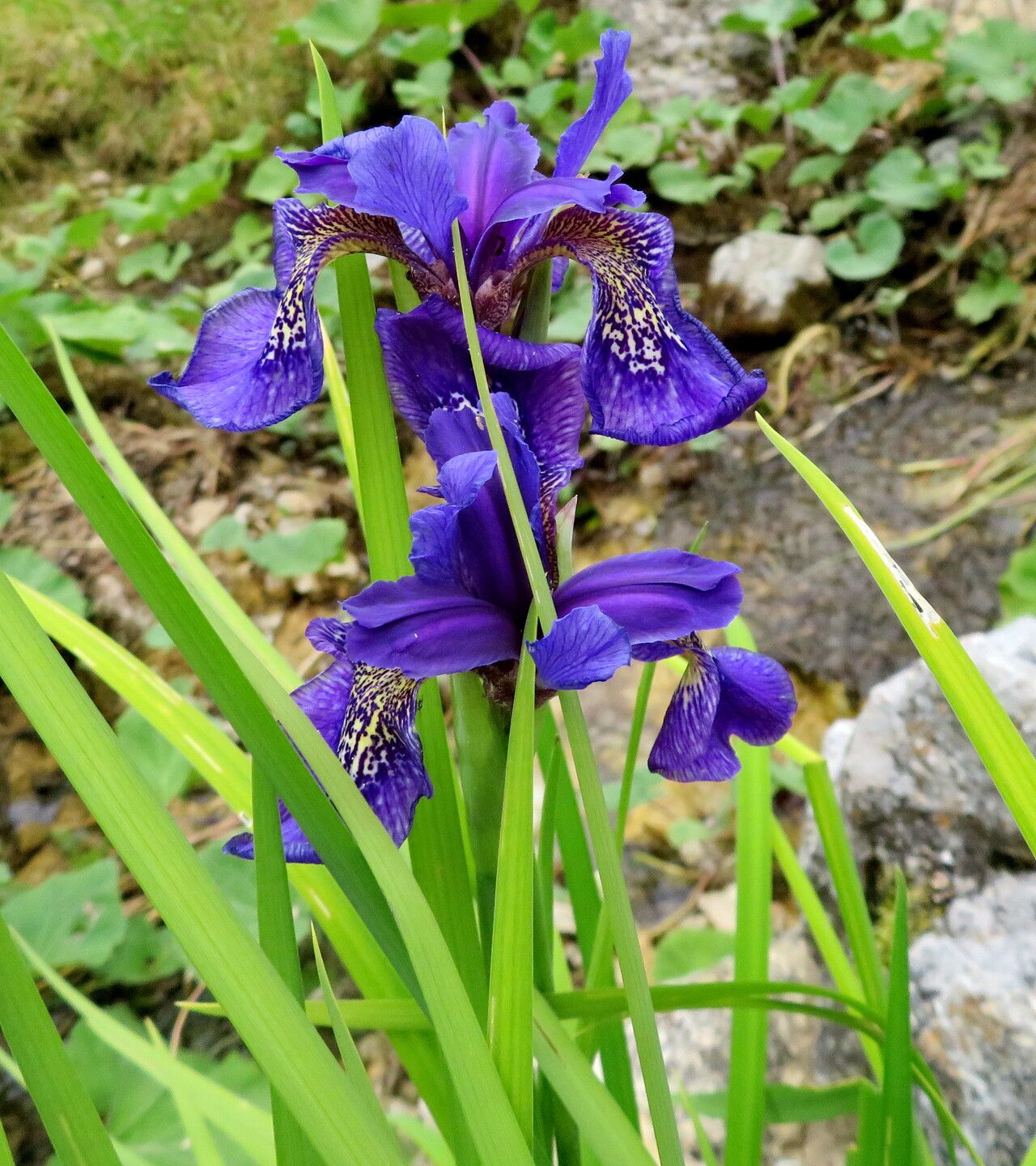
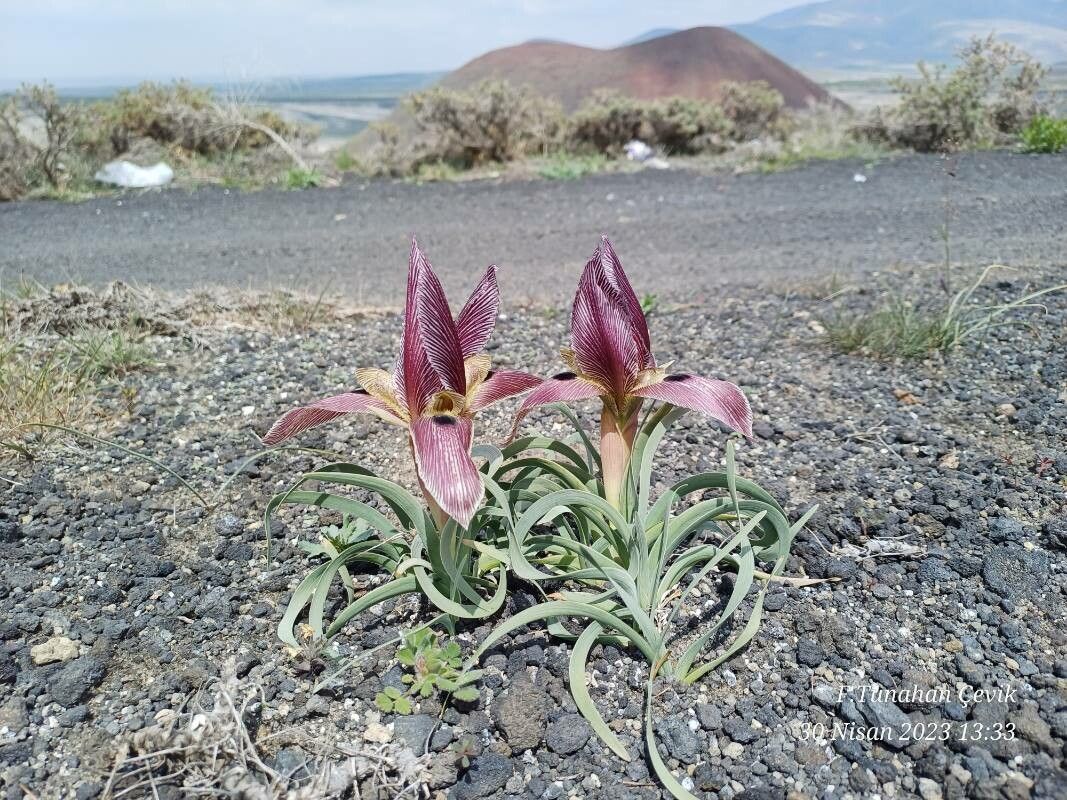
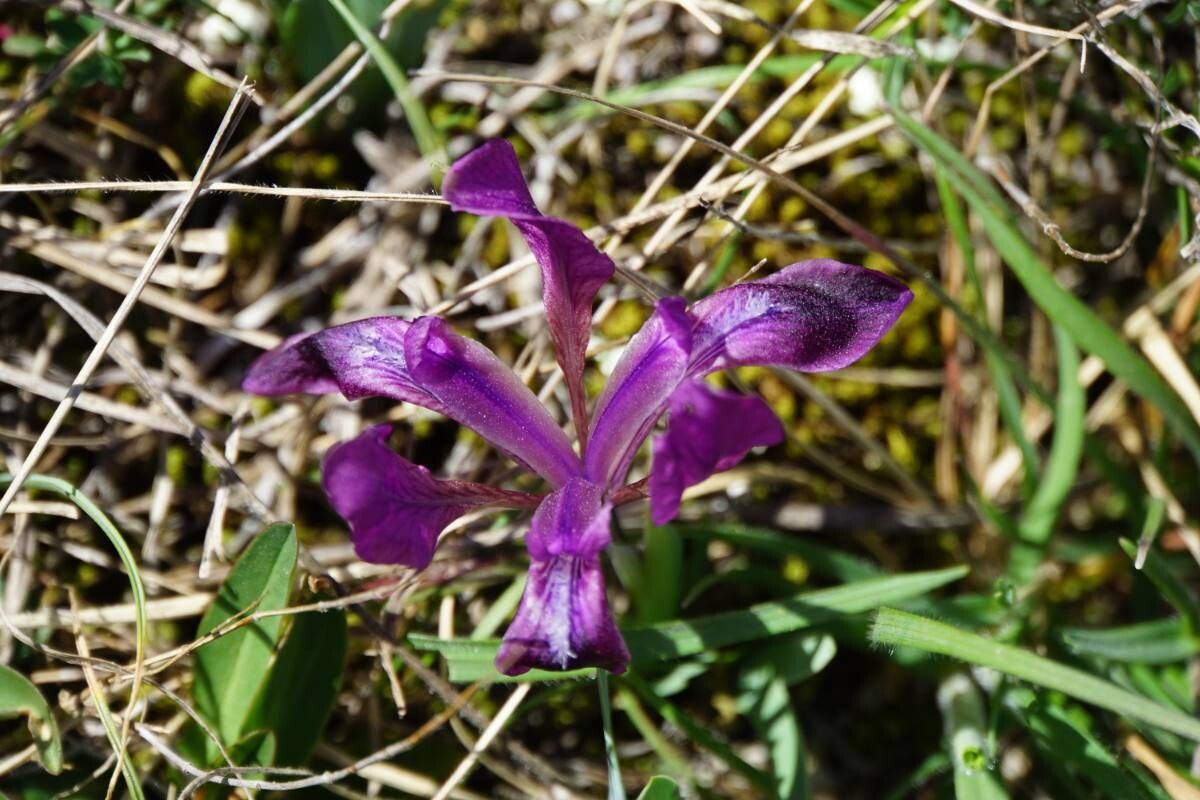
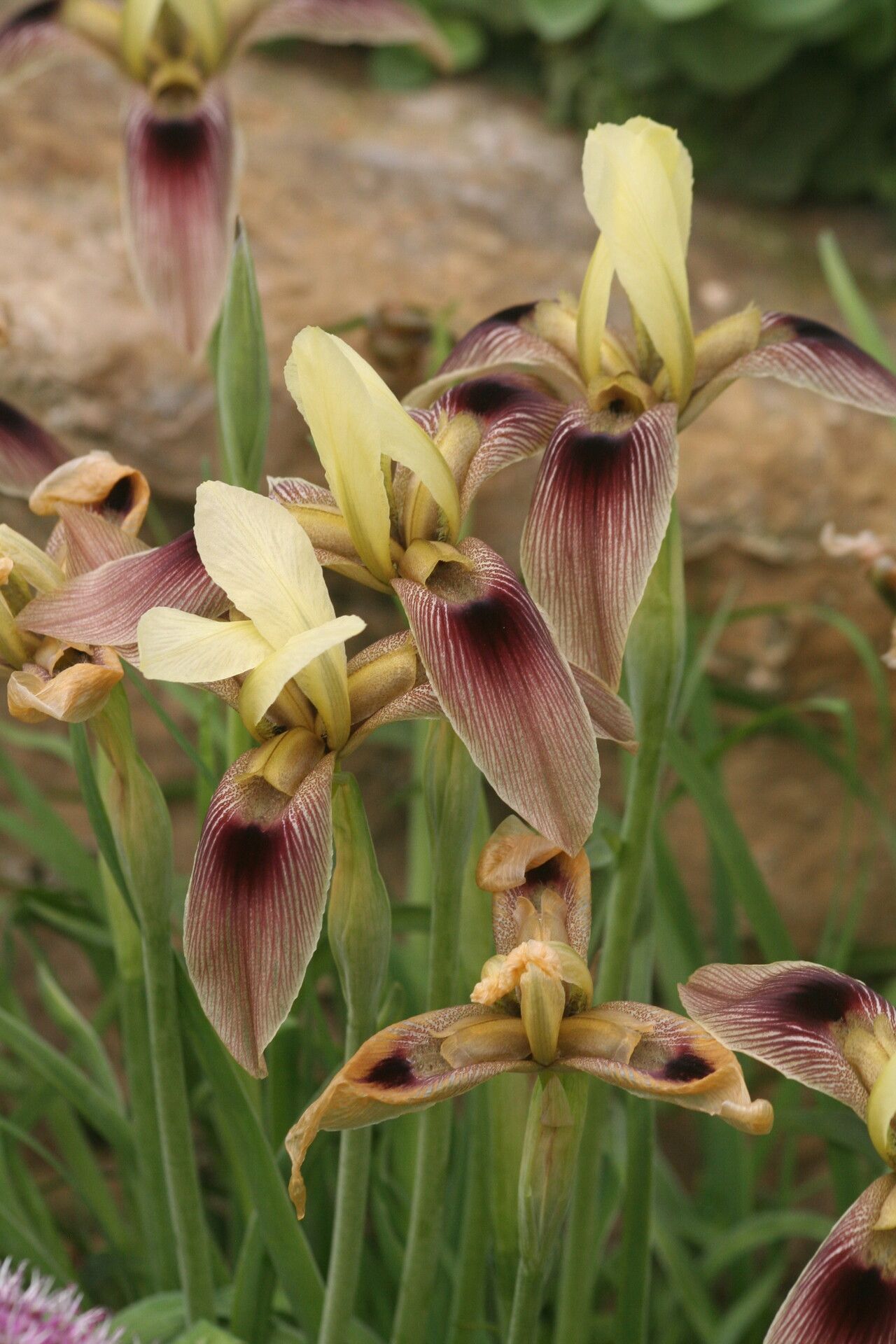
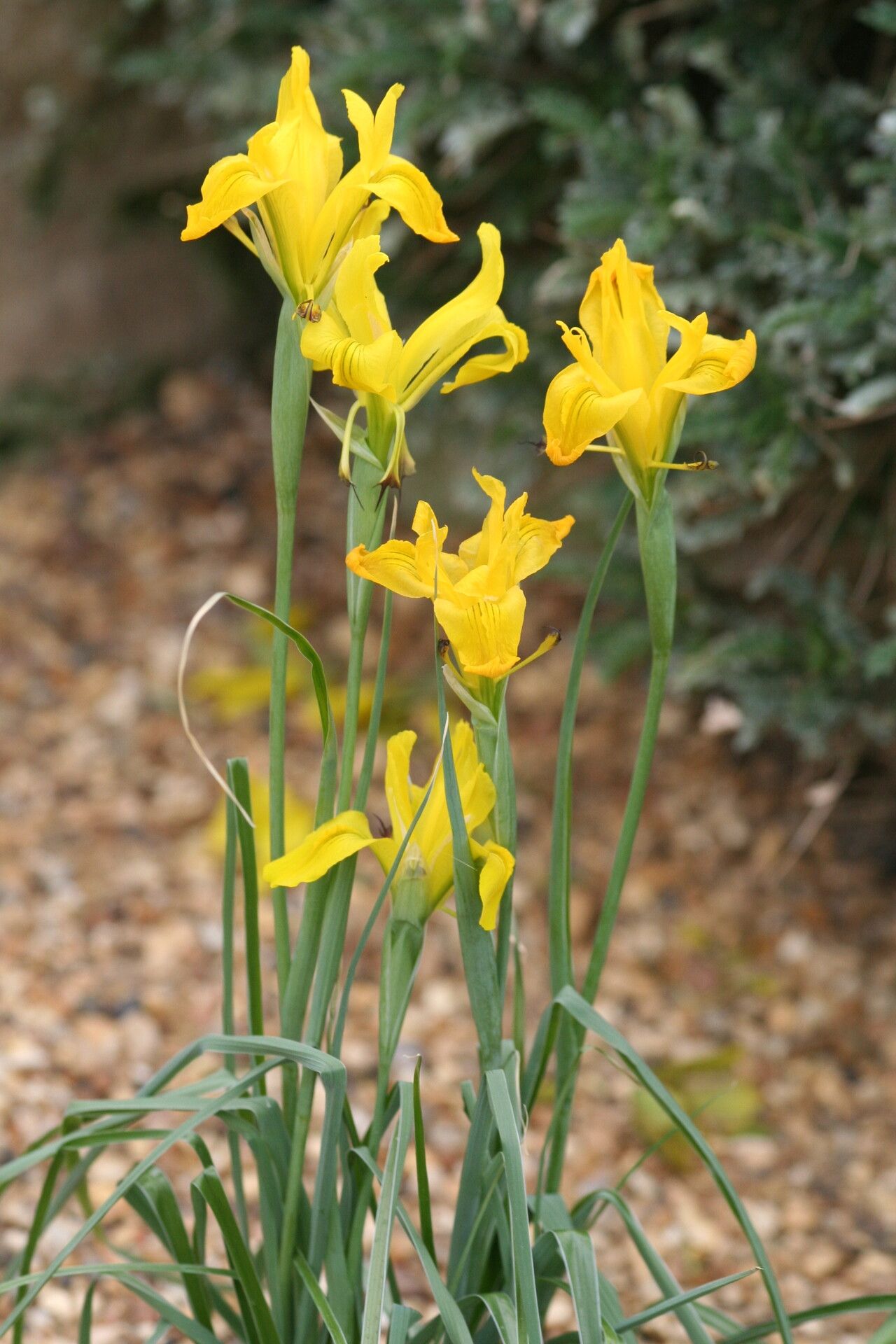
Iris longipetala is a species in the genus Iris, it is also in the subgenus Limniris and in the series Longipetalae. It is a rhizomatous perennial, from North America. It has dark green or bluish green, grass-like leaves, small stem and 3–8 flowers, that range from creamy-white, pale blue to lavender blue. It is cultivated as an ornamental plant in temperate regions.
Central coast iris has good resistance to disease and is generally not prone to ailments. However, it can be vulnerable to pests and diseases present in its surroundings. These infections are typically not serious. In terms of care, this plant requires moderate maintenance. It should be pruned regularly to maintain a tidy appearance and healthy growth. Fertilizing can also encourage blooming. Central coast iris is suitable for anyone with outdoor space, such as a garden or patio, and does not demand extensive gardening experience. It may need more attention when grown indoors.
How to keep Iris Longipetala.
Light
central coast iris does best in spots that receive plenty of sunlight for most of the day. It can tolerate some shade, but a sunny setting promotes healthy development. In its native range it is found in places with ample sunshine. Extremely shady or excessively exposed conditions can both prevent the central coast iris from growing and flowering properly.
Water
The Central Coast iris flourishes in consistently moist conditions, favoring soil that stays evenly damp without extreme dryness or saturation. Watering weekly helps maintain adequate moisture, while natural rainfall boosts its growth during the active season. To keep this plant healthy and thriving, it's essential to mimic its native woodland habitat.
Temperature
Central coast iris does best in its natural habitat where temperatures commonly range from 32 to 77 °F (0 to 25 ℃). Because it prefers cooler climates, adjustments are advisable in warmer seasons. For optimum results, keep it cooler during summer.
Fertilizer
For Central coast iris, the primary time to fertilize is in early spring as the flowers are forming. The appropriate fertilizer promotes better blooms and helps Central coast iris produce attractive flowers. Fertilizing in early spring ensures excellent flowers during the season and supplies energy for dormant growth phases.
Pruning
The Central Coast iris has long, striking petals and thrives in well-drained soil. To maintain its health and appearance, prune dead leaves in early spring and trim the flower stems after blooming in late spring. Regular pruning enhances air circulation, but be careful not to over-prune to preserve the plant's natural shape.
Botanical profile.
- Plant Type
- Herb
- Life Cycle
- Perennial
- Genus
- Iris
- Family
- Iridaceae
- Hardiness Zone
- 3
- Mature Height
- 30 cm to 61 cm
- Mature Spread
- 49 cm
- Leaf Color
- Green
- Leaf Type
- Deciduous
- Flower Color
- White, Yellow, Purple
- Flower Size
- 10.16 cm to 15.24 cm
- Bloom Time
- Mid spring, Late spring
- Planting Time
- Spring
- Harvest Time
- Early summer, Mid summer
Other names.