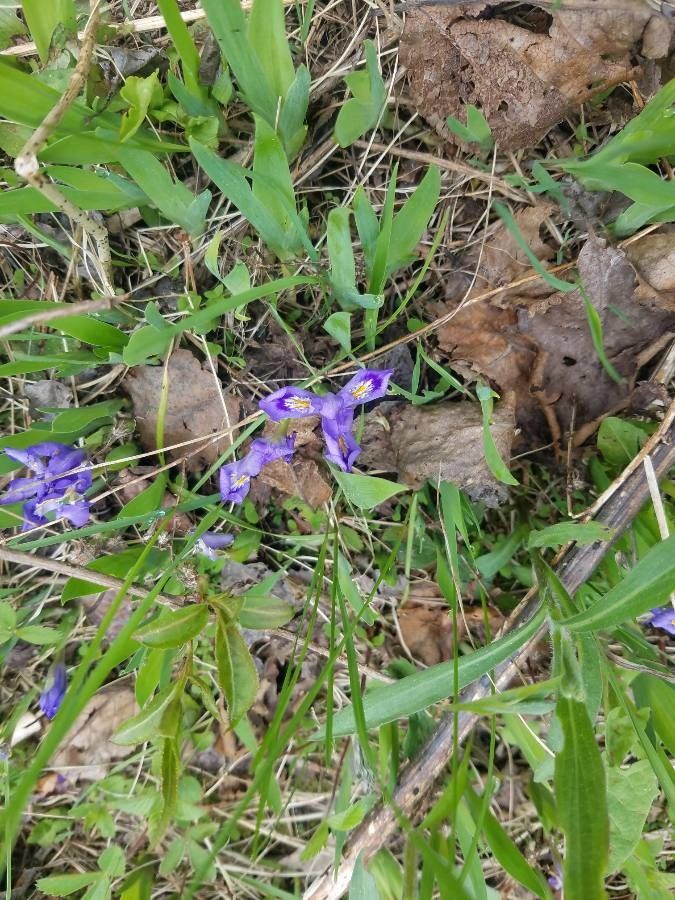
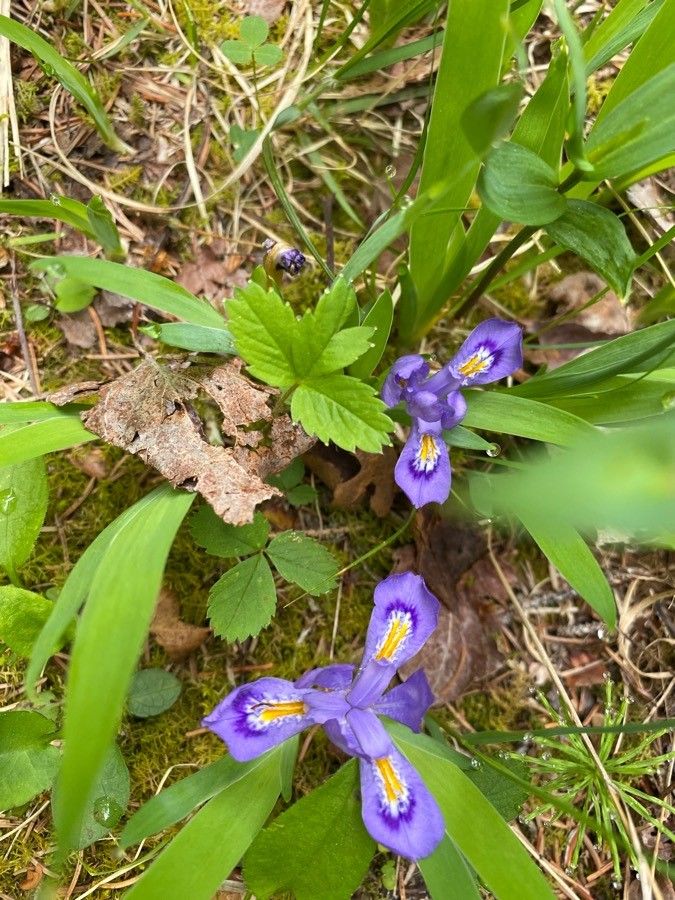
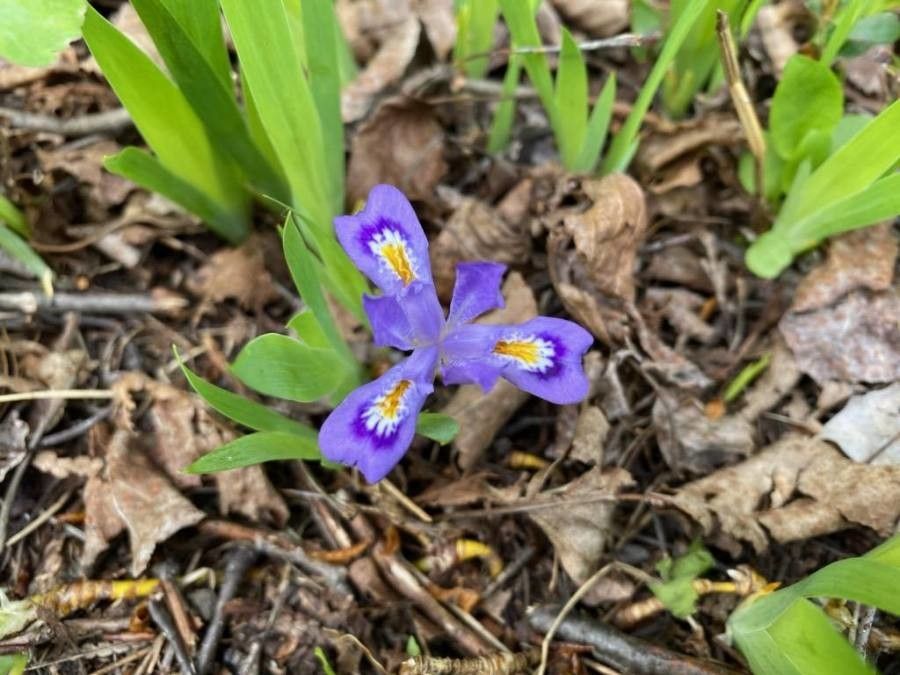
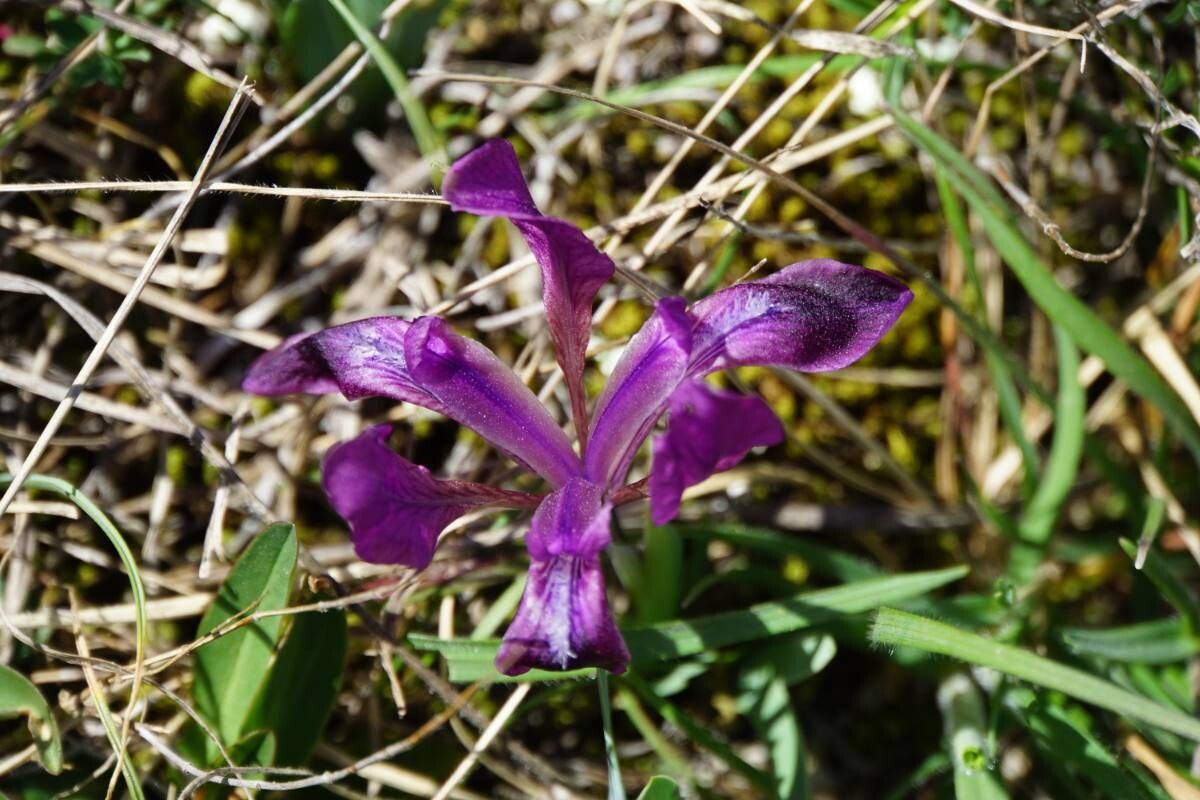
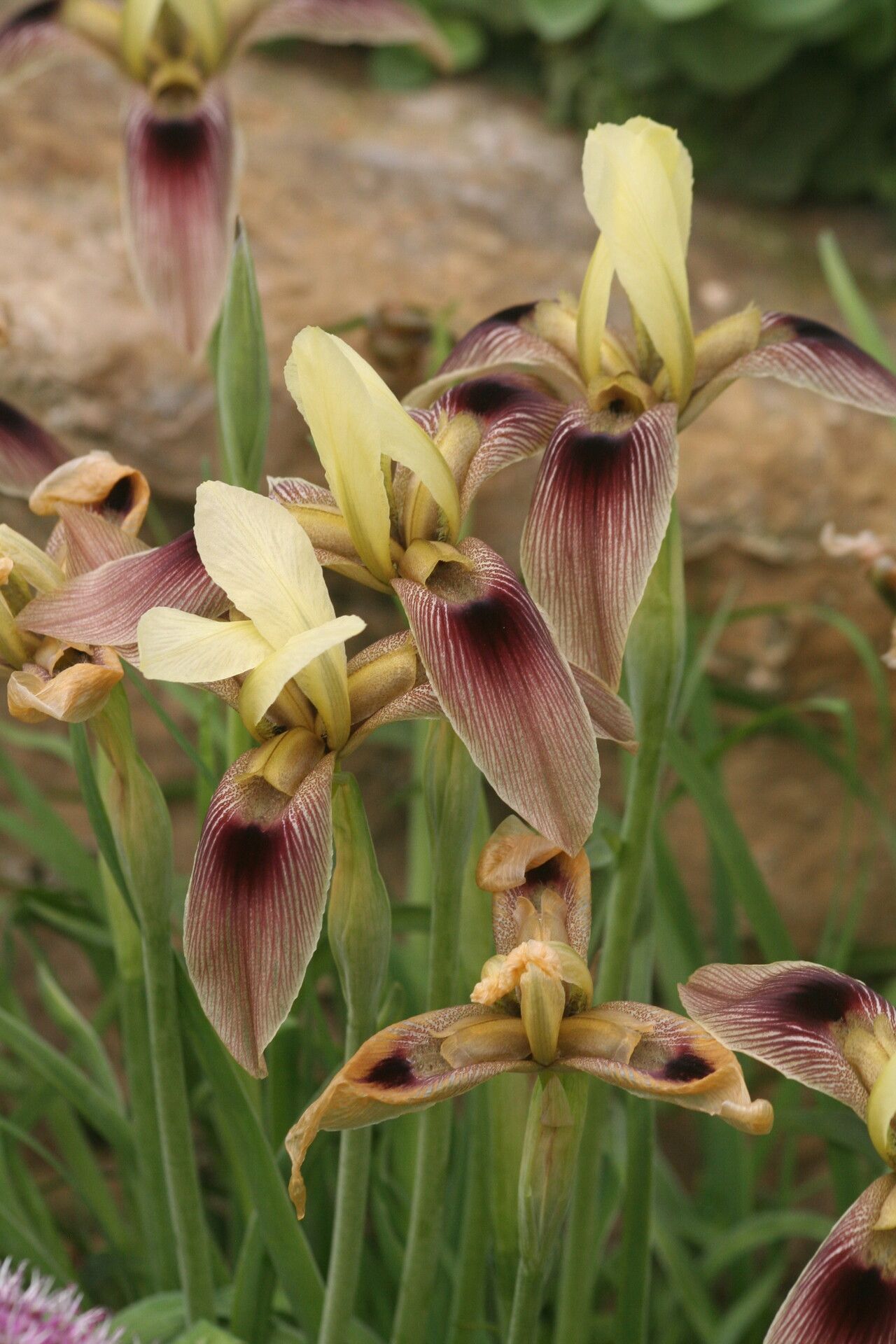
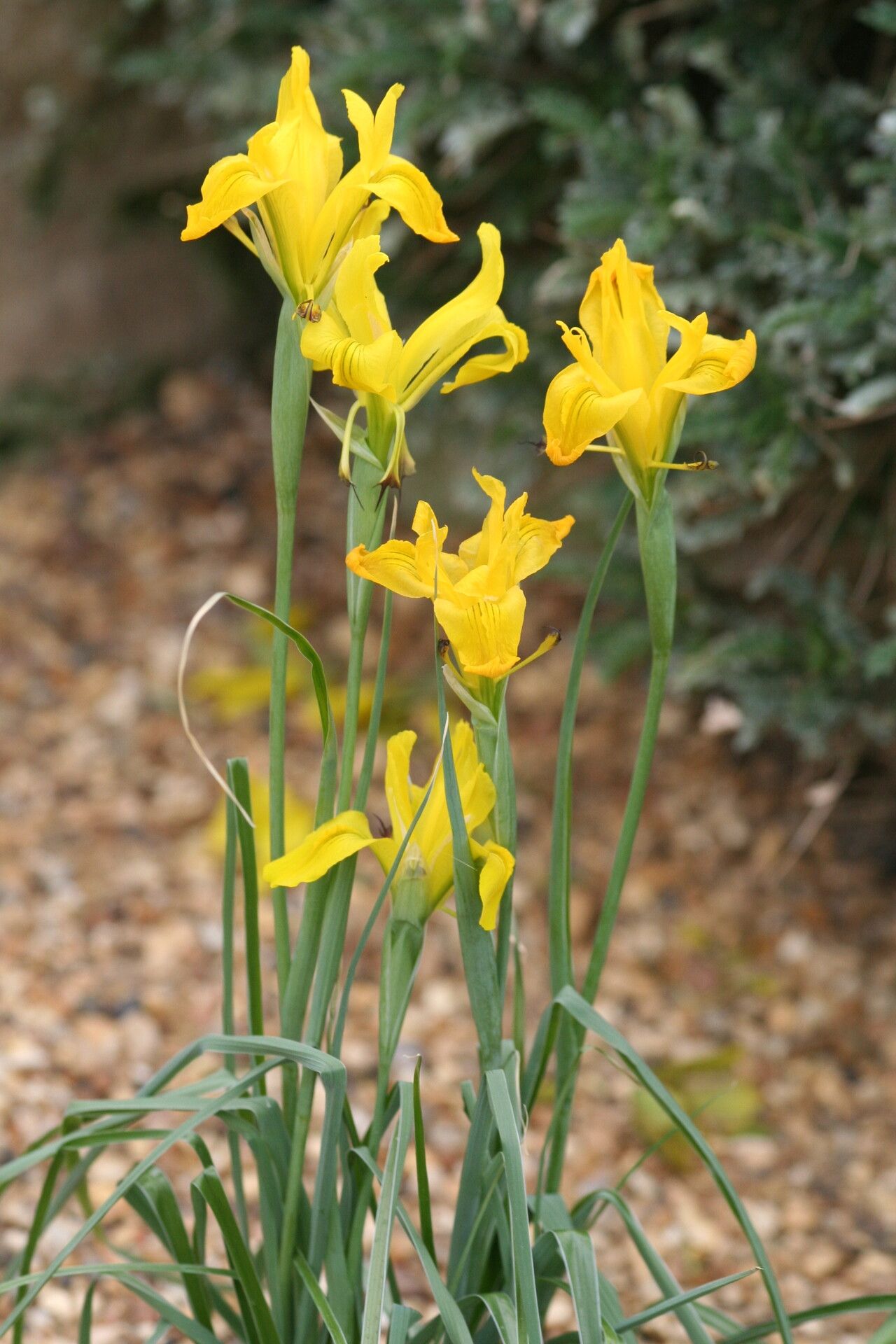
Iris lacustris, commonly known as the dwarf lake iris, is a delicate perennial plant belonging to the Iridaceae family. Native to North America, it thrives in wetlands, bogs, and along the shores of lakes in Michigan, Wisconsin, and Ontario.
The plant features narrow leaves that can grow up to 20 cm long. Its flowers are striking, ranging in color from pale blue-violet to deep purple-blue, and bloom from May through June. The flowers appear on stems that can also reach up to 20 cm in height.
Unfortunately, Iris lacustris is an endangered species, primarily due to habitat loss caused by human activities such as land development and the introduction of invasive species. Various organizations have undertaken conservation efforts, including planting programs aimed at restoring its natural habitat.
Since 1998, the dwarf lake iris has been recognized as Michigan's state wildflower, admired for its beauty and rarity. It is also considered a crucial indicator species for wetland health, as it requires specific environmental conditions to thrive.
In sum, Iris lacustris is a unique plant with beautiful flowers, playing a vital role in maintaining healthy wetland ecosystems and symbolizing conservation efforts to preserve endangered species.
The dwarf lake iris is fairly disease-resistant and is usually not prone to illnesses. However, it can be vulnerable to pests and diseases present in its environment. These problems are typically not serious. In terms of care, the plant requires moderate maintenance. It should be pruned regularly to keep a good appearance and encourage healthy growth. Fertilizing can also help stimulate flowering. The dwarf lake iris is suitable for anyone with an outdoor area, such as a garden or patio, and does not call for extensive care experience. It may need more attention if kept indoors.
How to keep Iris Lacustris.
Light
The dwarf lake iris performs best when exposed to strong light all day for optimal growth and health. It can also do well in locations with moderate daytime light. Too little light may limit its growth, while excessive light could be harmful. Originating from habitats marked by bright light conditions, it can adjust to changes in light intensity.
Water
The dwarf lake iris thrives in moist environments, preferring regular watering without becoming waterlogged. To mimic its natural habitat, it's recommended to water it weekly. The plant also benefits from well-draining soil, which helps maintain balanced moisture levels for optimal growth during its growing season.
Temperature
Dwarf lake iris can tolerate a broad range of temperatures, but its range may still be constrained by different combinations of moisture and heat. It grows best in warm summer conditions with sufficient rainfall or watering. Extended periods of cloudy, rainy weather, as well as prolonged high temperatures, can raise the chance of Dwarf lake iris dying. In winter, appropriate protection from cold can enhance the plant's survival rate.
Fertilizer
The best time to fertilize a Dwarf lake iris is in early spring, as it emerges from dormancy and starts active growth. Fertilization supplies essential nutrients for healthy development. Although Dwarf lake iris has fairly low fertilizer requirements, annual feeding can improve its survival and encourage better, longer-lasting blooms.
Pruning
The Dwarf Lake Iris is known for its vibrant blue flowers and compact growth. To keep the plant healthy, it's best to prune it after it blooms, which typically occurs from early to late spring. During pruning, remove spent flowers and dead foliage to conserve the plant's energy and promote overall health. Using clean tools during this process helps prevent the spread of disease. Additionally, regular pruning improves airflow and enhances the plant's vigor.
Botanical profile.
- Plant Type
- Herb
- Life Cycle
- Perennial
- Genus
- Iris
- Family
- Iridaceae
- Hardiness Zone
- 3-7
- Mature Height
- 10 cm to 15 cm
- Mature Spread
- 5 cm
- Leaf Color
- Green
- Leaf Type
- Evergreen
- Flower Color
- Lavender
- Flower Size
- 4.06 cm to 6.35 cm
- Bloom Time
- Mid spring, Late spring
- Planting Time
- Spring, Summer
- Harvest Time
- Early summer, Mid summer
Other names.
Reader questions.
How should I water my Dwarf lake iris?
When watering the Dwarf lake iris, it is best to use filtered water that is at room temperature. Tap water may contain harmful particles, so filtered water is preferred. The plant prefers water that is at room temperature or slightly warmer because it is used to a warm environment. Cold water can be a shock to its system. It is also important to avoid overhead watering, as it can lead to issues with the foliage. Instead, apply the filtered room temperature water directly to the soil until it is completely soaked. This helps to moisten the roots and allows them to spread through the soil and absorb the necessary nutrients.
Why should I put fertilizer on my Dwarf lake iris?
The main structure of the Dwarf lake iris consists of its leaves. Fertilization is important for maintaining the health and appearance of these leaves. By fertilizing properly, you can ensure that the leaves of your Dwarf lake iris have a consistent color and a healthy texture. Fertilization also has benefits below the surface of the soil. It helps your plant develop new roots and maintain the existing ones in its root system. This means that fertilization not only keeps your plant healthy in the present, but also improves its ability to absorb nutrients from the soil in the future.
What are the sun requirements for Dwarf Lake Iris?
Dwarf Lake Iris requires varying amounts of sunlight depending on the specific needs of the plant. Full sun exposure is defined as above 6 hours of sunlight per day, while partial sun exposure is about 3-6 hours of sunlight each day. It's important to observe how sunlight moves through your garden to choose the best spots that provide a balanced light and shade, ensuring optimal growth and health of your plants.
What is the Dwarf Lake Iris?
The Dwarf Lake Iris, known botanically as Iris lacustris, is a plant species with no further details provided regarding its essentials or symptoms. Additional information was not included in the given data.
What should I do if I give too much or too little water to my Dwarf lake iris?
Overwatering is a common problem for Dwarf lake iris, causing wilting, yellowing leaves, and potential diseases like root rot, mold, and mildew. Underwatering is less common, but can result in brittle, brown leaves. It's important to notice and address overwatering signs quickly, as some diseases may be irreversible if left too long. Reduce watering if overwatering is suspected, and consider replacing poorly draining soil with a well-draining mix. Increase watering if signs of underwatering are present, and continue until the signs disappear.
When should I fertilize my Dwarf lake iris?
To maximize the growth of your Dwarf lake iris, you can follow these steps: 1. If you grow your Dwarf lake iris outdoors, it will start to send new growth in early spring. 2. This emergence of leaves signals that it's time to begin fertilization for the year. 3. Usually, one application of fertilizer in spring is sufficient for the Dwarf lake iris to thrive. 4. However, if you want to maximize its growth, you can fertilize it multiple times during the spring and early summer. 5. If you choose this approach, you can feed your Dwarf lake iris once every month to a month and a half.
What are the essentials for growing Dwarf Lake Iris successfully?
The Dwarf Lake Iris thrives best with intensive light exposure throughout the day for optimal growth and health. However, it can adapt well even in areas with moderate daylight exposure. Lack of sufficient light might hinder its growth, whereas too much light could be detrimental. When natural sunlight is insufficient, especially during winter or in less sunny spaces, artificial lighting can be a great solution to provide the necessary lumens for healthy growth. Opt for LED lights that can be tailored to the specific wavelengths needed by your plants. Full sun plants generally need 30-50W per square foot of artificial light, partial sun plants require 20-30W per square foot, and full shade plants need 10-20W per square foot.
How much water does my Dwarf lake iris need?
If your Dwarf lake iris is in a pot, you can easily determine when it needs water by sticking your finger into the soil. If the top two to three inches of soil feel dry, it's time to water it. If you have planted your Dwarf lake iris outdoors, you can follow the same method to check the soil moisture. When the top few inches of soil feel dry, it's time to water. Normally, during spring and early fall, you will need to water this plant about once a week using this method. However, during extremely hot weather, you may need to increase watering to twice or more per week. It's worth mentioning that mature and established Dwarf lake iris plants are quite resilient to drought.
When is it a bad idea to add fertilizer to my Dwarf lake iris?
During late fall and winter, your Dwarf lake iris goes into a dormant phase and stops producing new growth. It's best to avoid fertilizing it during this time. In spring and summer, you can fertilize it multiple times, but as summer approaches, you should reduce the amount of fertilizer you use because the iris's growth rate slows down. In general, it's not a good idea to fertilize your Dwarf lake iris when the weather is unusually hot or the soil is very dry. Doing so can stress the plant and cause it to die early.
What are the symptoms of light deficiency in Dwarf Lake Iris?
When Dwarf Lake Iris is placed in environments with inadequate lighting, several symptoms may appear including small leaves, leggy or sparse growth, faster leaf drop, slower or no new growth, lighter-colored new leaves, chlorosis, sunscald, leaf curling, wilting, and leaf scorching. These symptoms indicate issues ranging from insufficient light affecting the plant's growth to direct damage caused by excessive sunlight.
How much water does my Dwarf lake iris require?
When watering your Dwarf lake iris, it's important to give it a good amount of water. Make sure the first two to three inches of soil are dry before watering. Completely soak the soil, allowing excess water to flow out of the drainage holes at the bottom of the pot. If you don't see any excess water draining, you may not have watered enough. However, avoid letting water accumulate in the soil as this can harm the plant. If you're watering the plant outdoors, 1 inch of rain per week should be enough. Poorly draining soils should be avoided as they can harm the plant's health.
What kind of fertilizer does my Dwarf lake iris need?
Choosing the best fertilizer for a Dwarf lake iris is straightforward. These plants thrive on a general-purpose garden fertilizer with equal amounts of nitrogen, phosphorus, and potassium, like a 10-10-10 ratio. Avoid fertilizers with high nitrogen. Granular slow-release fertilizers are ideal. Organic soil amendments, such as compost, can also be helpful for feeding the Dwarf lake iris.