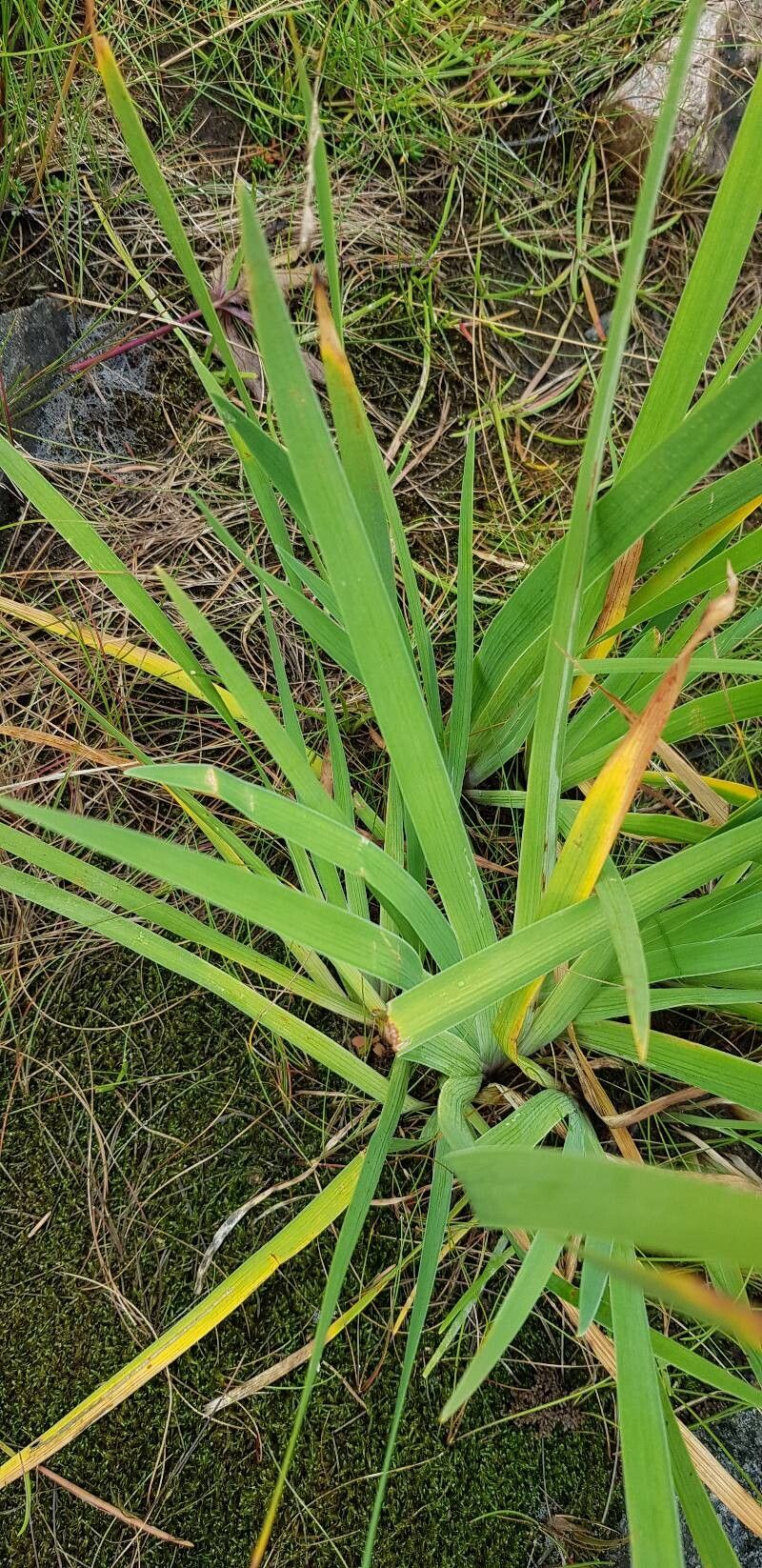
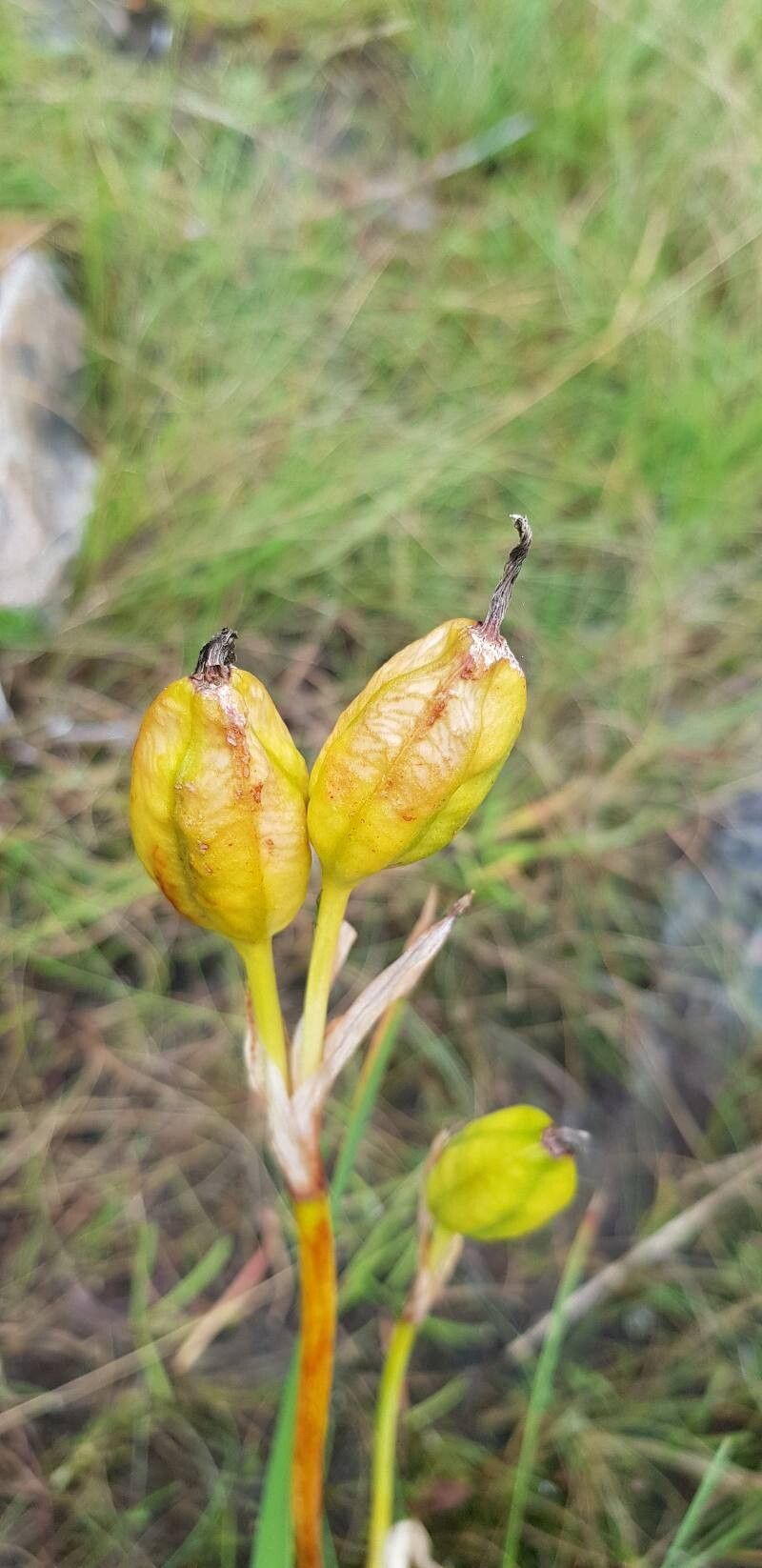
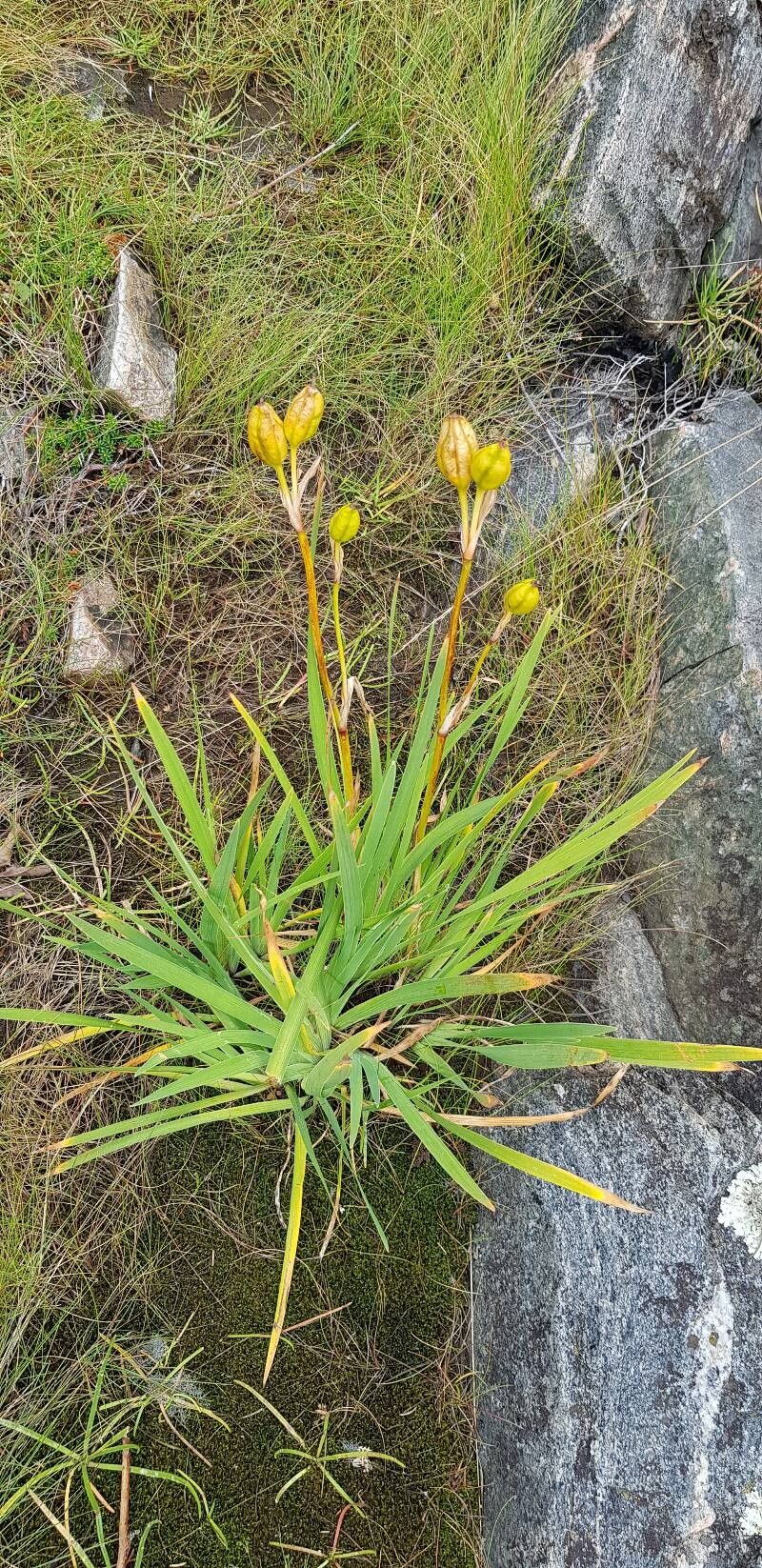
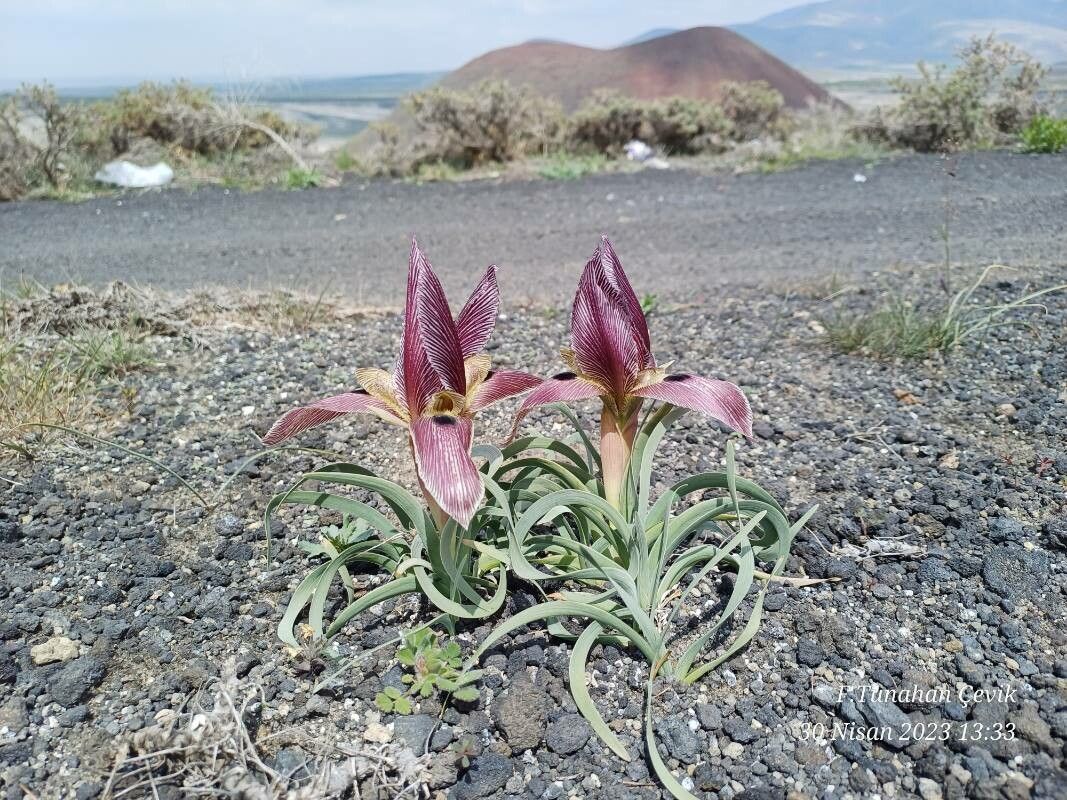
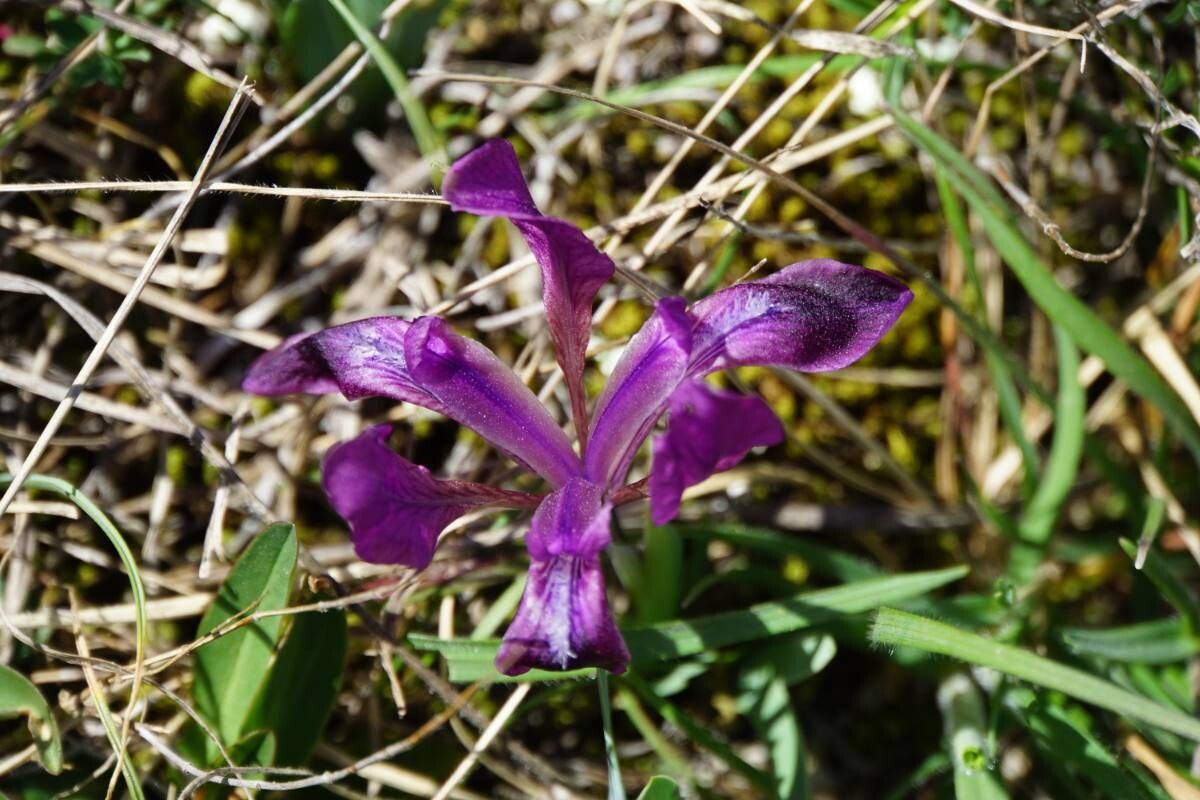
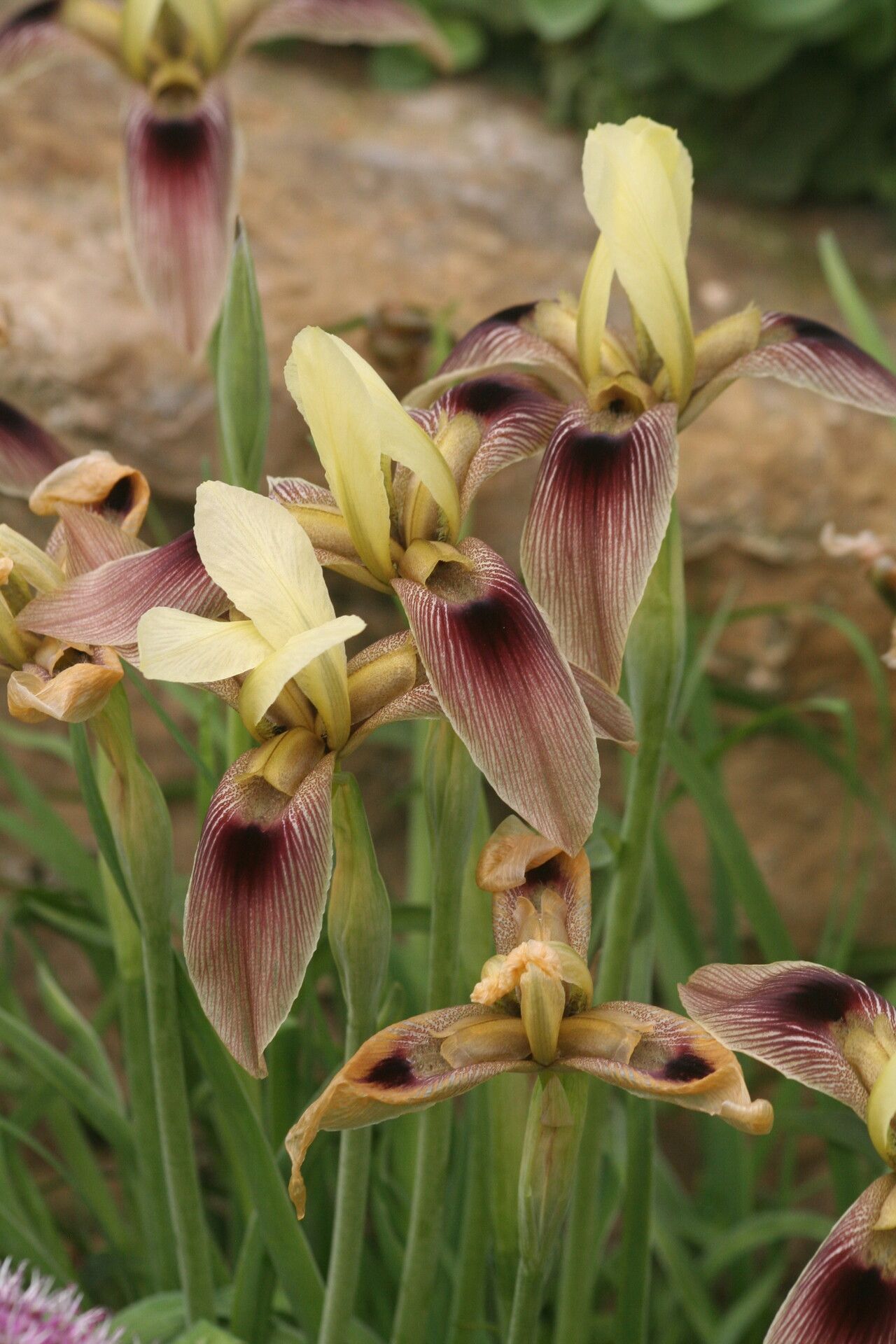
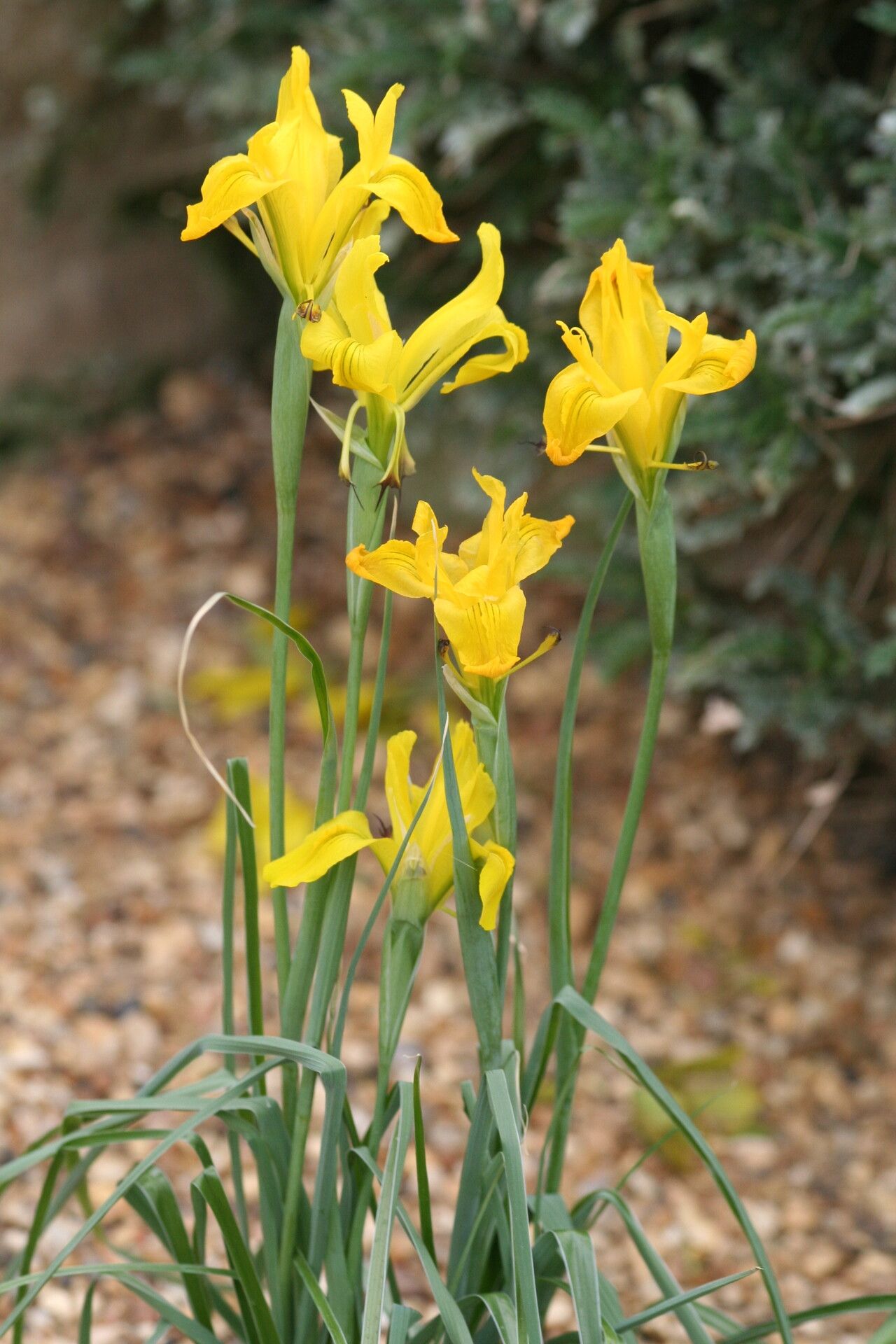
Iris hookeri, commonly called the beach head iris, is a species of Iris. It is endemic to sea coasts and beaches in Maine, in the Northeastern United States and also eastern Canada.
Iris hookeri is fairly resistant to disease and typically does not suffer from many illnesses. Still, it can be vulnerable to pests and diseases present in its environment, though these problems are generally mild. Regarding upkeep, this plant needs moderate maintenance. It should be trimmed on a regular basis to preserve its appearance and encourage healthy growth. Applying fertilizer can also support better flowering. Iris hookeri is well suited for anyone with outdoor space, such as a garden or patio, and doesn't demand extensive gardening experience. When kept indoors, it may need more attentive care.
How to keep Iris Hookeri.
Light
Iris hookeri is a perennial, herbaceous species that favors sunny conditions and comes from open habitats, often prospering in meadows and grasslands. It prefers full sun but will tolerate partial sun.
Water
Iris hookeri flourishes in moist conditions and needs regular weekly watering to keep the soil damp but not waterlogged. Although moderately drought-tolerant, this resilient and adaptable species does well in temperate gardens with varying rainfall levels.
Temperature
Iris hookeri can tolerate a wide range of temperatures, but its distribution may still be restricted by different combinations of moisture and heat. It performs best in warm summer conditions with sufficient rainfall or watering. Extended periods of cloudy, rainy weather, as well as prolonged high temperatures, can raise the likelihood of Iris hookeri dying. In winter, appropriate protection from the cold can improve the plant's chances of survival.
Fertilizer
Iris hookeri should be fertilized mainly in early spring as the flowers begin to form. An appropriate fertilizer promotes better blooms and helps Iris hookeri produce attractive flowers. Feeding in early spring ensures excellent flowers during the season and supplies energy for the plant’s dormant growth phases.
Pruning
Iris hookeri features vibrant blooms and robust foliage. To maintain its health and appearance, prune the plant from early to late spring. Remove any damaged leaves and trim the flower stalks to prevent seeding. Be sure to use sterile tools for pruning, as this helps improve air circulation and reduces the risk of disease, promoting healthier growth and enhancing its beauty.
Botanical profile.
- Plant Type
- Herb
- Life Cycle
- Perennial
- Genus
- Iris
- Family
- Iridaceae
- Hardiness Zone
- 3-9
- Mature Height
- 30 cm
- Mature Spread
- 20 cm
- Leaf Color
- Green, Dark Green
- Leaf Type
- Semi-evergreen
- Flower Color
- Purple, Lavender, White
- Flower Size
- 5.08 cm to 6.35 cm
- Bloom Time
- Late spring, Early summer
- Planting Time
- Spring, Summer
- Harvest Time
- Mid summer, Late summer
Other names.