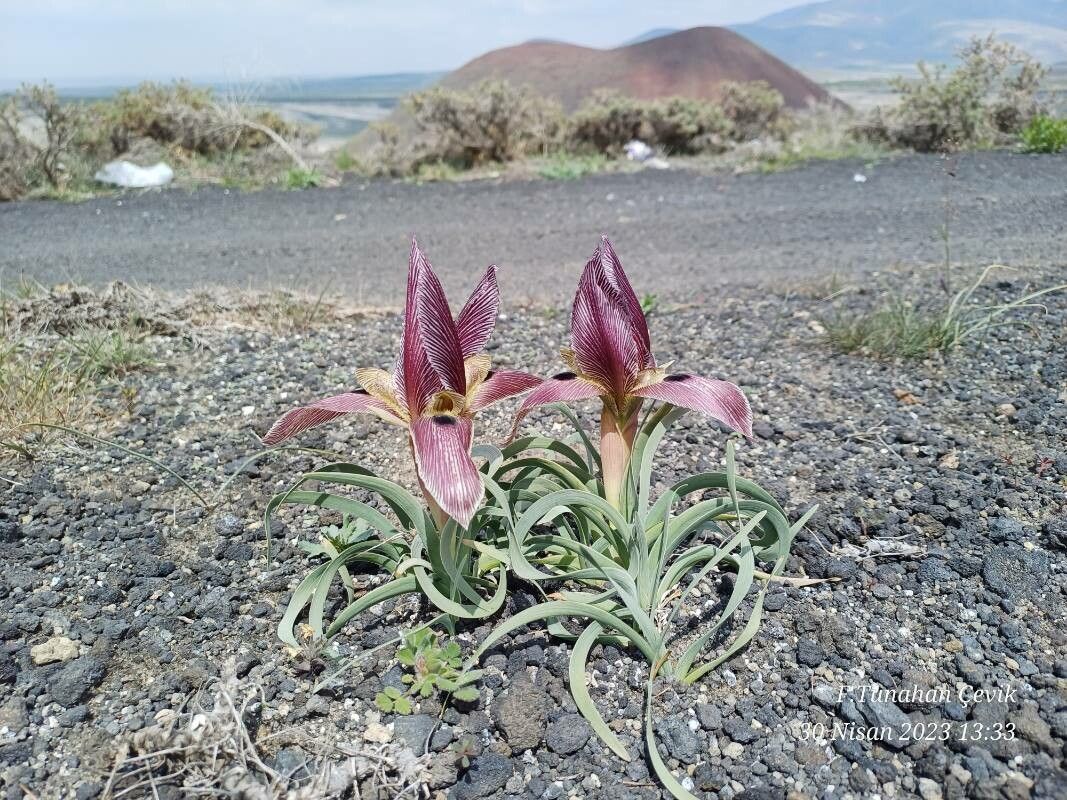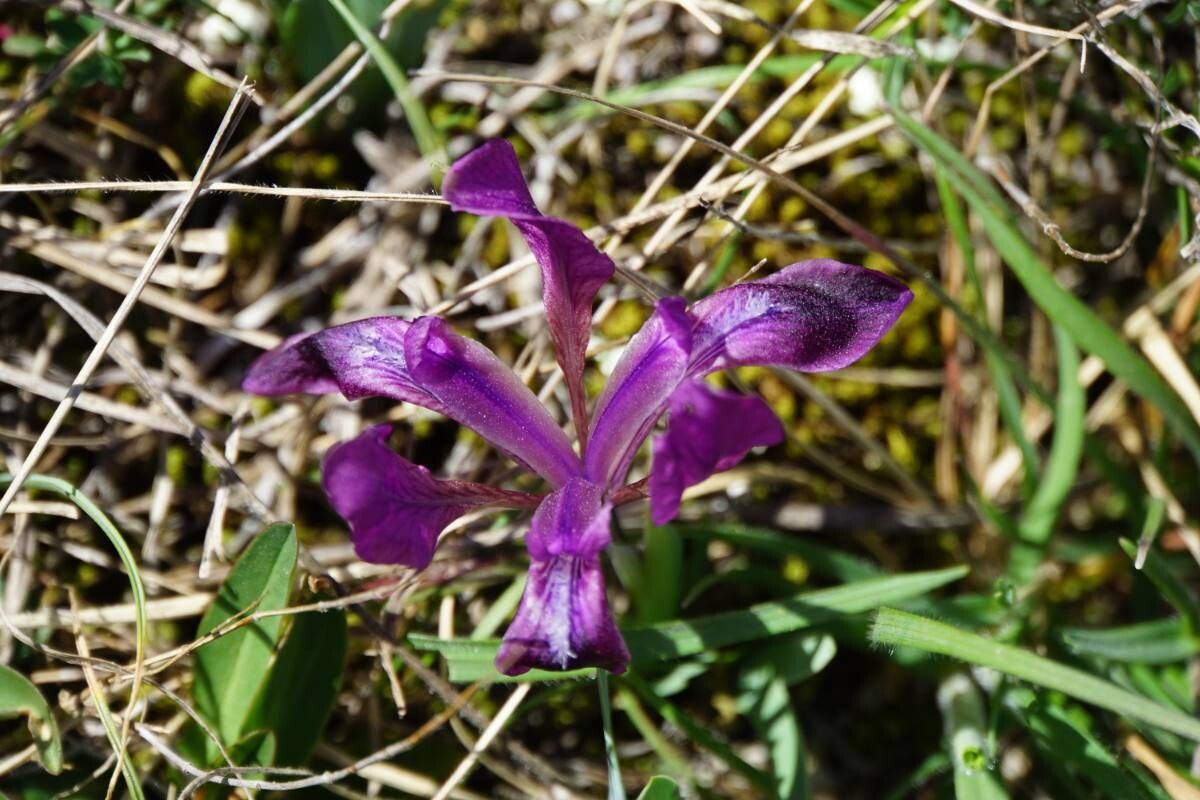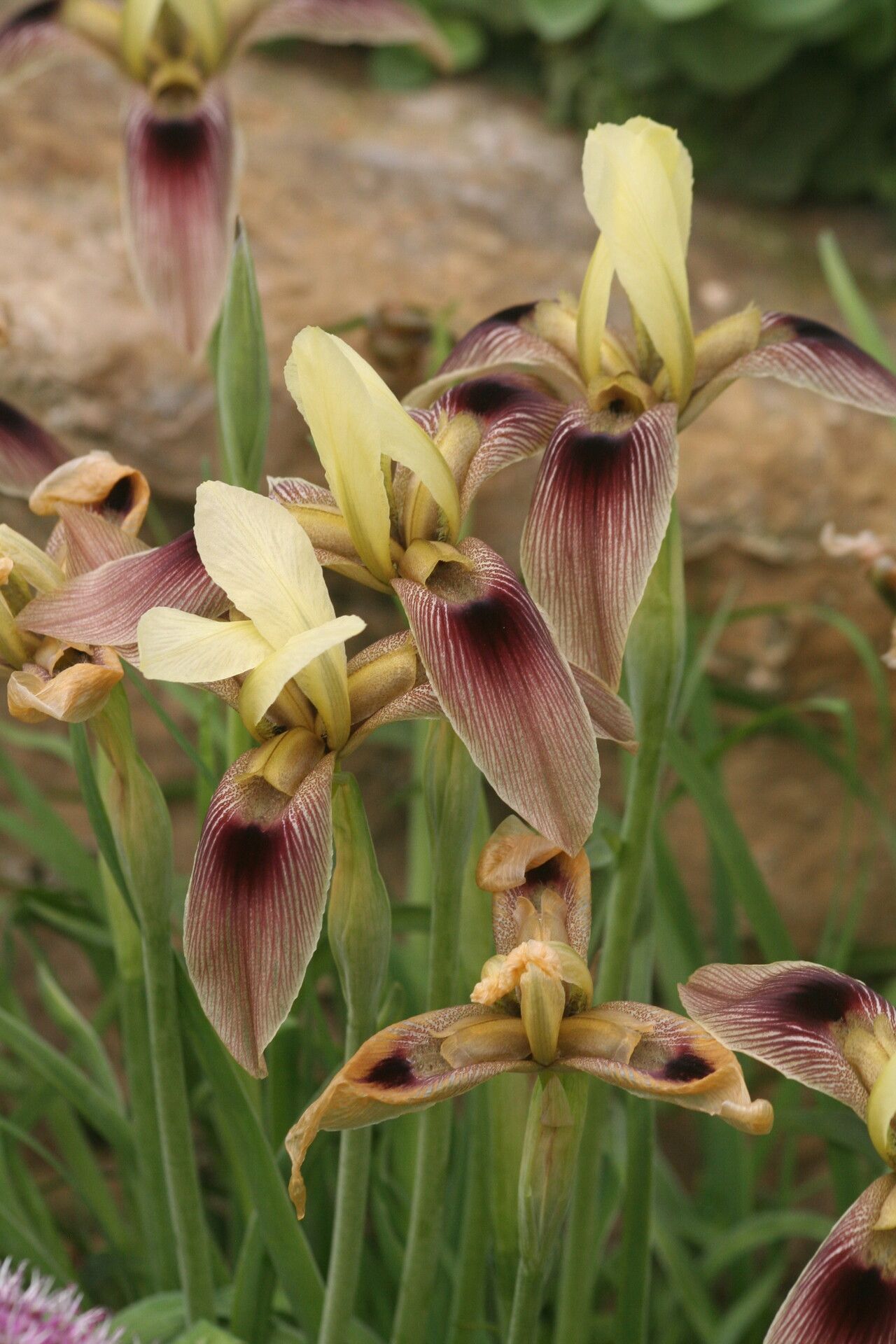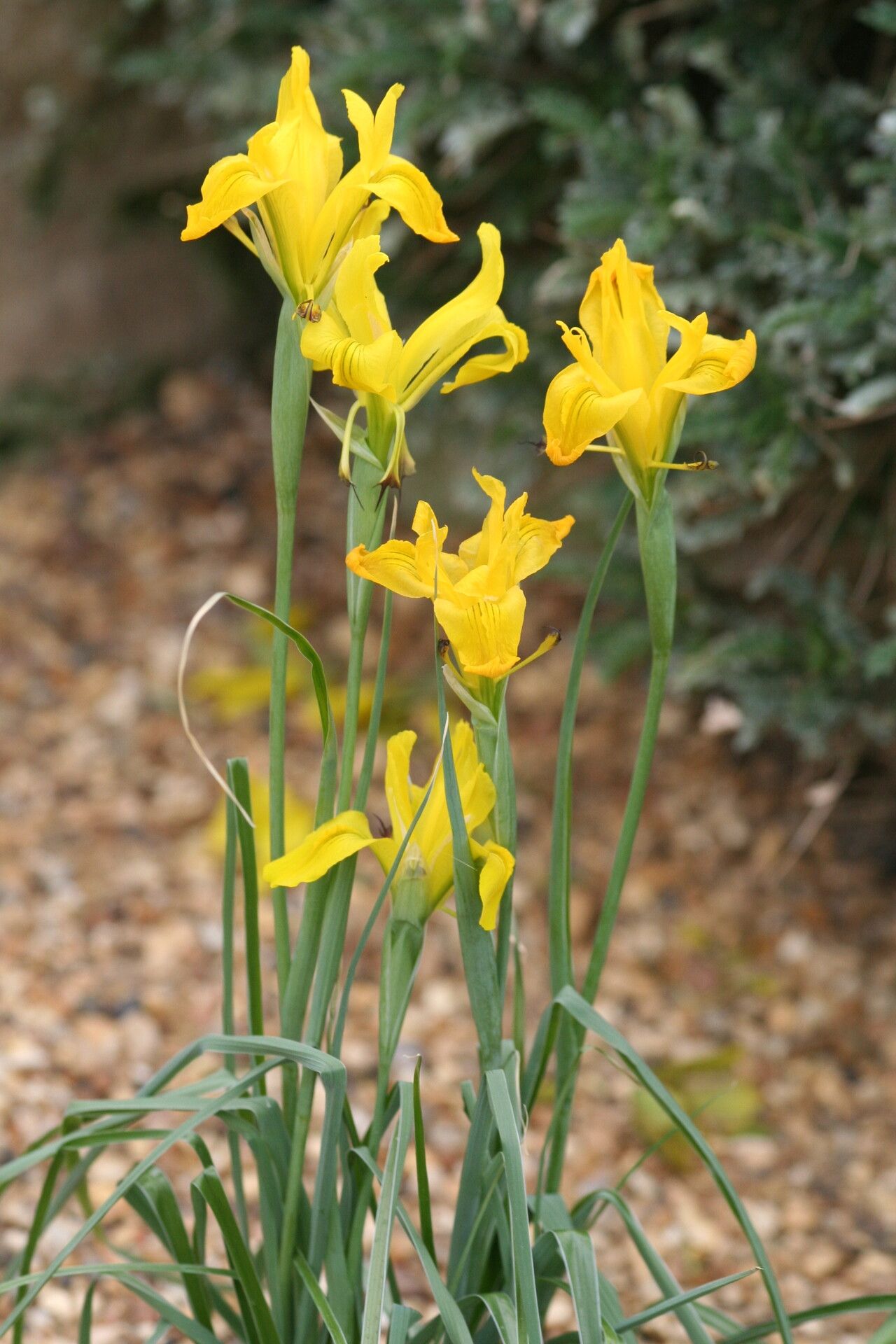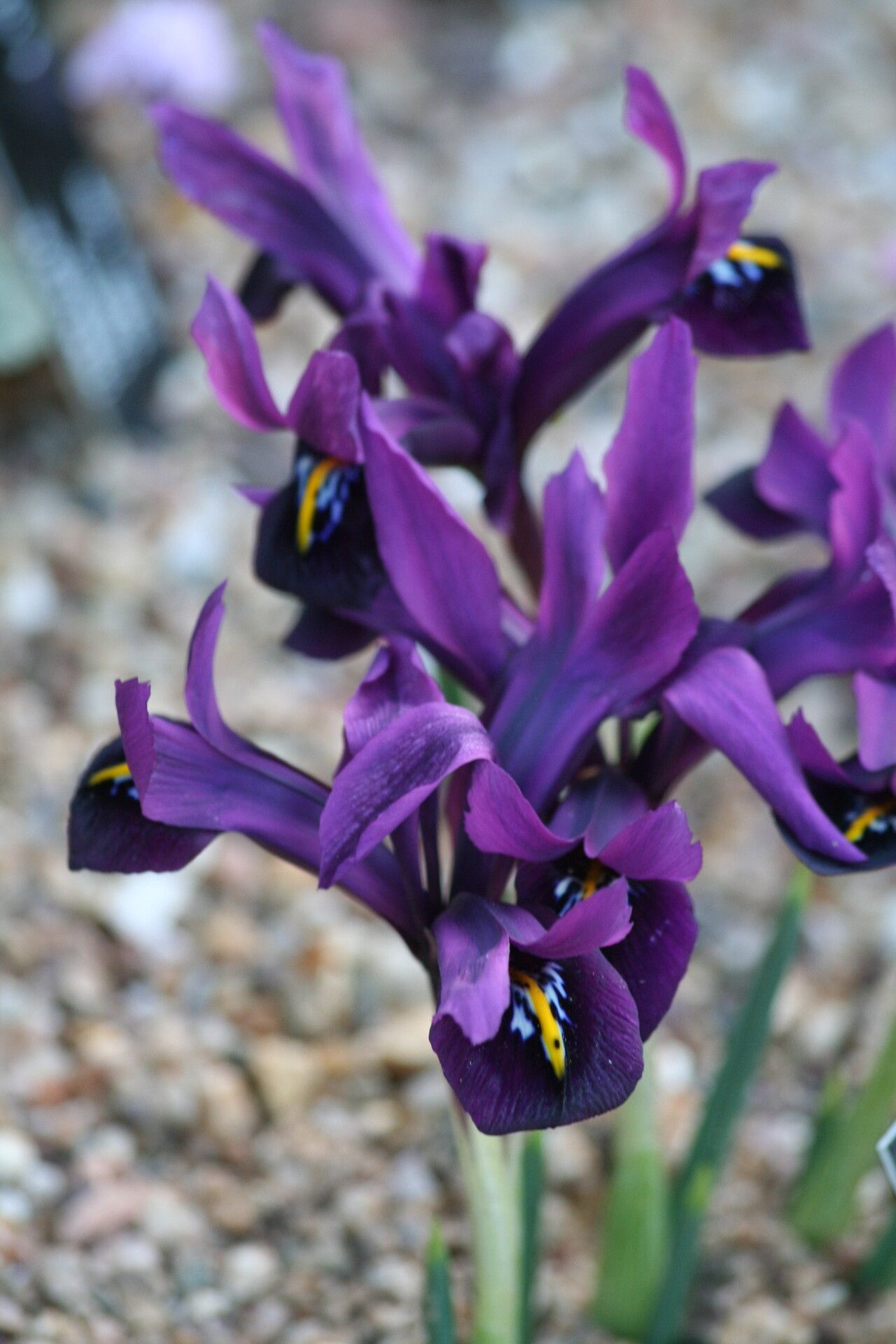
Iris histrioides, the orchis iris, winter iris or Harput iris, is a species of flowering plant in the genus Iris, subgenus Hermodactyloides of the family Iridaceae. It is a bulbous perennial, that is native to Turkey, and has bluish scented flowers. It is cultivated as a plant for ornamental purposes in temperate regions, and has many known cultivars.
Iris histrioides generally has strong resistance to disease and is usually not prone to illnesses. However, it can be affected by pests and diseases present in its environment. These problems are typically mild. Regarding care, this plant requires moderate maintenance. It should be pruned regularly to preserve a good appearance and encourage healthy growth. Fertilizing can also help stimulate flowering. Iris histrioides is appropriate for anyone with an outdoor area, such as a garden or patio, and does not demand extensive experience in plant care. It may need more attention when grown indoors.
How to keep Iris Histrioides.
Light
Iris histrioides is a sun-loving, herbaceous perennial that originates from open habitats and is commonly found thriving in meadows and grasslands. It prefers full sun but can also tolerate partial sun.
Water
Iris histrioides flourishes in moist, well-drained environments and requires a balanced amount of water. Watering it once a week is ideal for maintaining its health. Despite being deciduous, Iris histrioides retains a significant amount of moisture during dormancy, which helps it survive harsh conditions.
Temperature
Iris histrioides can tolerate a wide range of temperature conditions, but its distribution may still be restricted by different combinations of water and heat. It performs best in warm summer climates with adequate rainfall or watering. Extended periods of cloudy, rainy weather, as well as prolonged high temperatures, can raise the likelihood of Iris histrioides dying. In winter, suitable protection from cold can increase the plant’s survival rate.
Fertilizer
The primary time to fertilize Iris histrioides is in early spring when the flowers start to form. The correct fertilizer promotes better blooms and helps Iris histrioides produce attractive flowers. Fertilizing in early spring secures strong flowers throughout the season and supplies energy for its dormant growth phases.
Pruning
Iris histrioides is a bulbous perennial known for its vibrant blue flowers. To maintain its health, prune it from early to late spring after it has bloomed. Remove spent flowers and any yellowing leaves. Trimming away damaged foliage also helps boost growth and improves light penetration and air circulation, ensuring that your Iris histrioides remains healthy and attractive.
Botanical profile.
- Plant Type
- Herb
- Life Cycle
- Perennial
- Genus
- Iris
- Family
- Iridaceae
- Hardiness Zone
- 4-9
- Mature Height
- 10 cm to 15 cm
- Mature Spread
- 5 cm to 10 cm
- Leaf Color
- Green
- Leaf Type
- Semi-evergreen
- Flower Color
- Yellow, Blue
- Flower Size
- 5.08 cm to 7.62 cm
- Bloom Time
- Late winter, Early spring
- Planting Time
- Spring, Autumn
- Harvest Time
- Mid spring, Late spring
- Native Area
- Turkey