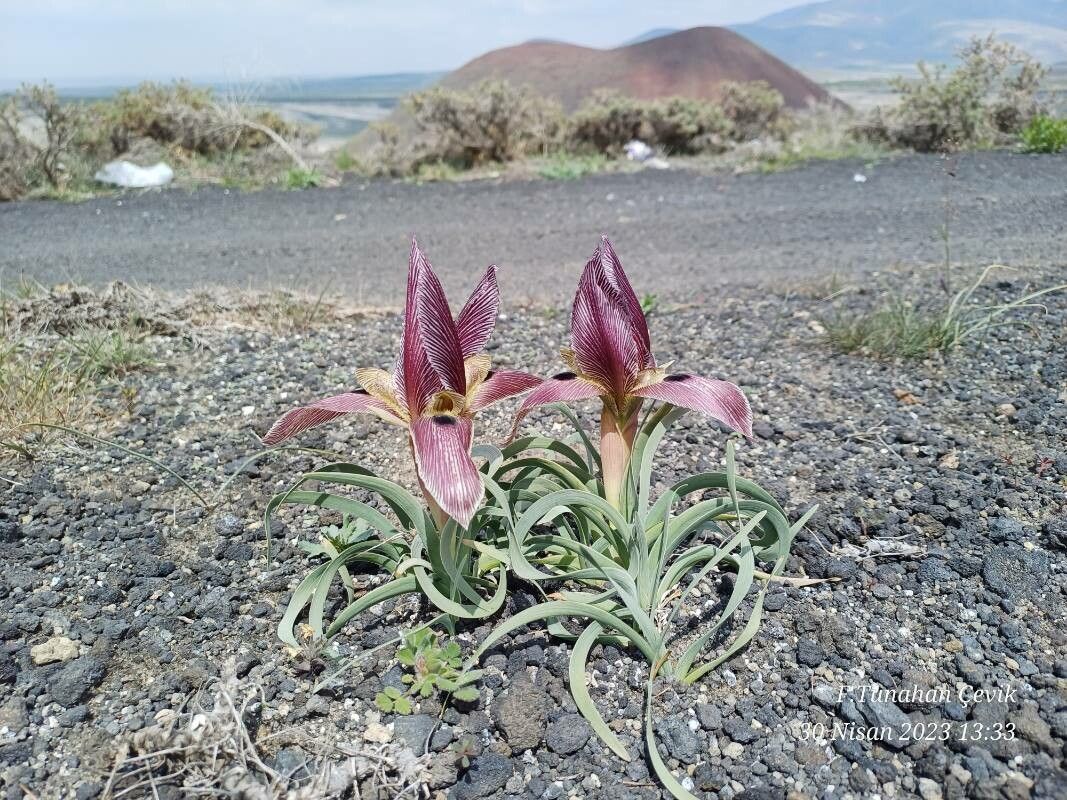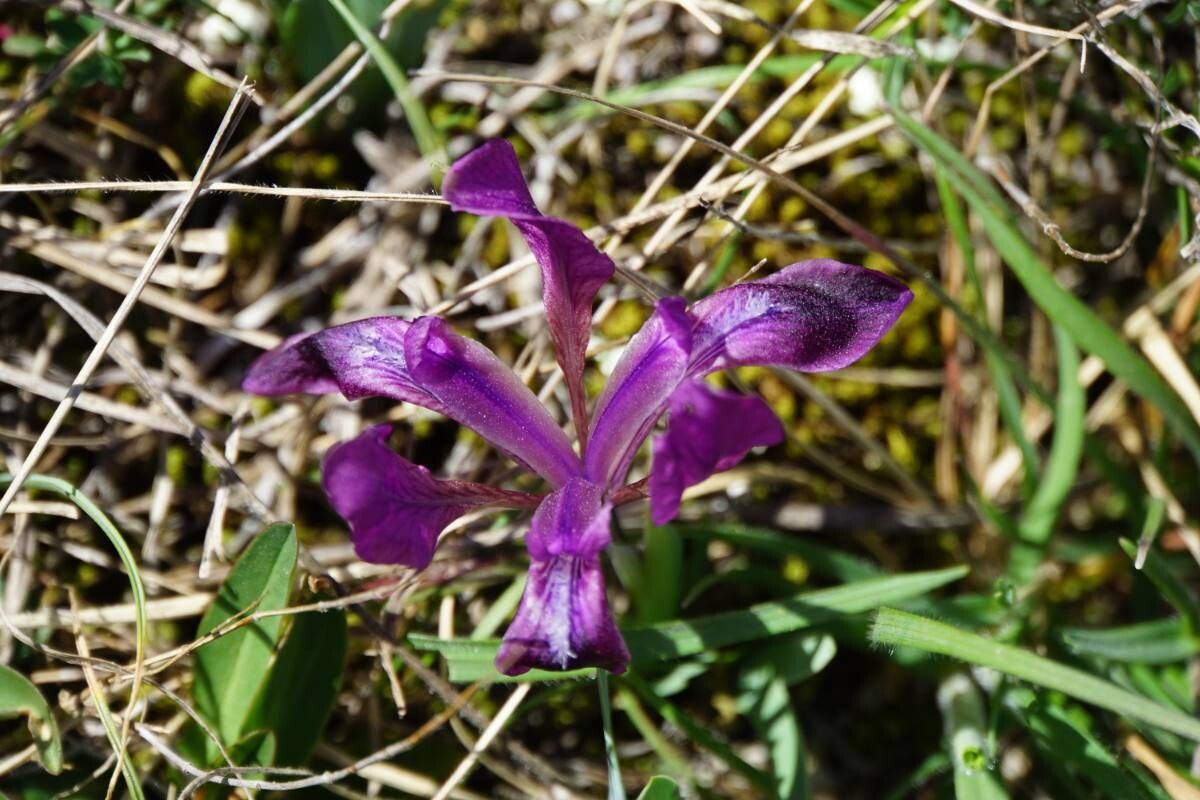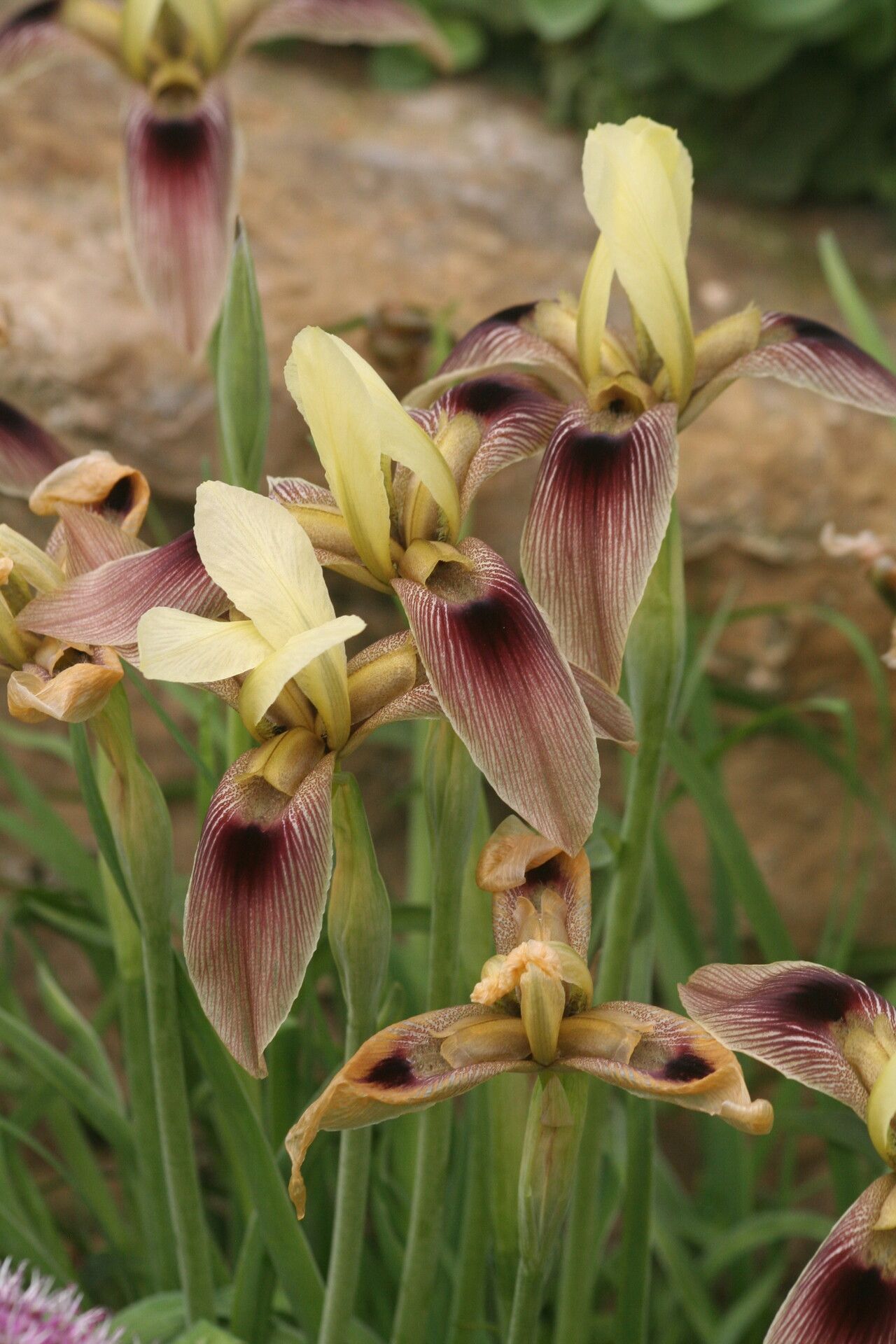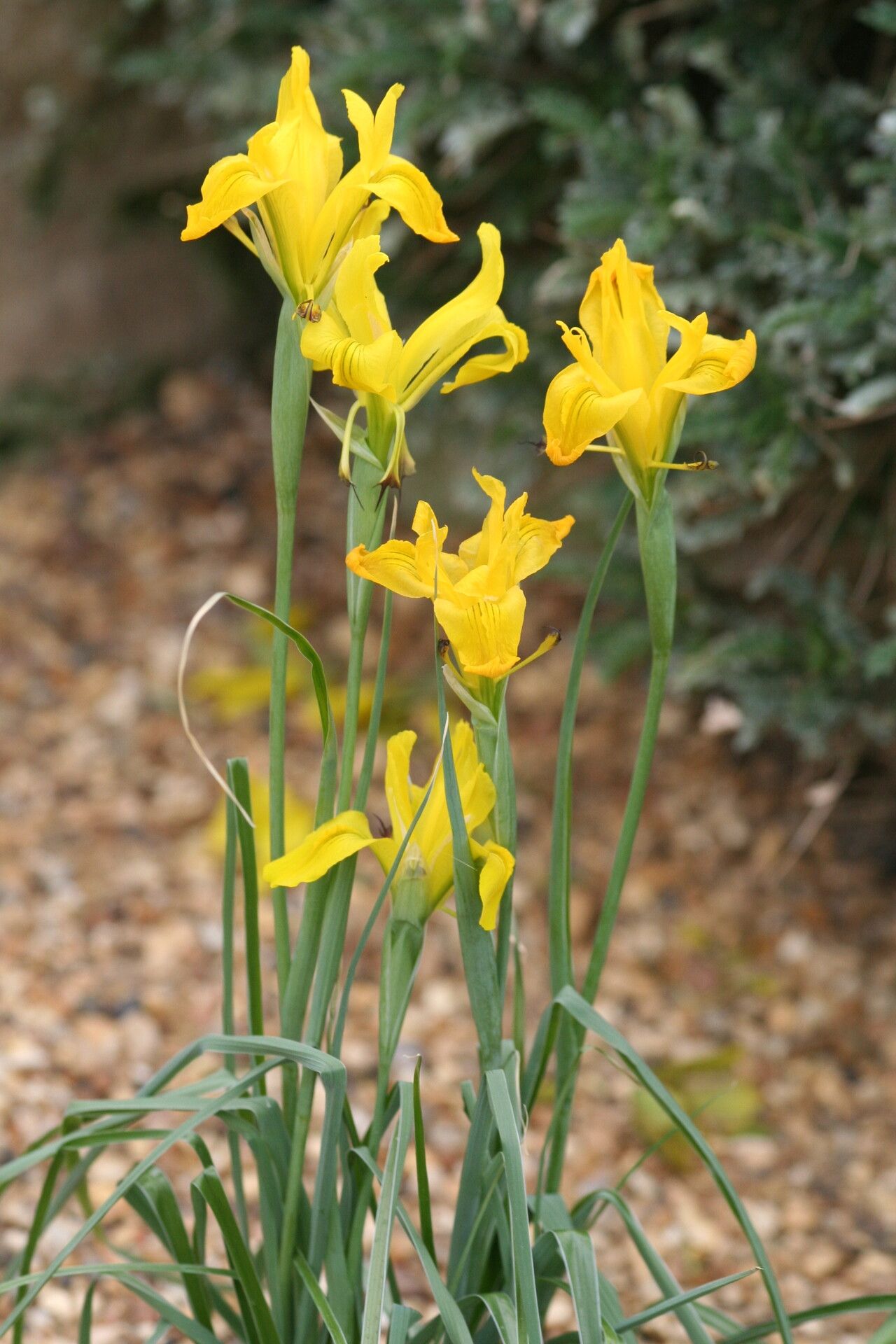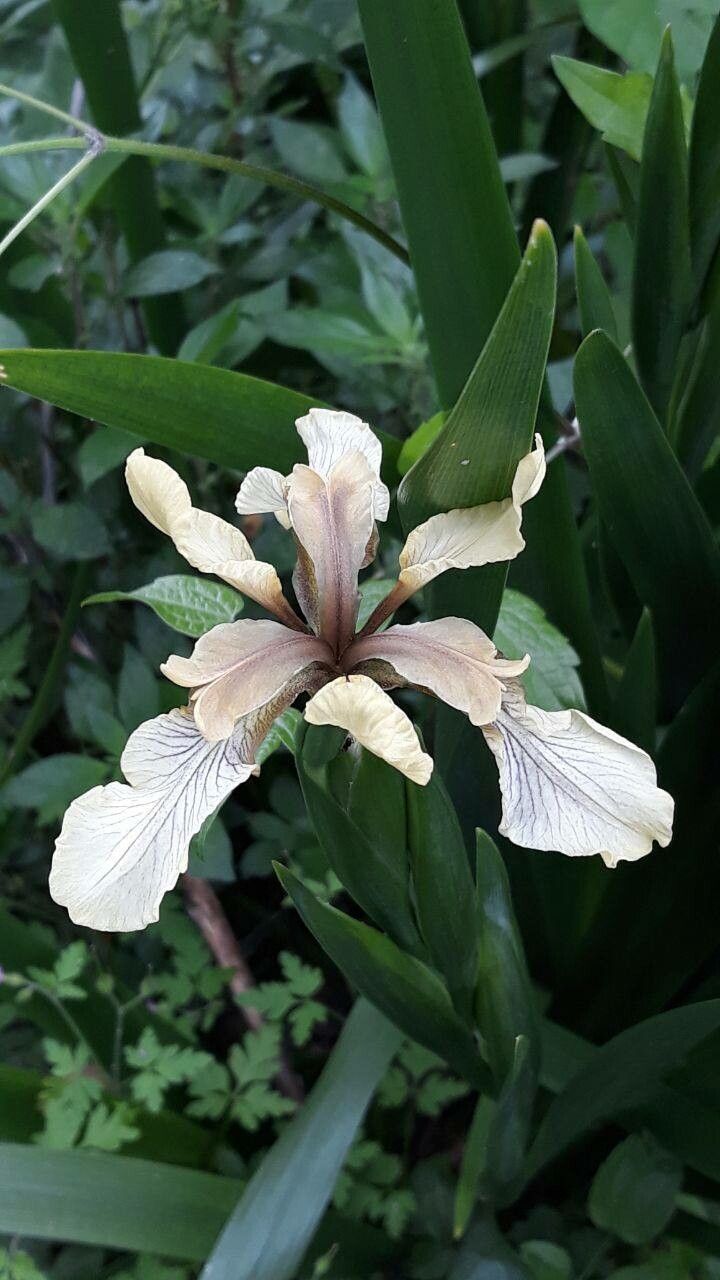
Iris fernaldii, commonly known as Fernald's iris, is a species of iris endemic to western Northern California. It is native to the Inner and Outer North California Coast Ranges, such as the Santa Cruz Mountains, and surrounding the San Francisco Bay Area. It is found between 164–6,562 feet (50–2,000 m) in elevation. It grows in full sun near the coast, and afternoon shade inland. Fernald's are no longer found in pure form in Marin County, however; they have naturally hybridized with Douglas iris in this area.
Fernald's iris has good resistance to disease and is generally not prone to illnesses. However, it can be susceptible to pests and diseases present in its environment. These infections are typically not severe. For care, the plant needs a moderate amount of maintenance. It should be pruned regularly to keep a tidy appearance and support healthy growth. Fertilizing can also help encourage flowering. Fernald's iris is suitable for anyone with outdoor space, such as a garden or patio, and does not require much care experience. It may need extra attention when grown indoors.
How to keep Iris Fernaldii.
Light
The fernald's iris performs best when it has uninhibited access to sunlight, but can still withstand circumstances where sunlight is significantly limited. An excess or deficiency of sunlight can adversely affect the health of the plant. It originates from habitats exposed to differing light conditions, demonstrating its adaptability throughout its growth phases.
Water
Fernald's iris, which originates from moist meadows, flourishes in consistently damp environments. It prefers soil that is both well-hydrated and well-draining. To support its growth, particularly outdoors where it can benefit from natural light and seasonal rains, water the plant weekly. This regular watering helps enhance its development during active growth periods.
Temperature
The Fernald's iris is indigenous to moderate climates and thrives best in a temperature scale of 68 to 100.4 °F (20 to 38 ℃). Seasonal temperature changes may be needed to accurately recreate its original growing conditions.
Fertilizer
The health and aesthetic of Fernald's iris significantly depends on adequate fertilization. Apply fertilizer to Fernald's iris during summer, continuing on a monthly basis throughout the season. Fertilizer supplies the necessary nutrients for growth and sustains the parts of the plant. Through fertilization, the flower presentation of Fernald's iris is also improved, thereby guaranteeing the most spectacular blooms.
Pruning
Fernald's iris boasts elegant flowers and slender leaves. To keep these plants healthy and thriving, prune them in the spring by removing dead foliage and spent stalks. This practice encourages growth, prevents disease, and improves air circulation. Be sure to always use sterilized tools to prevent infections.
Botanical profile.
- Plant Type
- Herb
- Life Cycle
- Perennial
- Genus
- Iris
- Family
- Iridaceae
- Hardiness Zone
- 9-11
- Mature Height
- 30 cm
- Mature Spread
- 49 cm to 91 cm
- Leaf Color
- Green
- Leaf Type
- Deciduous
- Flower Color
- Yellow, Lavender
- Flower Size
- 5.08 cm to 7.62 cm
- Bloom Time
- Mid spring, Late spring
- Planting Time
- Spring
- Harvest Time
- Early summer, Mid summer
Other names.
Reader questions.
How should I water my Fernald's iris?
To properly water the Fernald's iris, it is best to use filtered water at room temperature. Tap water may contain harmful particles, so filtered water is preferred. The temperature of the water should be warm or slightly warmer because the Fernald's iris is accustomed to a warm environment and cold water can be harsh on it. Instead of overhead watering, it is recommended to simply pour the filtered room temperature water onto the soil until it is completely soaked. This method helps the plant by nourishing the roots and allowing them to spread and collect nutrients.
How much sunlight does Fernald's iris need in order to grow?
Fernald's iris thrives with six to eight hours of direct sunlight daily. When growing them outdoors, choose a spot that gets full sunlight all day. Indoors, place the iris near a south-facing window or another sunny location. However, be careful not to expose them to direct sunlight during extreme temperatures or on hot summer afternoons above 35°C (95℉). Intense sunlight can damage the leaves, causing them to wilt or get scorched. To prevent this, use sheer curtains or blinds to filter the sunlight or relocate the plant to a shadier area.
What temperature is best for Fernald's iris?
To help your tropical plants thrive, it's best to maintain a temperature range of 75℉ to 90℉ (25-32℃). While different species can tolerate temperatures outside this range, sticking within a few degrees of these limits will ensure optimal growth. However, there are extreme temperature limits to be aware of. Anything below 50℉ (10℃) or above 95℉ (35℃) can hinder growth and cause issues with the leaves and stems. Low temperatures are particularly damaging, as even a light frost can lead to the death of your tropical plants. In fact, cellular death can occur rapidly, with some species dying within 12 to 24 hours.
What should I do if I give my Fernald's iris plant too much or too little water?
Overwatering is a more frequent issue for Fernald's iris compared to underwatering. Overwatering can cause wilting, yellowing of the stems and leaves, as well as diseases like root rot, mold, and mildew. These diseases can be fatal to the plant if not addressed early. Underwatering is less common, but can cause brittle and brown leaves. It is important to promptly notice signs of overwatering and reduce watering if necessary. Assessing the soil drainage and replacing it with well-draining potting mix can help prevent overwatering. If signs of underwatering are observed, increasing watering frequency until the signs go away is sufficient.
What will happen if Fernald's iris doesn't get enough sunlight?
Insufficient sunlight can negatively impact your Fernald's iris. Without enough light, the plant may struggle to grow properly, appearing weak and leggy. Additionally, the leaves may turn yellow as a sign that the plant is unable to produce enough chlorophyll due to lack of sunlight. In severe instances, the plant could ultimately perish.
Does Fernald's iris need different temperatures at different times of growth?
Fernald's iris doesn't require temperature changes to enter different growing phases, but it's important to be consistent. Fluctuations in temperature can slow down its growth, regardless of its current phase. Therefore, it's best to keep the plant in a controlled environment. The ideal temperature range for optimum growth is between 75℉ and 90℉ (25-32℃). It's crucial to stay above the lower limit. Going above 90℉ (32℃) is not ideal, but as a tropical plant, it can tolerate it to some extent. Conversely, temperatures below 50℉ (10℃), especially 40℉/5℃, will directly damage this heat-loving plant species.
How frequently should I water my Fernald's iris?
If your Fernald's iris is in a pot, the best way to check if it needs water is by sticking your finger into the soil. If the top two to three inches of soil are dry, it's time to water. If you have your Fernald's iris planted outdoors in the ground, you can use the same method to test the soil. When the top few inches of soil have dried out, it's time to water. Usually, during spring and early fall, you'll need to water this plant about once a week using this method. But in extremely hot weather, you may need to water it twice a week or even more frequently. However, mature, well-established Fernald's irises can handle drought well.
What will happen if Fernald's iris gets too much sunlight? What will happen if Fernald's iris is exposed to too much sunlight?
To ensure the health of Fernald's iris, it is important to provide it with plenty of sunlight. However, be cautious not to subject it to excessive direct sunlight. If the plant is exposed to intense sunlight for a long time, it can develop sunburn symptoms, such as brown or scorched leaves. Keep an eye on the plant and relocate it to a shadier location if needed to prevent this.
Does Fernald's iris require varying temperatures throughout the year?
Fernald's iris is a plant that does not require different temperatures for different growing seasons. To properly care for this plant, it is important to maintain the environment within the optimal temperature range. Keeping the plant indoors allows for better temperature control regardless of the outdoor climate. Additionally, light is crucial for tropical species like the Fernald's iris. These plants prefer partial side exposure to the sun, meaning they should receive dappled or filtered light. Bright but indirect light is the best option when growing these plants indoors, as too much direct sunlight can harm the leaves and hinder growth.
How much water does my Fernald's iris plant need?
To properly water your Fernald's iris, do not be afraid to give it a generous amount of water. Make sure the top few inches of soil are dry before watering. It is best to thoroughly water the plant, ensuring that the entire soil is soaked. The water should be enough to cause excess water to drain out of the bottom of the pot. If you do not see excess water draining, it means you have not watered enough. However, be cautious not to let the water accumulate in the soil, as this can be harmful to the plant. On the other hand, if water does not drain through the pot, it may indicate that the soil does not drain well, which is not good for the plant's health. If the plant is outside, it generally needs about 1 inch of rain per week.
What temperatures should you keep your Fernald's iris to keep it healthy?
Here are three tips to help you take care of your plants: 1. Keep your plants away from windows during colder months: Cold air can leak into your home through cracks in the windows, and any plants placed near them will be affected. Move tropical plants to an area with bright but indirect light, while avoiding potential drafts. 2. Watch out for dry patches, which may indicate too much sunlight or heat: If you notice white or scorched leaves, your plant may be getting too much heat or sunlight. This can lead to dehydration and hinder growth. Dry spots can spread and eventually cause your plants to die if left unaddressed. 3. Be cautious of frost: Colder temperatures and frost can damage plants by disrupting their water circulation. This can lead to a lack of moisture in the stems and leaves. Look out for signs of hydrosis (a water-soaked appearance) and if the issue persists, the plant may shrivel and turn dark brown or black, eventually leading to death.
How should I water my Fernald's iris as it grows?
The water needs of the Fernald's iris can vary depending on its growth stages. In the first few years or after transplanting, it requires more water due to the energy it invests in developing new roots for future growth. These roots perform best with slightly more moisture. However, as the plant matures over a few seasons, it will require less water. Additionally, during the bloom period, when the flowers are developing, the Fernald's iris may need more water to fulfill the significant moisture demands of flower growth.